Fountain Pens
Artcraft Mars Rover Pen Review: A Handmade Fountain Pen With Real Martian Detail
John Hubbard's Artcraft Mars Rover pen packs 47-piece limited-edition charm, ceramic coating, a Franklin-Christoph nib, and thoughtful extras into a well-priced astronomy-themed writer.
Introduction
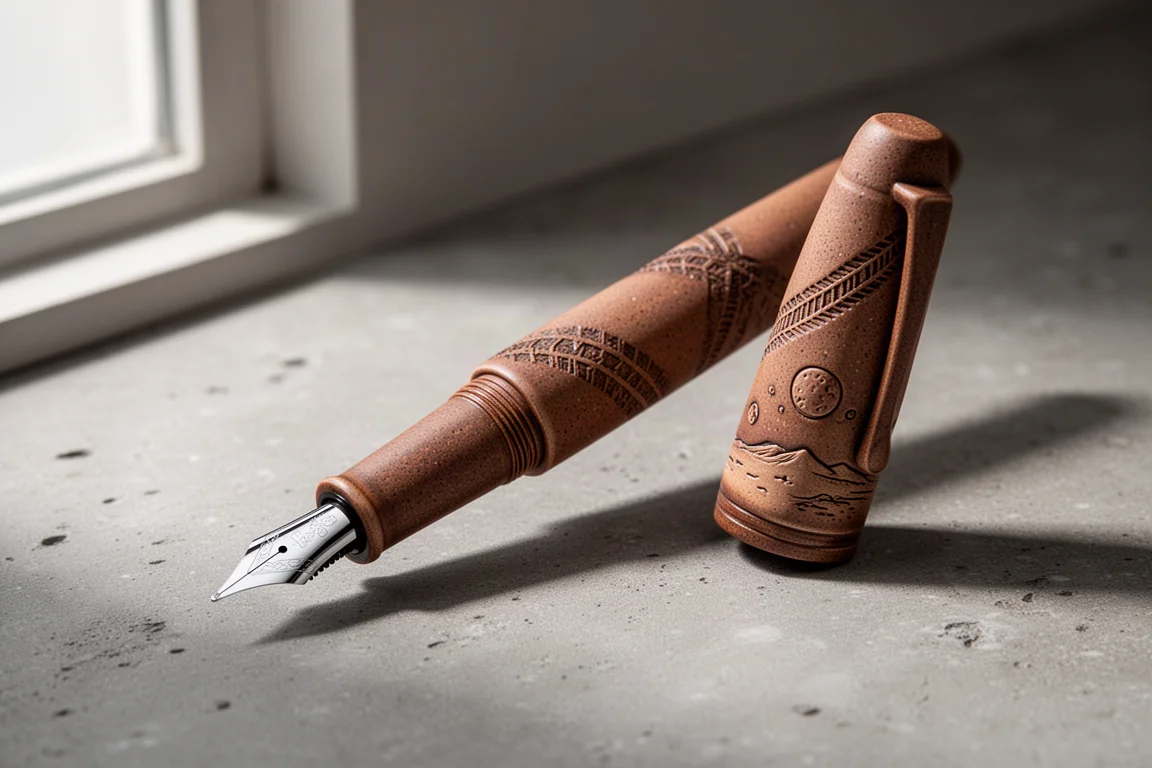
Every so often a pen comes along that is less about specs and more about story. The Artcraft Mars Rover pen, designed by John Hubbard, is exactly that kind of object. It follows his 3D-printed Moon Landing pen and commemorates the Mars rover landing, with design touches referencing the rover’s journey across the Martian surface. If astronomy is your thing, this could be a genuinely fun pen to own. Here is what you get, how it writes, and what to weigh up before buying.
What Comes in the Box
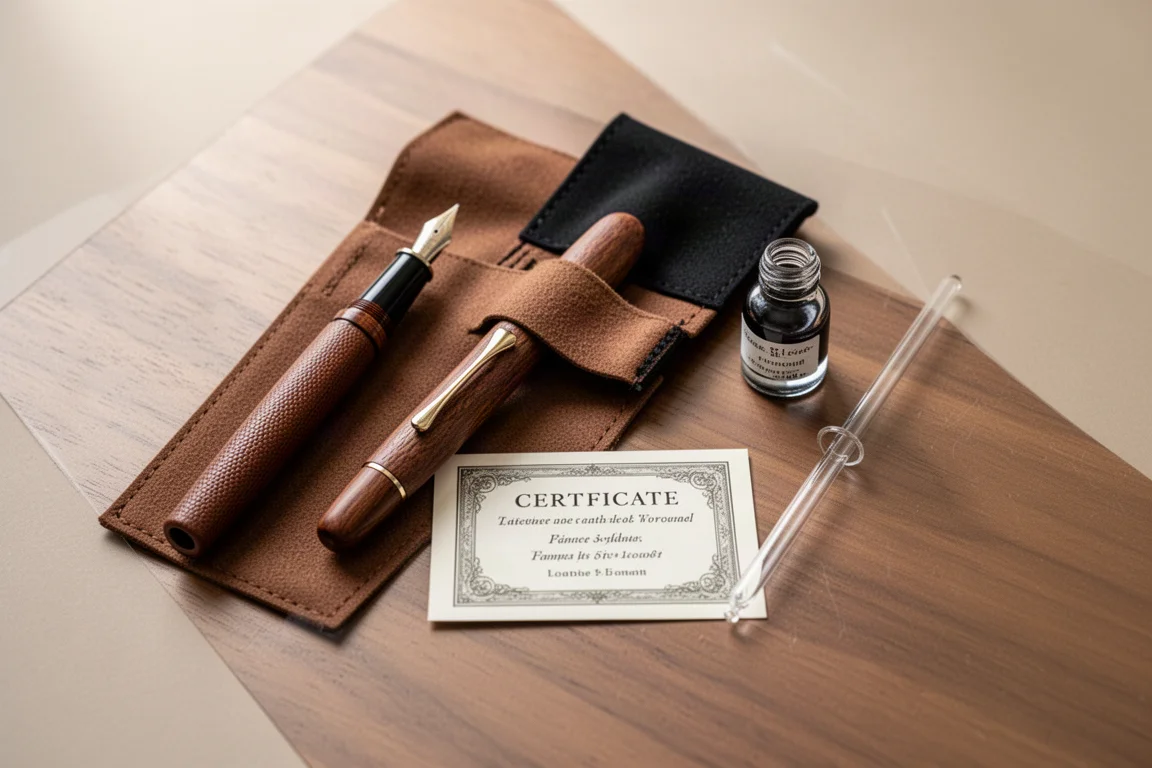
The package is unusually complete. Alongside the pen you get a certificate of authenticity, a custom Rickshaw pen sleeve in a brown and black combination, and a five-millilitre bottle of Calaveras Mars ink. The ink bottle is tiny and charming, with a very narrow neck, and it comes with a thin eyedropper so you can fill a converter directly, since the converter barely fits inside the bottle.
The pen itself is handmade, handwarrantied, and sits next to a Pilot Metropolitan at a fairly similar size. It uses a number six Franklin-Christoph high-performance steel nib with a converter included, and the whole pen is finished in a ceramic coating.
Design and Martian Details
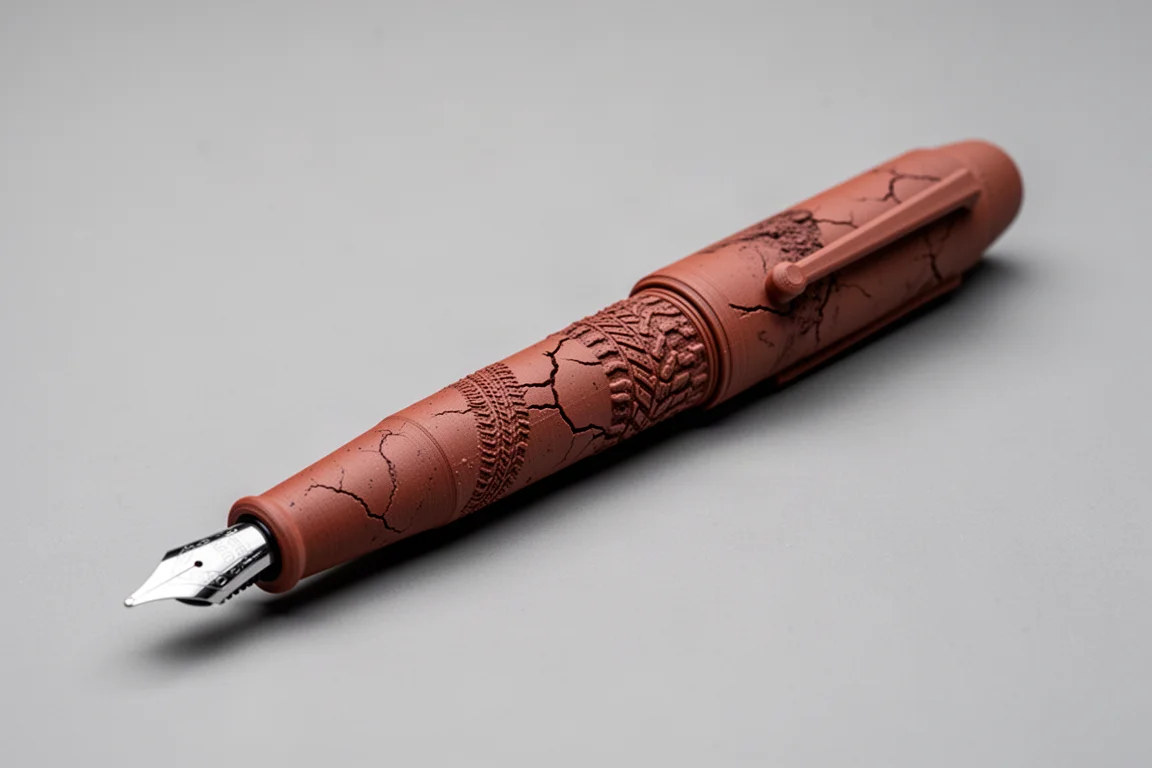
Mars, as it turns out, is not as red as we once thought. The colour reads more brownish, which is why this pen is brown. The surface texture almost resembles leather at a glance, with a landscape-like finish across the cap and barrel. Fine rover tracks run along the cap and barrel, and a light shadow detail on the pen represents the helicopter released on the planet’s surface.
One practical change from the Moon Landing pen: this one uses threads instead of a slip cap. The cap is plastic and light, so the pen stays balanced even when posted, never becoming top heavy.
The section is a slightly darker brown with coarser, though not sharp, threads. Because those threads sit near the nib end, ink could theoretically collect there when you fill the pen, but the coarse pitch makes cleanup easy and this was never a real problem in use.
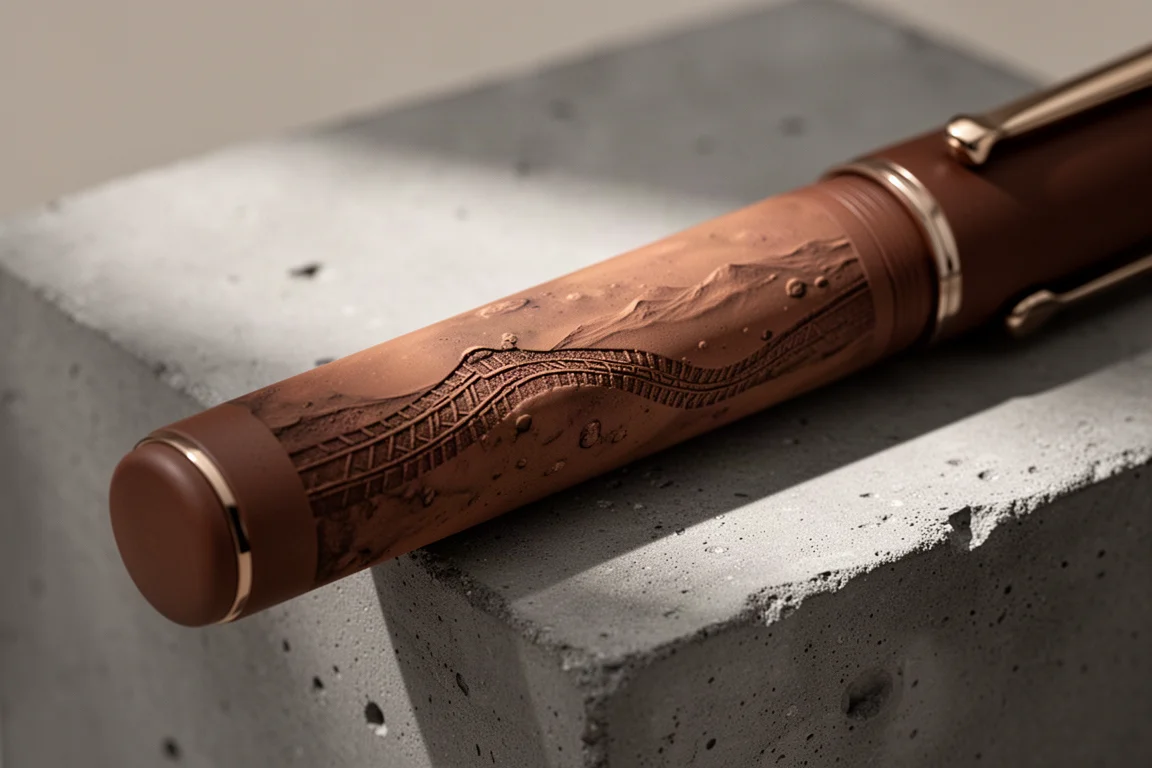
The special edition is numbered, and this example is number six of 47. That number is not arbitrary: 47 attempts were made to send orbiters, landers, and rovers to Mars, and only 47 pieces of this pen exist. John Hubbard’s signature appears on the barrel, and the edition marking catches the light just right.
Writing Experience and the Mars Ink
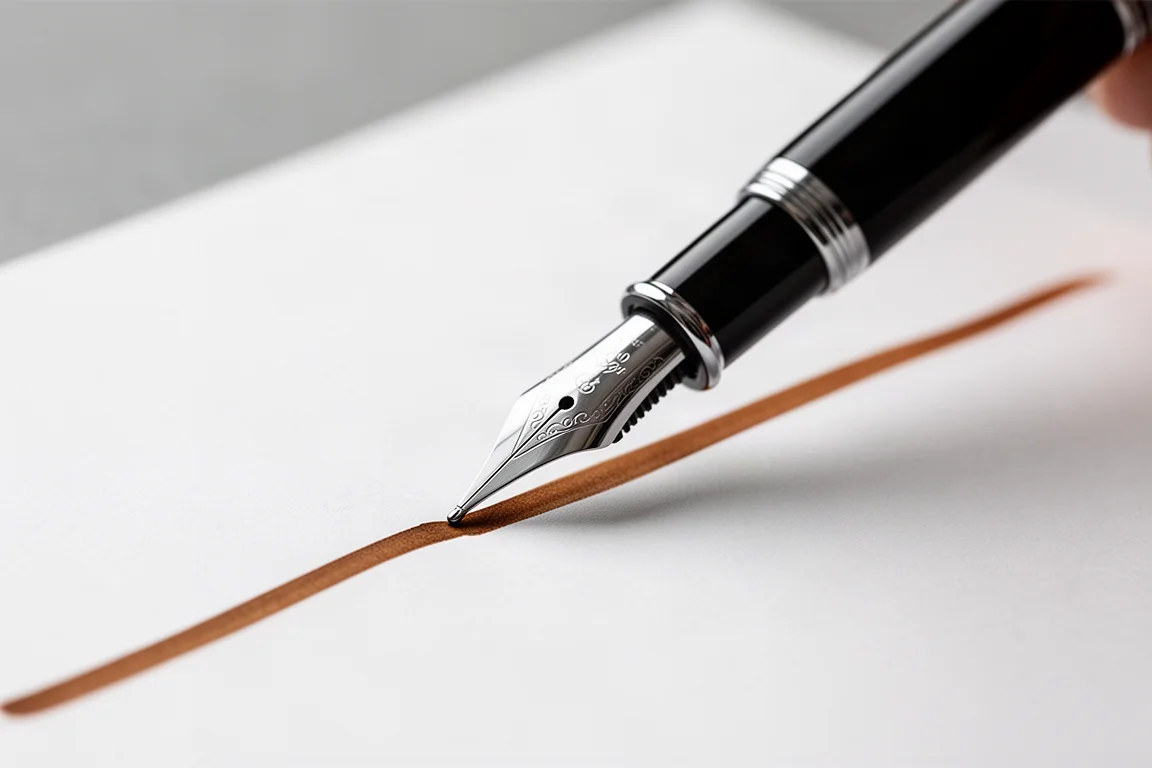
The review unit arrived with a Franklin-Christoph medium steel nib, tuned well and not too wet or too dry. It is a very round nib with no real line variation, and it is definitely not meant to be flexed. Reverse writing is possible but the nib dries out quickly, so if you want a finer line you are better off swapping in a different nib, which is easy since the nib unit unscrews.
The included Calaveras Mars ink is a well-shading brown with a lovely, almost translucent quality. It is a pleasant, comfortable writer and pairs beautifully with the pen’s theme.
One small quirk worth knowing: on occasion, unscrewing the cap could pull the entire barrel loose with it. Tightening the section well into the barrel solves this completely.
Moon Landing Pen Comparison
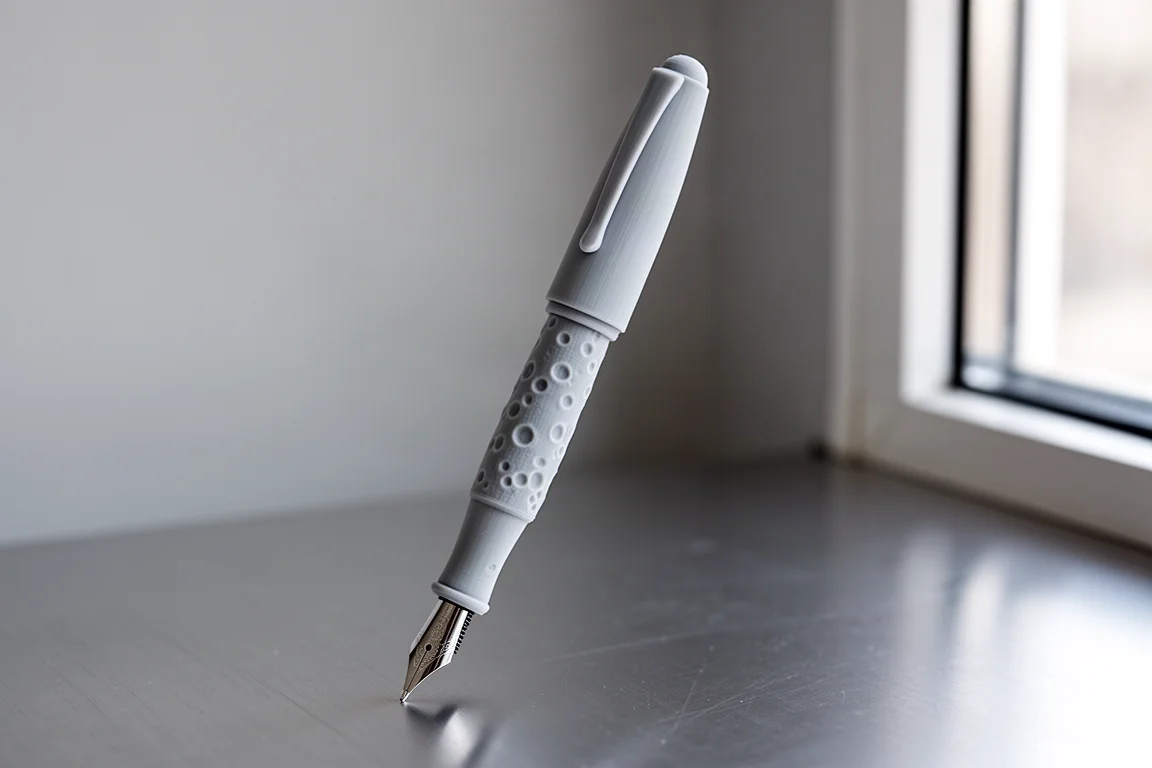
The Moon Landing pen, John’s earlier 3D-printed design, is a very similar pen in shape and overall character. The biggest practical difference is the capping mechanism: the Moon Landing pen uses a slip cap, while the Mars Rover pen adds threads, which feels more secure and removes any worry about pushing the cap on too hard. The basic pen across both models is similar; the Mars Rover special edition simply adds the numbered edition and richer Martian detailing.
Price and Editions
The special edition reviewed here costs 270 US dollars and is one of only 47 pieces. There is also a standard edition at 255 US dollars; the basic pen is the same, the special edition just adds the numbering. Rollerball options are available too if you prefer that writing style. Given the amount of research and development, the level of detail, and the small-batch production, the price feels fair for what it is.
Buying Advice
This is a specialized pen for a specialized audience. It is not aimed at the general public, and that is perfectly fine. It makes sense for you if you love astronomy or space history, appreciate small-batch handmade pens, and enjoy owning something genuinely thought through, right down to the included ink and sleeve.
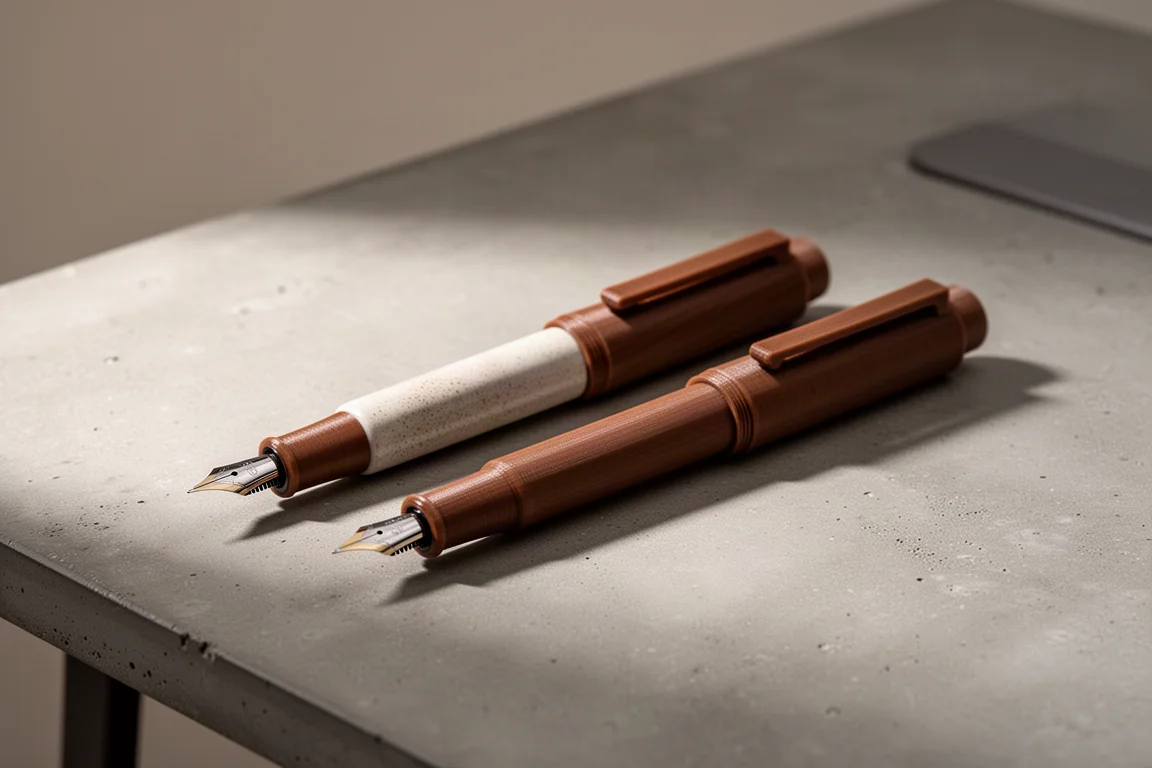
If you prefer a simpler, less expensive entry into this designer’s work, the standard edition covers the same basic pen without the numbering.
Conclusion
The Artcraft Mars Rover pen is a lot of fun and a lovely writer, delivered in a very complete package with the tiny ink bottle and the Rickshaw sleeve. The detailing is mesmerizing, the ceramic coating and threaded cap are welcome upgrades over its predecessor, and the only real quirk, the occasional barrel coming loose, is easily fixed. For space enthusiasts and pen collectors who enjoy a story in their writing instruments, it is easy to recommend.
Further reading
Related Reviews
Fountain Pens
Best Budget Fountain Pens Tested: 9 Pens, One Clear Winner
A hands-on comparison of nine affordable fountain pens for everyday writing, calligraphy, and sketching, with a clear standout for flexible nib fans.
Fountain Pens
Aurora Optima Review: An Italian Piston Filler That Punches Above Its Price
A 14k gold nib, ebonite feed, and a beautifully deep oraloid body make the Aurora Optima one of the most rewarding piston fillers around.
Fountain Pens
Cross Bailey Light Review: The Entry-Level Fountain Pen Worth Keeping at the Office
A plastic-bodied Cross with a metal clip, snap cap, and famously smooth extra fine steel nib. Around $15, available almost everywhere, and easy to recommend.