Home Audio
Home Theater Receivers vs Two-Channel Integrated Amps: Where the Value Really Sits
Room correction, streaming, and HDMI now cost far less in a home theater receiver than in a premium two-channel integrated amplifier. Here is how eight popular models compare.
Introduction
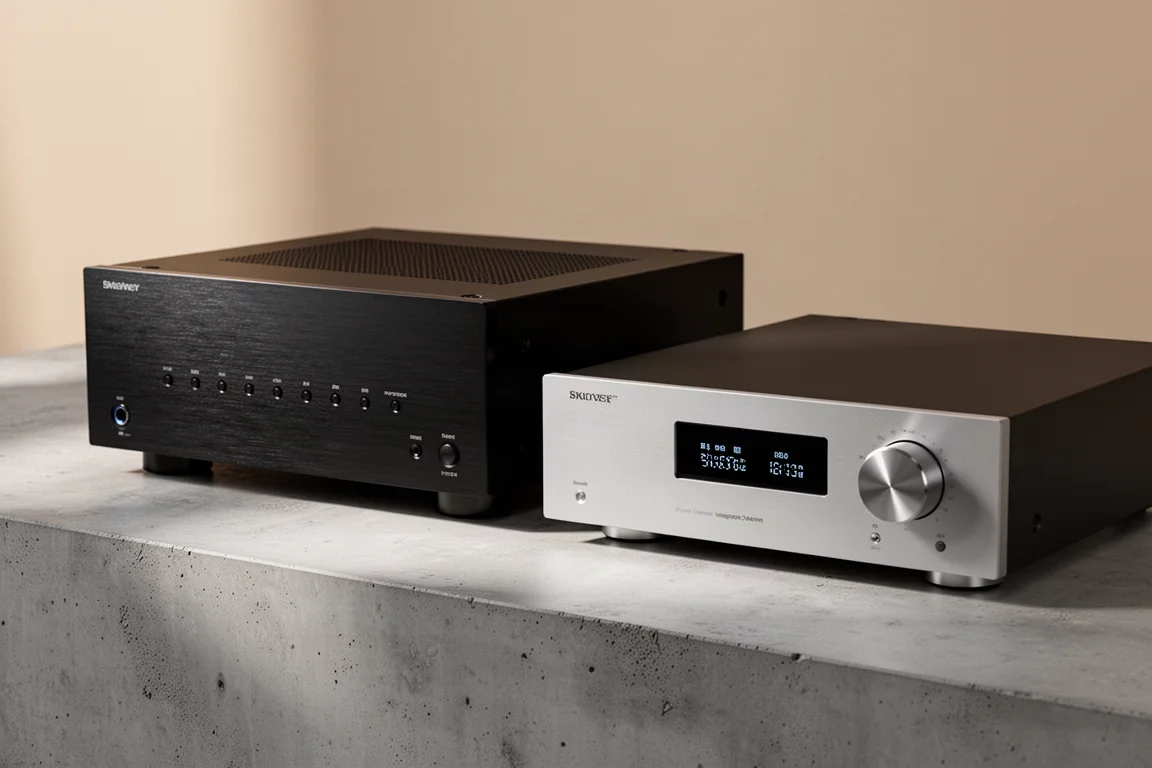
The long-standing assumption in home audio is that a two-channel integrated amplifier will always sound better than a home theater receiver. That assumption is getting harder to defend. Room correction and digital signal processing, the tools that let a receiver adapt to a room and a set of speakers, are now arriving in affordable receivers and processors, while integrated amplifiers that add the same capabilities are priced well above them.
This guide looks at eight products that sit on either side of that divide: the Pioneer VSX-LX305, the Marantz NR1711, the NAD D 3045, the Moon by Simaudio 240i, the NAD M10, the NAD C338, the Buchardt I150, and the Audiolab 6000A Play. The goal is not to crown one category the winner, but to show where the money goes and what a buyer actually receives for it.
Why a Receiver Can Outperform a Two-Channel Amp
DSP and room correction are the single biggest reason some receivers now rival two-channel amplifiers for music. A handful of high-end integrated amplifiers have adopted the same idea. The Buchardt I150 includes its own room correction, controlled from a phone, adjusting levels and similar parameters, and the NAD M10 builds in Dirac. The catch is price. Those amplifiers sit at roughly $3,000 or more, while a receiver such as the Pioneer VSX-LX305 lands around $1,000 to $1,100, less than half the cost.
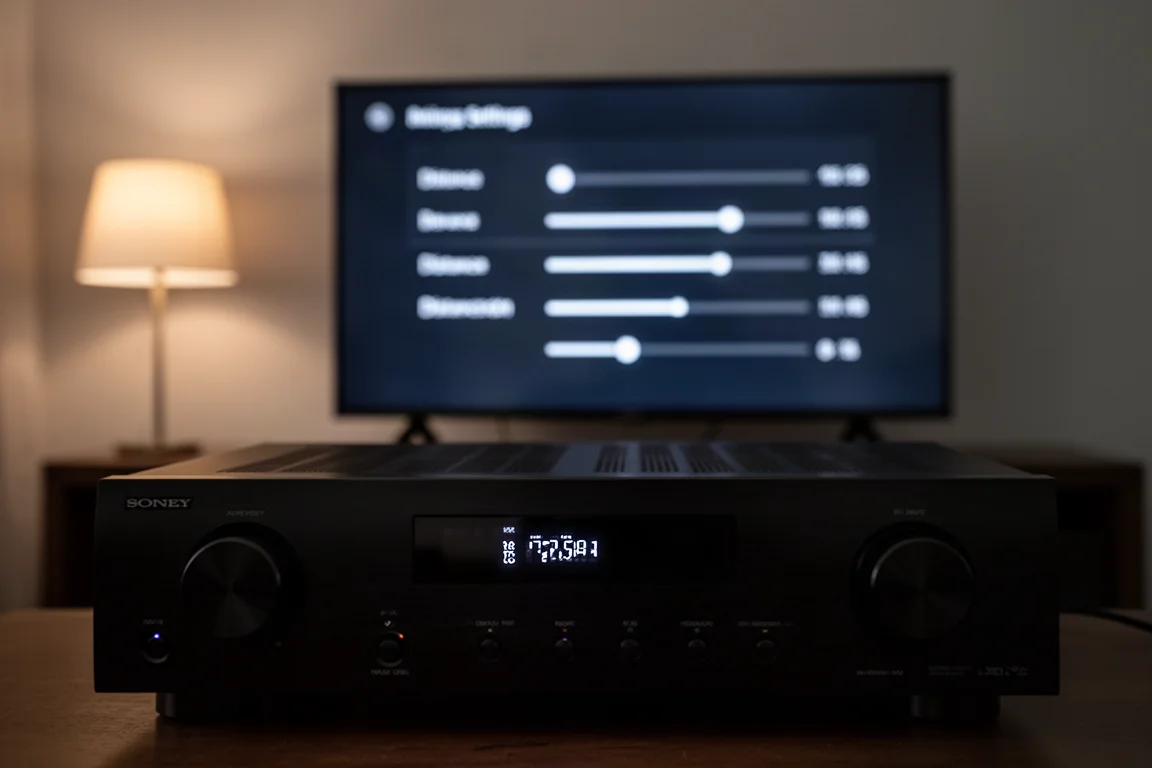
Dirac is also spreading downward. Receivers priced near $1,100 now include it, and more affordable signal processors are getting it as well. Equalisation, speaker distances, and level trims have been routine in home theater for years, yet the same tools are treated as a premium feature once they appear in a two-channel setup.
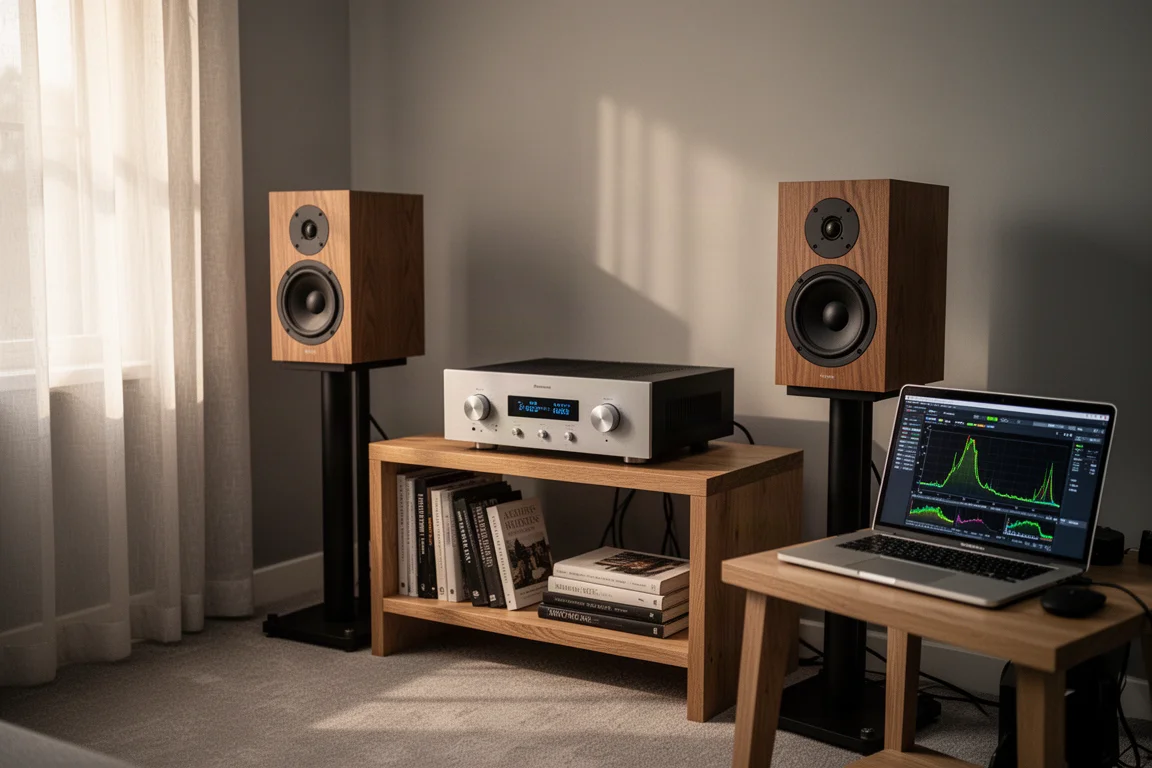
The trade-off is familiarity. Digging into these settings takes some patience, and the same is true of configuring Dirac on a two-channel system, so neither path is truly plug and play. What has changed is the price of entry, and that is where the value argument gets interesting.
Pioneer VSX-LX305: The Value Benchmark
The Pioneer VSX-LX305 is the clearest example of what a receiver buys at this price. It is a seven-channel design with a built-in PlayFi streamer, Tidal Connect, AirPlay, and Bluetooth, plus the surround processing you would expect from an AV receiver.
On sound alone, it makes the case for itself. In direct listening, the VSX-LX305 outperformed the more expensive NAD D 3045, which is difficult to justify when the receiver also adds seven channels of amplification, streaming, and surround decoding. For anyone whose budget lands near $1,000, this is the model to audition first.
Marantz NR1711: Seven Channels With Audyssey
The Marantz NR1711 is a seven-channel receiver with Audyssey room correction, HEOS streaming, AirPlay, and Bluetooth. Pricing has moved around: it has been available near $1,000 and was previously sold for around $750, and sales are common.
Its flexibility is a genuine advantage. The NR1711 can run a five-channel surround system and still leave two channels free for a dedicated two-channel setup with different speakers, switchable at the click of a button. In pure direct mode it sounded better than the NAD D 3045 and was only marginally less clear than the Moon by Simaudio 240i, an amplifier priced around $3,000 at the time.
That combination of room correction, streaming, surround processing, and a second stereo configuration is hard to match for the money, which is why the NR1711 keeps surfacing as a reference point in this comparison.
NAD D 3045: The Pricing Problem in One Product
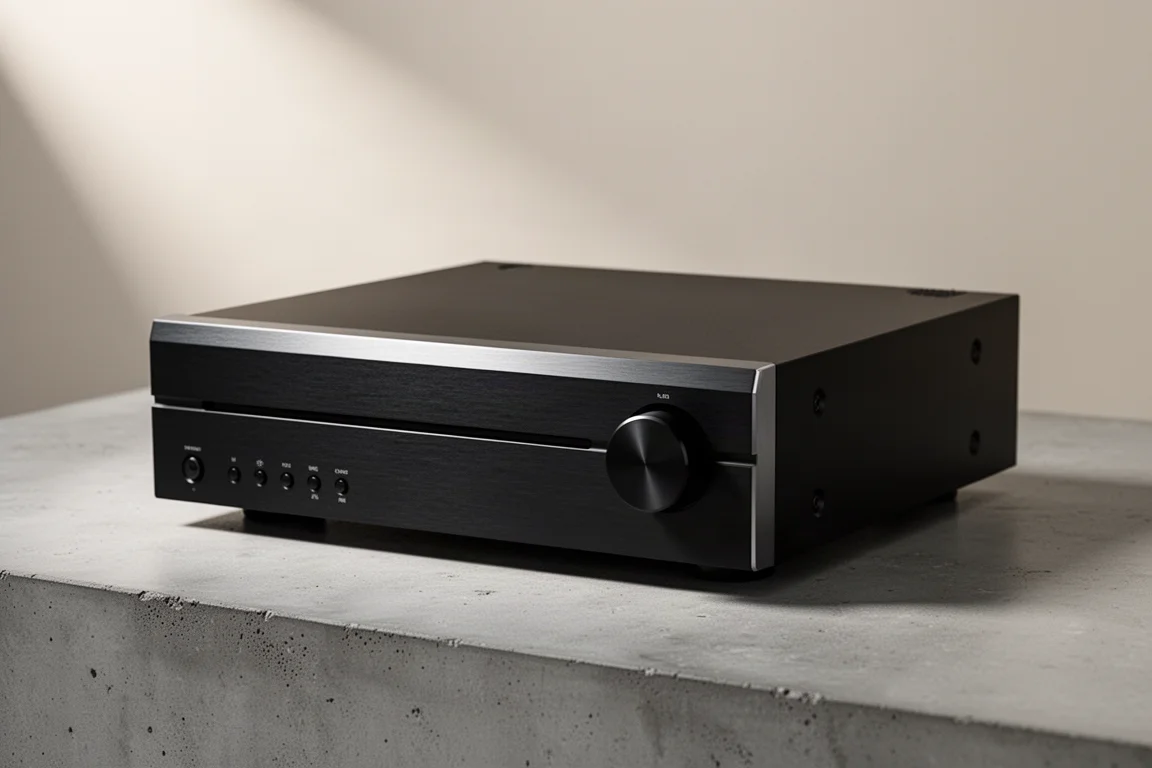
The NAD D 3045 is the model that best illustrates the pricing gap. It sells for around $900 and includes an HDMI connection on the back, a feature that is often presented as a significant addition to a two-channel amplifier.
In practice, the D 3045 did not sound as good as either the Marantz NR1711 in pure direct mode or the Pioneer VSX-LX305, both of which cost less. HDMI is also a weak justification for a premium. Nearly every modern television has an optical output, which a two-channel amplifier can accept directly, and budget home theater receivers include multiple HDMI inputs as a matter of course.
Moon by Simaudio 240i: A Premium Integrated With a Narrow Feature Set
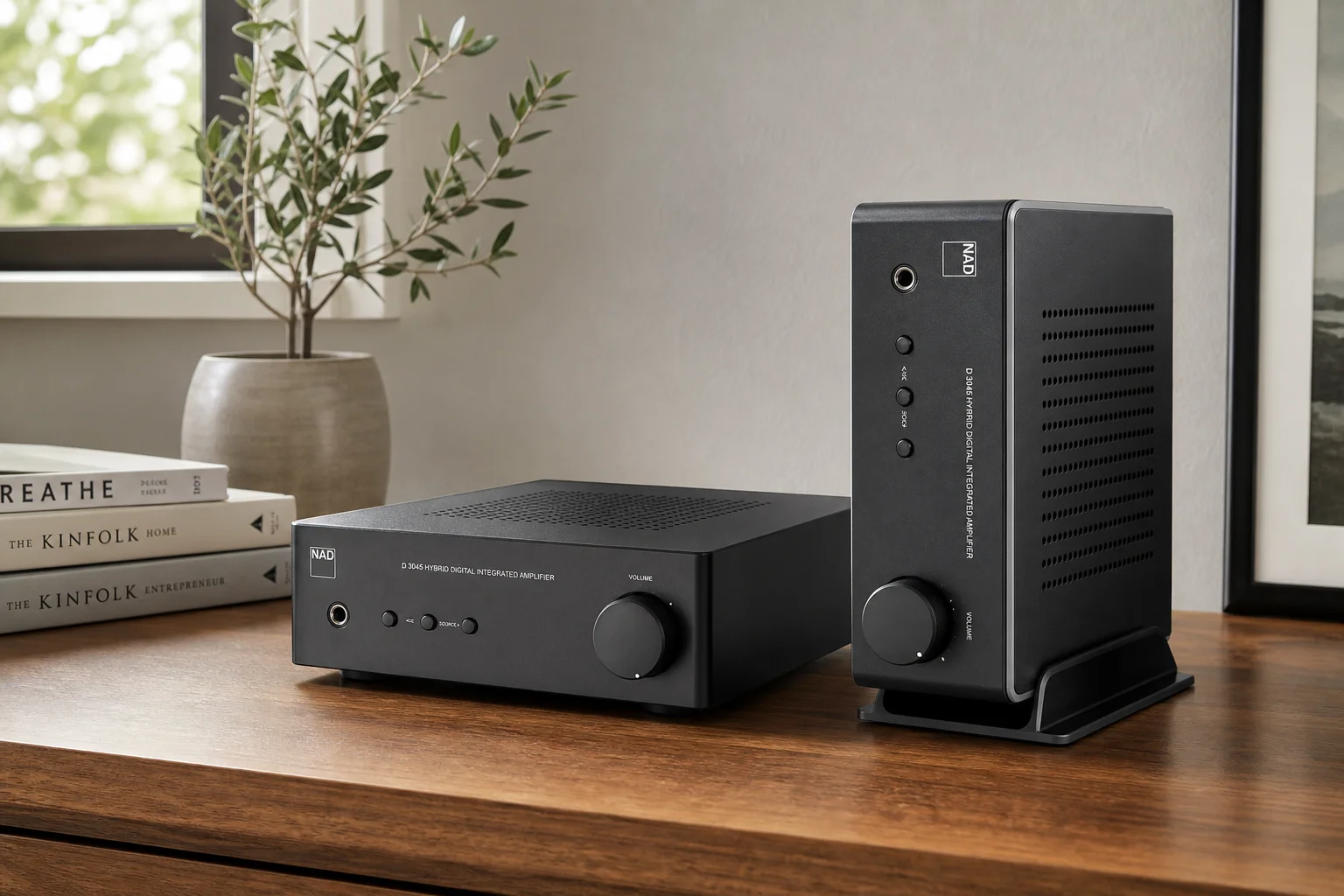
The Moon by Simaudio 240i sits around $3,000 and offers essentially one operating mode, with no room correction, no streaming platform, and no surround processing.
Against it, the Marantz NR1711 at roughly a quarter of the price was only marginally less clear in direct comparison. The practical conclusion is straightforward: at this price the money is better spent on speakers, where the audible return is usually far larger than the gap between these two amplifiers.
NAD M10: Dirac in a Two-Channel Chassis
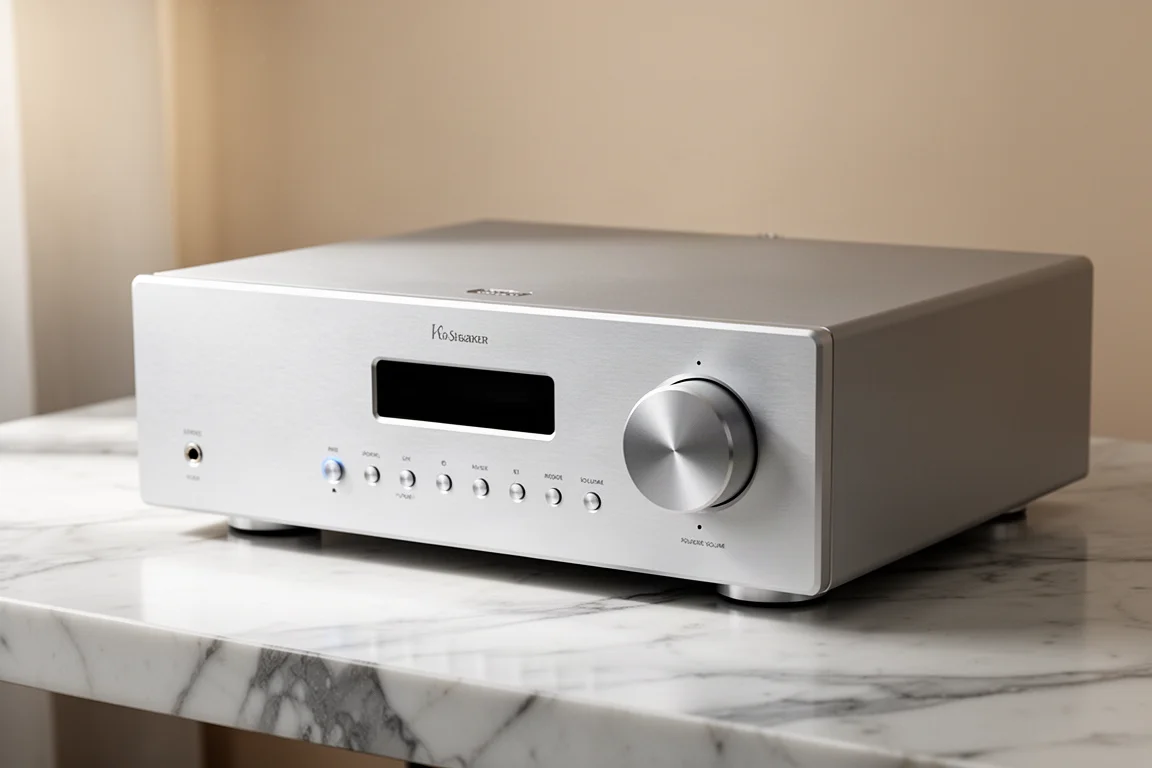
The NAD M10 brings Dirac room correction into a compact two-channel amplifier and is priced around $3,000. It represents the direction the high end is heading: the same correction technology that has been standard in receivers for years, packaged for a stereo system.
The question the M10 raises is one of proportion. Dirac now appears in receivers priced near $1,100, so a buyer has to decide whether the two-channel form factor, the streaming features, and the build are worth the difference. The M10 was not auditioned for this comparison, so treat it as a value observation rather than a verdict on its sound.
NAD C338: Chromecast Built In
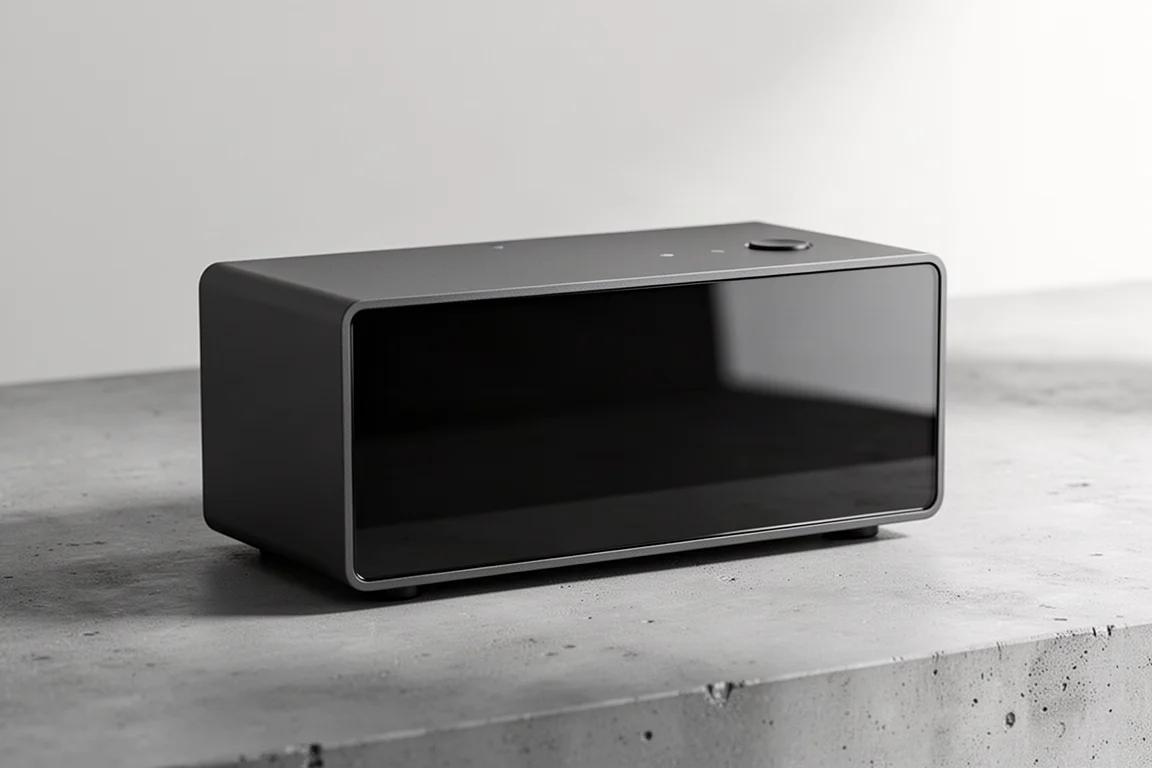
The NAD C338 includes Chromecast, putting a streaming platform inside a two-channel integrated amplifier. That is a real convenience for listeners who want to cast from a phone without adding a separate streamer.
It is worth keeping the price in perspective, though. Streaming is one of the areas where receivers give away as one feature among many what two-channel amplifiers charge extra for, and the C338 is a good illustration of how a network connection becomes the headline item on a stereo amplifier’s specification sheet.
Buchardt I150: Room Correction You Control From a Phone
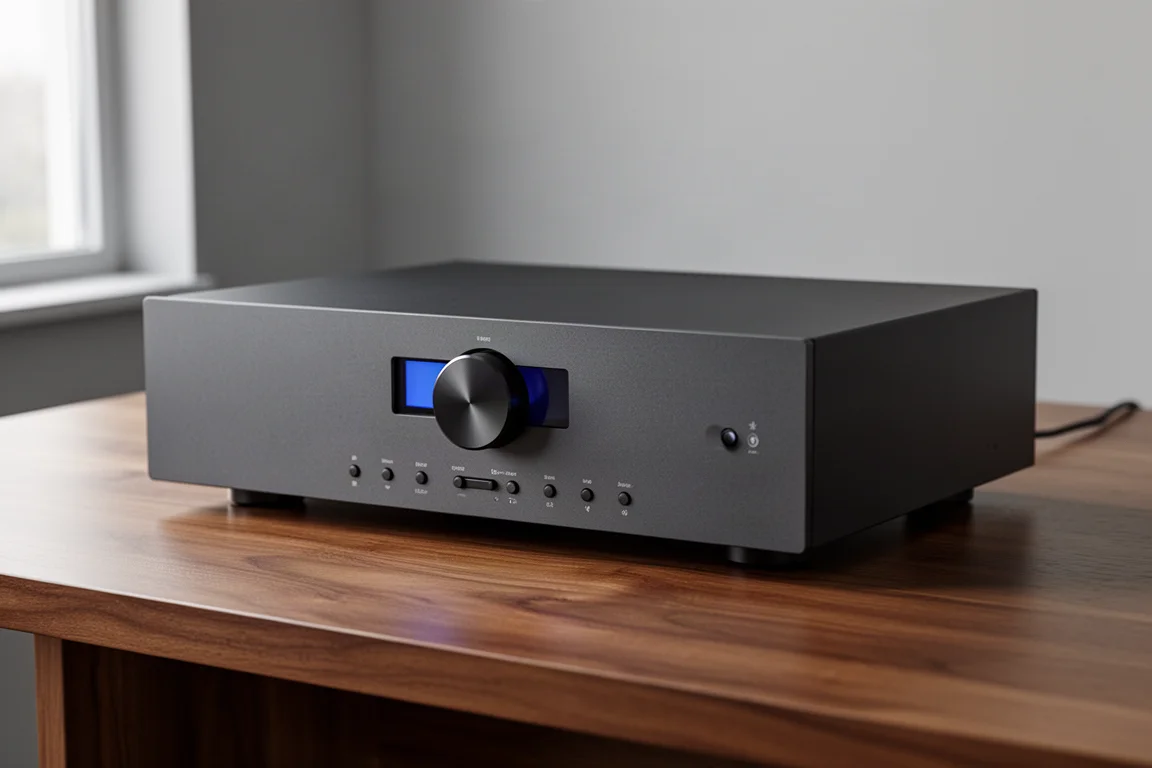
The Buchardt I150 is an integrated amplifier with its own room correction, adjustable from a phone, including level adjustments and other parameters in the same spirit as what Dirac does in a receiver.
It costs around $3,000 depending on exchange rates. As with the NAD M10, the capability is not in question, only the price of that capability. The same kind of correction is now available in receivers at a fraction of the cost, which is the heart of the argument for looking at a receiver first.
Audiolab 6000A Play: PlayFi Streaming
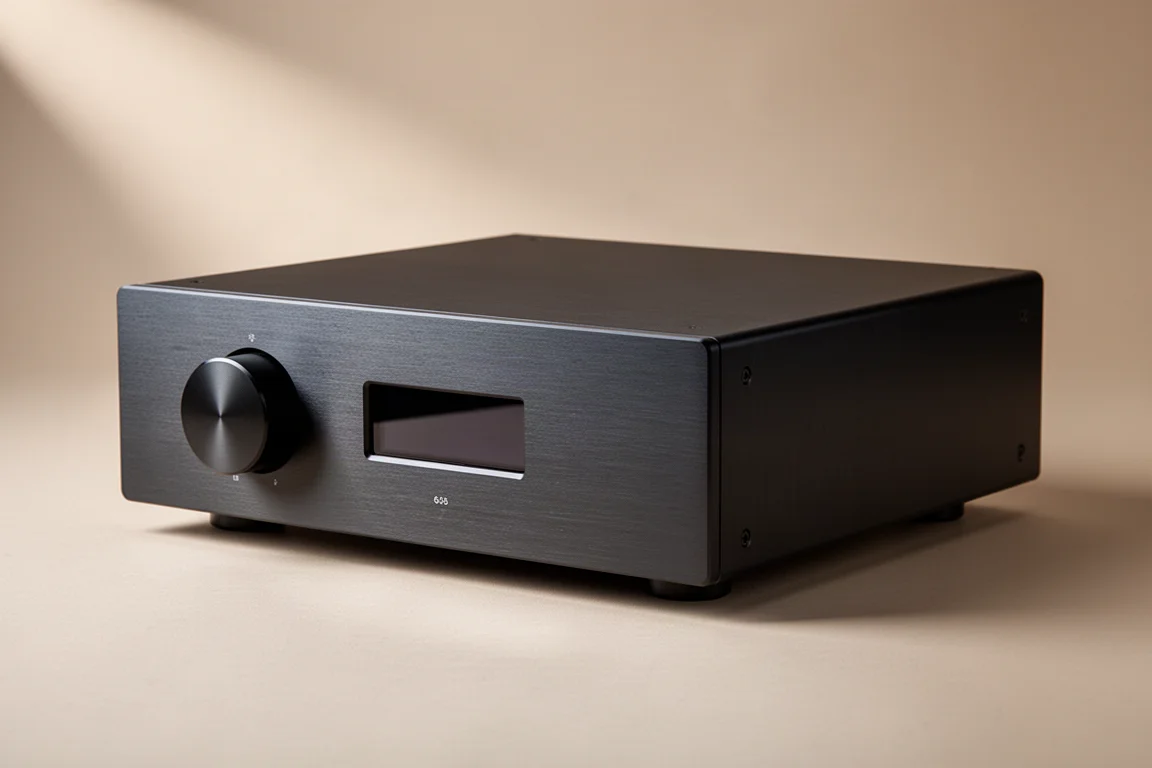
The Audiolab 6000A Play is a streaming amplifier built around PlayFi. PlayFi is inexpensive to integrate and has been widely adopted, appearing in soundbars and, more recently, in a handful of stereo amplifiers as a headline feature.
That is a modest justification for a price premium. PlayFi is not the most polished streaming platform, and in a receiver it would be one item in a long feature list rather than the reason to buy the product. Buyers considering this amplifier should weigh the streaming platform carefully against the rest of the specification.
The Obsolescence Question: What You Risk With an AVR
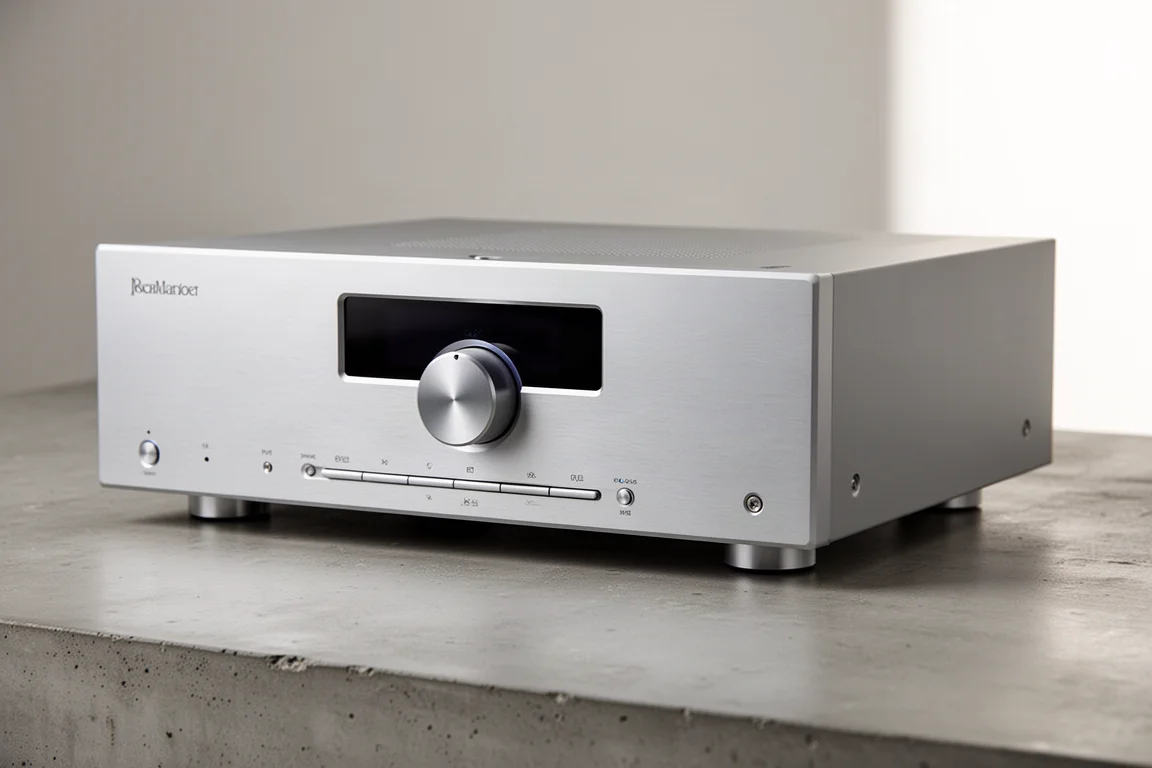
There is a real downside to the receiver argument, and it is HDMI. Standards change, and a receiver that was expensive fifteen or twenty years ago can end up unusable because its HDMI inputs predate current revisions. A system built around early HDMI switching and component video can effectively become a paperweight, which is a painful outcome for hardware that once cost thousands.
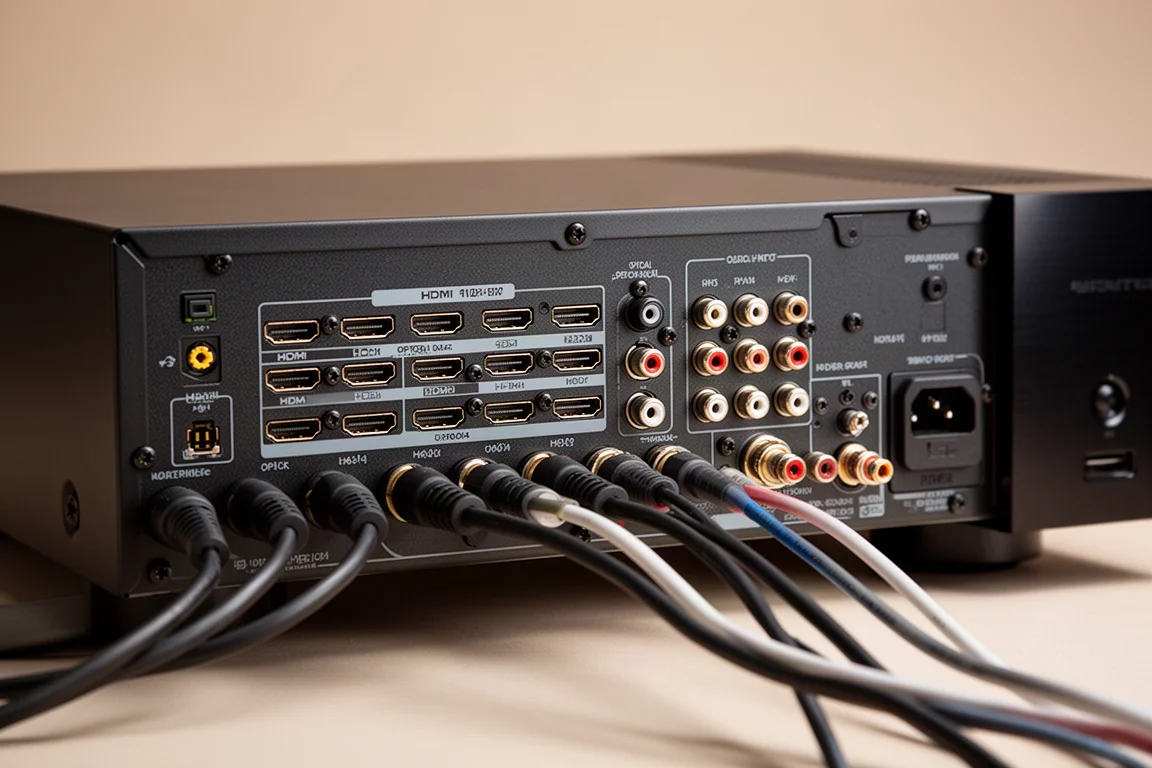
The risk is not limited to very old equipment. A receiver bought five years ago may already struggle with current HDMI requirements, which means the value calculation has to account for the possibility of replacing the receiver while the speakers and the rest of the system stay. There are two practical mitigations. The first is optical audio: almost every modern television has an optical output, so an older receiver or a basic two-channel amplifier can still take a signal from a smart TV, even if the newest formats are off the table. The second is modular design, where a manufacturer lets you swap out the section that goes obsolete while the rest of the amplifier stays. That approach removes much of the obsolescence argument, and it is a design direction worth looking for.
Conclusion
For most listeners with a budget around $1,000, a home theater receiver is the stronger buy. The Pioneer VSX-LX305 and the Marantz NR1711 both deliver room correction, streaming, surround processing, and, in the Marantz’s case, the option to run a dedicated two-channel setup alongside a surround system. Two-channel amplifiers with comparable feature sets, such as the NAD M10, the Buchardt I150, and the Moon by Simaudio 240i, sit closer to $3,000, and the NAD D 3045 shows how quickly the price rises once HDMI is added to a stereo design.
The counterargument is longevity. If you want a simple amplifier that will still be useful in twenty years, a two-channel design with no digital features is the safer bet, and modular hardware softens the risk further. The honest summary is that receivers now win on value and features for most people, while a basic integrated amplifier wins on simplicity and long service life. Match the choice to how you actually listen, and the decision becomes much less controversial.
Further reading
Related Reviews
Home Audio
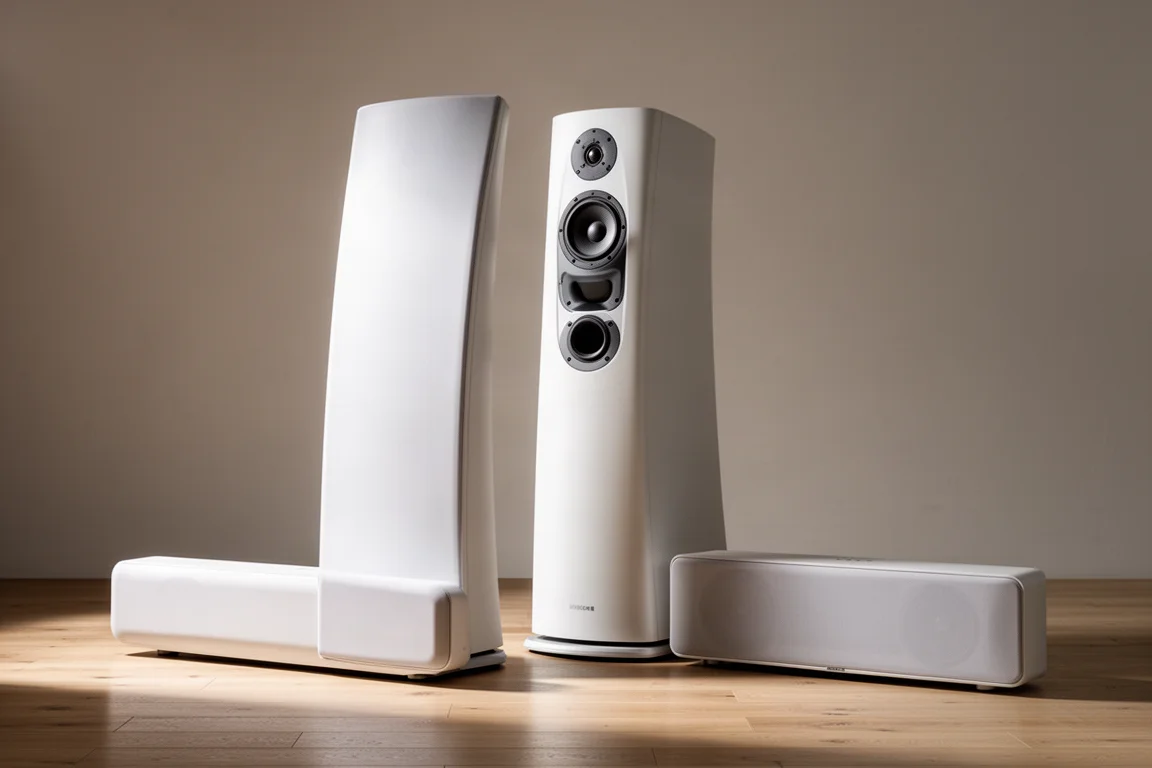
Aperion Novus Tower and Center Review: Punchy Home Theater Sound With Real Refinement
A close look at the Aperion Novus tower and center speakers, from their layered paint finish and punchy bass to the 4-ohm load and what the price actually buys.
Home Audio
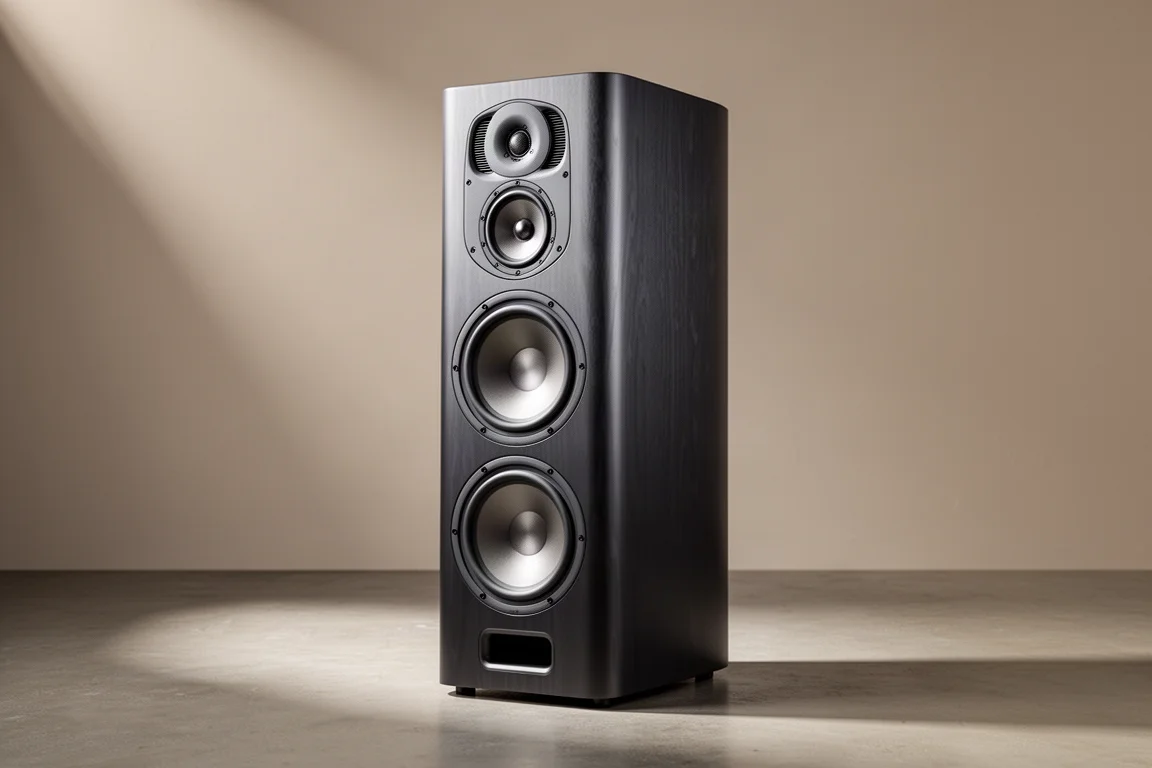
Arendal 1610 Tower Review: Flagship Dynamics in a Room-Friendly Tower
A compact floorstanding tower with three 8-inch aluminium woofers, a 5-inch carbon midrange, and the kind of bass heft usually reserved for much larger speakers.
Home Audio
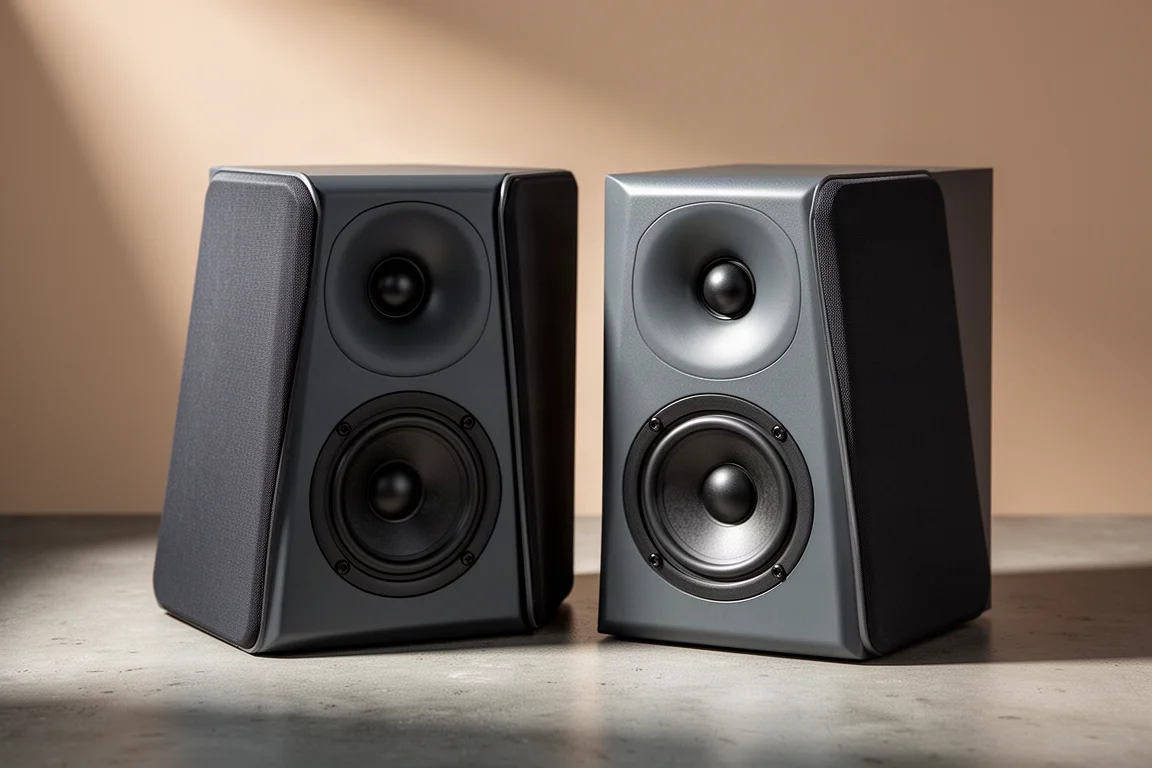
Arendal 1723 S THX Review: A Reference Speaker Built Like a Tank
A practical look at the Arendal 1723 S THX, a sealed, THX-certified speaker with exceptional build quality, a very flat top end, and a midrange that responds beautifully to EQ.