Preamplifiers
Holo Audio Serene KTE Review: A Balanced Line Stage With a Neutral Voice
A fully balanced line stage preamplifier with a detailed, neutral character, five inputs, buffered outputs, and no built-in DAC or phono stage.
Introduction
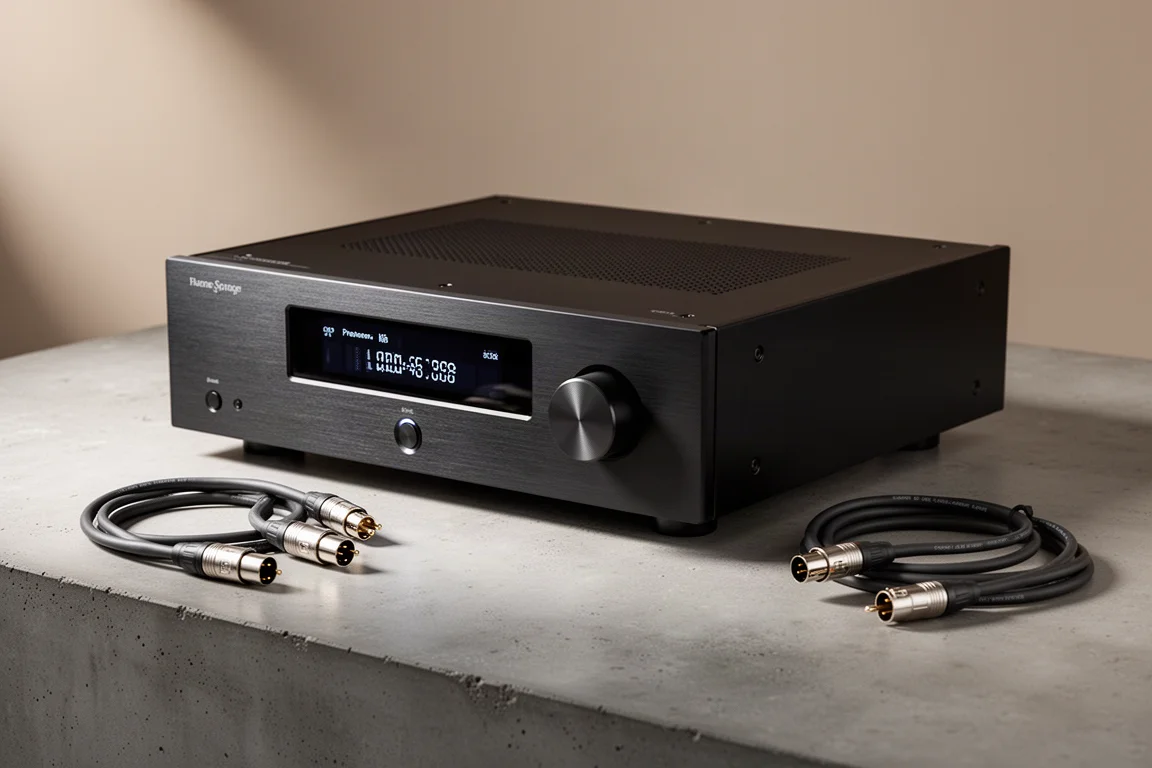
The Holo Audio Serene KTE is a line stage preamplifier built around a fully balanced circuit that runs from input to output, and it uses discrete components rather than integrated amplifier chips. It is a line-level design only, with no built-in DAC and no phono stage, and that choice is deliberate: the Serene expects you to supply your own digital converter and your own phono stage.
The Serene comes in two versions. The standard Serene is priced at $2,698 and the Serene KTE at $3,098, with differences between the two that are relatively minor. In the United States, Holo Audio products are sold through Kitsune Hi-Fi, and the brand is available worldwide.
Who This Product Is For
This is a preamp for listeners who build a system from separate components and want to keep control over the source chain. Because there is no DAC and no phono stage on board, it fits someone who already owns a digital source and a phono stage, or who plans to choose those pieces deliberately rather than have them folded into a single box.
It also suits anyone whose system leans on balanced connections. A fully balanced line stage paired with balanced sources and a balanced power amplifier keeps that topology intact from end to end.
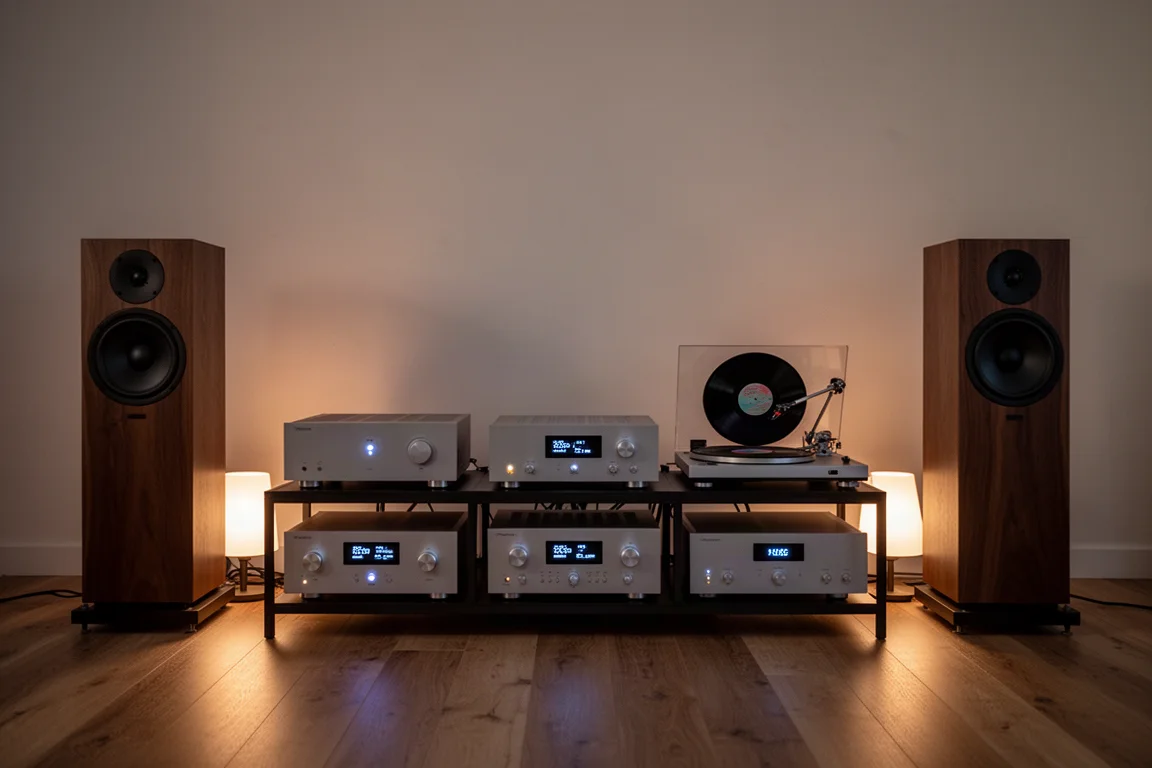
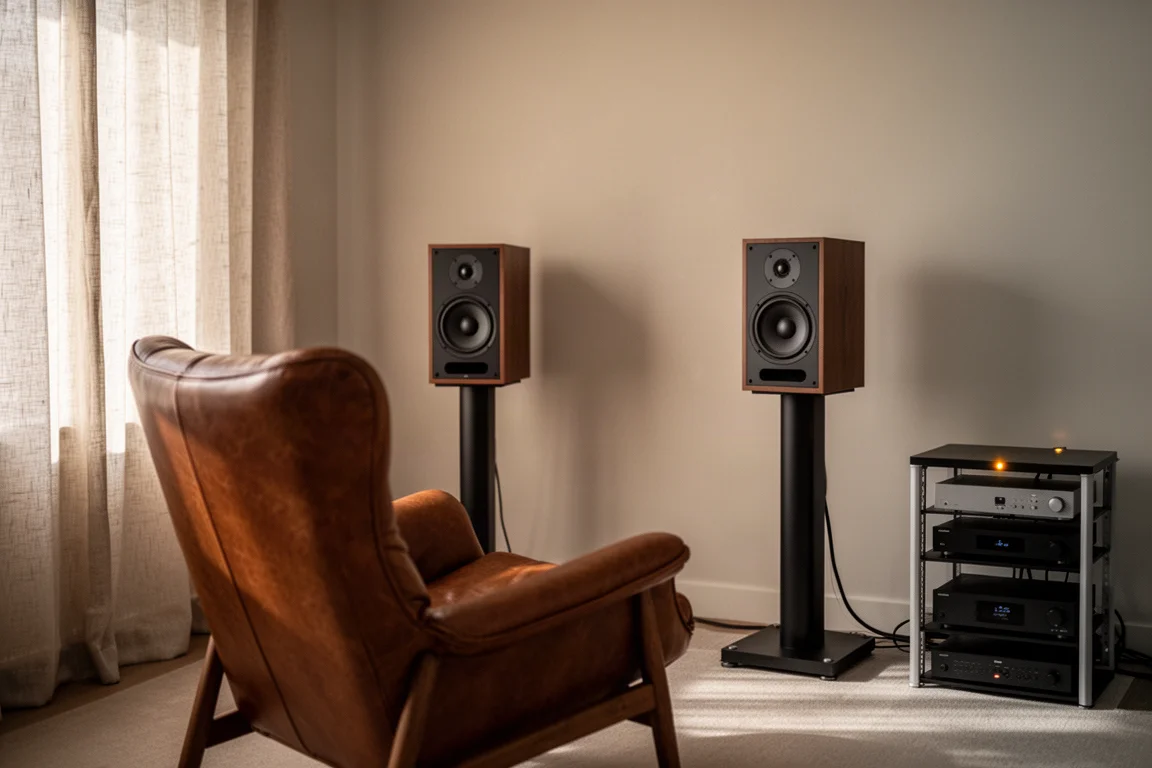
The Serene is a natural match for active monitors that accept only XLR input. Where a speaker has no volume control and no single-ended input, a balanced preamplifier is the practical way to get signal into it.
Design, Connections, and Controls
The rear panel carries five sets of inputs: three RCA pairs and two XLR pairs. Outputs run to one RCA pair and two XLR pairs. All three outputs are buffered, which means they can be used simultaneously in any combination without changing how the preamplifier behaves.
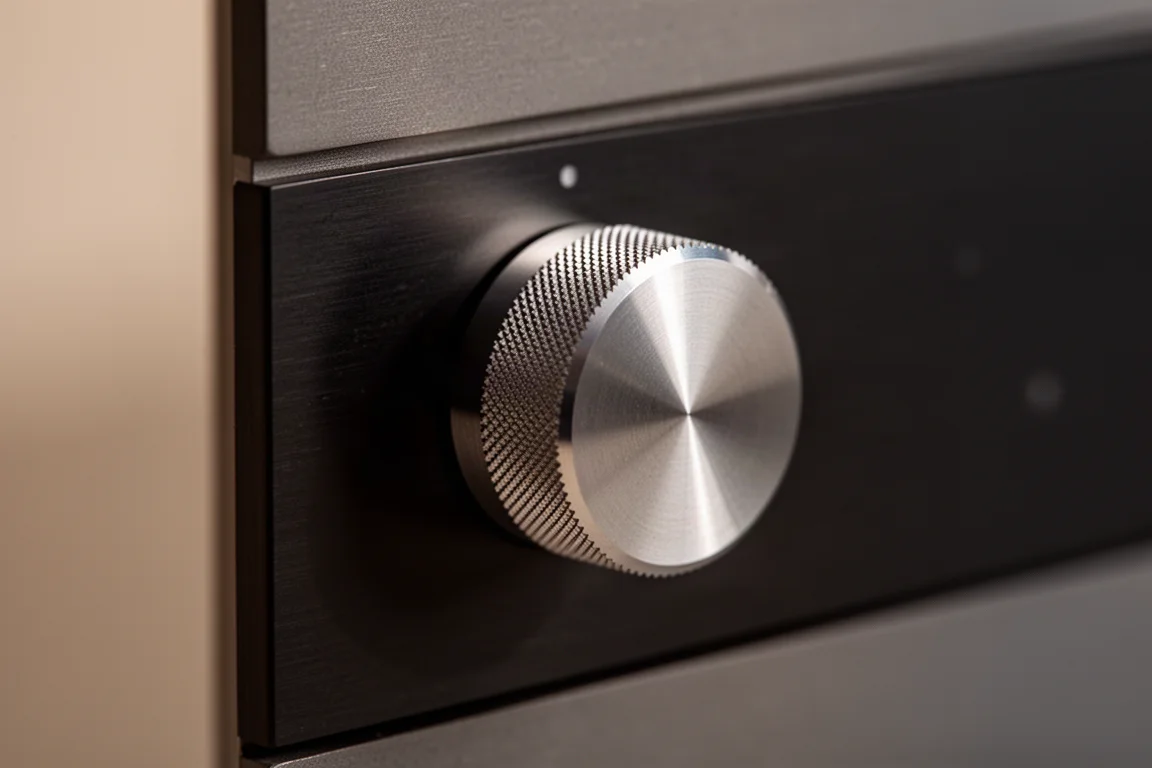
Up front, a large display is easy to read from a listening position. The volume control has a smooth action with soft detents as it rotates through its range. A metal remote is included, and it keeps things simple, covering what is needed without a crowded button layout. Parts quality throughout is first rate.
Sound Quality: What Stands Out
The character of this preamplifier is what makes it worth attention. It is highly detailed, clear and clean, with no fuss or added noise, yet it holds on to a sense of musicality rather than turning clinical.
One quality stands out immediately: the way it renders the space between performers. The silence between musicians and vocalists is exceptionally quiet, and the soundstage is laid out with clear separation, so individual elements sit in distinct positions instead of blurring together. Texture comes through strongly as well, with instruments and voices carrying palpable body.
Bass is the cleanest and fastest this system has sounded in a long while. Low frequencies arrive with speed and control, and nothing is hyped or thickened. The overall balance is neutral and accurate, handing over what is in the recording rather than dressing it up, but doing so without sounding sterile or analytical and without spotlighting flaws for the sake of it.
That combination is the point. Neutrality is easy enough to find; neutrality that stays enjoyable across a long listening session is harder, and the Serene KTE manages both.
How It Compares With Tube Preamps
Tube-based line stages take a different route. The ModWright LS 99, which offers balanced connections of its own, sounds juicier and more colorful, adding extra heft and energy to the mix. The Linear Tube Audio MicroZOTL leans toward midrange warmth and flavor. Both approaches have their appeal, and neither is automatically better.
The Serene KTE goes straight down the middle instead. It is not a tube preamplifier and does not try to sound like one, so listeners who want that extra glow and coloration should look at tube designs first. What makes the Serene KTE rewarding is how it delivers accuracy while staying evenhanded and easy to listen to.
Things to Consider Before Buying
The absence of a DAC and a phono stage is a design decision rather than a shortcoming, but it does mean the Serene only makes sense in a system where both are already covered elsewhere.
Its neutrality is also a matter of taste. If you want a preamplifier that adds weight, warmth or midrange richness to the signal, this is not that component.
The two versions are close but not identical in cost. The KTE sits $400 above the standard Serene, and the differences between them are relatively minor, so the standard version is worth weighing if that upgrade path is not a priority for you.
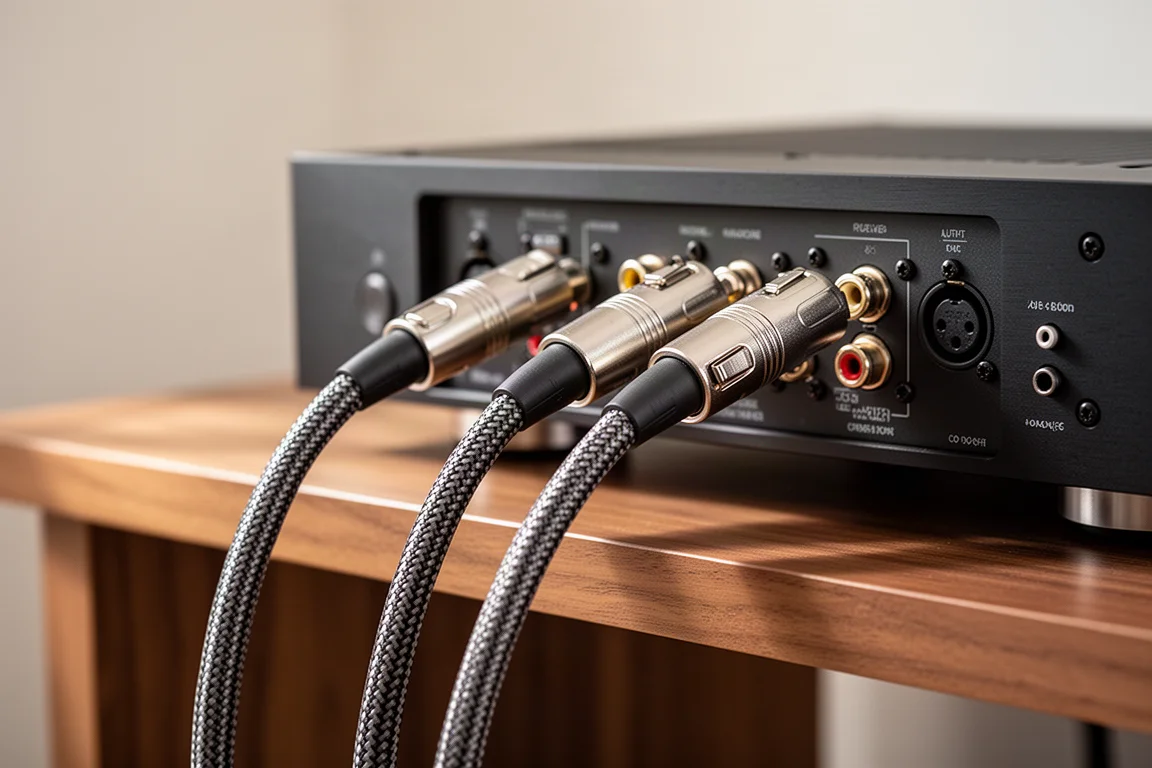
Consider the rest of the chain as well. The balanced design pays off most when sources and amplification can meet it on balanced terms, and it is close to essential for active monitors that offer nothing but XLR inputs.
System Matching and Amplifier Pairings
During listening, the Serene KTE was paired mostly with a Pass Labs XA25, and also with a Carver RAM 285 power amplifier. The Carver has a warmer, tube-like character, and that pairing worked particularly well, with the solid-state preamp giving that amplifier a little more spring in its step.
A Mola Mola Perca power amplifier was also used. Looking ahead, the balanced outputs make the Serene a sensible partner for high-end active monitors that offer only XLR inputs, since that kind of speaker has no other way to receive signal.
Buying Advice
At $3,098 for the KTE version and $2,698 for the standard Serene, this is a considered purchase rather than an impulse one. Buyers who value a neutral, detailed line stage and who already have a DAC and phono stage sorted elsewhere will get the most from it. Those who want added warmth should compare tube designs before deciding.
Holo Audio products are distributed in the United States through Kitsune Hi-Fi and are available worldwide, so buyers outside the United States can source one as well.
If the differences between the two versions seem minor for your purposes, the standard Serene delivers the same core balanced design at a lower cost, while the KTE version is the choice for listeners who want the top of the range.
Conclusion
The Holo Audio Serene KTE is a preamplifier for people who want the recording delivered plainly and well. It is fully balanced from input to output, generously equipped with inputs and buffered outputs, and built without a DAC or phono stage so that those decisions stay in your hands. Its sound is detailed, textured and rhythmically quick, with a quiet backdrop and clean, fast bass, and it stays musical rather than clinical.
The main questions are straightforward. If you already own a separate DAC and phono stage, and your system runs on balanced connections, the Serene KTE makes a strong case for itself. If you want a preamp that adds warmth and color, or you need one box to handle digital and vinyl as well, look elsewhere. Choose the standard Serene if the differences between the versions feel minor, and the KTE if you want the top of the range.
Product link
View more details for Holo Audio Serene KTE
This product is mentioned in the review. Check the specifications, options, and compatibility before buying.
View more details for Holo Audio Serene KTEFurther reading
Related Reviews
Preamplifiers
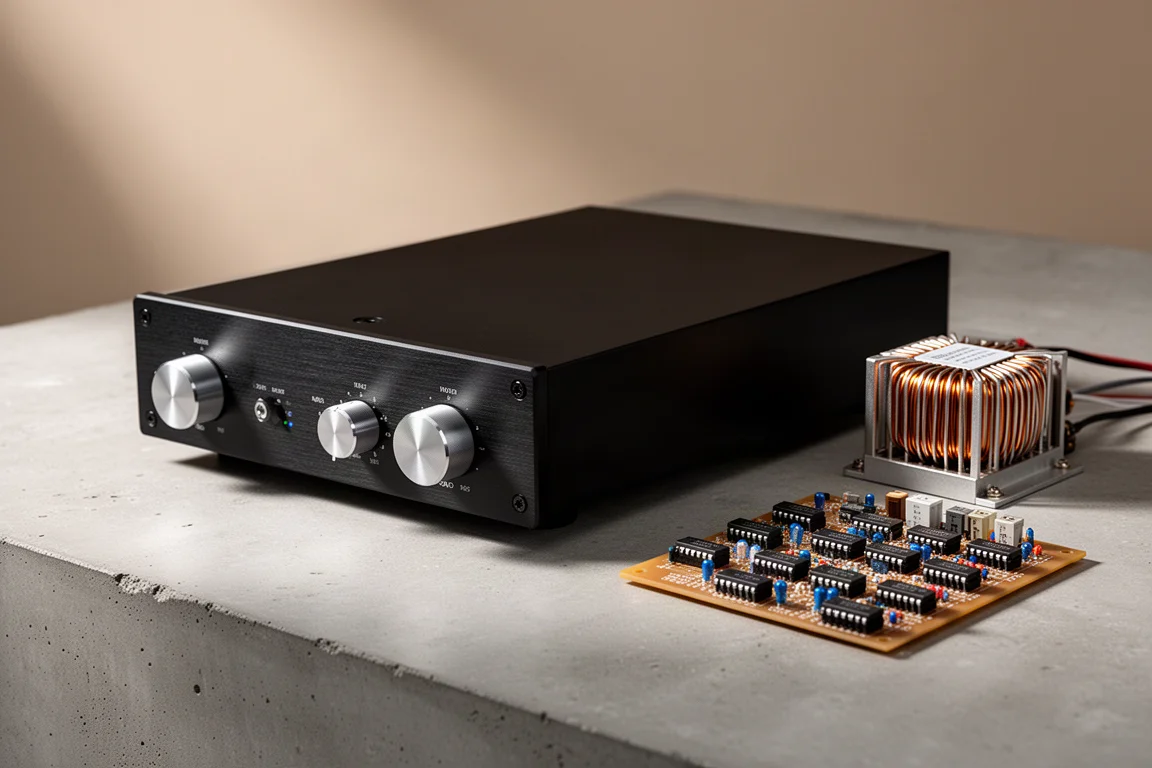
Akitika PR-102 Review: A Preamp That Sounds as Good as It Is to Build
The Akitika PR-102 is a discrete line preamp sold as a kit or fully assembled, with two amplifier outputs, swappable op amps, and a neutral, three-dimensional sound.
Preamplifiers
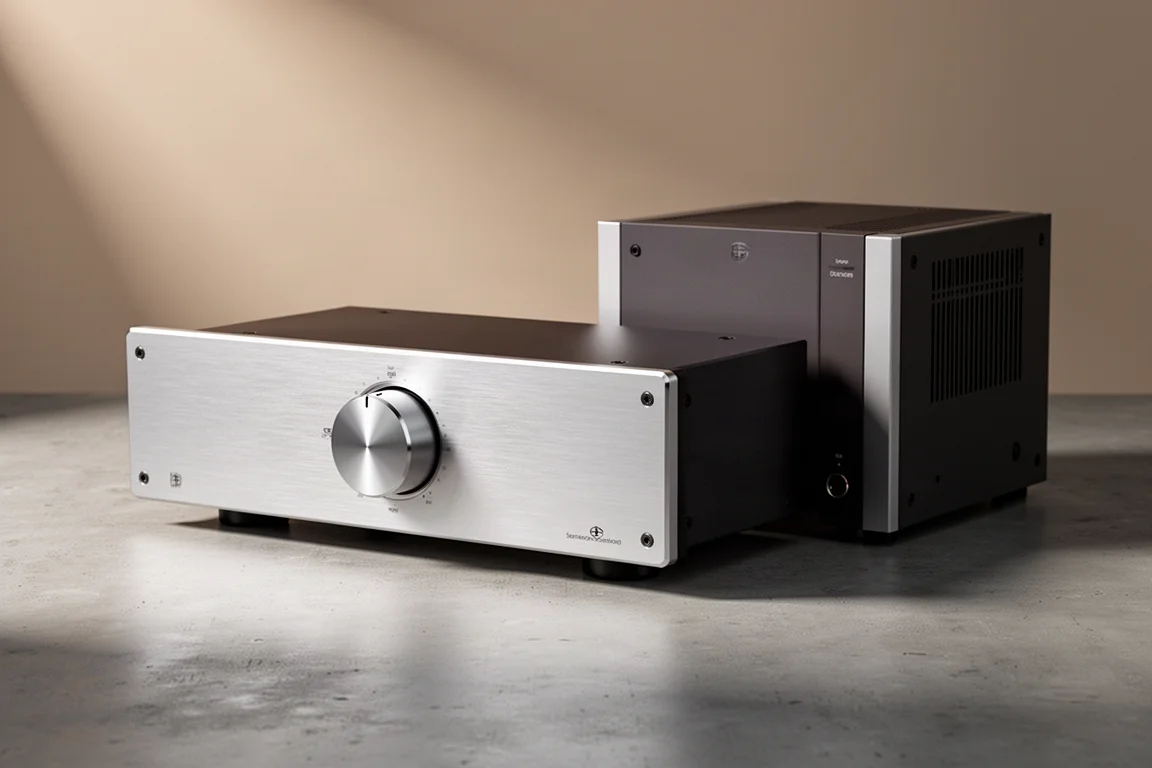
Ayre K-1 XE Review: A Restored Vintage Preamplifier With Unusual Depth
A close look at the Ayre K-1 XE, a fully balanced zero feedback preamplifier from 1996, covering its four-attenuator volume system, its sound character, and what to weigh before buying.
Preamplifiers
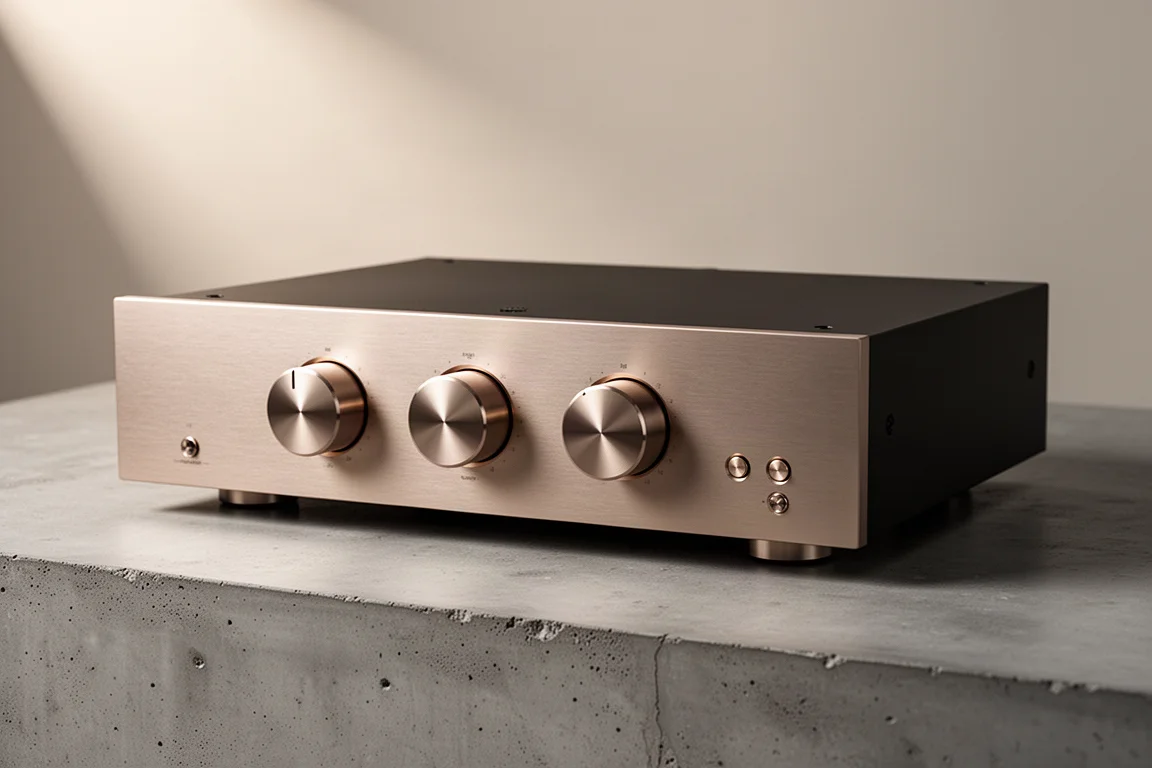
Hovland HP-100 Review: An All-Tube Preamplifier Worth Seeking Out
A close look at the Hovland HP-100, a line-stage tube preamplifier with an optional moving coil phono input, covering its strengths, its matching requirements, and what to weigh before buying used.