Preamplifiers
Ayre K-1 XE Review: A Restored Vintage Preamplifier With Unusual Depth
A close look at the Ayre K-1 XE, a fully balanced zero feedback preamplifier from 1996, covering its four-attenuator volume system, its sound character, and what to weigh before buying.
Introduction
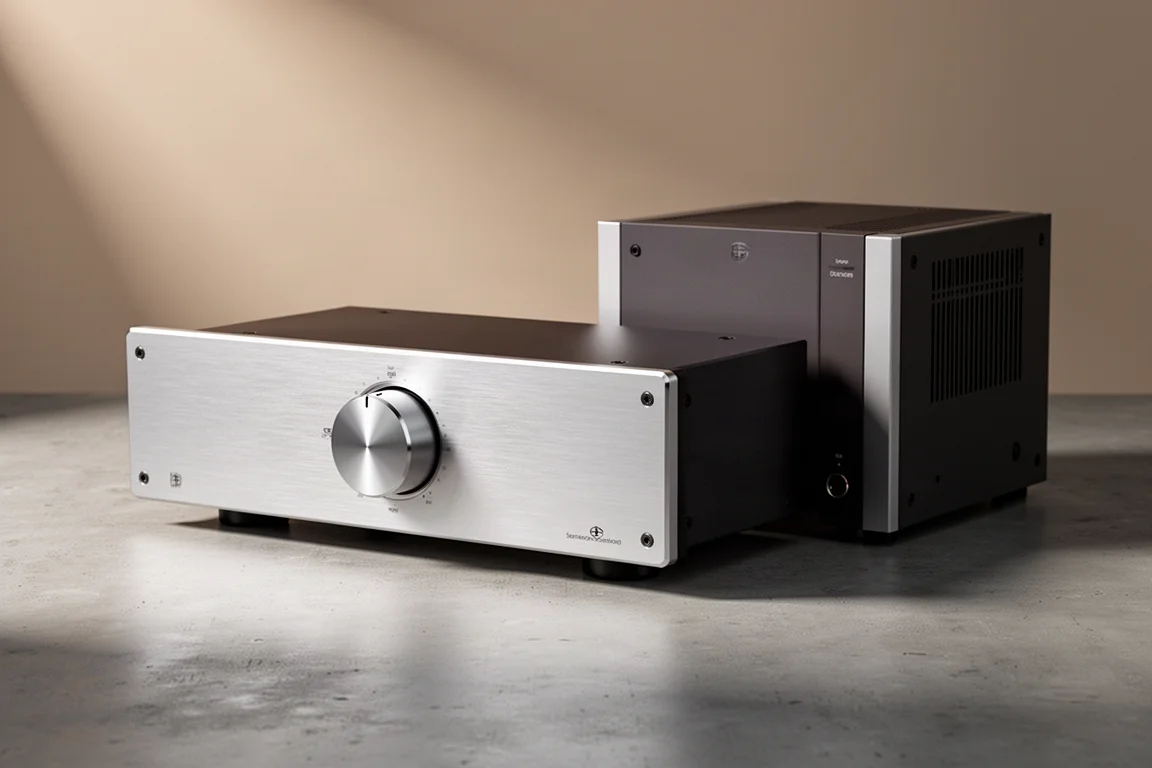
The Ayre K-1 is a fully balanced, zero feedback preamplifier designed in 1996, and it remains one of the most distinctive high-end preamplifiers of its era. Ayre is a high-end audio company based in Boulder, Colorado, founded in 1993 by Charlie Hansen, who passed away in 2017. The K-1 was a statement design, a solid-state preamplifier built around mechanical precision rather than convenience.
This particular unit is a factory-restored example that has been fully gone over and updated to the latest K-1 specification, known as the K-1 XE. That matters for anyone shopping for a vintage piece, because a restored, factory-updated unit is a very different proposition from an untouched one. Ayre also offers a complete line of analog and digital components, so the K-1 XE sits inside a wider system-building ecosystem.
The short version: the K-1 XE presents music as a complete, emotionally engaging whole rather than a dissection of detail. It is not a clinical or hyper-detailed performer, and that is precisely the point.
Who This Product Is For
This preamplifier suits listeners who want to feel music rather than analyze it. If your priority is the last degree of high-frequency detail and razor-sharp image outlines, there are more forward-sounding designs available. The K-1 XE is for people who value spatial depth, layered reverb, and the sense that instruments occupy real space.
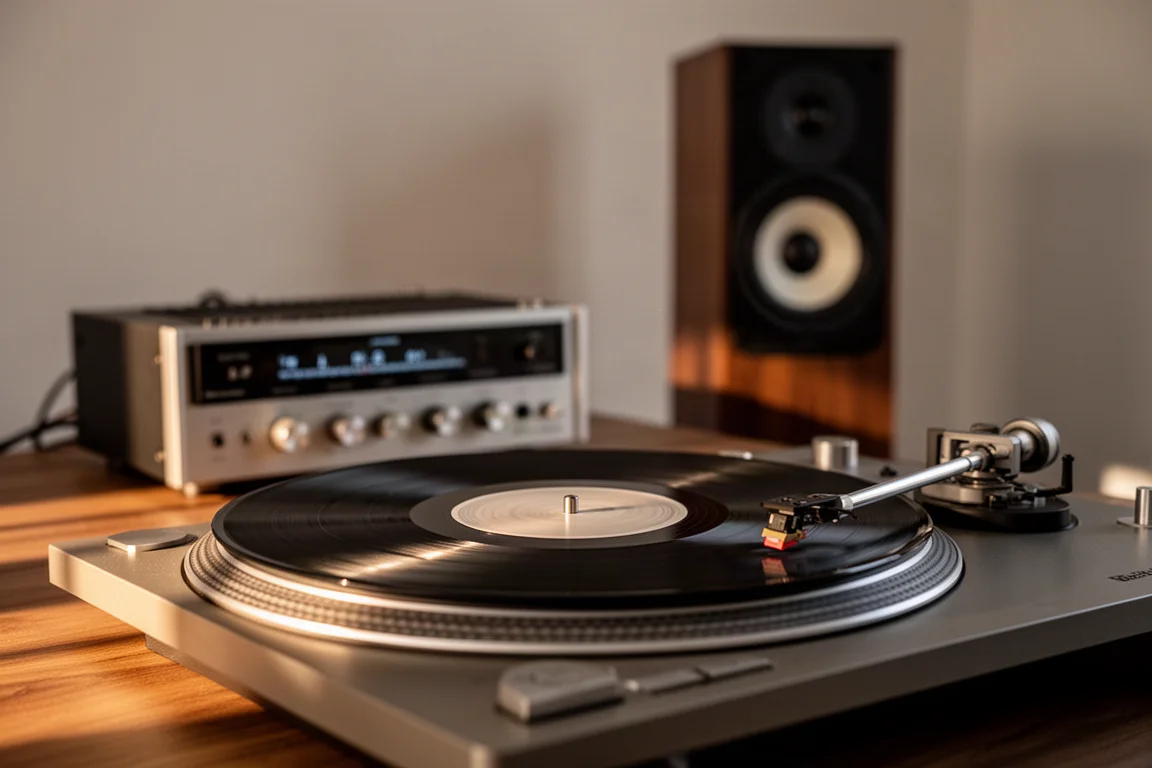
It also rewards high-efficiency loudspeaker systems. Paired with Klipsch La Scala loudspeakers, the K-1 XE proved an unusually natural match, and that combination says a lot about the kind of system this preamplifier wants to live in. Vinyl listeners are well served too, since this sample includes the optional phono input, which is balanced only.
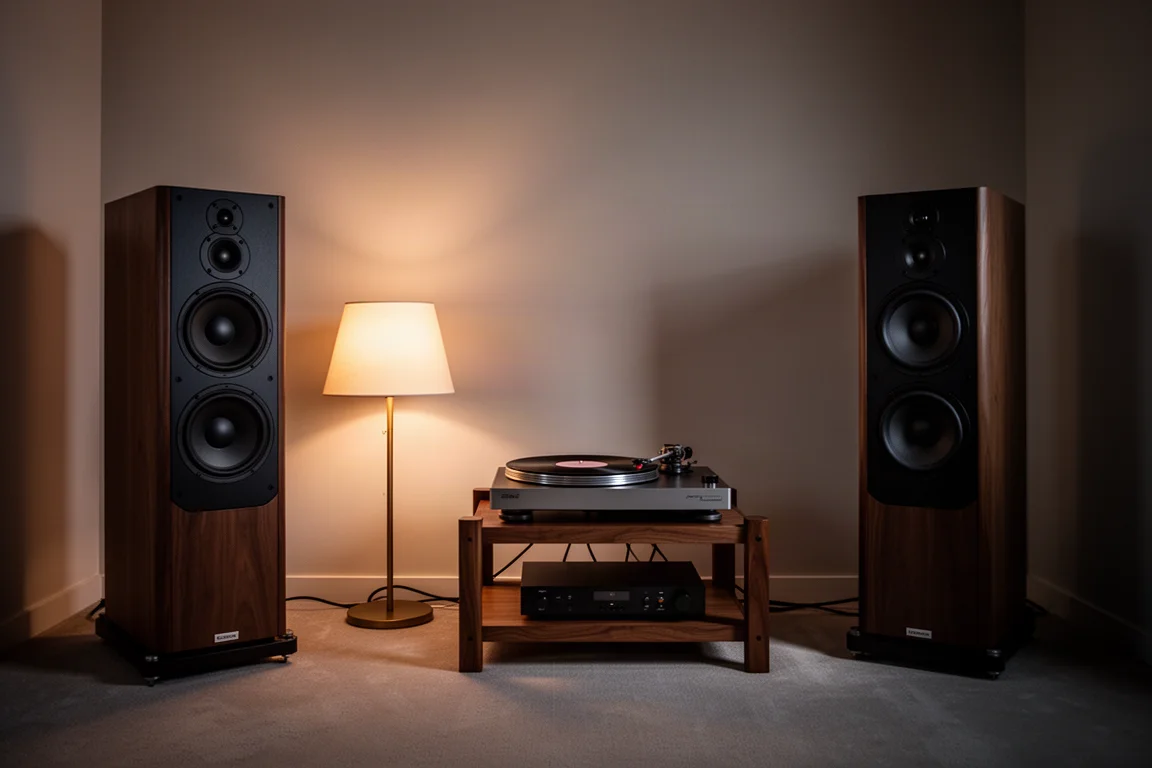
Finally, it appeals to anyone who appreciates a physical, mechanical volume control. The K-1 XE is as much a piece of machinery as it is an audio component, and the ownership experience reflects that.
Main Strengths: Sound and Build
Sonically, the K-1 XE does two things exceptionally well. The first is spatial depth. On dense, layered recordings it opens up space between instruments and their reverb, making each musical line easy to follow without artificially spotlighting any of them. The second is mid-bass solidity: there is genuine weight in the lower midrange, which gives the presentation a grounded, physical quality.
That character does not come at the cost of sweetness. The K-1 XE sounds rounder and gentler than a lit-up solid-state design, and it never sounds like a tube preamplifier, even though some of its qualities overlap with tube virtues.
The build is where the K-1 XE becomes genuinely unusual. Its volume control drives four 46-step attenuators through belts and pulleys. Because the design is fully balanced stereo, four attenuators are required, and each uses precision-matched resistors and solid silver contacts. This is a dedicated design rather than an off-the-shelf volume solution, and the result is a large, meaty knob with real mechanical feel. A remote control moves the same mechanism for listeners who would rather stay seated.
Connectivity is generous: three RCA inputs, three balanced inputs, one of which is the optional balanced-only phono input on this sample, three preamp outputs (one RCA and two XLR), plus a tape out RCA jack. A separate choke power supply, a large and fairly heavy box, handles power delivery.
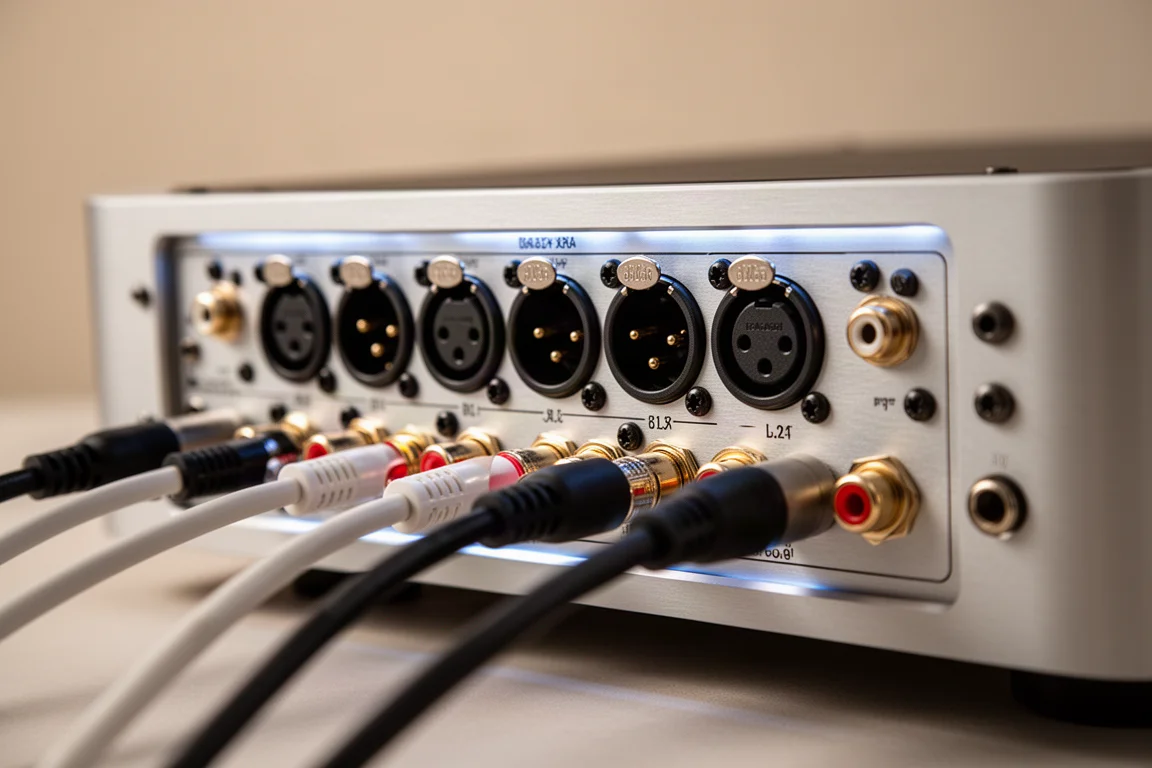
Taken together, the mechanical volume system and the separate supply are not decorative touches. They are part of why the K-1 XE feels and sounds the way it does.
How It Compares With Reference Preamps
The clearest way to understand the K-1 XE is to place it next to well-regarded alternatives. Compared with tube references such as a Quicksilver phono preamplifier (about $1,700) and a Linear Tube Audio MicroZOTL, the K-1 XE gives up a little image precision and tonal neutrality while offering more depth and more mid-bass weight; the tube designs, particularly the Quicksilver, sound more immediate and more alive at the leading edge. Against a solid-state SPL Director, the K-1 XE is noticeably more laid back, where the SPL brings extra high-frequency energy and makes tiny details and percussion easier to pick out.
What matters is how you read that difference. The K-1 XE keeps all of the musical information, but presents it more gently, sweeter and rounder, which is closer to how acoustic music behaves in a real room unless you are sitting right on top of the players. Neither presentation is objectively correct. The useful question is whether your system and your listening habits lean toward precision and top-end sparkle or toward depth, weight and a relaxed, immersive character.
Things to Consider Before Buying
The most important consideration is provenance. This is a design from 1996, and the example described here is valuable specifically because it came from the factory fully restored, fully checked and updated to K-1 XE specification. A vintage preamplifier that has not been serviced is a different risk profile entirely.
Practical setup matters too. The phono input on this sample is balanced only, so a turntable with RCA cables needs RCA-to-XLR adapters or XLR-terminated cables. The separate choke power supply is a large, heavy box, so plan for the shelf space and the extra cable run.
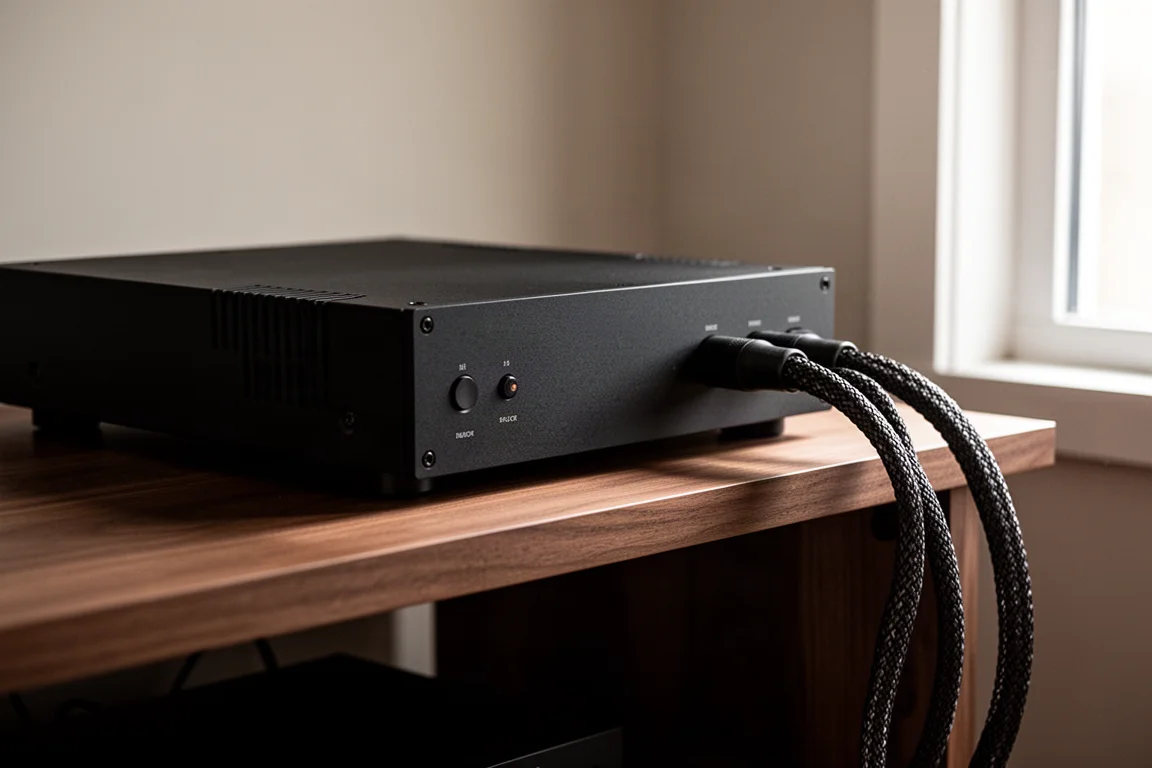
On sound, be honest about your preferences. The K-1 XE is softer and more laid back than many modern solid-state preamplifiers, and over the decades listeners have grown accustomed to hyper-resolution presentations. If you want maximum detail retrieval and a lit-up top end, this is not the preamplifier that will deliver it. If you want depth, weight and a romanticized sense of the recording space, it will.
Buying Advice
Buy the K-1 XE if your system is built around high-efficiency speakers, if you listen to a lot of vinyl and want a balanced phono input inside the preamplifier, and if you value emotional engagement over forensic detail. The mechanical volume system, the four matched attenuators and the separate power supply are all part of what makes the design special, and they are also the reason it asks for space and care in a rack.
Approach any purchase with the restoration question first: a factory-restored and updated K-1 XE is the version to look for, and it is worth confirming exactly what work has been carried out. After that, the decision comes down to system matching. The K-1 XE does not try to win a detail contest. It tries to make records feel complete, and in the right system that is the more valuable quality.
Conclusion
The Ayre K-1 XE is a rare thing: a three-decade-old solid-state design that still sounds unlike most of what is built today. Its fully balanced, zero feedback architecture, four 46-step attenuators and separate choke power supply are engineering choices you can feel as well as hear. It is not the most precise or the brightest preamplifier available, and it does not try to be. It pulls depth, weight and beauty out of both analog and digital recordings, and for listeners who prize that over hyper-detail, it remains an exceptionally rewarding choice.
Product link
View more details for Ayre K-1 XE
This product is mentioned in the review. Check the specifications, options, and compatibility before buying.
View more details for Ayre K-1 XEFurther reading
Related Reviews
Preamplifiers
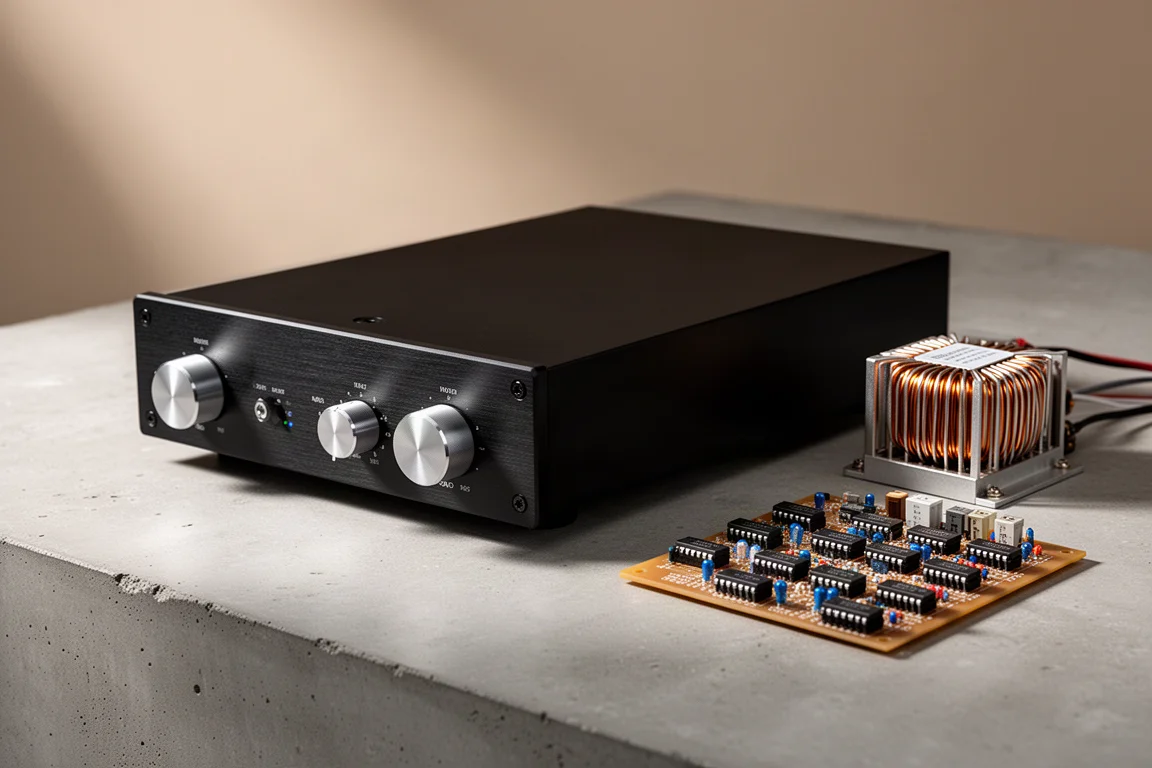
Akitika PR-102 Review: A Preamp That Sounds as Good as It Is to Build
The Akitika PR-102 is a discrete line preamp sold as a kit or fully assembled, with two amplifier outputs, swappable op amps, and a neutral, three-dimensional sound.
Preamplifiers
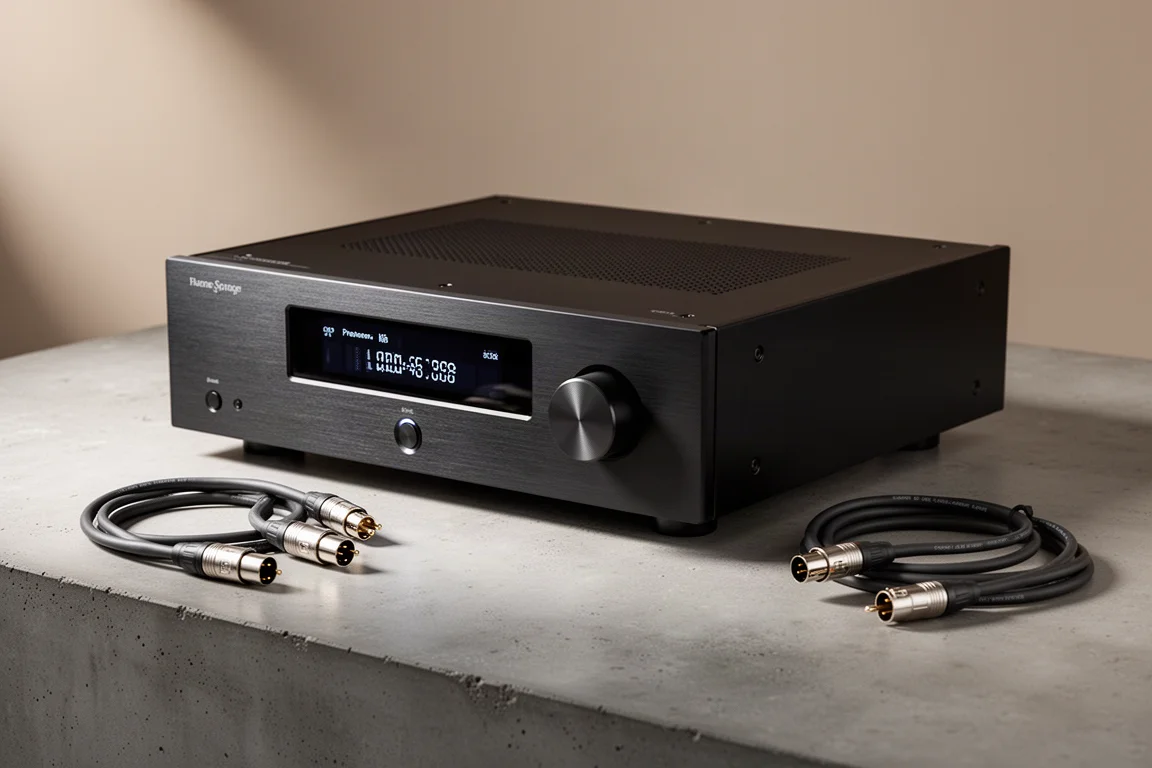
Holo Audio Serene KTE Review: A Balanced Line Stage With a Neutral Voice
A fully balanced line stage preamplifier with a detailed, neutral character, five inputs, buffered outputs, and no built-in DAC or phono stage.
Preamplifiers
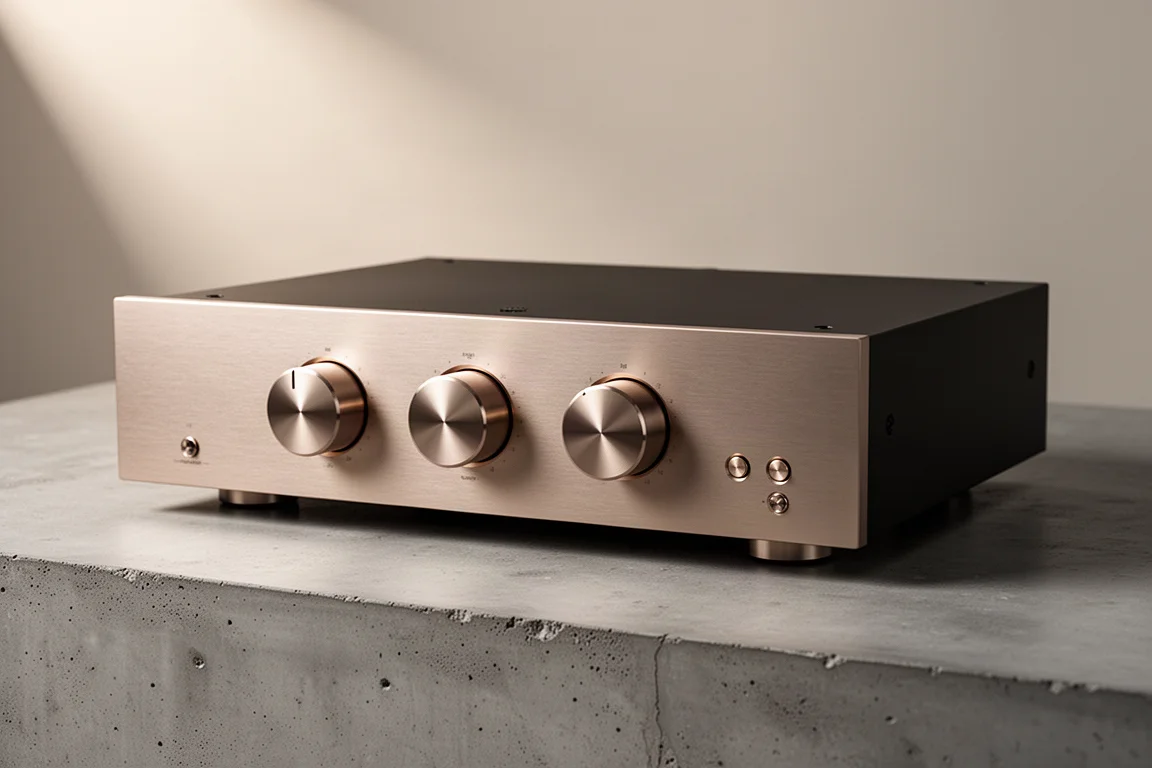
Hovland HP-100 Review: An All-Tube Preamplifier Worth Seeking Out
A close look at the Hovland HP-100, a line-stage tube preamplifier with an optional moving coil phono input, covering its strengths, its matching requirements, and what to weigh before buying used.