Home Theater
Hisense 116U7 MiniLED Pro Review: A 116-Inch Screen That Redefines Home Theater Scale
A close look at the Hisense 116U7 MiniLED Pro, a 116-inch 4K TV with measured peak brightness above 3,000 nits, three accurate picture modes, and serious installation demands.
Introduction
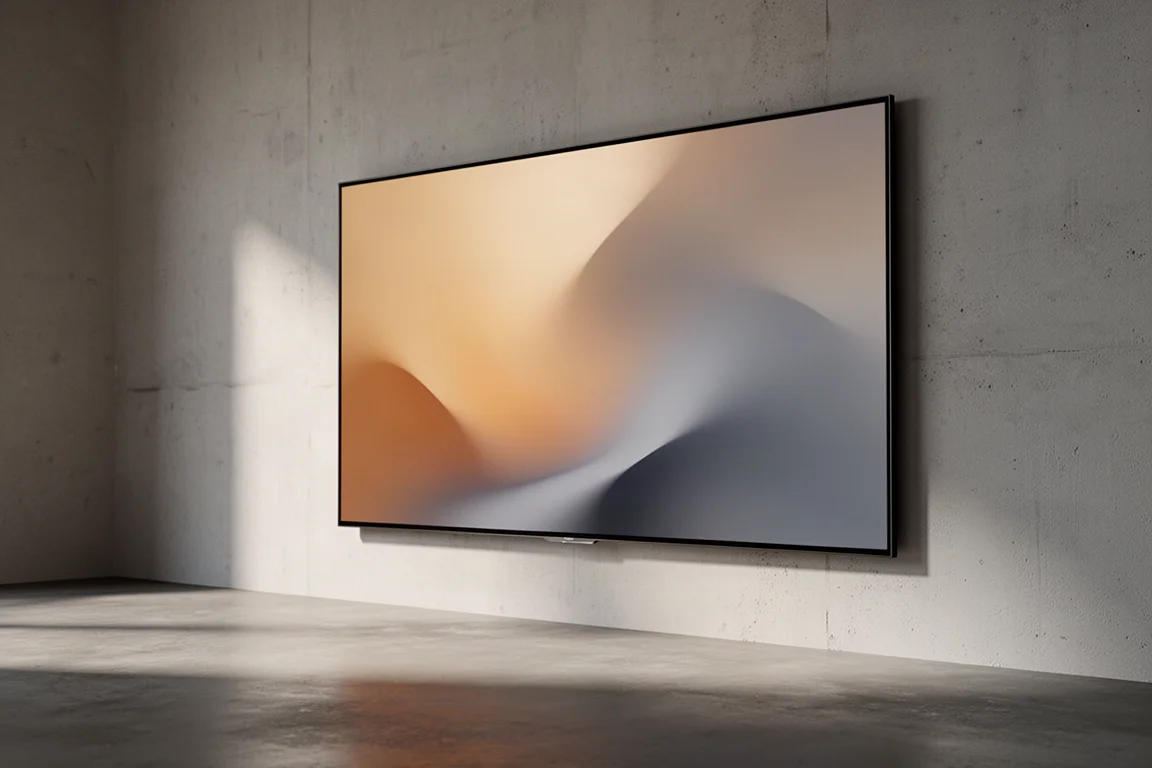
The Hisense 116U7 MiniLED Pro is one of the largest televisions on the market, measuring 116 inches diagonally and edging past comparable sets from TCL and Samsung by a single inch. It is a display that reshapes a room rather than filling a corner of one, and its combination of scale, brightness, and price is difficult to match. It sells for just under $17,000, and Hisense states that delivery and installation are included at that price.
The 116U7 is powered by the Hi-View AI Engine Pro and is rated by Hisense at up to 3,000 nits of peak brightness. It supports all major HDR formats, including Dolby Vision, Dolby Vision IQ, and HDR10+ Adaptive, and covers most of the Rec. 2020 color space. On a screen this size, that brightness and color volume matter more than they would on a typical living room set.
This article explains who the 116U7 suits, where it performs best, and which practical considerations deserve attention before buying.
Who This TV Is For
The 116U7 makes the most sense for a dedicated screening room or a very large living space where a projector would otherwise be the natural choice. Its brightness outpaces any projection setup, and no two-piece projector system handles HDR content the way this panel does. Once you account for the installation and room build-out that a high-end projector often requires, the value case becomes more balanced than the price alone suggests.
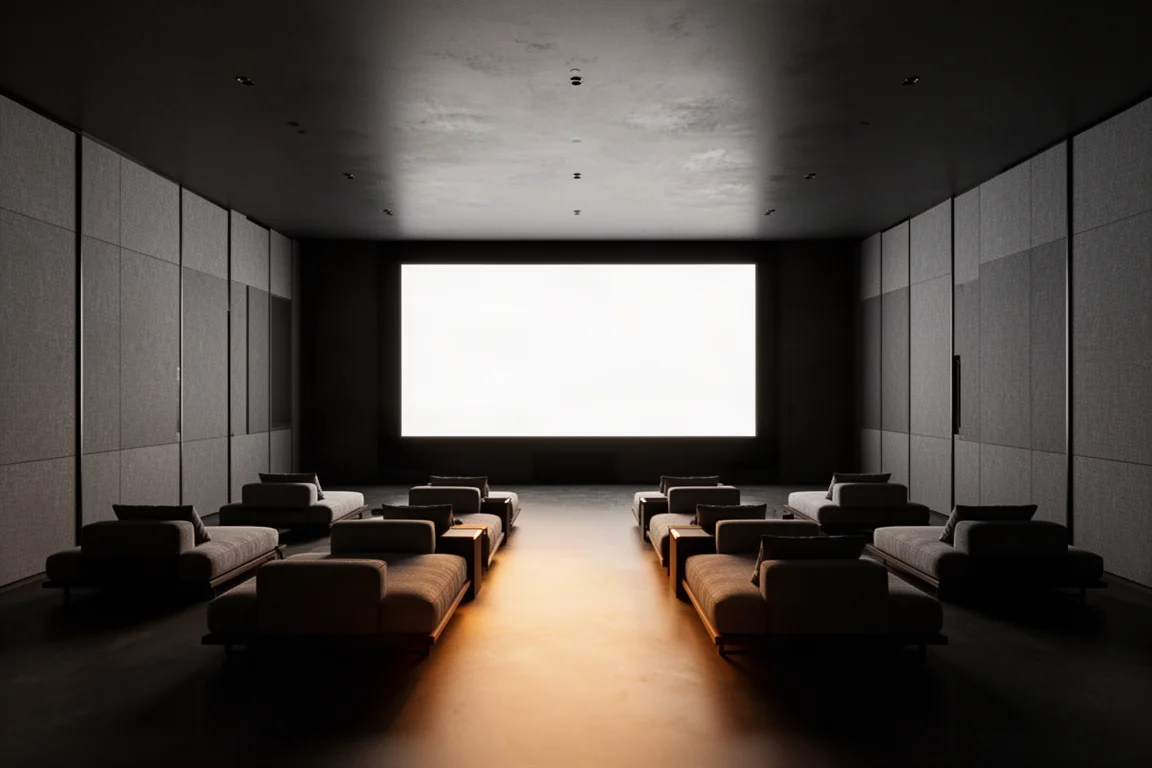
It also appeals to viewers who want a cinematic, accurate image at a scale that feels closer to a commercial cinema. Hisense includes three picture modes that measure close to reference standards out of the box, so the set can deliver a convincing film presentation without a paid calibration.
By contrast, it is a poor match for competitive gaming, for rooms that cannot accommodate a panel this wide, and for anyone who expects to unbox and mount a television without help.
Main Strengths: Scale, Brightness, and HDR Impact
Brightness is the headline. Hisense rates the 116U7 at up to 3,000 nits, and the tested sample exceeded that figure, reaching 3,471 nits at peak. That peak held for only a second or two, but the display had no trouble sustaining 3,000 nits. Using a full 100 percent window, brightness settled closer to 1,000 nits in both SDR and HDR, which is still exceptionally bright for a screen of this size.
All of that light pays off across a wide range of content. It supports SDR and HDR material, including Dolby Vision, and it helps the panel render a wider range of colors, covering most of the Rec. 2020 color space. The combination of deep blacks and ultra-bright highlights produces a very contrasty image that suits large-format viewing.
There is one practical caveat. Light spread across a 116-inch panel can cause eye strain and viewer fatigue at first, and it may take some time to adjust to a display that behaves more like a cinema screen than a living room TV.
Picture Modes and Out-of-the-Box Accuracy
The 116U7 powers on in an energy saving picture profile, which exists to meet regional power requirements. It is not designed for accuracy, and it is not accurate: it measured 1,400 nits with a delta E of 11 for grayscale and 8.4 for color. Bright, but far from correct. The standard and vivid profiles measured even worse.
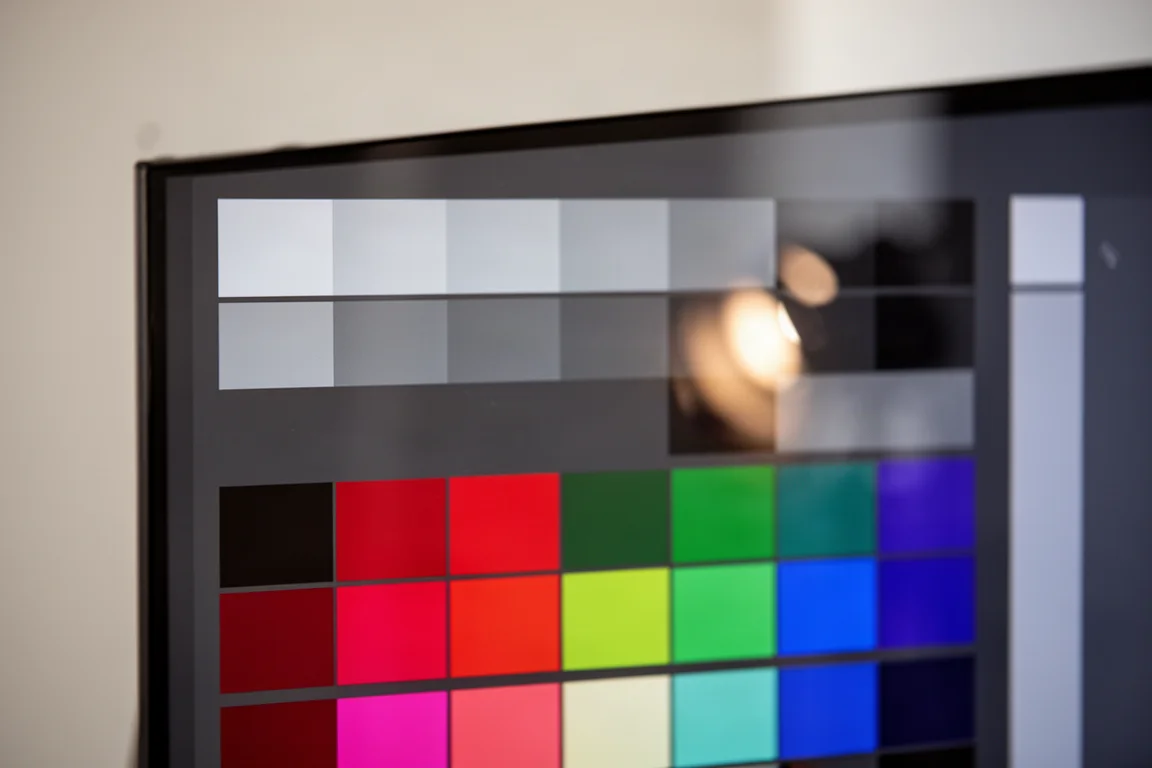
For film viewing, Hisense offers Theater Day, Theater Night, and Filmmaker modes. All three meet a calibrated-from-the-factory standard with a delta E of three or less for both grayscale and color, though their light output differs. Filmmaker is the dimmest of the three at just under 1,000 nits, while Theater Day is the brightest at 1,780 nits.
Those three modes mean buyers get accurate performance without paying for additional calibration. For those who want more, the set responds well to professional adjustment. Starting from Filmmaker mode, post-calibration results reached a delta E of less than one for both grayscale and color across most SDR and HDR content, with textbook gamma and EOTF tracking.
Motion Handling and Gaming Performance
Motion quality depends heavily on the source. When a broadcast arrives in 4K, the 116U7 looks superb, with minimal motion artifacts, and sports coverage feels remarkably close to being at the venue. Lower-quality signals are a different story. College football delivered at 720p or 1080p is still enjoyable on a screen this large, but it will not look smooth or pixel perfect, and no amount of processing can rescue a compressed feed.
Film content fares better. Even chaotic, fast-cut thrillers tracked fluidly, and well-exposed 4K and HDR material is where the panel comes alive.
Gaming is the weakest area. The hardware specification looks strong on paper: a native 165 Hz panel, a game mode with variable refresh rate from 48 Hz to 165 Hz, AMD FreeSync Premium Pro, auto low latency mode, and low latency MEMC. In practice, the sheer size works against it. Rapid pans and fast-moving combos were not rendered cleanly, with noticeable smearing and tearing in the background, and tracking action across such a wide area is genuinely difficult. Even slower, story-driven games struggled to keep pace.
Installation and Room Considerations
This is a television that requires planning before it requires a wall. Getting the 116U7 off the delivery truck and out of its box took four adults, and mounting it still required additional hands to hold the unit in place while it was secured. Attempting an installation alone is not realistic, and hiring professionals protects both the panel and the people handling it.
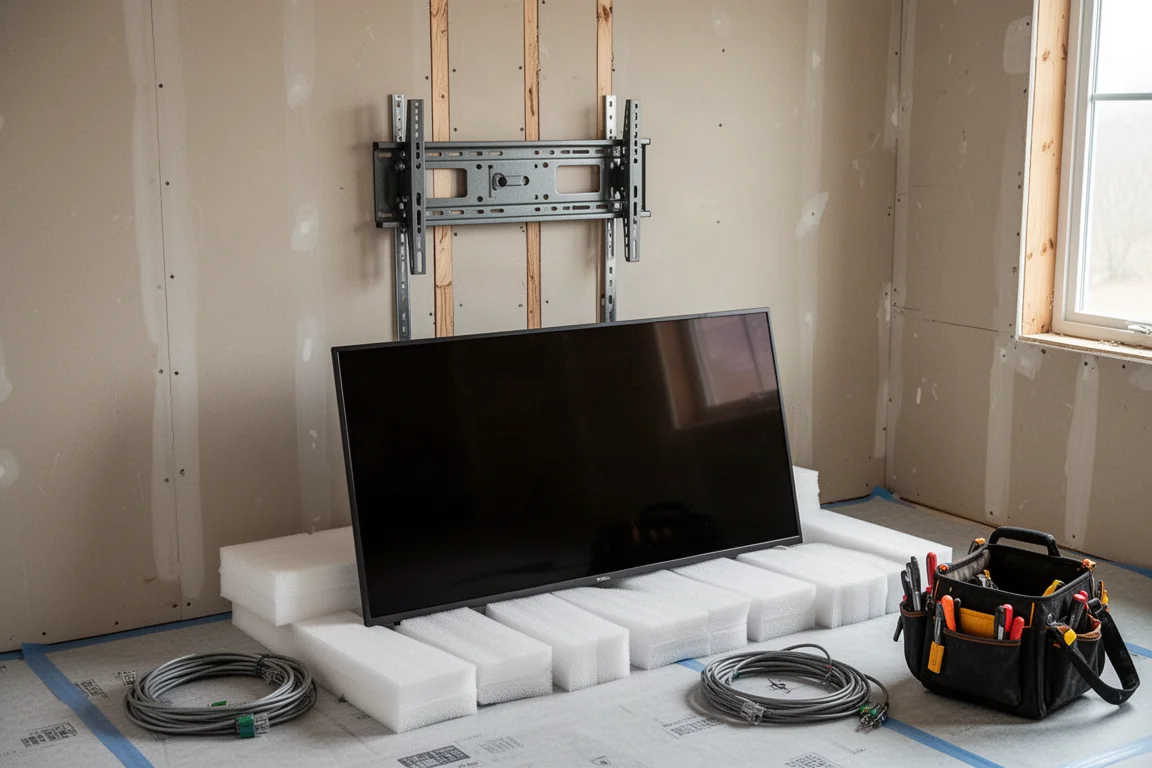
The wall mount matters as much as the muscle. Make sure the bracket you own can support a display this large and heavy, and check the weight rating before the delivery date. Hisense includes pre-mounted handles on the rear of the panel plus an additional set of lifting bars that can be attached for wall mounting and removed afterward. Sturdy legs are also included for cabinet placement, though a screen this size will push the limits of most media cabinets, which makes wall mounting the more sensible option.
Viewing position deserves the same attention. With the center of the screen aligned to a seated eye height of 43 inches, or 109 centimeters, and a seating distance of just over 12 feet, the viewing angle lands near 40 degrees, which falls within the recommended 13-foot viewing distance for this class of display.
Things to Consider Before Buying
Light control is the most significant trade-off. In dark scenes, and in shots where dark skin tones appear against bright backgrounds, some blooming and inverse halos are visible. Compared with a 98-inch TCL QM8K, the 116U7 controls light less effectively, and it does not reach the level of Sony’s Mini LED sets or OLED displays from other brands. In very low-lit films, transitions from dark to light can look milky and vague rather than inky and absolute. Smaller panels benefit from denser Mini LED arrays, which partly explains the gap.
Sharpness is the second consideration. Less precise local dimming, below average contrast in the middle ranges, and slower processing combine to give the picture a slightly softer look than some rivals, and older or lower-resolution content reveals it most. Enabling the AI dynamic scaling and contrast features does not necessarily produce a more natural image, and heavy use can make skin tones look waxy. Feed the set true 4K or HDR material, however, and the difference is dramatic.
Reflections are worth planning around as well. In a room with several windows, the panel behaves like a mirror when switched off, and its anti-reflective treatment does not change that much in a bright space. When the TV is on, it is bright enough to overcome most ambient light, though it is not the strongest performer in this area.
Off-axis viewing is a mild concern rather than a real one. There is a small color and contrast shift as you move away from the center, but the screen is so large that most seats remain well within a comfortable angle.
Buying Advice: Is the Hisense 116U7 Worth It?
Hisense offers a second 116-inch option, the 116UX, at $25,000. That model uses an RGB Mini LED system and a newer AI processor that is said to clean up lower-quality content and improve native 4K in real time. The 116U7 uses more traditional Mini LED backlighting, similar in approach to what TCL and Sony offer, and costs just under $17,000.
The closest size comparison on the market is TCL’s 115-inch QM7K. TCL’s model has fewer local dimming zones at that size, though both brands claim similar peak brightness. The 98-inch QM7K measured short of TCL’s own claims, while the Hisense exceeded its rating and sustained 3,000 nits on a considerably larger screen. The Hisense also costs roughly $3,000 more at that size, so the extra brightness is a question each buyer has to answer for themselves.
Judged as a whole, the 116U7 earns its price through scale and light output rather than perfect refinement. If you are building a screening room and want a display that outperforms projection on brightness and HDR, this is a compelling option. If you want reference-level light control or a display for competitive gaming, look elsewhere.
Conclusion
The Hisense 116U7 MiniLED Pro is not a subtle upgrade. It is a 116-inch, extremely bright Mini LED television that delivers a genuinely cinematic experience, with three accurate picture modes, strong HDR support, and brightness that exceeds its own rating. Its weaknesses in local dimming, mid-range contrast, and fast-paced gaming are real, but they are the kind of trade-offs that come with pushing a panel to this size and this output.
For the right room, the right seating distance, and the right expectations, the 116U7 offers something a projector cannot easily match.
Product link
View more details for Hisense 116U7 MiniLED Pro
This product is mentioned in the review. Check the specifications, options, and compatibility before buying.
View more details for Hisense 116U7 MiniLED ProFurther reading
Related Reviews
Home Theater
Anthem AVM 90 Review: A 15.4-Channel Flagship Preamp Processor
A close look at Anthem's flagship preamp processor, covering its dual ESS DAC architecture, 15.4-channel layout, ARC Genesis calibration and four independent subwoofer outputs.
Home Theater
Apple TV 4K With AirPods: A Best-Value Home Theater Setup
An Apple TV 4K paired with AirPods over Bluetooth makes a compact home theater setup for movies, spatial music and late-night viewing, and it can be assembled for as little as $300.
Home Theater
Arcam AVR15, AVR25, AVR35, and AVP45 Compared: Which AV Amplifier Fits Your System?
Four new Arcam home theater components share nine-channel amplification and Dirac Live, but differ in power, processing ceiling, and channel flexibility.