Cycling Components
Hilly Gran Fondo Bike Setup: 8 Components Worth Considering
A real-world hilly sportive build, with practical notes on gearing versus weight, wheel choice, saddle comfort and the drivetrain details that made a 112-mile day easier.
Introduction
A hilly gran fondo or sportive asks two questions of a bike at the same time. Can it carry speed across the flat and rolling sections between the climbs, and can it still be ridden up the steepest gradients late in the day when the legs are empty?
This build was put together for exactly that kind of route, a long, punishing day out with savage gradients, tight hairpin descents and long undulating stretches where the pace sat between 25 and 30 miles per hour. It covered 112 miles over roughly seven hours. The parts list is not exotic, but every decision was made with a real rider’s fitness in mind rather than a professional’s.
What Mattered Most for a Hilly Gran Fondo
The central trade-off on a hilly event is weight against gearing. On paper, a lighter bike climbs better. In practice, the bike in this build weighed around 8.5 kilograms on the scales, complete with pedals, a loaded saddle bag, a computer and bottle cages but no bottles. That is not a featherweight, and it will not win any weigh-in arguments.
Even so, the lower gears did more work than any weight saving would have. Riding up a very steep gradient on a gear that lets you keep turning the pedals is simply more rewarding than getting off and walking, and on the steepest sections of the route the riders walking were often on gears that were too tall for their fitness and ability.
That is a common problem in road cycling. Riders tend to copy what professionals use, but professionals are vastly fitter than most of us. Gears that suit a normal rider with normal fitness let you ride the climbs rather than admit defeat on them. Weight still matters, but it matters less than being able to turn the pedals all the way to the top.
Giant TCR Advanced: Light, Stiff and Comfy for Seven Hours
The starting point was a custom Giant TCR Advanced frame, a well-regarded option that is genuinely light for the money at around 850 grams in a size ML. It is a race-oriented platform, with a low front end and a stretched riding position, and it stayed comfortable across a seven-hour day.
The frame also delivered on the two things that matter most on a route like this. It handled beautifully on the descents and had plenty of stiffness under power for the climbs. Bar space was tight once a computer and an action camera were mounted, so route notes went on the top tube and the event number went on the head tube, which is a useful reminder of how much cockpit real estate a long event actually consumes.
ENVE 45 Wheels: Aero That Earns Its Place
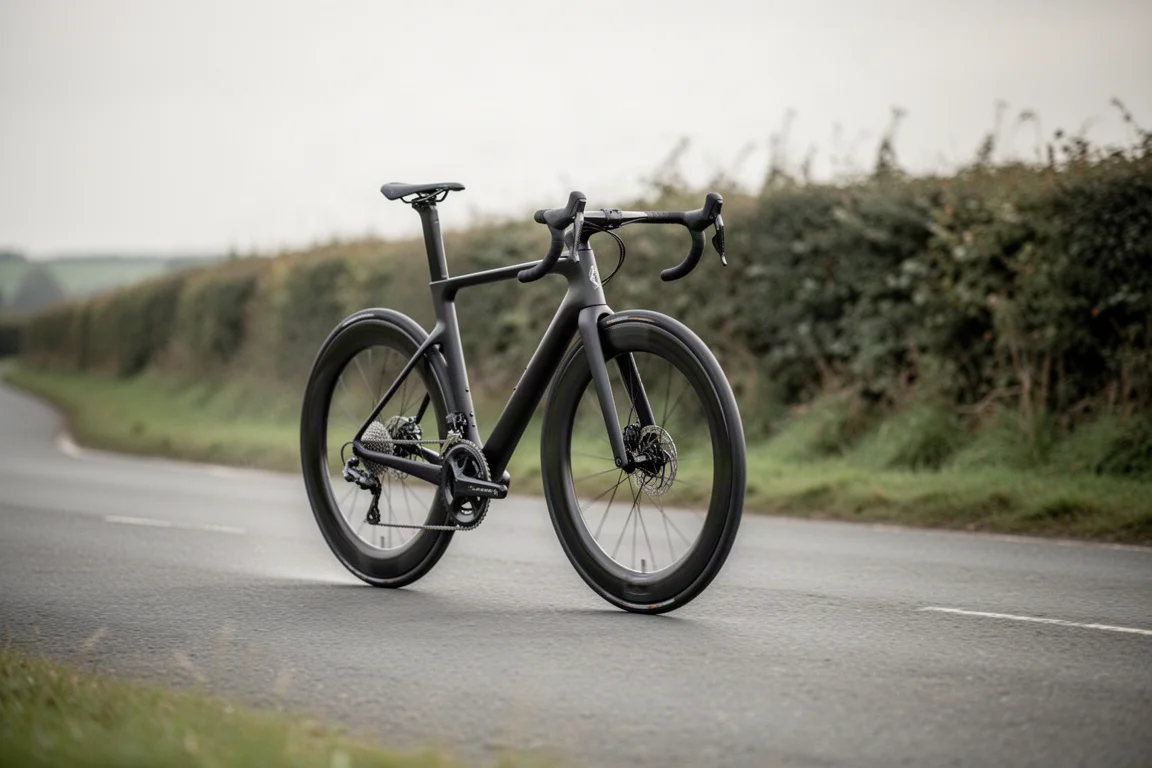
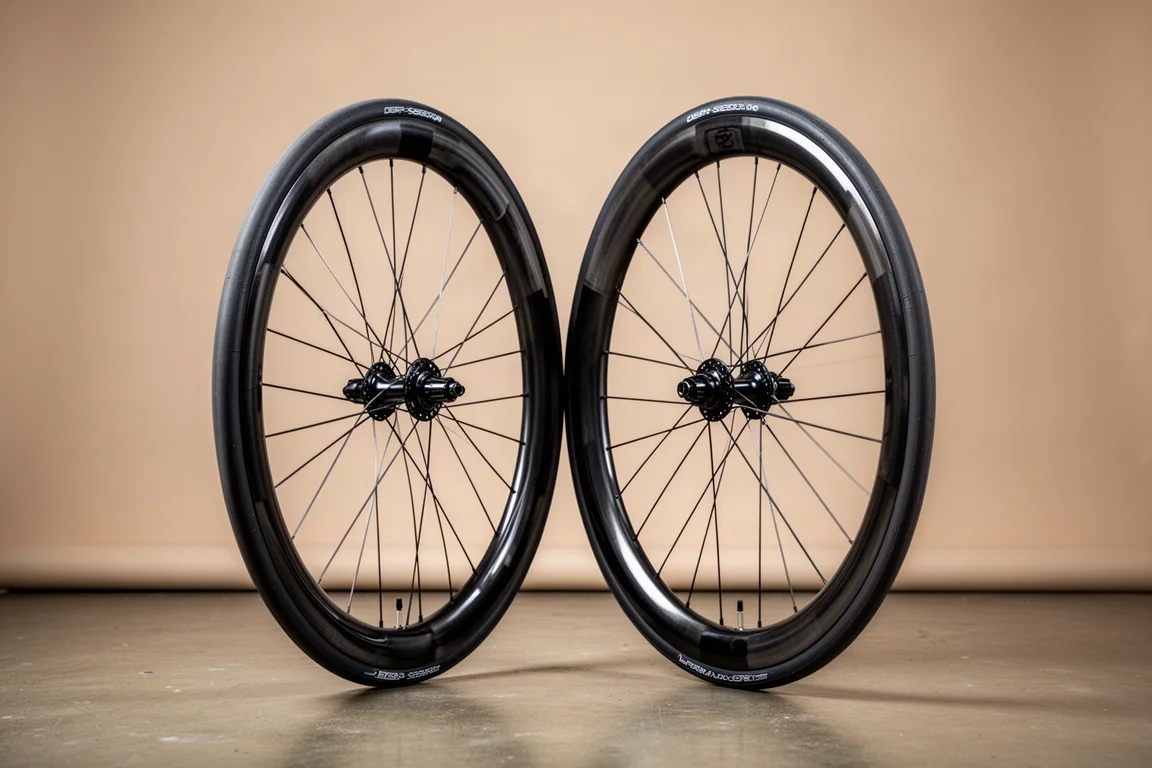
The ENVE 45 wheelset was chosen partly for how it looks, but the aero performance is the real argument. It is a lightweight set with a wide, broad rim platform and tubeless-ready construction, here running 28mm tubeless tyres.
A lighter wheelset might be marginally better on the climbs, but a hilly route is rarely climbs alone. The sections between the big climbs were flat and undulating, and the aero advantage of these wheels helped reduce the effort needed to hold 25 to 30 miles per hour in those places. They also proved durable, finishing the day without a single issue.
Tubeless setup was reliable from start to finish, with no punctures over the full distance. On an event where stopping to fix a flat costs both time and momentum, that reliability is worth as much as any marginal weight figure.
SRAM Rival eTap AXS: Reliability Over Weight
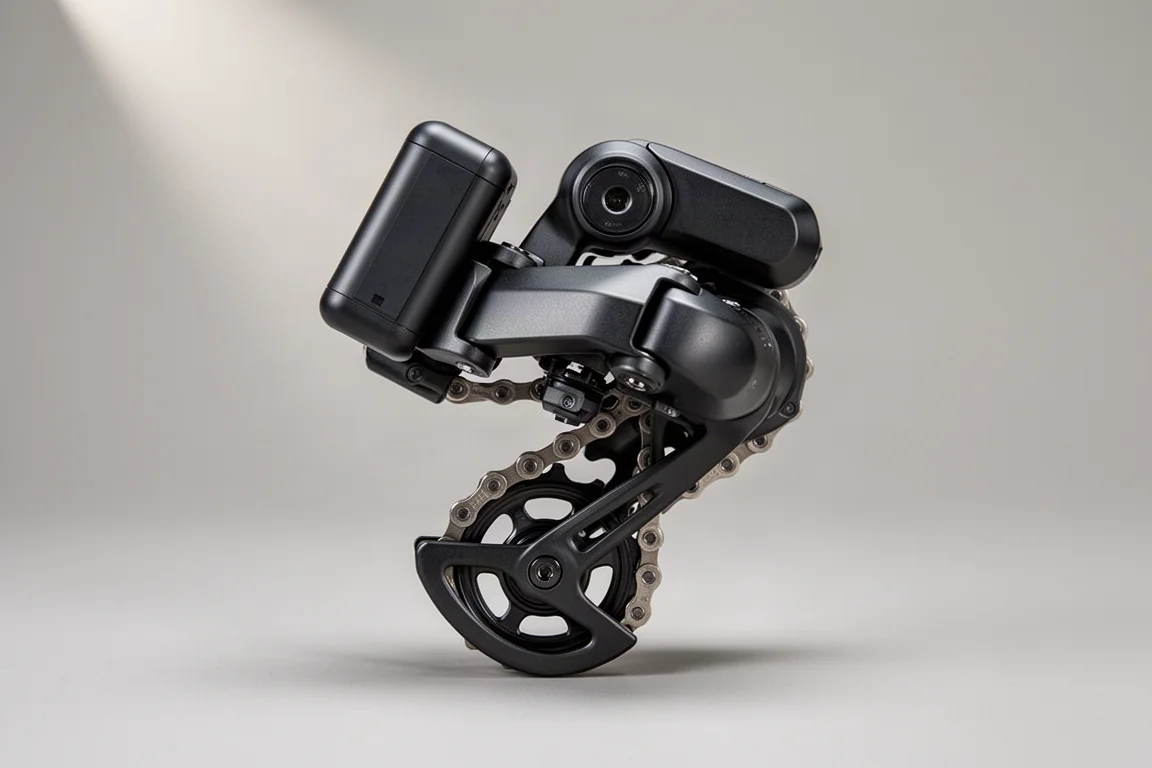
The SRAM Rival eTap AXS groupset had been in use for close to a year and performed flawlessly throughout. Its one clear weak point is weight. It is not the lightest groupset available, and it is a meaningful part of why the complete bike sits at 8.5 kilograms.
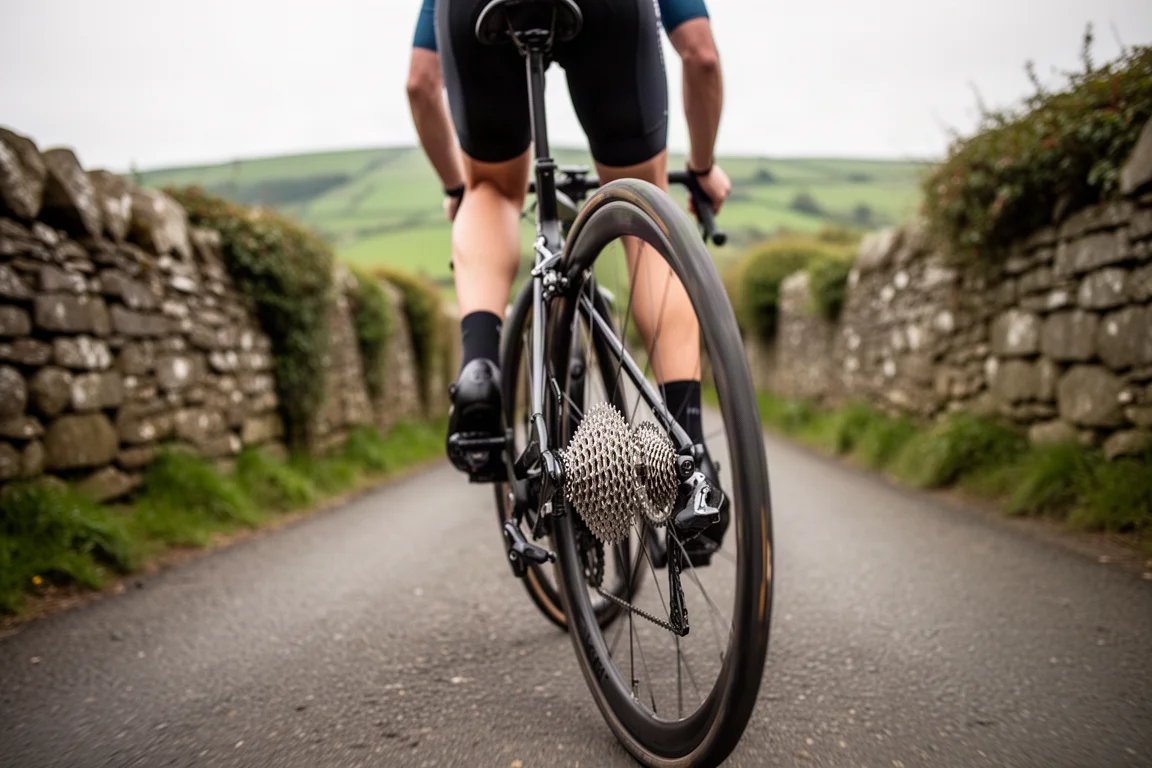
What it offers instead is gearing. The build ran a 46/33 chainset at the front and a 10-36 cassette at the rear, giving a lowest gear of 33/36. For comparison, a typical road race setup pairs a 50/34 compact chainset with an 11-30 cassette, so a 34/30 lowest gear. The difference is significant on gradients where every percentage point tells.
The hydraulic disc brakes were equally valuable. The descents on a route like this are not especially fast, but they are very steep, very technical and run over rough surfaces with tight hairpin switchbacks, so speed has to be managed constantly. One-finger braking control, no noise, no rubbing and no fade after minutes of dragging the brakes made them an easy choice.
Specialized Romin Mirror Saddle: Comfort for the Long Haul
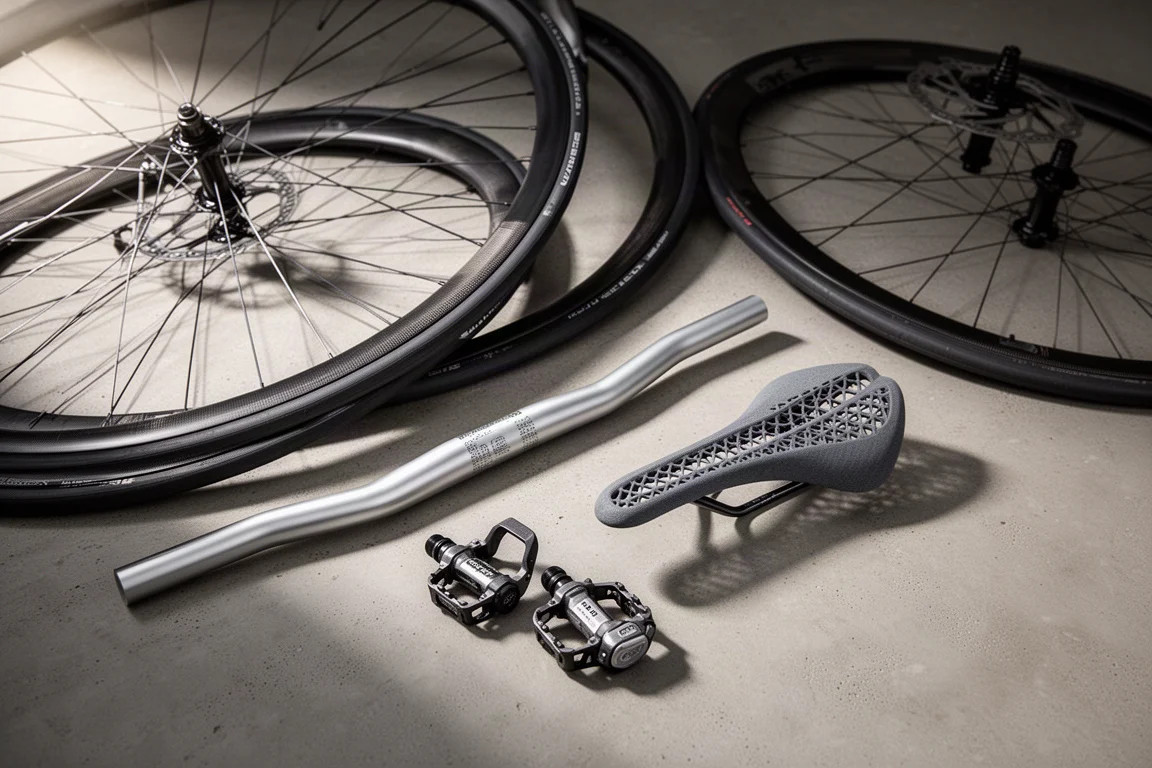
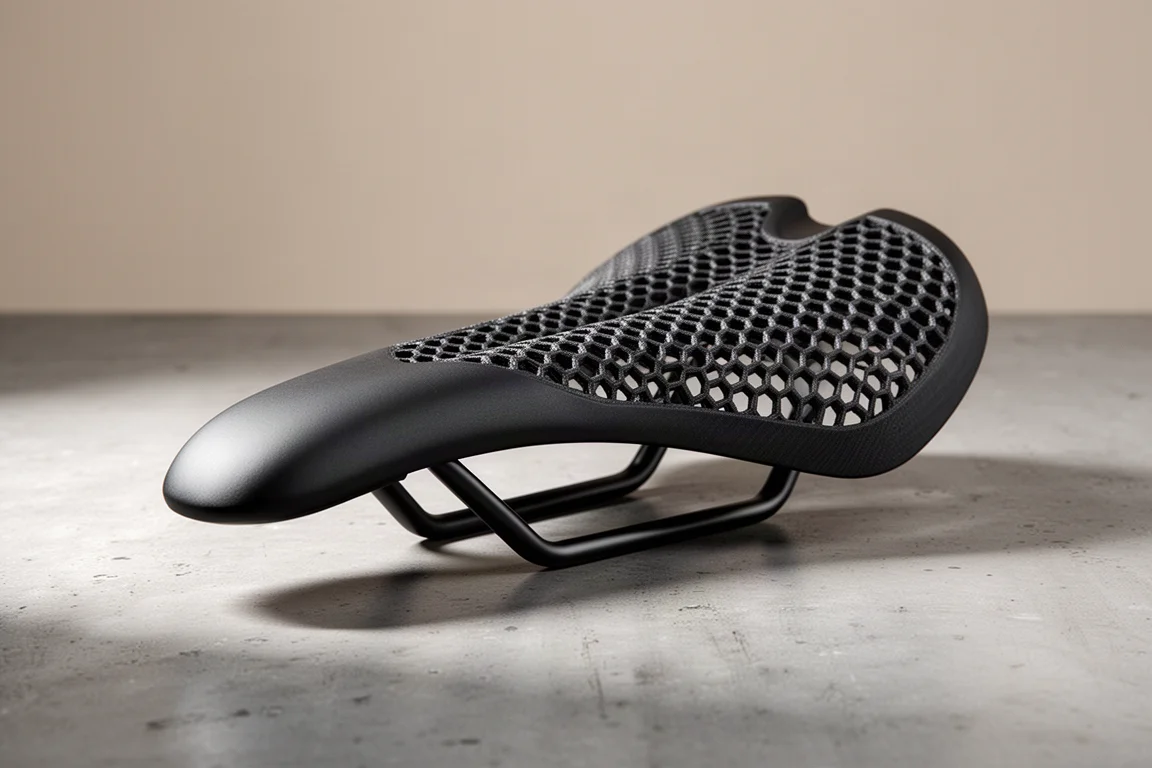
Comfort becomes a performance component on any ride measured in hours rather than minutes, and the Specialized Romin Mirror is a 3D printed saddle with a shape that suits a hard, varied day out. It allows the rider to move between positions easily: forward on the nose for very steep gradients, and back on the wider section when pushing hard on faster ground.
After seven hours, there was no discomfort at all in that area. The legs were a different story, but the saddle did its job. It is a meaningful improvement late in a long ride compared with conventional saddles of a broadly similar shape.
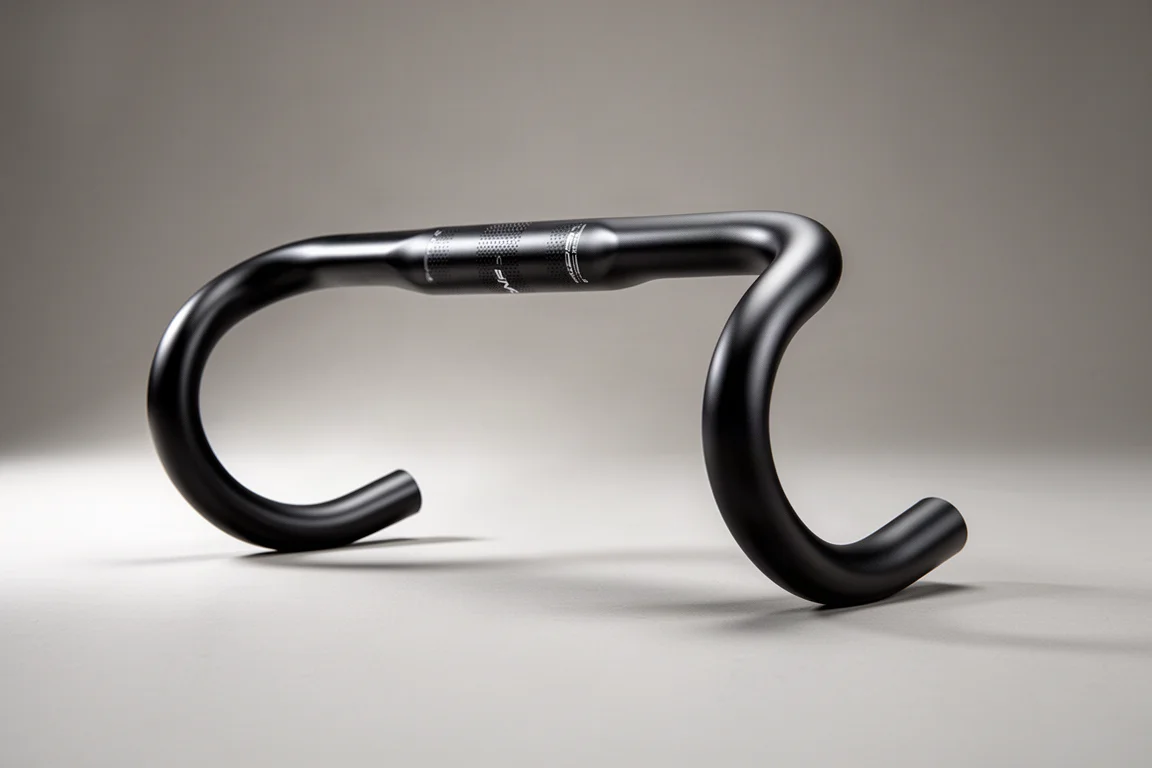
Zipp Service Course Handlebar: Round Tops for Climbers
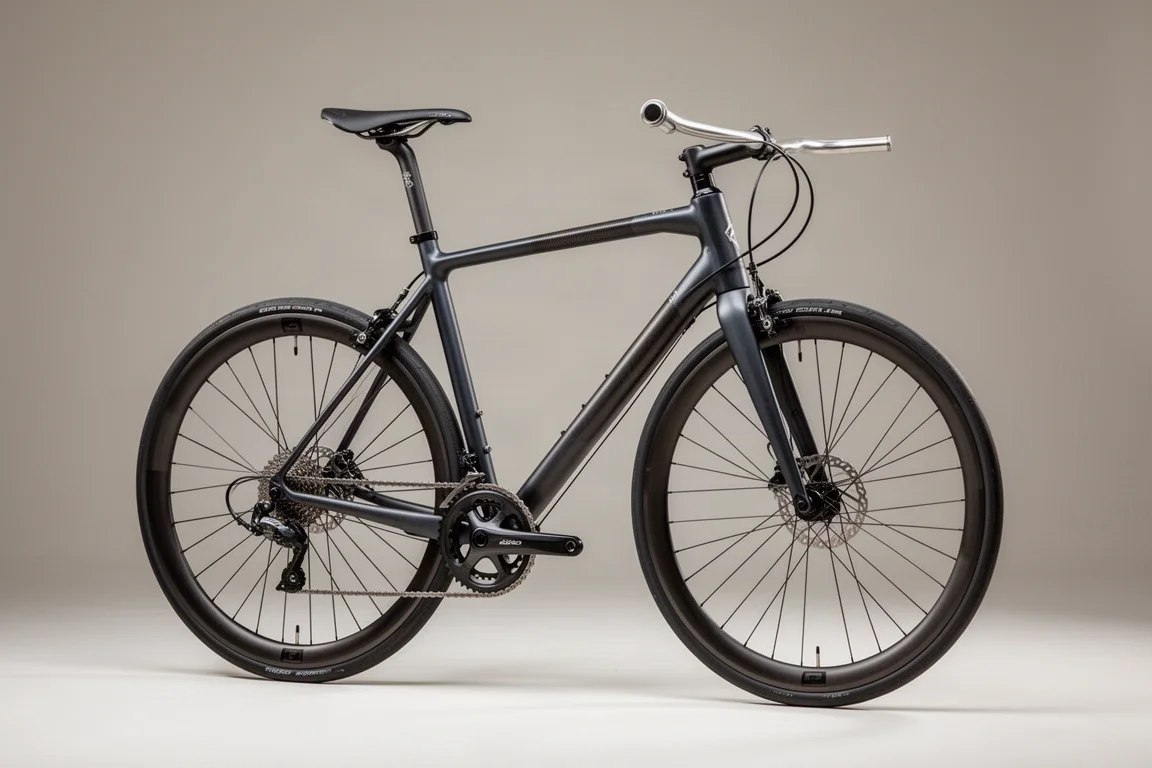
Handlebar shape is an underrated detail on a climbing-heavy route. The Zipp Service Course is an aluminium bar with a round profile, and on long, steep climbs the round tops are noticeably more comfortable to hold than the flattened tops of a modern aero bar.
Aero-shaped bars come into their own on the hoods and in the drops, but on the tops they are less comfortable in practice, and on a hilly event the tops are where a lot of time gets spent. A slim, lightweight alternative gives up little here.
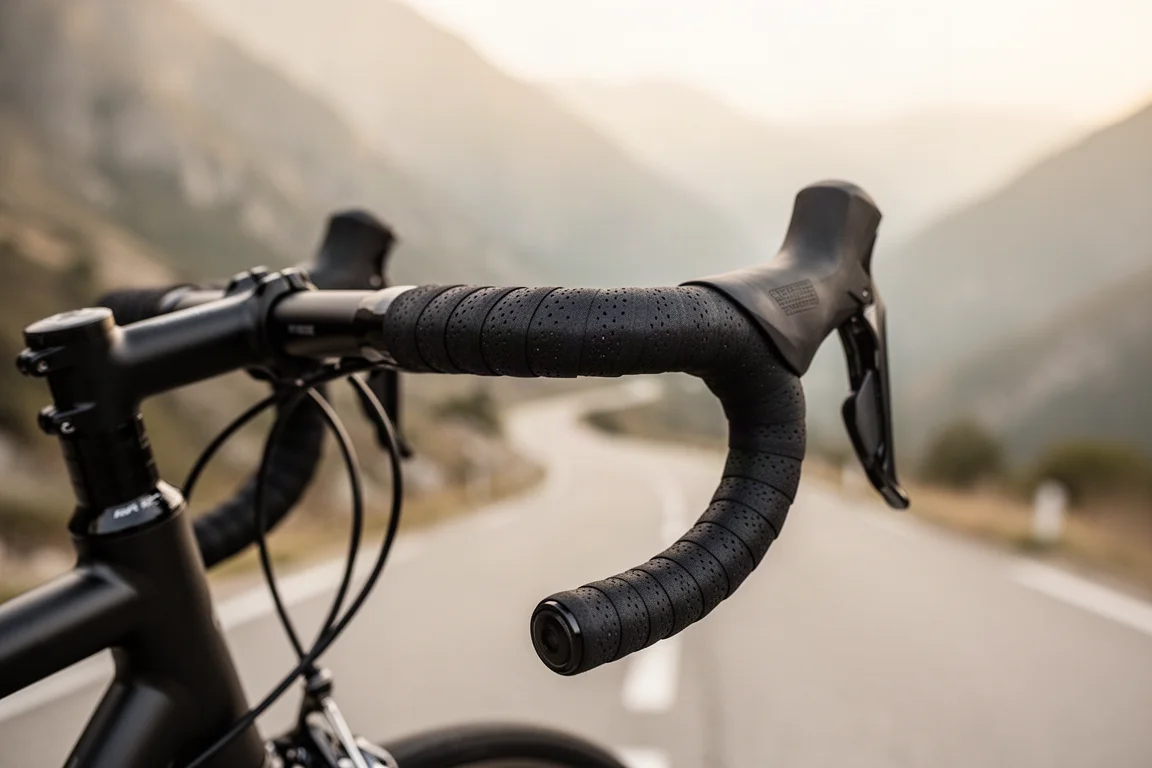
It is also a durable, straightforward component to live with, and it pairs well with a well-padded bar tape that takes the edge off long stretches of climbing. Nothing about it is glamorous, but it is the part your hands spend the most time on.
CeramicSpeed Bottom Bracket: A Quieter Drivetrain
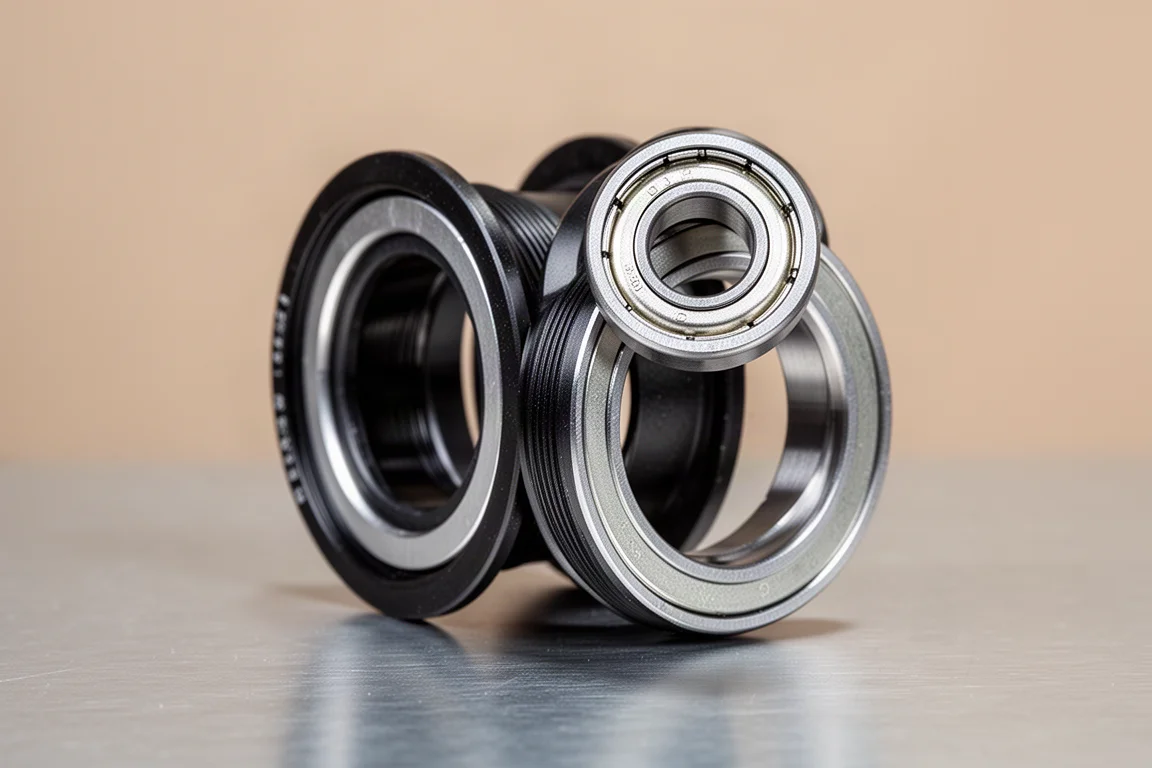
The CeramicSpeed bottom bracket was one of a small number of upgrades made shortly before the event, and it immediately solved a creak that had appeared the week before. It also spins noticeably more freely and smoothly than the unit it replaced.
Whether that free spinning translates into measurable performance is impossible to say. The honest read is that it is largely a psychological benefit, or a placebo, but a quiet, smooth-running drivetrain is worth having on a long day regardless. Silence removes one more distraction when the effort gets hard.
Silca Super Secret Chain Wax: Silence That Lasts
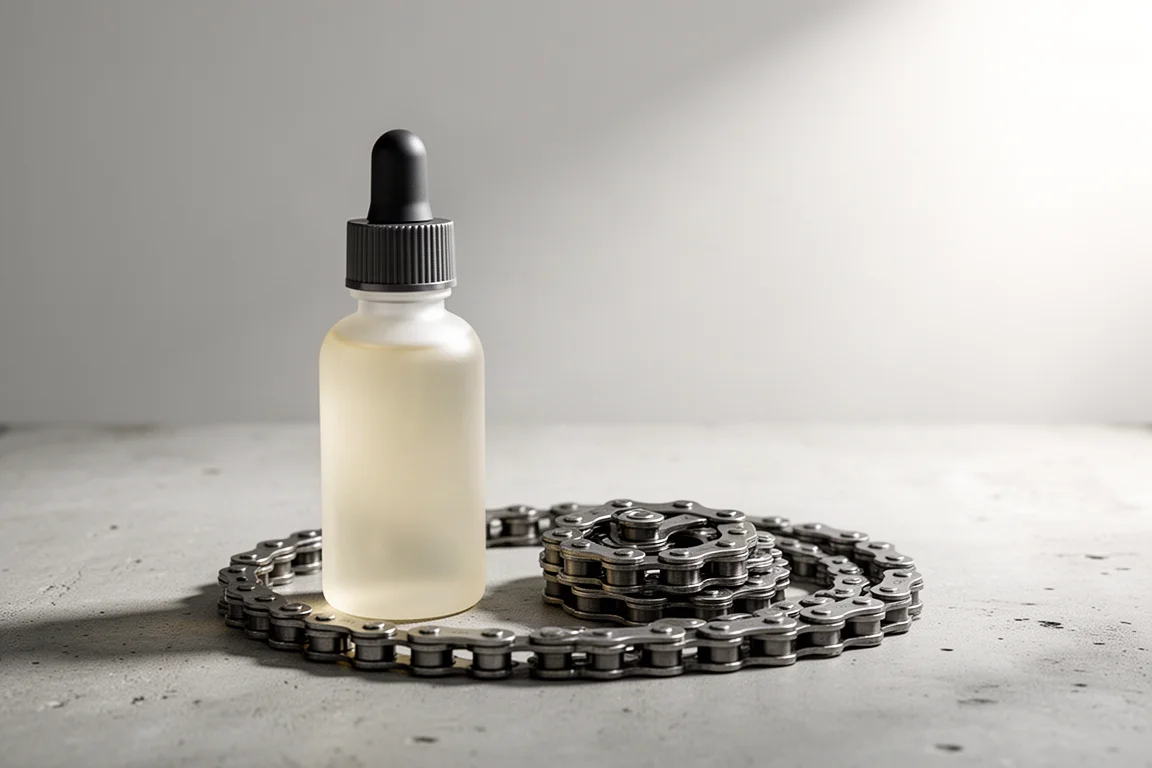
A new chain treated with Silca Super Secret chain wax kept the drivetrain genuinely quiet throughout the event. Even after 112 miles there was no noise coming from it at all.
That matters more than it sounds. A noisy drivetrain is a constant reminder of wear and inefficiency, and on a route with this much climbing, a clean and silent chain is one less thing to think about. It is a low-cost detail compared with wheels or a groupset, but it is one of the easiest wins in the whole build.
Wahoo Powrlink Pedals: Pacing Made Measurable
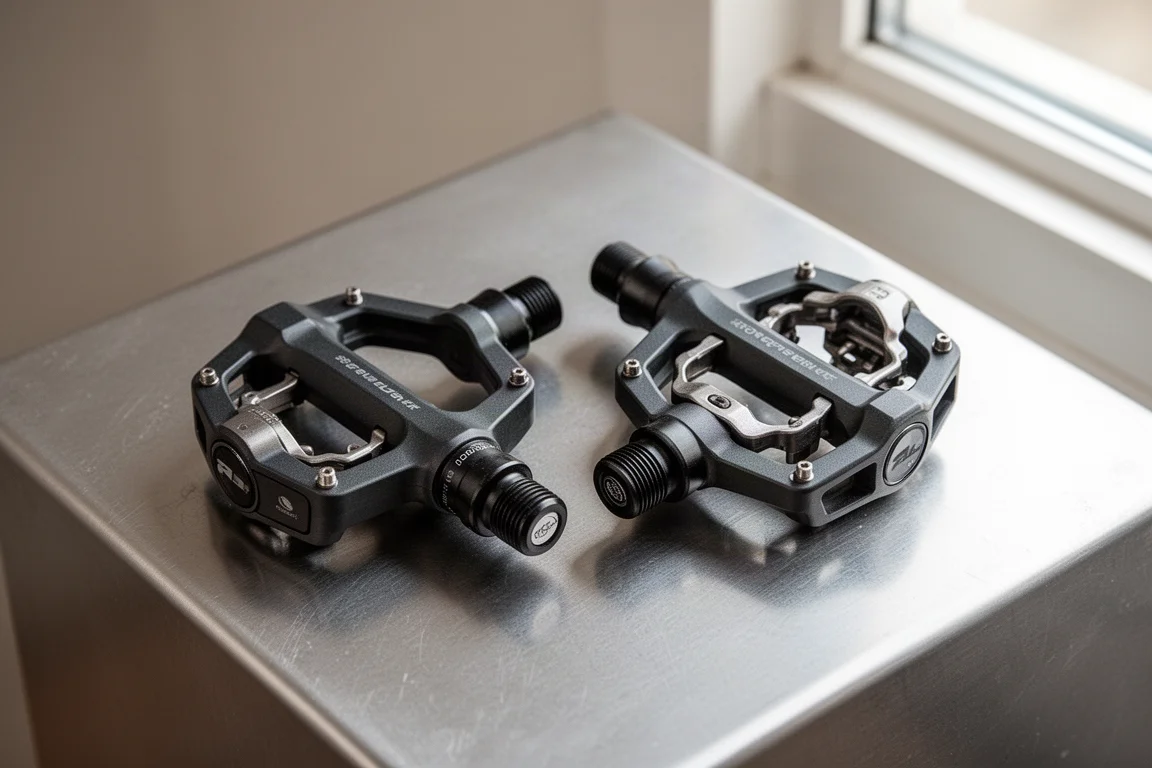
Power meter pedals are an expensive upgrade and a luxury for many riders, but they proved genuinely useful on a hilly event. With power numbers visible on the computer, it becomes much easier to ride within yourself on the climbs.
The biggest temptation on a long sportive is going too hard too early, when you feel fresh and eager. Real numbers hold that back. On the steep gradients, being able to see where your power sits lets you settle into a sustainable effort and hold it all the way to the top rather than fading halfway up. Not essential, but very useful.
Overall Buying Advice
If you are preparing a bike for a hilly gran fondo or sportive, prioritise gearing over weight. A lighter bike is a nice thing to have, but low enough gears to actually ride the steep climbs will change your day far more, and it is the single change most likely to decide whether you ride or walk the hardest sections.
Comfort is the second priority. A saddle that lets you move around over several hours, and a handlebar shape that suits the positions you actually use, are worth more than a few grams. Beyond that, the details carry the day: a well-stocked saddle bag with spares, a computer for recording the ride, an action camera, a frame pump, and a single bottle refilled at every feed stop, which worked well as a strategy.
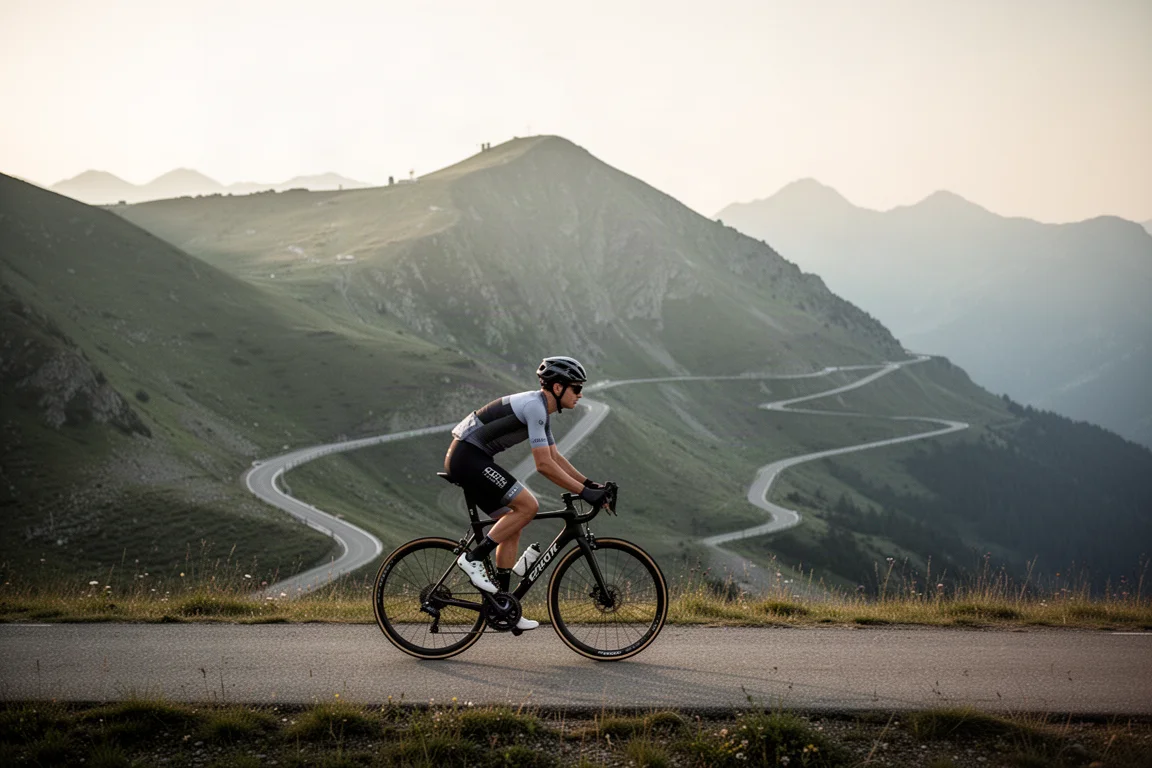
Hydraulic disc brakes are a personal preference rather than a necessity, and many riders descend perfectly well on rim brakes. On very steep, technical descents with tight hairpins and rough surfaces, the feel, power and one-finger control of disc brakes are simply reassuring, and they held up without a hint of fade.
Conclusion
Nothing about this build is exotic, and there is very little that would change. A slightly lighter bike would be nice, but it would not have made much difference to the finishing time. The gearing choice did, the saddle comfort did, and a bike that simply works and rides well did the rest.
If you are building or upgrading for a long hilly event, start with the gears, then the contact points, then the details. That order will serve you better than chasing a weight figure.
Further reading
Related Reviews
Cycling Components
A 20,000-Mile Budget Race Bike Build: Five Parts Worth Knowing
A rim brake race bike assembled from low-cost components and ridden for 20,000 miles. Here is what delivered real speed, what caused problems, and what to weigh before copying the formula.
Cycling Components
7 Bike Fit Products Fitters Avoid: What to Check Before You Buy
Seven bike components that regularly cause knee, foot and saddle problems, with the specific concerns behind each one and what to look for instead.
Cycling Components
Four Affordable Bike Upgrades That Improve Ride Feel
Four low-cost cycling products that make a real difference to ride feel, plus the free setup changes worth trying first.