Four-Season Tents
Hilleberg Soulo Review: A Four-Season One-Person Tent Built for Hard Weather
A close look at the Hilleberg Soulo, a single-person four-season tent with Kerlon fabrics, a fly-first pitch, and a genuinely freestanding structure, plus what to weigh before spending this much.
Introduction
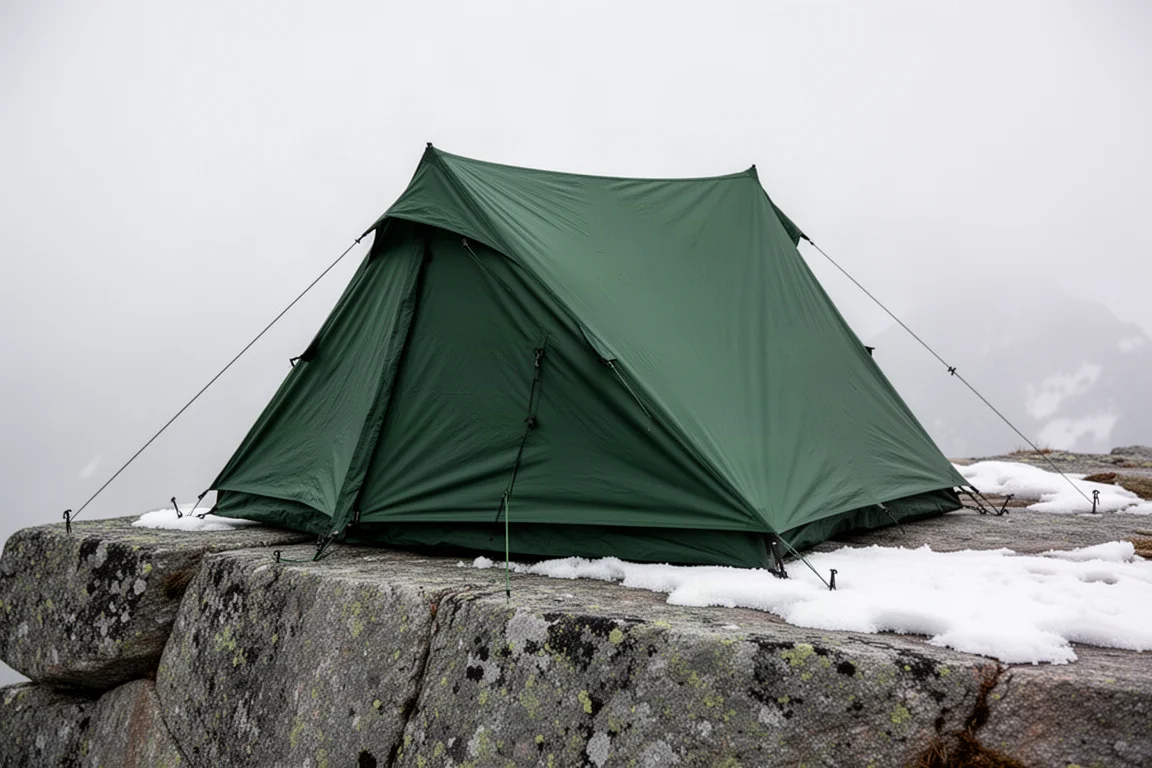
The Hilleberg Soulo is a single-person, four-season tent from a company that has built its reputation on exactly this kind of product. It is expensive, it is heavy by summer backpacking standards, and it is not trying to be anything other than a shelter that holds up when the weather turns genuinely hostile.
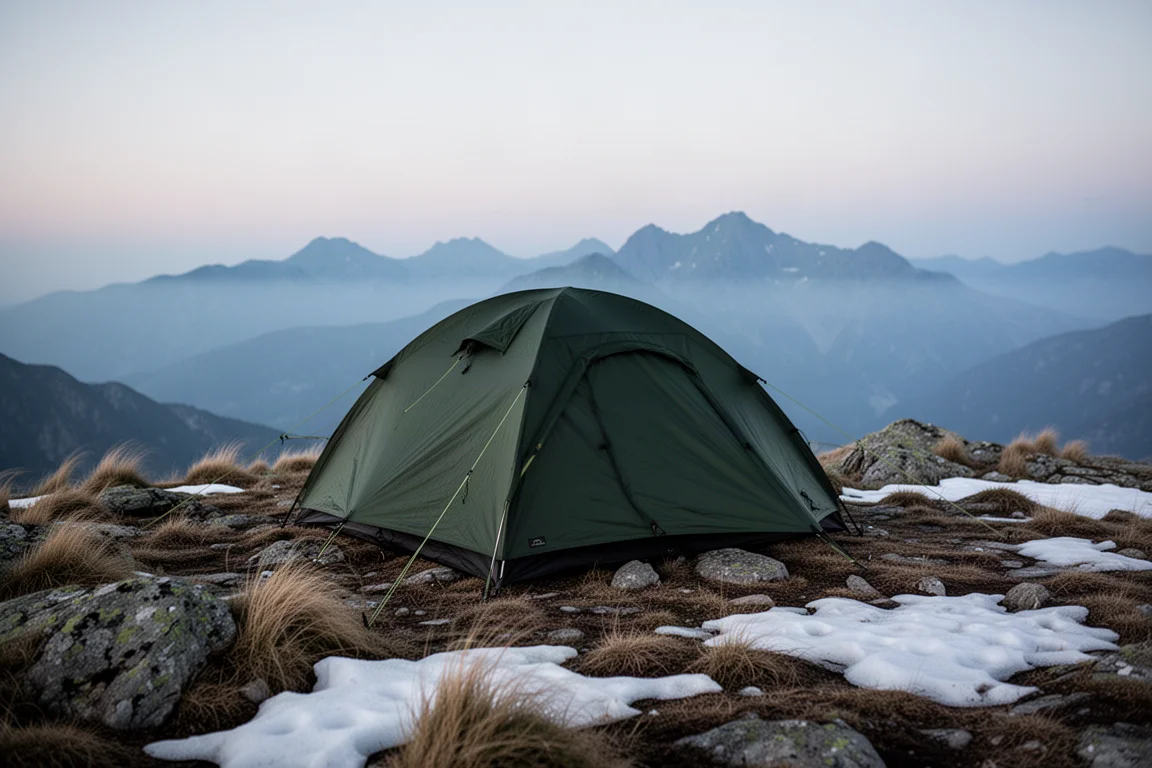
What you are buying here is strength and predictability. The Soulo uses a fly-first design, a fully freestanding structure, three aluminum poles, and a coated ripstop fabric that the manufacturer rates for serious loads. For anyone who camps above the treeline, in blowing snow, or on exposed rock where staking out is not always possible, those qualities matter more than a low pack weight.
This overview covers the construction, the two versions available, and the trade-offs worth understanding before you commit to this price point.
Who This Product Is For
The Soulo is a true one-person tent. Two people can fit in an emergency, but only just, and they had better be comfortable with each other. The realistic buyer is a solo camper who spends time in winter conditions, on high alpine routes, or in exposed terrain where wind and snow load are the main design problems to solve.
Inside there is enough room to sit up, change clothes, and lay out a full-size sleeping pad alongside your gear. The single vestibule is large enough to store a pack and, with care, to cook in.
It is not a warm-weather tent. The inner is made from fabric rather than full mesh, which is exactly what you want for heat retention and wind blocking in winter, but it makes the interior uncomfortably hot in summer conditions even with the mesh panel exposed.
Main Strengths
The first impression is one of density and build quality. Everything about the structure feels deliberately overbuilt: the coated ripstop fly, the pole diameters, the guy lines, and the reinforcement where the poles meet the body. This is a tent designed around load paths rather than around a weight target.
The fly extends all the way to the ground, so drifting snow and ground-level drafts have no direct path into the sleeping area. The fabric inner holds warmth and blocks wind, which is the correct set of priorities for a four-season shelter.
The tent also ships with a practical set of components: three aluminum poles, twelve stakes, guy lines, and a spare pole section in the pole bag in case a segment fails in the field. A storage bag and a smaller stuff sack are included.
A lifetime warranty applies to tents purchased new, which is a meaningful part of the value calculation at this price.
Fly-First Pitch and Freestanding Setup
The fly is attached to the body, so the inner tent can be pitched without being exposed to rain. In wet conditions that means the sleeping area stays dry during setup rather than soaking through before the fly goes on.
The pole system is straightforward. Two longer poles run end to end and one shorter pole crosses the body, marked with red tape so it is easy to identify. Each pole end sits into a short sleeve of roughly a foot long rather than threading through a full-length sleeve, so there is no wrestling with long fabric tunnels. The body then clips to the poles, which takes well under a minute once the poles are seated.
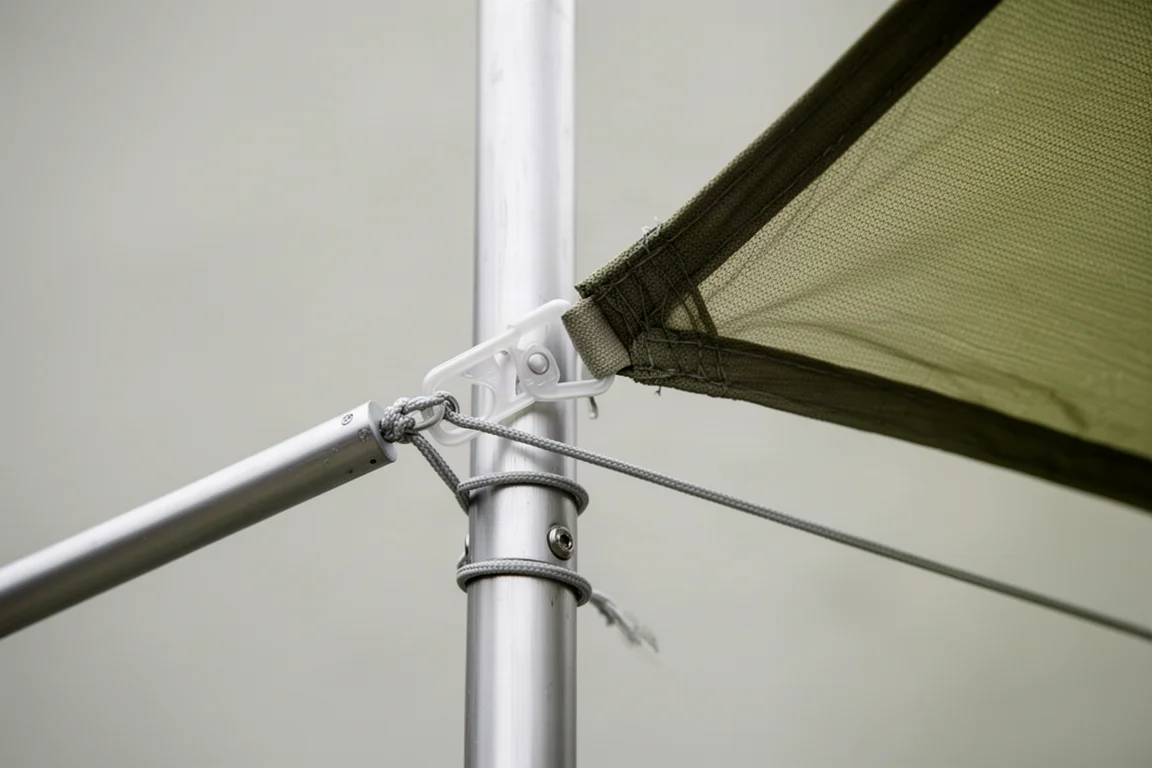
The structure is fully freestanding. It stands complete without a single stake, which matters on rock ledges and hard ground where pegging out is not an option. Guy lines can be wrapped around the poles and pulled through before being staked, and doing this around the tent noticeably stiffens the whole structure in wind.
The top vent can be opened from both inside and outside, and the fly covers it, so airflow can be managed to reduce condensation without leaving the shelter exposed.
Weather Protection and Materials
The Red Label version uses Kerlon 1200, a 30 denier ripstop nylon coated with three layers of silicone and treated for UV resistance. It carries a tear strength of roughly 26.5 pounds and a 5,000 mm hydrostatic head rating. The Black Label version steps up to Kerlon 1800 with a tear strength of roughly 40 pounds.
The floor is 70 denier nylon with a triple polyurethane coating and a 15,000 mm hydrostatic head rating. The inner is 30 denier nylon with a DWR treatment. Zippers are YKK throughout, and the guy lines have a breaking strength of 132 pounds.
A rubberized flap shields the main zipper from water and snow. The door rolls out of the way, and the entrance itself uses a zipper arrangement that opens into an inverted T, with the fabric wall able to be unzipped to reveal a large mesh panel when you want more airflow.
Inside, there are two pockets near the front and a series of loops for hanging gear or running a drying line.
Things to Consider Before Buying
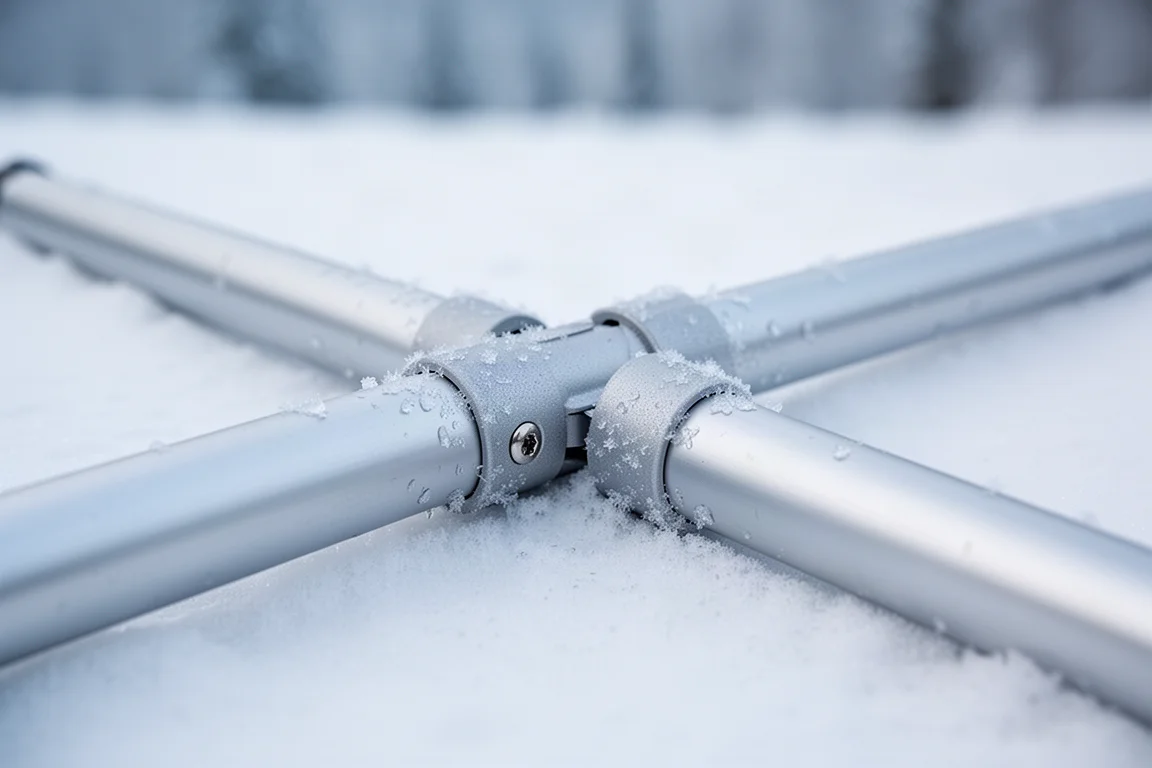
The most practical drawback is the pole design. The poles sit outside the tent body, exposed to snow, ice, and rain. In cold, wet conditions the segments can freeze together, and freeing them means warming the poles before they can be broken down and packed. That can add real time to a cold morning. It is the trade-off for clip-based pitching, which is fast but leaves the poles unprotected.
Price is the second consideration. This sits firmly in the premium bracket, and the Black Label version costs more than the Red Label. You are paying for materials, testing, and a lifetime warranty rather than for light weight. At a packed weight of five pounds seven ounces for the Red Label, this is not a tent for weight-focused summer trips.
Third, availability has been difficult. These tents have been sold out through normal retail channels with waiting lists in place, and the optional mesh inner that converts the tent to three-season use has been equally hard to find. Second-hand listings do appear, which is often the fastest route to owning one.
Finally, there is a limit to how much any specification sheet can tell you. A hydrostatic head rating is a useful data point, but it does not by itself guarantee a dry night. Material quality and construction do most of the real work, and that is where this tent’s reputation comes from.
Versions, Sizing and Availability
Hilleberg groups its tents into three labels. Black Label tents are the strongest the company makes. Red Label sits below that, slightly lighter and slightly less extreme. Yellow Label is aimed at roughly three-season use with the lowest weight. The Soulo is offered in both Black Label and Red Label form.
The Red Label Soulo uses Kerlon 1200 with 9 mm poles, has a packed weight of five pounds seven ounces, and is priced at $765. The Black Label version uses Kerlon 1800 with 10 mm poles, has a packed weight of six pounds three ounces, and is priced at $825.
Dimensions are identical between the two: 86 inches long, 37 inches at peak height, and 41 inches wide at the widest interior point. Three colors are available across both versions: green, red, and sand. A second pair of poles can be added to the structure for extra strength in severe conditions.
Buying Advice
If you expect to pitch in genuine winter storms and want the strongest structure available in this footprint, the Black Label version is the straightforward choice, at the cost of roughly twelve ounces of extra packed weight. If you want the same design with a lighter pack and a lower price, the Red Label version is the sensible pick and is still built for serious weather.
Buy new if the lifetime warranty matters to you, since it applies to new purchases with proper care. If budget or availability is the constraint, watch for used listings and expect to move quickly when one appears.
In the field, stake the body out first when wind is forecast, then fit the poles, then tension the guy lines around the poles. That sequence keeps the structure under control during setup and gets the most stiffness out of the design.
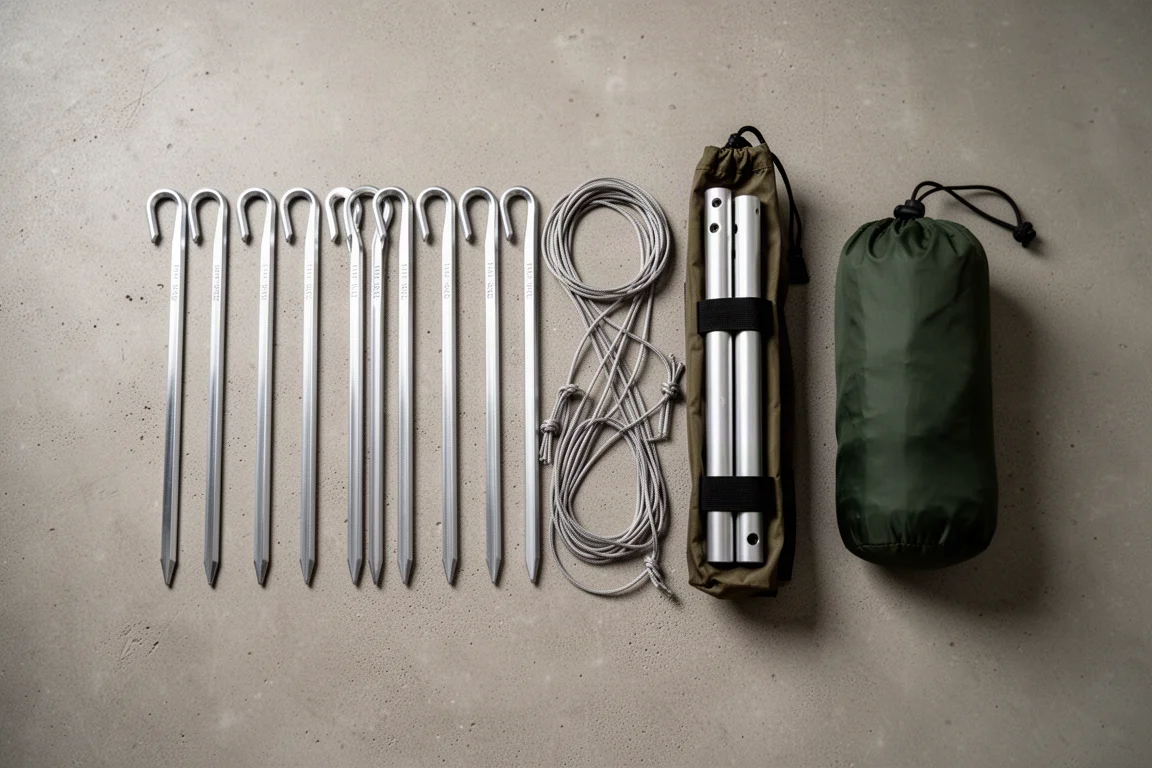
For a one-person shelter, the interior is genuinely usable: you can sit up, change layers, and keep a full-size pad and your gear inside, with the vestibule handling the rest. Given the price, that usability matters as much as the fabric ratings.
Conclusion
The Hilleberg Soulo is a purpose-built four-season shelter for one person, and it makes no apologies for the weight or the price. The coated ripstop fly, the freestanding structure, the fly-first pitch, and the lifetime warranty all point in the same direction: a tent intended to be used hard, in bad weather, for a long time.
The trade-offs are clear and worth accepting only if they match how you camp. Exposed poles can freeze, the fabric inner is wrong for hot weather, and the price is high. If your trips involve snow, wind, and exposed ground, those compromises buy you a shelter that is built to handle exactly that.
Product link
View more details for Hilleberg Soulo
This product is mentioned in the review. Check the specifications, options, and compatibility before buying.
View more details for Hilleberg SouloFurther reading
Related Reviews
Backpacking Gear
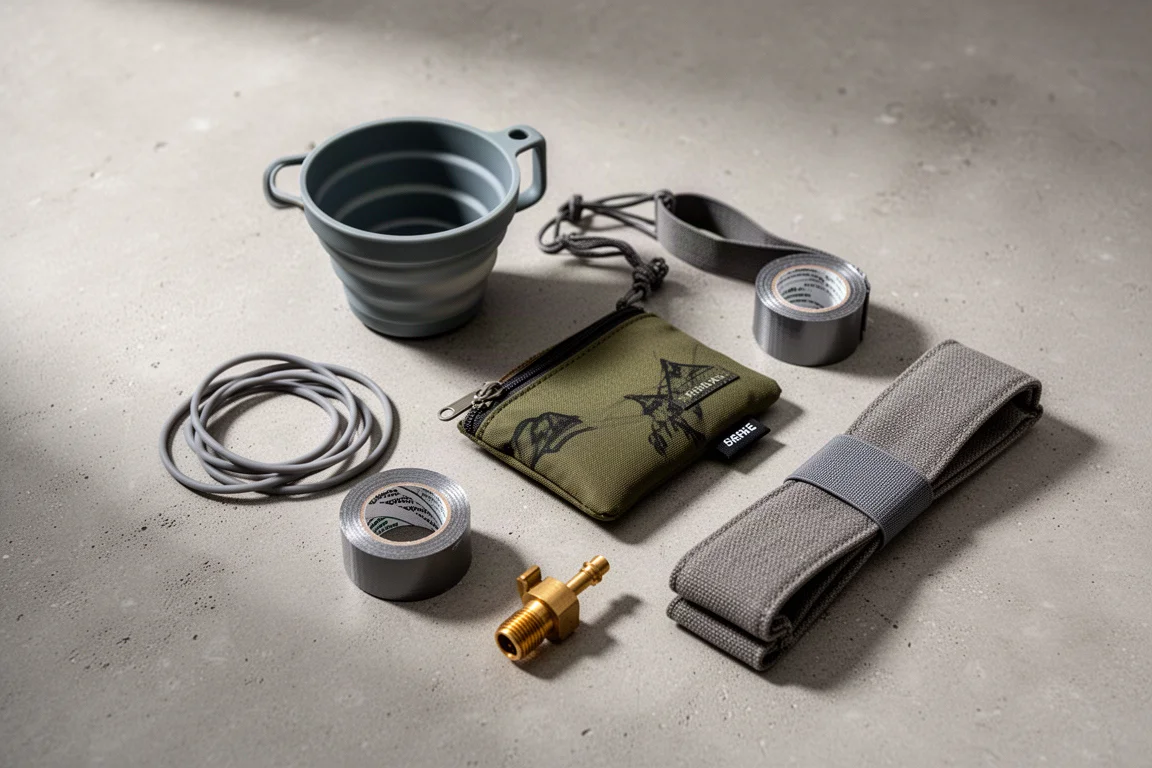
8 Ultralight Backpacking Gear Upgrades Worth Carrying
Eight small, affordable backpacking upgrades that solve real trail annoyances, from a pillow that stays put to a fuel valve that rescues leftover canister gas.
Backpacking Gear
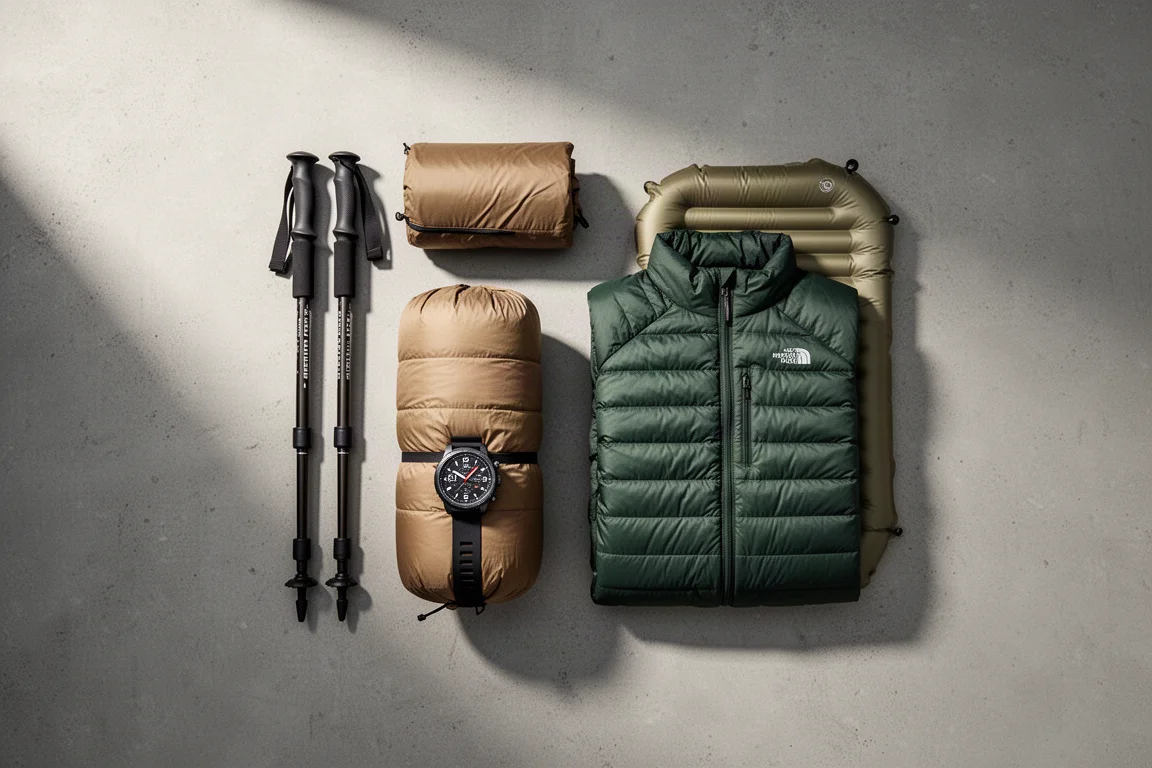
Affordable Alternatives to Premium Backpacking Gear: Five Budget Picks Compared
Five premium backpacking items paired with five lower-cost alternatives, compared on weight, materials, weather performance, and price.
Backpacking Gear
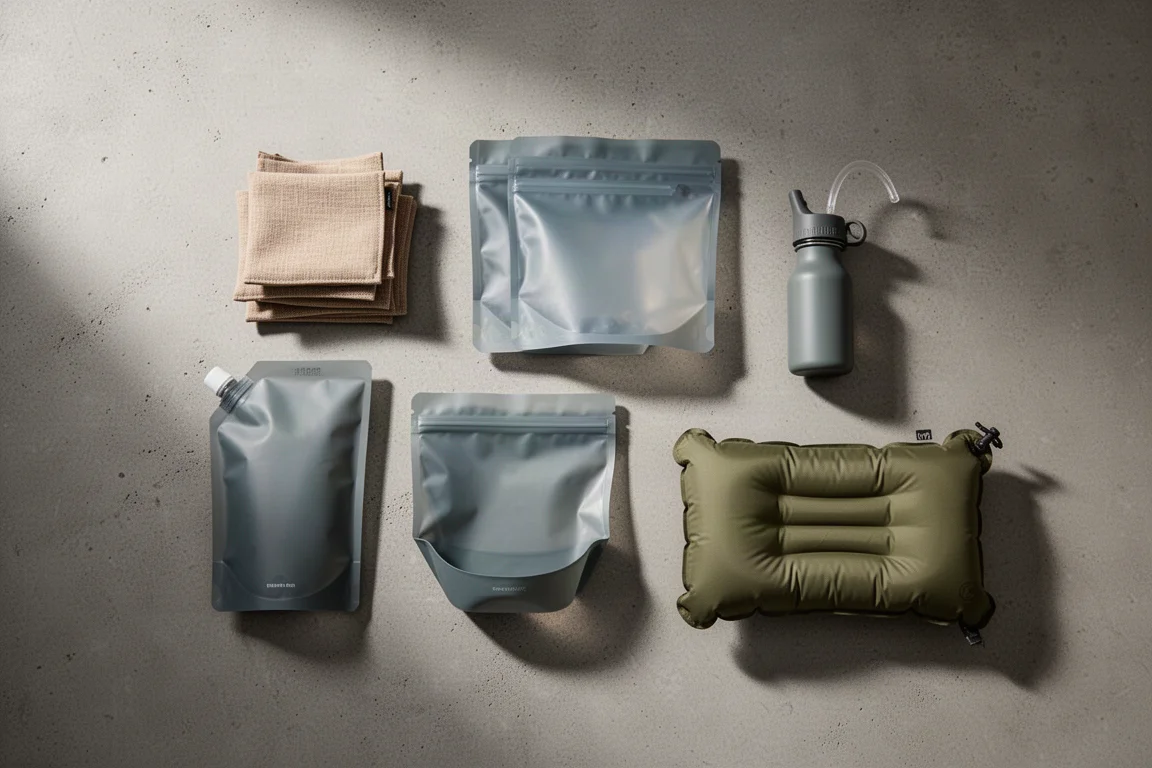
Affordable Backpacking Gear: Four Low-Cost Items That Make Trips Better
Four inexpensive backpacking items, from reusable food bags to a sub-100 gram camp pillow, plus the packing habits that keep pack weight honest.