Four-Season Tents
Hilleberg Soulo First Look: A Four-Season Solo Tent Built for Strength
A close first look at the Hilleberg Soulo, the Red Label four-season solo tent built around a fly-first design, Kerlon 1200 fabric, and a fully freestanding structure.
Introduction
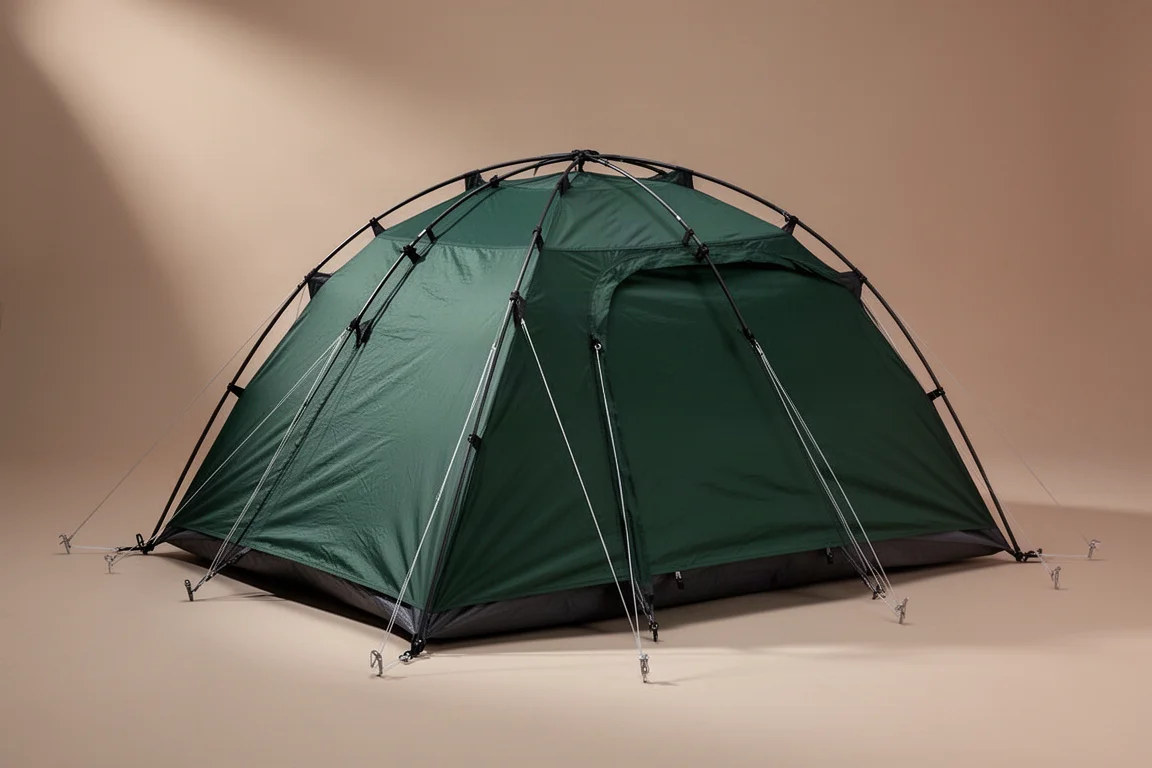
The Hilleberg Soulo is a single-person, four-season tent built for cold, exposed conditions. It uses a fly-first design, which means the outer fly is attached to the inner body, so the tent can be pitched in rain or snow without the inner getting wet. The structure relies on three aluminium poles: two long poles that run end to end and one shorter pole that crosses the body. As pitched, it is a fully freestanding tent.
The Soulo comes in two builds. The regular Red Label version uses Kerlon 1200 fabric with 9 mm poles and is priced at 765 dollars. The Black Label version uses Kerlon 1800 fabric with 10 mm poles and is priced at 825 dollars. Both are available in green, red and sand, and both share the same dimensions: 86 inches long, a peak height of 37 inches, and an inner body 41 inches wide at its widest point.
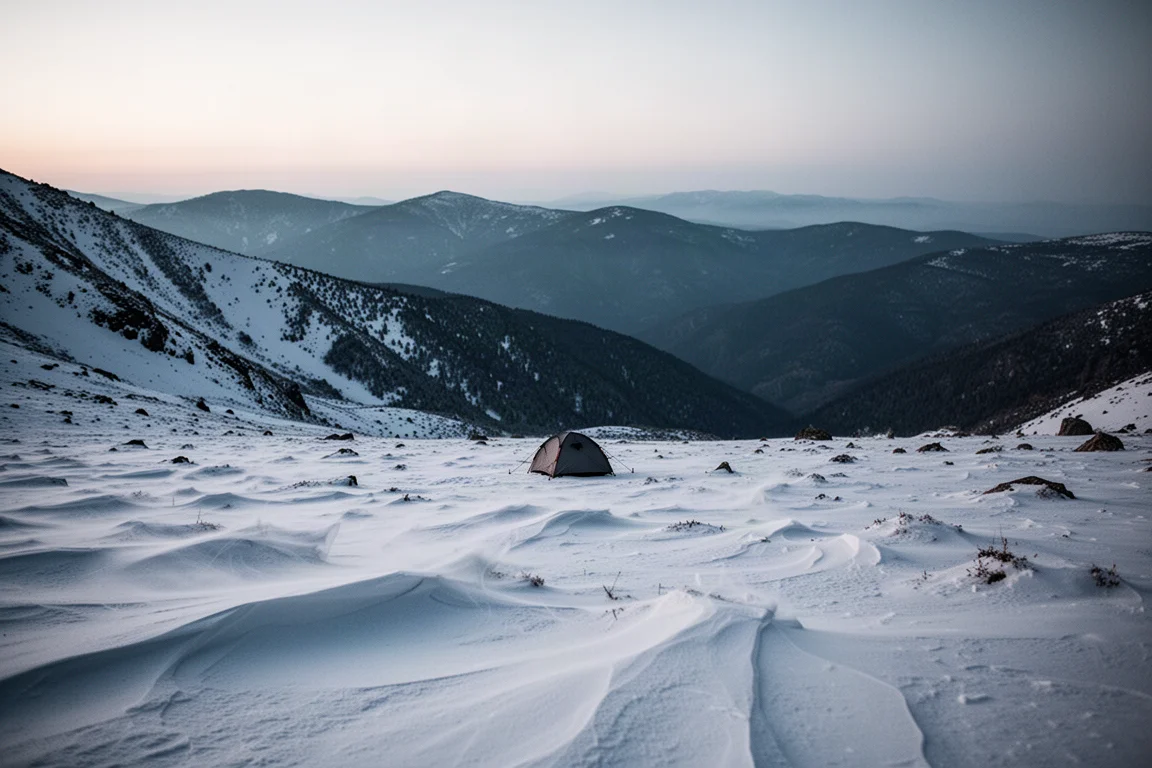
This first look covers the structure, the materials and the setup process, along with the trade-offs that matter before committing to a tent at this price. Cold-weather field testing in snow, wind and rain is the next step, and it is where the waterproofing claims will be judged in practice.
Who This Tent Is For
The Soulo is a true one-person tent. Two people could fit in an emergency, but only barely, and there is no room to spare. For a single occupant it is comfortable: there is enough height to sit up and change clothes, enough length for a full-size sleeping pad, and enough floor area for one person and their gear.
It suits winter campers, mountaineers and anyone who camps above the treeline or in exposed terrain where wind, driven snow and cold are the main concerns. The fabric inner holds in heat and blocks wind and snow, and the fly reaches all the way to the ground, which limits drafts and blowing snow. That combination is what defines a genuine four-season shelter, and it is the reason this tent is aimed at cold-weather use rather than warm-season camping.
Main Strengths: Built for Four-Season Conditions
The strongest argument for the Soulo is the material spec. The Red Label shell uses Kerlon 1200, a 30 denier ripstop nylon coated with three layers of silicone and treated for UV resistance. Hilleberg rates its tear strength at roughly 26.5 pounds and its hydrostatic head at 5,000 mm. The Black Label shell steps up to Kerlon 1800 with a tear strength of roughly 40 pounds. The floor is a 70 denier nylon with a triple polyurethane coating and a 15,000 mm hydrostatic head rating, and the inner is a 30 denier nylon with a DWR treatment. Both versions use YKK zippers, three aluminium poles, 12 stakes and guy lines rated to a 132 pound breaking strength.
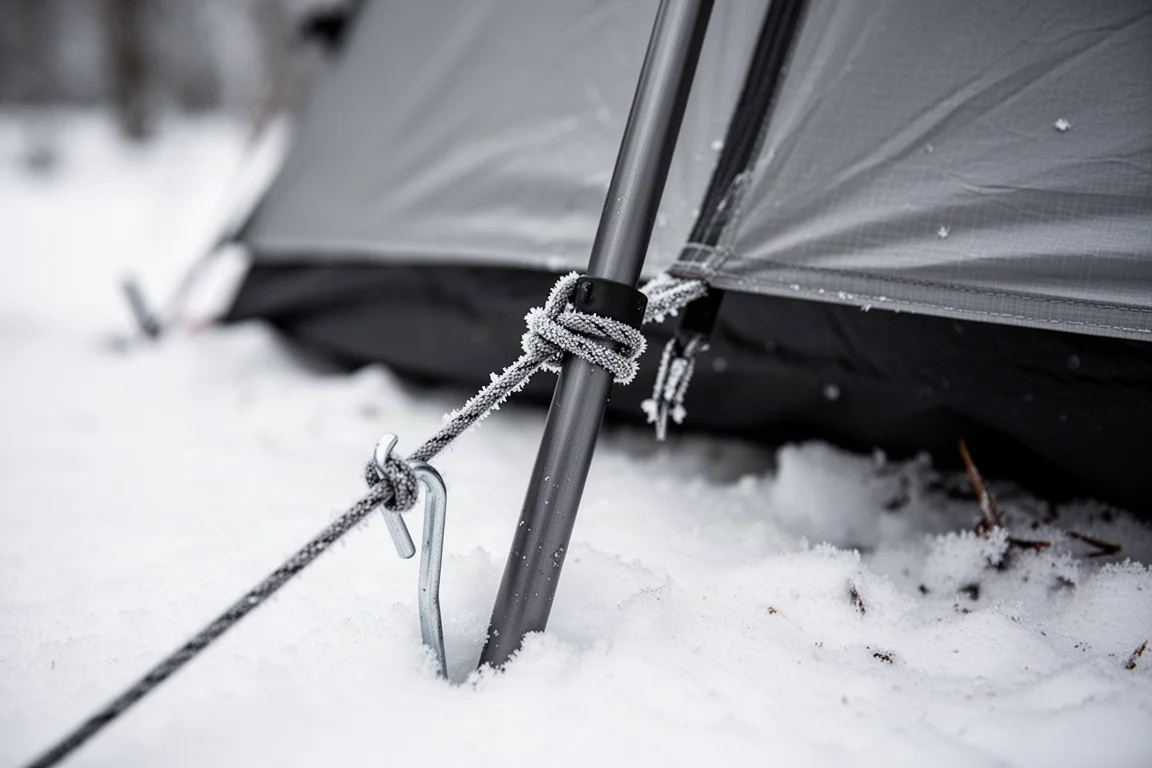
Structure reinforces the materials. The guy lines can be wrapped around the poles and threaded back through before being staked out, which ties the poles, fly and ground anchors into a single rigid frame. A second set of poles can also be added for extra strength in severe conditions. In the field, Red Label Hilleberg tents have held up through blizzards, winds above 50 miles per hour, and ice storms that loaded weight onto the fly without causing a failure. The Soulo itself has not yet been pushed through a winter storm.
Weight is the trade-off for that strength. The Red Label version has a packed weight of 5 pounds 7 ounces, and the Black Label version comes in at 6 pounds 3 ounces. For a solo shelter that is substantial, and it is the price of the construction rather than a design flaw.
Setup and Interior Space
Setup is quick. The poles use clips along the body, and the pole ends sit into very short sleeves, each roughly a foot long, so there is no long sleeve to feed a pole through. The short pole with the red tape goes across the body first, then the two long poles run end to end, and the body clips to the poles in well under a minute. In wind it is worth staking the body out first, and staking the guy lines is the step that converts a freestanding pitch into a genuinely storm-worthy one.
The top vent can be opened from both the outside and the inside, and the fly covers it with plastic rings that clip into place, giving airflow that helps manage condensation. The door has a rubberised flap over the zipper that keeps water and snow out, and it rolls out of the way. The entrance itself is an inverted T shape, with one zipper running up and two running left and right. Inside, the fabric wall can be unzipped to reveal a large mesh panel, and both flaps roll up and store out of the way. There are two pockets near the front and numerous loops for hanging gear or stringing a drying line.
The vestibule is large enough to cook in, though that should be done with care, and it has room for gear. There is one entrance and one vestibule, with no second access to the other side of the tent.
Things to Consider Before Buying
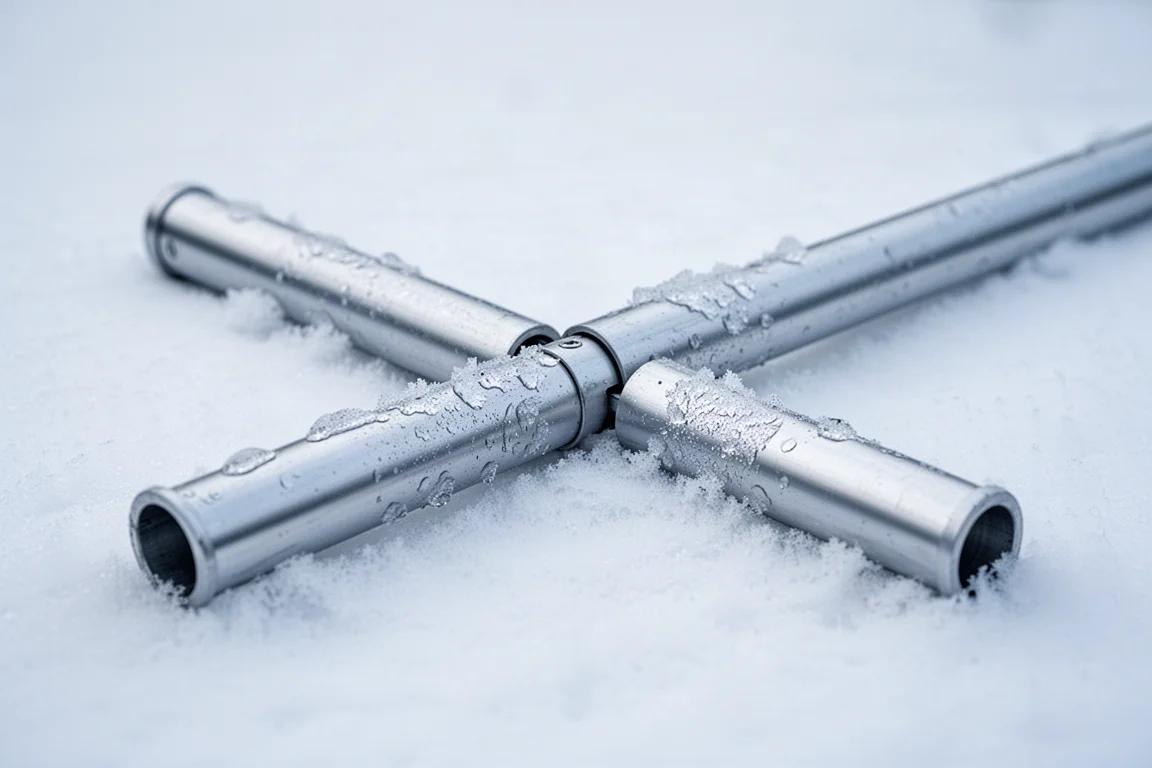
The most practical drawback is the pole design. The poles sit on the outside of the body, exposed to snow, ice and rain, and in cold conditions the sections can freeze together. Thawing them enough to break the tent down takes time and patience. This is the direct trade-off of the clip system: clips make pitching fast, but they leave the poles exposed, while a full sleeve setup is slower to pitch and keeps the poles protected.
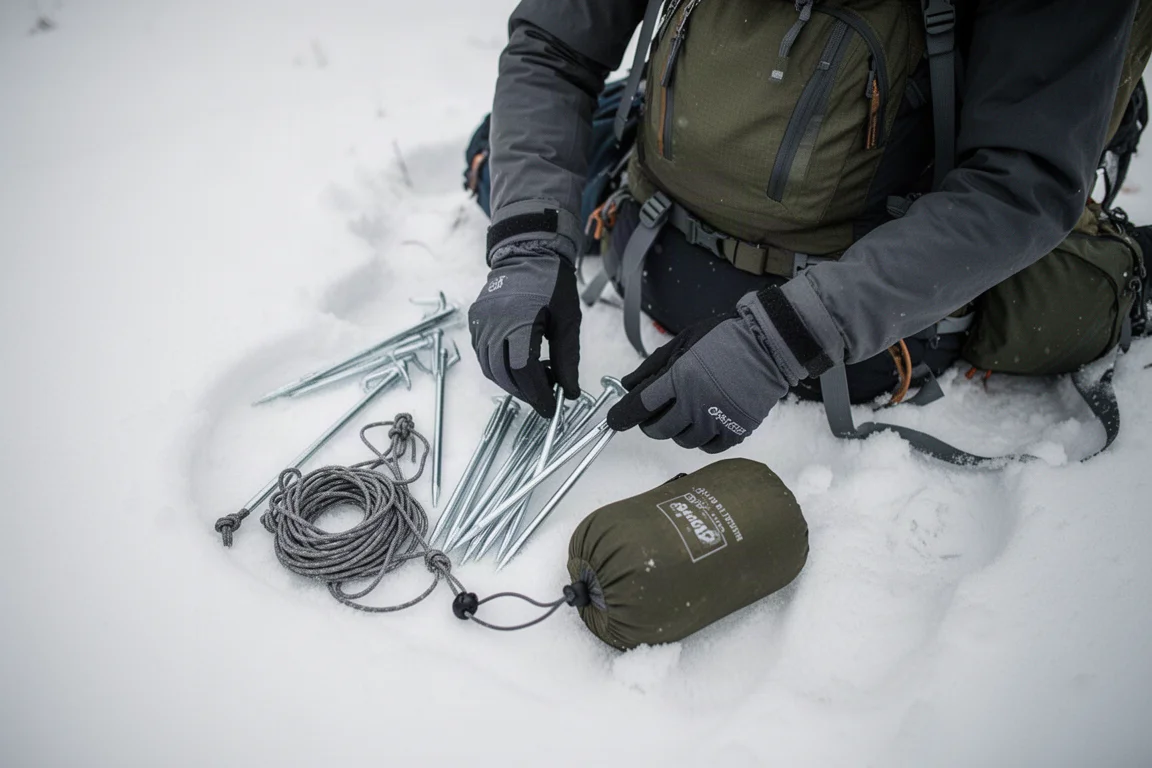
Warm-weather use is the second limitation. Because the inner is fabric, the tent gets very hot in summer, and even with the mesh panel exposed it would still be uncomfortably warm. A separate mesh inner is available and converts the tent into something closer to a three-season shelter, but that accessory is hard to find at the moment.
Availability and cost are the remaining considerations. At 765 dollars for the Red Label version and 825 dollars for the Black Label version, the Soulo is an expensive tent, and Hilleberg products are currently sold out in most places, with waiting lists in effect. Lower-quality four-season tents are easier to find, but Hilleberg stock is not. A used Soulo occasionally turns up through resale and gear trading channels, which is a realistic route for anyone who does not want to wait.
Buying Advice
Decide first whether the Red Label or Black Label build matches your plans. The Red Label version is lighter at 5 pounds 7 ounces packed and handles a very wide range of conditions. The Black Label version is heavier at 6 pounds 3 ounces but uses the stronger Kerlon 1800 shell with 10 mm poles, and it makes sense for anyone who expects to camp in severe winter weather or wants the extra margin.
For most solo winter campers, the Red Label Soulo is already a very strong shelter, and the money saved can go toward the mesh inner for warmer trips or a second set of poles for the worst conditions. If you buy the tent new, it carries a lifetime warranty with proper care, which matters at this price point and supports buying new rather than waiting for a used listing. Given the current shortage, it is worth deciding in advance which version, colour and accessory set you want, so you can act when stock returns.
Conclusion
The Soulo is a purpose-built four-season solo tent: fully freestanding, quick to pitch with its fly-first design, and specified with materials and hardware that are meant to hold up in genuinely harsh weather. The compromises are clear and worth accepting with open eyes, namely the exposed poles that can freeze, the heat build-up in warm months, and a price that puts it firmly at the top of the market. For a solo camper who needs reliable shelter in cold, windy and snowy conditions, it is a shelter that earns its reputation on construction alone.
Product link
View more details for Hilleberg Soulo
This product is mentioned in the review. Check the specifications, options, and compatibility before buying.
View more details for Hilleberg SouloFurther reading
Related Reviews
Four-Season Tents
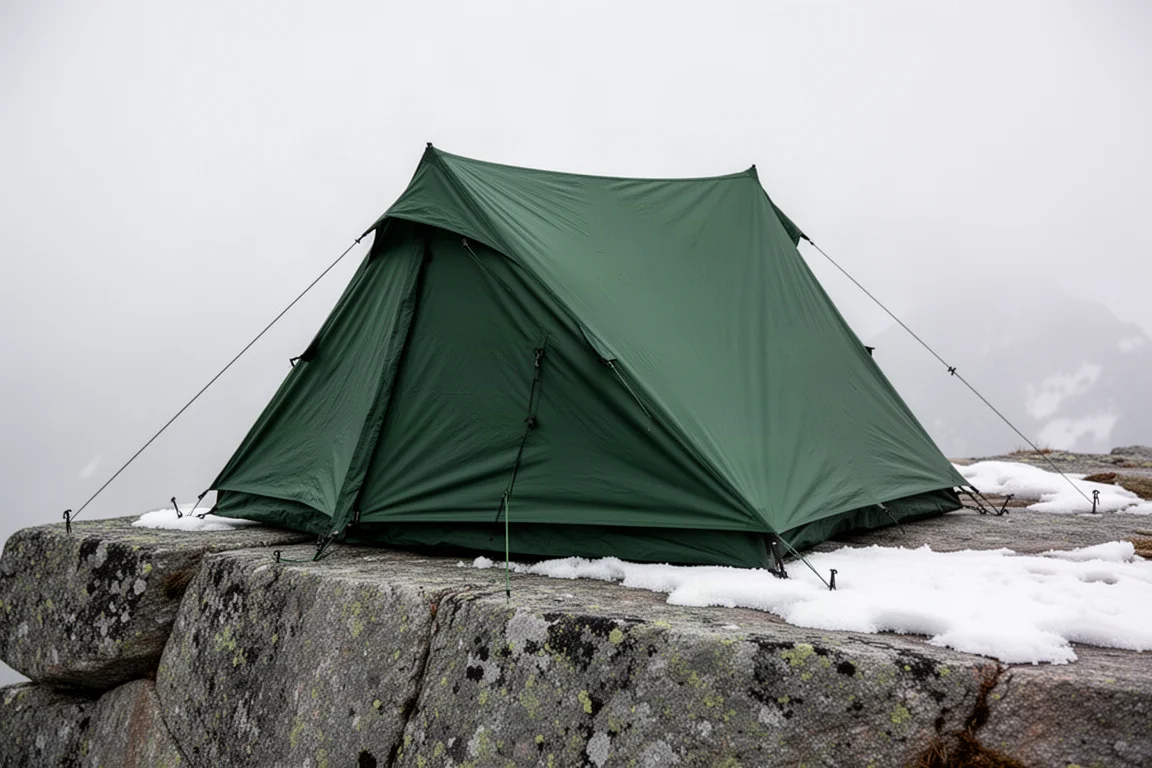
Hilleberg Soulo Review: A Four-Season One-Person Tent Built for Hard Weather
A close look at the Hilleberg Soulo, a single-person four-season tent with Kerlon fabrics, a fly-first pitch, and a genuinely freestanding structure, plus what to weigh before spending this much.
Winter Camping Gear
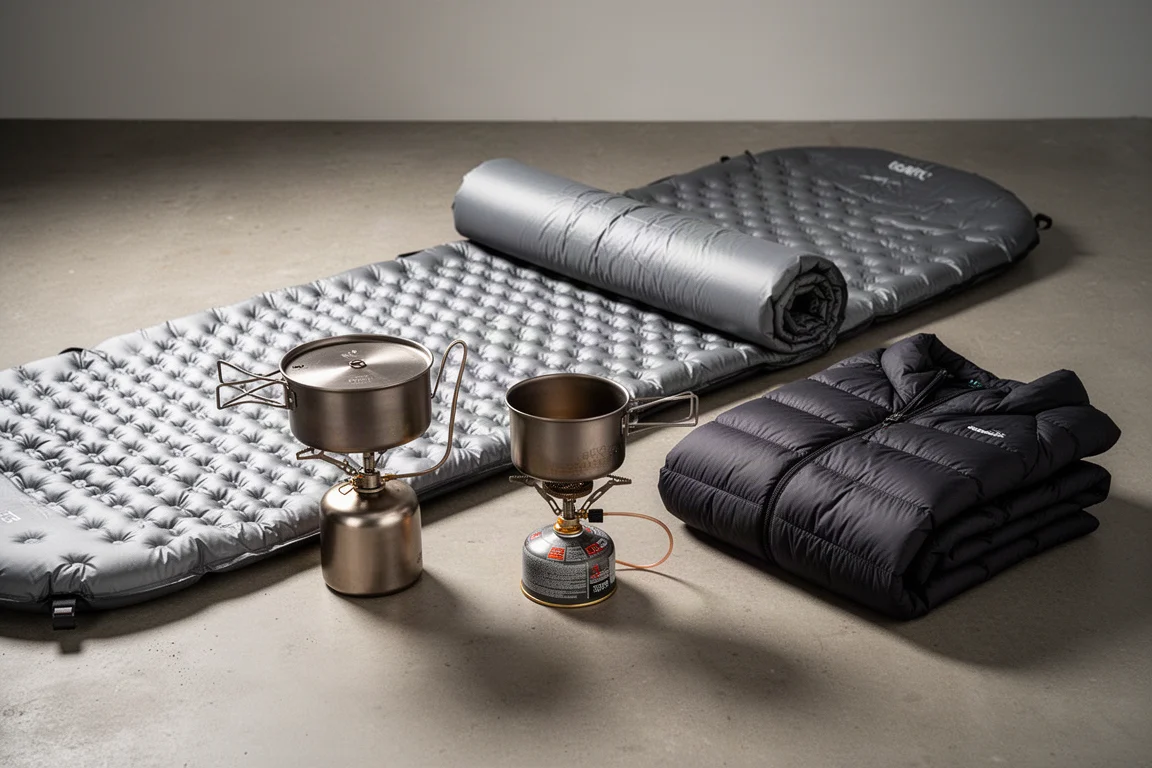
Affordable Winter Camping Gear: Six Budget Pieces Tested Below Freezing
Three reflective sleeping pads, an updated down jacket, a titanium pot and a $25 winter stove, assessed on frozen ground at around minus 12 degrees Celsius.
Camping Gear
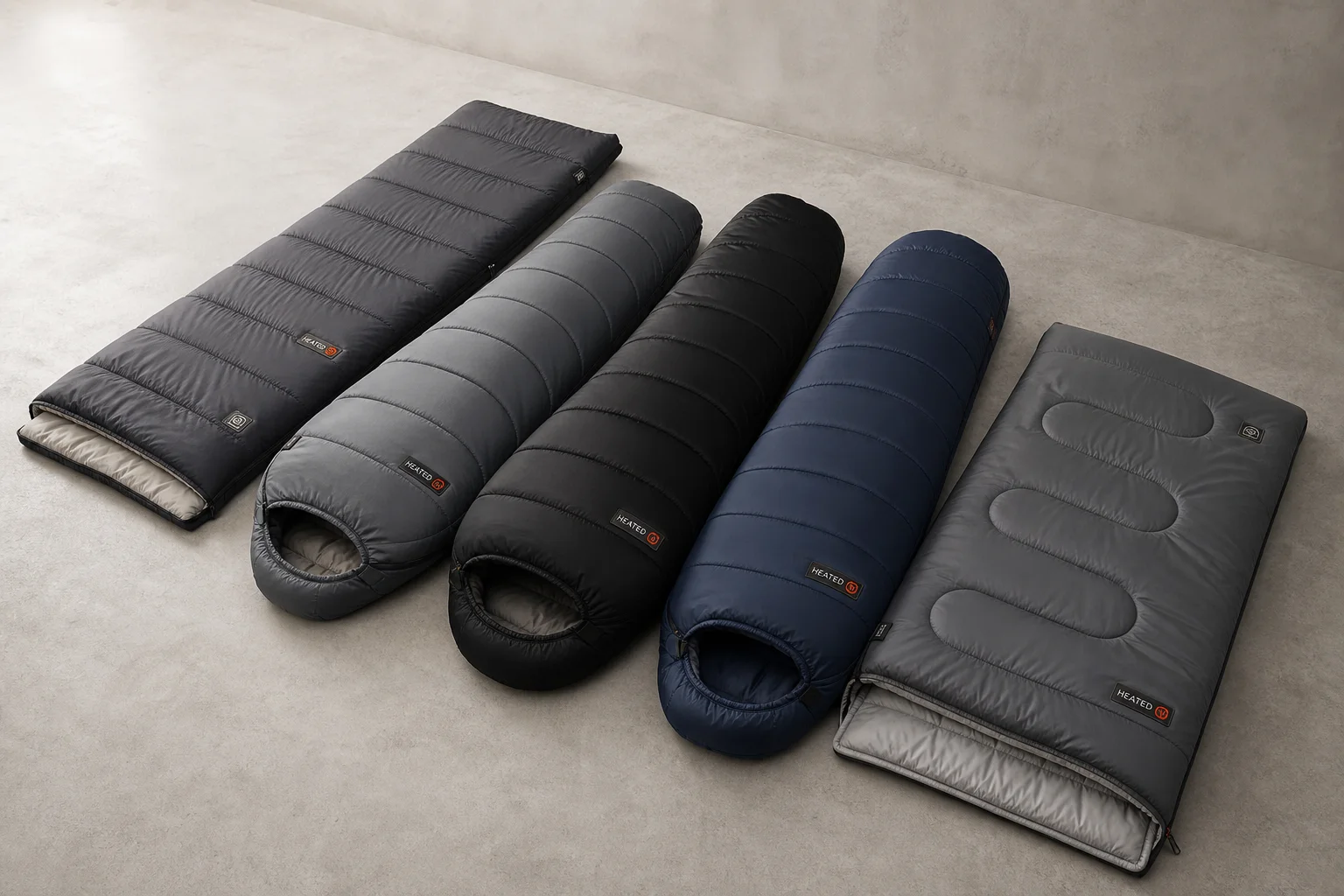
Best Heated Sleeping Bags 2025: Five Options for Winter Camping
Five heated sleeping bags designed to eliminate cold nights and restless sleep during winter camping and cold-weather adventures.