Camping Tents
Hilleberg Nallo 2 Review: A Four-Season Tunnel Tent Built to Last
A close look at the Hilleberg Nallo 2, covering how it pitches, how much living space it provides, what it weighs, what it costs, and where a tunnel design may not suit you.
Introduction
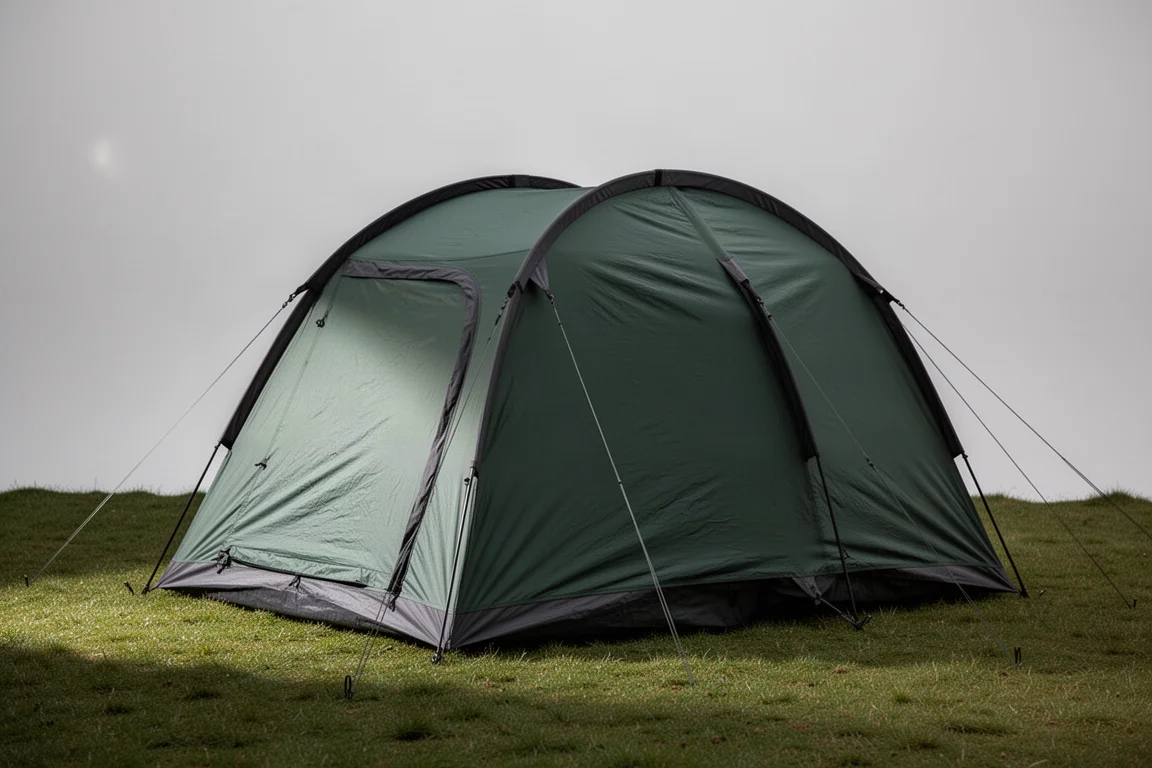
Tunnel tents are easy to overlook. They look long on a specification sheet, and the single-door layout puts some campers off before they have ever slept in one. The Hilleberg Nallo 2 makes a strong case for giving the design a chance. It is a two-pole tunnel tent from Hilleberg’s Red Label range, which places it in all-season territory, and it is built around a simple idea: a straightforward structure, pitched carefully, can handle serious weather.
This review covers how the Nallo 2 pitches, how much room it actually provides, what it weighs and packs down to, what it costs, and the situations where a different design might suit you better.
Who the Hilleberg Nallo 2 Is For
The Nallo 2 is at its best for solo backpackers who want a tent that feels like a small room rather than a bivvy with a door. You can lay a sleeping pad along one side, keep gear along the other, and still have floor space left to sit up and cook in the vestibule. For one person it is genuinely generous.
It also makes sense for two people travelling together. Two sleeping pads fit side by side, and there is still room at the front for packs and boots, so both the weight and the packed bulk can be split. For a proper four-season tent, sharing the load changes the value calculation considerably.
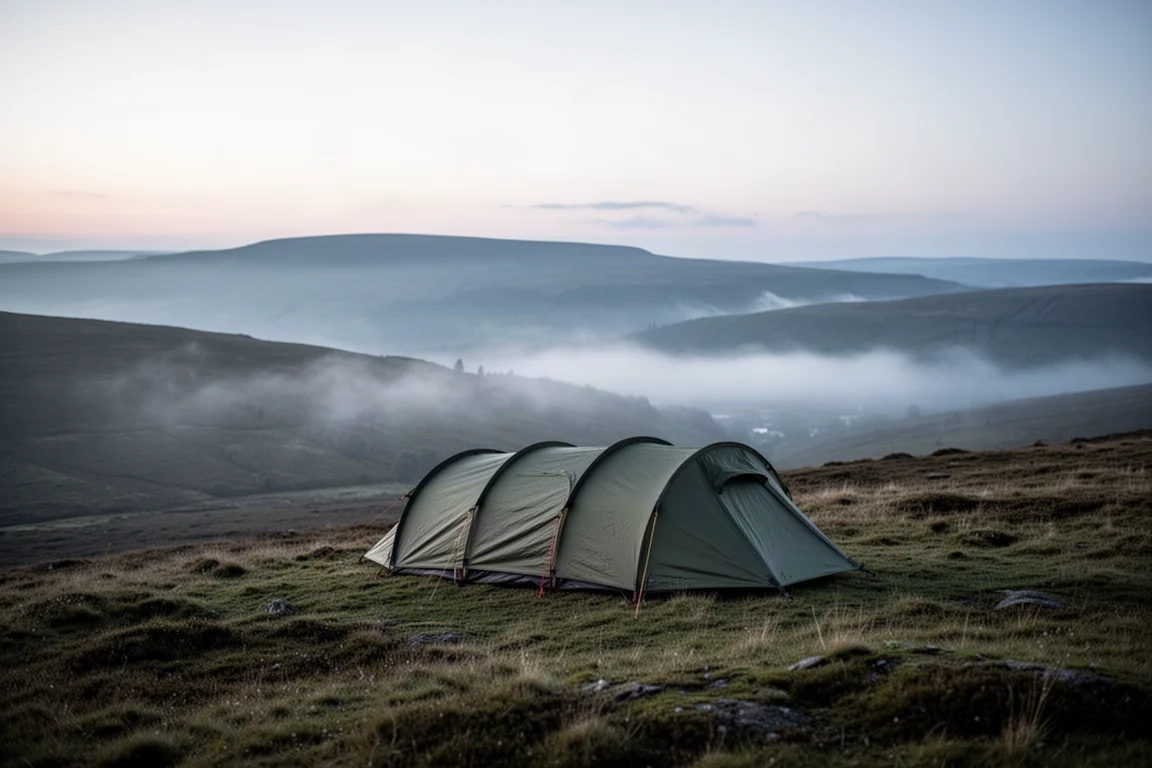
Taller campers should take note as well. The inner is 220 cm long, which leaves plenty of room for longer bodies and sleeping bags, and the front of the tent is high enough that sitting up never feels cramped.
Build Quality and Weather Protection
Everything about the Nallo 2 is organised around weather. The tent uses two 9 mm poles, colour coded so the front and rear positions are obvious, and a spare pole section is included in case one is damaged. The pole sleeves are made from a thick fabric with reinforced ends, which reduces the risk of a pole tip pushing through while you thread it, and the pole ends seat into small cups at the base to make the initial setup quick.
The flysheet is 30D nylon ripstop, silicone treated on both sides three times over. Hilleberg quotes a tear strength of around 12 kg for it, and the material feels dense and reassuring rather than thin. The fixings and guy points are heavy duty throughout, in keeping with the Red Label build, and the tent ships with 16 DAC pegs that hold well across a wide range of ground conditions.
Ventilation is handled at both ends. There is a large front vent with a door that can be opened on the left, the right, the centre, or just at the top, plus a rear vent that can be fully closed or opened and tied back. Guy lines are best run out at roughly 45 degrees rather than at right angles, which is what keeps the structure steady when wind arrives from the front, the side, or the back. One practical note: the metal zippers are robust, but they can be noisy in strong wind.
Living Space and Ventilation
The measurements explain why the interior feels larger than the exterior suggests. At the front the inner is 130 cm wide and 100 cm high. At the rear it is 109 cm wide and 81 cm high, with a slight slope between the two. The vestibule is 115 cm long, 130 cm wide at the front and 100 cm high, which is enough to store packs, cook, and leave wet gear out of the sleeping area.
For a single occupant this borders on luxurious, and for two it is a genuine two-person space rather than a squeeze. Head height at the front means you can sit upright comfortably, and the length means the tent does not feel claustrophobic even when the door is closed.
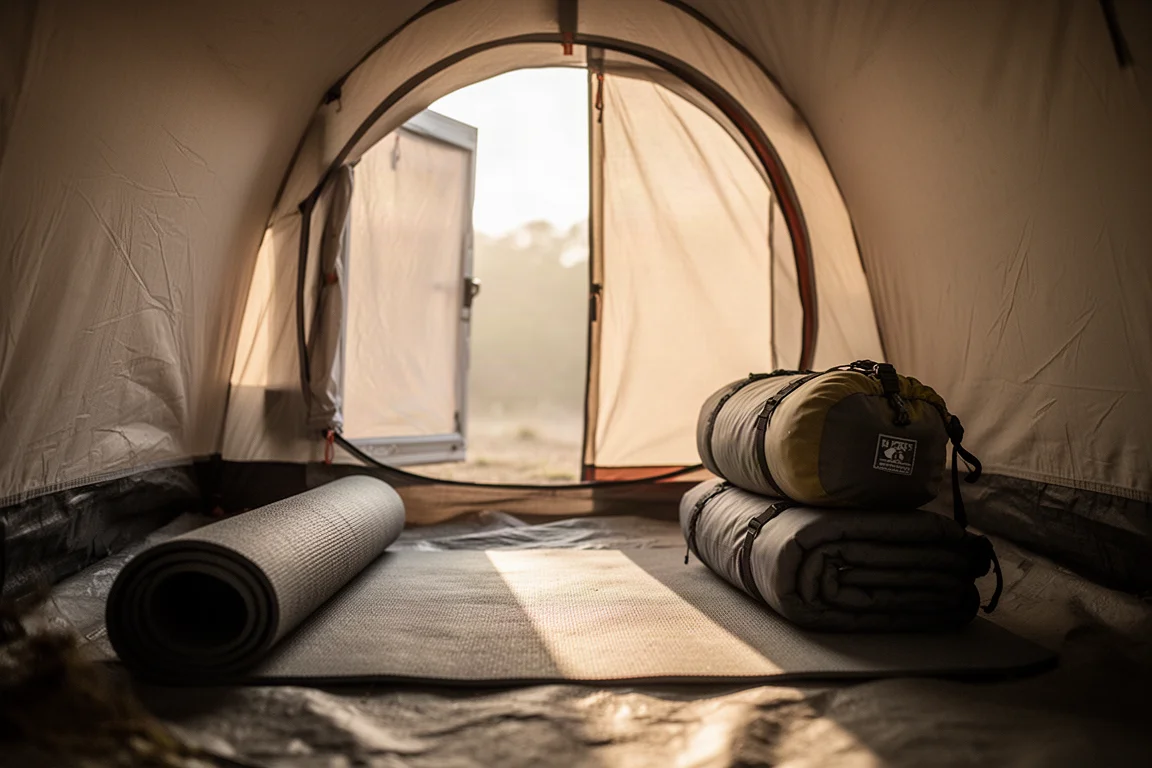
The inner has a pocket on each side and a line for hanging damp socks or gloves. The rear inner vent can be switched between a solid panel and a see-through mesh, giving you control over airflow on warmer nights, and the front door arrangement lets you fine-tune ventilation without opening the whole tent up.
Pitching, Weight and Pack Size
The inner and outer pitch together, so the tent goes up as a single unit. If you add the optional footprint, it clips in and stays attached through the pitch, which speeds things up further. The basic shape takes only a handful of pegs: two at the rear, then the poles, then two more at the front to pull the structure forward. After that you tension the middle pegging points, adjust the front and rear, and finish with the guy lines.
The packed size is 48 cm by 17 cm, which is on the chunky side for one person but reasonable when the load is shared. Weight is 2.4 kg, which is impressive for a tent built to this standard and intended for four-season use. Pitched, the tent is 335 cm long, and its floor area is broadly comparable to a conventional two-door, two-vestibule dome tent, even though it looks far larger from the outside.
Things to Consider Before Buying
Length is the main practical compromise. At 335 cm, the Nallo 2 needs a longer pitch than a dome tent, and that can be awkward on small platforms, in tight woodland clearings, or on narrow ledges. It is worth checking your usual pitches before committing.
The single door and single vestibule layout is the other consideration. Tunnel tents concentrate all of your living space in one place, and if you want to open only one side of the front, you may need to move pegging points and release some fixings to do it. That is a small amount of fiddling that not every camper will enjoy. If you are comparing designs, the Fjällräven Abisko Lite 2 is a lighter tunnel with a smaller pack size, but its head height is around 10 cm lower at the front and lower at the rear as well, so the two tents trade weight against interior comfort.
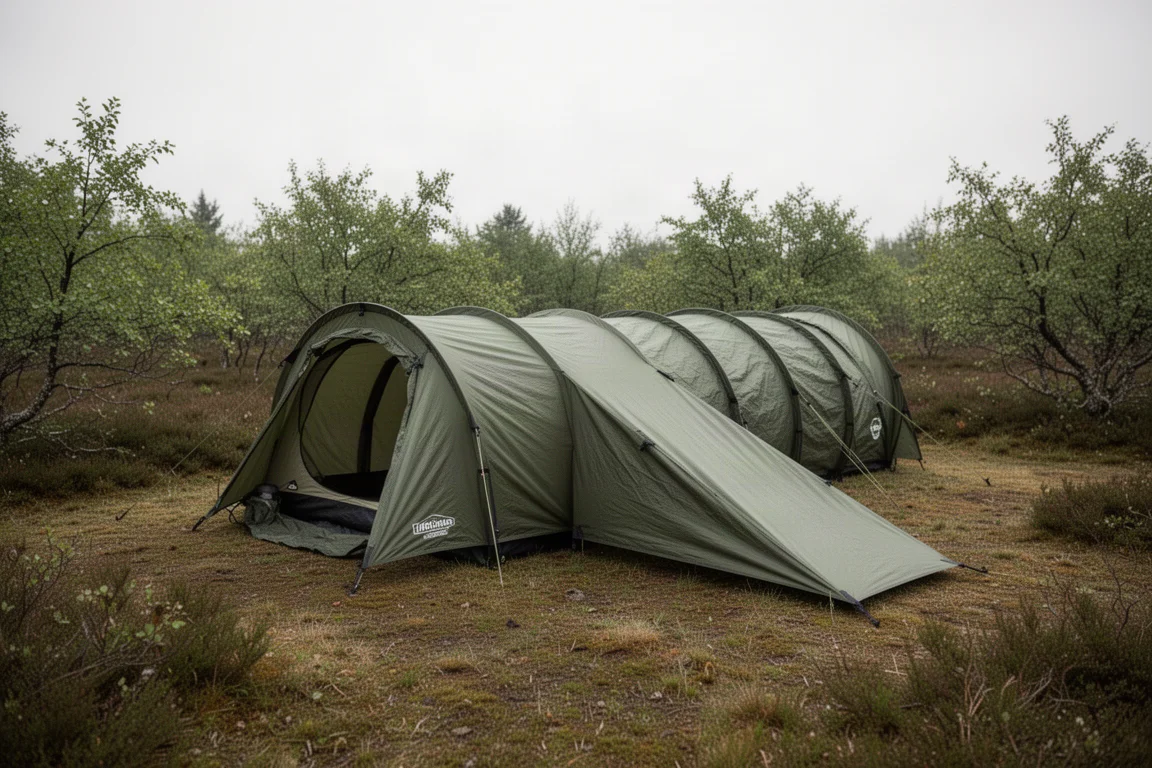
None of these points are faults in the design so much as consequences of choosing a tunnel. If you want the weather performance and the interior volume that the shape provides, they are reasonable things to accept.
Value and Long-Term Ownership
The Nallo 2 sits at the premium end of the market at around £960, and adding the optional footprint pushes a complete setup past £1,000. That is a lot for a two-person tent, and value is a difficult conversation at this level.
What you are paying for is longevity. The silicone-treated ripstop fabric, the heavy-duty fixings, and the general standard of construction are all aimed at many seasons of use rather than a handful of trips. Treated as a long-term purchase, the cost per night falls steadily, and a tent built this way is likely to outlast several cheaper alternatives.
Buying Advice
Choose the Nallo 2 if you want a four-season tent that gives a solo camper an unusual amount of space, or a two-person shelter where the weight is shared. It also suits taller campers, thanks to the 220 cm inner length and the headroom at the front.

Before you buy, measure the ground you normally pitch on and decide honestly whether a single door and one vestibule match how you camp. Adding the footprint makes pitching quicker and protects the groundsheet, so budget for it if the total cost is acceptable. If lower weight matters more to you than headroom, a lighter tunnel design may be the better fit.
Conclusion
The Hilleberg Nallo 2 shows what a well-executed tunnel tent can do. It pitches quickly, stands up to weather, and offers interior space that belies its slim footprint. The long pitch and the single-door layout are real considerations, and the price is high, but for backpackers who want a four-season tent they can rely on for years, it is a compelling option.
Product link
View more details for Hilleberg Nallo 2
This product is mentioned in the review. Check the specifications, options, and compatibility before buying.
View more details for Hilleberg Nallo 2Further reading
Related Reviews
Camping Tents
3F UL Gear Taiji Two-Person Tent Review: Field Waterproofing Results and Buying Advice
The Taiji pairs an attached fly with a removable inner, but sustained rain exposed untaped vent seams that need sealing before this shelter can be trusted.
Camping Tents
3FUL Gear Lanshan 2 Pro 4-Season Review: A Sub-$200 Single-Wall Trekking Pole Tent
An early look at the 3FUL Gear Lanshan 2 Pro 4-Season, covering its straightforward pitch, generous interior space, and the condensation and seam-sealing questions that come with any single-wall shelter.
Camping Tents
Alps Mountaineering Lynx 1-Person Tent Review: Big Value in a Small Budget Tent
A close look at the Alps Mountaineering Lynx 1-Person Tent, covering real interior dimensions, materials, setup time, ventilation limits, and who should buy it.