Camping Tents
Hike & Bike Zion Two-Person Tent Review: What to Know Before You Buy
A complete two-person tent kit with a footprint and gear loft, a 12 to 15 minute pitch, and setup details worth understanding before you buy.
Introduction
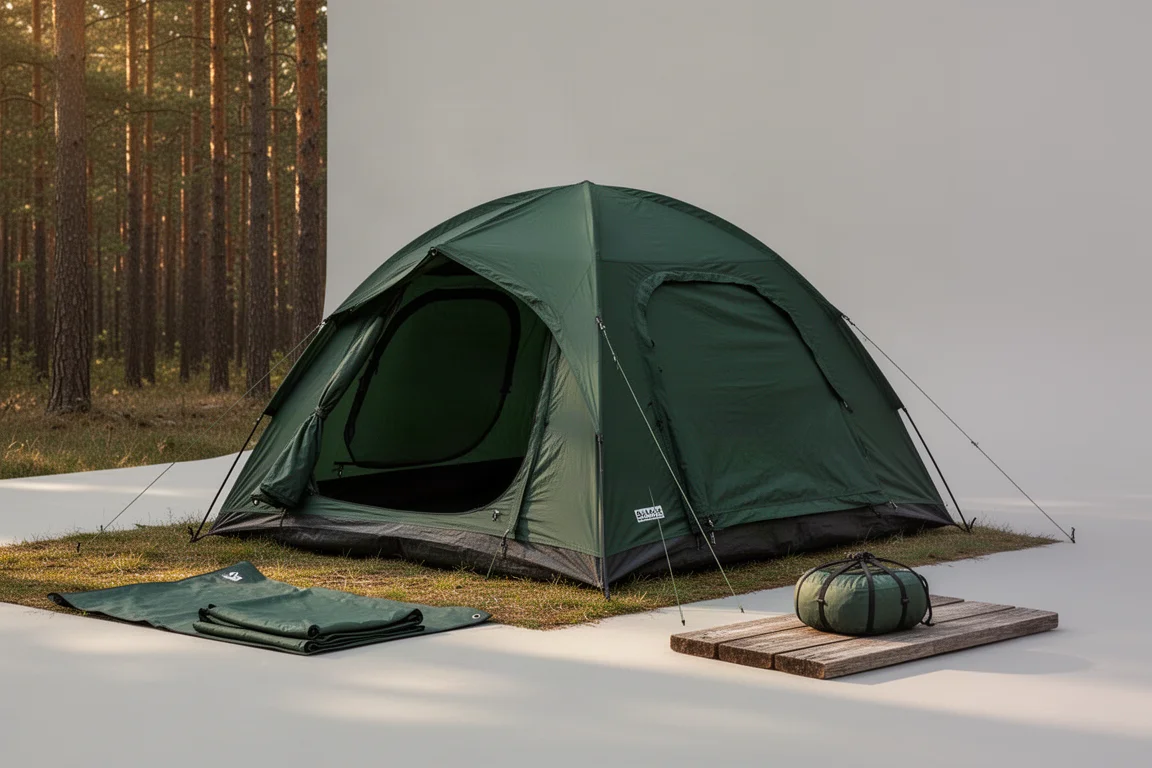
The Hike & Bike Zion Two-Person Tent is sold as a complete package: footprint, poles, stakes, fly, body, and a gear loft all arrive together. That bundle is one of its clearest arguments, since many two-person tents leave you to buy a groundsheet separately.
The other headline claim is weight. Hike & Bike markets the Zion as an ultralight tent. In practice the package weighs over six pounds, which is substantial for a two-person shelter and places it closer to car camping and short walk-in trips than to long-distance backpacking.
This review covers what comes in the box, how the pitch works step by step, where the design performs well, and which details are worth knowing before you spend.
Who this product is for
The Zion suits campers who want a single purchase to cover the essentials. A body, a full-coverage fly, a groundsheet, and overhead storage in one box removes some of the extra shopping that usually follows a tent purchase.
It is a poor match for anyone counting grams. Over six pounds is a lot to carry on a multi-day route, and the ultralight framing does not reflect the actual figure.
It also suits campers who are already comfortable with standard dome pitching, because the Zion does not ask you to learn an unusual architecture. If you have pitched a tent before, the sequence will feel familiar from the first attempt.
What comes in the box and how it pitches
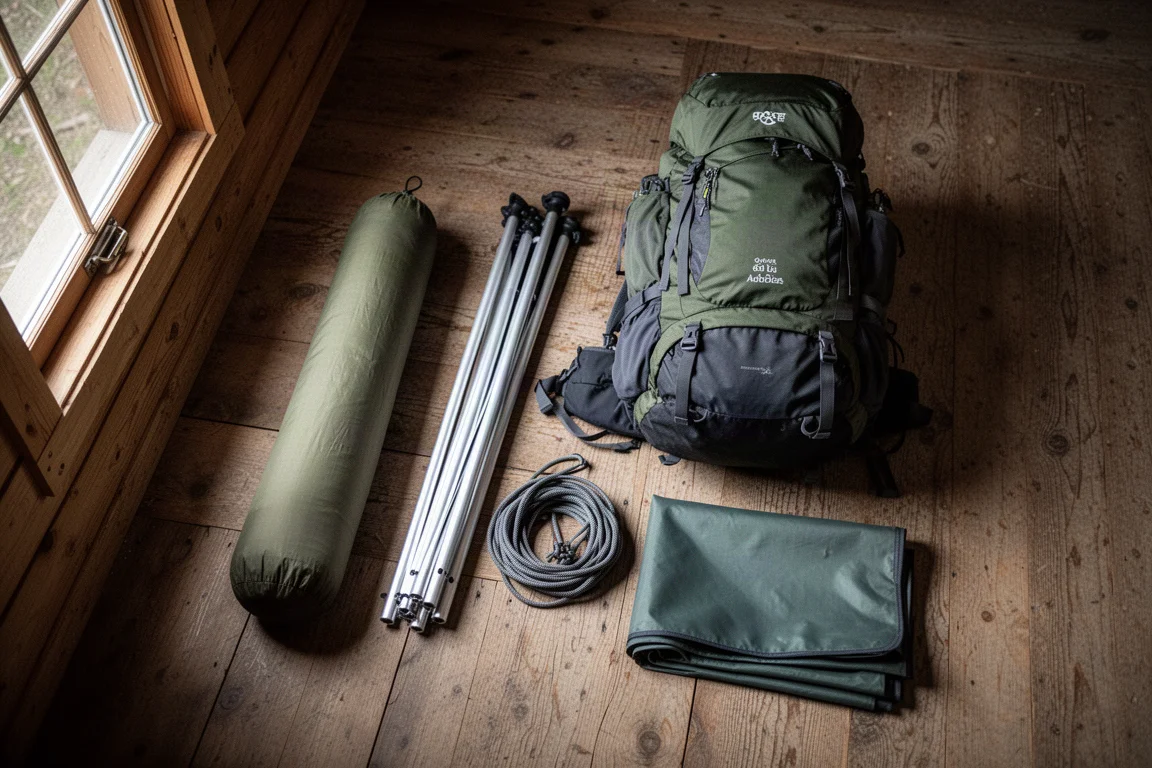
The kit includes the groundsheet, one large spider pole, a set of stakes, the green fly, the tent body, and a gear loft.
The spider pole is symmetrical, with identical ends, so it can be laid over the body either way round. A short cross pole is attached near the top of the assembly. Before clipping the body to the pole, that short pole needs to sit above the fabric rather than below it, which produces the tautest pitch the design allows.
Pitching steps in practice
The sequence runs as follows. Lay the groundsheet, set the body on top in the orientation you want, and stake the four corners loosely. Lay the spider pole over the body and seat its ends in the corner grommets. Clip the body to the pole, keeping the short cross pole above the fabric, then clip it into the side grommets and tension the corner stakeouts while you can still see through the mesh to check the floor.
Next, throw the fly over the body. Because the Zion has two doors, the fly works in almost any orientation. At the rear there are two straps, with two more on the opposite side, and these must be tied above the first clip on the body. After that, clip the fly corners to the body, stake out the front and rear doors for ventilation, tighten the buckles, open the vents, and clip in the gear loft as the final step.
The tying step is the slow part of the process. Rather than a single centre tie-off around the poles, the fly attaches through those two pairs of straps. Handle them gently, since pulling hard can disturb the seam taping, and these points carry the greatest chance of leaking on the fly. Allow roughly 12 to 15 minutes for a full pitch. On a scale where ten is easiest, this sits around a six or seven.
Main strengths
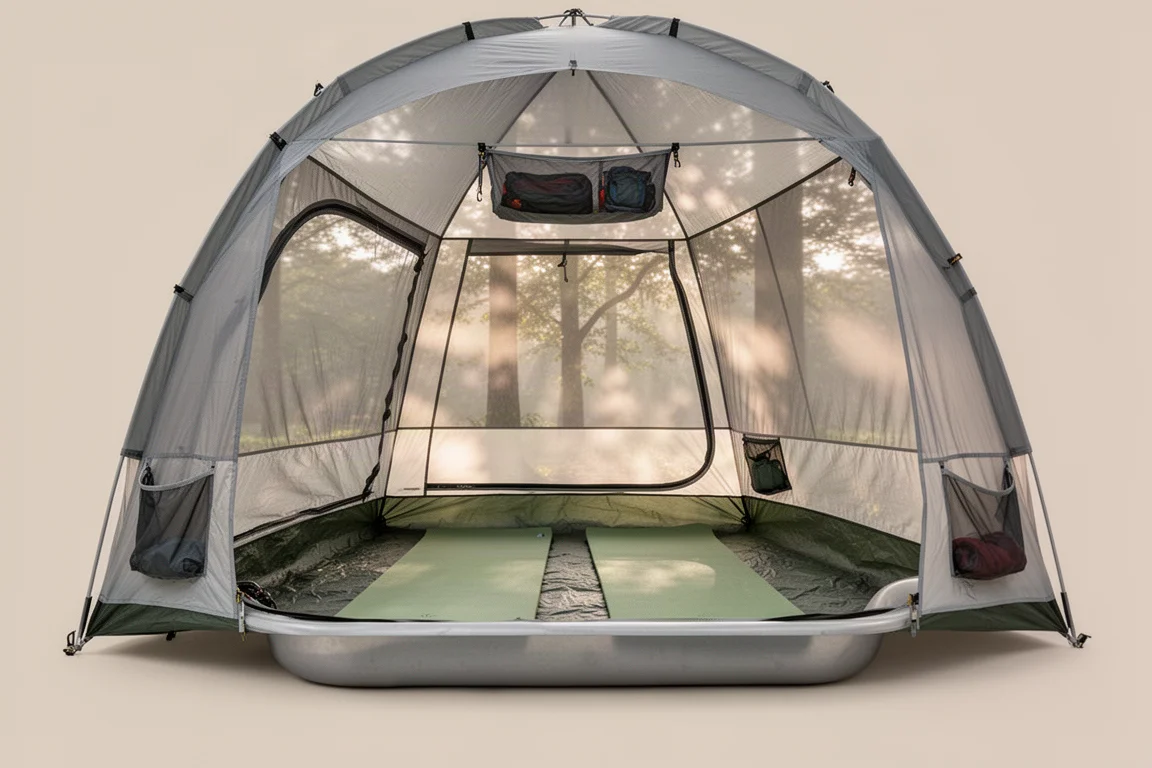
The Zion gets several basics right. It arrives as a complete kit, so the groundsheet, fly, poles, stakes, and gear loft come in one purchase rather than as add-ons. Two doors make the fly orientation forgiving and give each occupant their own entry. Vents at the fly and stake-out points at the doors give you some control over airflow. The main pole cannot be installed the wrong way round, which removes one common source of confusion during a first pitch.
Weather protection and ventilation
The fly covers the body fully, and the two doors can be staked out to open up airflow through the tent. Adjustable vents at the fly add further control over how much air moves through the interior. Performance in sustained rain and behaviour around condensation are not established, so treat these airflow features as useful options rather than proven results in wet weather.
Things to consider before buying
Two things stood out during setup and are worth weighing. Two poles broke within a few minutes of starting the pitch, and two of the storage bags tore. Those are early durability signals rather than proof of a wider problem, but they are exactly the kind of thing worth checking the moment the tent arrives.
The fly tie-off straps also take time and attention, and the weight claim sits awkwardly against the marketing. Over six pounds is not an ultralight figure, whatever the product description says.
None of these issues make the Zion unusable. They do mean the tent rewards a careful owner: inspect the poles and bags on delivery, practice the pitch before your first trip, and handle the fly straps deliberately rather than quickly.
Non-adjustable stakeout points
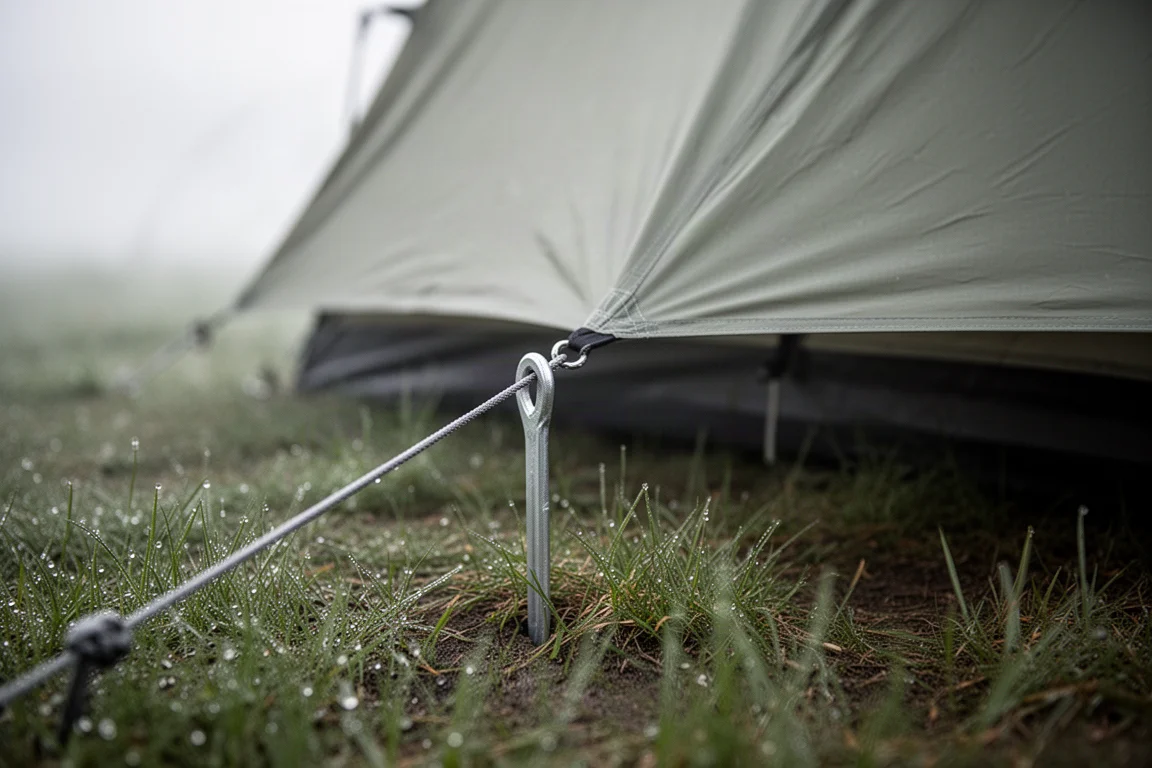
The stakeout points at the doors, and at the front and back, are fixed. On a perfectly flat pad that is not a problem. On real ground it is, because there is no way to extend a point or take up slack to compensate for uneven terrain, and the pitch suffers as a result.
The practical fix is to build adjustable guy lines for the tent. With adjustable lines you can pull everything taut regardless of the surface, which removes the main limitation of the standard stakeout points.
Buying advice
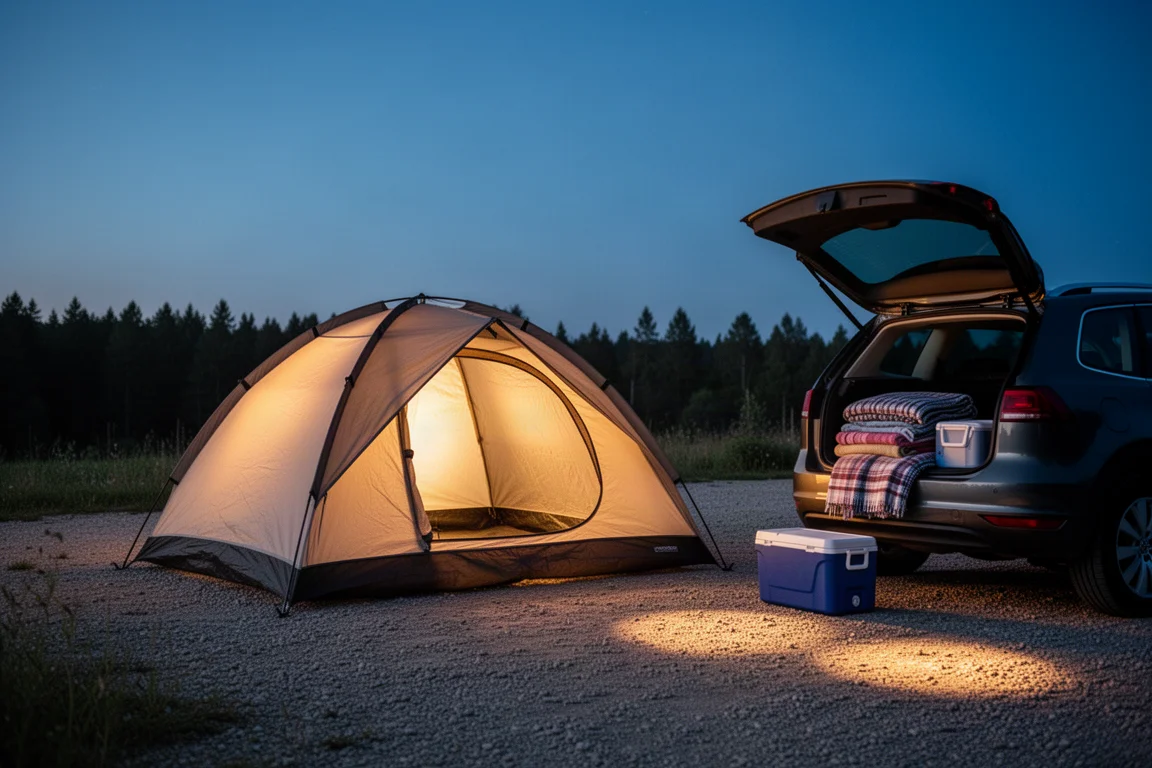
If you want a complete two-person kit for flat, drive-up campsites, the Zion covers the essentials and includes items you would otherwise buy separately. Budget time for a practice pitch at home, inspect the poles and storage bags when the tent arrives, and add adjustable guy lines so uneven ground does not dictate how well the tent pitches.
If low weight is the priority, look elsewhere: the real weight is over six pounds no matter how the tent is described. If you mostly camp on established level pads and value the bundled groundsheet and gear loft, the Zion is a reasonable package for the money.
Conclusion
The Hike & Bike Zion Two-Person Tent does nothing unusual in the pitch, and for most experienced campers that is fine. It brings a footprint, a gear loft, and a full set of components in one purchase, and a full pitch lands somewhere around 12 to 15 minutes.
The trade-offs are clear. Fixed stakeout points limit how well it pitches on uneven ground, the fly straps add time and a potential weak point for seam sealing, and the ultralight description does not survive a look at the actual weight. Check the poles and bags carefully on arrival, and the tent will serve straightforward campsite use well.
Product link
View more details for Hike & Bike Zion Two-Person Tent
This product is mentioned in the review. Check the specifications, options, and compatibility before buying.
View more details for Hike & Bike Zion Two-Person TentFurther reading
Related Reviews
Camping Tents
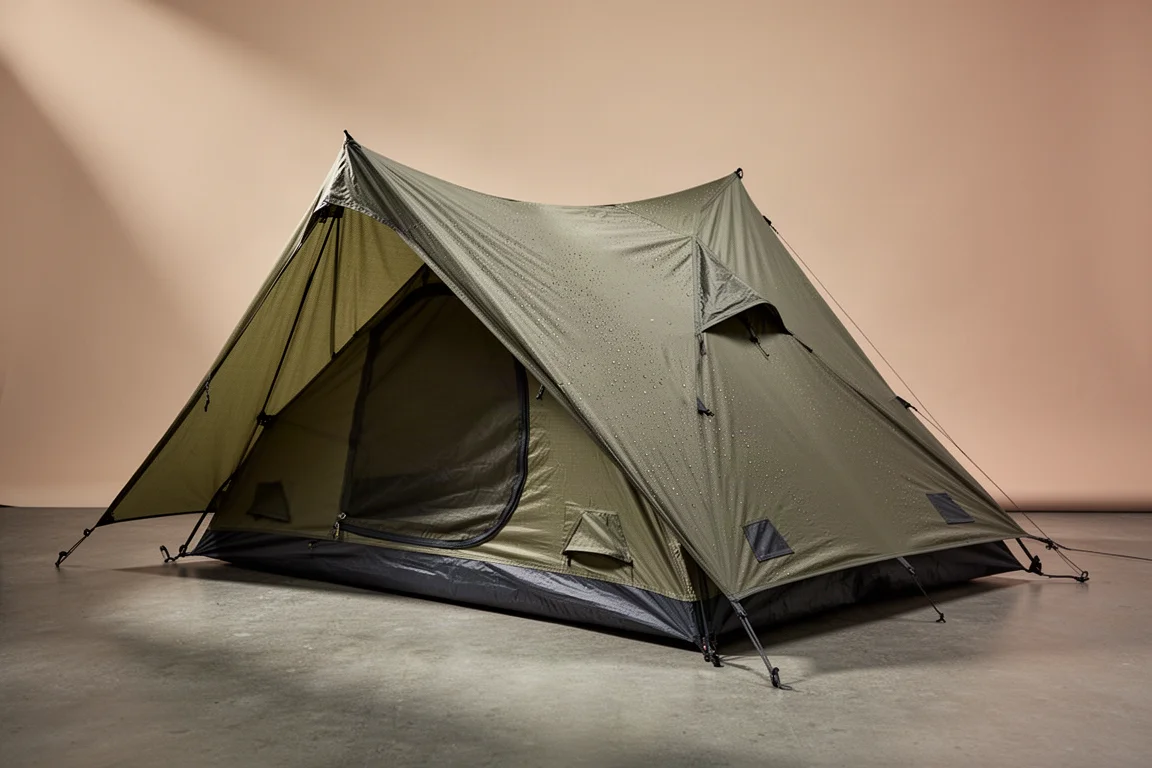
3F UL Gear Taiji Two-Person Tent Review: Field Waterproofing Results and Buying Advice
The Taiji pairs an attached fly with a removable inner, but sustained rain exposed untaped vent seams that need sealing before this shelter can be trusted.
Camping Tents
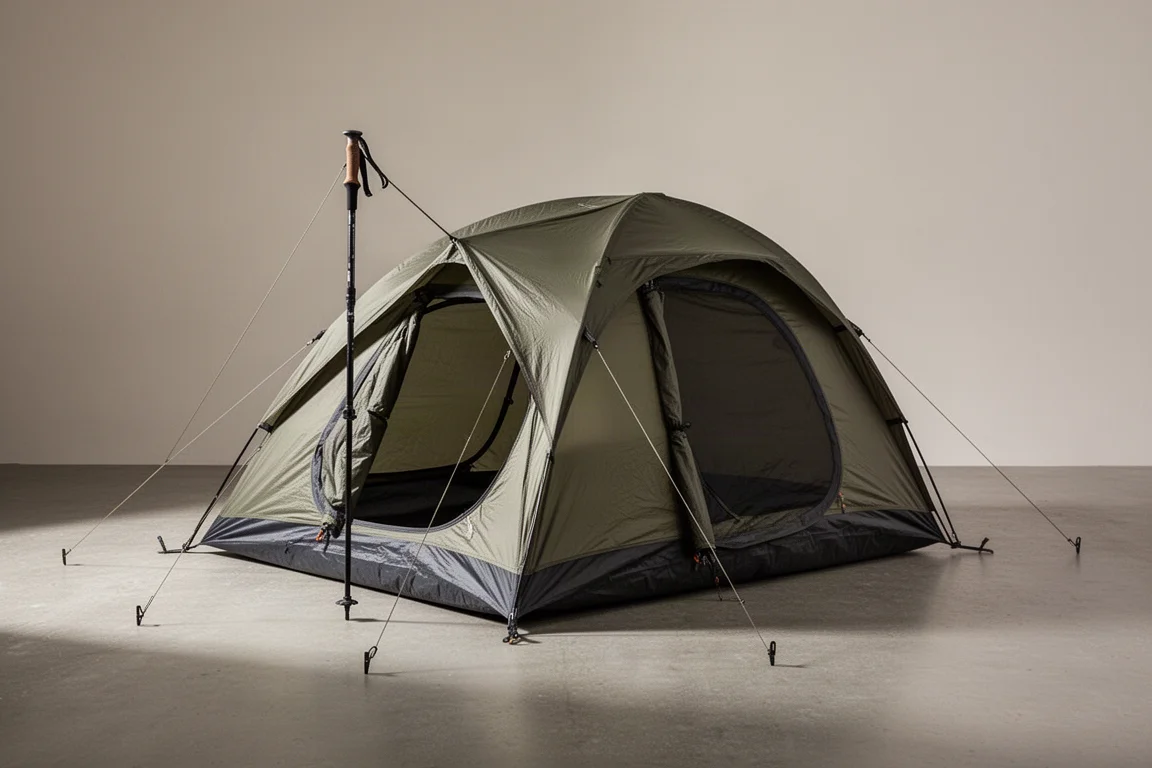
3FUL Gear Lanshan 2 Pro 4-Season Review: A Sub-$200 Single-Wall Trekking Pole Tent
An early look at the 3FUL Gear Lanshan 2 Pro 4-Season, covering its straightforward pitch, generous interior space, and the condensation and seam-sealing questions that come with any single-wall shelter.
Camping Tents
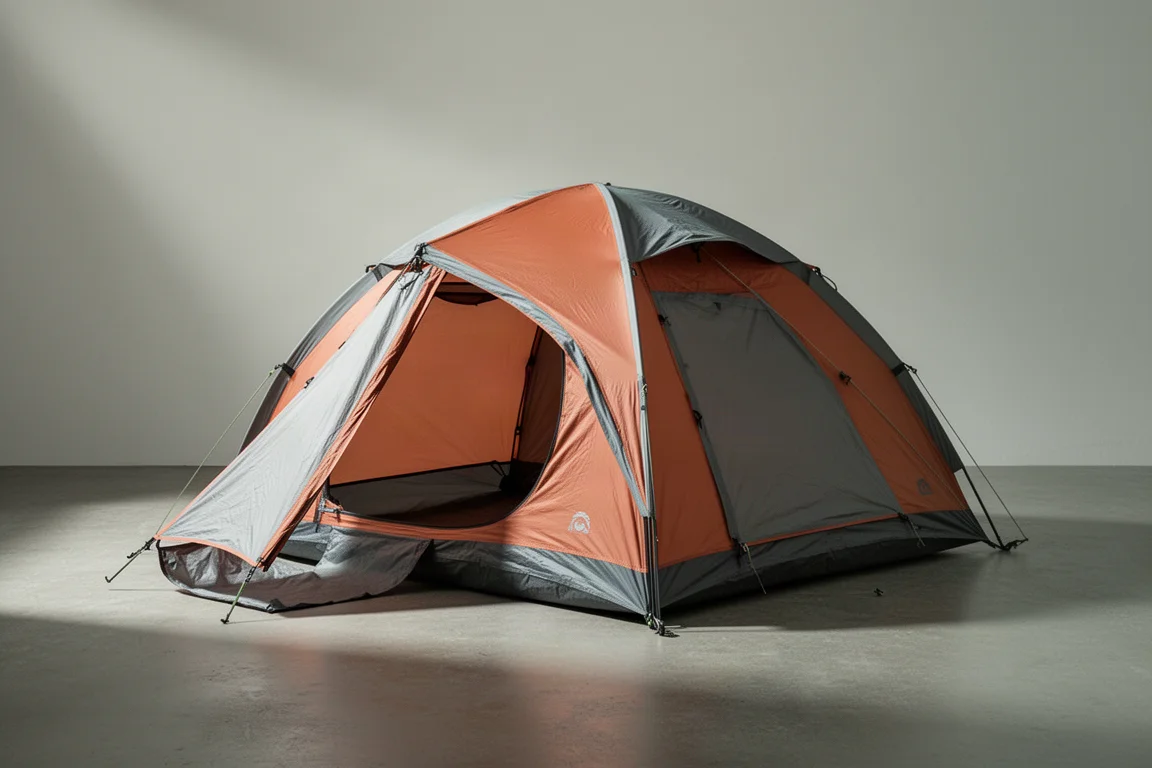
Alps Mountaineering Lynx 1-Person Tent Review: Big Value in a Small Budget Tent
A close look at the Alps Mountaineering Lynx 1-Person Tent, covering real interior dimensions, materials, setup time, ventilation limits, and who should buy it.