Camping Tents
Hike and Bike Zion 2 Two-Person Tent Review: Affordable Shelter, Real Rain Limits
A close look at the Hike and Bike Zion 2, a roughly $135 two-person tent: what it does well, where the fly and stakeout design fall short, and who should consider it.
Introduction
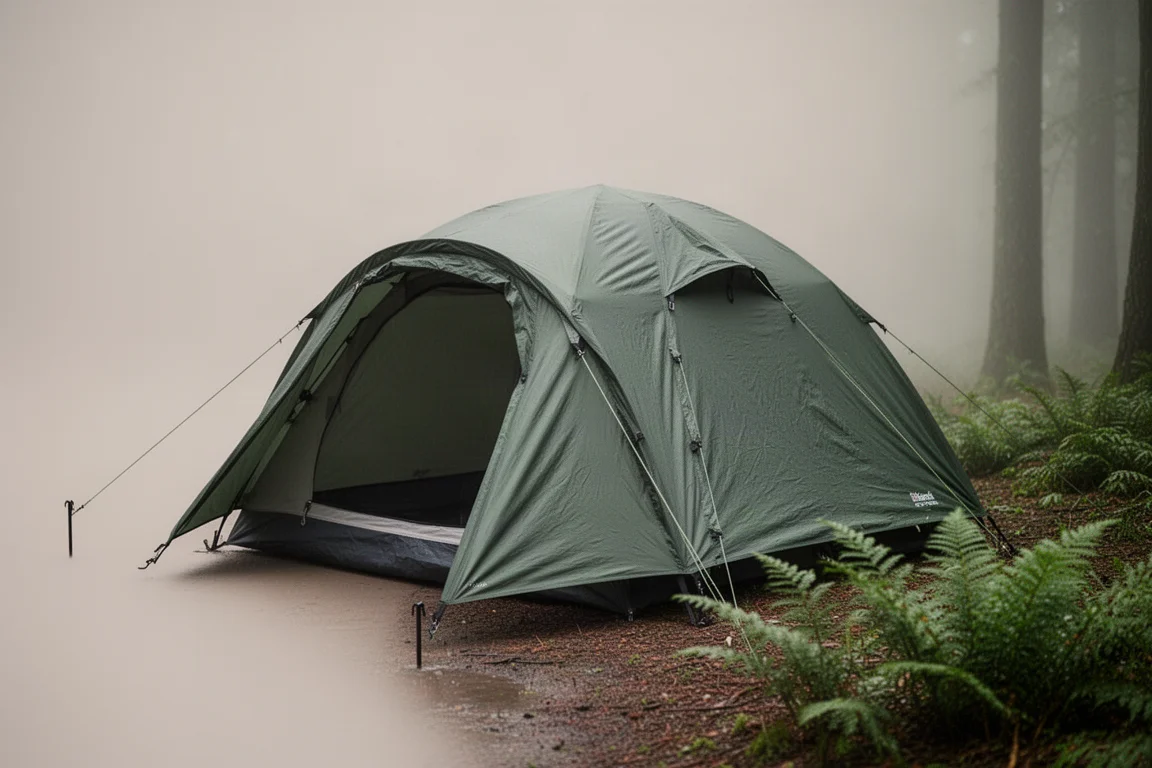
The Hike and Bike Zion 2 is a two-person tent with a list price of roughly $135, which puts it firmly in entry-level territory for a shelter that sleeps two. On paper it looks like an easy recommendation for occasional campers. In practice, the tent arrives with a couple of claims that do not survive close inspection, and its behaviour in sustained rain raises fair questions about how far it can be trusted.
Two marketing points are worth flagging up front. The zippers are described as YKK hardware, but the tent does not ship with YKK zippers. The tent is also described as ultralight, yet it weighs 6.1 pounds for a two-person model, which sits well outside what most buyers mean by that term. Those are not small details when you are comparing options at this price.
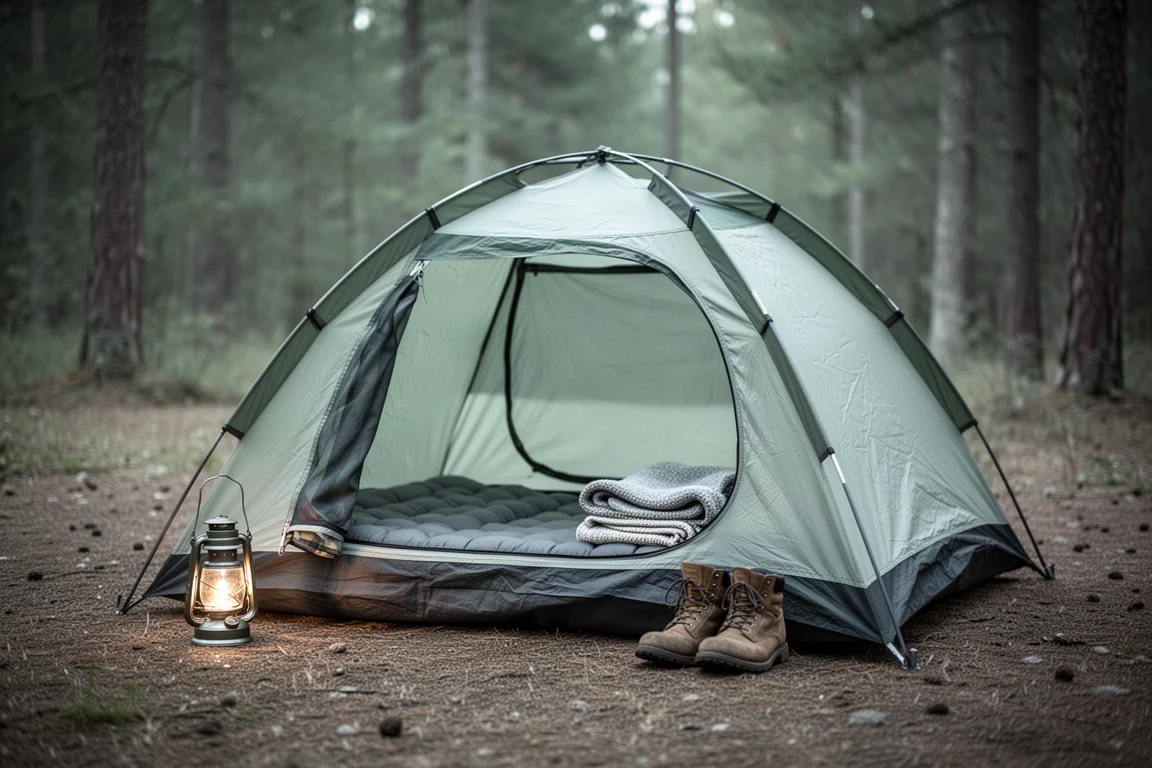
What follows is a practical breakdown of the Zion 2: what it gets right, where the design creates problems, and how it behaves once the weather turns. If you camp mostly in fair conditions on flat ground, the picture is more forgiving than it is for anyone heading into exposed terrain.
Who This Tent Is For
The Zion 2 makes the most sense for campers who want a low-cost two-person shelter for predictable, mild weather. It suits weekend car camping, festival-style trips, and overnighters where you can check a dependable forecast and pack up early if conditions change.
It is also a reasonable option if you pitch on flat, level ground most of the time. On a level surface the tent reaches an acceptable pitch and the fly sits roughly where it should. Campers who sleep in established sites with even, well-drained pads will get the most consistent results from it.
It is a poor fit for anyone who needs dependable protection in heavy rain, for exposed or sloped backcountry pitches, or for trips where low pack weight matters. Buyers hunting for a genuinely ultralight two-person tent should look elsewhere, because 6.1 pounds is a substantial load for this category.
Main Strengths
Price is the clearest argument in the Zion 2’s favour. Around $135 for a two-person tent is competitive, and it leaves room in a budget for decent stakes, a groundsheet alternative, or upgraded guy lines.
The tent is also straightforward to pitch. The fly can be tied back to the poles during setup, and it can be secured to the poles in storm mode when you want the coverage pulled in tight. For a first tent, or a spare shelter for guests, that simplicity has real value.
The body is built around mesh panels, which is the right instinct for airflow in warm, dry conditions. In calm weather that construction gives the interior a more open feel than a solid fabric canopy would, and it helps keep the packed size manageable.
Where the Design Falls Short
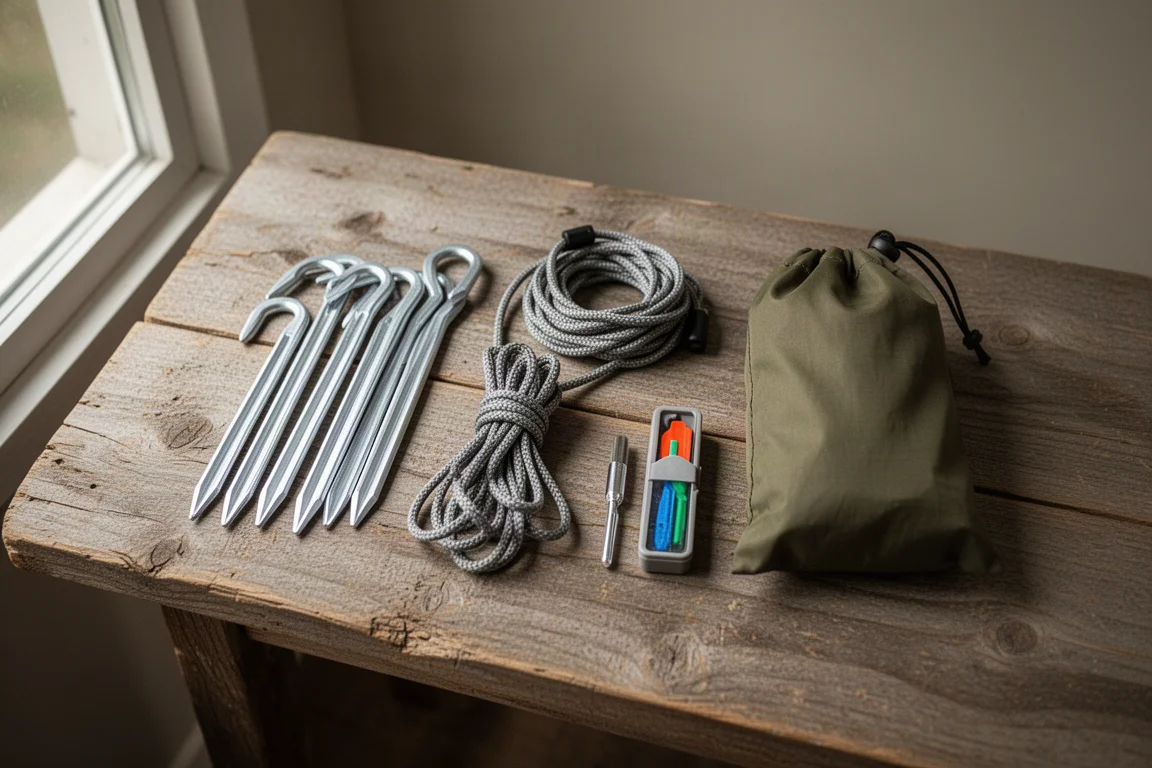
The stakeout points are not adjustable. Each one uses a pre-cut length of cord, so you can only tension the tent as far as that fixed length allows. On flat ground the result is adequate. On anything with a slope or an uneven surface, the pitch suffers, and the sides and doors can look loose or bowed.
That limitation has a knock-on effect. Because you cannot pull individual points further out, tightening one side of the fly tends to slacken another. You can get the sides taut or the doors taut, but not both at once. Adding your own shock cord or line adjusters largely fixes the problem and makes setup noticeably easier, but it is an extra step the tent should not require.
The fly is also cut close to the body. That spacing matters more than it sounds. When rain runs off the fly, a fly that sits tight against the canopy gives the water nowhere to go except back onto the inner tent.
What the Rain Test Revealed
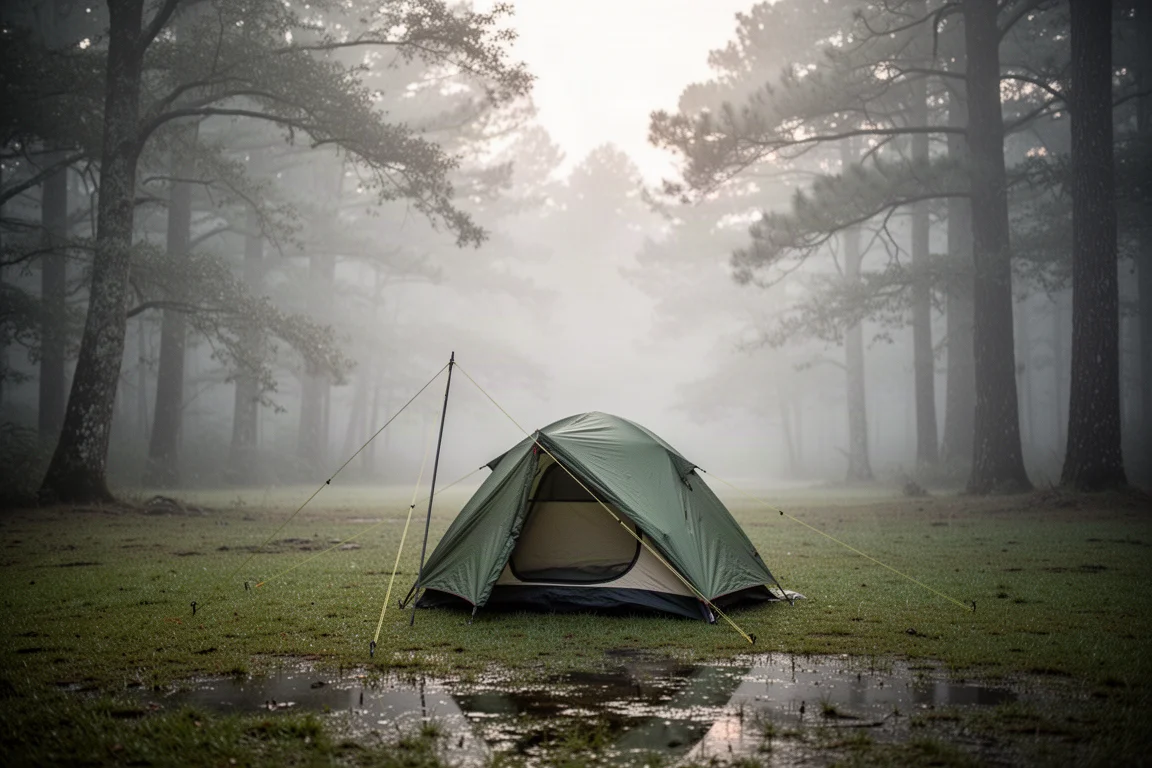
In a sustained downpour, with roughly half an inch of rain falling and nearby creeks rising, the Zion 2 showed two distinct problems.
The first is splashback. Because the fly cannot be pulled far enough away from the body, water rolling off the fly bounces back onto the mesh. The mesh ended up coated in water and dirt, and the floor of the tent became soaked. The effect appeared around the tent rather than being confined to one spot.
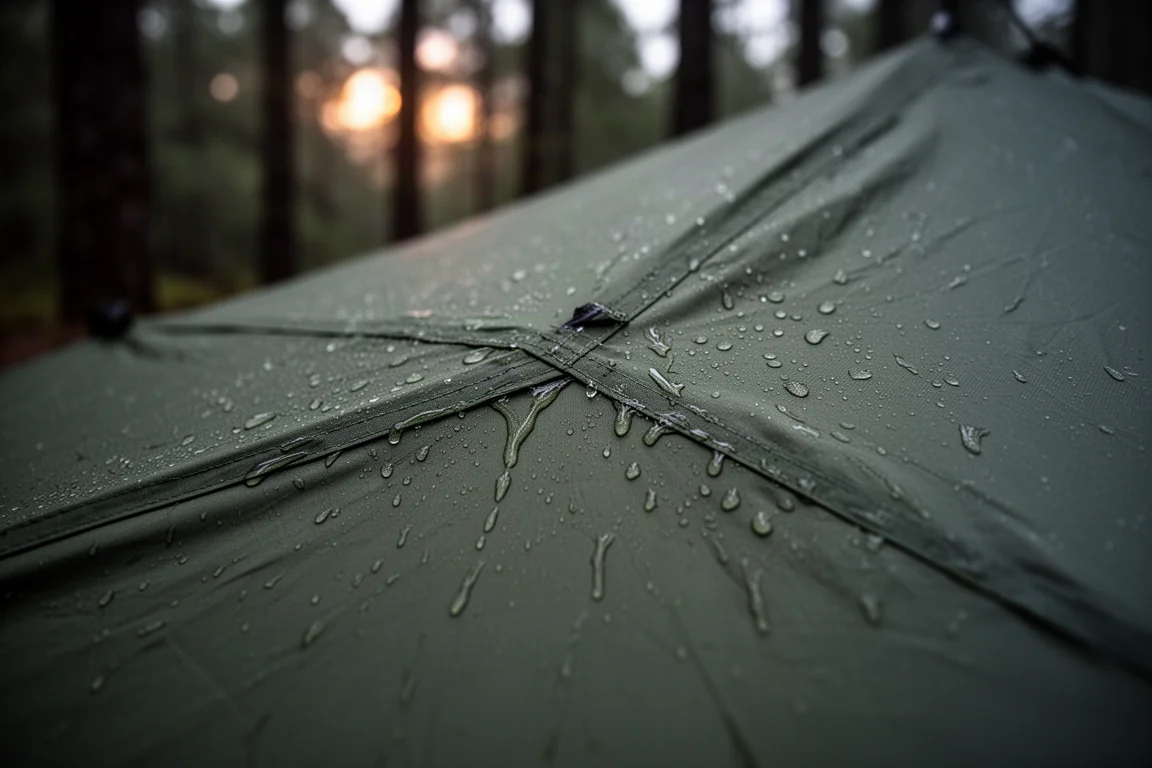
The second problem is the seam tape on the fly. On a brand-new tent that had only been pitched a few times and never slept in, the seam tape was already peeling away from the fabric. In the rain, water tracked through that corner and ran down the fly. The leak stayed minor and did not form standing puddles inside, but it was visible and it began from a defect rather than from wear.
Ventilation, condensation, and moisture control could not be assessed properly in this round because the interior was already wet. That testing remains outstanding. What the rain did establish is that the tent should not be relied on in heavy rainfall, and that the fly design is the main reason.
Things to Consider Before Buying
Weigh the specification claims carefully. The zippers are not YKK as advertised, and 6.1 pounds is a long way from ultralight. If either of those points shaped your interest in this tent, they should now be discounted.
Quality control deserves attention too. Peeling seam tape on an unused tent points to a manufacturing issue rather than something caused by hard use, and it is the kind of problem that tends to show up at the worst possible moment. Inspect the fly seams thoroughly on arrival, and check them again after the first wet night.
Budget for a few small additions. Replacing the fixed cords with shock cord or line adjusters will improve the pitch and pull the fly further from the body, which directly addresses the splashback problem. It will not fix the seam tape, but it makes the tent behave considerably better in moderate rain.
Buying Advice
At around $135, the Zion 2 is priced like an entry-level two-person tent and performs like one. The value case depends entirely on how you plan to use it. For flat, sheltered campsites and light rain, the tent is workable and inexpensive. For exposed pitches and sustained heavy rain, the fly design and the seam tape issue make it hard to recommend.
If you do buy one, treat it as a fair-weather shelter and plan around the forecast. Pitch on level ground where possible, upgrade the guy lines before your first trip, and keep an eye on the fly seams. Handled that way, the tent can cover basic overnight needs without much risk.
If dependable storm protection or genuinely low pack weight is the priority, this is not the shelter to build a trip around. The limitations are structural rather than something a bit of tweaking will erase.
Conclusion
The Hike and Bike Zion 2 gets the price right and handles the basics of pitching well on flat ground. It falls short on the details that matter in bad weather: a fly that cannot be tensioned away from the body, non-adjustable stakeout points, seam tape that peels on a new tent, and marketing claims that do not match the hardware or the weight.
For fair-weather camping on level sites, it can serve as a low-cost two-person option. For heavy rain, sloped ground, or backcountry trips where the forecast can turn, look for a shelter with adjustable guy points and a fly that stands clear of the canopy.
Product link
View more details for Hike and Bike Zion 2 Two-Person Tent
This product is mentioned in the review. Check the specifications, options, and compatibility before buying.
View more details for Hike and Bike Zion 2 Two-Person TentFurther reading
Related Reviews
Camping Tents
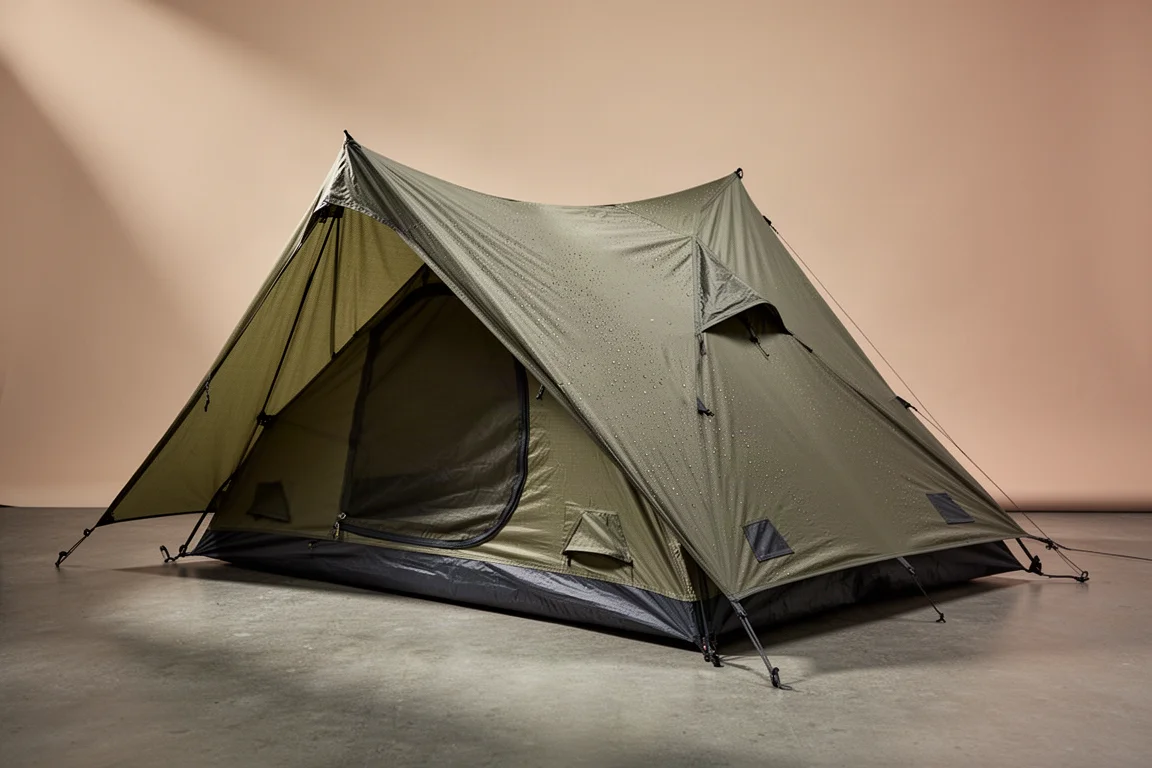
3F UL Gear Taiji Two-Person Tent Review: Field Waterproofing Results and Buying Advice
The Taiji pairs an attached fly with a removable inner, but sustained rain exposed untaped vent seams that need sealing before this shelter can be trusted.
Camping Tents
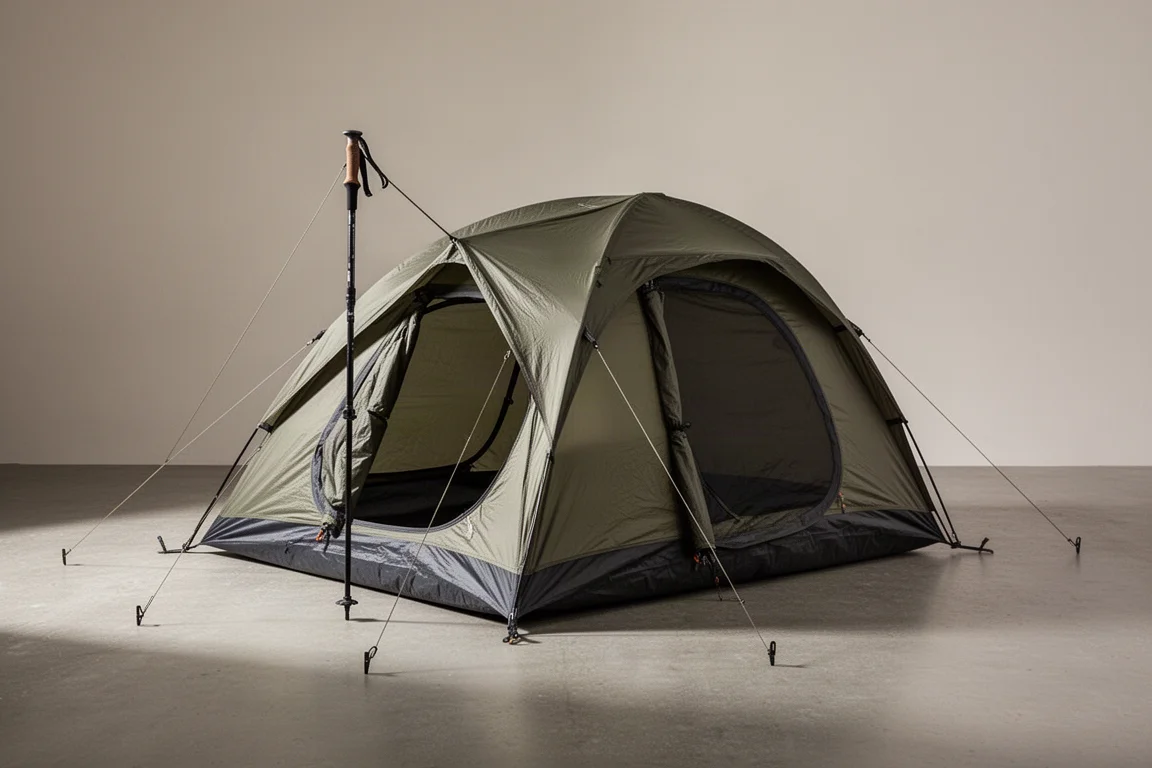
3FUL Gear Lanshan 2 Pro 4-Season Review: A Sub-$200 Single-Wall Trekking Pole Tent
An early look at the 3FUL Gear Lanshan 2 Pro 4-Season, covering its straightforward pitch, generous interior space, and the condensation and seam-sealing questions that come with any single-wall shelter.
Camping Tents
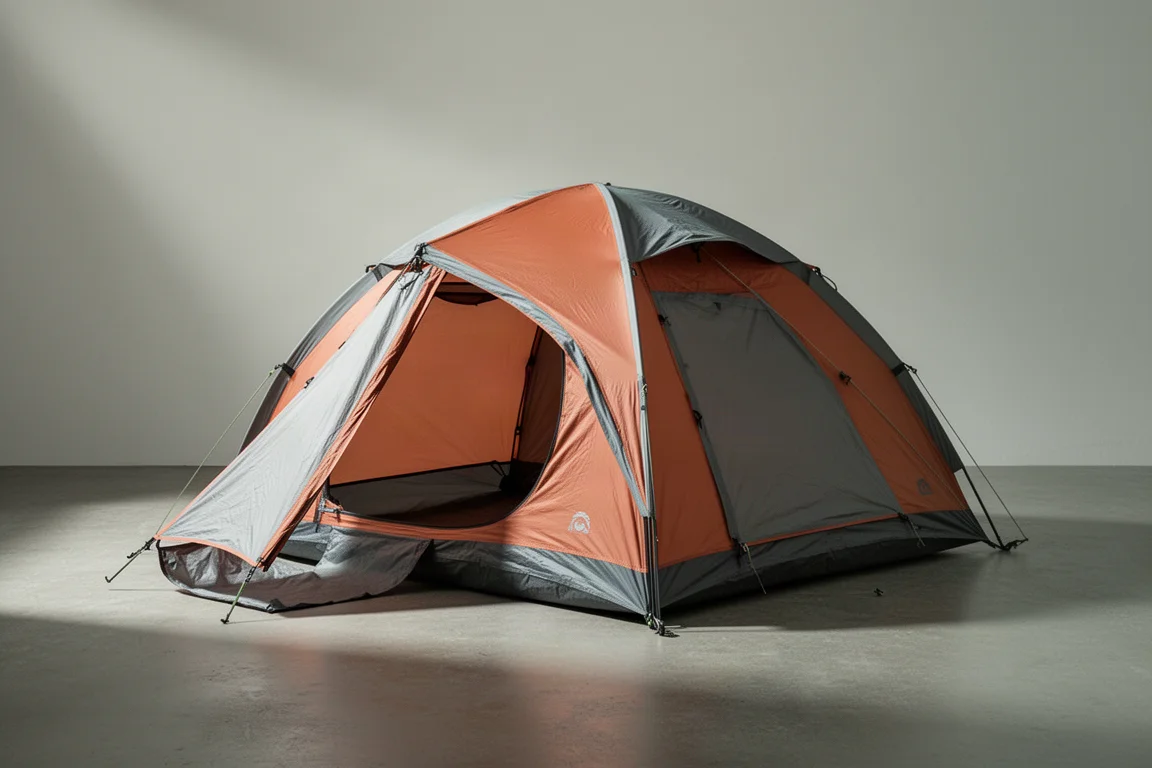
Alps Mountaineering Lynx 1-Person Tent Review: Big Value in a Small Budget Tent
A close look at the Alps Mountaineering Lynx 1-Person Tent, covering real interior dimensions, materials, setup time, ventilation limits, and who should buy it.