Camping Tents
Hike and Bike Zion 2 Review: A Budget Two-Person Tent Tested in Heavy Rain
The Hike and Bike Zion 2 costs roughly $135 and covers dry nights well enough. In sustained rain, splashback and a peeling seam change the picture.
Introduction
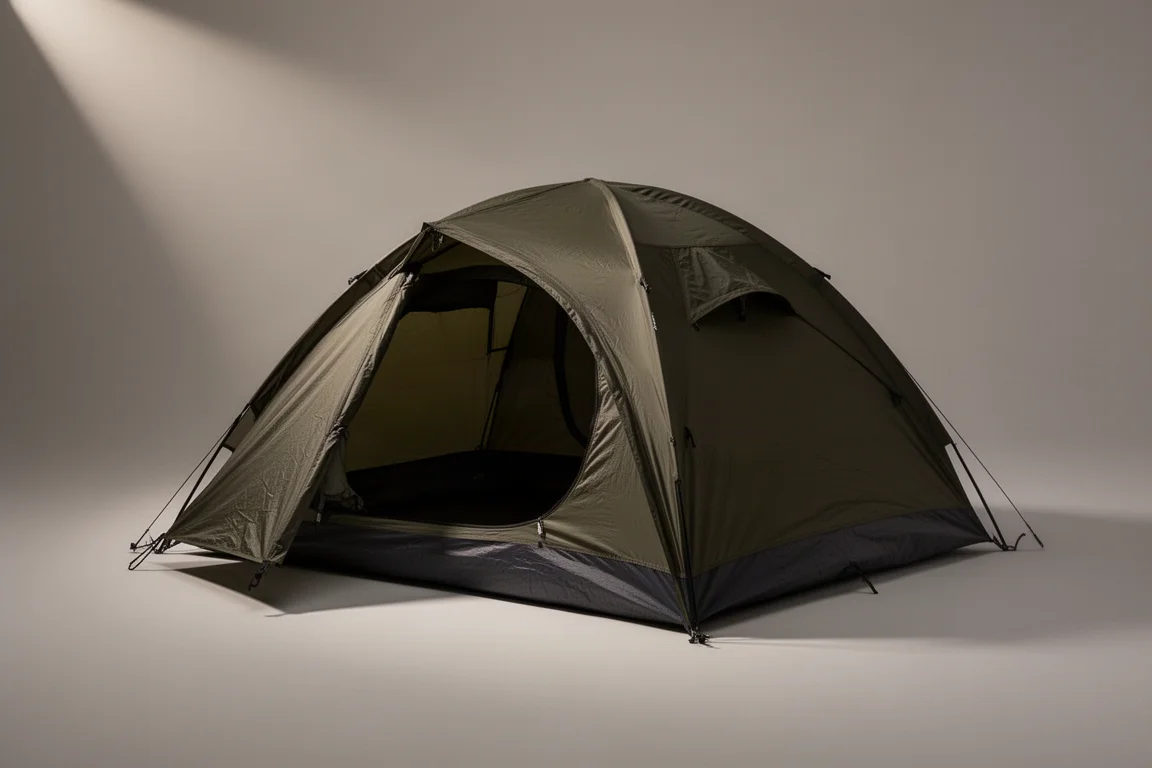
The Hike and Bike Zion 2 is a two-person tent that sells for roughly $135, which places it at the affordable end of the two-person shelter market. On paper that is an appealing number. In practice, the tent asks buyers to accept a few compromises that are worth understanding before spending money.
This review concentrates on the questions that matter most for a tent: how it pitches on ground that is not perfectly level, whether the fly keeps rain out during a sustained downpour, and where the design creates problems once the weather turns.
Who This Tent Is For
The Zion 2 makes the most sense for campers who sleep on established, level pitches in settled weather. At roughly $135 for a two-person shelter it undercuts much of what it competes with, and that price is the main reason to consider it.
It is not aimed at backpackers. At 6.1 pounds it is a car camping or short-carry tent, and anyone covering real distance on foot will feel that weight on every climb.
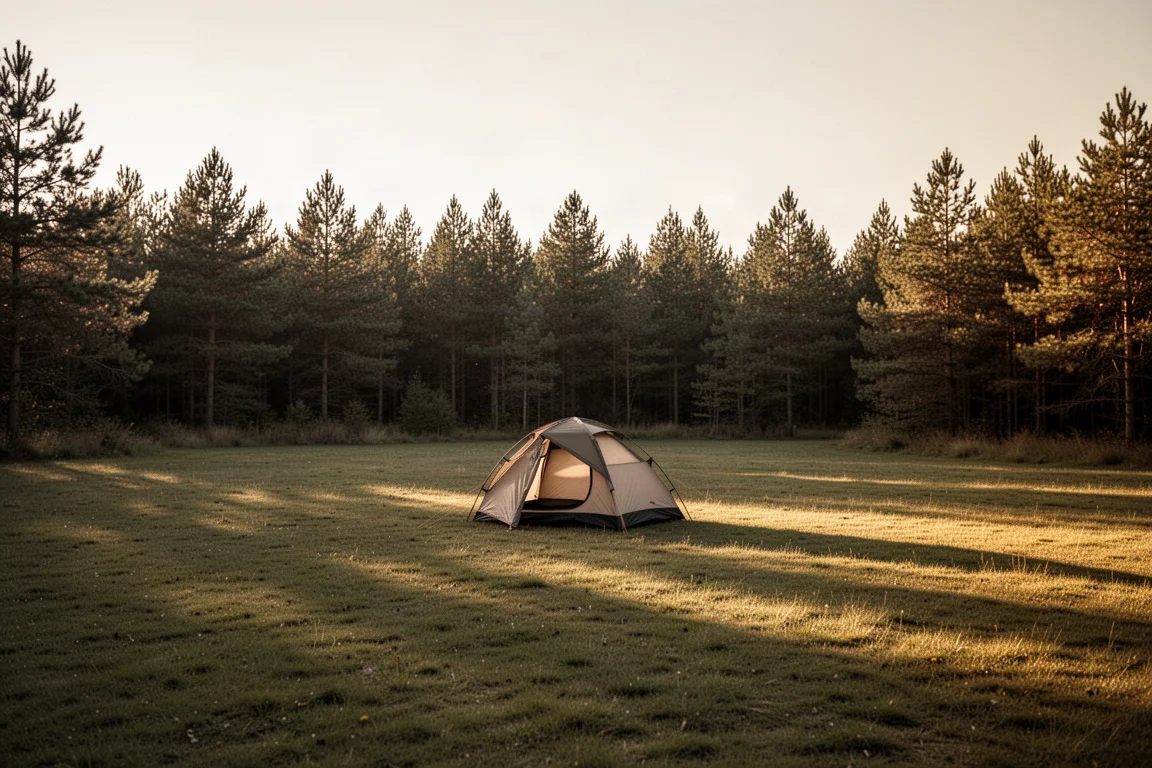
If your trips are weekend overnights at a drive-in site with a flat tent pad, the Zion 2 covers the basics: a floor, a fly, sleeping space for two, and enough room to be comfortable for a night.
Main Strengths
The strongest argument for the Zion 2 is price. For a two-person tent, roughly $135 is a low entry point, and there is genuine potential here for a shelter that performs well in dry, mild conditions.
On a flat surface the tent pitches acceptably and provides the space two people need for a night’s sleep. Buyers who treat it as a fair-weather shelter rather than an all-season one are the ones most likely to end up satisfied.
Setup and Pitching Realities
The stakeout points are not adjustable. Instead, the tent relies on pre-cut lengths of cord, which means a guy line can only be pulled as tight as the cord allows. On perfectly flat ground the result is usable. On any slope or uneven ground the pitch suffers, and the fly can sag on one side while pulling tight on the other.
Because the sides share material, tightening one area loosens another. The doors and the fly compete for the same tension, and there is not enough adjustment range to satisfy both at once. The overall pitch ends up looking untidy on real campsites, even though the tent is doing what its design permits.
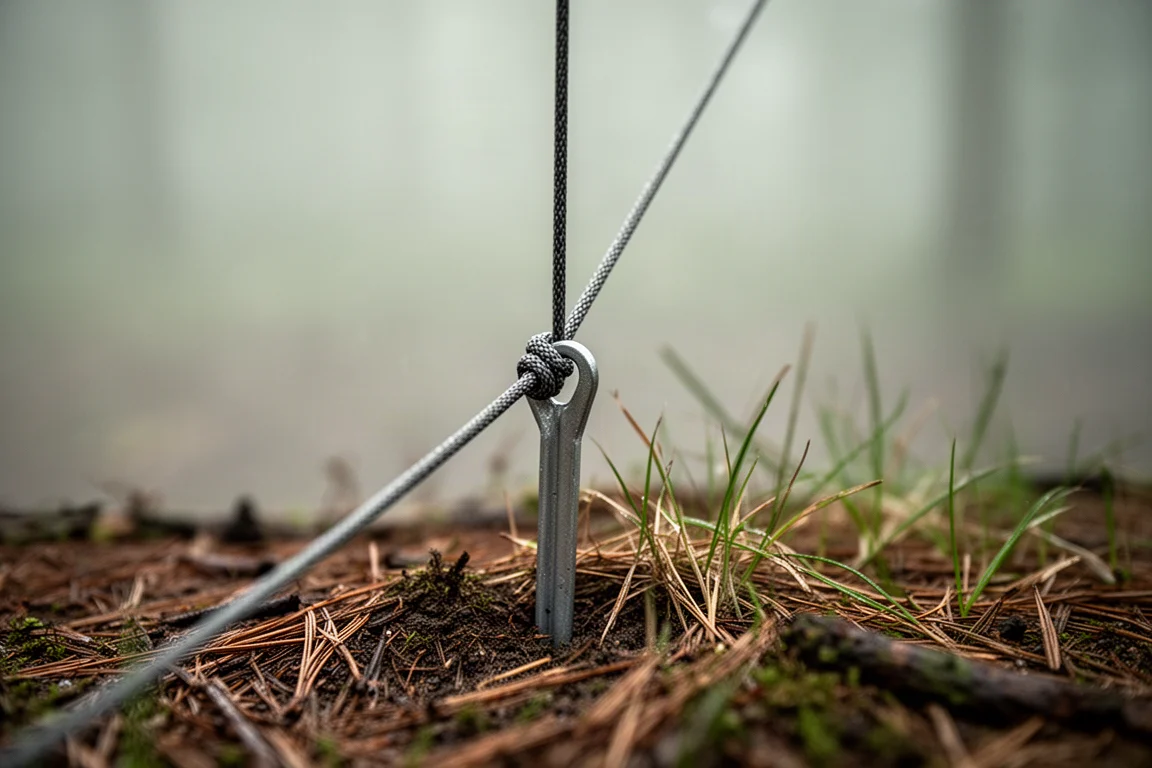
Swapping the supplied cord for shock cord or adding your own line adjusters noticeably improves the setup. It is a small change that makes the tent easier to tension properly and gives the fly a better chance of sitting away from the body.
Weather Protection in Real Rain
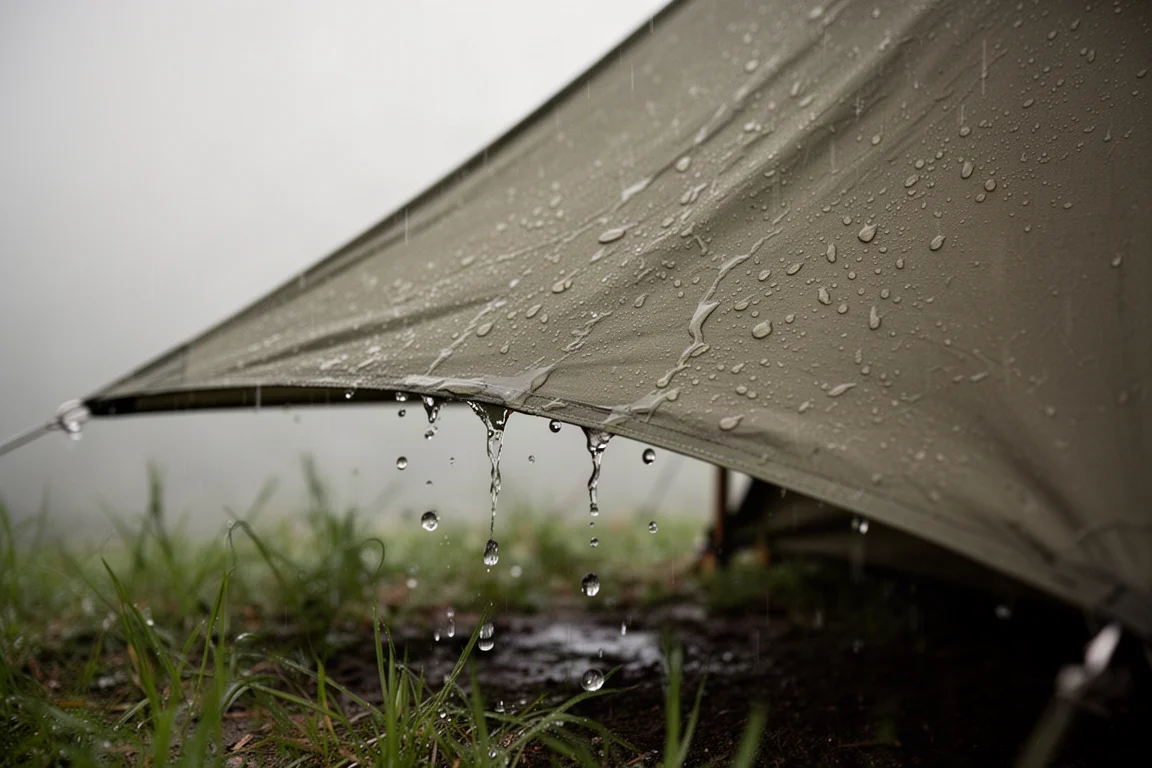
This is where the Zion 2 struggles. In a sustained downpour, water rolls off the fly and splashes back onto the tent body. Because the fly cannot be pulled far enough away from the inner tent, the mesh walls end up soaked and the floor becomes wet around the perimeter.
The fly also leaked at a tie-off point where the seam tape had begun to peel. Water travelled down the fly from that area rather than forming large puddles inside, so leakage from that specific spot was limited. The splashback, however, was the bigger problem, and it affected the sides as well as the front and back of the tent.
The tent should not be relied on in heavy rainfall. The fly geometry sits at the root of the issue: with more distance between fly and body, most of that splash would never reach the interior.
Ventilation and Moisture Control: Still Untested
Ventilation, condensation and moisture control could not be assessed fairly here, because the interior was already wet. A meaningful result requires a dry tent, so those findings remain open for now.
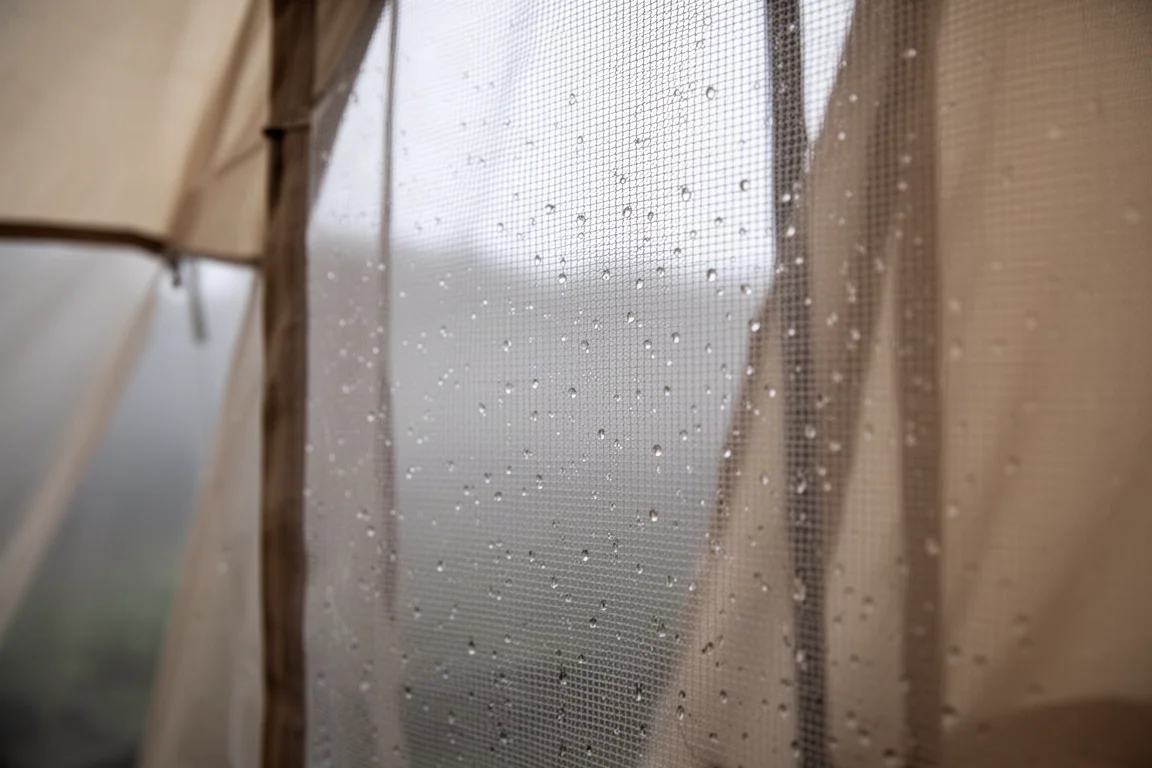
What is clear is that once the mesh and the floor are wet, the interior stays damp for the rest of the trip. That is worth factoring in if you camp in humid conditions or plan multi-night stays.
Things to Consider Before Buying
Two of the brand’s marketing claims do not hold up. The zippers are not YKK, and the tent is not ultralight. At 6.1 pounds for a two-person model, the weight sits well above what that term implies.
Quality control is the other concern. The seam tape on the fly began peeling away on a tent that had been pitched only a few times and had seen no real use. There was also an appearance of damage to the fabric itself near that area, which deserves a closer look before any long-term judgement is made.
A similarly named two-person tent from another brand is listed at around three pounds, roughly half the weight of the Zion 2. Buyers comparing the two should read the specifications carefully rather than assume they are the same product.
Buying Advice
Buy the Zion 2 if your camping is seasonal, weather-dependent and mostly on flat ground. It is a low-cost way to get two people under cover for a night, and with better guy lines it becomes noticeably easier to pitch properly.
Skip it if you need a shelter that holds up when the forecast changes, or if you plan to carry your tent any distance. The combination of weight, non-adjustable stakeout points and splashback in rain makes it a fair-weather option rather than a dependable one.
Conclusion
The Hike and Bike Zion 2 is a budget tent with a real limitation. Its price is appealing and its dry-weather performance is adequate, but the fly design lets rain splash into the interior, and the seam tape showed early wear on a tent that had barely been used. For flat-ground, fair-weather camping it can work. For anything more demanding, it is not the tent to trust.
Product link
View more details for Hike and Bike Zion 2
This product is mentioned in the review. Check the specifications, options, and compatibility before buying.
View more details for Hike and Bike Zion 2Further reading
Related Reviews
Camping Tents
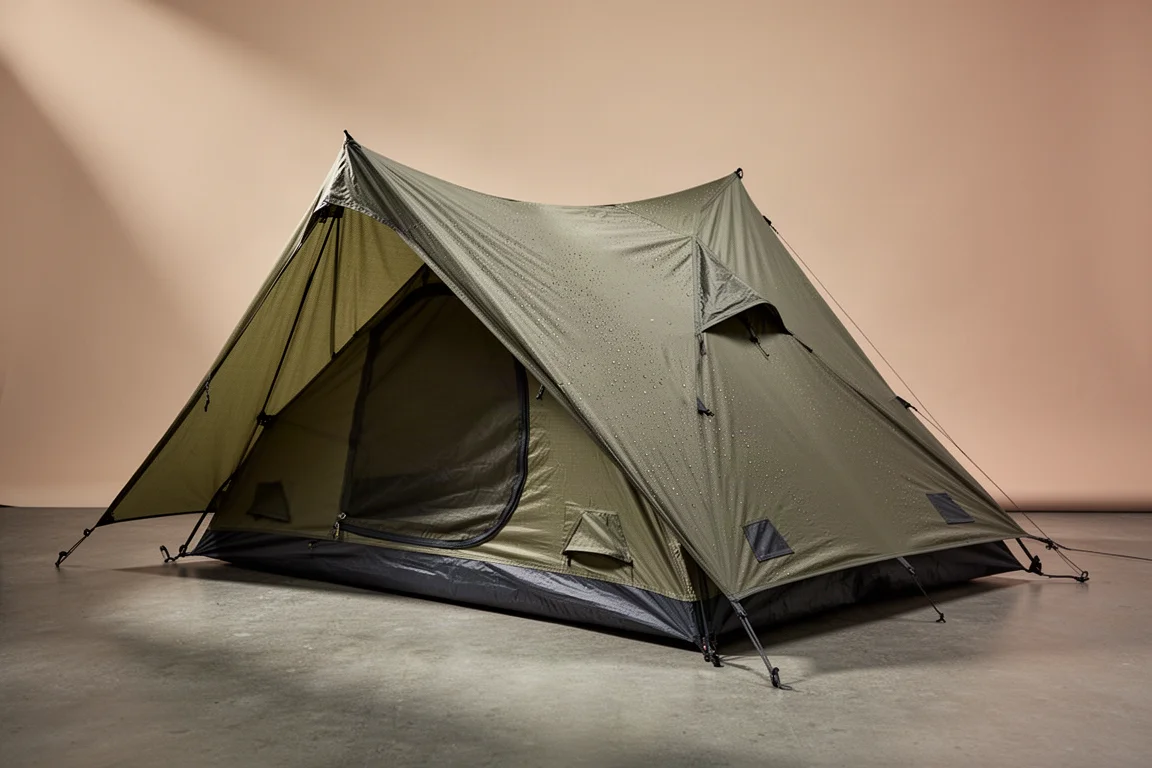
3F UL Gear Taiji Two-Person Tent Review: Field Waterproofing Results and Buying Advice
The Taiji pairs an attached fly with a removable inner, but sustained rain exposed untaped vent seams that need sealing before this shelter can be trusted.
Camping Tents
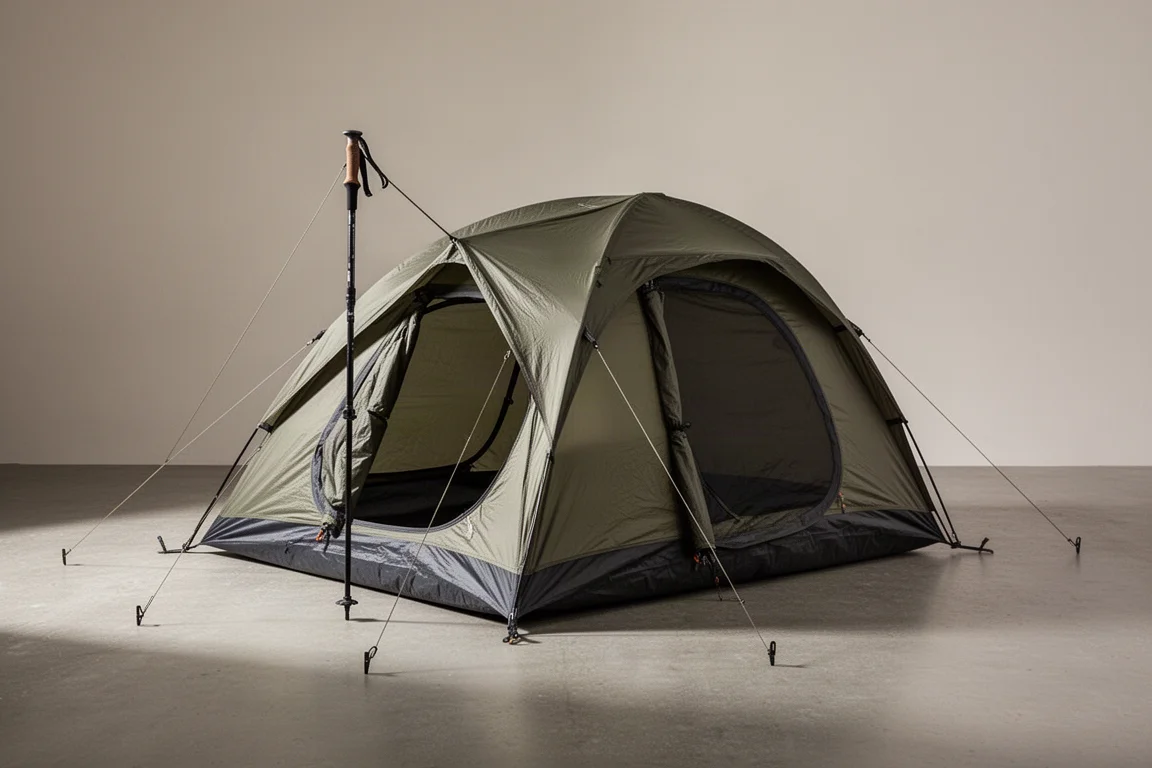
3FUL Gear Lanshan 2 Pro 4-Season Review: A Sub-$200 Single-Wall Trekking Pole Tent
An early look at the 3FUL Gear Lanshan 2 Pro 4-Season, covering its straightforward pitch, generous interior space, and the condensation and seam-sealing questions that come with any single-wall shelter.
Camping Tents
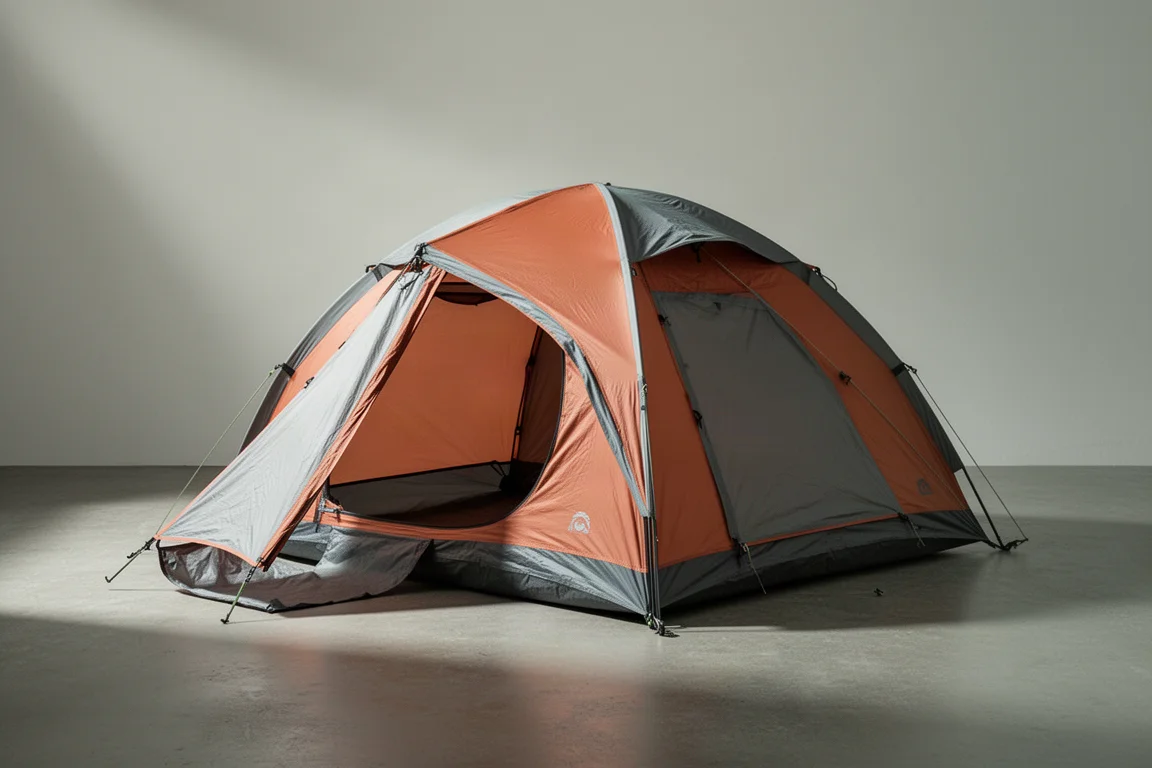
Alps Mountaineering Lynx 1-Person Tent Review: Big Value in a Small Budget Tent
A close look at the Alps Mountaineering Lynx 1-Person Tent, covering real interior dimensions, materials, setup time, ventilation limits, and who should buy it.