Hi-Fi Audio
Three High-End Two-Channel Components: MoFi SourcePoint 10, Hegel P30A and H30A
A closer look at a new dual concentric loudspeaker from MoFi and Hegel's refreshed flagship preamplifier and power amplifier pair, including the trade-offs worth weighing before you buy.
Introduction
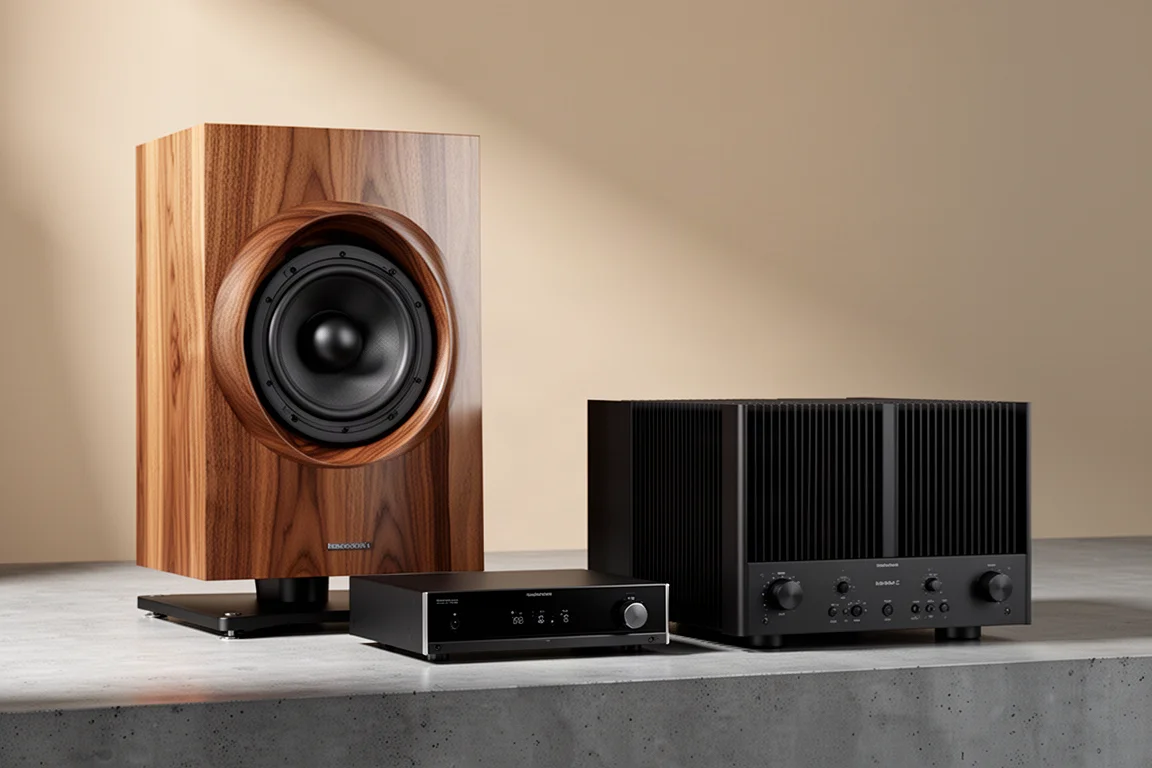
Three components anchor this roundup: a new dual concentric loudspeaker from MoFi and a refreshed flagship preamplifier and power amplifier pair from Hegel. Each one addresses a different part of the signal chain, and each represents a deliberate engineering decision rather than a cosmetic refresh.
The MoFi SourcePoint 10 marks a new direction for a designer known for three-way layouts with smaller cone diameters. The Hegel P30A and H30A replace a pre-power combination that dates back to 2011, and the change was driven by something very practical: the transistors used in the originals are no longer available.
What These Three Components Have in Common
All three are ground-up designs. The SourcePoint 10 is built around a single 10-inch dual concentric driver handling a wide band, while the Hegel pair is built around short signal paths, tightly matched transistors and a feed-forward distortion reduction scheme.
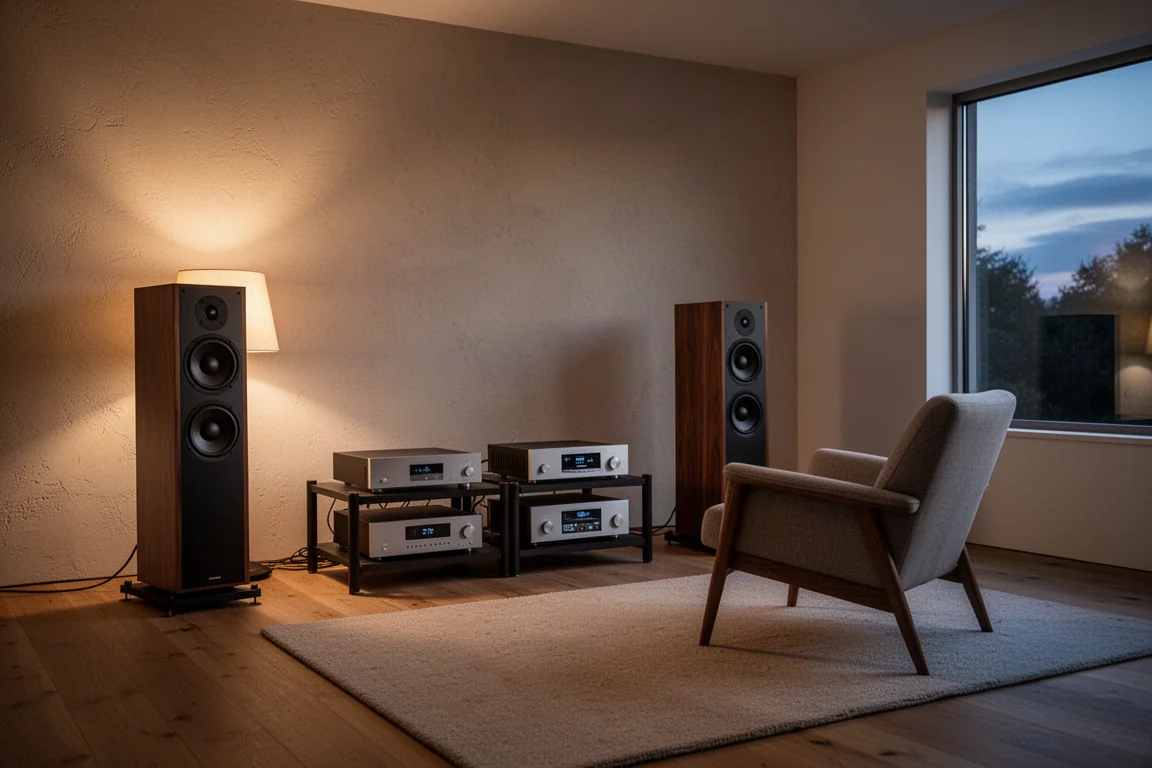
Each product also targets a clearly different listener. The SourcePoint 10 suits someone who wants one coherent driver covering a wide frequency range in a single cabinet. The Hegel pair suits someone assembling a system around demanding speakers who wants power in reserve and a clean, low-distortion front end.
None of the three is an entry-level purchase, so the sensible approach is to decide which part of your system is actually holding it back before committing.
MoFi SourcePoint 10: A Dual Concentric Approach
The SourcePoint 10 is the first model in MoFi’s SourcePoint range and the result of roughly 18 months of development by Andrew Jones. A smaller and a larger speaker are promised to follow.
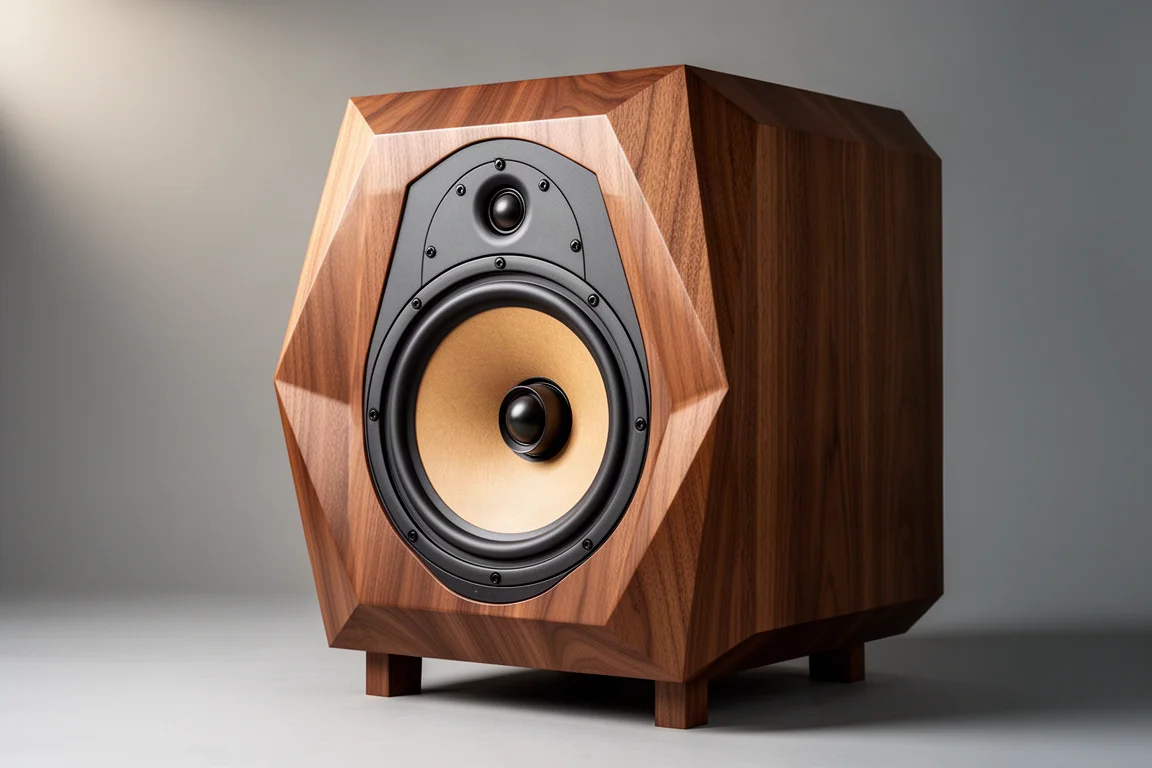
It is a two-way design using a 10-inch (250 mm) dual concentric driver, a departure from the three-way layouts with smaller cone diameters associated with earlier designs. The midwoofer uses a paper cone mix, shaped both to minimise resonances and to act as a waveguide for the tweeter. A low-profile corrugated surround is used so that the tweeter’s output is disrupted as little as possible as it propagates across the cone and past the front baffle.
The tweeter is a 1.25-inch (32 mm) soft dome, larger than you would normally see in a two-way, because a 10-inch woofer cannot play as high up the range as a smaller driver. The crossover point sits at 1,600 Hz, which usefully places it outside the critical 2 to 4 kHz region where hearing is most sensitive.
The front baffle is sculpted from 2-inch (50 mm) MDF and faceted to address edge diffraction. According to the designer, this breaks up the flat surface as a close approximation of what a curved surface achieves. A sharp lip on the edge is an aesthetic consideration and, being set back, is not expected to introduce severe diffraction problems.
The motor structure uses high-flux neodymium magnets in a twin-drive arrangement designed to create a fully symmetrical magnetic field, reducing flux modulation and the intermodulation distortion it generates. Reported figures include a minimum impedance of 6.4 ohms and a sensitivity of 91 dB. Finishes are real wood veneer in satin walnut and black ash, with UK retail set at £4,500 for a stereo pair.
The trade-offs are worth understanding. A 10-inch woofer will not play as high, which is why the tweeter has to extend lower. The wider baffle also brings diffraction and time smearing considerations that the sculpted surface only partly addresses. Dual concentric drivers also generate a form of Doppler distortion, though a larger cone has to move less for a given output, which reduces the effect. The upside is physics on your side: a larger surface area shifts air more easily, which translates into more effortless dynamics, noticeable in the bass and in the openness of the midrange.
Hegel P30A: A Fully Balanced Preamplifier
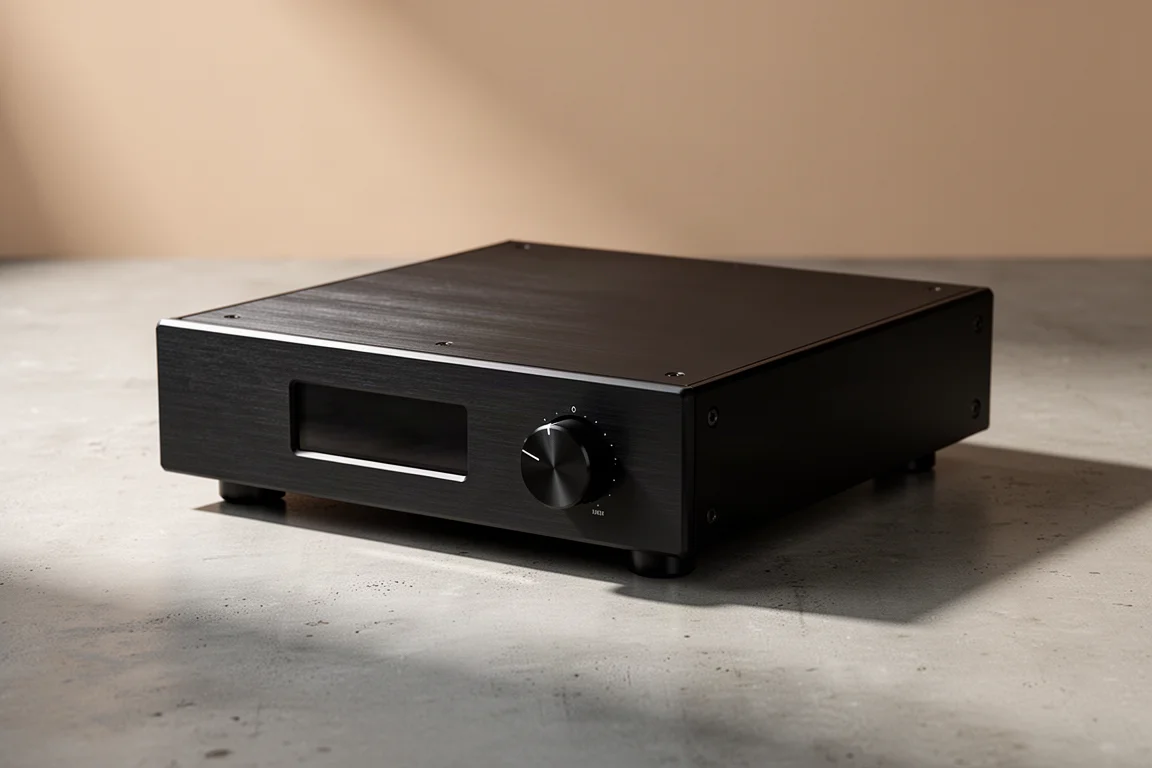
Nicknamed the conductor, the P30A is a fully balanced design that replaces the original P30. Matched pairs of field effect transistors are used to tight tolerances in order to eliminate higher order harmonic distortion, and the signal path is kept as short as possible to minimise electrical interference. The music signal passes through only two transistors and a low-noise volume attenuator.
Hegel’s SoundEngine technology is used to reduce intermodulation distortion further. It is a feed-forward system that operates a little like noise-cancelling headphones, removing distortion in real time.
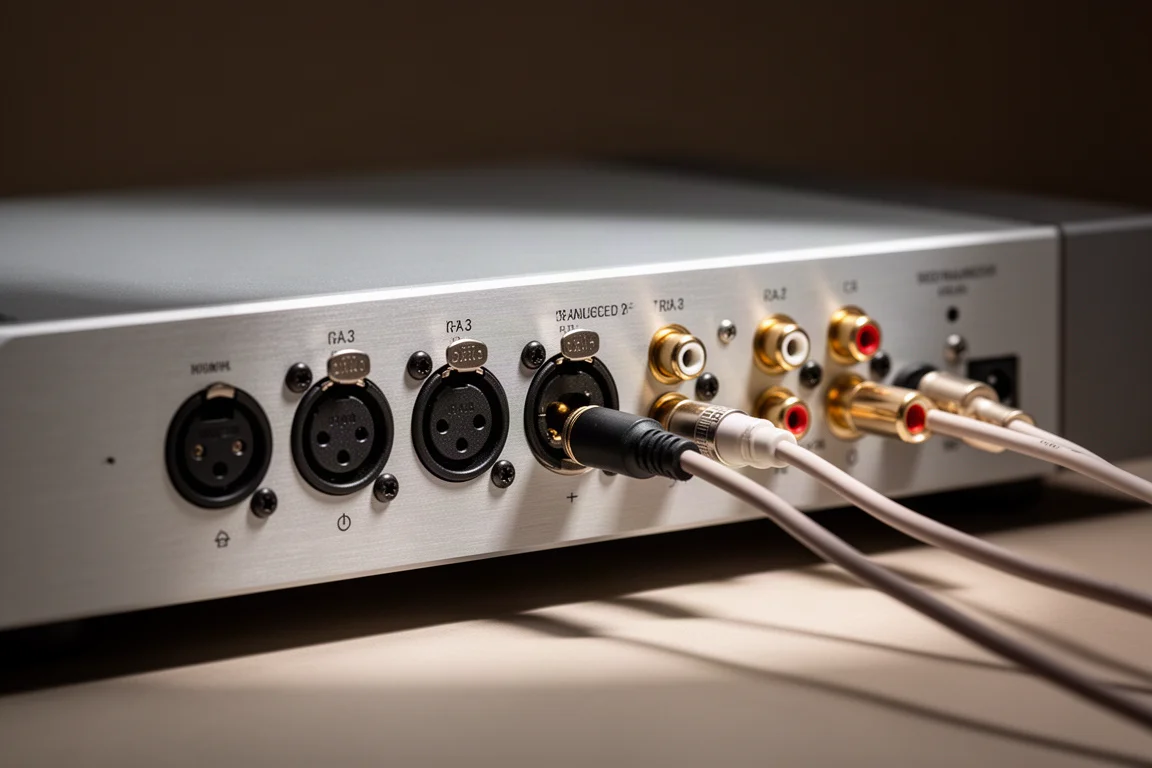
On connectivity, the P30A offers two balanced XLR inputs and three single-ended RCA inputs, plus a fixed-level input for integrating a home cinema receiver. There are balanced XLR and unbalanced RCA analogue outputs as well. UK retail is £7,000.
Hegel H30A: High-Power Monoblock Flexibility
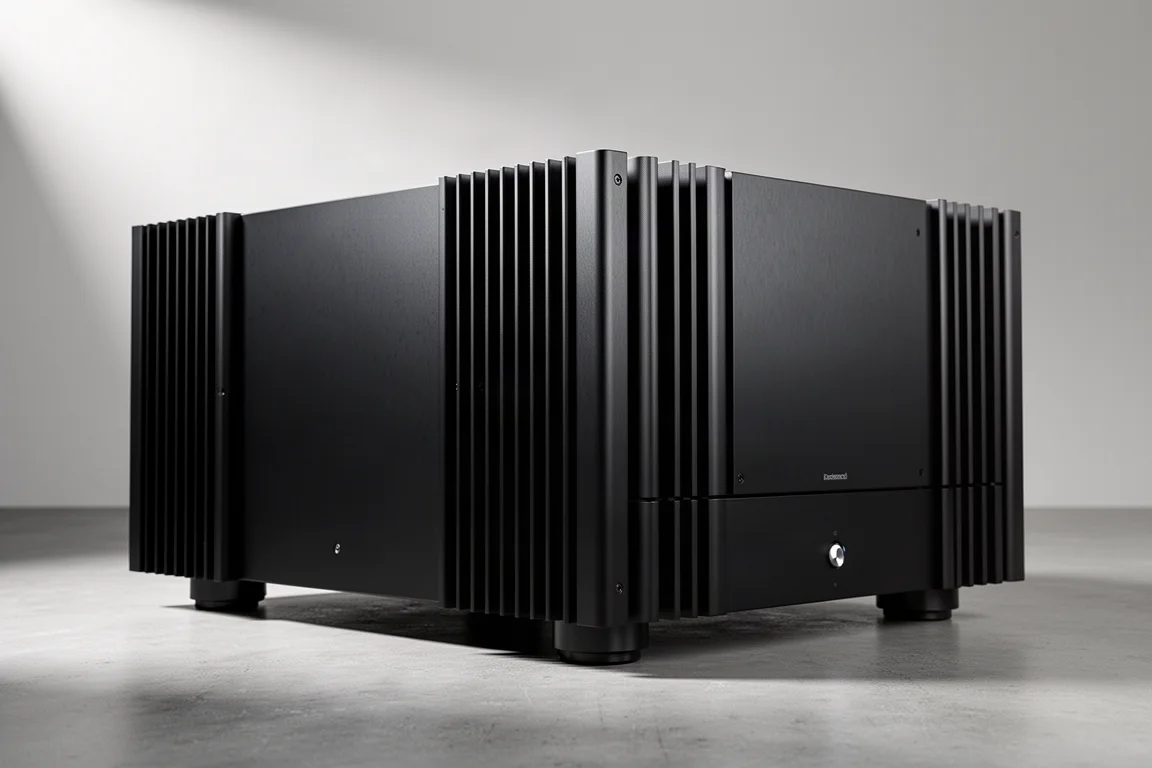
Nicknamed the orchestra, the matching H30A power amplifier is designed primarily as a mono amplifier, though it can also be operated in stereo mode. In mono operation it is rated at 1,100 watts and is reported to be stable down to a 1-ohm load.
The power supply is built around two 1,000 VA transformers and 270,000 microfarads of capacitance. The output stage uses 56 bipolar transistors rated at 15 amps and 200 watts each, which suggests the H30A should have no trouble driving virtually any speaker on the market. Like the P30A, the input stage uses a pair of matched field effect transistors to eliminate higher order distortion, along with SoundEngine technology to reduce intermodulation distortion.
UK retail is £17,000 for a single unit, or £34,000 if you want to go the monoblock route.
Running the Hegel Pair as a System
A recent dealer demonstration paired the P30A with a single H30A running in stereo mode, driving Amphion Krypton Three speakers that retail for around £15,000. The clarity, scale and dynamics on offer were impressive.
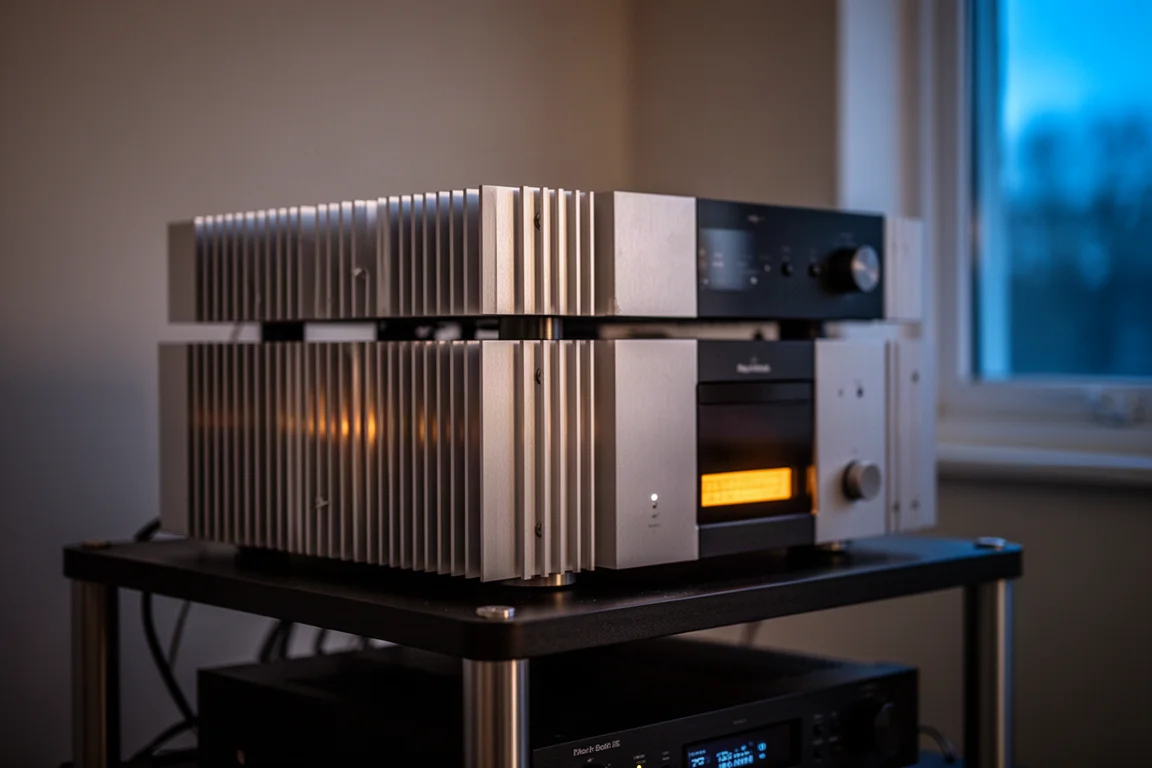
It is worth being measured about that kind of listening session. A dealer event is not your room, the setup is unfamiliar and there are other people in the space, so treat a first impression as encouraging rather than definitive. What the specification does tell you clearly is that the H30A has substantial current delivery on tap, and that the P30A keeps the signal path short and balanced from source to output.
Practical Considerations Before You Buy
Speaker matching matters most with the SourcePoint 10. A reported minimum impedance of 6.4 ohms and 91 dB sensitivity suggest it is not a difficult load, but the dual concentric layout rewards a listening position on axis with the driver, so room layout should be part of the decision.
With the Hegel pair, the main question is how much power you genuinely need. Stereo operation of a single H30A is already substantial, and the monoblock route doubles the outlay to £34,000. If your speakers are reasonably efficient and your room is moderate in size, one amplifier in stereo mode may be all the headroom you require.
Budget sequencing is the other practical point. If your current weak link is the speaker, start there. If your speakers are already capable and your amplification is the limiting factor, the Hegel pair is the more logical upgrade.
Buying Advice
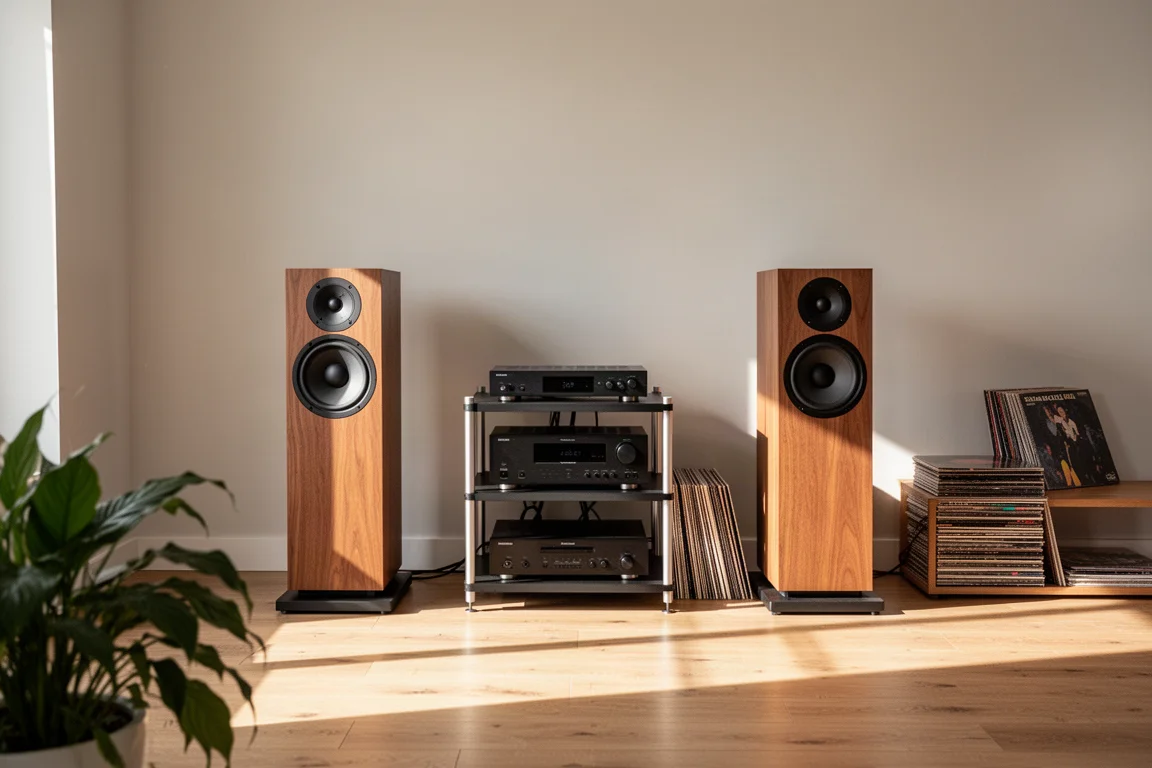
The MoFi SourcePoint 10 makes the most sense for listeners who want one driver covering a wide band, who value effortless dynamics, and who have room for a wide-baffle cabinet. The two real wood veneer finishes keep it easy to live with in a normal living space.
The Hegel P30A and H30A are a different proposition entirely. Buy the P30A if you want a balanced, short-path preamplifier with enough inputs for analogue sources and a fixed-level input for a home cinema receiver. Buy the H30A if your speakers benefit from serious current delivery, and consider the monoblock route only if your room and your speakers genuinely justify it.
Conclusion
These three components show two distinct philosophies. MoFi has taken a physics-led route with a large dual concentric driver, accepting a wider baffle and a lower crossover point in exchange for easier dynamics and a coherent single-source presentation. Hegel has taken the electronics route, shortening the signal path, matching transistors closely and building a power supply with enormous reserves.
Both approaches make sense, and neither is a universal recommendation. Match the speaker to your room and listening position, match the amplifier to your speakers and the headroom you actually need, and each of these three products can be a confident, long-term addition to a two-channel system.
Further reading
Related Reviews
Hi-Fi Audio
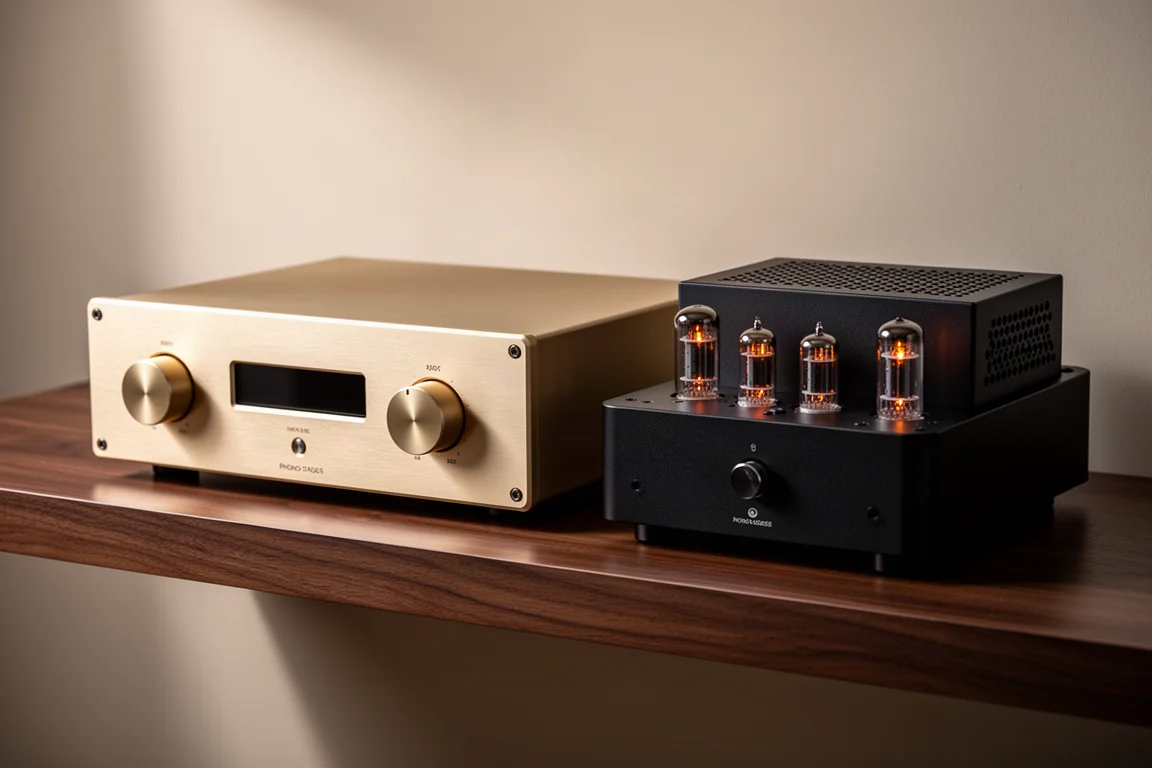
Accuphase C-57 vs Allnic H-7000V: Two High-End Phono Stages Compared
A fully balanced solid-state phono stage with a pitch-black noise floor meets a tube design built for well-loved records. Here is how to choose between them.
Hi-Fi Audio
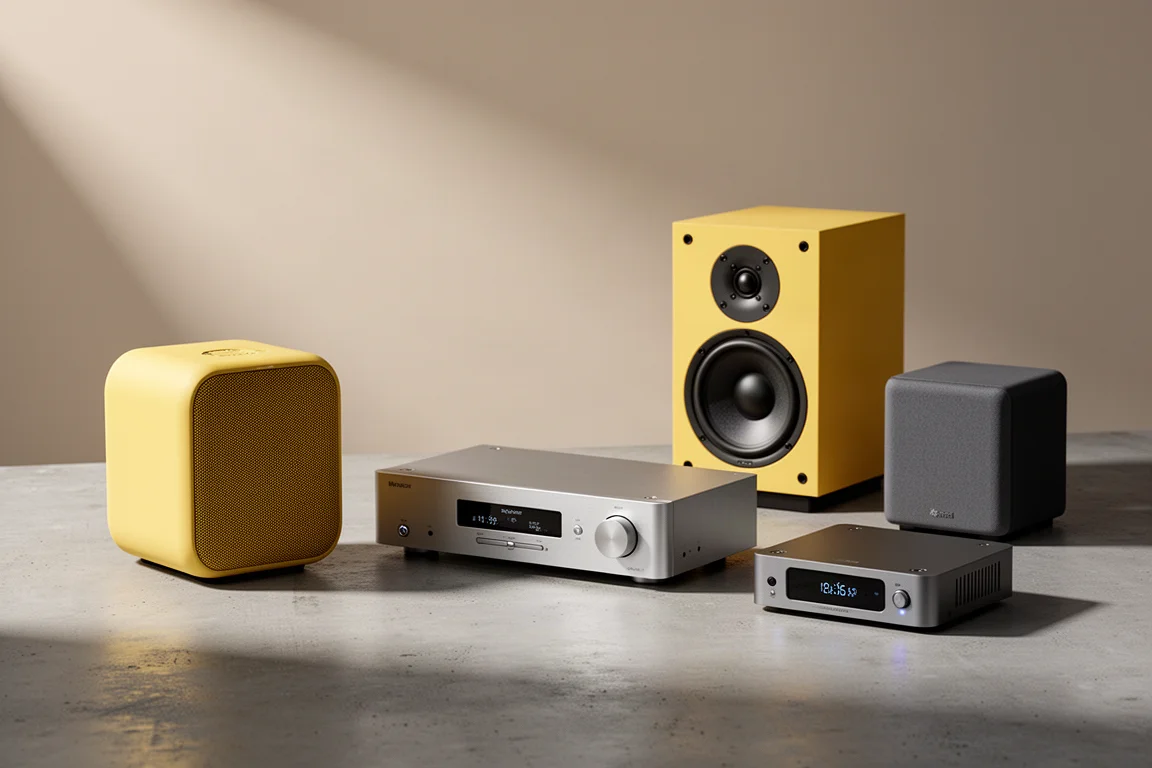
Active vs Passive Hi-Fi: Five Components for a Modern System
Five components that define modern active and passive hi-fi systems, with the strengths, trade-offs and setup details worth weighing before you buy.
Hi-Fi Audio
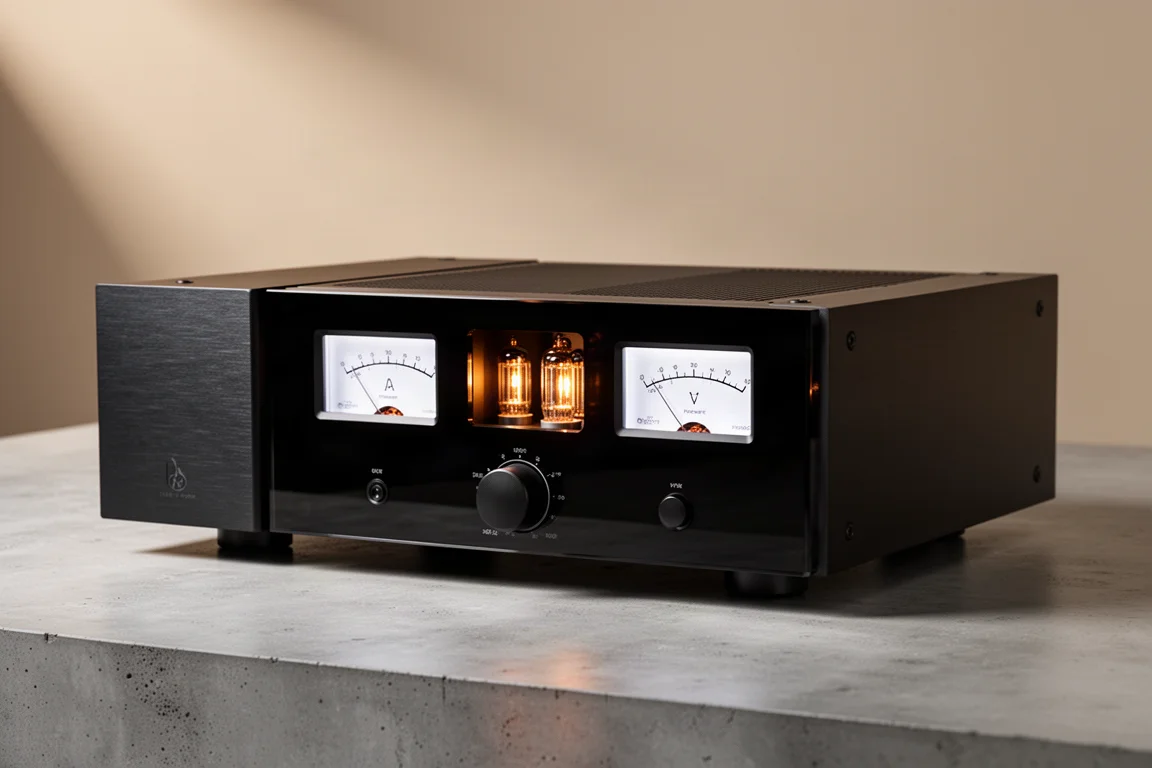
Advance Paris A10 Apex Review: A Hybrid Integrated Amplifier That Covers a Lot of Ground
A French hybrid integrated amplifier with a class A tube preamp stage, analogue power meters, and an internal DAC and phono stage good enough to make extra boxes unnecessary.