Hi-Fi Audio
High-End Preamps and Power Amps Reviewed: Linear Tube Audio MicroZOTL and Ultralinear Plus
A close look at the Linear Tube Audio MicroZOTL preamplifier and Ultralinear Plus power amplifier, with notes on the First Watt F7, Pass Labs XA25, and Pass Labs XP30.
Introduction
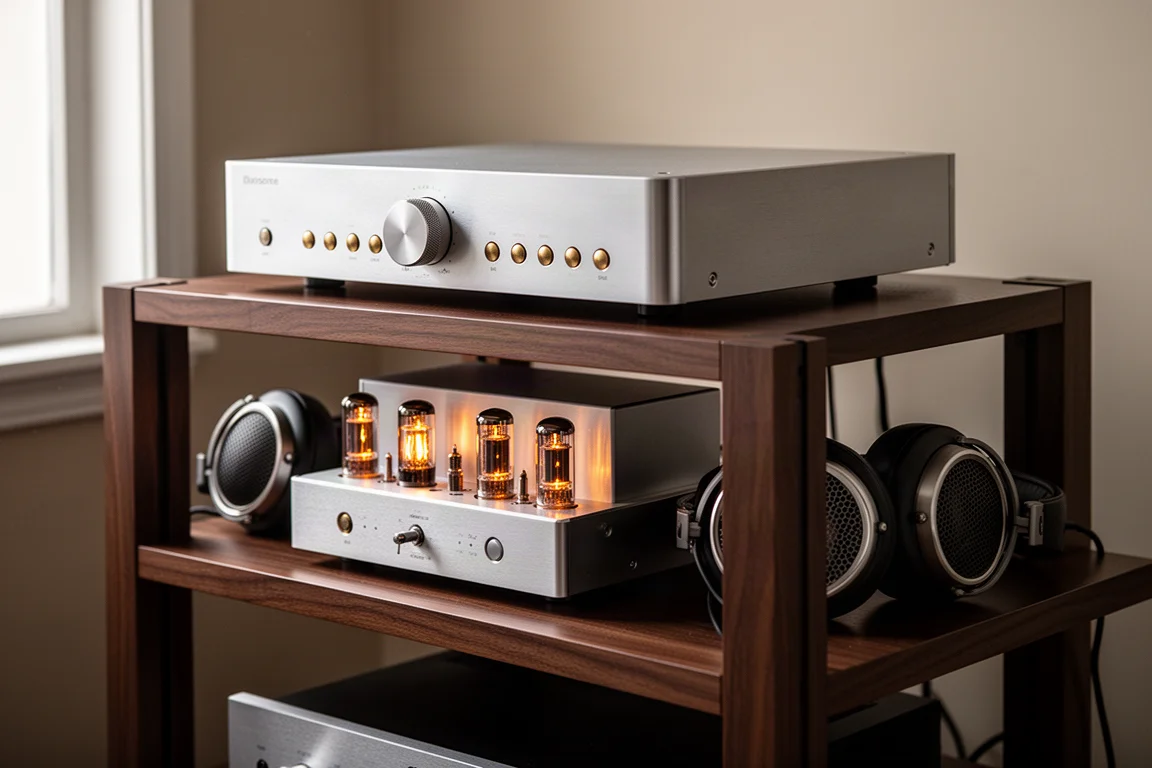
Linear Tube Audio is an American company that designs and builds its products in Maryland, and the two separates considered here sit at the centre of its all-analog range. The MicroZOTL preamplifier is a Class A, no-feedback design with no digital section whatsoever. The Ultralinear Plus power amplifier is a 20 watt per channel Class AB tube amplifier that does without output transformers entirely, an unusual approach in a category where large transformers are the norm.
This article covers both components in detail, then places them alongside three established solid-state references: the First Watt F7, the Pass Labs XA25, and the Pass Labs XP30. Each of those designs has a distinct character, and the differences between them show up clearly in a resolving system.
Linear Tube Audio MicroZOTL Preamplifier
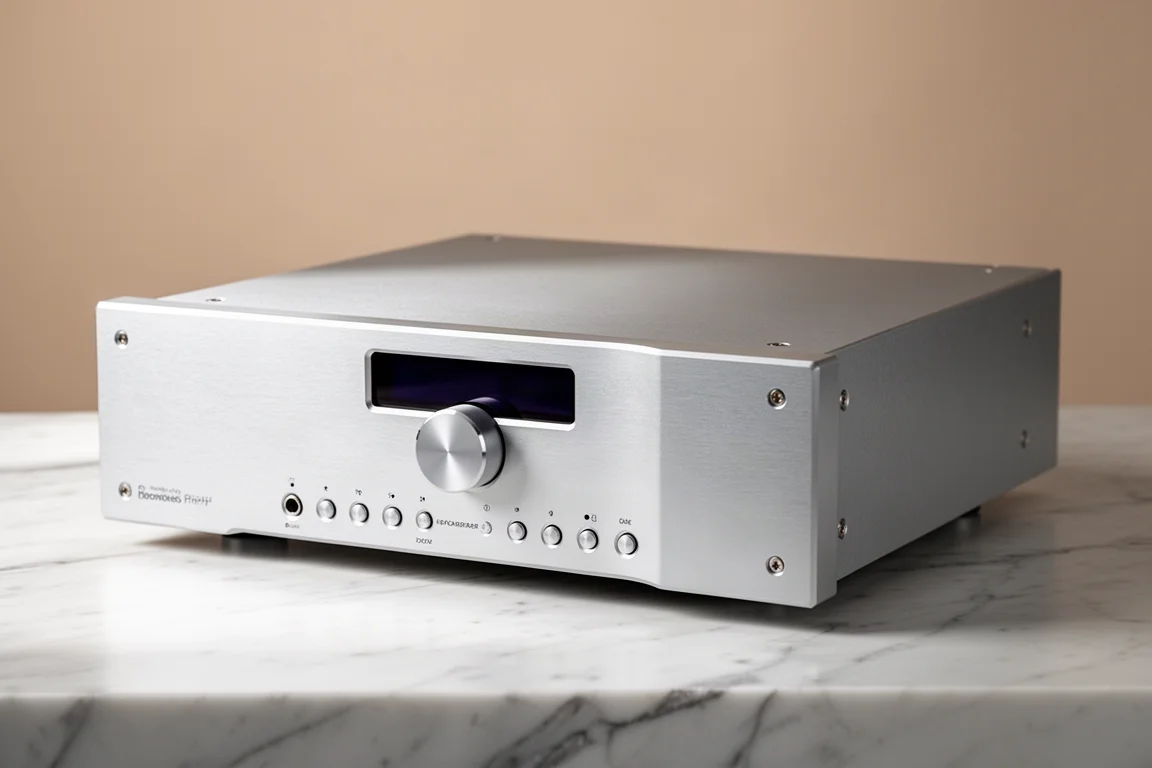
The MicroZOTL is a Class A, no-feedback preamplifier and an entirely analog one. There is no DAC, no USB input, and no digital connectivity of any kind, which makes it a natural fit for listeners who have already settled their sources and want the preamplifier to concentrate on the analog signal path.
Build quality and control feel are a large part of the experience. The buttons are touch sensitive and made of brass, and the volume control is a 100-step stepped attenuator built around Vishay resistors. The action is exceptionally smooth, with a soft click as it moves between steps. Left and right balance adjustment is included, though it lives in the setup menu rather than on a dedicated knob, and it is reached through the supplied all-metal remote.
The back panel carries four sets of RCA line-level inputs, one set of XLR inputs, a tape input with a tape monitor jack, and two preamplifier outputs. One output is intended for a power amplifier, and the second can feed a powered subwoofer or a second amplifier.
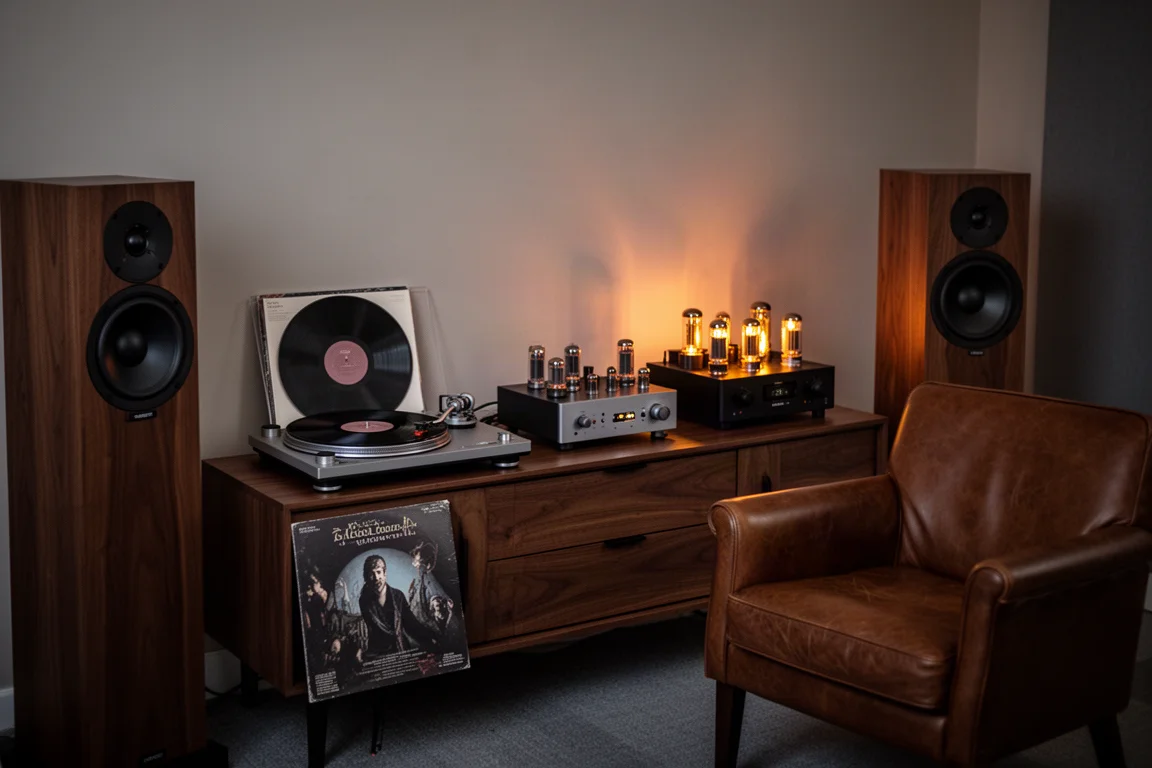
A built-in headphone amplifier is part of the package, and it is a genuine standout rather than an afterthought. It produces a large, spacious presentation with a strong sense of the recording space, and it drives serious headphones with the kind of scale usually associated with a dedicated headphone amplifier.
Ownership details are worth noting. The warranty runs to three years, with one year of coverage on the tubes, which is unusually generous in tube electronics. Linear Tube Audio runs its tubes gently and rates their life at 10,000 to 20,000 hours. Pricing starts at $4,450. The company sells direct worldwide with a small number of brick-and-mortar dealers, and direct purchases include a 14-day return policy. Each preamplifier is built by a single technician, taking between 24 and 32 hours, and is then run in for a full week playing music before a final test.
Linear Tube Audio Ultralinear Plus Power Amplifier
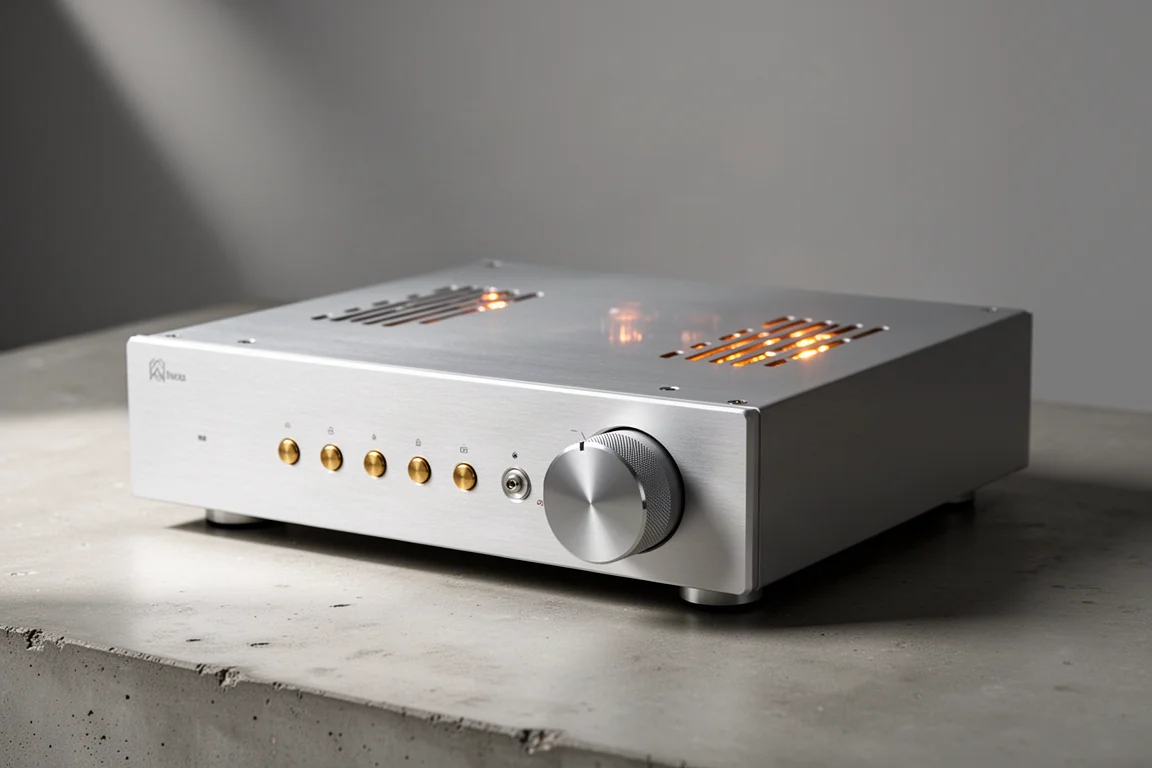
The Ultralinear Plus is a tube power amplifier with no output transformers. The circuit is a zero output transformer design created by David Berning, and it is a 20 watt per channel Class AB push-pull amplifier. Output is rated at 20 watts per channel into 8 ohms and the same 20 watts per channel into 4 ohms, with no separate impedance-specific rating.
Inside, the large power tubes are 17JN6 types originally developed for use in tube televisions, and they are the tube the designer favours for this circuit. The two smaller tubes are a 12AU7 and a 12AX7. There is no large power transformer either, because the amplifier uses an advanced switching power supply. Removing both the output transformers and the power transformer keeps the chassis at just 17 lbs, which makes it far easier to move and position than most tube amplifiers.
Tube life is rated at 10,000 to 20,000 hours, matching the preamplifier. The Ultralinear Plus is priced at $6,800 and sold factory direct, again with a sprinkling of dealers in the United States and internationally. The waiting list typically runs four to six weeks, though it can be essentially zero when the factory has inventory on hand. Each amplifier is built by a single technician over 24 to 32 hours, burned in for a week, and then tested.
First Watt F7
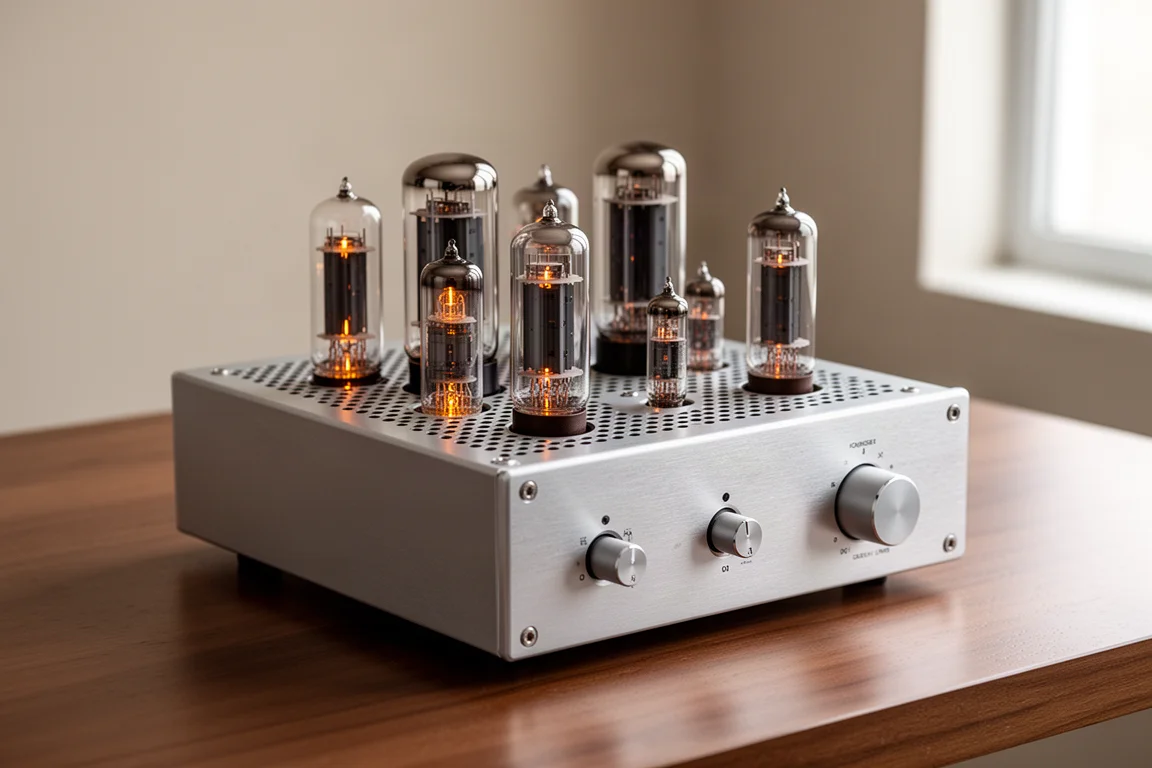
The First Watt F7 is a Class A solid-state amplifier designed by Nelson Pass, and it was compared directly against the Ultralinear Plus with both amplifiers driven by the MicroZOTL. On a recording built around dense string arrangements, the F7 sounded softer, rounder, and warmer, with a lush and juicy character that many listeners associate with tube amplification rather than solid state.
The trade-off appeared in the low end. Bass definition and clarity were clearly better through the Ultralinear Plus, which kept a firmer grip on the large 15 inch woofers in the system. That outcome runs against the usual assumption that a solid-state amplifier will always control a big woofer better than a transformerless tube design.
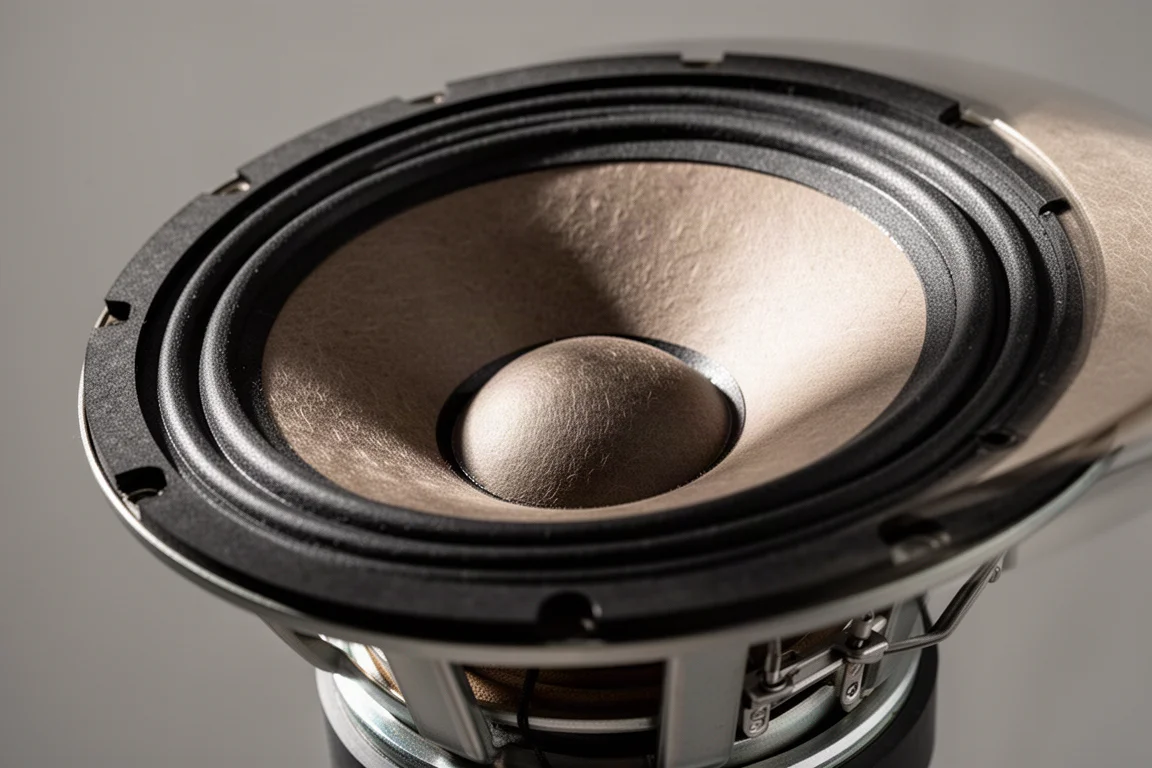
The F7 remains a compelling amplifier for listeners who prize a relaxed, rounded presentation and a forgiving tonal balance. It is simply not the choice for anyone who wants maximum grip, definition, and separation in the bass region.
Pass Labs XA25
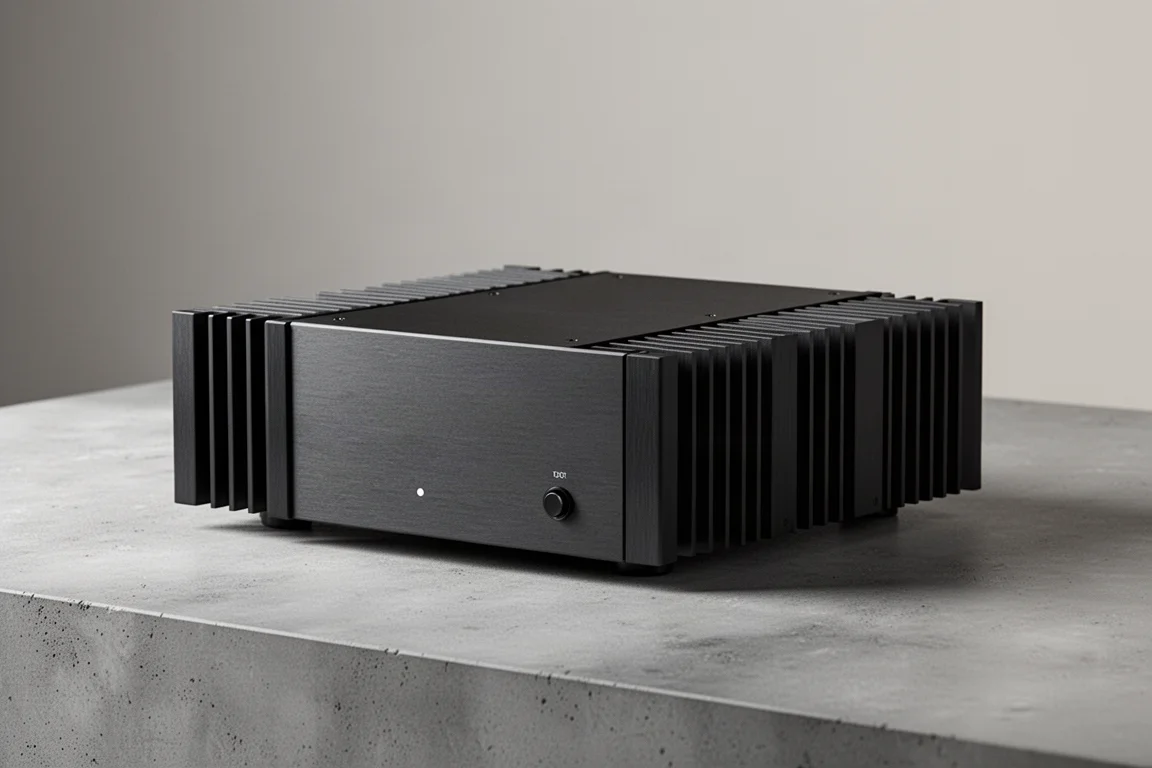
The Pass Labs XA25 is a Class A solid-state amplifier that has served as a long-term reference in this system for at least five years, and it stays a benchmark for controlled, powerful delivery. On a vocal-driven recording, the XA25 was the more dynamically punchy and powerful sounding of the two amplifiers.
Imaging separated them further. The XA25 produced a smaller, more sharply focused image, while the Ultralinear Plus spread the performance across a wider and more three dimensional stage. On the emotional weight of the performance, the Ultralinear Plus had the edge, while the XA25 held its own on sheer dynamic impact and forward drive.
Pass Labs XP30
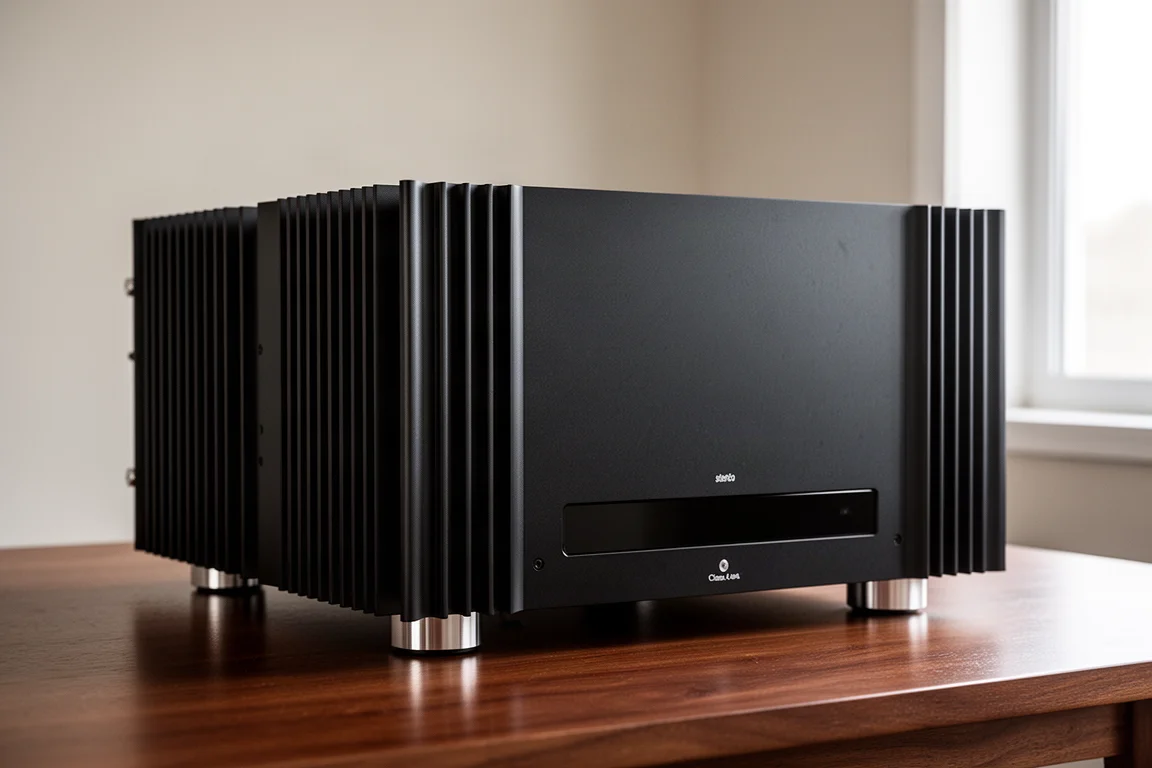
The Pass Labs XP30 is a neutral, very clear, and well-ordered preamplifier with superior transient detail and a sharper sense of edge definition. It delivers everything listeners typically ask of a high-end solid-state preamplifier, and it does so without adding colour or blur to the signal.
Against the MicroZOTL, the difference is one of temperament rather than resolution. Both are highly capable, but long listening sessions through the MicroZOTL felt consistently more relaxed and more enjoyable. Over a year of listening, the MicroZOTL gradually took over the reference role in the system, which is not the outcome most listeners would predict when a tube preamplifier meets a solid-state reference.

For anyone who prioritises transient precision, order, and an uncoloured presentation, the XP30 remains an excellent choice in its class.
Living With the Linear Tube Audio Pair
The top end of the MicroZOTL and Ultralinear Plus combination is clear without ever being forward. It does not push sparkle or detail at the listener, and it is equally far from sounding dull or soft. That balance is a large part of why the pair holds up over long sessions rather than calling attention to itself.
Because the preamplifier has no digital inputs, a system built around it needs a separate DAC or streamer. That is a deliberate trade-off rather than an oversight. The MicroZOTL puts its budget into the analog signal path, the 100-step stepped attenuator, and the built-in headphone stage instead of a digital section that many owners would never use.
Both components are hand-built, one technician per unit, with 24 to 32 hours of labour, a week of burn-in, and a final test before shipping. Tube life is rated at 10,000 to 20,000 hours in both units, well beyond what most tube electronics offer, and the three-year warranty with one year of tube coverage reflects that confidence.
Buying Advice
At $4,450, the MicroZOTL preamplifier belongs at the top of the list for anyone shopping in that range. It is an all-analog Class A design with an unusually good volume control, a genuinely excellent built-in headphone stage, and build quality that feels a class above its price.
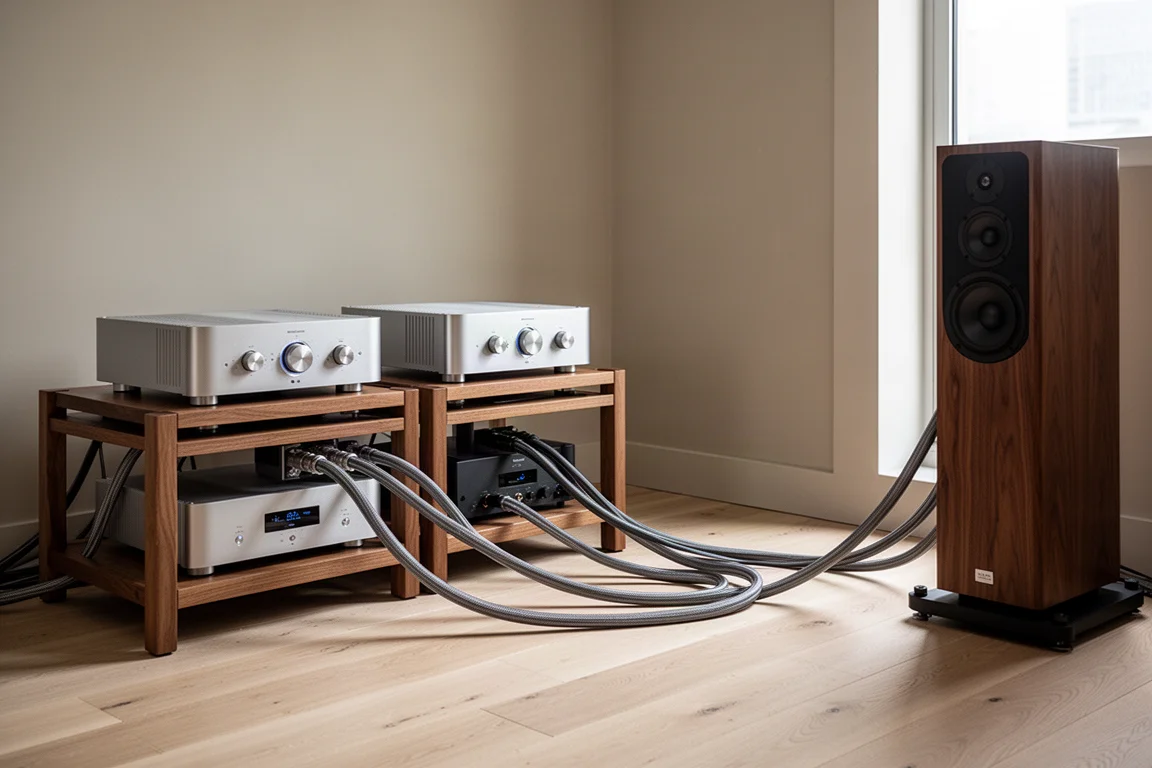
The Ultralinear Plus is a harder recommendation because 20 watts per channel will not suit every speaker or every listening habit. With less sensitive speakers, or in a system where music is regularly played at very high levels, the amplifier can run out of headroom. It rewards careful matching far more than a higher-powered solid-state design would.
Listeners who want the Linear Tube Audio sound without the two-box approach should consider the ZOTL40 Plus integrated amplifier at $7,650. It covers much of what the separates do in a single chassis and costs substantially less than the pair together. For those who do want the flexibility of separates, both units are sold factory direct with a small number of dealers, and the typical wait is four to six weeks.
Conclusion
The MicroZOTL is the clearer recommendation of the two. It is an all-analog Class A preamplifier with a first-class volume control, a headphone stage that can stand in for a dedicated amplifier, and a relaxed, musical character that makes long listening sessions easy. The Ultralinear Plus is just as impressive in its own way, with outstanding bass grip for a transformerless tube design, but its 20 watts per channel mean speaker matching matters more than usual.
Together they make a coherent, hand-built system with generous tube life and a three-year warranty. Buyers who want that character with fewer boxes and a lower total outlay should look closely at the ZOTL40 Plus integrated amplifier before committing to separates.
Further reading
Related Reviews
Hi-Fi Audio
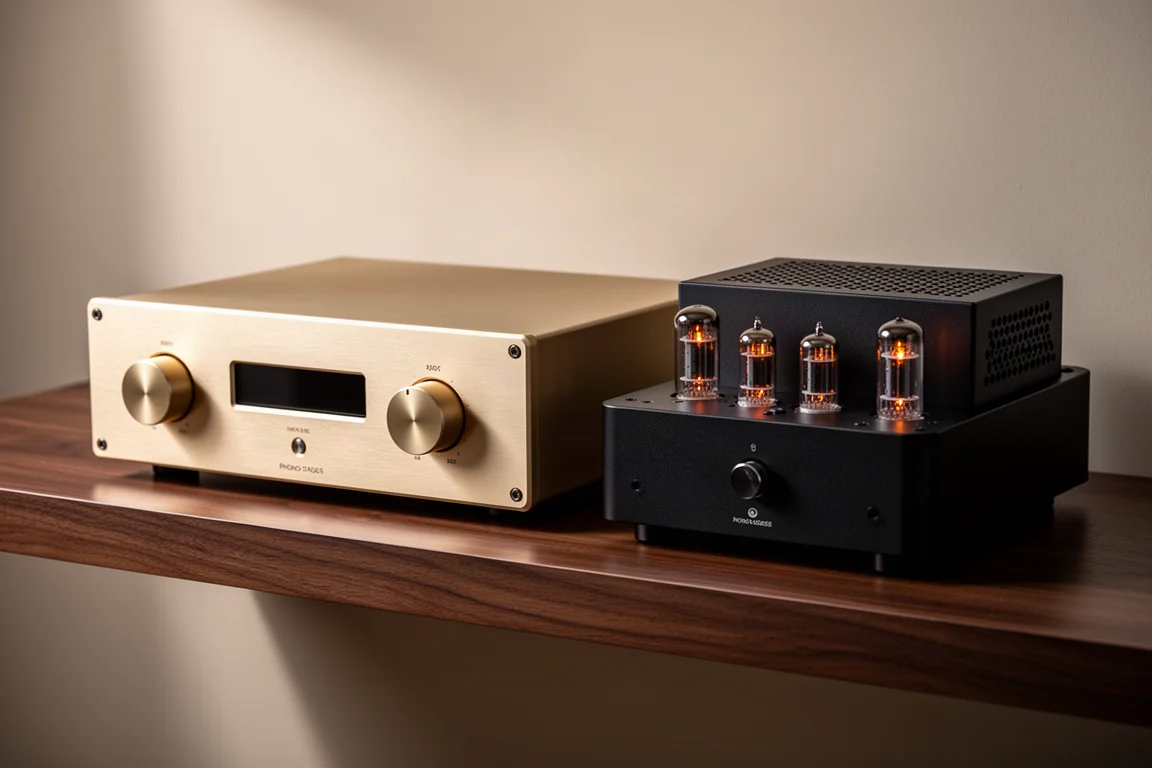
Accuphase C-57 vs Allnic H-7000V: Two High-End Phono Stages Compared
A fully balanced solid-state phono stage with a pitch-black noise floor meets a tube design built for well-loved records. Here is how to choose between them.
Hi-Fi Audio
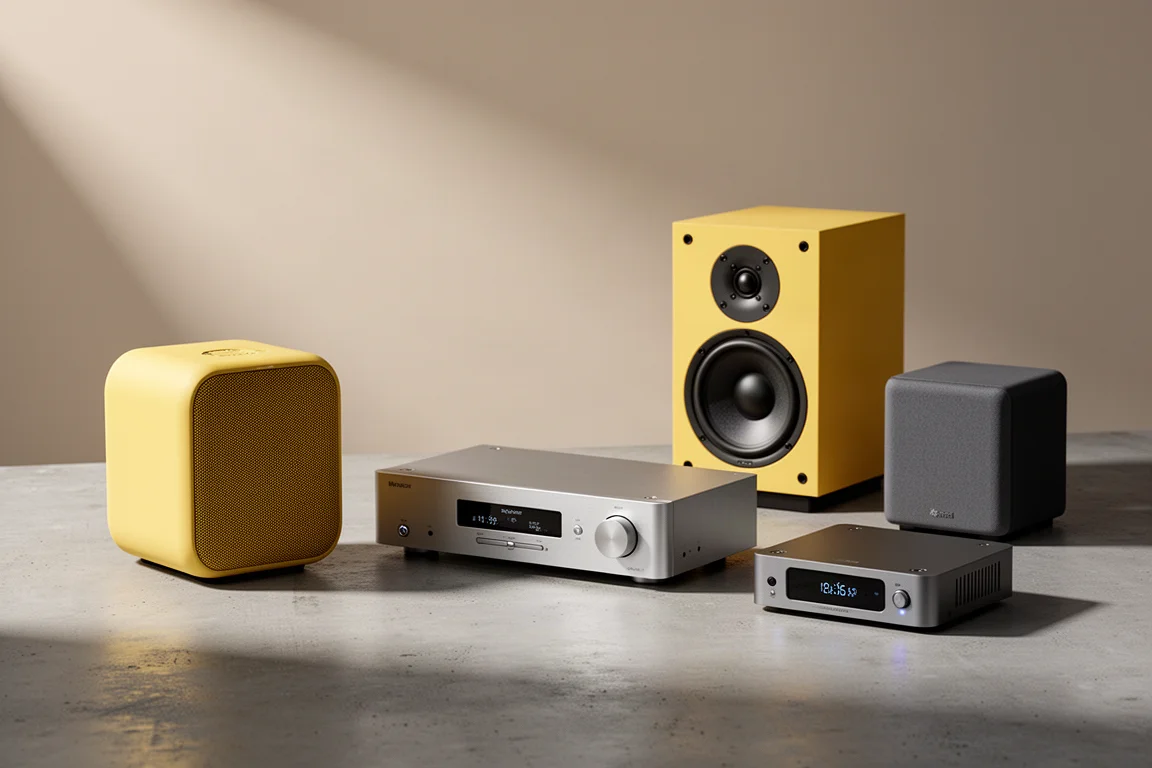
Active vs Passive Hi-Fi: Five Components for a Modern System
Five components that define modern active and passive hi-fi systems, with the strengths, trade-offs and setup details worth weighing before you buy.
Hi-Fi Audio
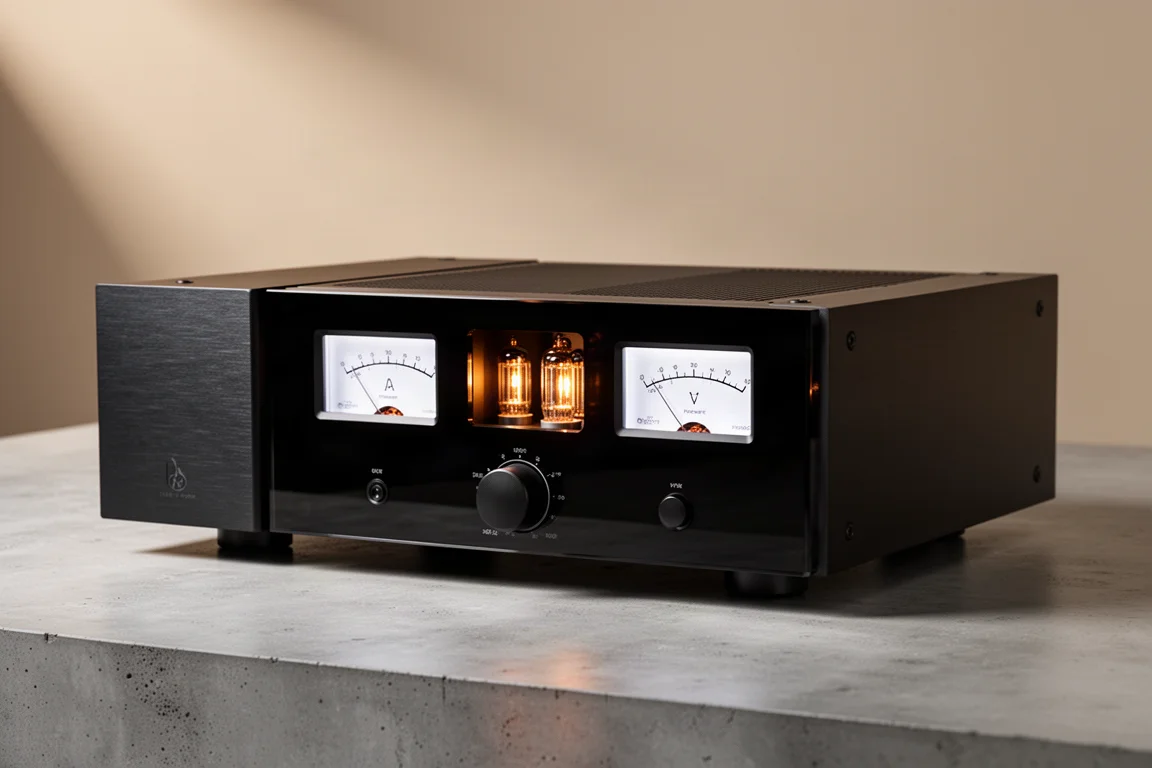
Advance Paris A10 Apex Review: A Hybrid Integrated Amplifier That Covers a Lot of Ground
A French hybrid integrated amplifier with a class A tube preamp stage, analogue power meters, and an internal DAC and phono stage good enough to make extra boxes unnecessary.