Hi-Fi Amplifiers
High-End Integrated Amplifiers Compared: Musical Fidelity Nu-Vista 800.2 and Four Rivals
A close look at the Musical Fidelity Nu-Vista 800.2 alongside the Marantz Model 10, Rotel Michi X3 Series 2, Marantz Stereo 70S, and Naim Uniti Atom.
Introduction
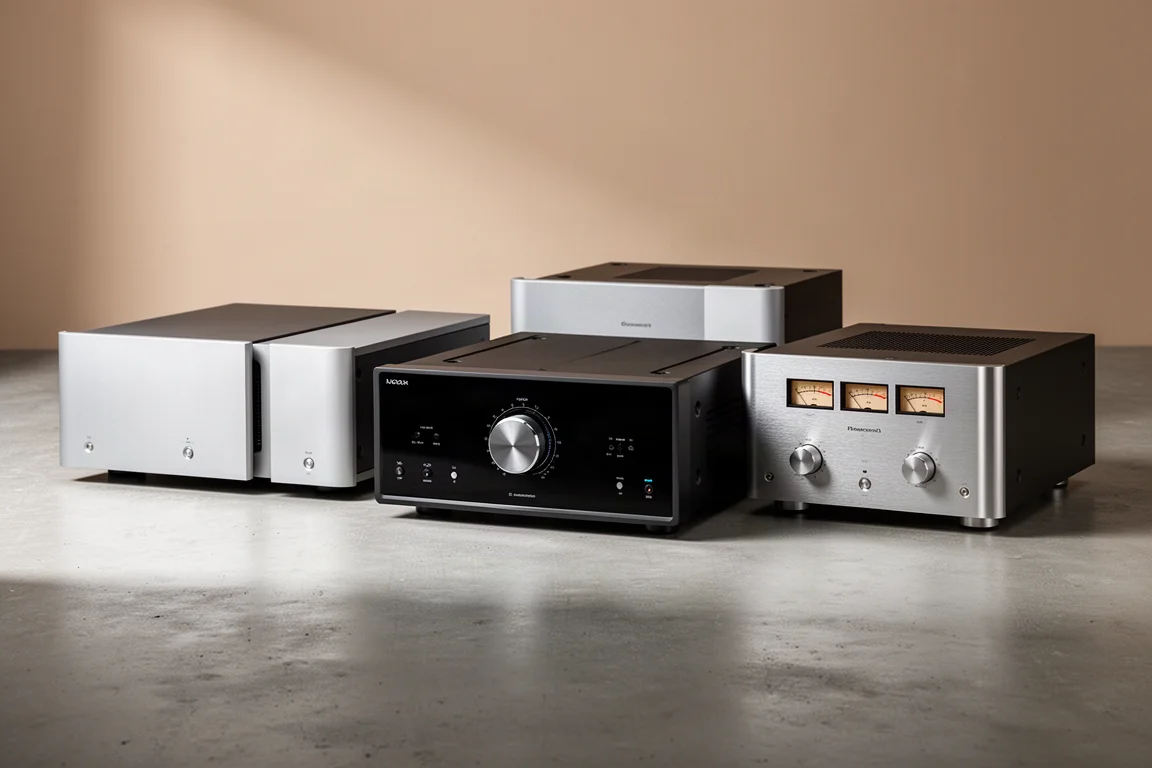
The Musical Fidelity Nu-Vista 800.2 arrives with some very large numbers attached. It delivers 330 W per channel into 8 ohms, 500 W into 4 ohms, and 1,000 W of peak power into 2 ohms. It also weighs 41 kg and measures 51 cm deep, which makes it a two-person lift and a poor match for anything but a genuinely sturdy rack or a very large sideboard.
Price is the other big number. Musical Fidelity asks around 12,000 euros in Europe and 14,000 US dollars in the USA. That sits a couple of thousand below the Marantz Model 10 at roughly 14,500 euros in Europe, and a long way above the Rotel Michi X3 Series 2 at 7,000 euros. Further down the ladder, the Marantz Stereo 70S sells for around 1,000 euros, and the Naim Uniti Atom takes a noticeably different approach to design.
No amplifier at this level exists in a vacuum. Anyone considering a purchase will want to know what the same money buys elsewhere, so this guide looks at the Nu-Vista 800.2 alongside the four integrated amplifiers it invites comparison with.
How These Amplifiers Compare
It is worth stating plainly that differences between amplifiers are nowhere near as pronounced as differences between loudspeakers, or between an untreated room and a treated one. That said, the differences between these five are present and real, and they show up in consistent ways once you listen for them.
Power and current delivery set the ceiling on what a given room and speaker pairing can do. Input flexibility determines how much of the rest of the system the amplifier can absorb, and whether a separate phono stage or DAC is required. Tonality, staging, and build quality then decide how the amplifier behaves across a long listening session rather than a short audition.
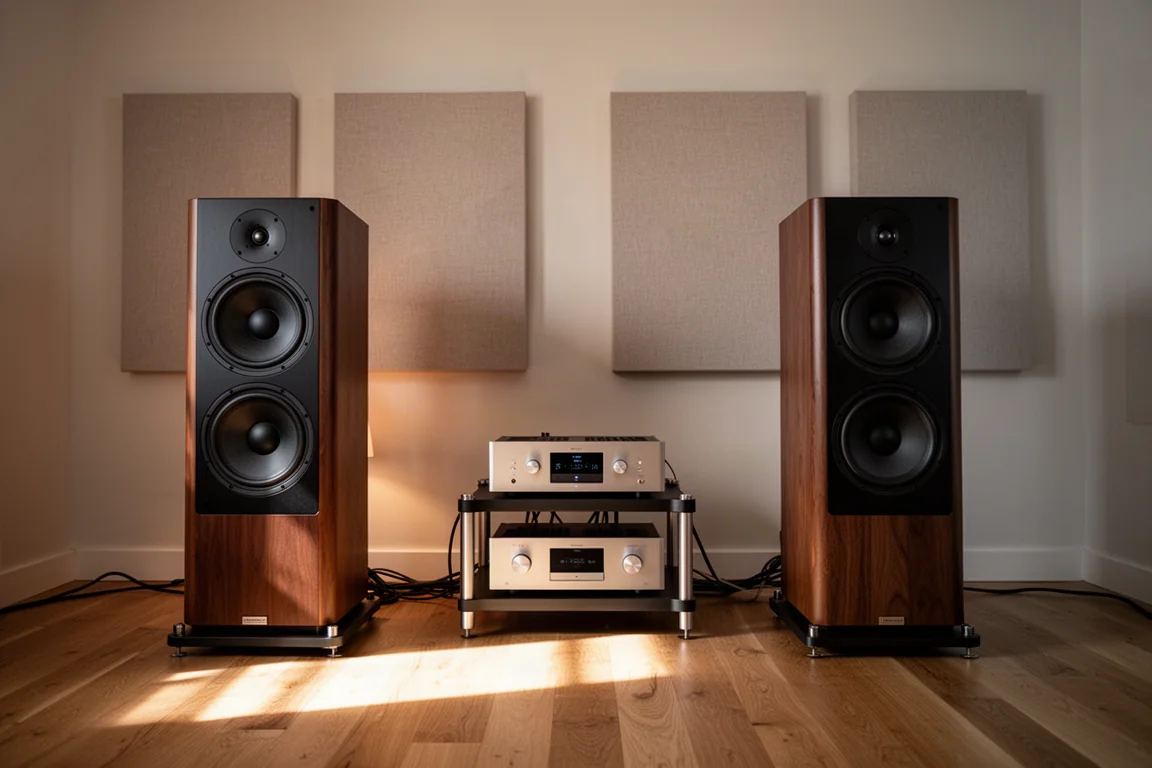
On paper the ladder looks straightforward. The Marantz Model 10 asks the most, the Nu-Vista 800.2 sits just below it, the Rotel Michi X3 Series 2 costs roughly half as much, and the Marantz Stereo 70S costs a tenth of the flagship. What the money buys is not simply more watts, and that is where the comparison becomes interesting.
Musical Fidelity Nu-Vista 800.2: Nuvistor Inputs and Class AB Power
The amplifier takes its name from the four miniature 7586 nuvistor tubes in its input stage. RCA introduced the nuvistor in 1959, and it is a metal and ceramic triode that is smaller and tougher than a conventional glass tube, and less prone to microphonics. On power-up the LEDs around the nuvistors glow red for about 12 seconds while the output stage stays muted. They then shift to amber as the amplifier unmutes, and settle on blue after 15 to 20 minutes once thermal equilibrium is reached.
Connectivity is deliberately focused. There is one balanced XLR input and four sets of single-ended RCA inputs, all line level, one of which switches into home theater bypass. Outputs run to fixed and variable RCAs, so the amplifier can feed a subwoofer or a power amplifier. There is no DAC, no phono stage, and no headphone output, so a headphone amplifier would connect through the line-level RCA output. Eight loudspeaker terminals are provided, four per channel, but they are internally linked, and the second set exists for bi-wiring.
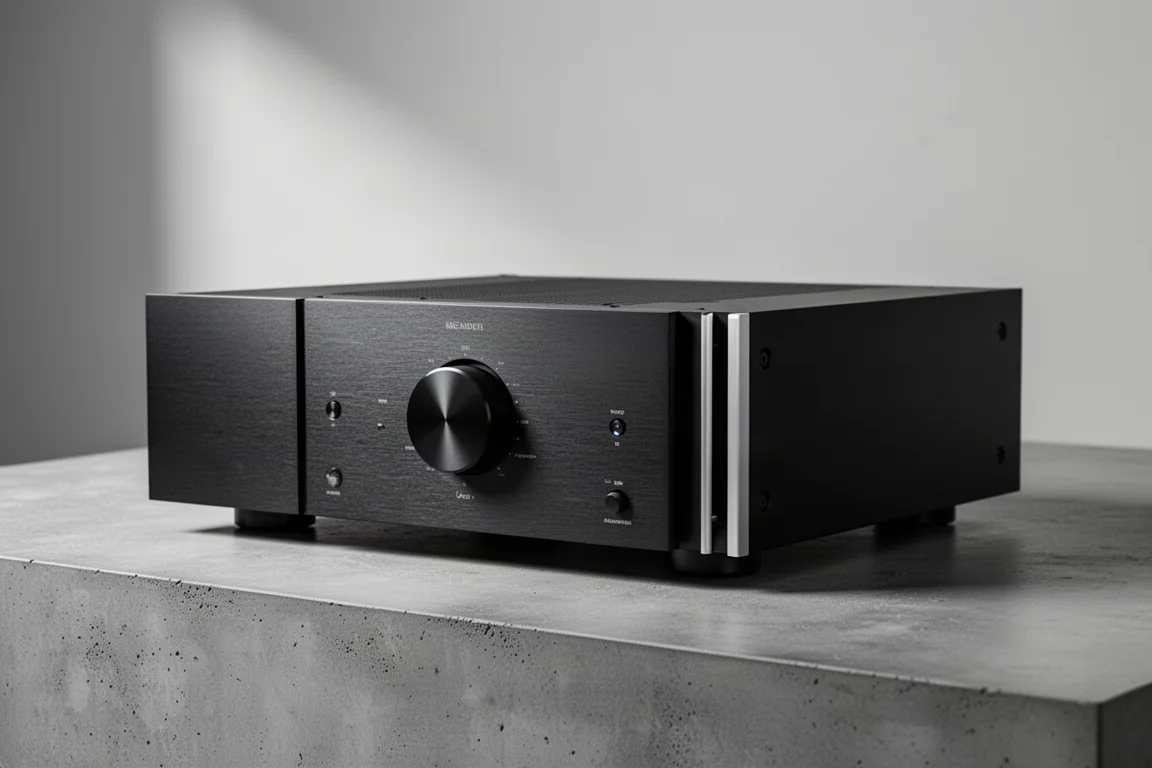
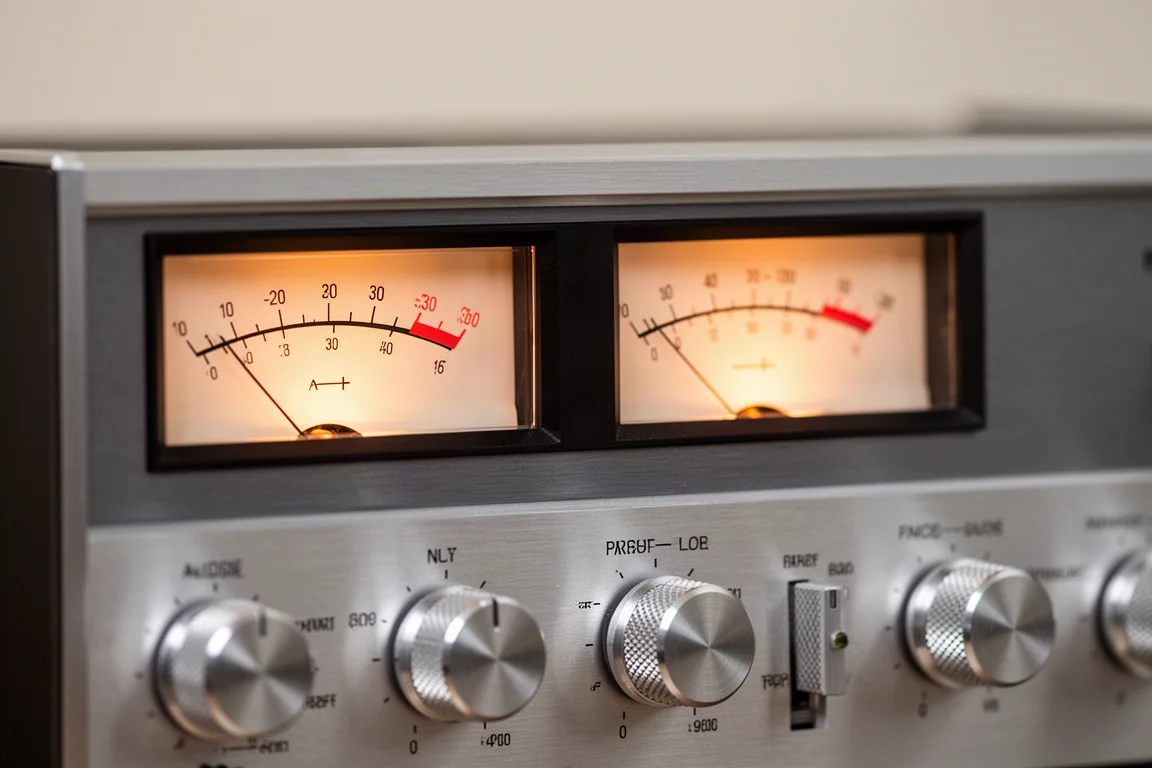
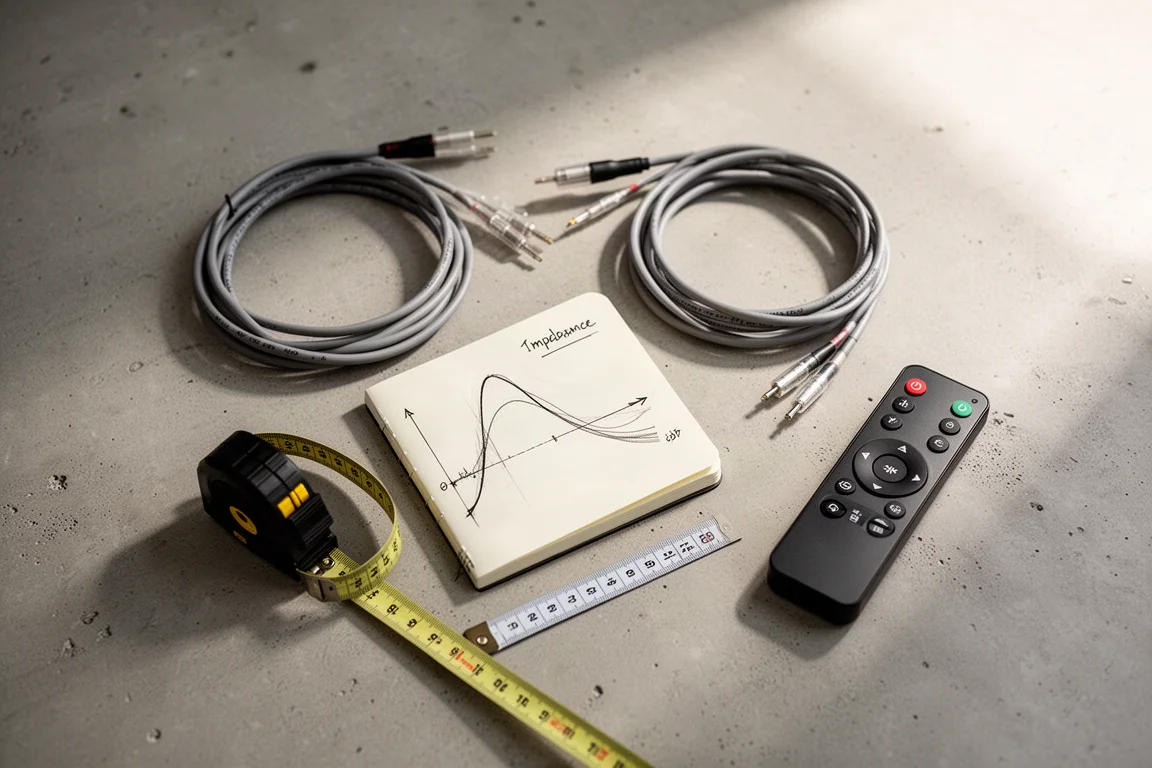
The chassis is built from extruded aluminium profiles with a machined front fascia almost 3 cm thick, and Musical Fidelity says the resulting structure works as a Faraday cage to keep electromagnetic interference away from the internal circuits. What is most obvious in use is rigidity: nothing flexes, rattles, or gives when pressed, and the volume and source rotaries turn without a hint of wiggle or play. The front display panel is customizable and can run in light or dark mode, and it offers optional VU meters. They are virtual rather than mechanical, but they look gorgeous. The infrared remote is built to the same standard as the amplifier itself, weighs around 350 g, and is solid with no flex anywhere, though its button layout takes some memorising.
Inside, the toroidal transformers are extremely large, reportedly so they can run at lower standing flux and better resist mechanical hum and mains DC offset. Decoupled dual mono power supplies place a capacitor beside each output transistor, shortening the path to where current is drawn. The output stage runs five pairs of Sanken bipolar transistors per channel, which underpins Musical Fidelity’s claim that the amplifier can drive pretty much any speaker.
Sonically, the Nu-Vista 800.2 leads with smoothness, and the top end never hardens. On Robbie Robertson’s self-titled solo debut, the reverb-drenched drums that open the record land with weight and presence, so smoothness here is not a code word for soft or polite. King Crimson’s Discipline demonstrates scale: sound staging and the sheer palpability of the music sit on a different level from less expensive integrated amplifiers, and layered electronic percussion on Forest Drive West’s Circuit EP stays separated and holds its dynamic contrasts even at higher volumes.
The bottom end is where the amplifier pulls furthest ahead. Complex bass passages sound full, weighty, and physically impactful, and they never take on the slightly over-damped, dry quality that some designs bring to them. The presentation is richer and heavier than the Marantz Model 10’s, with enough warmth to round the sharper edges of The Mountain Goats’ indie folk on Days. It is also forgiving of lesser recordings, which makes lighter work of the super deluxe edition of Prince’s Purple Rain and its 80s upper treble sheen and occasional dryness. Eric B and Rakim’s Paid in Full Cold Cut Remix arrives with more heft, more swagger, and a more intense drum machine wallop than the Rotel Michi can muster.
Marantz Model 10: Purifi Class D Modules and Pristine Clarity
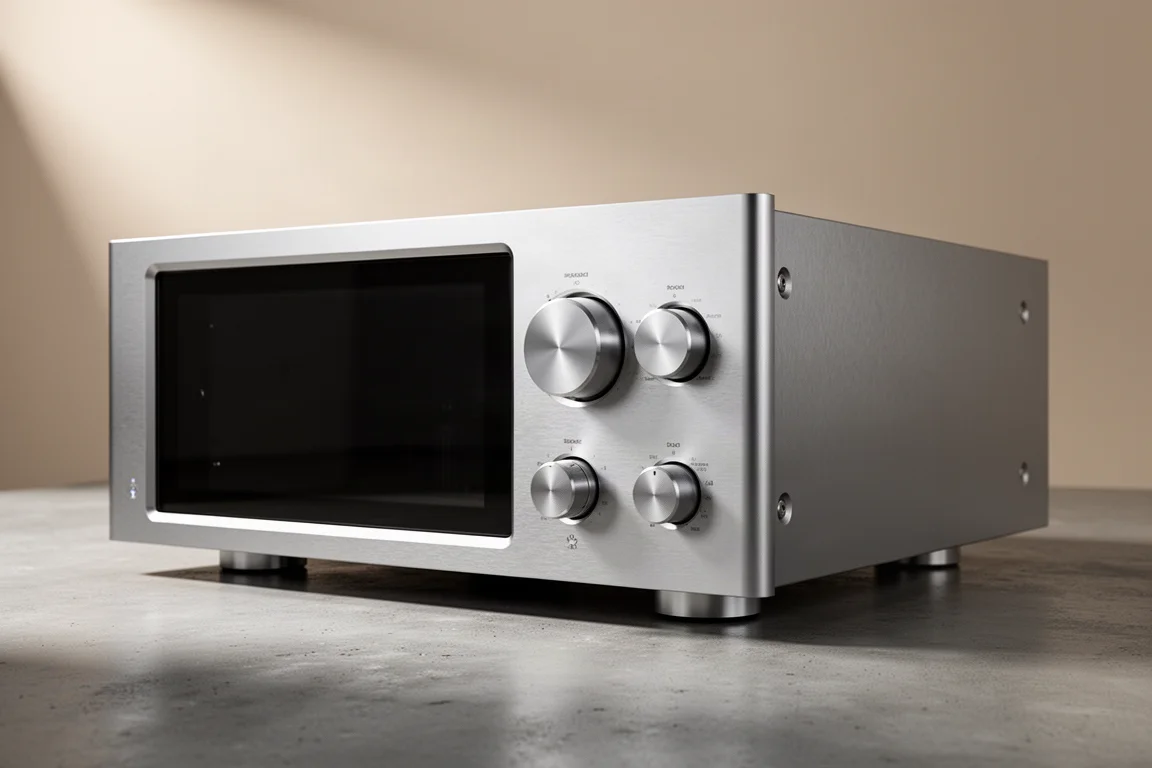
On paper the Model 10 looks like more amplifier for the money it asks. Its Class D modules were co-developed with Purifi, and Marantz’s HDAMs are used throughout. The extra outlay over the Nu-Vista brings a headphone socket, two balanced inputs, and both MM and MC phono stages, none of which the Musical Fidelity offers. It is also the more opulent-looking object, with a mesh top grille that lets internal illumination shine outwards and a champagne finish that begs to be looked at.
Its brief is transparency and pristine clarity. The Model 10 produces an expansive, hyperfocused soundstage with a great deal of air around performers, lightning-fast transients, and small details emerging from a deeply illuminated background. Acoustic guitars sparkle and shimmer in a way they do not through the Naim Uniti Atom, and voices carry slightly more emphasis on the throat, placing them higher than the chest-forward weighting of the Musical Fidelity.

That clarity is a genuine asset for listeners who want to hear exactly what upstream hardware and recordings are doing. It also reports recording quality differences more plainly than the Nu-Vista, which becomes wearing over time with the wrong music or the wrong DAC. Complex bass passages can take on a slightly over-damped, dry quality, and the Model 10 is less generous than the Musical Fidelity with the sharper edges of indie folk.
Rotel Michi X3 Series 2: The Closest Rival
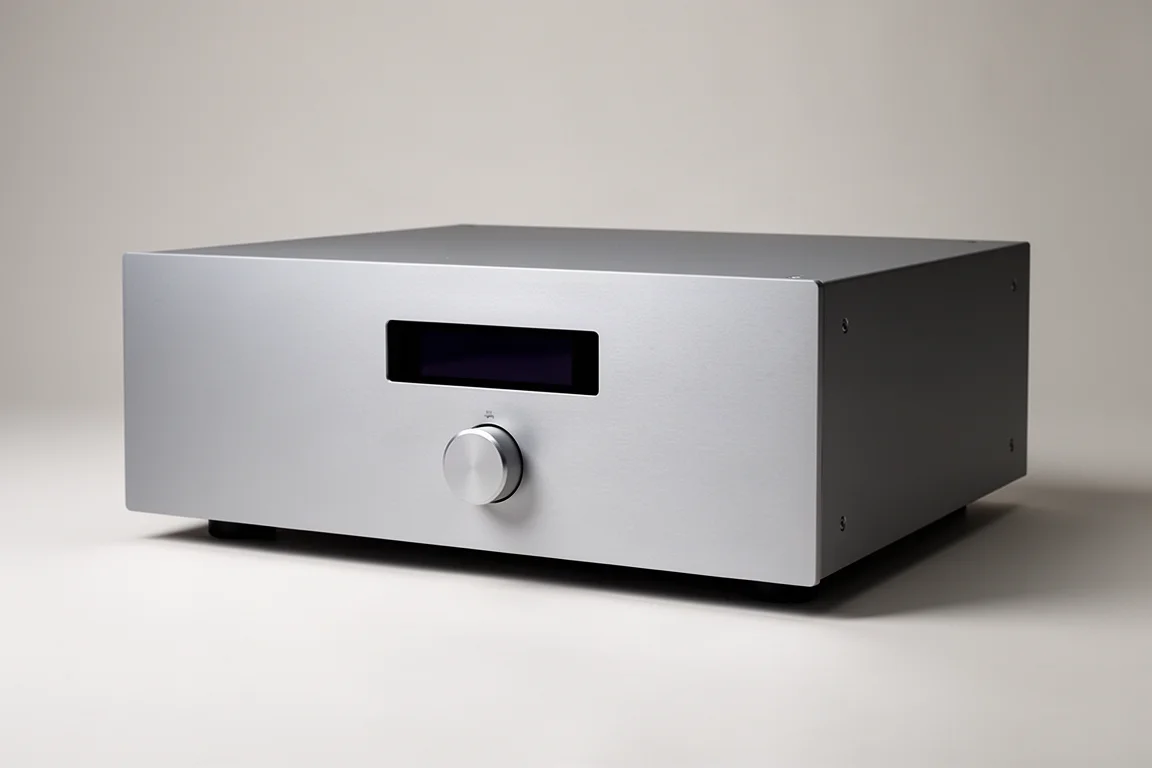
The Rotel Michi X3 Series 2 is the amplifier that sounds most like the Nu-Vista 800.2. Both are Class AB designs, and the family resemblance is real: each is forgiving of lesser recordings by enough, but not too much. At 7,000 euros, the Rotel costs well under half as much as the Musical Fidelity.
Where the Nu-Vista pulls ahead is drama and scale. Macrodynamics are more abundant, and the drum machine wallop on Eric B and Rakim’s Paid in Full Cold Cut Remix is more intense. Build quality also favours the Musical Fidelity, although the Rotel is not shoddily built. In this comparison you get what you pay for, and the Rotel remains a strong alternative for listeners who want the Class AB character at a lower outlay.
Marantz Stereo 70S: A Reference Point at Around 1,000 Euros
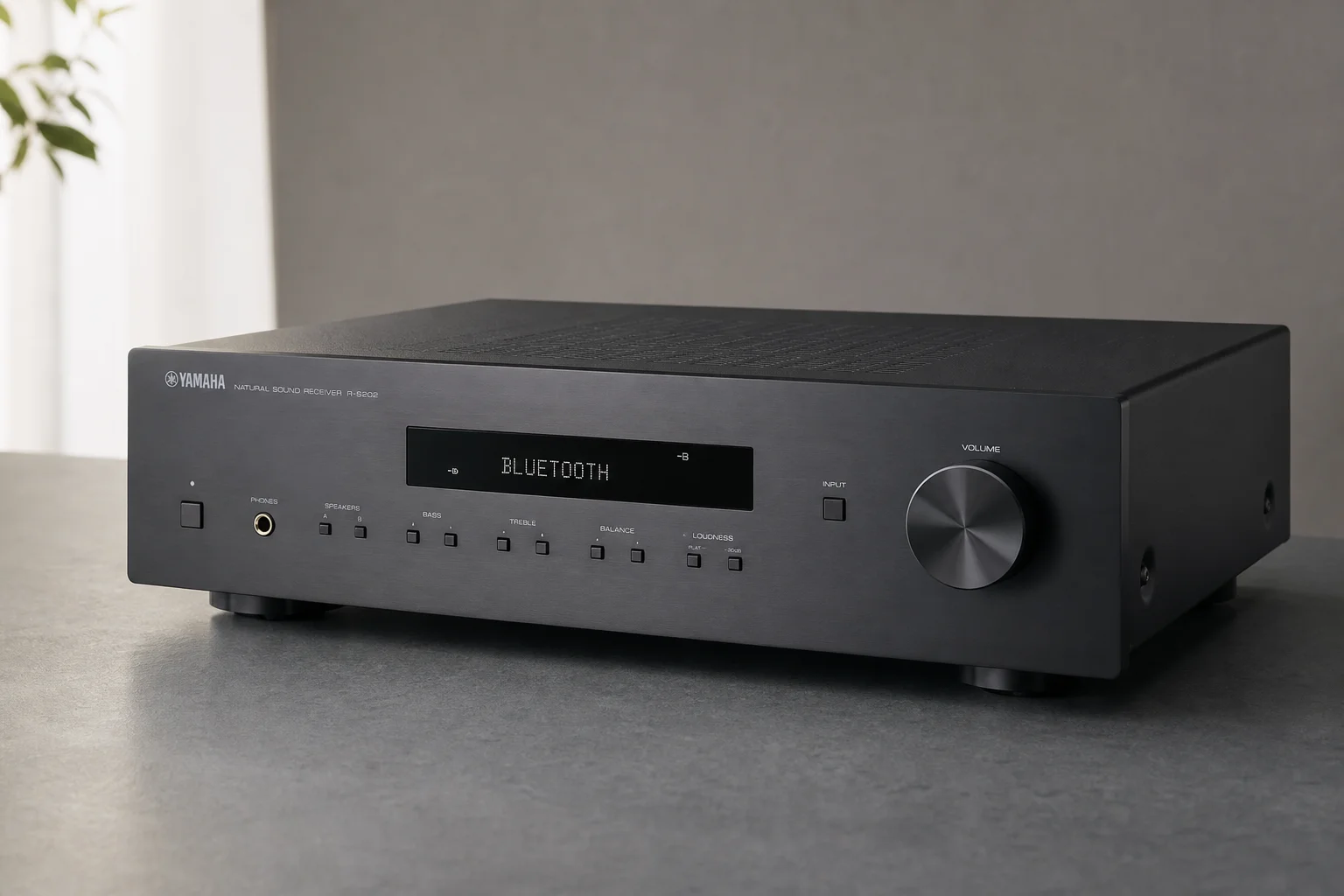
At around 1,000 euros, the Marantz Stereo 70S is one of the most appealing integrated amplifiers at its price. It is a useful reference point precisely because it is so good for the money, and it makes the case for spending more easier to evaluate honestly.
Anyone who believes the Stereo 70S, or anything like it, can deliver 90 percent of the Nu-Vista’s audible performance for a tenth of the money is engaging in some heavy wishful thinking. The Musical Fidelity dwarfs the little Marantz on resolution, macrodynamics, and layer separation.
The gap is clearest with electronic music. On Forest Drive West’s Circuit EP, the layered percussion holds its separation and its dynamic contrasts at higher volumes through the Nu-Vista, where the Stereo 70S folds everything into a flat, single plane. For a first serious stereo system, that trade-off may be perfectly acceptable; for anyone chasing the last measure of separation, it is the reason to keep saving.
Naim Uniti Atom: Industrial Design, Different Priorities
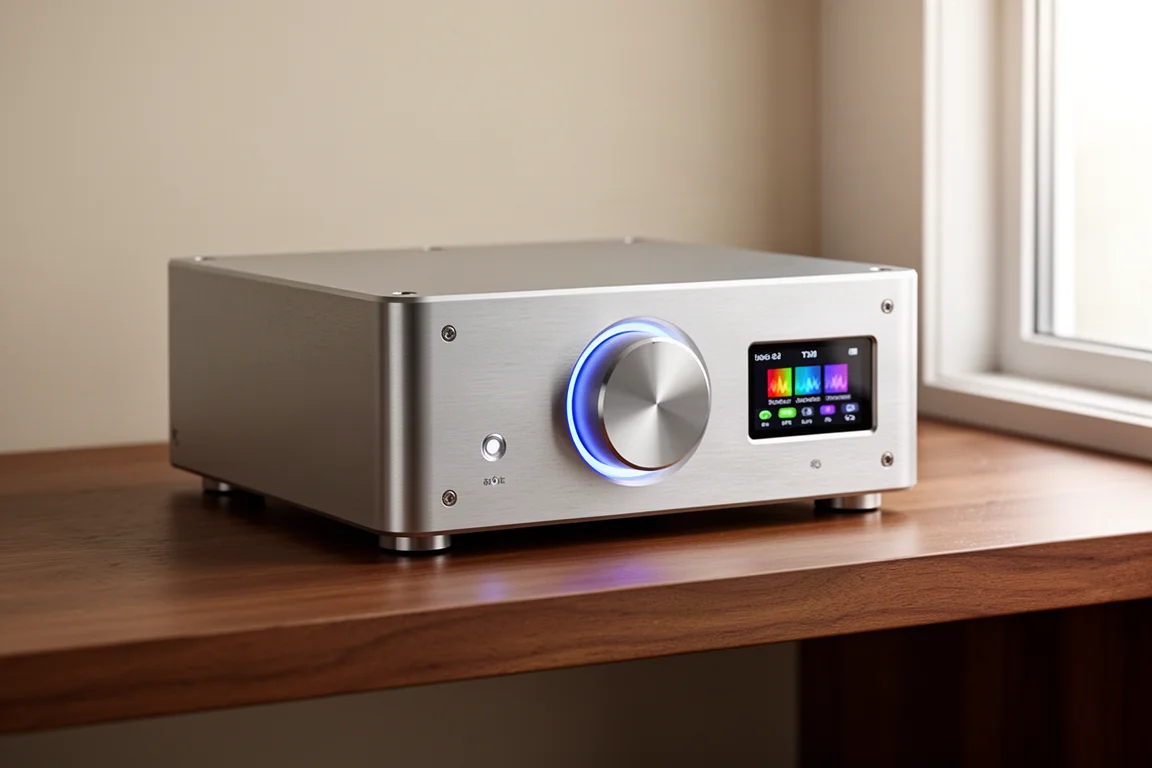
The Naim Uniti Atom takes a different view of what an amplifier should look like in a living room. Its build is more industrial in look and feel than the Marantz Model 10’s opulent presentation. Neither feels underbuilt for the money; they simply disagree about the aesthetic.
That difference carries into the sound as well. Acoustic guitars sparkle and shimmer through the Marantz in ways they do not through the Naim, which makes the Uniti Atom the more characterful and less forensic choice of the two.
Buying Advice
The Nu-Vista 800.2 suits a specific listener: someone already settled on a digital or vinyl front end who wants an amplifier that sounds like it has nothing left to prove, and who has the loudspeakers and the room to handle what it can deliver. In exchange for giving up a small amount of the Marantz’s insight into upstream equipment and recordings, you get body, weight, and an amplifier that makes a long afternoon of listening enjoyable before it is instructive.
If transparency is the priority and you want a headphone output and phono stages built in, the Marantz Model 10 is the more flexible and more revealing option. If you want the forgiving Class AB character for less, the Rotel Michi X3 Series 2 is the closest match to the Nu-Vista’s personality. If the budget sits closer to 1,000 euros, the Marantz Stereo 70S remains an excellent amplifier at its price, and the Naim Uniti Atom offers a distinctly industrial alternative.
One practical note before committing: at 41 kg, the Nu-Vista 800.2 will not be moved on a whim or alone. Plan the rack, the shelf, and the front clearance before it arrives, because 51 cm of depth needs more than a slim sideboard.
Conclusion
The Musical Fidelity Nu-Vista 800.2 earns its flagship position through power, build, and a smooth, weighty presentation that never hardens at the top and never runs dry at the bottom. It is not the most flexible amplifier here, and it is not the most revealing, but it is the one built to make long listening sessions pleasurable rather than instructive.
The Marantz Model 10 remains the choice for listeners who want maximum insight along with the convenience of a headphone socket and phono stages. The Rotel Michi X3 Series 2 delivers much of the Musical Fidelity’s forgiving character for roughly half the money. The Marantz Stereo 70S shows how much is available at around 1,000 euros, and the Naim Uniti Atom offers a more industrial take on the same living-room role. Match the amplifier to your room, your speakers, and the way you actually listen, and any of the five can be the right answer.
Further reading
Related Reviews
Hi-Fi Amplifiers
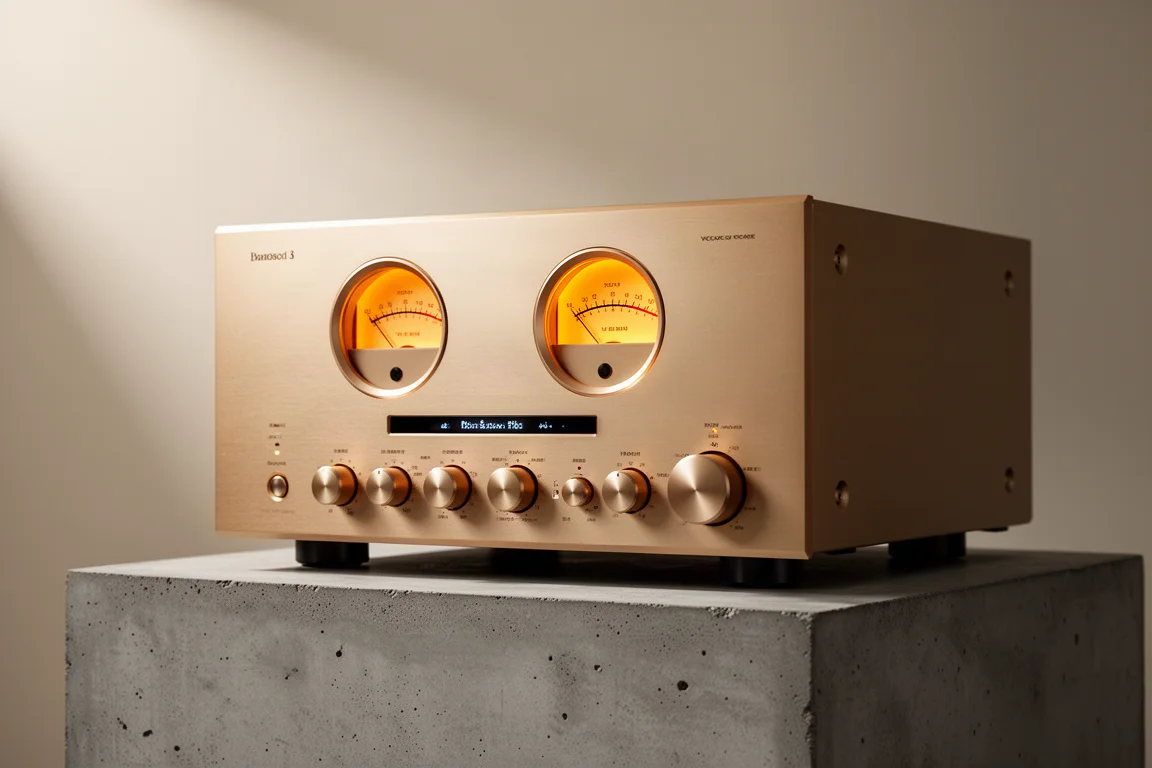
Accuphase E-280 Review: Entry-Level Accuphase With Flagship Attention to Detail
A close look at the Accuphase E-280 integrated amplifier, covering its champagne build, AAVA volume control, sound quality, and the speakers and sources that suit it best.
Hi-Fi Amplifiers
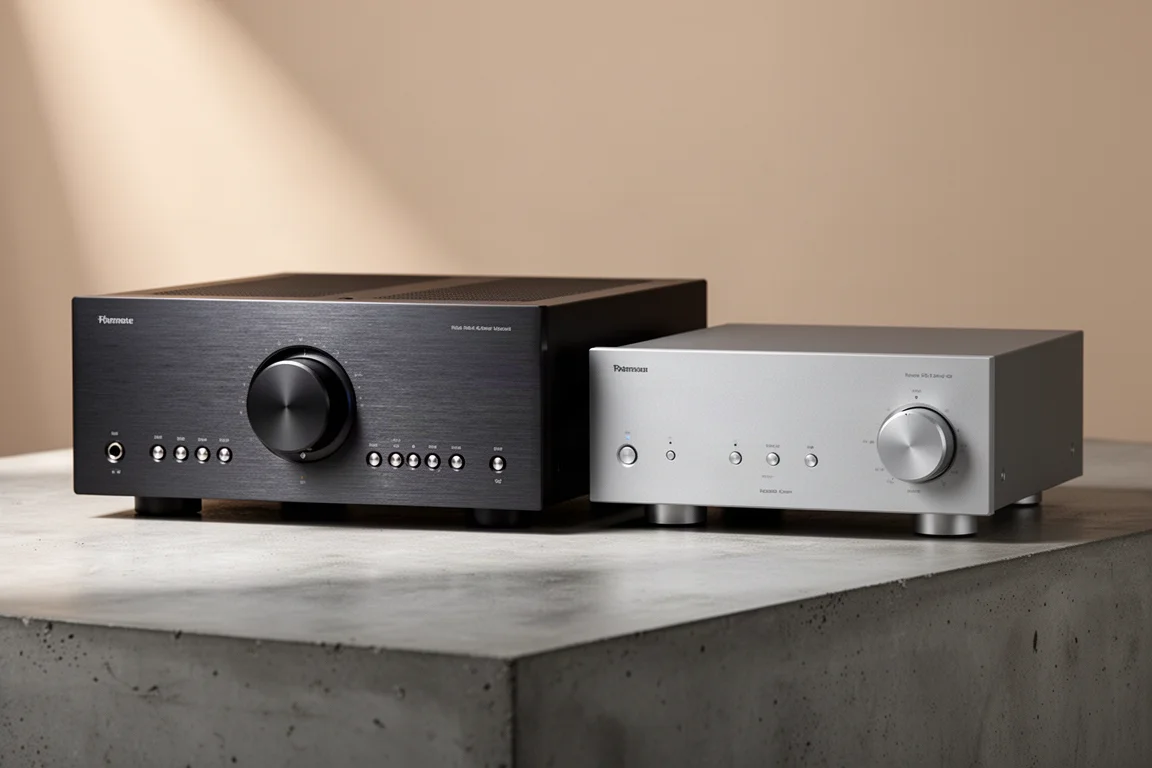
Advance Paris A10 Classic vs Yamaha A-S301: Two Integrated Amplifiers Compared
A practical comparison of a $350 integrated amplifier and a $2,500 reference model, covering the differences that matter and the ones that do not.
Hi-Fi Amplifiers
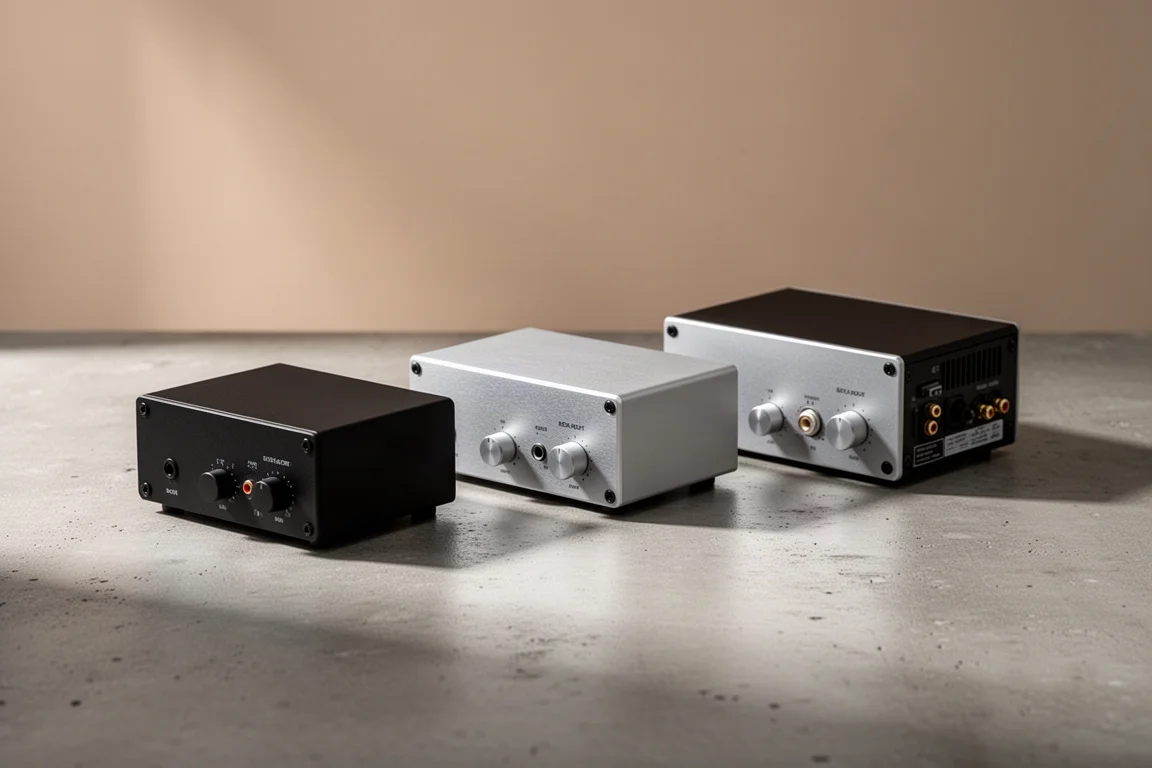
Affordable Chinese Amplifiers Worth Buying: Five Budget Hi-Fi Amps Compared
A practical look at five affordable amplifiers, what each one does well, and the trade-offs to weigh before you buy.