Hi-Fi Audio
13 High-End Hi-Fi Components From a Real-World Reference System
A tour of a practical high-end system: compact bookshelf speakers, a direct-drive turntable, premium cartridges, a two-box phono stage, Luxman separates, and the cabling that holds it together.
Introduction
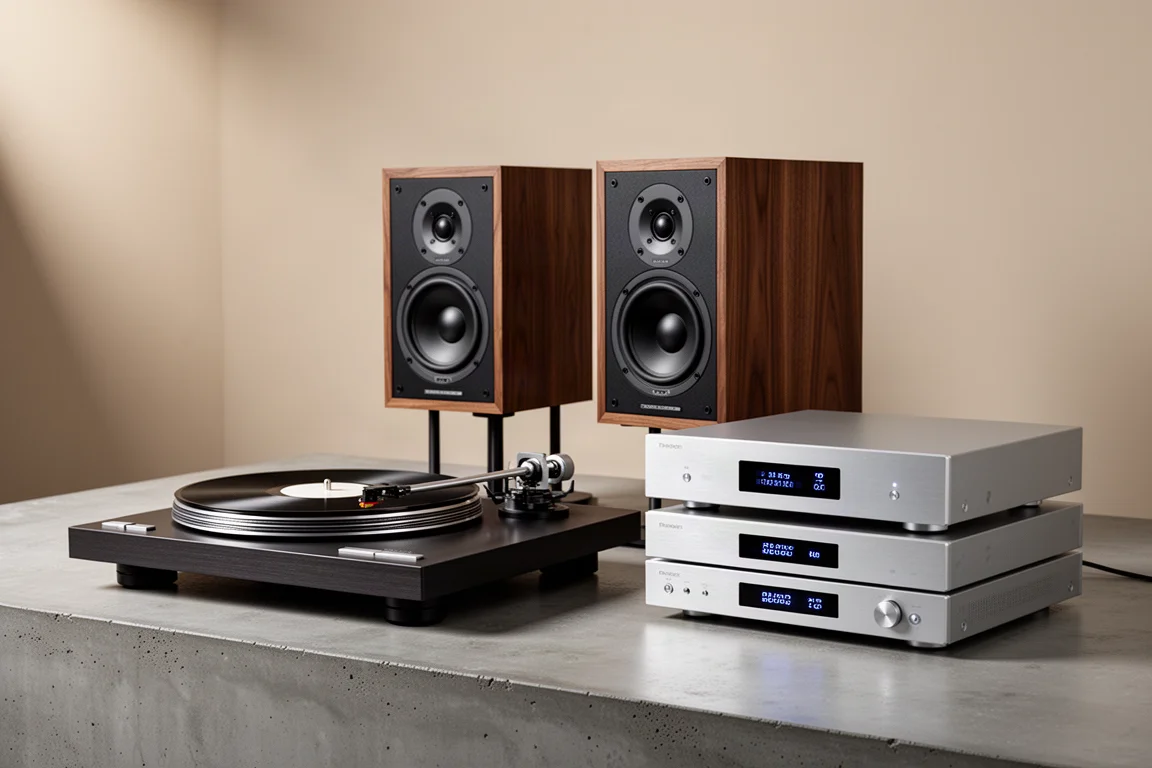
A high-end system does not have to look or behave like a showroom. The system behind this roundup lives in a small apartment, and nearly every choice in it was shaped by that reality: compact speakers that suit a modest room, a single-box preamplifier instead of a multi-chassis stack, and digital components light enough to carry into another room.
What follows is a tour of thirteen components covering the whole chain, from turntable and cartridge through the phono stage, disc player, preamplifier, power amplifier and the cables that connect them. Just as useful as the list itself is the reasoning behind each piece, which makes it a practical reference for anyone building a serious two-channel system in a real room rather than a dedicated listening space.
The components span a wide range of prices, from a compact portable converter to a 40th anniversary turntable. What they share is a role in a system that has been refined over decades of listening rather than assembled in a single shopping trip.
What Makes This System Worth Studying
Two ideas run through the whole setup. The first is that quality electronics in front of a competent speaker will reveal far more than most owners expect. A small pair of well-regarded budget speakers can sound dramatically better when fed by premium amplification, phono and digital sources. The reverse does not work: putting a basic receiver in front of a flagship loudspeaker leaves that speaker’s potential locked away.
The second idea is diminishing returns. A system costing roughly $15,000 and one costing roughly $150,000 do not differ by a factor of ten. The expensive system is better, and the difference is real, but it is not proportional. That is worth remembering when a component’s price starts to feel like a proxy for its quality.
Practicality matters here too. Tone controls and a loudness button are treated as genuine tools rather than relics, because apartment listening happens at night and at low volume, where a little low-frequency compensation keeps music satisfying without disturbing anyone. A rack that is genuinely difficult to move also turns out to be an excellent brake on constant component swapping.
Loudspeakers for Smaller Rooms
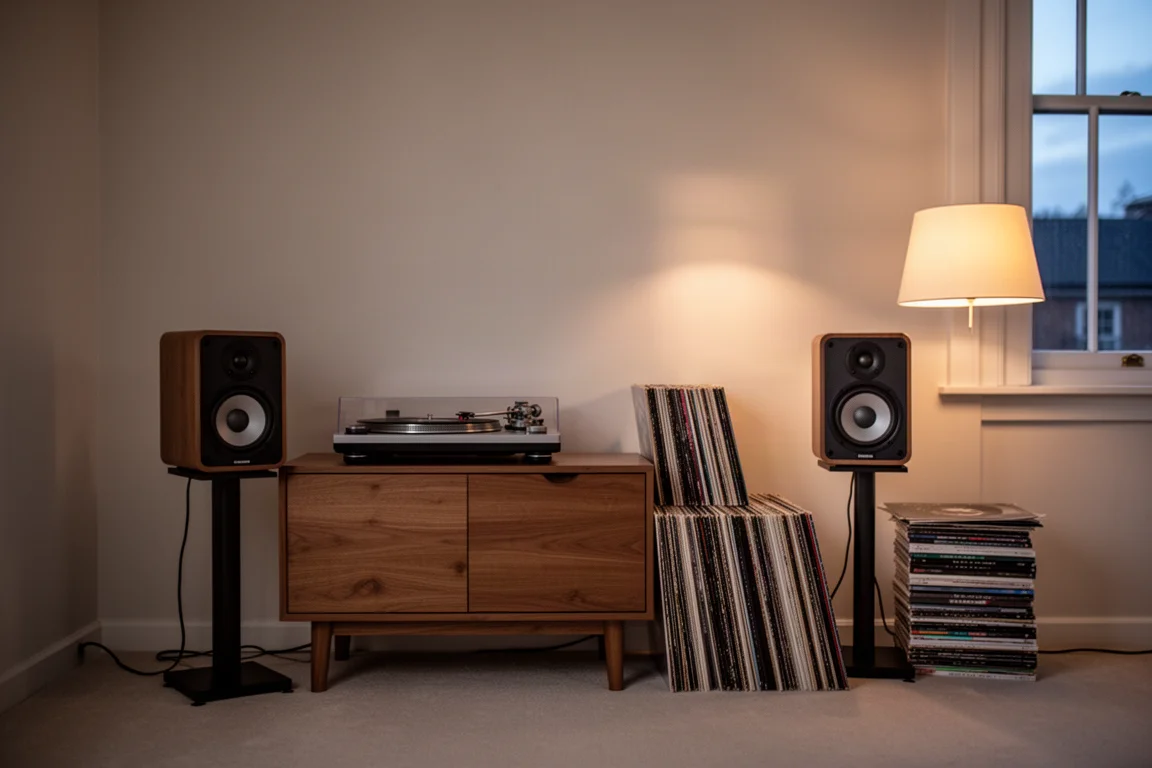
Both pairs of speakers in this system are bookshelf designs, chosen because the listening room is not large. They are alternated rather than ranked, which says something about how close the two are in character.
Franco Serblin Accordo Goldberg
The Accordo Goldberg comes from Franco Serblin, the designer best known as the main figure behind Sonus Faber. The speaker is unmistakably Italian in its aesthetics, and it is the last design he completed. The range includes a floorstanding model alongside the bookshelf version, and the bookshelf model was recommended for small rooms on the strength of how it performs there.
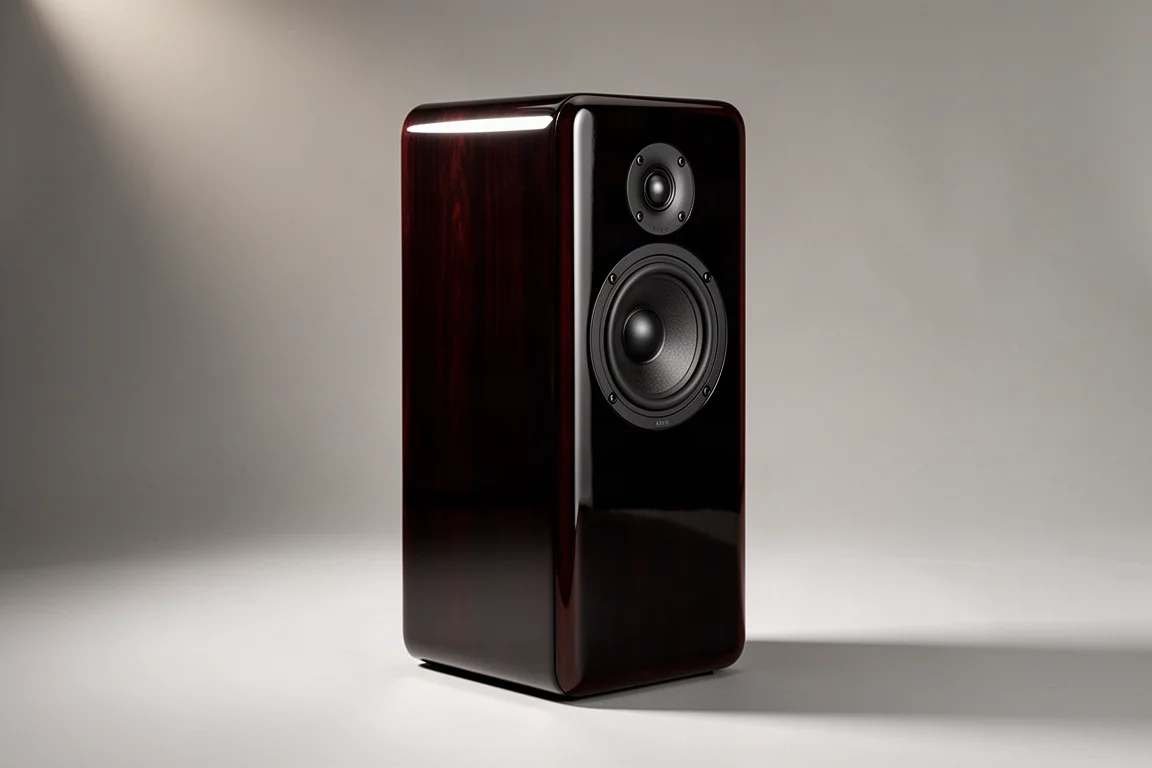
For a compact room, the appeal is straightforward: a speaker from a designer with a long track record in high-end loudspeakers, in a size that suits a space where a floorstander would dominate.
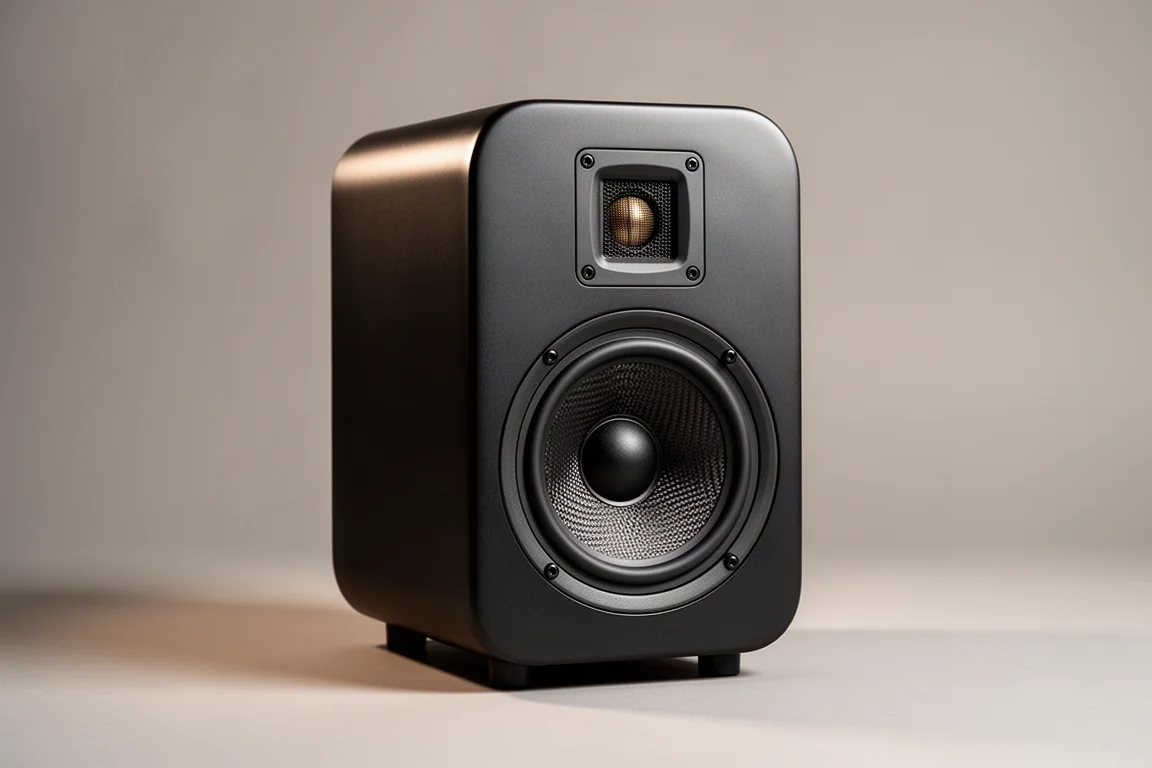
PS Audio Aspen FR5
The second speaker in rotation is the PS Audio Aspen FR5, a compact bookshelf design that stands out in this system. It fills the same small-room role as the Accordo Goldberg, and the two are swapped depending on mood and material.
One detail worth noting: the jumpers supplied with the speakers were replaced with Wire World Reference Platinum jumpers, sent directly by the cable manufacturer for trial. The change was a clear improvement, which is a reminder that the small links between speaker terminals sit in the signal path too.
Turntables and the Analog Front End
This system has been through a great many turntables over the years, somewhere around thirty by the owner’s own count. The current direction is direct drive, arrived at after long experience with belt and rim-drive designs.
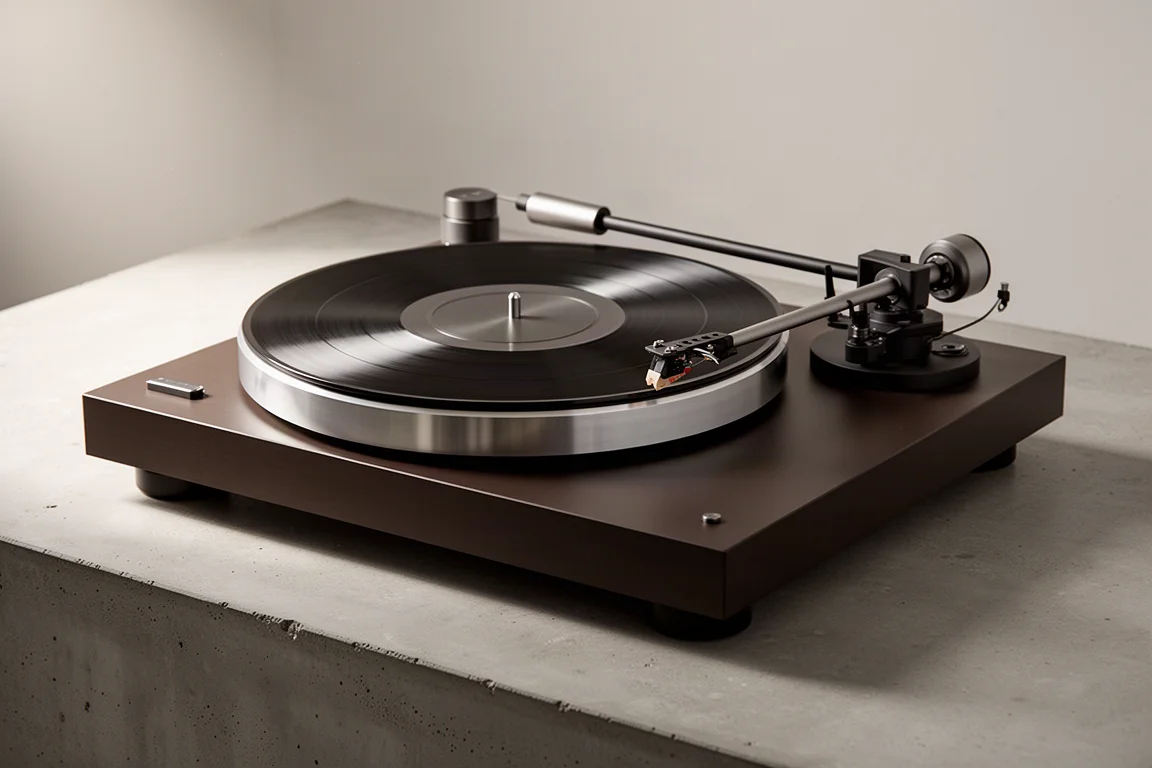
VPI HW-40 40th Anniversary
VPI has been part of this system since the late 1980s, beginning with the belt-driven HW-19. The Scoutmaster and Super Scoutmaster rim-drive models followed across several iterations, and eventually came a move to direct drive with the HW-40 40th Anniversary.
Direct drive has a character of its own. There is a directness to the presentation that belt-driven tables approach differently, and the choice between the two comes down to nuance rather than obvious superiority. The old objection to direct drive, that motor noise travels up through the stylus, no longer applies to a well-executed design. VPI’s newer reference direct-drive turntable takes the concept further, with less in the structure that could transfer energy, but the HW-40 is the table in place here.
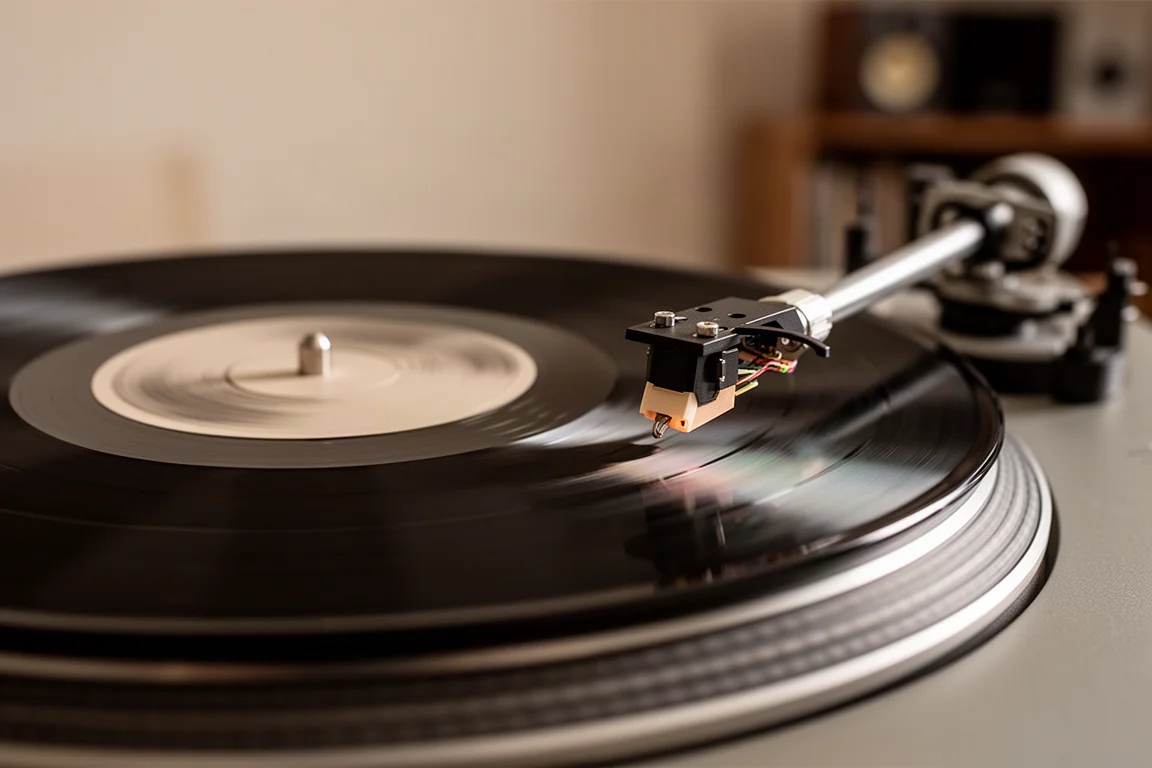
The trade-off with this configuration is the arm. The HW-40 carries a single 12-inch arm, so experimenting with a different tonearm means moving to a different turntable rather than simply swapping one on.
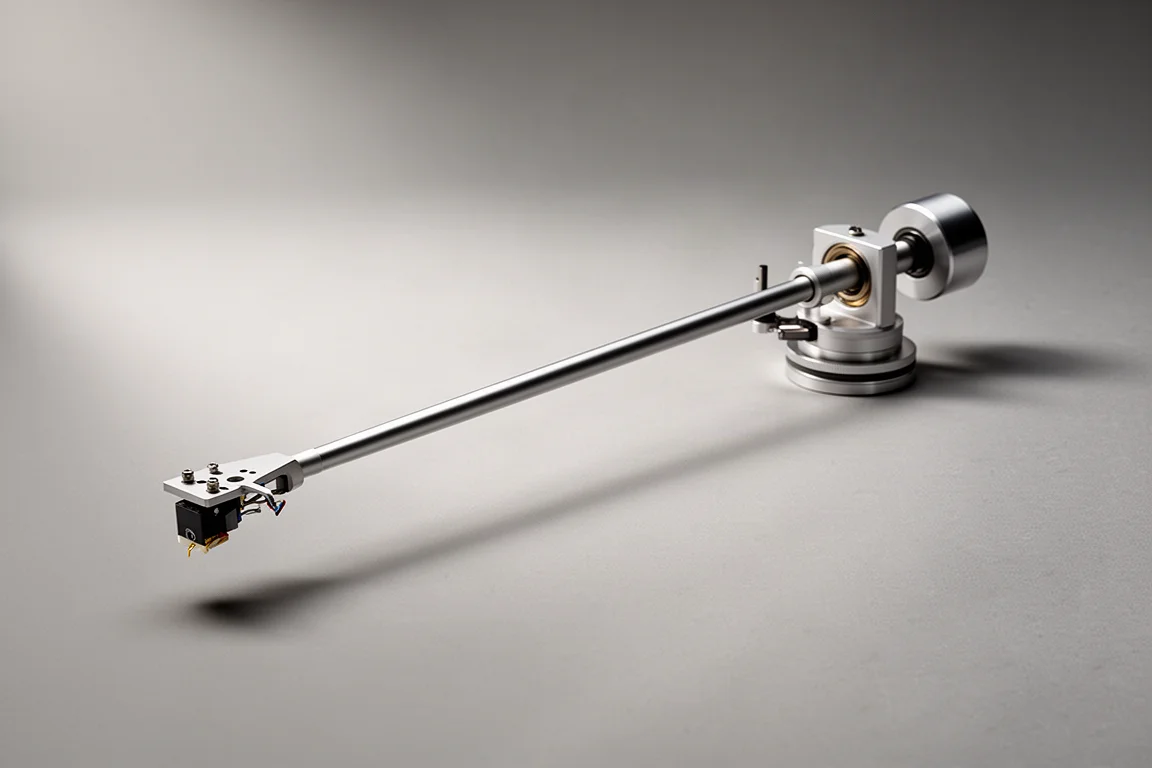
VPI Fat Boy Tonearm
The arm on the HW-40 is the 12-inch VPI Fat Boy, a long, slim design mounted as a fixed part of this turntable rather than as a quick-swap module. That matters for anyone with a collection of cartridges, because changing the arm here is not a five-minute job. VPI’s newer reference turntable can carry two or three arms at once, which is the main reason it is tempting.
For listeners who rotate cartridges regularly, a table that accepts multiple arms, or arms with swappable wands, removes most of the friction.
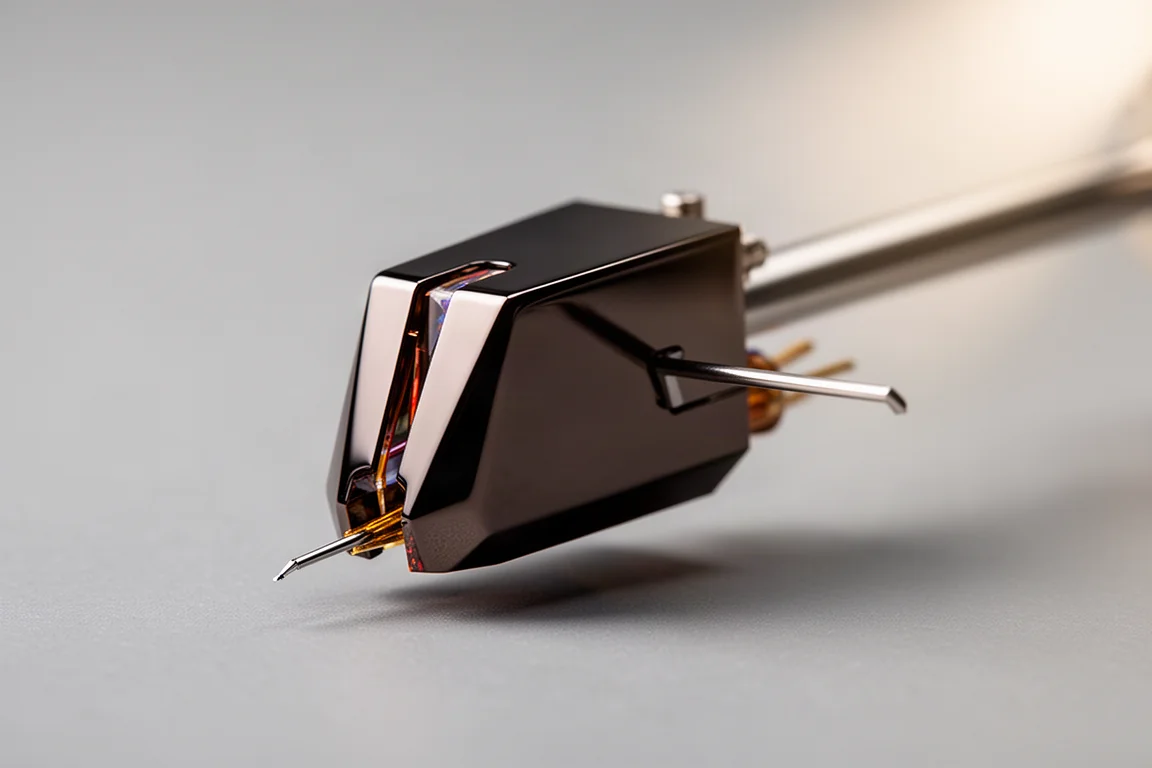
Audio-Technica AT-ART20
The current cartridge is the Audio-Technica AT-ART20, recently fitted. It is a great cartridge, and it replaced an Ortofon A95 that remains part of the collection.
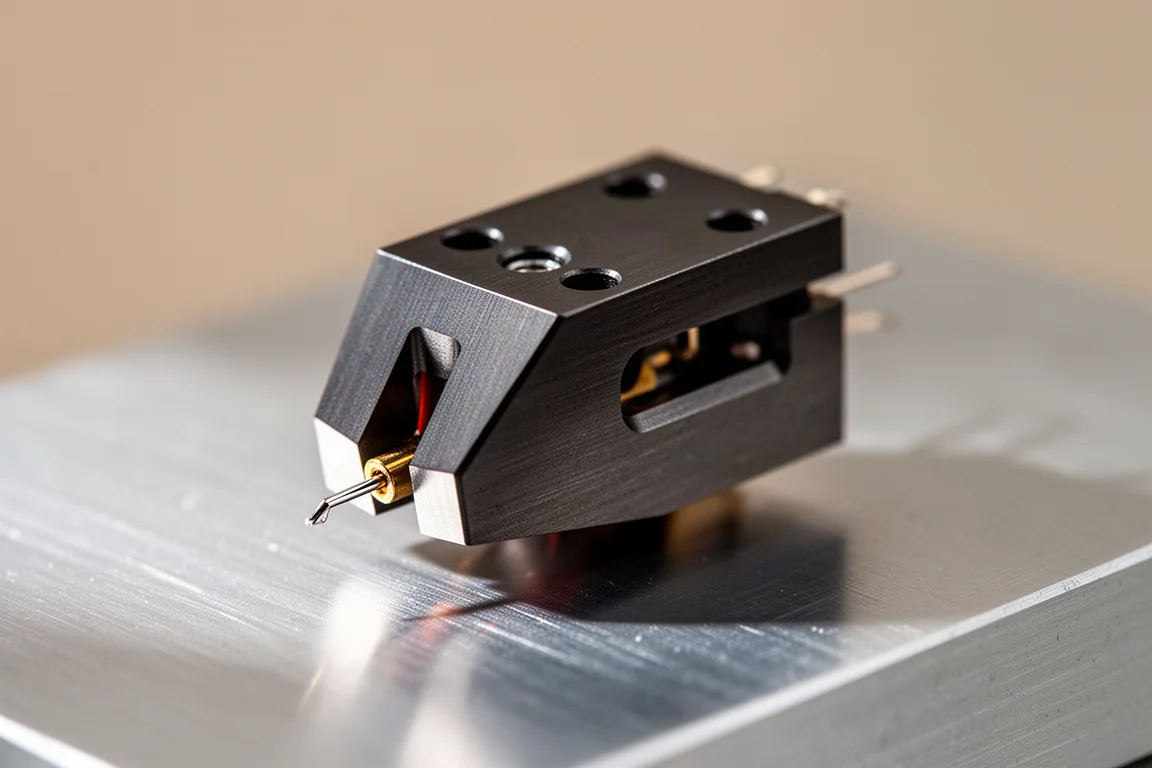
Ortofon A95
The Ortofon A95 stays on hand as an alternative to the Audio-Technica. It is an amazing cartridge in its own right, and keeping a second high-quality cartridge ready is the whole argument for a turntable that makes swaps easy.
Phono Stage
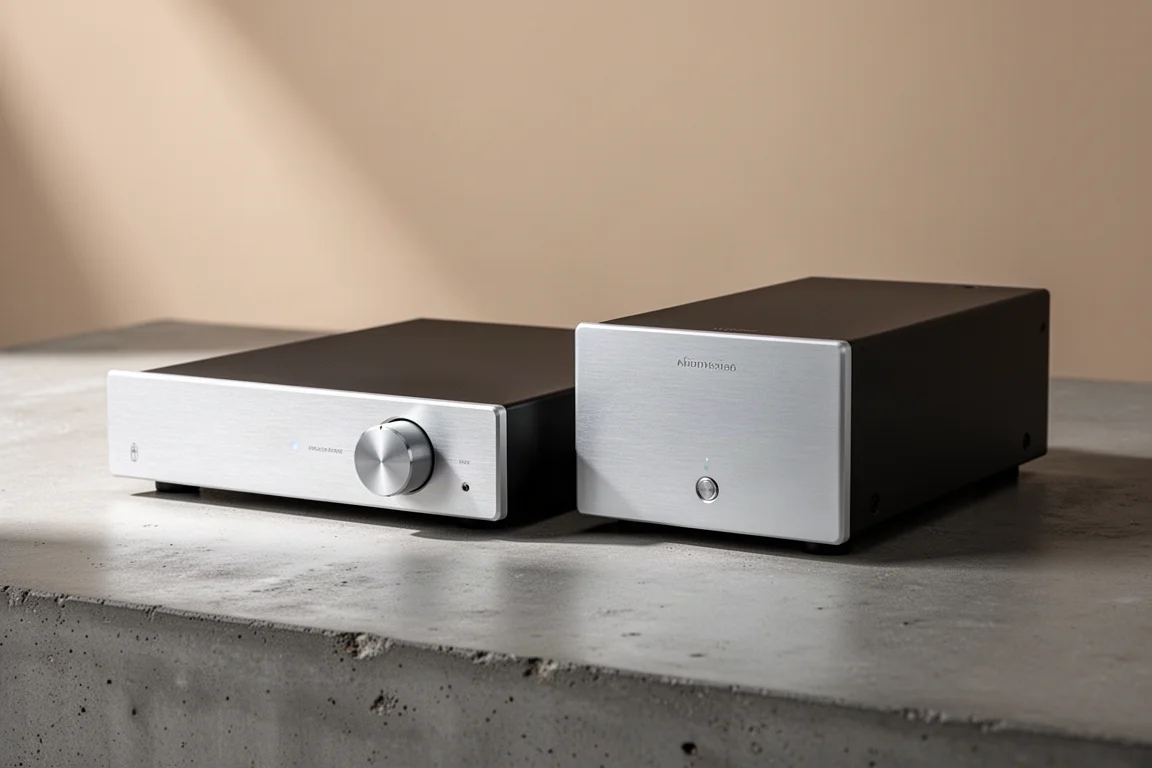
Pass XP7
The phono stage is a Pass XP7, a two-box design with a separate power supply. It has been in the system for around five years, a long tenure by the standards of this setup, and there has been no reason to change it beyond the ordinary restlessness of the hobby.
Pass amplification is the closest solid state gets to the character of tubes in this system: lush, with a warmth that makes long listening sessions easy.
Digital Sources
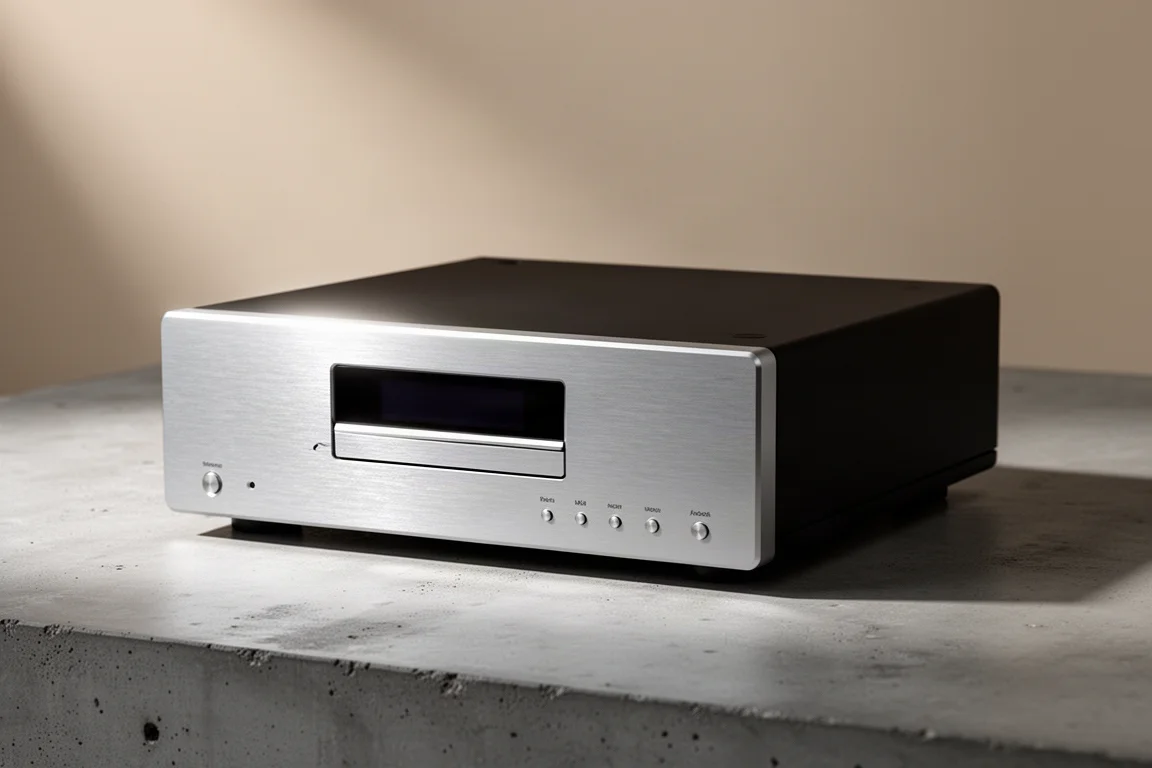
Luxman D7X
The disc player is the Luxman D7X, an SACD player that also handles MQA. Its built-in digital-to-analog converter is the standout feature, and the machine is treated as a keeper, with no expectation of changing disc players again.
Amplification
Luxman C10X
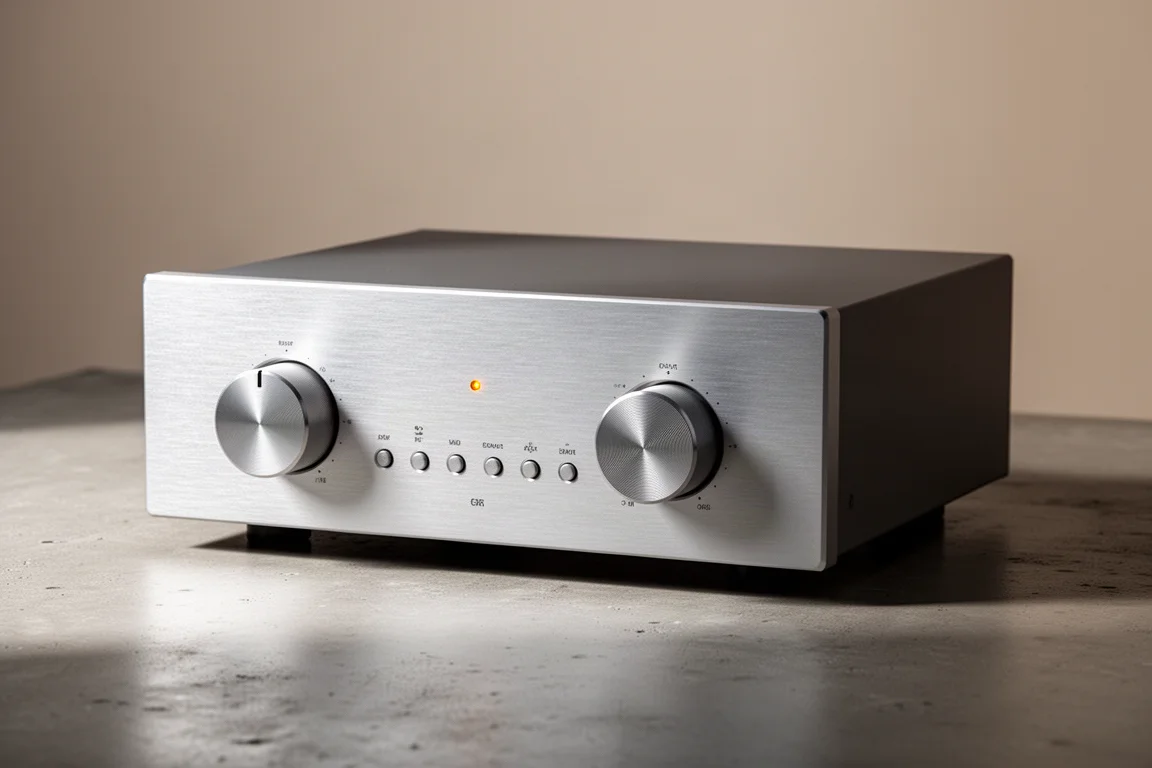
The preamplifier is the Luxman C10X, the solid-state counterpart to the company’s tube preamplifier, and the natural partner for the M10X power amplifier. It receives far less attention than the player and amplifier it sits between, which is a shame, because its feature set is unusually practical.
Tone controls are present, well executed and bypassable, and there is a loudness button that genuinely works. In an apartment, late at night, at low volume, those are not gimmicks: they are the difference between a listenable system and a frustrating one. The C10X also keeps the rack to a single box, replacing a three-chassis preamplifier that had begun to make the room look like a showroom. The compromise is a modest input count of three.
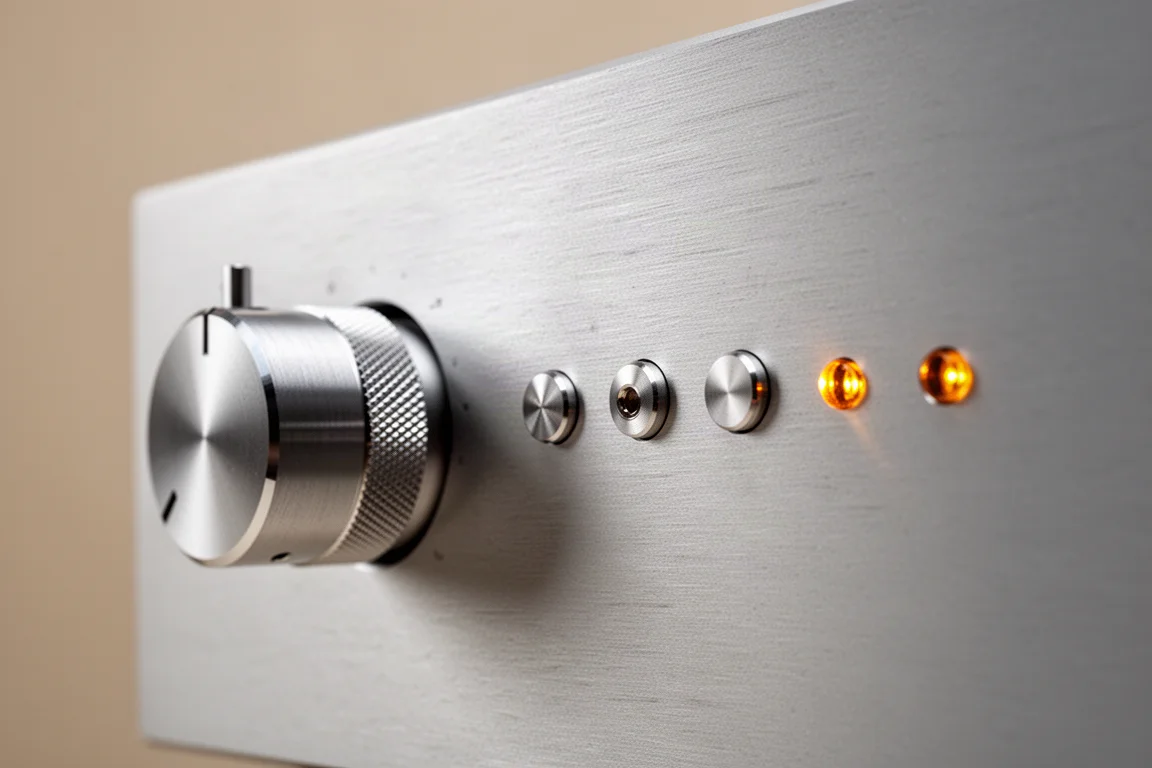
Build quality is part of the appeal, from the solid feel of the controls to the weight and responsiveness of the remote.
Luxman M10X
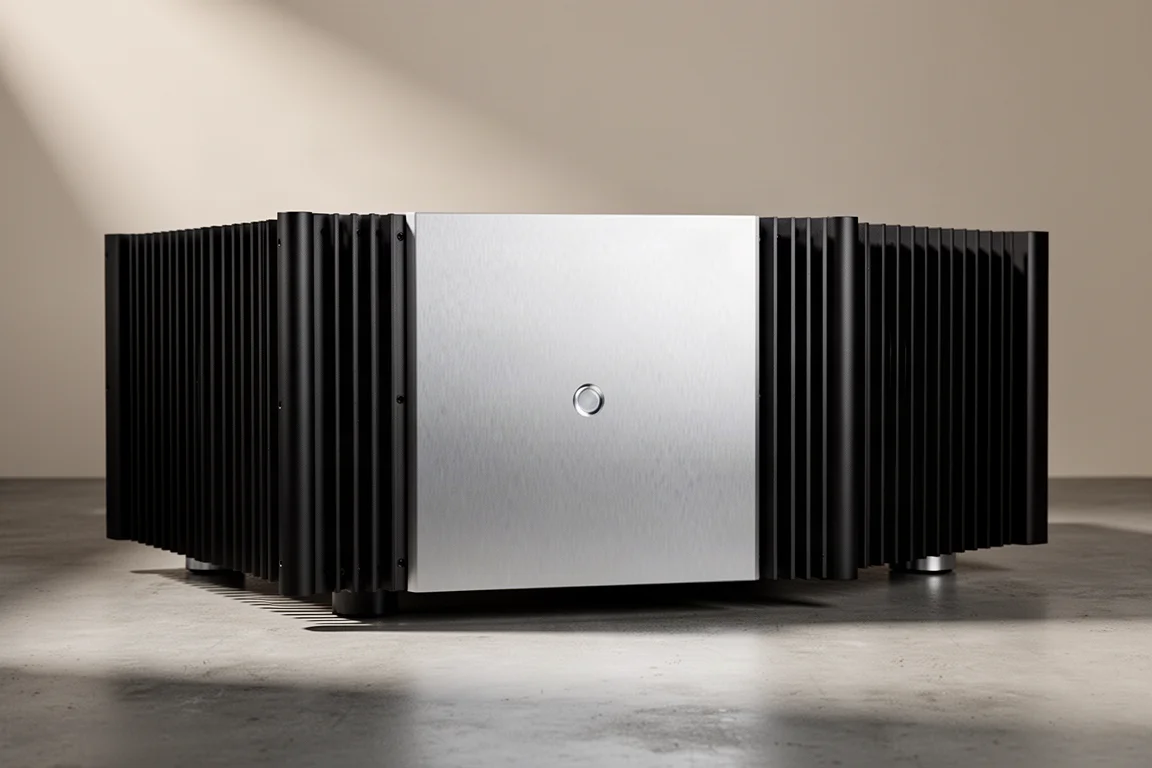
The Luxman M10X is the power amplifier in the stack and the partner to the C10X preamplifier. The contrast between the two solid-state houses in this system is instructive: one is likened to a domestic car with plenty of power, the other to a refined import where the sense of finish is part of the experience. In practice that shows up in details such as remotes with real weight that do exactly what they are supposed to do.
Cables and Signal Path
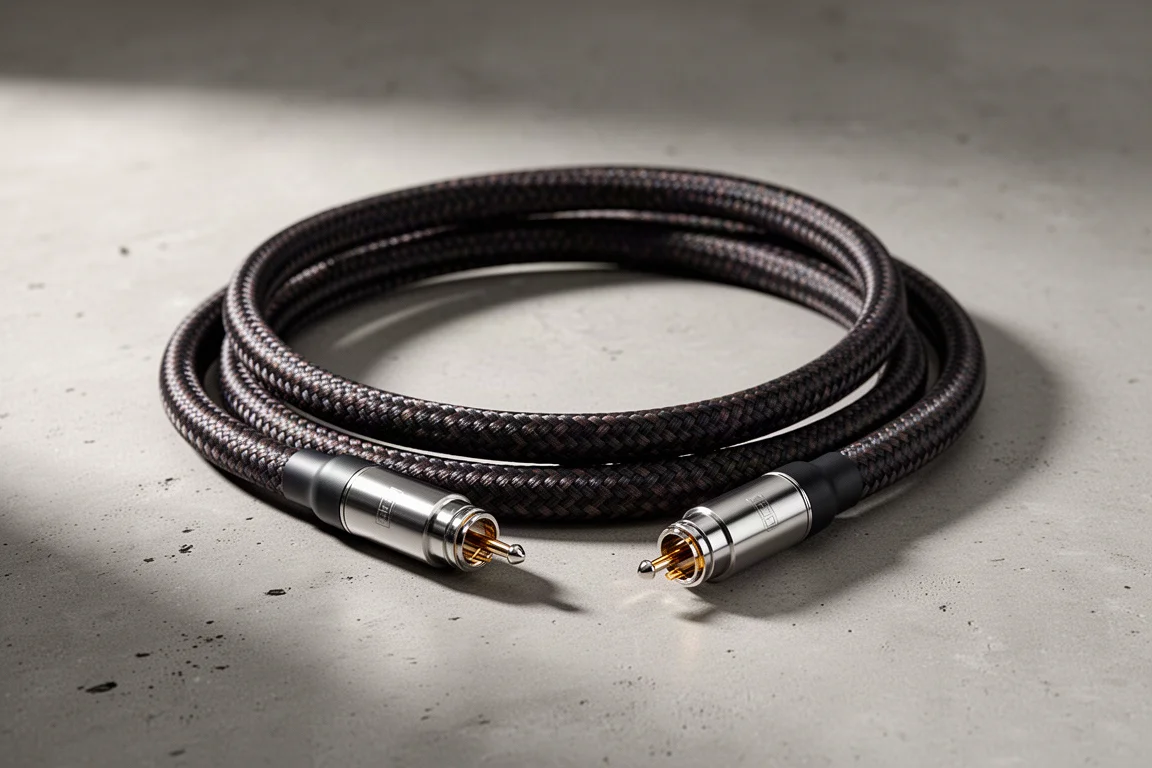
Cabling here is deliberately consistent. AudioQuest supplies most of the interconnects and power cords, largely from the Dragon range, while the speaker cable is Wire World Gold Eclipse. Wire World also provided the Reference Platinum jumpers used on the PS Audio speakers.
Prices in this part of the system span a wide range, from roughly $700 for a pair at one end of the Wire World range to around $15,000 for a pair at the other. That spread is a useful illustration of how cable budgets can escalate once the rest of a system is settled, and why cabling makes more sense as a final step than a first one.
AudioQuest Dragon
The Dragon interconnects and power cords run throughout the signal path, giving the system one consistent cable family from source to amplifier.
Wire World Gold Eclipse
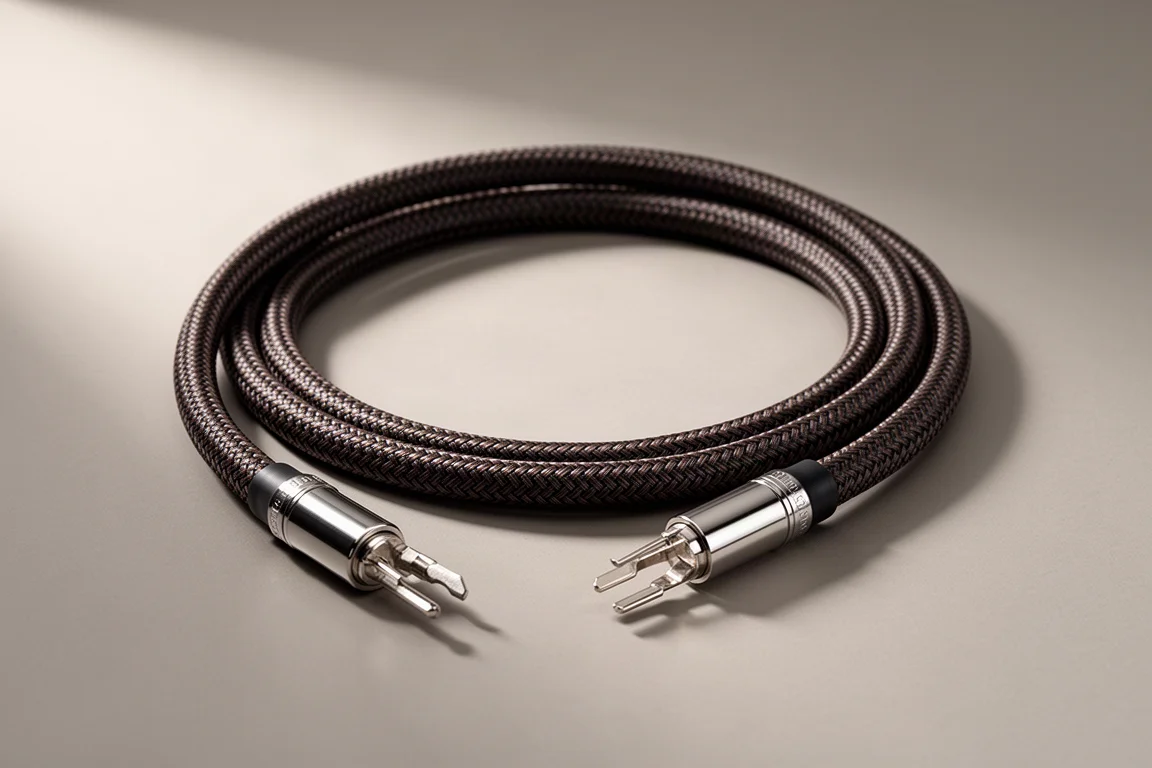
The speaker cable is Wire World Gold Eclipse, carrying the signal the final distance to the speakers. The same manufacturer supplied the jumpers that link the terminals on the PS Audio Aspen FR5, where the change from the stock parts was clearly audible.
Portable Listening
AudioQuest DragonFly
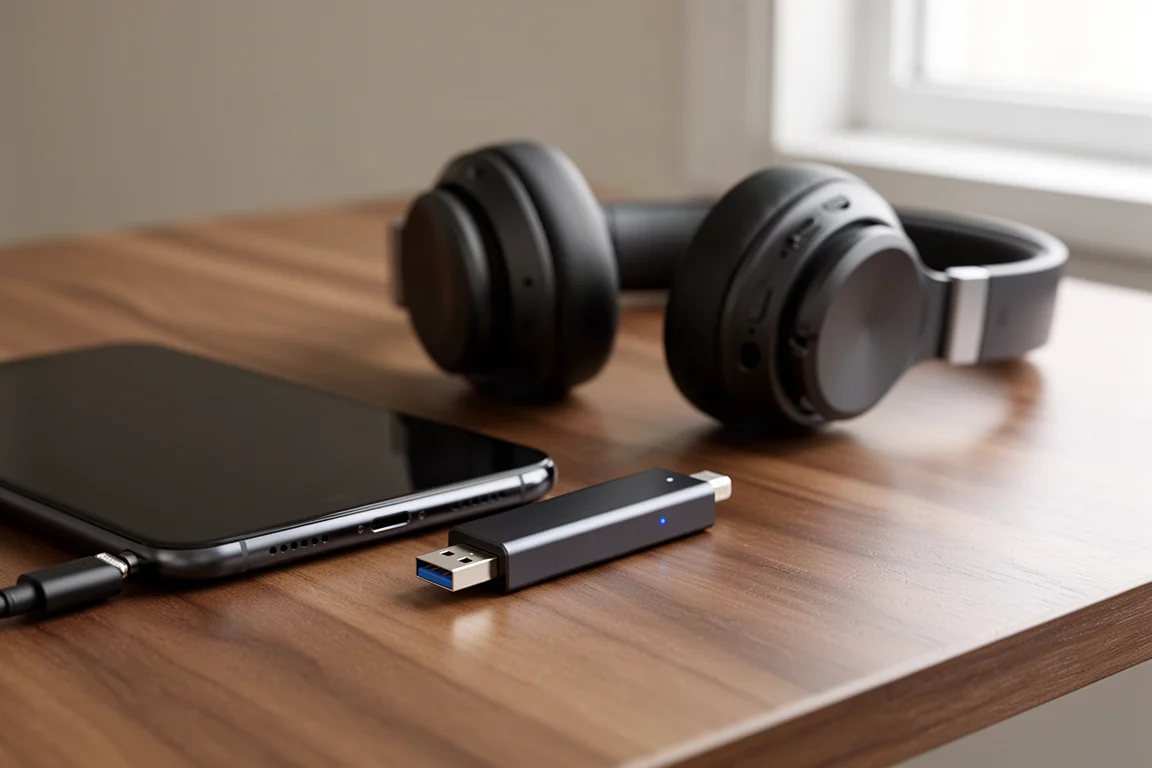
Not every listening session happens in the apartment. The portable setup is a phone feeding an AudioQuest DragonFly, connected to a small portable speaker for high-resolution playback on the road. It is a modest rig next to the main system, and that is the point: the same attention to the source, scaled down to fit in a bag.
Buying Advice
A few lessons from this system carry over to almost any budget.
Start with electronics rather than speakers if the budget is fixed. A good speaker in front of better amplification, a better phono stage and a better digital source will outperform the same money spent on a more expensive speaker behind modest electronics.
Be honest about the room. Bookshelf speakers chosen for a small space can be more satisfying than a floorstander that never gets to breathe.
Treat tone controls and loudness compensation as useful tools if you listen late at night or at low volume. A well-implemented tone stage is not a compromise; it is an accommodation to the room and the hour.
Look for modular lines if you want to build gradually. Some manufacturers sell a streamer, an amplifier, a transport and even an outboard digital clock as separate boxes, each around $2,000, so you buy only what you need and add the rest later. Two amplifiers can be run as monoblocks when more power is wanted.
Weigh the practical side as well. A heavy amplifier that is difficult to move keeps upgrades honest, and a rack you cannot easily reach behind is a surprisingly effective cure for constant swapping.
Expect the returns curve to flatten. Spending ten times more does not deliver ten times the performance, but spending carefully at a lower level can deliver most of the enjoyment.
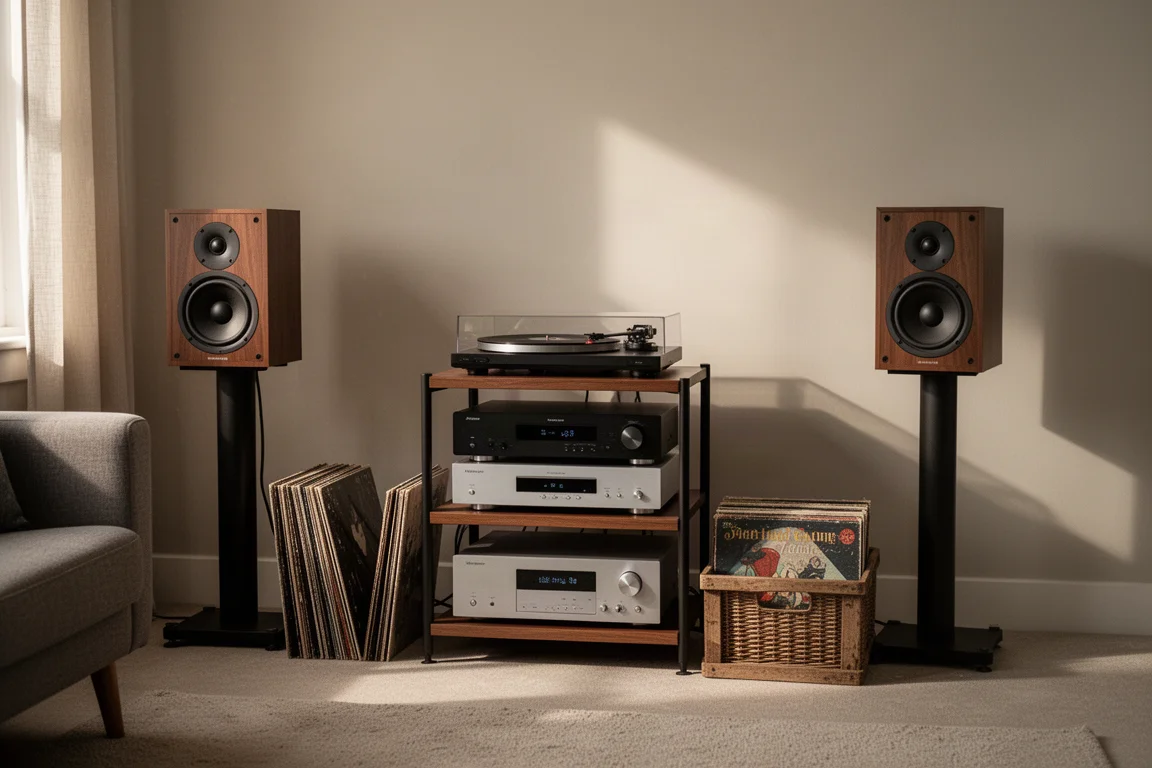
That is the case for a system like this one: not the cheapest route and not the most extravagant, but a considered one, where each component earns its place and the whole arrangement stays usable in a real apartment.
Conclusion
Thirteen components, one small room, and a consistent logic. Compact speakers that suit the space. A direct-drive turntable with a cartridge collection behind it. A two-box phono stage that has stayed put for five years. A Luxman stack that combines tone-shaping practicality with genuine refinement. Cabling that ties everything together without becoming the point of the system.
If there is a single takeaway, it is that the order of investment matters more than the total. Electronics first, room-appropriate speakers second, and the willingness to stop when a component is already doing its job.
Further reading
Related Reviews
Hi-Fi Audio
Accuphase C-57 vs Allnic H-7000V: Two High-End Phono Stages Compared
A fully balanced solid-state phono stage with a pitch-black noise floor meets a tube design built for well-loved records. Here is how to choose between them.
Hi-Fi Audio
Active vs Passive Hi-Fi: Five Components for a Modern System
Five components that define modern active and passive hi-fi systems, with the strengths, trade-offs and setup details worth weighing before you buy.
Hi-Fi Audio
Advance Paris A10 Apex Review: A Hybrid Integrated Amplifier That Covers a Lot of Ground
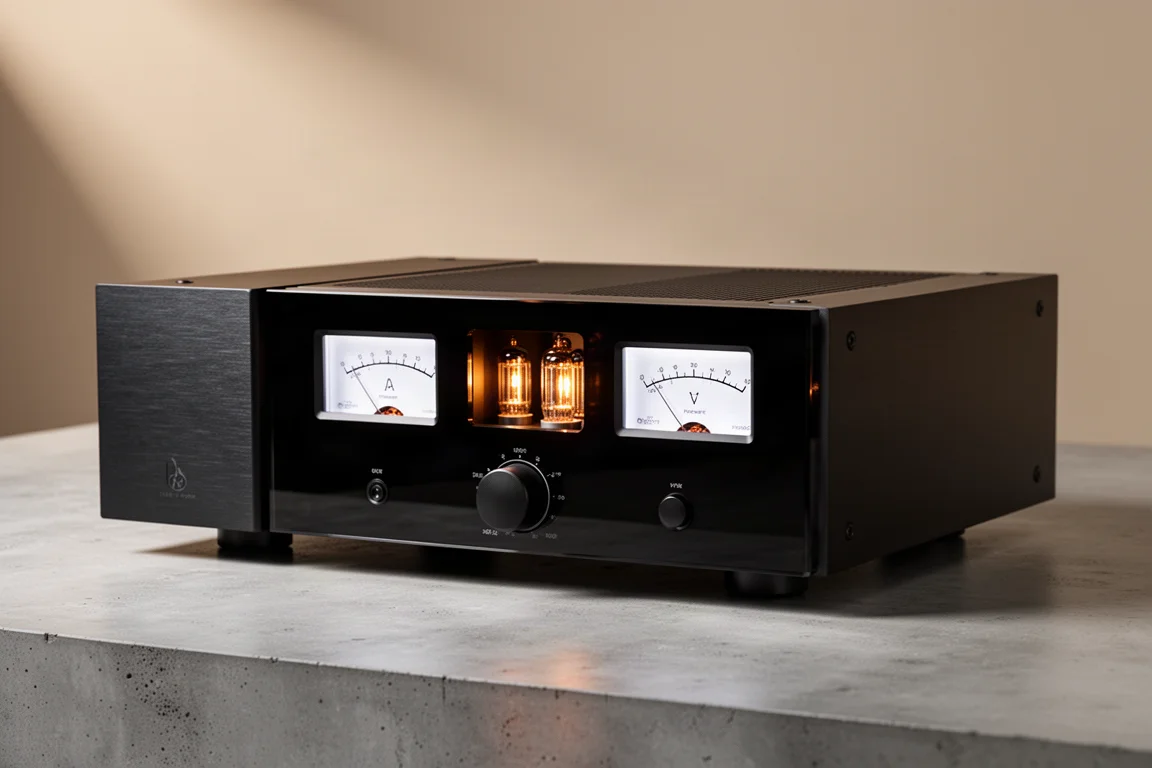
A French hybrid integrated amplifier with a class A tube preamp stage, analogue power meters, and an internal DAC and phono stage good enough to make extra boxes unnecessary.