Hi-Fi Audio
Three High-End DACs Compared: Cen.Grand DSDAC 1.0 Super Clock, Denafrips Venus 2 and Gustard R26
A practical comparison of three DACs built on very different conversion ideas, from a DSD-converting single box to an R2R ladder design with streaming on board.
Introduction
The high-end DAC market has become crowded, and a good share of the most interesting designs now come from smaller Chinese manufacturers. Three names come up repeatedly at the upper end of that group: the Cen.Grand DSDAC 1.0 Super Clock, the Denafrips Venus 2 and the Gustard R26.
Each takes a different route to the same destination. One converts incoming PCM to DSD. One is built around an R2R ladder design and a natural tonal character. One adds a streaming board while sitting well below the others on price. This guide looks at what each does well, where the trade-offs sit, and which kind of system each one suits.
How These Three DACs Compare
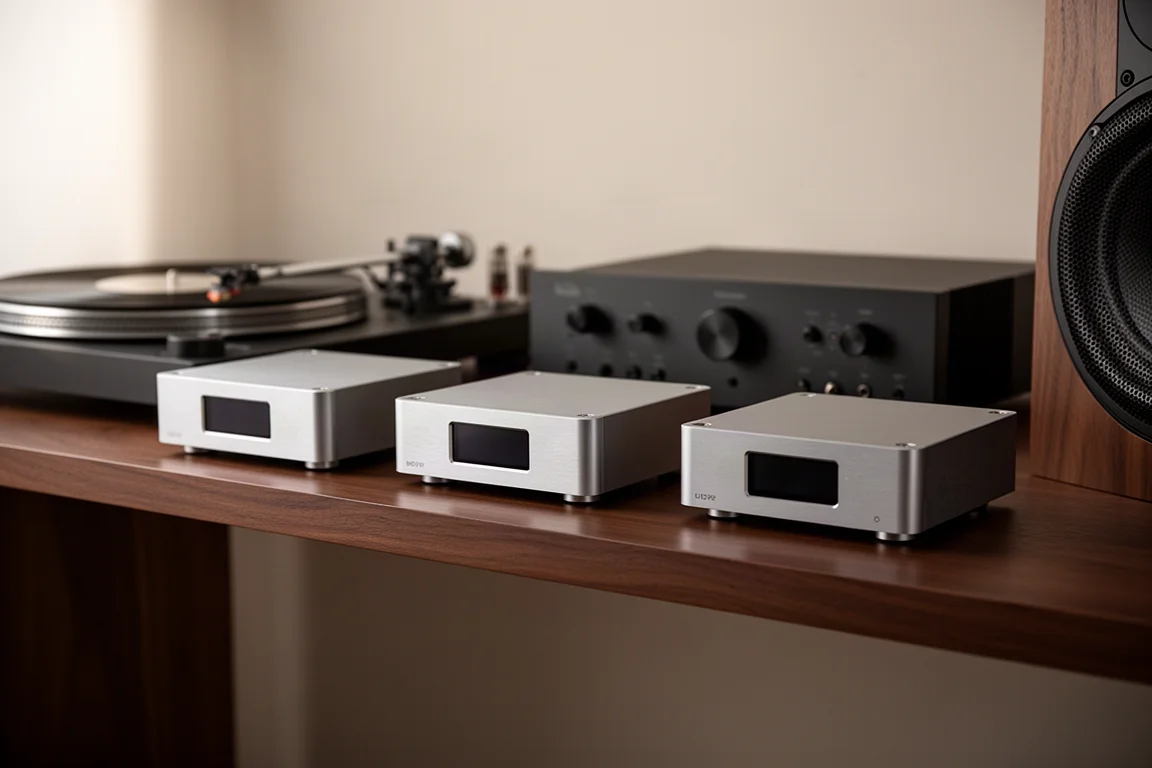
The clearest difference between these three is the conversion approach. The Cen.Grand DSDAC 1.0 converts all incoming PCM into DSD data at rates up to DSD1024, with digital to analog conversion handled by an FPGA and discrete components. The Gustard R26 is an R2R ladder DAC that also includes a UPnP streaming board inside the case. The Denafrips Venus 2 is the reference point here for natural tone and a three-dimensional soundstage.
Price and feature set separate them further. The Gustard R26 sells for around £1,600. The standard Cen.Grand DSDAC 1.0 retails for around £2,500 in the UK, and the Super Clock variant adds upgraded parts plus a superior clock. The Denafrips Venus 2 sits at roughly £3,000. If you want a single box that covers both conversion and network streaming, only one of the three does that out of the box.
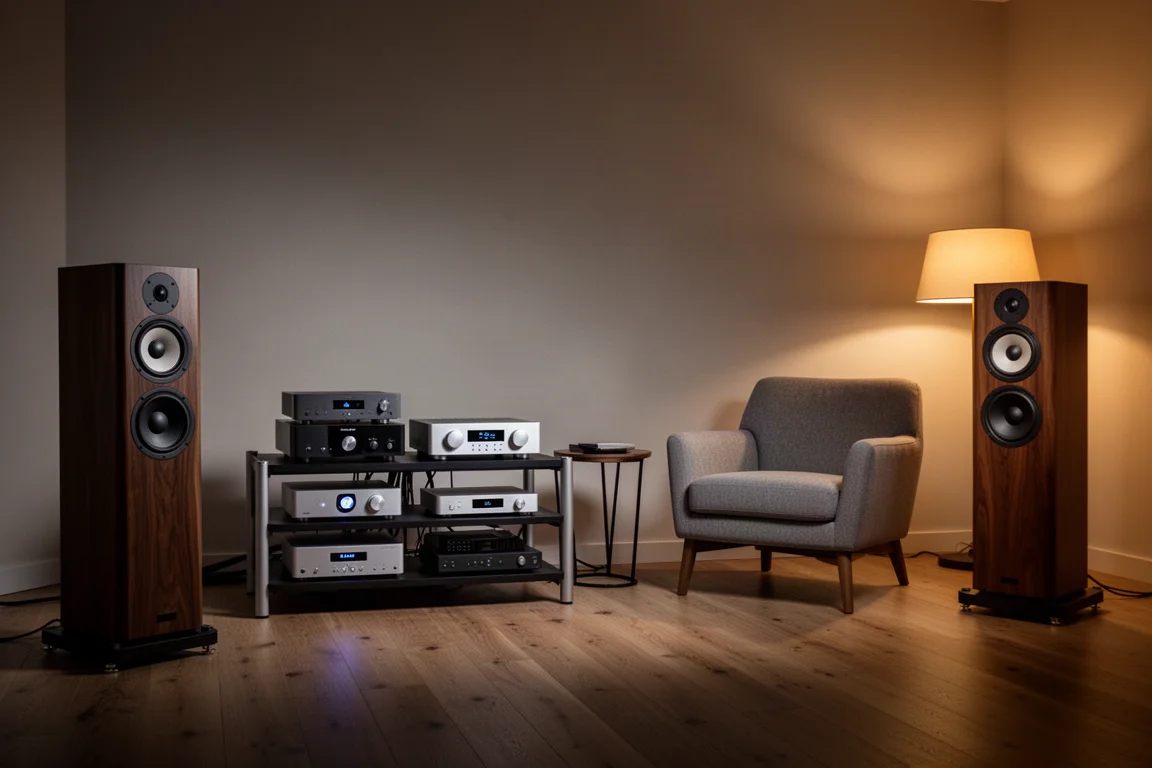
Input provision matters too. The Cen.Grand offers five digital inputs over BNC, optical Toslink, AES/EBU, coaxial and USB, with single-ended RCA and balanced XLR outputs on the rear, but no I2S or master clock input. It is designed as a self-contained solution rather than a component in a wider clocking chain, and anyone who already owns a separate master clock should factor that in.
Cen.Grand DSDAC 1.0 Super Clock: PCM Converted to DSD
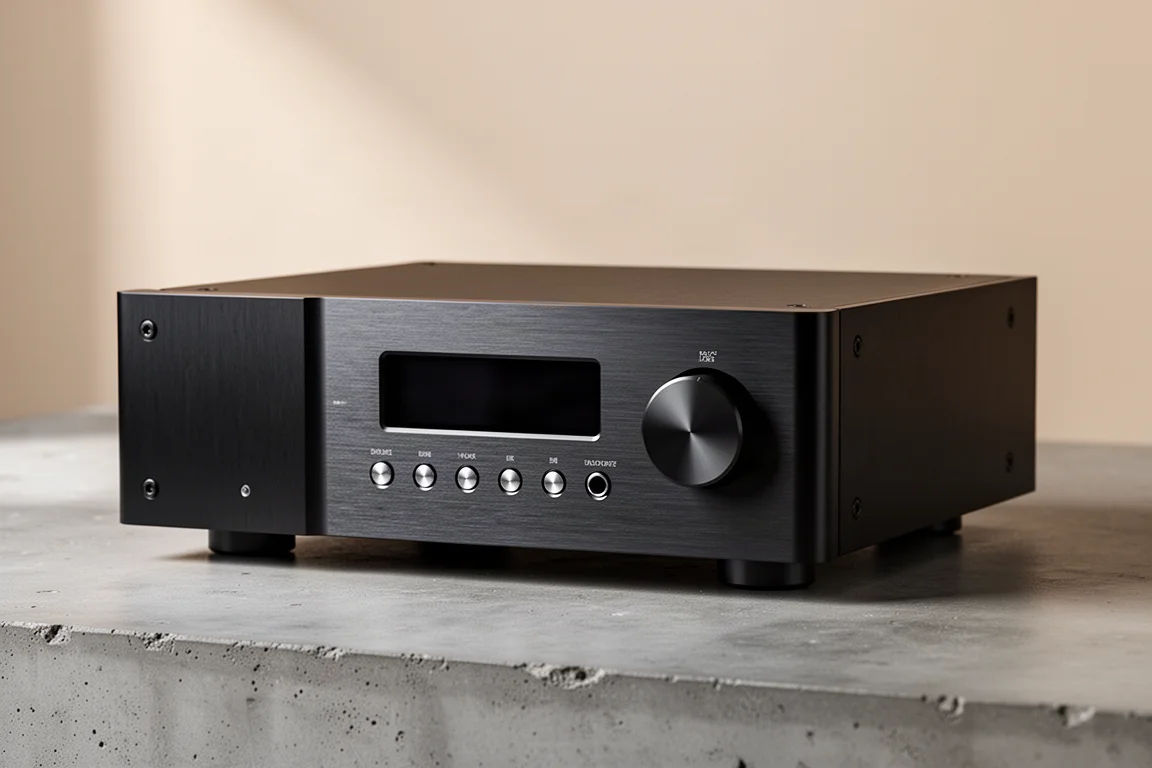
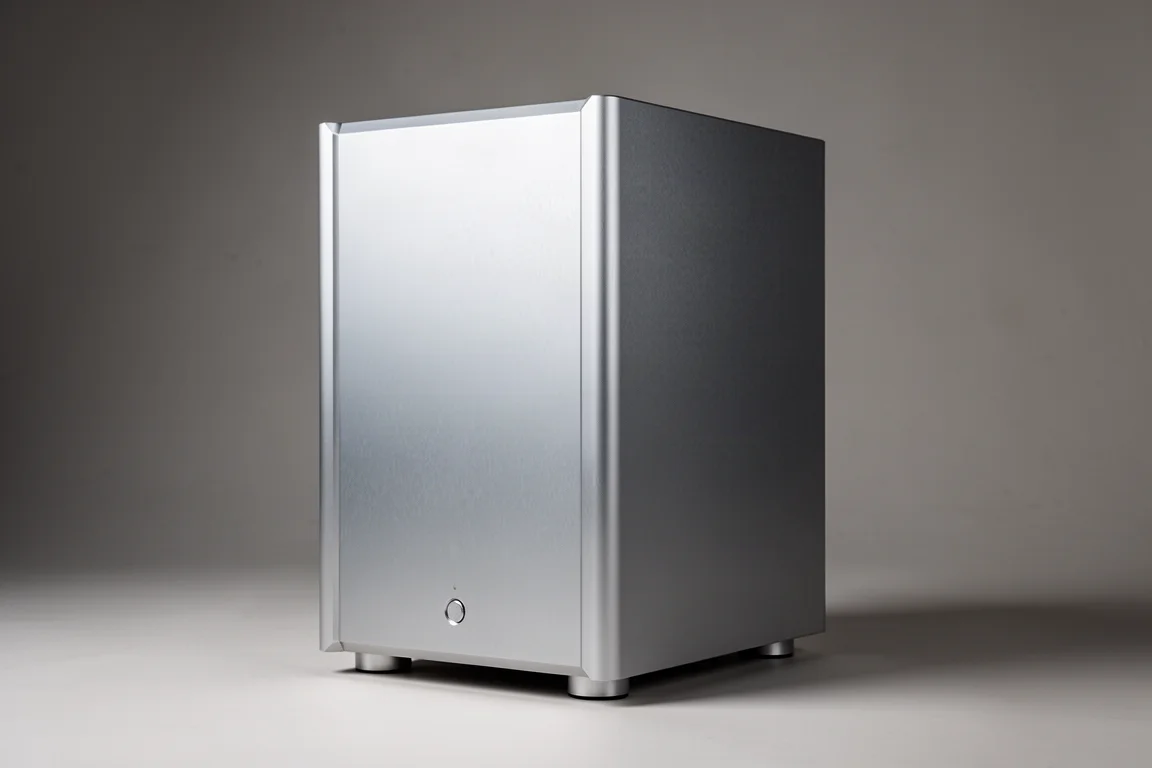
The DSDAC 1.0 is a full rack width unit measuring 100 mm high and weighing 10.6 kg, most of that coming from the thick aluminium plates that make up the chassis. That kind of build has become an expectation at this level, and it is met here. Inside you will find an AC inlet filter, a large toroidal transformer branded Cen.Grand, a thick metal plate shielding the sensitive electronics from the power supply, and Nichicon filter capacitors. The clock is fully encased to protect it from noise and is upgraded on this Super Clock model. Two FPGAs, an Intel Cyclone 4 and a Xilinx Spartan 6, handle the conversion and upsampling work, alongside SDRAM devices, an ARM processor for system control and an XMOS processor for the USB interface. The output stage uses transistors and Analog Devices op-amps with output switching relays.
The design story is unusual. The PCM to DSD upsampling algorithm is proprietary and took several years to develop, with a further year and more than twenty iterations before the analog stage and final architecture were settled. Cen.Grand also describes a synchronous direct clocking approach in which source clocks bypass an intermediate frequency divider, so the clock’s femtosecond performance reaches the analog output rather than being degraded towards picoseconds. The Super Clock version is claimed to reduce RMS jitter to as little as 100 femtoseconds. A related technique re-clocks the S/PDIF inputs so that the DAC’s own clock governs timing rather than the transport, and the USB input includes a form of ground isolation.
In use, the sound is the strongest argument for the design. Bass is well defined, transients in the midrange are crisp, notes carry body and decent decay, and the high frequencies are detailed without tipping out of balance. The soundstage is wide enough to extend well beyond the speakers and has genuine depth, so you are not listening to a flat wall of sound.
There are two practical gripes. The display is cluttered and awkwardly laid out: the input indicator sits in the top corner, the filter button is below it with its readout on the opposite side, and the frequency control is similarly split from what it displays. Eight digital filters are on offer, though in listening they sounded very similar, with perhaps the first and third slightly cleaner. The rotary volume dial, engaged by holding the input button, does not feel quite as premium as the rest of the enclosure. The supplied aluminium remote has a quality feel and covers the essentials, though it needs to be pointed fairly directly at the unit.
One caveat is worth knowing before you buy. A faint mains hum was audible through the speakers when no music was playing. It was not noticeable during playback, even in quiet late-night sessions, but it was clearly there in the silence. Swapping the stock mains cable for a good quality shielded cable reduced it without removing it entirely. It may be a ground loop, the AC filter not working optimally, or internally generated noise, and it may also be specific to one sample. Listeners with high-sensitivity speakers should take care and audition the unit in their own system where possible.
Denafrips Venus 2: Natural Tone and a Three-Dimensional Stage
The Venus 2 is the most expensive of the three at around £3,000, and it earns that position with two qualities in particular: a natural tone and the ability to build a convincing three-dimensional sound field. It resolves high levels of detail as well, though it gives up a little in that specific regard to the most resolving DACs at a similar price. The gap is small, and the trade is deliberate, because the Venus 2’s strengths make it easy to accept that the performers are in the room with you.
Where it pulls ahead of the Cen.Grand is control. Bass definition is better, the midrange reveals more texture, and the high frequencies are more refined, including the decay of notes, which sounds more realistic thanks to better preservation of upper harmonic structures. If your priority is insight into how instruments are played and recorded rather than sheer acoustic weight, this is the one that delivers it.
The contrast between these two DACs is essentially the classic one between acoustic mass and control. The Cen.Grand sounds bigger and bolder, with more bass weight and a fuller midrange. The Venus 2 sounds more precise and more layered. Neither is distinctly better than the other, and the right answer depends on the rest of your system and the balance you are trying to strike.
Gustard R26: An R2R Ladder DAC with Streaming Built In
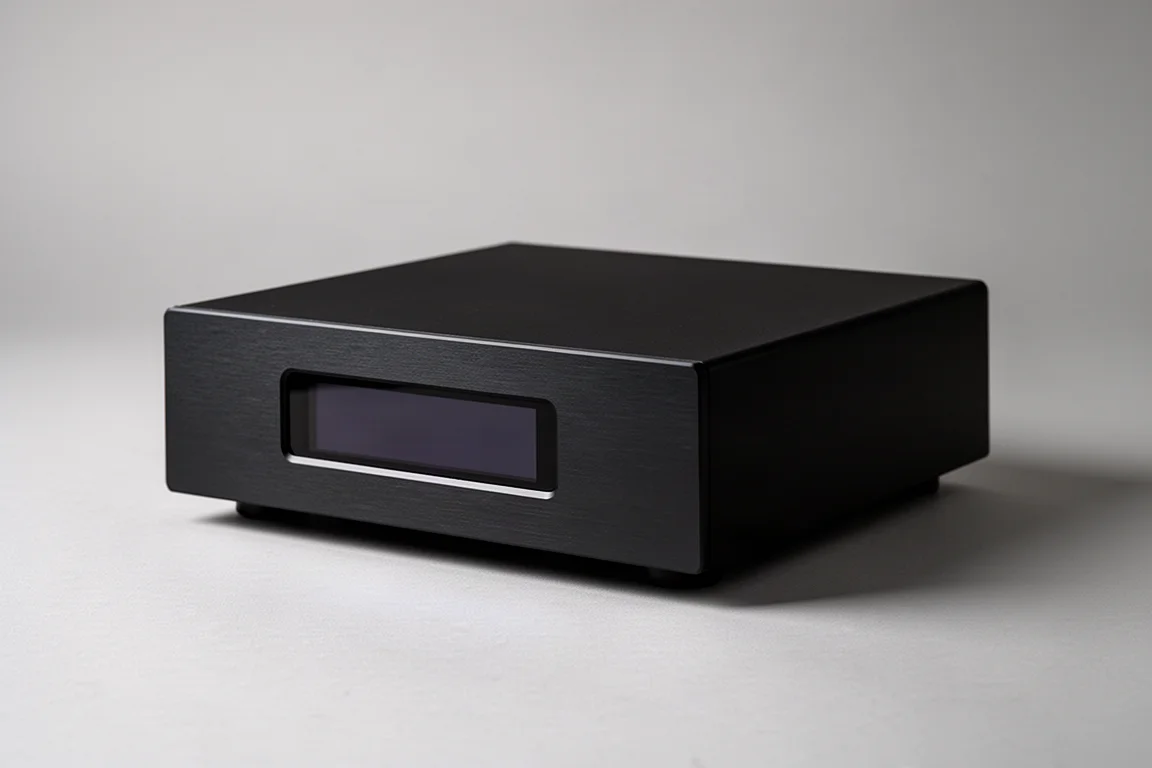
At around £1,600, the Gustard R26 is the value proposition of the group. An R2R ladder DAC of this quality at this price is unusual on its own, and Gustard also fits a UPnP streaming board inside the case, which means fewer boxes and one less cable run in a simpler system.
Its detail retrieval is genuinely impressive. It reveals just as much detail as the Venus 2, and possibly a fraction more. The compromise is in the shape of the presentation. The soundstage is narrower, the bass is lighter, and the midrange is less fleshed out, which together give it a more analytical character. Against the Venus 2 that is noticeable, and against the Cen.Grand it is more noticeable still. Buyers who value transparency over weight and warmth will find a lot to like, particularly at this price.
Build Quality, Features and Everyday Use
The Cen.Grand is the most heavily built of the three, with its thick aluminium plates and shielded internal layout, and it looks and feels like a full-size component in a rack. The trade-off is usability: the display layout splits related information across opposite corners, which makes checking the input or filter from a listening seat difficult. The Gustard earns its place on convenience, since the internal streaming board removes the need for a separate network bridge. The Venus 2 asks the least of you in day-to-day terms, simply because its strengths are about what you hear rather than what you configure.
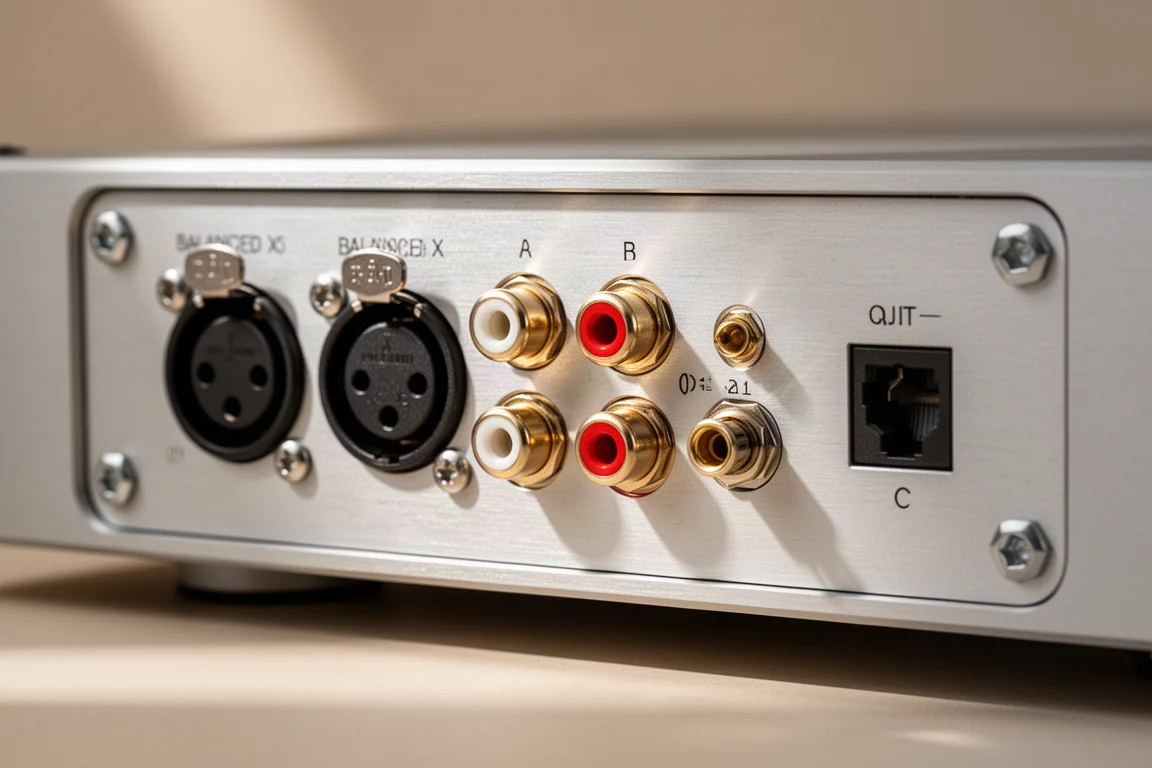
Connectivity is worth checking against your existing setup before you commit. The Cen.Grand covers five digital inputs and both RCA and XLR outputs but omits I2S and master clock inputs by design. The Gustard’s streaming capability may make a separate streamer redundant. If you already own a transport or network player you are happy with, the input count on any of these three is unlikely to be the deciding factor.
Sound Quality: Where Each DAC Pulls Ahead
Heard side by side, the three occupy clearly different positions. The Cen.Grand is dynamic and articulate, free from obvious digital artifice, and capable of a three-dimensional soundstage that is hard to match at its price outside the best R2R ladder designs. The Venus 2 counters with greater bass definition, more midrange texture and a more realistic sense of decay. The Gustard is the most analytical, with a narrower stage and lighter bass, but with detail retrieval that stands up to either of the others.
Settings on the Cen.Grand are worth exploring. Clarity and focus improved as the sample rate was raised from DSD128 to 256 and again to 512, while DSD1024 sounded slightly muddier than 512. The eight digital filters, by contrast, sounded much the same as each other, so there is little to be gained by cycling through them repeatedly.
All three reward good partnering equipment. A preamplifier and speakers that preserve a sense of space, subtle timing and natural tone will let any of them show what they can do, and the differences described here will be easier to hear in a resolving system than in a forgiving one.
Buying Advice: Matching a DAC to Your System
Start with your budget and your box count. If you want one component that handles conversion and network streaming without adding anything else, the Gustard R26 at around £1,600 is the obvious starting point, and its detail retrieval means you are not giving up resolution to get there. Accept a narrower stage and a lighter low end and it is a remarkable amount of DAC for the money.

If you want the most substantial, dynamic presentation of the three and you are drawn to the idea of a DSD-converting single box, the Cen.Grand DSDAC 1.0 Super Clock delivers that at around £2,500 for the standard model, with the Super Clock variant adding upgraded parts and the superior clock. Budget for a decent shielded mains cable, audition it with your own speakers if they are high sensitivity, and check the faint hum in your own room before committing.
If natural tone, refinement and a deep, layered soundstage matter more to you than weight and drive, the Denafrips Venus 2 at around £3,000 is the most resolved and most controlled of the group. Whichever way you go, the deciding factor is the trade between acoustic mass and control, so listen to your own music through your own system before you decide.
Conclusion
These three DACs show how varied the high end has become. The Cen.Grand DSDAC 1.0 Super Clock converts PCM to DSD and delivers a big, bold, immersive sound, with a cluttered display and a faint mains hum as the price of admission. The Denafrips Venus 2 trades some weight for control, texture and a more realistic decay. The Gustard R26 undercuts both while adding streaming and holding its own on detail.
None of them is the single correct answer. Each solves a slightly different problem, and the one that fits your system, your room and your listening priorities will feel like the right purchase for years rather than months.
Further reading
Related Reviews
Hi-Fi Audio
Accuphase C-57 vs Allnic H-7000V: Two High-End Phono Stages Compared
A fully balanced solid-state phono stage with a pitch-black noise floor meets a tube design built for well-loved records. Here is how to choose between them.
Hi-Fi Audio
Active vs Passive Hi-Fi: Five Components for a Modern System
Five components that define modern active and passive hi-fi systems, with the strengths, trade-offs and setup details worth weighing before you buy.
Hi-Fi Audio
Advance Paris A10 Apex Review: A Hybrid Integrated Amplifier That Covers a Lot of Ground
A French hybrid integrated amplifier with a class A tube preamp stage, analogue power meters, and an internal DAC and phono stage good enough to make extra boxes unnecessary.