Backpacking Gear
High Alpine Backpacking Gear List: 10 Lightweight Essentials for the San Juan Mountains
A ten-item high alpine backpacking kit built for Colorado's San Juan mountains, with the strengths and trade-offs to weigh before you buy.
Introduction
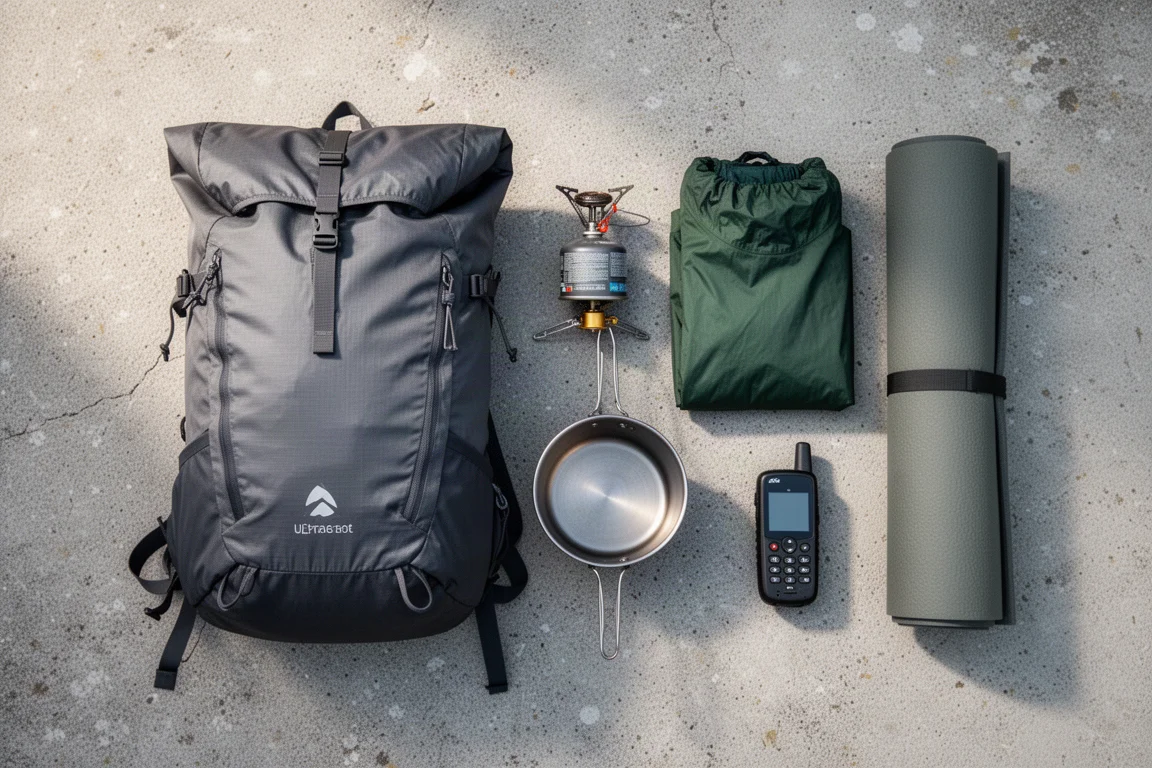
Carrying a pack above 12,000 feet in the San Juan mountains of Colorado is a different exercise from a weekend on a lowland trail. Weather moves in fast, the sun is relentless, reliable water sources thin out, and nights get cold enough that the sleep system matters as much as the shelter. This list covers ten items that earned their place on a recent high alpine trip, along with the trade-offs worth understanding before you spend.
The setup described here lands somewhere between 18 and 25 pounds depending on what is being tested, plus camera gear. That range is a useful reminder that lightweight backpacking is rarely about one magic item. It is a collection of choices that each remove a little weight and a little hassle.
What Matters in a High Alpine Gear List
Three things drive gear decisions above treeline. First, exposure: a long-sleeve sun hoodie and a separate pair of sunglasses are worth the small weight penalty, because they cut down on sunscreen reapplications and keep good eyewear from getting scratched. Second, cold: camping at around 12,500 feet means bringing a warm mid layer and a puffy layer even in summer. Third, water: dry camps are common, so extra carrying capacity is reasonable insurance even when it goes unused.
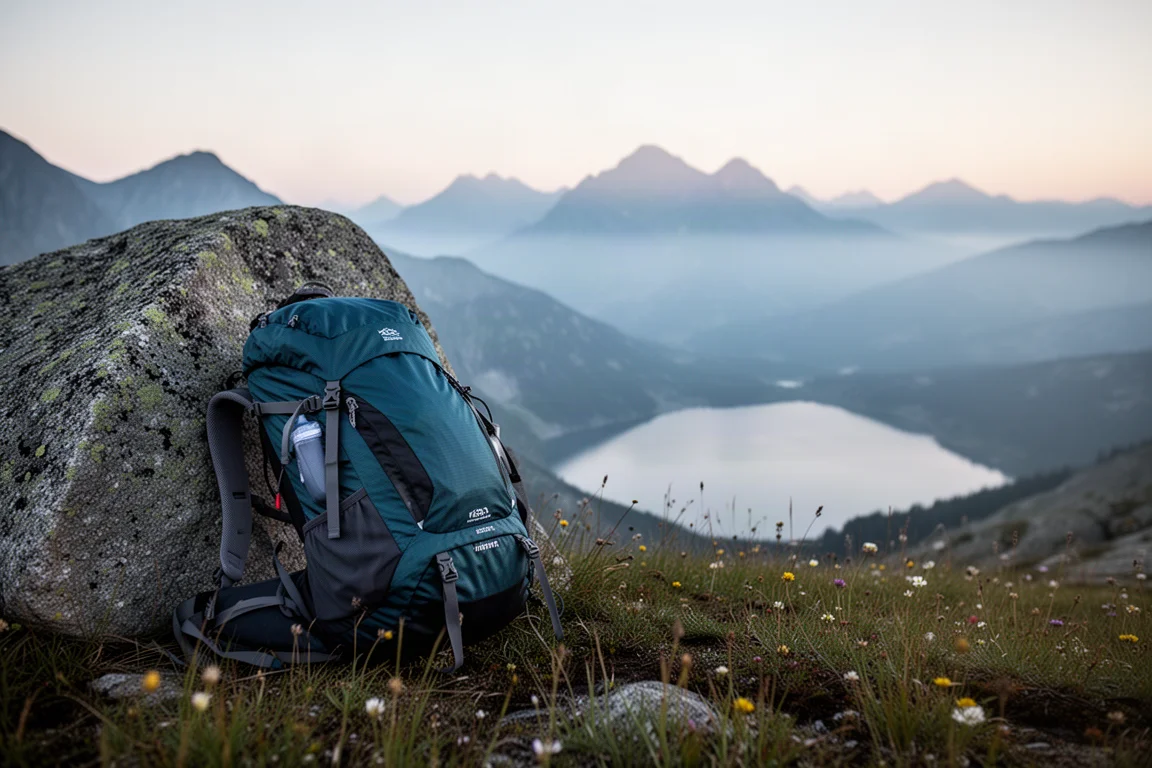
Durability and packability round out the list. Gear that dries quickly, packs into its own pocket, or doubles as something else tends to survive a full season better than gear that only performs in perfect conditions. None of that requires spending the most money, though several items here sit at the premium end of the market.
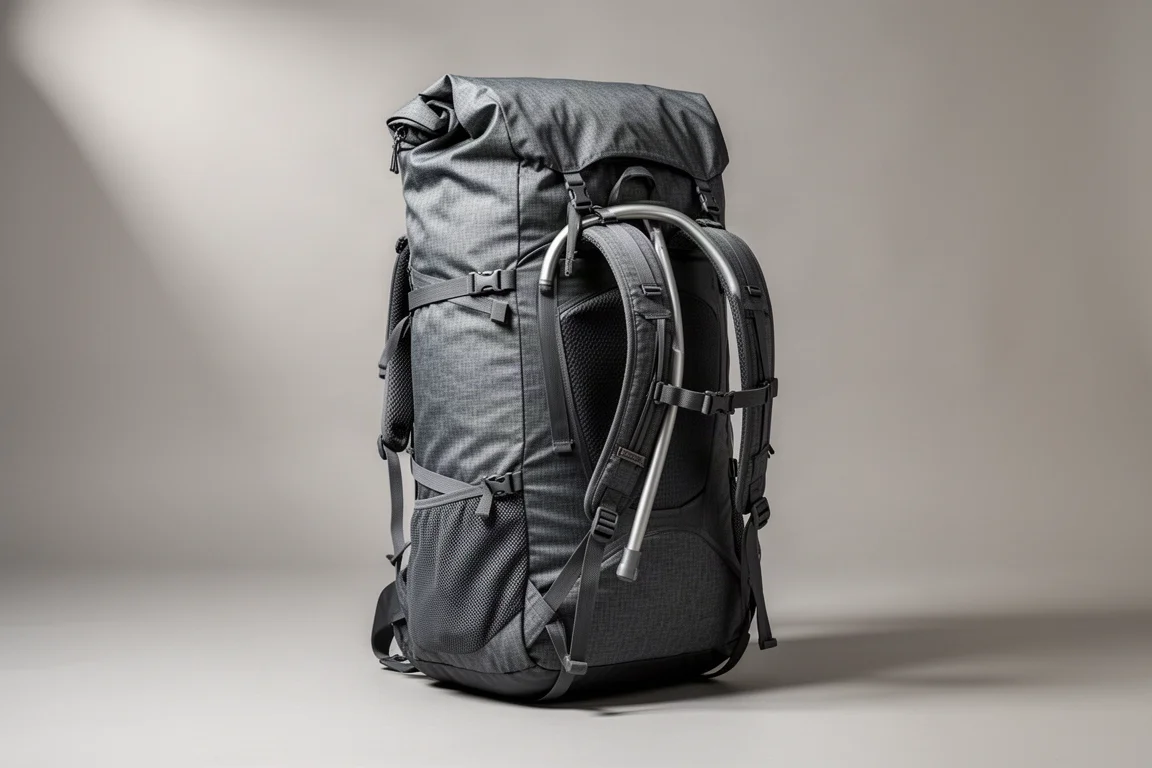
Ultralight Load Carrying: Zpacks Arc Haul Ultra 70L
Seventy liters of capacity in a fabric that keeps the pack itself remarkably light. The Arc Haul Ultra is comfortable with a heavy load and swallows a full high alpine kit without needing much strapped to the outside. Trekking poles ride on the exterior for quick access, and the roll-top closure keeps the main compartment simple.
The friction point is the accessory model. Hip belt pouches and similar add-ons are sold separately, which is hard to justify on a pack at this level. The example in this kit is six or seven years old and still in service, which says something about how the platform holds up over time.
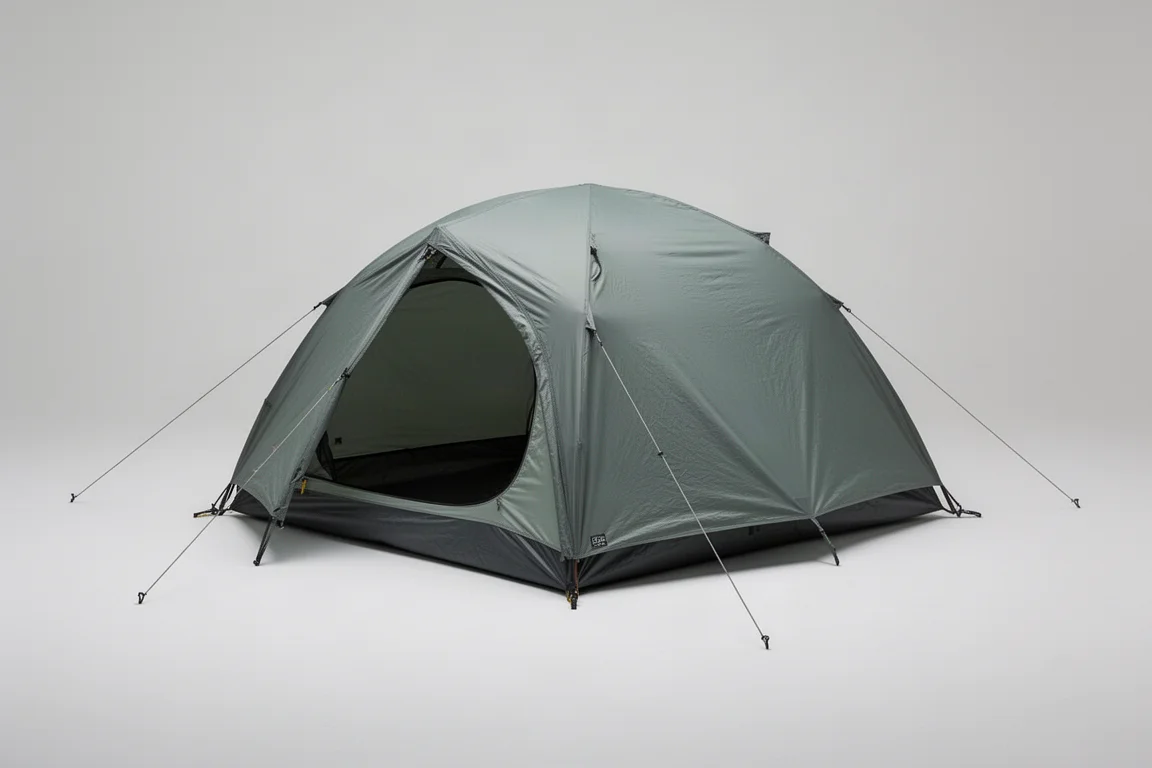
Shelter: NEMO Hornet Elite
A freestanding tent makes life easier on rocky high alpine ground where stakes are difficult to place, and the Hornet Elite is the shelter that went up on this trip. It is a new version of a long-running design, and this was the first outing with the current generation after many nights in earlier ones.
Because the tent stands on its own, trekking poles stay on the outside of the pack rather than being needed for the pitch. That keeps them out of the way and reduces the chance of them getting bent or tangled inside the load.
Sleep System: Zenbivy Ultralight 10 Degree
The Zenbivy system pairs a quilt with a fitted sheet, and the result is one of the most comfortable nights available in a backpacking setup. The 10 degree configuration is the warmer of the options described here, and the sheet keeps the whole arrangement aligned instead of sliding around underneath you.
The catch is cost. Bought as a complete system it is a serious line item, and it only makes sense if sleep quality is the thing you care most about.
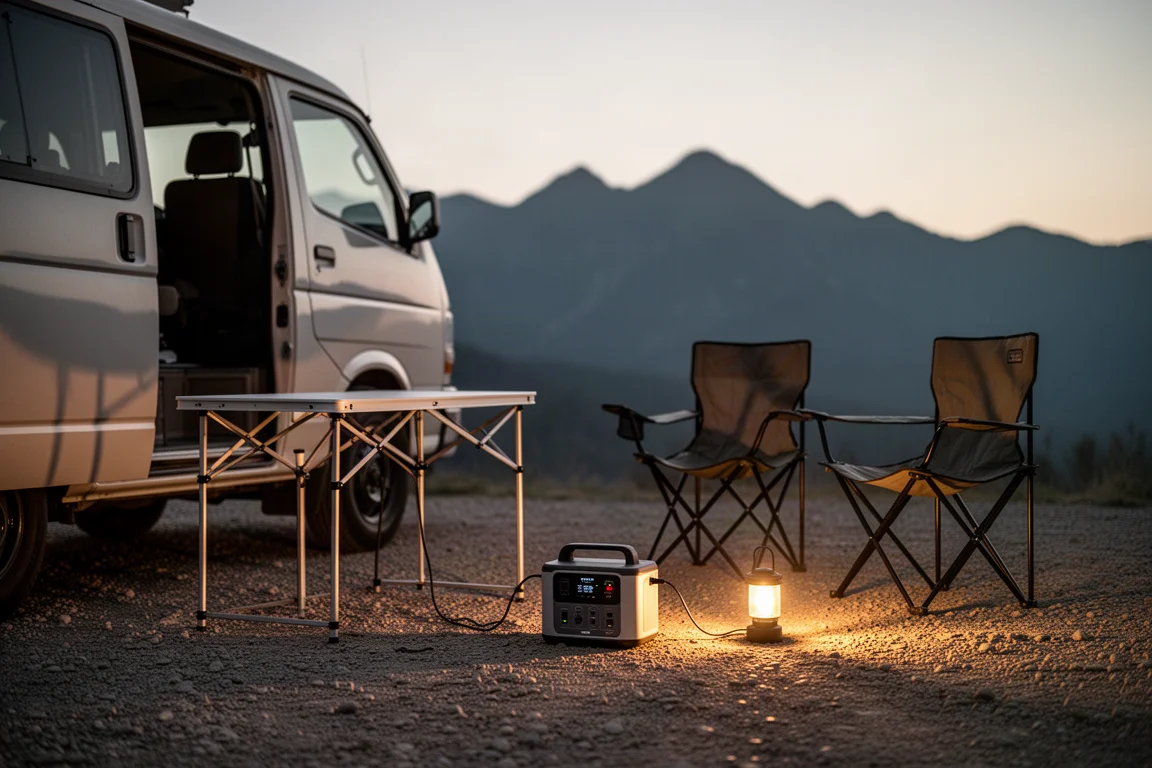
What makes it work in practice is that the quilt and sheet behave more like bedding than like a bag, so there is less wrestling in the dark. For cold, exposed camps it is a genuinely comfortable place to spend a night.
Sleeping Pad: Flextail Zero Mattress
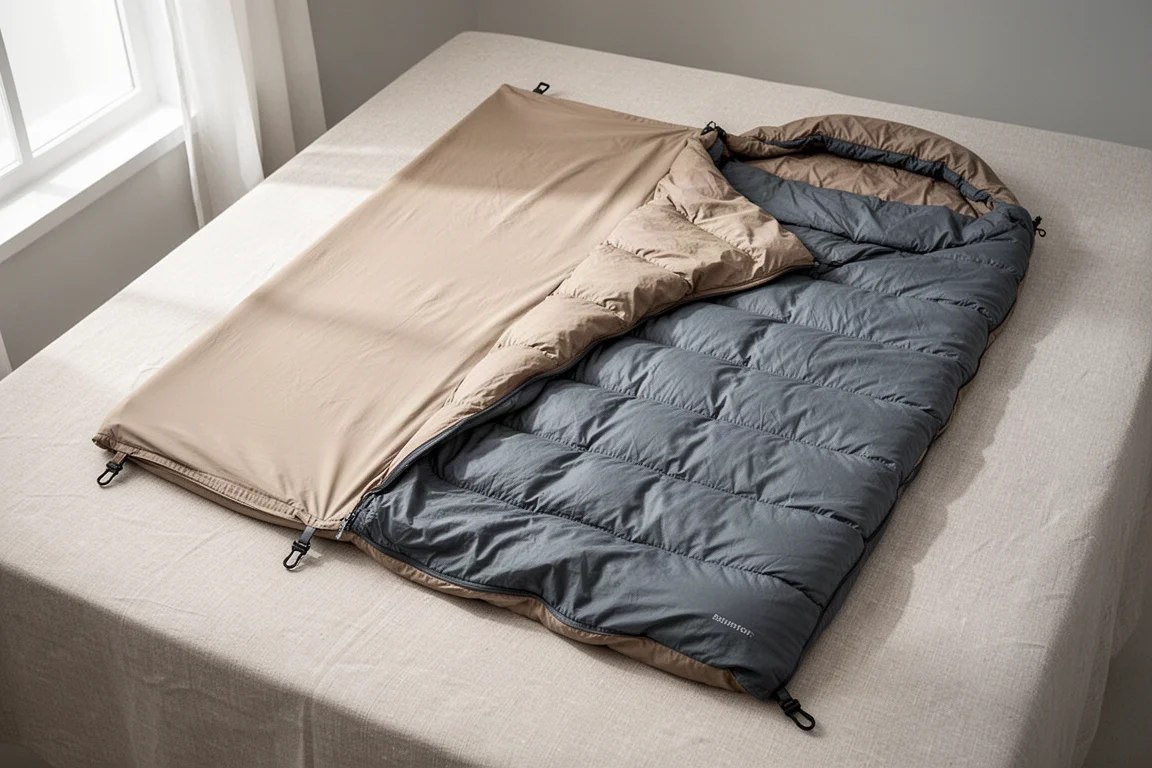
The Zero Mattress is R5 rated and unusually wide, which makes it a comfortable platform for side sleepers and anyone who shifts position through the night. It is also one of the better values in this list, with a price around $140. The main compromise is packed size, since it takes up a little more room than the thinnest pads.
Warmth: Outdoor Vitals Nova Pro
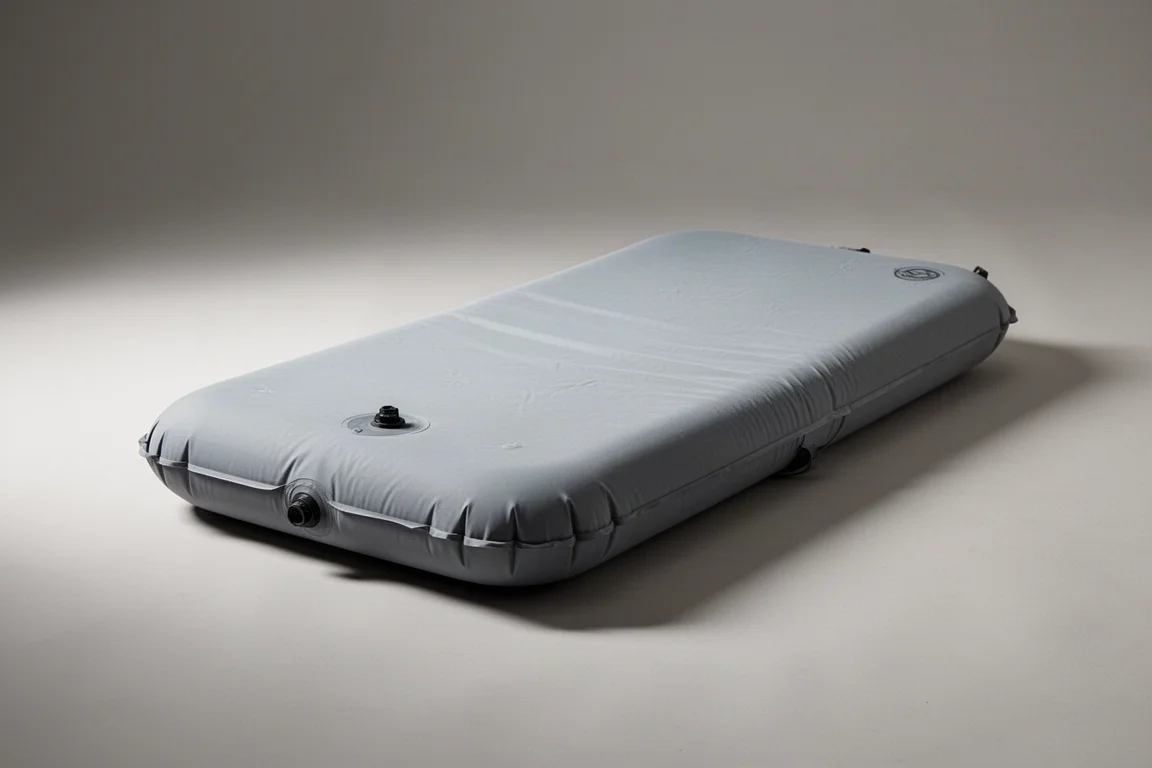
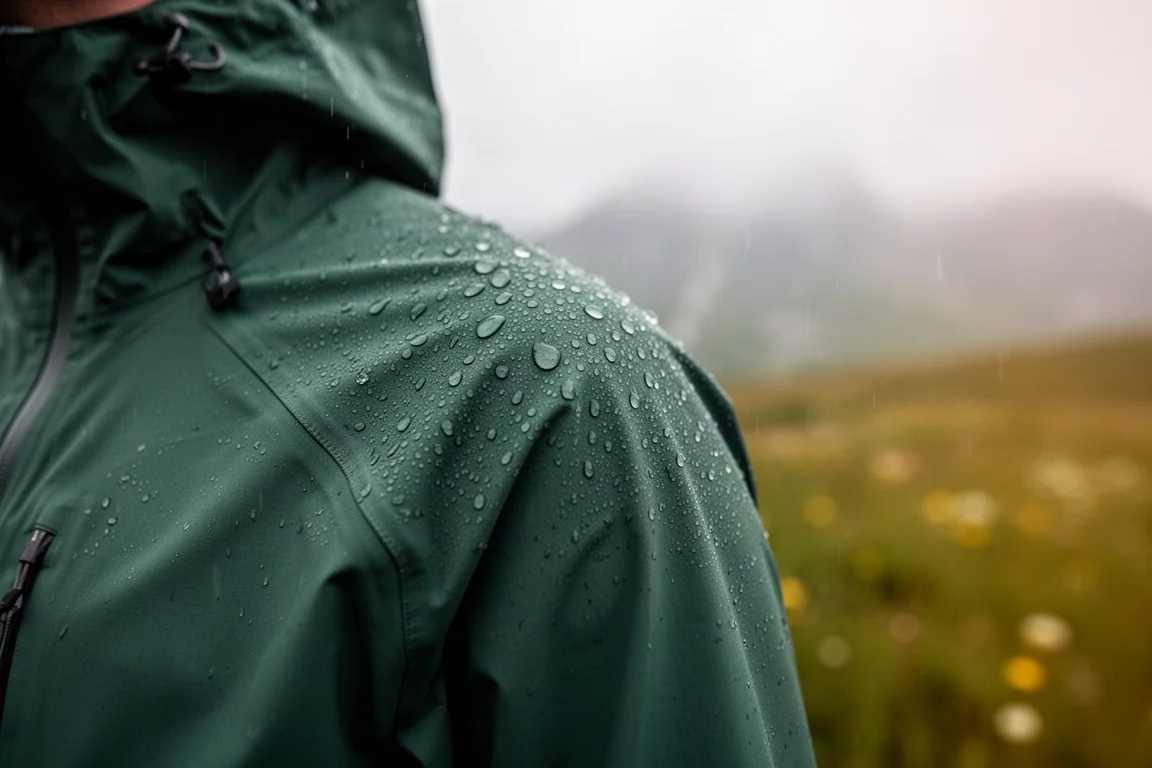
For a camp at 12,500 feet, the puffy layer has to be genuinely warm rather than just packable. The Nova Pro is a little heavier than the lightest options, but it is comfortable and cozy in a way that matters once the temperature drops after sunset, and the pit zips let you vent it while you are still moving.
Communication: Garmin inReach Mini 2
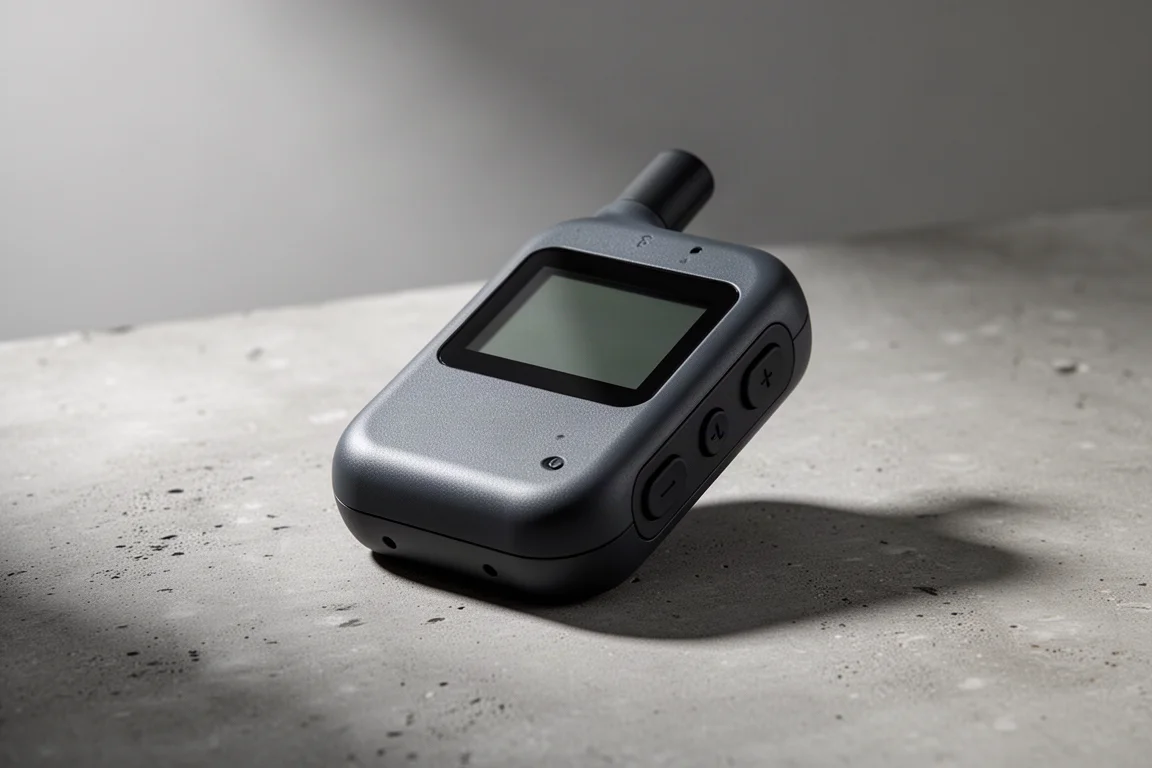
Satellite communication is one of those categories where the value becomes obvious the moment you need it. The inReach Mini 2 handles messaging with family and friends, trip tracking, and access to emergency services when there is no cell signal at all. It is a small device, but it is one more thing that needs charging on a long trip, so a battery plan matters.
Water Treatment: Sawyer Squeeze
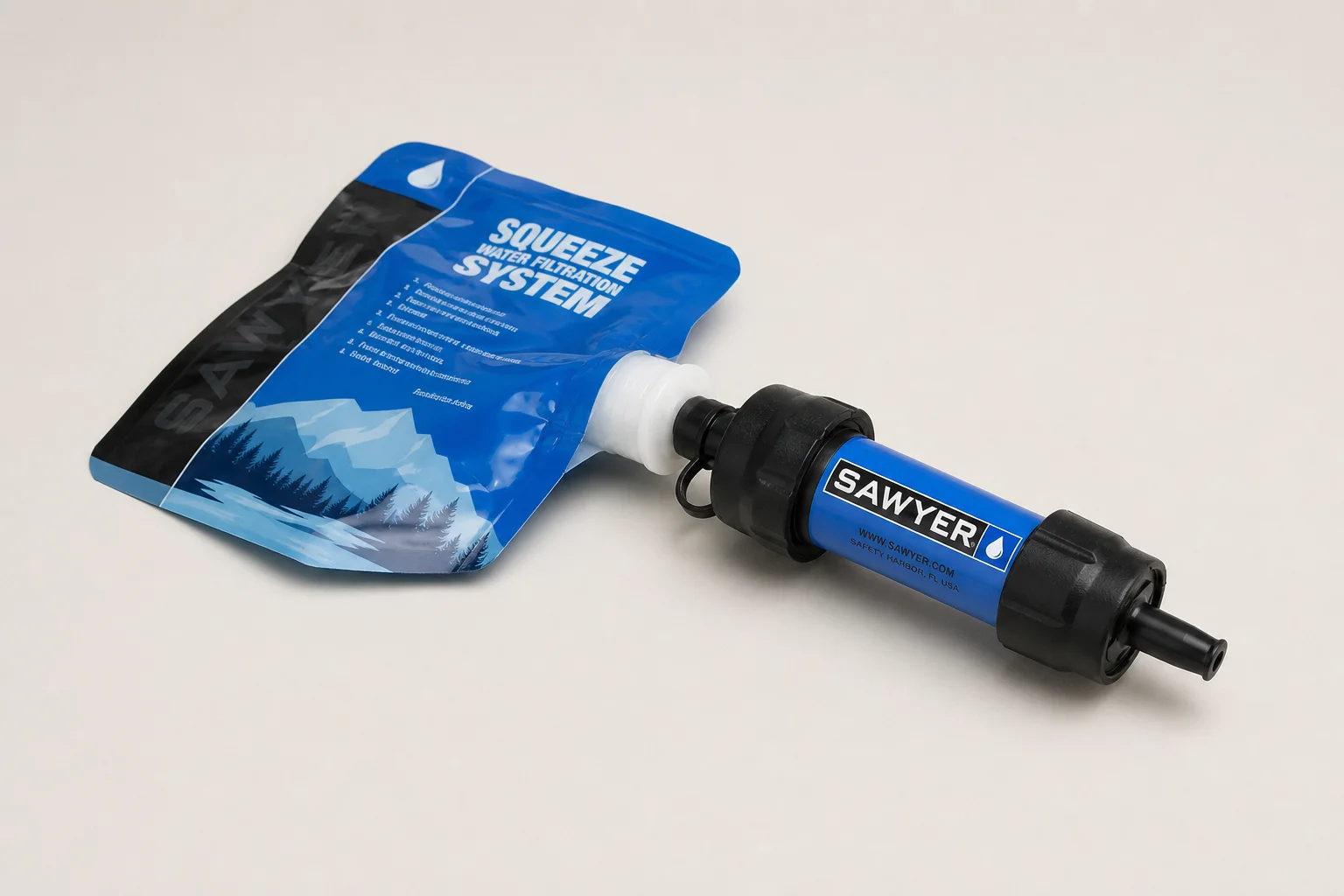
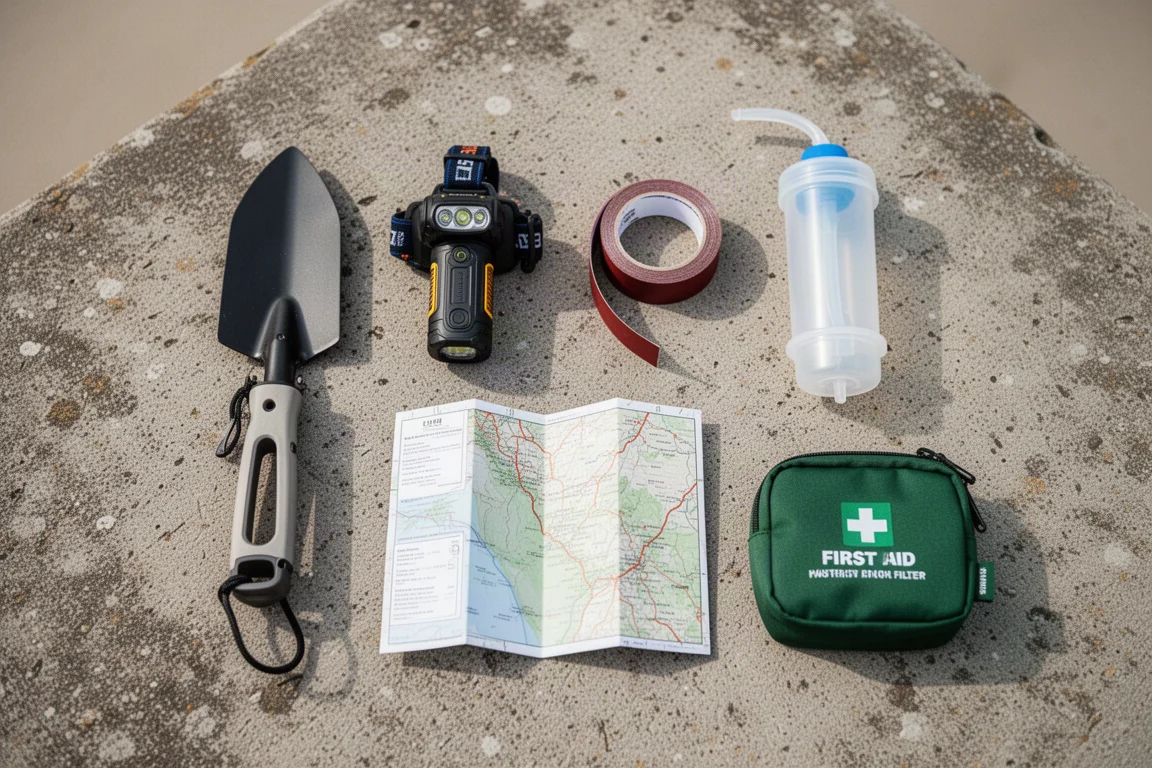
The Sawyer Squeeze remains the default filter for this kind of trip: simple, dependable, and easy to clean in the field. Two upgrades make it noticeably better in use. First, replace the flimsy bladder that ships with the filter with a proper two liter water carry bladder such as the Cnoc Vecto 2L. Second, carry a spare cap and the backflush syringe, because caps get lost and filters eventually need clearing.
Chemical purification tablets are worth adding as a backup for the day the filter clogs, freezes, or goes missing. On a dry-camp itinerary, a four liter water cell with handles is also useful for hauling extra water from the last reliable source, and it stands up on its own when full.
Lighting: Black Diamond Spot R
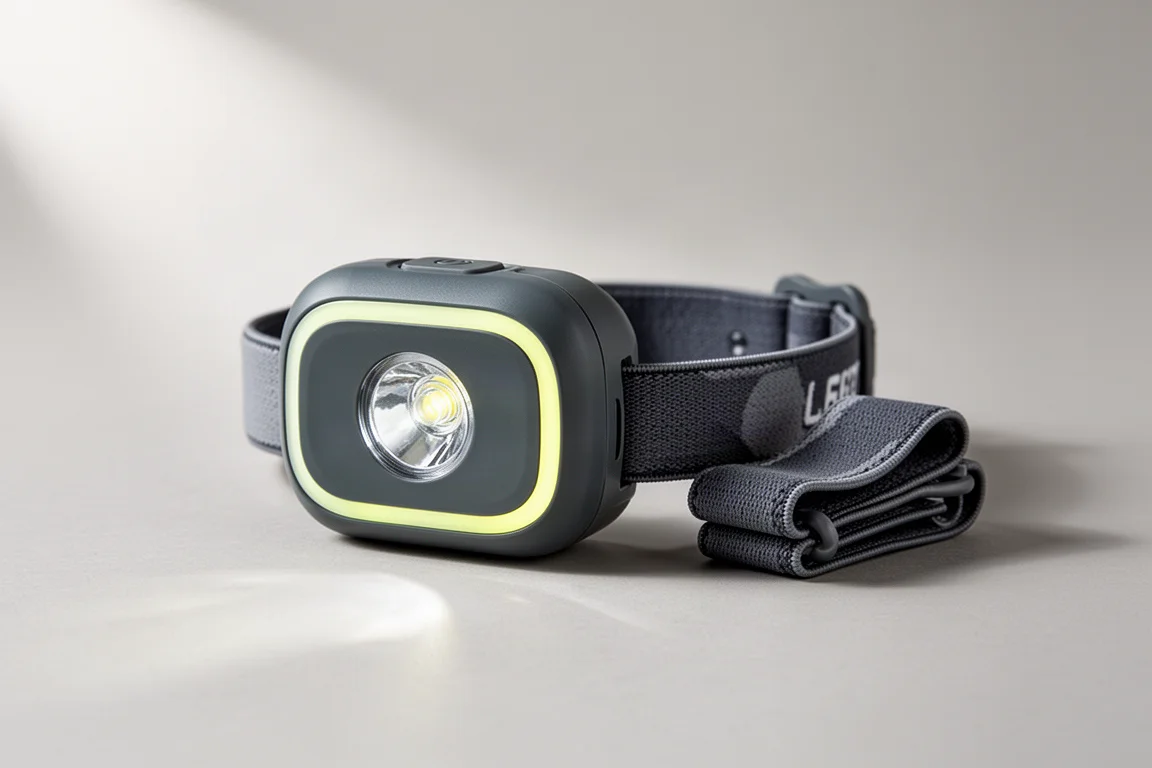
A headlamp that lives in a hip belt pocket needs to be bright, rechargeable, and above all lockable. The Spot R covers all three, and the lockout matters more than it sounds. An unlocked headlamp that switches on inside the pack will be dead exactly when you need it.
Camp Comfort: NEMO Moonlite Elite
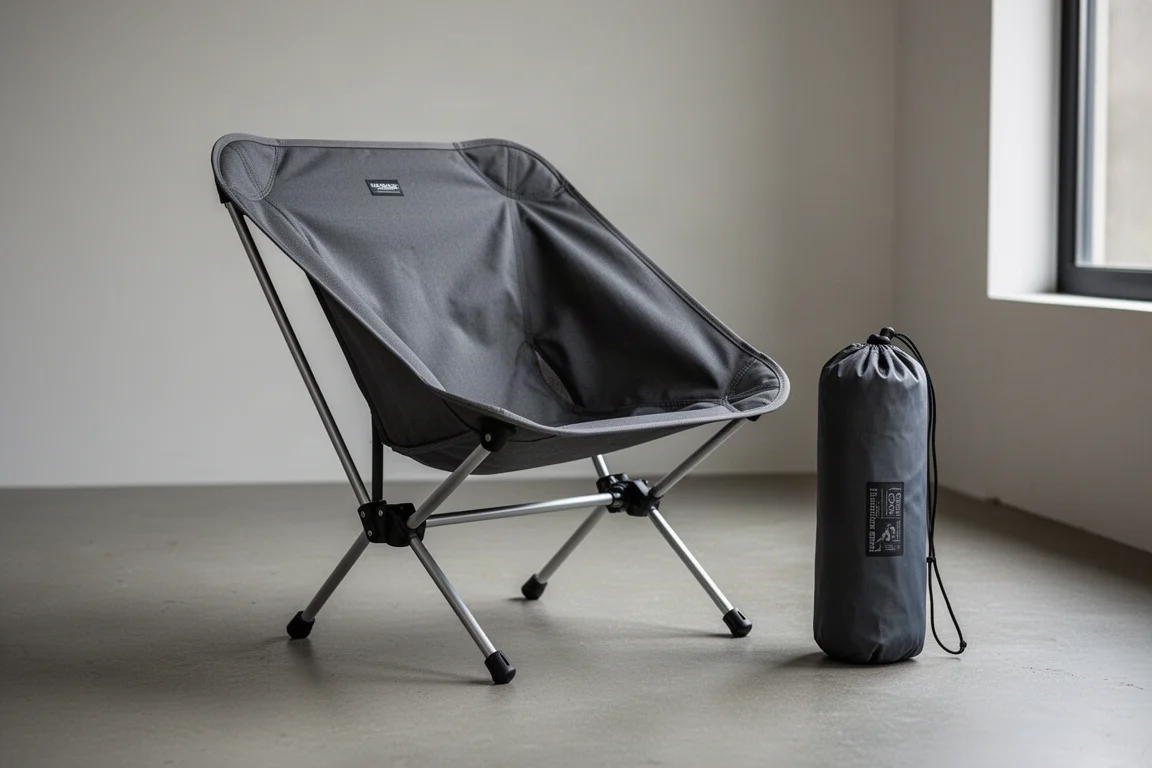
A chair is a luxury until you have carried one for a week and then sat in it at the end of a long day. The Moonlite Elite is light enough to justify its place and comfortable enough that breaks stop being about finding a flat rock. It lives on the outside of the pack for instant access, which is worth remembering when you are counting every liter of interior space.
Cooking: MSR PocketRocket Deluxe
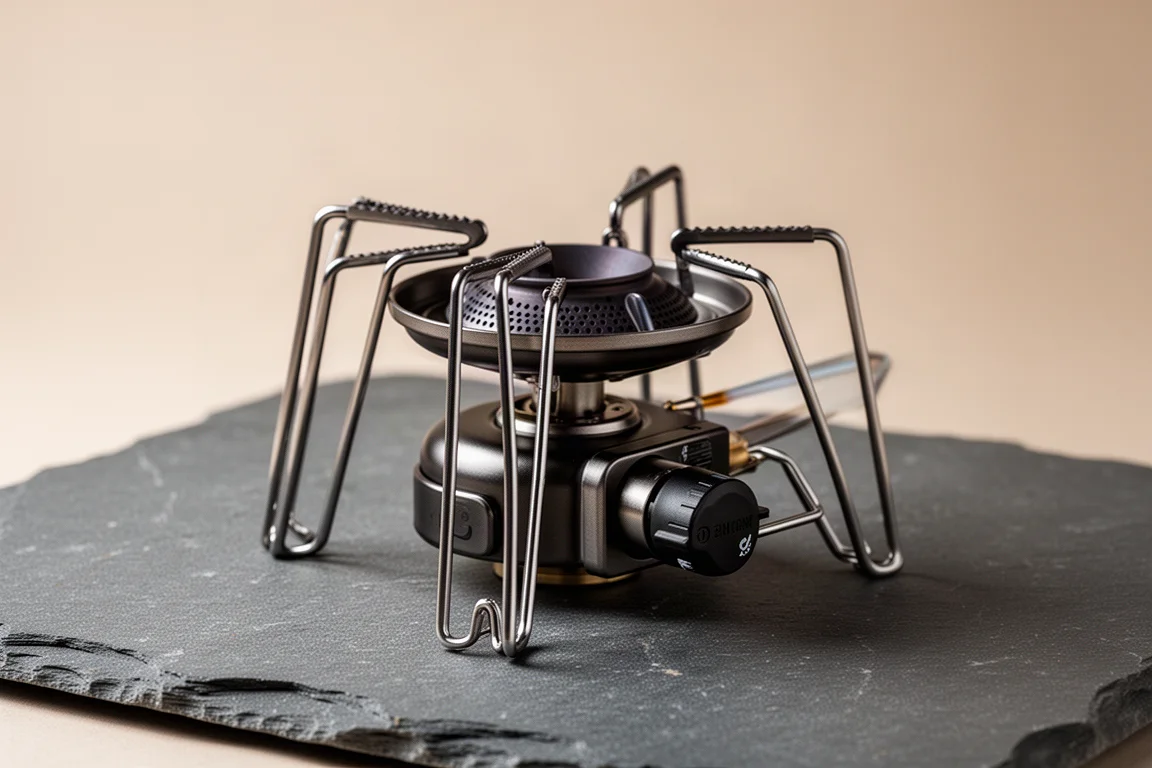
The PocketRocket Deluxe brings a built-in igniter, which removes the need to carry a lighter or matches just for the stove. Paired with a titanium pot in the 750 milliliter range, it makes a compact cook kit that boils water quickly and packs down small.
The titanium pot is the part worth protecting, since lids are easy to lose or damage and replacements cost more than expected. A stove and pot combination this small is also a reminder that a simple cooking setup covers most backpacking meals without any extra gadgets.
Buying Advice: Matching Gear to Conditions
Start with the conditions you actually expect, then buy for the margin. High altitude trips justify a warmer sleeping system and a real puffy layer. Dry camps justify extra water capacity, even if you end up carrying it empty. Muddy, wet terrain justifies waterproof footwear and a dry bag layer inside the pack for anything that has to stay dry.
The biggest savings usually come from the items you use least. Bottles, stuff sacks, and water bladders can all be inexpensive without hurting performance, and a cheap plastic bladder works about as well as a premium one for keeping a sleeping bag dry. Where it is worth spending is shelter, sleep, and safety, because those three categories decide whether a trip is comfortable and whether you can call for help.
Conclusion
Ten items, one high alpine kit, and a clear pattern: the gear that earns its weight is the gear that solves a specific problem in the conditions you actually hike in. Lighter loads come from the accumulation of small decisions rather than from a single purchase, and the right answer for a dry-camp trip at 12,500 feet will look different from the right answer for a lowland weekend. Buy for the margin, keep the safety items simple and reliable, and spend where comfort and confidence are genuinely at stake.
Further reading
Related Reviews

Backpacking Gear
Building a 10 lb Base Weight: An Ultralight Backpacking Gear List
A practical walkthrough of the ultralight pieces behind a 10 lb base weight, from a 765 g pack and a roomy one-person tent to a full camp chair and a dependable water filter.
Backpacking Gear
A 15-Pound Lightweight Backpacking Gear List for Solo Trips
A beginner-friendly 15-pound backpacking setup built from easy-to-find gear, with notes on what each piece does, how it packs, and where to spend your attention.
Backpacking Gear
8 Ultralight Backpacking Gear Upgrades Worth Carrying
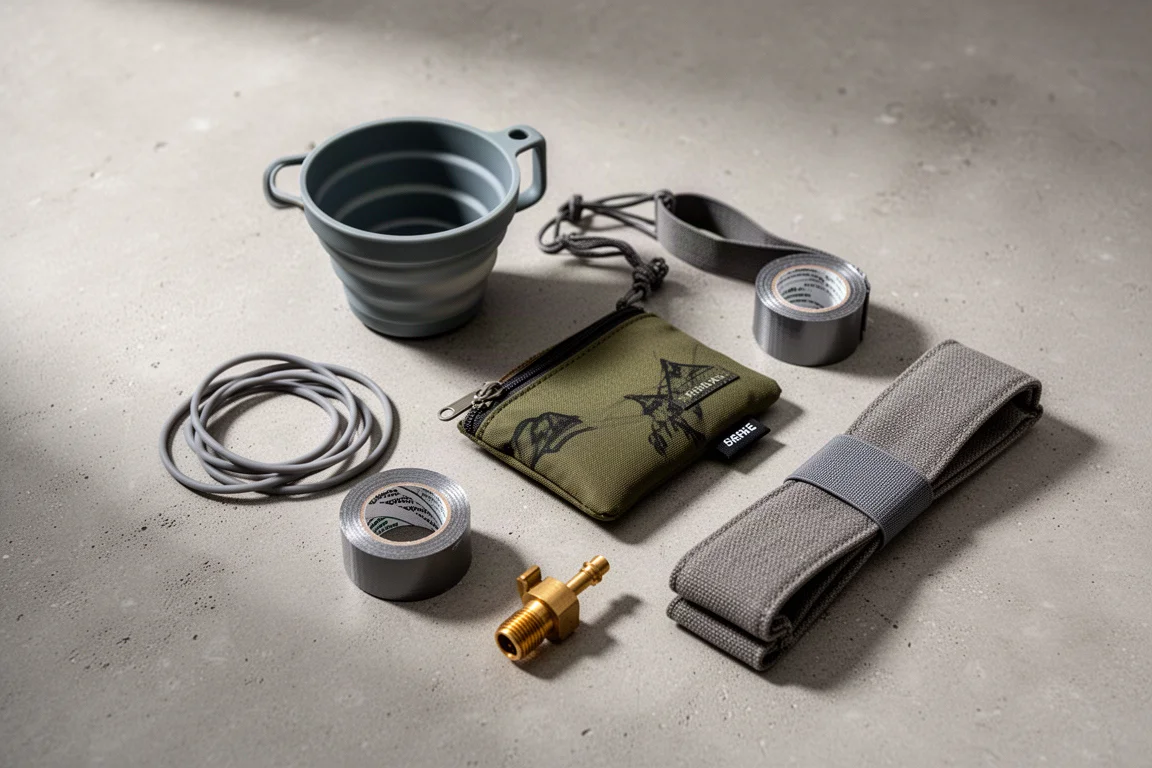
Eight small, affordable backpacking upgrades that solve real trail annoyances, from a pillow that stays put to a fuel valve that rescues leftover canister gas.