Hi-Fi Systems
A Complete Hi-Fi System for Under $2,300: Seven Components Worth Considering
Seven hi-fi components that build into a complete two-channel system for under $2,300, with two alternative routes that trim the total closer to $1,400.
Introduction
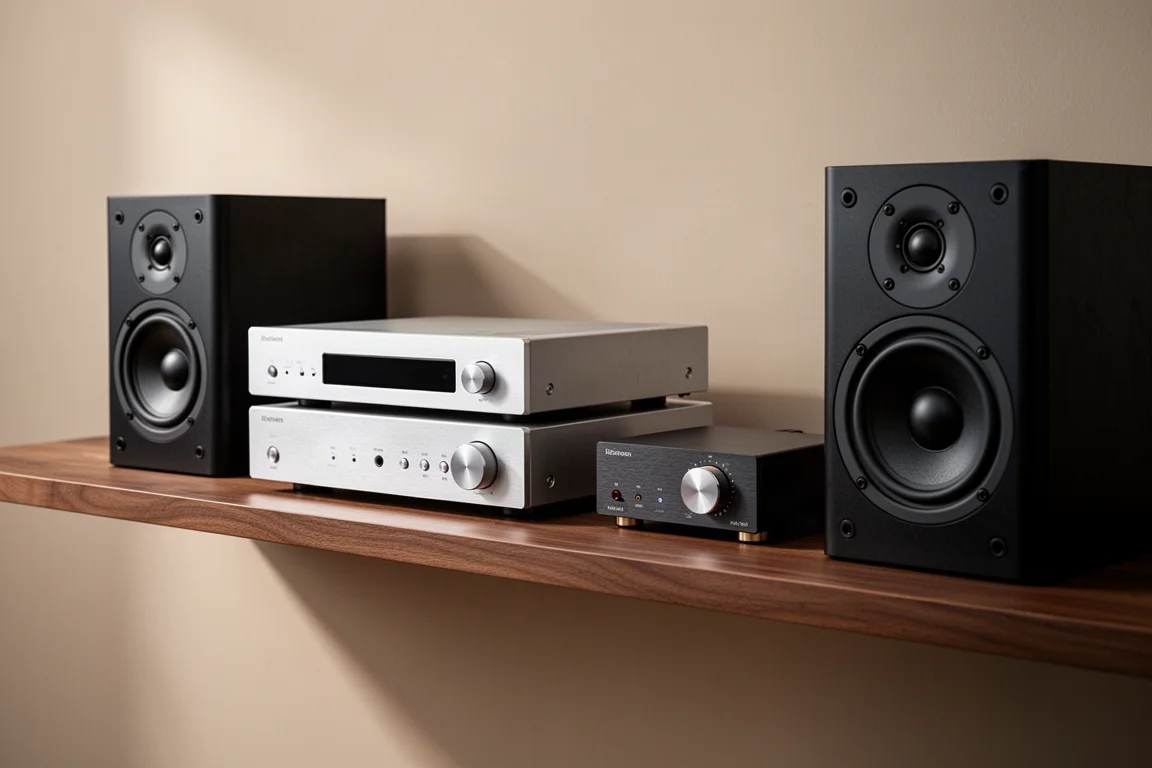
A complete two-channel hi-fi system does not have to start in the four-figure range. The components below come together as a working setup with a total system price under $2,300, and because several pieces overlap in function, trimming the list brings the total down to around $1,400. The trick is knowing which parts you actually need for the way you listen.
The core build pairs a simple integrated amplifier with a network streamer, a digital-to-analog converter, and a pair of standmount speakers. Two alternative routes sit alongside it: one for listeners who are happy to go fully digital, and one for listeners who want to keep a turntable and other analog sources in the chain.
How These Components Fit Together
Every piece here earns its place by doing something the others cannot. The Cambridge Audio components are clearly built to a strict budget, but they still carry the brand’s eye for design, which means they look as good as the company’s more expensive offerings. The Eversolo Z8 stands out for build quality and flexibility at its asking price, and plenty of DACs on the market are neither as well built nor as functional despite costing more. The Revel M16 speakers sound far better than their sale price suggests.
That is what makes the system worth considering. Each component performs a class or two above its price, and the compromises are mostly about convenience and flexibility rather than basic sound quality.
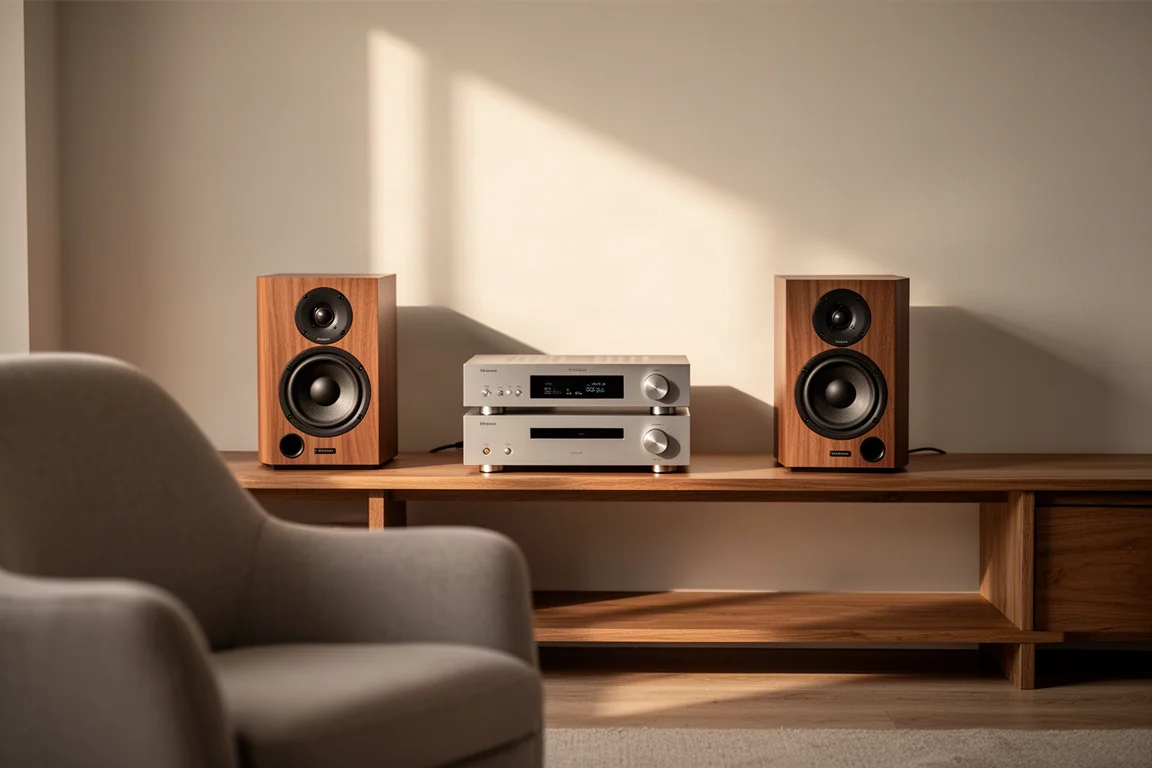
Those compromises matter more than a specification sheet suggests. A 25 watt amplifier driving 86 dB speakers looks mismatched on paper, yet the pairing works in practice. A streamer that cannot double as a standalone DAC looks limiting, yet it still delivers the streaming convenience it was bought for. Deciding which compromises are acceptable is the real work of choosing a system at this price.
Cambridge Audio AXA25: The Power Foundation
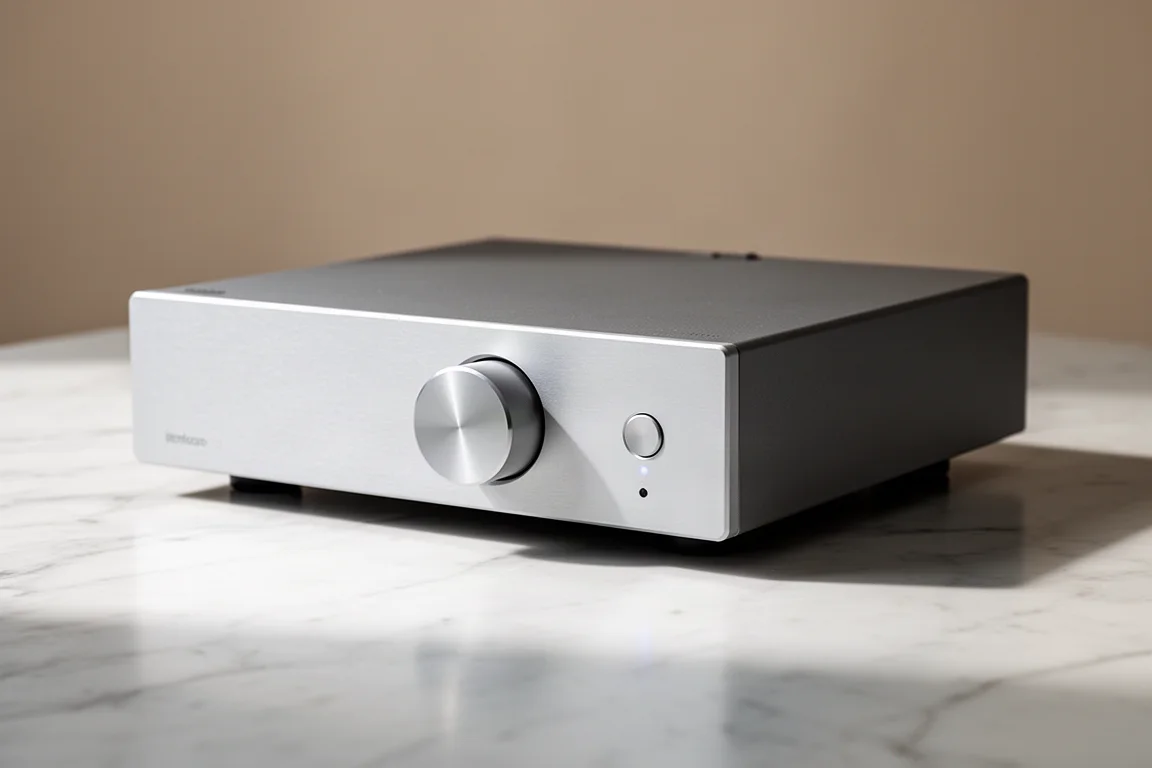
The Cambridge Audio AXA25 is a simple but effective 25 watt per channel stereo integrated amplifier. It provides four analog inputs, a headphone jack, balance control, and tone controls. It does not include a built-in phono preamp, a DAC, or a remote control.
Those omissions are part of what keeps the total price down, and they come with two practical quirks. The volume knob is sensitive, which makes fine adjustment awkward from anywhere other than arm’s reach. Dynamics are slightly compressed as well: the amplifier tends to jump from quiet to loud rather than build gradually, giving up a level or two of sonic contrast as music swells.
Within those limits it drives the Revel M16 speakers without trouble, reaching very high volumes in a normal room. It is the weakest link in the standard build, which is a fair way to see it: the amplifier is the component most worth upgrading later.
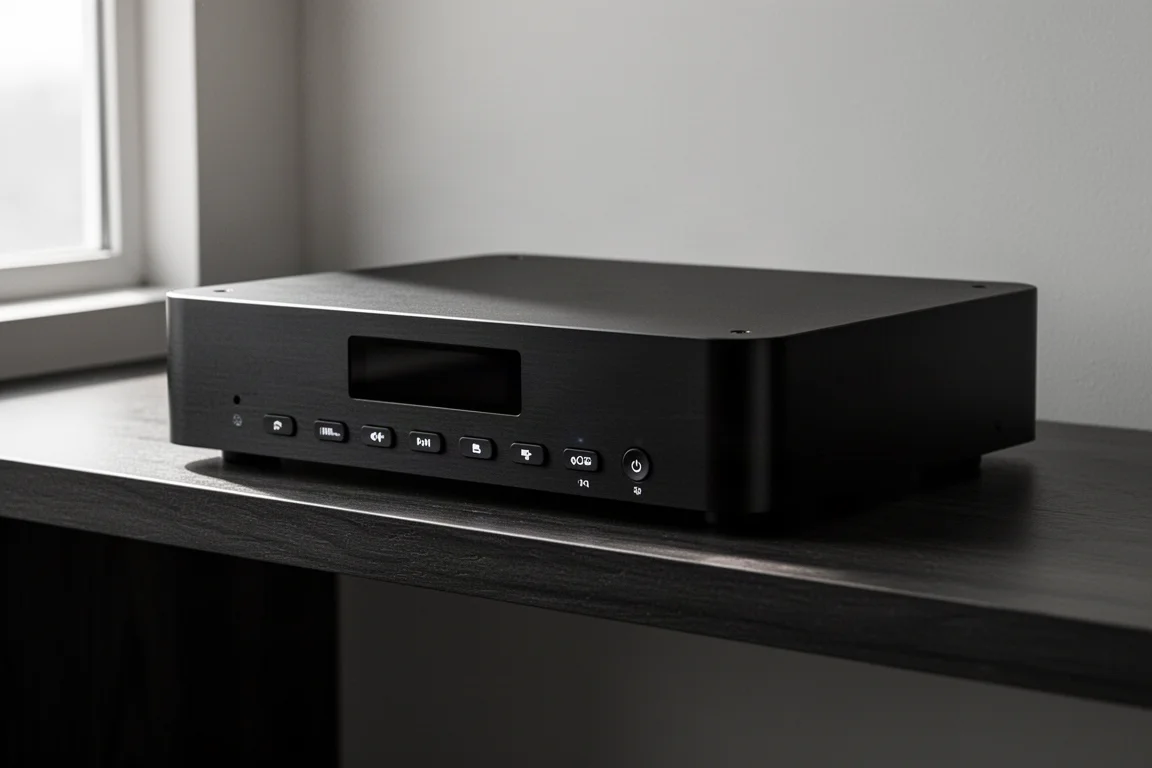
Cambridge Audio AXN10: Streaming for an Analog Setup
The Cambridge Audio AXN10 brings modern streaming to a traditional two-channel system. It is the full-width version of the MXN10, and there are no performance differences between the two, so the choice between them comes down to size, appearance, and cost rather than sound.
The AXN10 connects over Ethernet, Wi-Fi, USB storage, and Bluetooth, and it opens up major streaming services including Spotify and Tidal through the fourth generation of the Cambridge Audio StreamMagic app. Dedicated hotkeys put favorite stations and services a single button press away, a convenience usually associated with far more expensive products.
It is worth being clear about what the AXN10 is not. It is not a standalone DAC. It has an ESS Sabre converter inside to handle its own internal digital-to-analog conversion, but it cannot sit between a television and the AXA25 the way a dedicated converter can. That is a genuine limitation at this price, even if it is a common one.
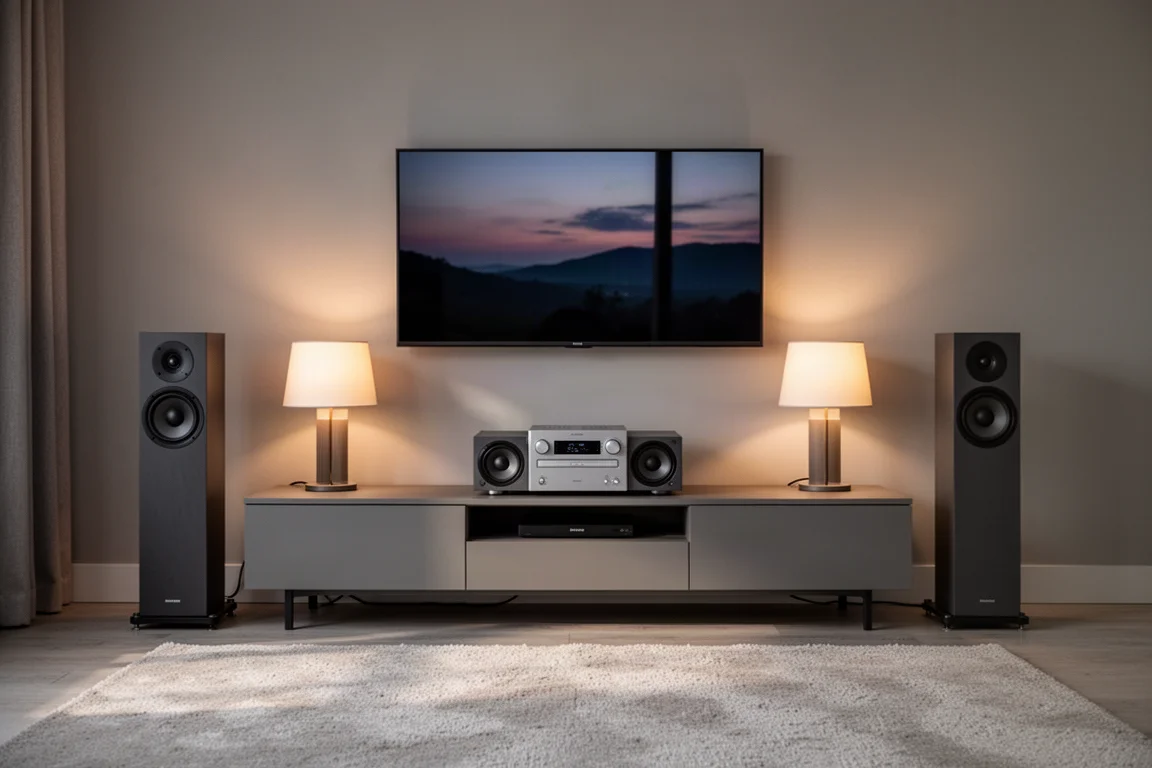
What the AXN10 does deliver is a simple, effective way to bring streaming convenience to more analog and vintage hi-fi gear. If the rest of your system is built around records and older sources, this is the piece that lets you keep it and still stream.
Cambridge Audio MXN10: The Compact Alternative
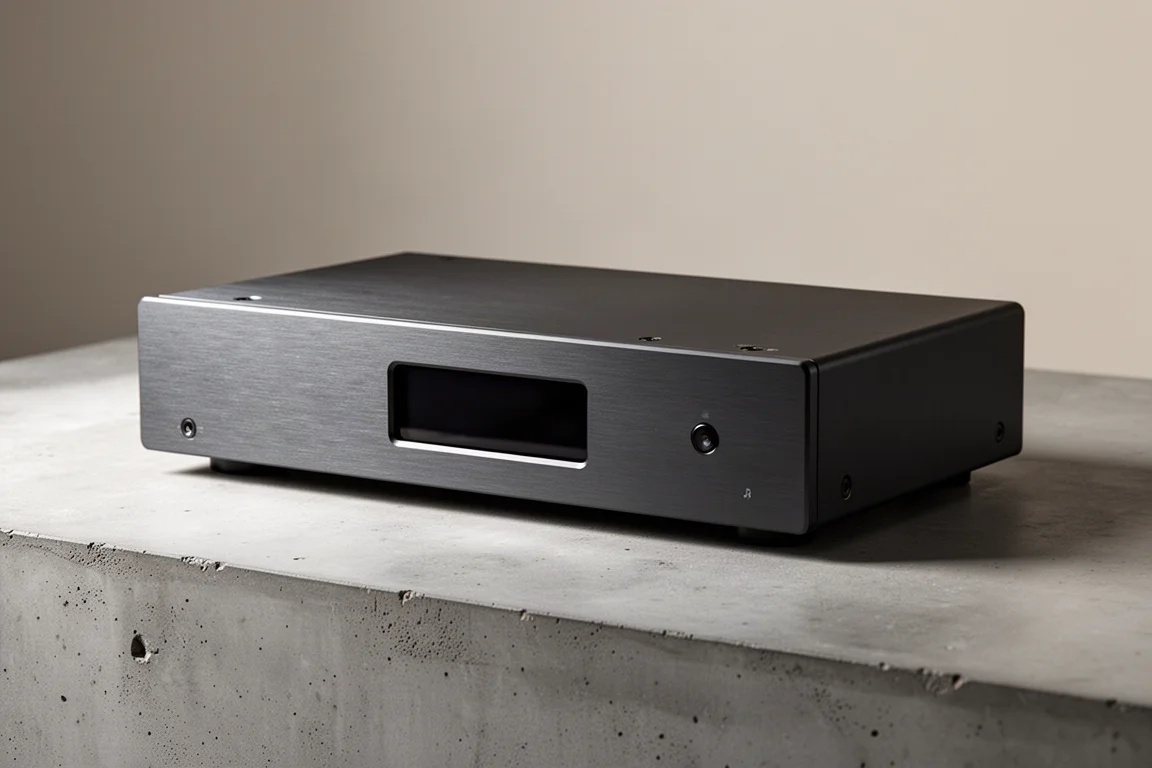
The Cambridge Audio MXN10 is the smaller sibling of the AXN10, and it exists for one practical reason: it costs about $100 less while delivering identical streaming performance. If you do not need a full-width chassis to match the amplifier visually, the MXN10 absorbs part of the cost of another component.
Its capabilities mirror the AXN10 exactly, with the same streaming services, the same app, the same hotkeys, and the same inability to serve as a standalone DAC. Buyers who want a matching stack will prefer the AXN10. Everyone else can put the savings somewhere more useful.
Eversolo Z8: A DAC and Preamp With Real Flexibility
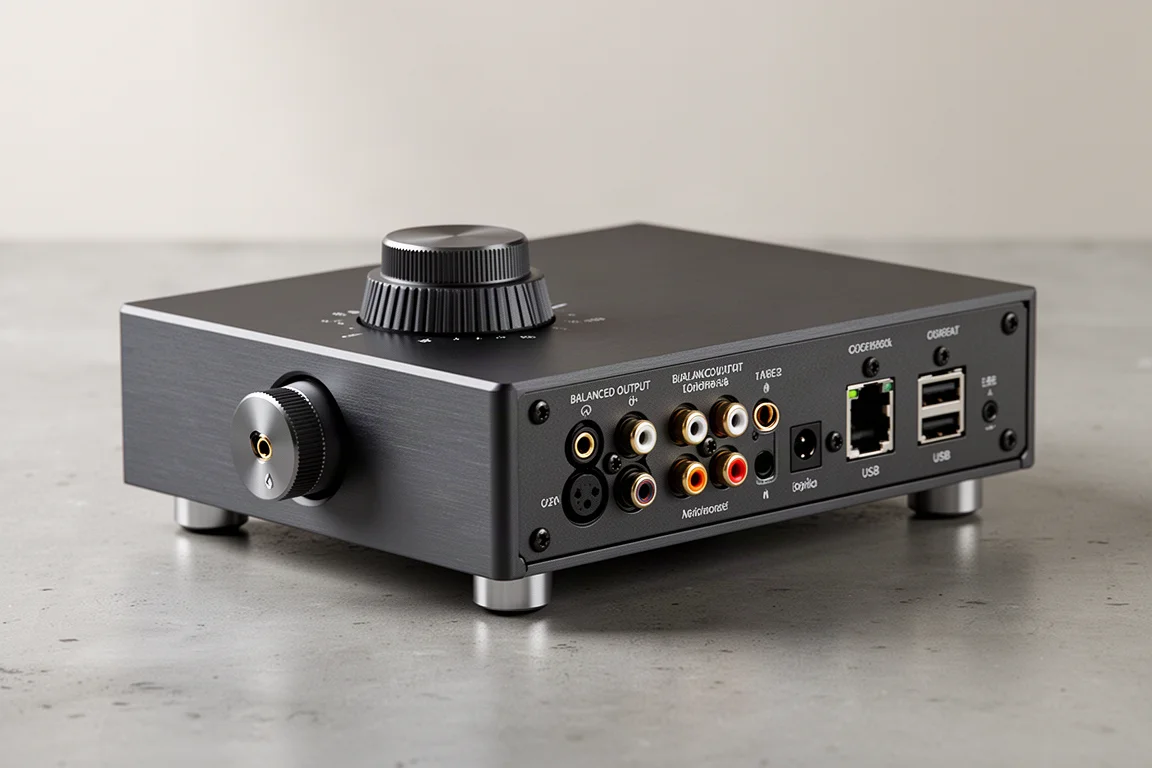
The Eversolo Z8 is the component that makes the standard build more livable. Its preamp function allows remote control of the AXA25’s volume, which solves the most annoying quirk of a manually controlled amplifier. The Z8 also makes it possible to connect a television to a simple two-channel setup, adding movie watching to the system’s duties.
Build quality and flexibility are the two reasons this converter holds its place. Many DACs on the market are not as competently built or as functional, even when they cost more. Its asking price raises the obvious question of how that level of construction is possible, but the answer matters less than the result.
Revel M16: The Speakers That Carry the System
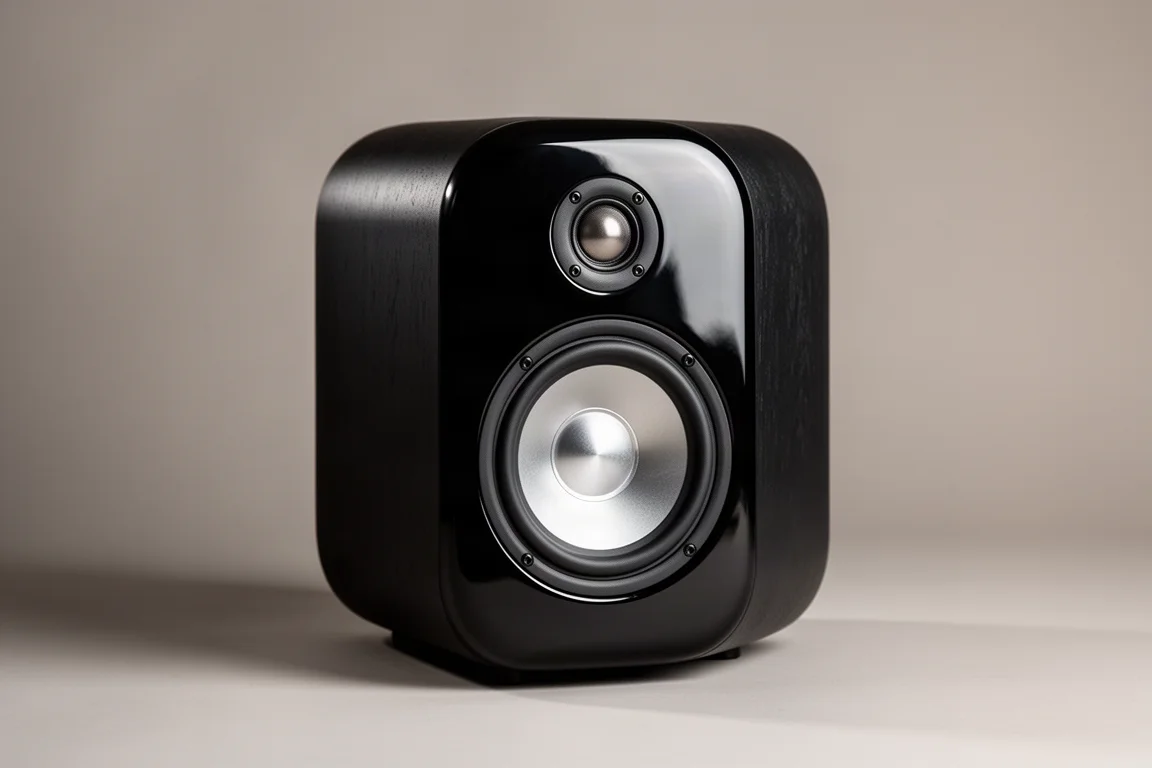
The Revel M16 is a two-way rear-ported bookshelf speaker built around a 1 inch aluminum dome tweeter and a 6.5 inch aluminum cone woofer. It plays down to around 55 Hz, and it is rated at 86 dB sensitivity with a 6 ohm impedance. Those figures suggest a speaker that needs more power than a 25 watt amplifier can offer, yet the pairing works better than the numbers imply.
Bass is the surprise. The M16s produce more low-end weight and presence than their size and specifications suggest, with punchy output that holds up across most listening. In small to medium rooms, a pair on its own is likely to be enough without a subwoofer. The midrange leans neutral or cool, with vocals that come through with presence and detail and very little editorializing. Piano recordings, for example, sound leaner and livelier rather than dark and rich.
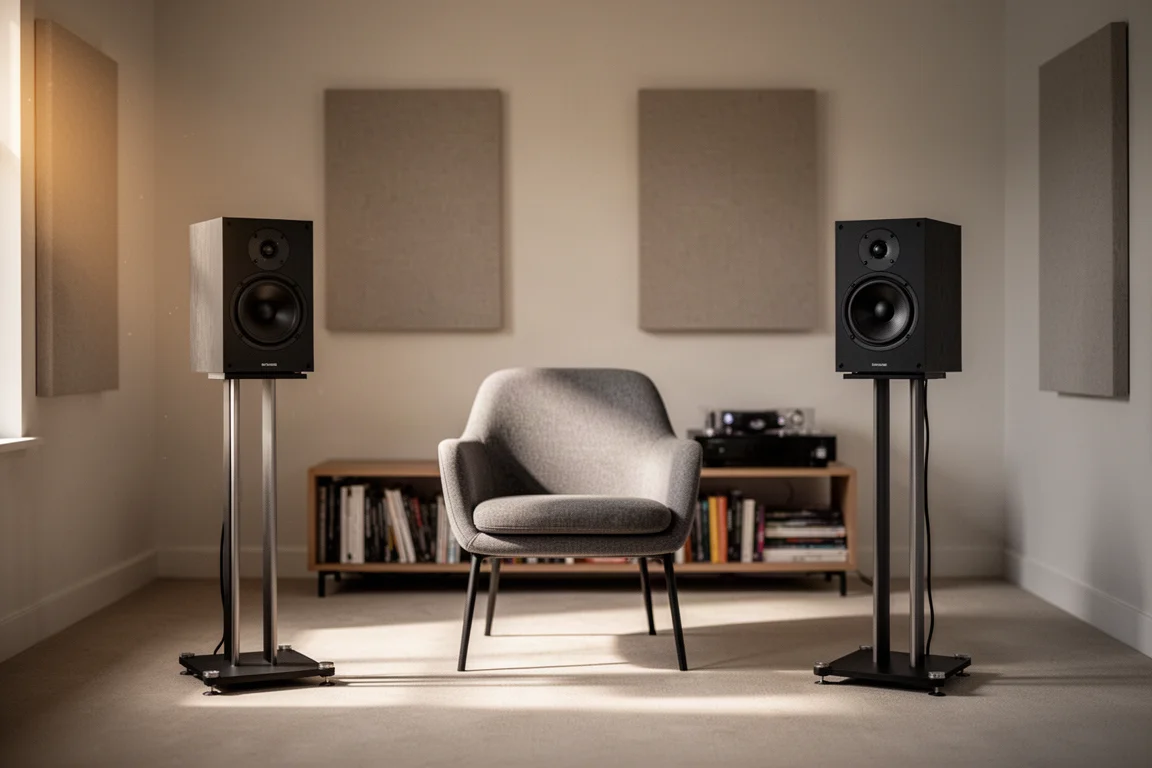
Treble is detailed without sounding bright at ordinary levels, and the system stays genuinely engaging at lower volumes because of that top-end clarity. Push the volume into the mid-90s and the treble can take on a little grain or edge, but below that point there is plenty of detail and no harshness. The soundstage is good and strongest between the speakers, with a solid center image and respectable separation between instruments and performers. Better staging exists, but it costs more. The gloss finish is the one aesthetic complaint, and at roughly $350 per speaker on sale, around $700 for the pair, the M16 remains a hard default to argue with.
Emotiva BasX A2: The Upgrade Path for an All-Digital Rig
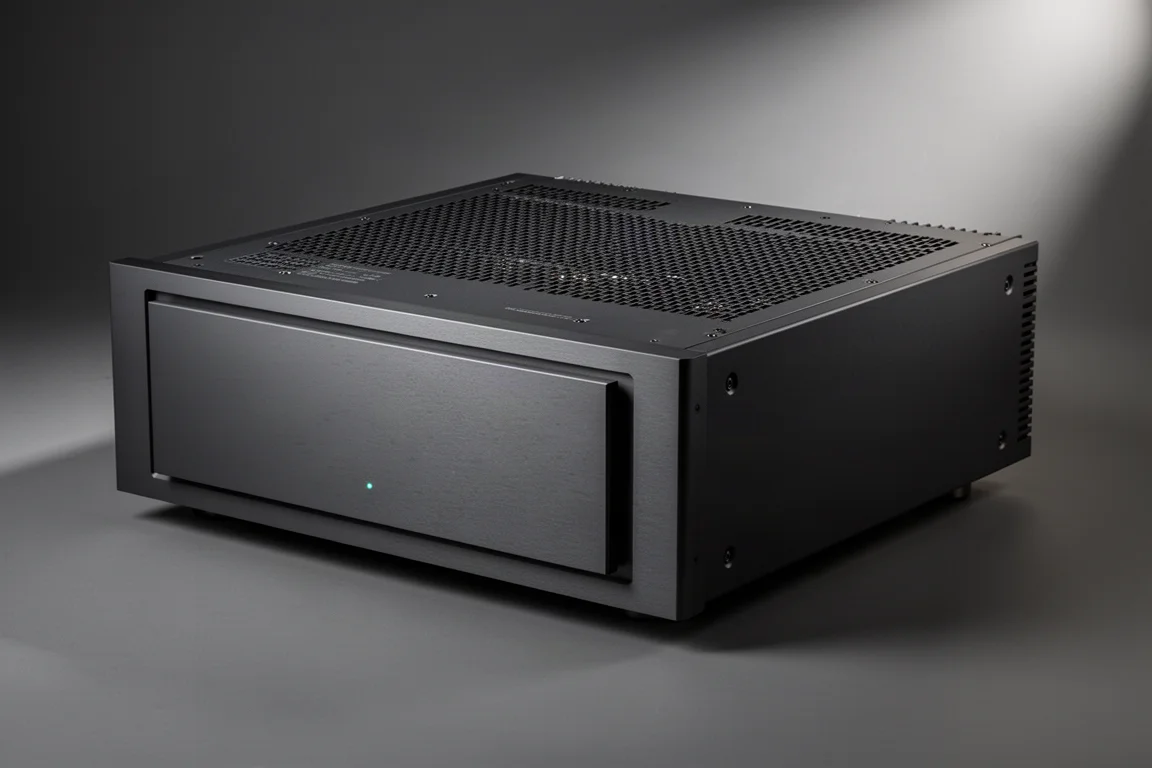
If the system is going to rely on high-resolution audio and streaming, the AXA25’s analog inputs and redundancy become dead weight. The Emotiva BasX A2 replaces it with more power, and the change improves performance.
The swap is close to cost-neutral. Keeping the Eversolo Z8 and stepping down to the smaller Cambridge Audio MXN10 streamer absorbs much of the Emotiva’s cost, so the upgrade does not require a larger budget. What it does require is a willingness to give up analog inputs entirely.
The trade-off in sound is a matter of character. The Eversolo and Emotiva combination digs out detail with more authority than the Cambridge integrated, and it is the combination to choose if you expect to change speakers later, since the extra power will serve a wider range of them.
Cambridge Audio AXR100: The One-Box Analog-Friendly Option
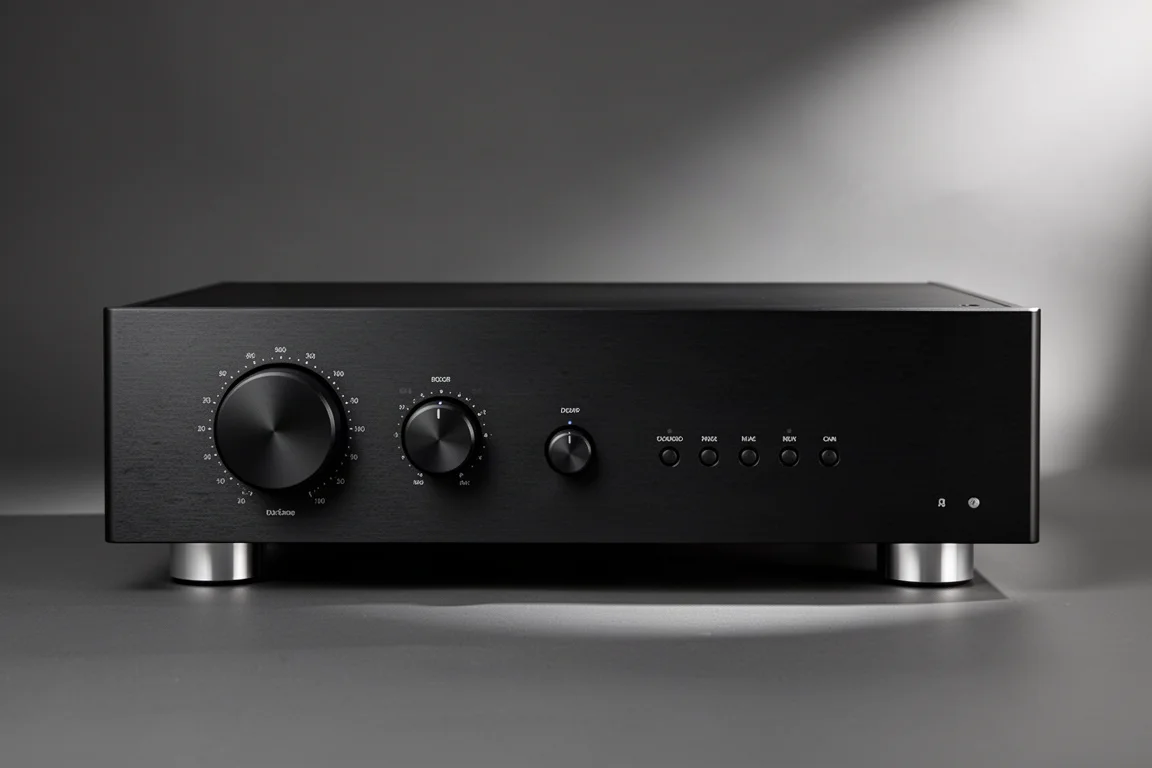
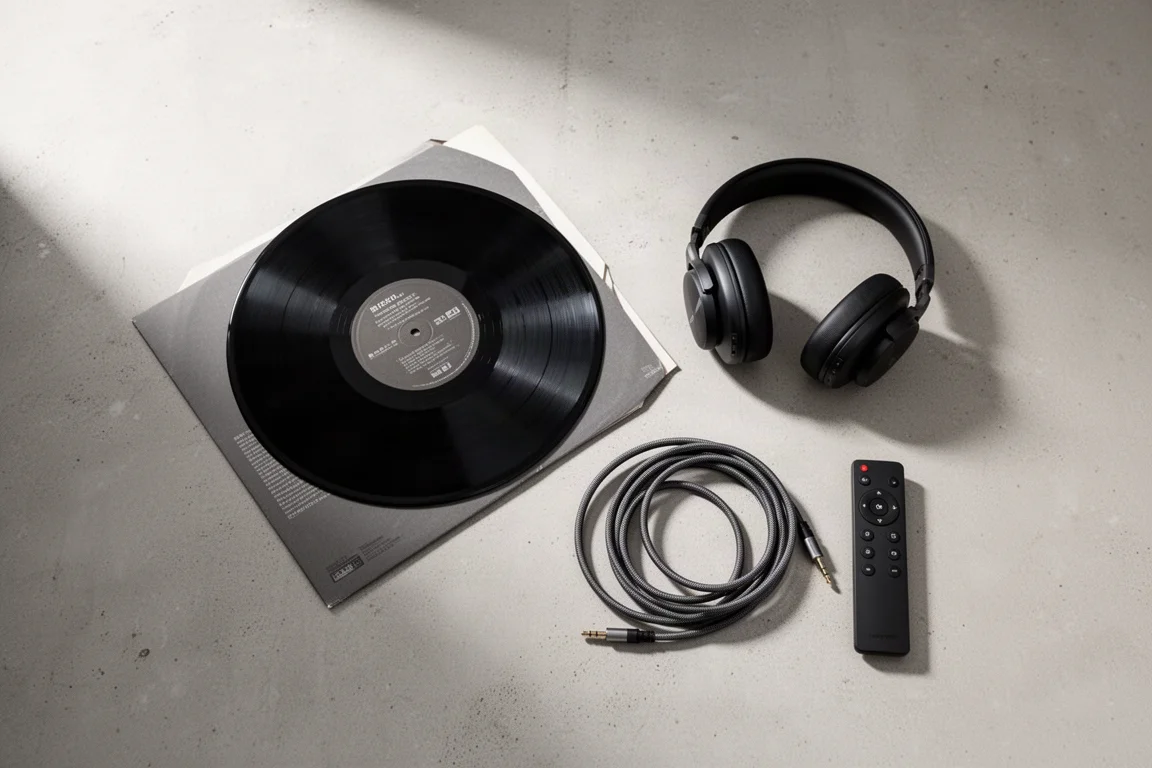
Listeners who want to keep analog sources in play can take a different route entirely. The Cambridge Audio AXR100 is a 100 watt per channel integrated amplifier with a built-in DAC, a moving magnet phono preamp, and Bluetooth, all for $599. Paired with the AXN10 streamer and a pair of Revel M16 speakers, the whole system lands under $1,400.
The AXR100’s built-in DAC produces a fuller-bodied sound than the AXA25, but it is also more polite and more rolled off at the frequency extremes than the Eversolo and Emotiva pairing. That pairing sniffs out detail with more urgency. The AXR100 presents it with more ease. Neither answer is wrong, and the choice comes down to whether you want turntable and analog inputs available or maximum digital detail.
Overall Buying Advice
Three routes through these components make sense. The standard build, the AXA25 with the AXN10, the Eversolo Z8, and the Revel M16, keeps the total under $2,300 and covers streaming, television audio, and remote volume control. The all-digital build swaps the AXA25 for the Emotiva BasX A2 and the AXN10 for the smaller MXN10, improving performance at close to the same cost. The analog-friendly build replaces both the AXA25 and the Eversolo Z8 with a single AXR100, landing under $1,400 with a phono stage included.
Whichever route you take, the result sounds better than its price suggests. The system is focused, mildly forward, and dynamic without being fatiguing, and the bass carries more weight than the specifications imply. It holds up whether you are streaming music or watching movies in stereo.
Be honest about the trade-offs. The treble has limits at very high volumes, the AXA25 compresses dynamics slightly, and the standard build gives up some analog flexibility. None of those points change what the system does well, and each of them has a fix in one of the alternative builds above.
Conclusion
Spending more money does not automatically produce more enjoyment. A system built around these components makes that point clearly: it costs a fraction of a high-end setup and still delivers focused, dynamic sound with a solid center image and more bass weight than its specifications suggest.
The only person who has to be happy with the sound of a system is the person listening to it. Any of the combinations outlined here will put a smile on your face while leaving the rest of the budget intact.
Further reading
Related Reviews
Hi-Fi Systems
Building an All-White Streaming Hi-Fi System for Around $1,500
A practical two-channel streaming system built around the KEF Q150 and a Bluesound streaming amplifier, with alternative amplifiers, speaker stands, and a subwoofer worth considering.
Hi-Fi Systems
Audio Note Zero System Review: Matching DAC, CD Player, Amplifier and Speakers
A component-by-component look at the Audio Note Zero system, covering the 0.1x DAC, the CD0 player, the IZero amplifier and the AX1-D2 speakers, with pairing notes and buying advice.
Hi-Fi Systems
A Complete Hi-Fi System Under €1,000: Dali Spektor 2, Rotel A11 Tribute and Topping E30
Three brand new components, one modest budget, and a stereo system that is warm, forgiving and genuinely easy to live with.