Hi-Fi Amplifiers
HiFi Rose RS520 Review: A One-Box Streaming Amplifier Built Around Detail and Control
A close look at the HiFi Rose RS520, a three-quarter width streaming amplifier with a 12.6 inch touchscreen, 250 watts per channel and a clean, detailed sound.
Introduction
Few subjects divide hi-fi listeners as reliably as the all-in-one system. Some see a single box as a compromise; others see it as the practical answer for a room that has to serve more than one purpose. The HiFi Rose RS520 sits firmly in the second camp, and it makes its case with a specification list that is hard to argue with: a 12.6 inch LCD touchscreen, a thick aluminium chassis, a claimed 250 watts per channel, and a price of £3,399 in the UK.
HiFi Rose is owned by Scitec, a South Korean technology company with a strong engineering background, and the company’s owner is a long-time audio enthusiast. That background shows in the RS520 interface, which behaves more like a well-made consumer device than a traditional amplifier. This review covers what the RS520 does well, where it holds back, and which listeners are likely to be happiest with it.
Who This Product Is For
The RS520 does not aim at the entry point of the one-box market. It goes after larger, more expensive one-box designs such as the M33 and the Uniti Nova, while asking less money for the privilege. Compared with the NAD M10, whose latest version sells for just under £2,400, it is the bigger and more ambitious proposition.
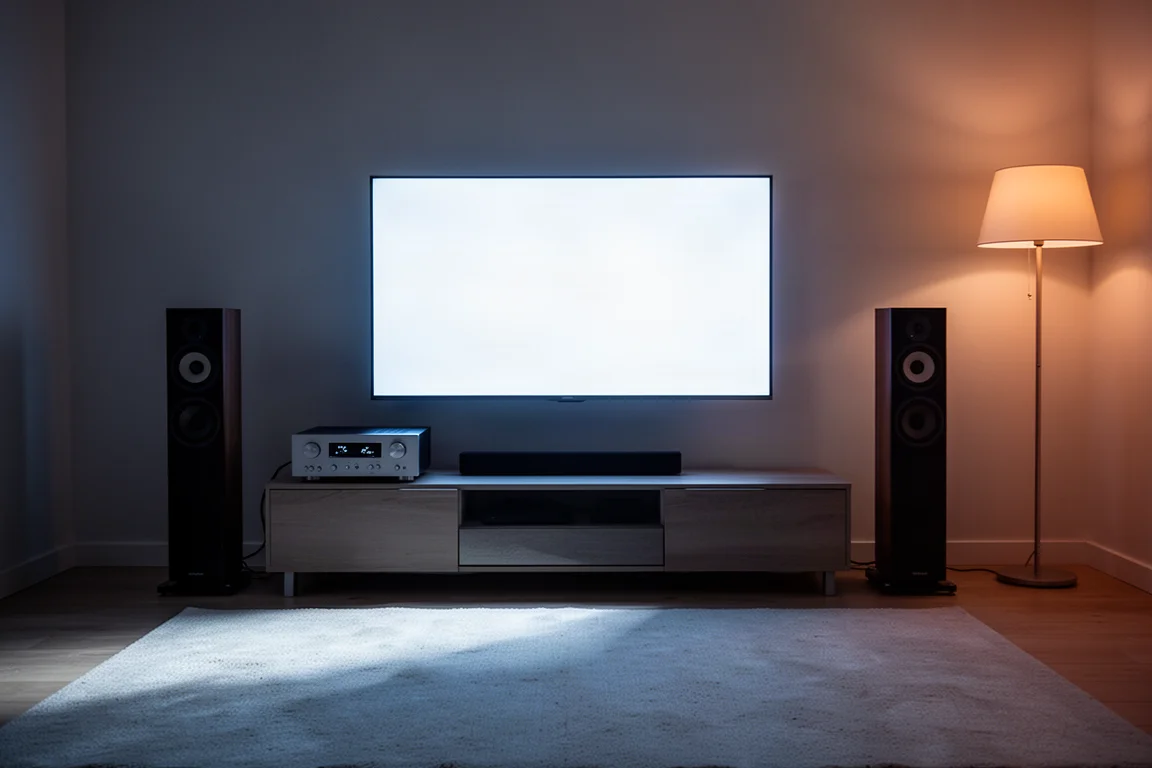
That positioning says a lot about the intended buyer. This is a product for someone who wants one well-made box in a shared living space, with streaming services built in, a television connected over HDMI, and enough power on tap for demanding speakers. It also suits listeners who care about how a system feels to use day to day, since the touchscreen, the companion app, and the ability to enable or disable inputs and outputs all shape the experience.
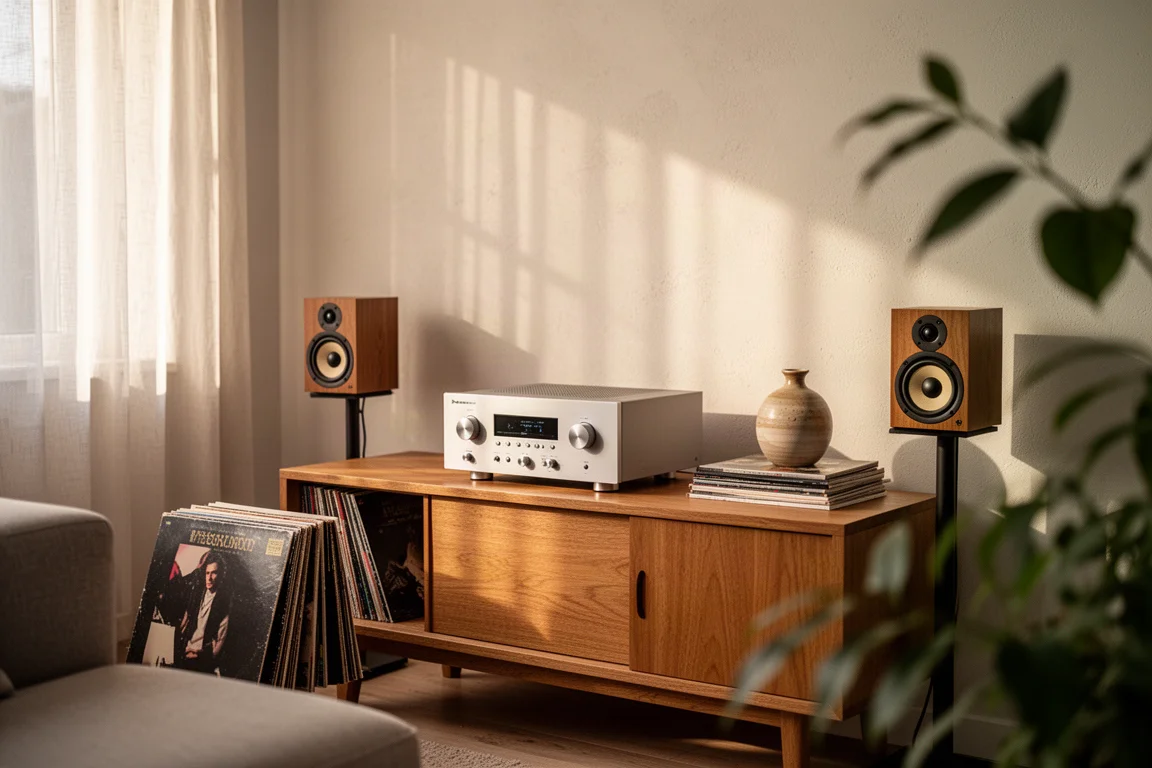
It is worth saying that the RS520 is not only for people downsizing from a rack of separates. Listeners who own warm-sounding speakers that lack a little definition in the bass, or neutral speakers and a taste for a detailed, slightly analytical presentation, are likely to find it a natural fit. Anyone who prizes the deepest and widest soundstage above everything else, however, should weigh the trade-offs covered further down.
Design, Build, and Connectivity
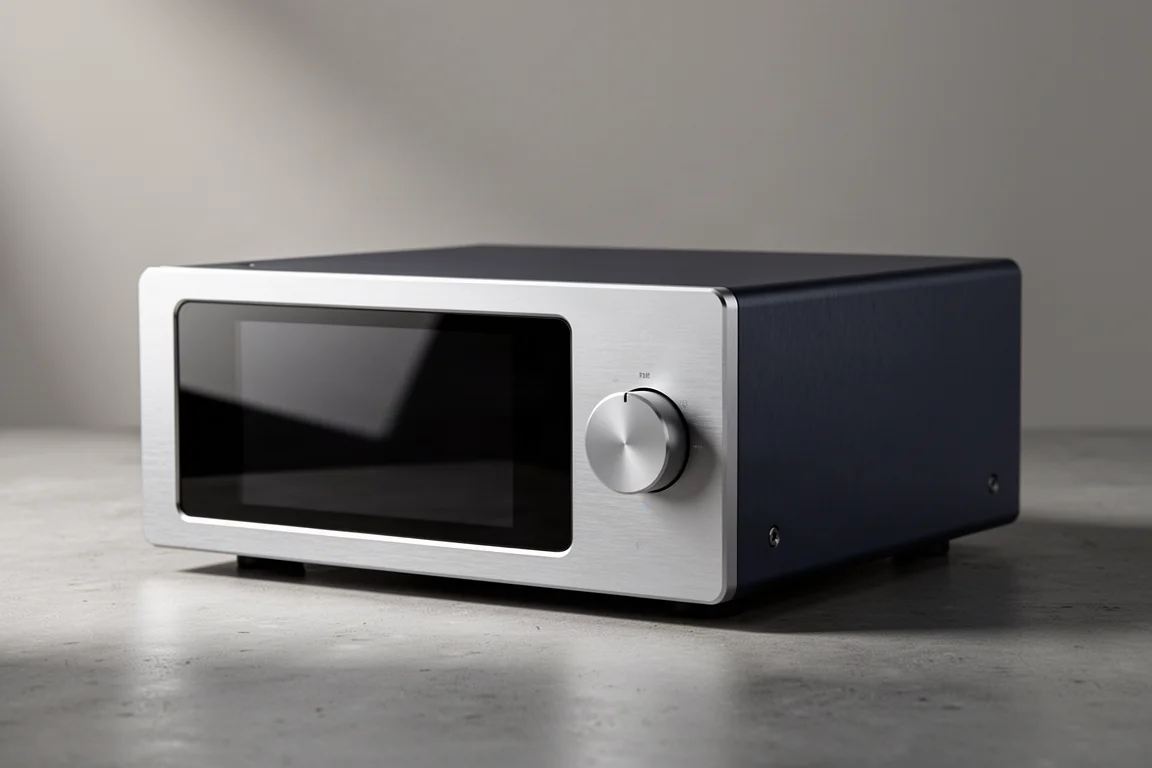
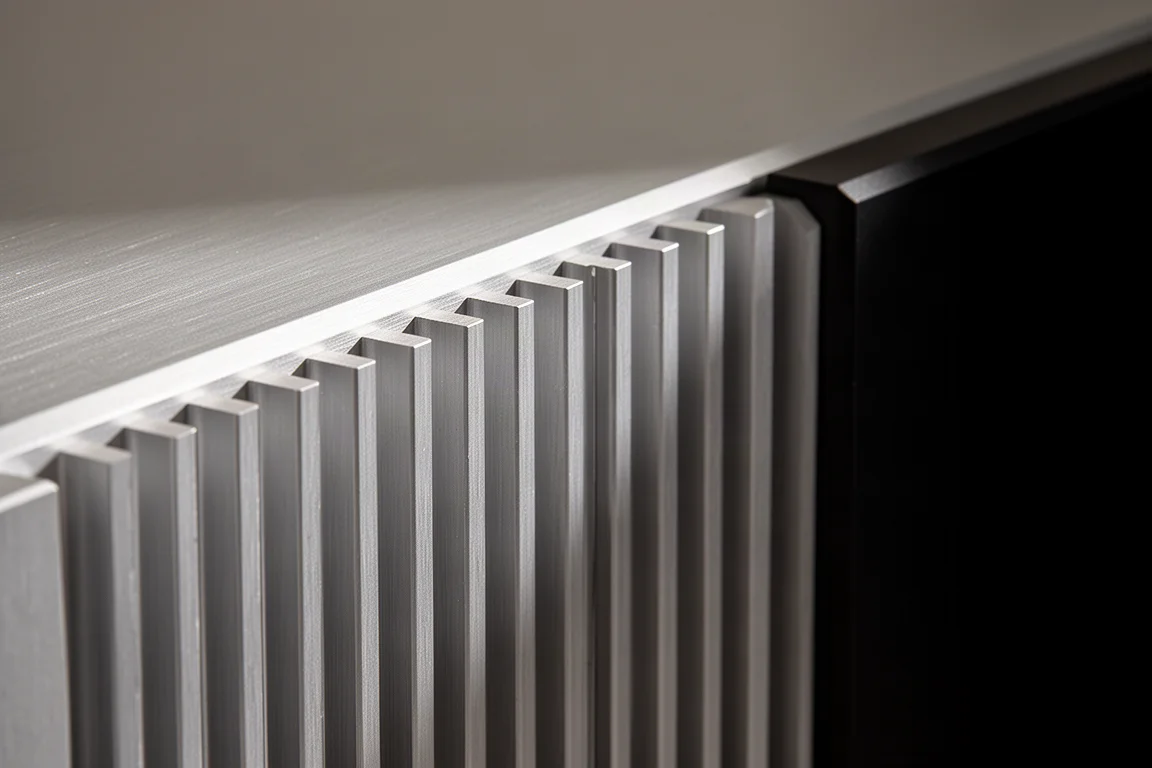
The RS520 is a three-quarter rack width unit, measuring 346 by 328 by 127 millimetres, or roughly 13.6 by 12.9 by 5 inches. The thick aluminium chassis gives it a reassuring weight of 8.4 kilograms, and the finish is first rate. The 12.6 inch LCD touchscreen dominates the front panel and is the feature most people will remember.
Connectivity is generous. There is an HDMI eARC input, which lets a television be connected while its own remote handles volume and powers the amplifier on and off automatically. Around the back there is also a full set of digital inputs and outputs, an analogue RCA input, an HDMI output, pre-outs, and three USB 3.0 ports. One of those ports is used by the supplied Bluetooth and Wi-Fi dongle, while the other two can accept external storage.
On the software side, the RS520 covers the streaming services most listeners expect, including Apple Music, Spotify with Spotify Connect, Qobuz and Tidal, along with a built-in video app that plays online content without adverts. Music libraries can be reached over the network from a NAS drive or directly from USB storage. The proprietary RoseHome interface handles internet radio apps, CD playback and ripping from an attached drive, and a settings menu that lets inputs and outputs be enabled or disabled. All of it is mirrored in the Rose Connect app for iOS, Android and PC.
Main Strengths: Clarity, Refinement, and Control
Three words sum up the sound of the RS520: clarity, refinement and control. Under the lid, HiFi Rose uses discrete op-amps of its own design in the I/V stage feeding the DAC section, a choice intended to reduce noise and open-loop distortion compared with off-the-shelf parts. The amplification is described as class AD, using gallium nitride field effect transistors rather than the usual silicon variety. The claimed benefit is reduced dead time and faster switching, which improves linearity. Output is quoted at 250 watts into both 8 ohms and 4 ohms.
In practice the bass is exceptionally well controlled. Notes start and stop cleanly, with no bleed from one note into the next or up into the midrange. This is an amplifier that favours agility over sheer bass weight, and listeners who want a little more punch in the low end can add it with the parametric EQ.
The midrange is highly resolving. Individual instruments are easy to pick out of a mix, and transients have a crisp, well-defined leading edge. There is a slight leanness to the body of notes, so lead vocals and lead instruments can sound a touch less full than some listeners will want. The treble is where the refinement really shows: extended and open, without ever turning bright or aggressive.
For context on where this performance sits, the DAC section is of a standard comparable to a good standalone converter costing around £700, while the amplification has a lot in common with the higher-powered Hypex NCore modules found in separate power amplifiers retailing near £1,750. That is a useful way to think about what the RS520 packs into a single chassis.
Living With the RS520: Software, App, and Everyday Use
Software was a talking point when the RS520 first appeared, and the unit tested here gave no cause for complaint. Firmware updates arrive frequently, which suggests early bugs have been addressed. Over roughly a month of daily use, the only hiccup was a single freeze of the app on an iPad, which needed a reboot.
The Rose Connect app is intuitive, with clear and logical screens and no lag when moving between them. The touchscreen behaves much the same way, which is no surprise given that HiFi Rose’s parent company specialises in interactive touchscreen displays for commercial spaces. There is also a small piece of fun in the display settings, where the colour and style of the VU meter can be chosen. That feature only works when the internal streamer is playing, rather than with externally connected sources.
Things to Consider Before Buying
Soundstaging is the RS520’s clearest limitation. The image extends a little beyond the speakers to the left and right, but there is little to no depth, producing the kind of wall-of-sound presentation that is common to many DACs built around ESS and AKM chips. Feeding the amplifier from an external DAC with a notably expansive soundstage through the analogue input produced the same result, which suggests the incoming analogue signal is converted to digital before reaching the amplifier stage.
Video latency is the second point to weigh up. Through both the optical connection to a television and the HDMI eARC input, there was a slight delay between lips moving and the corresponding sound. The PCM delay setting was not at zero, and correcting it improved matters, but a small delay remained. An external DAC connected to other amplifiers did not show the same behaviour. Firmware may resolve it in time, or it may not. For some listeners this will be a deal breaker; for others it will be a minor irritation.
The five-band parametric EQ deserves care. It offers plus or minus 10 decibels of adjustment with a variable Q factor, which sets how steep or gradual the slopes are. Stacking several filters close together and pushing them by three or four decibels tends to sound unbalanced and unnatural. Broad strokes, moving things by one or two decibels with a low Q so the change acts over a wider range of frequencies, work far better.
How It Compares With Two Close Rivals
Against the NAD M10, expect similar levels of resolution and detail, with the RS520 playing louder, offering lighter bass and a slightly fuller midrange. The Hegel H190 costs a similar amount, and it trades the touchscreen, the extensive connectivity and the advanced streamer for 150 watts of class AB power rather than 250 watts of class D. The Hegel is not quite as clean, and notes do not start and stop as quickly, so the RS520 has the edge on bass agility. In return, the H190 brings more weight through the bass and midrange for a fuller, more dynamic presentation, and its soundstage is wider and considerably deeper.
Speaker Pairing Notes
Speaker choice matters a great deal here. The Neat Petite Classics showed just how much clarity the RS520 is capable of, though the resulting balance leans towards the analytical listener. A lean-sounding speaker is a poor match and produced a flat, lifeless result. The JBL 4309, a well-behaved horn design with plenty of liveliness and none of the nasal coloration that some horn speakers exhibit, combined very well. Listeners who want a more balanced overall sound should look to warmer speakers.
Buying Advice
At £3,399, the RS520 asks premium money for a premium one-box package. It has the build, the finish and the interface to justify that, along with enough power and control to handle demanding speakers. What it does not offer is the deepest or fullest presentation on the market.
That makes the decision fairly straightforward for most buyers. If you own warm speakers that could use a little more definition in the bass, the RS520 is likely to be a very good match. If your speakers are neutral and you enjoy detail and a slightly analytical character, it sits right in that territory too. If depth and a wide, three-dimensional soundstage are your priorities, you will probably be shopping elsewhere. As always, an audition is worth the effort before committing.
Conclusion
The HiFi Rose RS520 is a compelling one-box solution. Its aluminium chassis, first-rate finish and polished touchscreen interface give it the feel of a premium product, and its sound is as detailed and refined as the best amplifiers at this price. The amplifier section has the power and control to drive demanding speakers, and the streaming and connectivity options cover almost everything a modern system needs.
The caveats are real, though. The limited soundstage depth will rule it out for some listeners, and the slight lip-sync delay with video sources is the kind of detail that is hard to ignore once you notice it. That issue holds the RS520 back from the strongest possible recommendation, and it earns a recommendation rather than an outright rave. For the right system and the right room, it remains a genuinely appealing proposition and deserves a place on any shortlist at this price.
Product link
View more details for HiFi Rose RS520
This product is mentioned in the review. Check the specifications, options, and compatibility before buying.
View more details for HiFi Rose RS520Further reading
Related Reviews
Hi-Fi Amplifiers
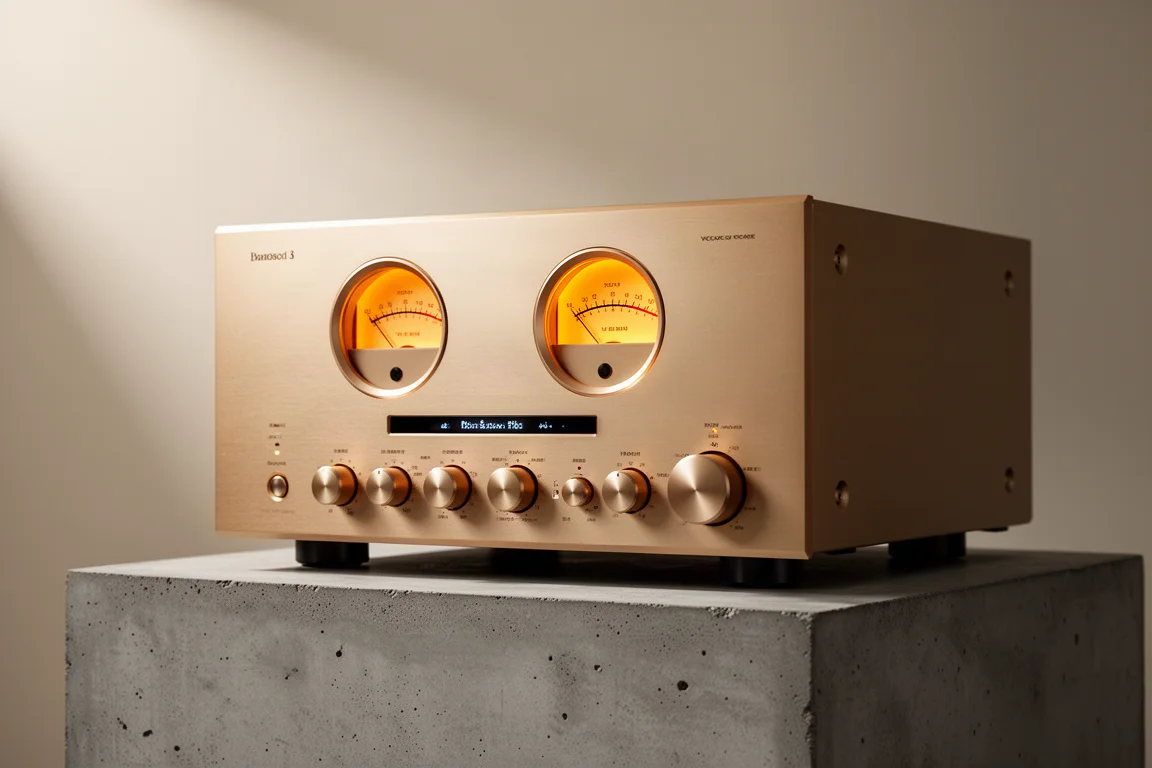
Accuphase E-280 Review: Entry-Level Accuphase With Flagship Attention to Detail
A close look at the Accuphase E-280 integrated amplifier, covering its champagne build, AAVA volume control, sound quality, and the speakers and sources that suit it best.
Hi-Fi Amplifiers
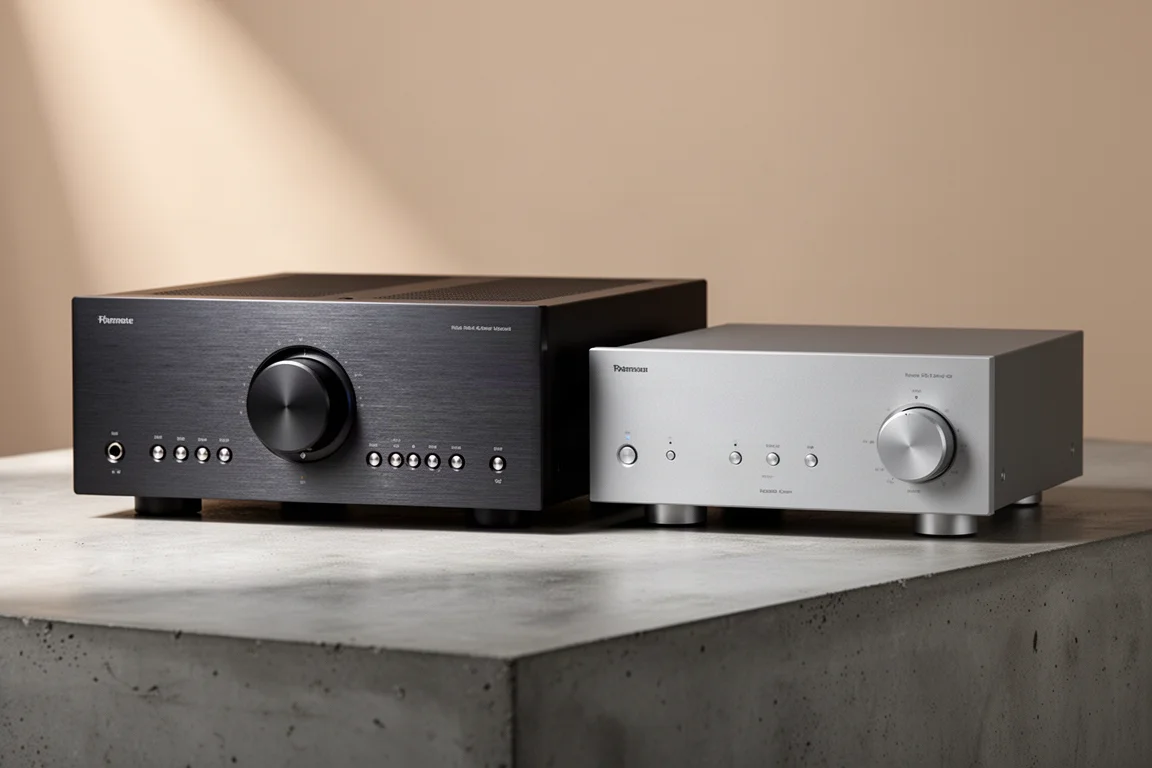
Advance Paris A10 Classic vs Yamaha A-S301: Two Integrated Amplifiers Compared
A practical comparison of a $350 integrated amplifier and a $2,500 reference model, covering the differences that matter and the ones that do not.
Hi-Fi Amplifiers
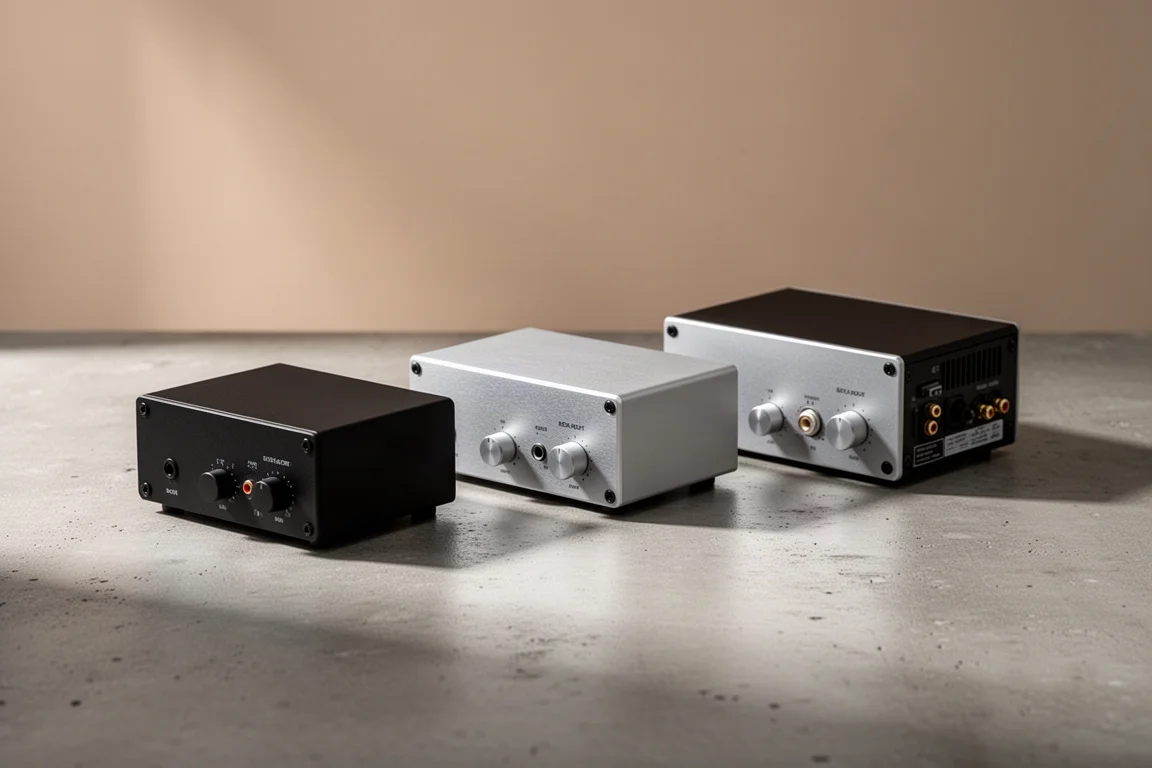
Affordable Chinese Amplifiers Worth Buying: Five Budget Hi-Fi Amps Compared
A practical look at five affordable amplifiers, what each one does well, and the trade-offs to weigh before you buy.