Hi-Fi Audio
HiFi Rose Lineup Overview: Three Network Players and a Reference Amplifier
A practical look at the HiFi Rose RS201E, RS250, RS150, and RA180, and how to choose the right model for your system.
Introduction
HiFi Rose is a young brand with an unusual origin story, and that origin explains a great deal about how its products are built. The lineup covered here includes three network DAC streamers, the RS201E, RS250, and RS150, plus the RA180, a reference-grade integrated amplifier. There is also an optional CD drive that pairs with any of the players.
What sets these components apart is the way they handle control. Most high-performance network streamers depend on a separate phone or tablet app to browse a library. HiFi Rose builds a large touch display into the front panel, so browsing happens on the component itself, with a companion app available as a second option.
What Defines the HiFi Rose Approach
The parent company behind HiFi Rose was founded in 1954, making set-top boxes for television sets in Korea. It later specialized in touch interface software for consumer-facing internet kiosks, and that expertise eventually found its way into network media players and integrated amplifiers. One of the company’s executives was an audiophile, and he created a division dedicated to audio. In 2017, that division became HiFi Rose.
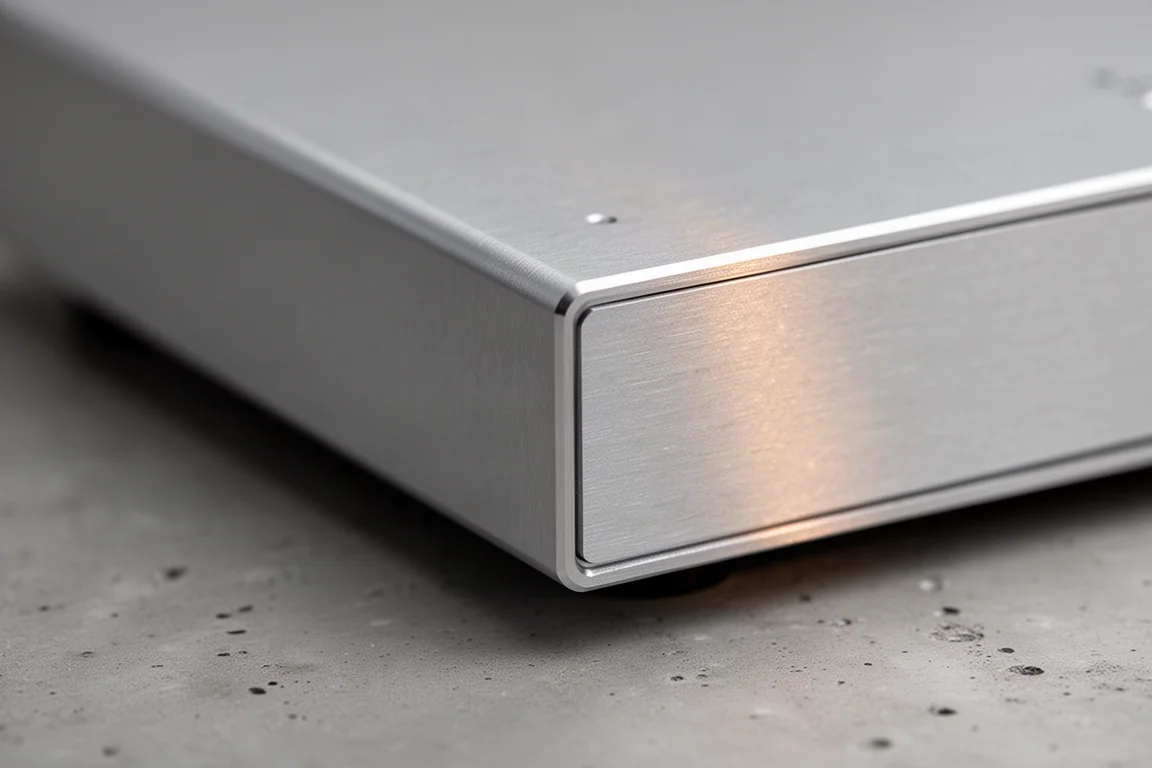
The company is small, around 24 employees, and roughly 70 percent of them are engineers. Kiosk design priorities carry over: software that is easy to understand, hardware that is physically robust, and reliable, updatable software. Every model in the lineup uses a chassis machined from high-quality aluminum, and the flagship models are cut from a single block of high-purity aluminum to reduce the assembly area and limit vibrations that can affect sound quality.
Inside, the network players share 32-bit ESS DACs and low-jitter, high-precision femto clocks, with support for a wide range of high-resolution formats including full MQA decoding up to 384 kHz across the streaming models.
Shared Features Across the Lineup
Rear panels offer a range of inputs and outputs for storage devices, including SD cards and external USB hard drives. Underneath each chassis there is a bay for an SSD, supporting up to 4 TB of internal storage, which lets any of the network players double as a personal music server. The optional CD drive connects over USB and adds CD playback and ripping, with an electrically isolated design that removes noise from the USB connection.
Screen sizes step up with the range. The RS201E and RS250 both use an 8.8-inch capacitive touch display, while the RS150 moves to a 14.9-inch HD IPS touchscreen LCD. Album artwork is shown with a wide viewing angle, and the panels can also display music videos in 4K, which is why the streamers include a GPU. A multi-core ARM 64-bit processor and 4 GB of RAM run a custom version of Android, so the systems remain updatable as new features arrive.
The home screen presents a horizontal row of familiar icons. Alongside music, video, Qobuz, Tidal, and clock functions, there are apps for Rose FM, Rose Podcast, Rose Radio, a curated video service, CD playback and ripping, and In/Out settings. The settings menu covers display brightness, clock format, VU meter appearance, app ordering, and adding or removing apps from the main menu. A built-in app store keeps everything current.
The In/Out settings let you assign digital or analog external inputs, set where they default, and choose a digital or analog output. The Rose Connect app mirrors much of this from a phone or tablet, with browsing by artist, album, and genre, and a built-in search that pulls results from Qobuz, Tidal, and a local server. All of the streamers are Roon certified endpoints, and wireless support includes DLNA, Bluetooth, AirPlay 2, and Spotify Connect, along with full MQA decoding with Tidal and dedicated apps for Qobuz, internet radio, and podcasts.
HiFi Rose RS201E: An All-in-One Streamer and Integrated Amplifier
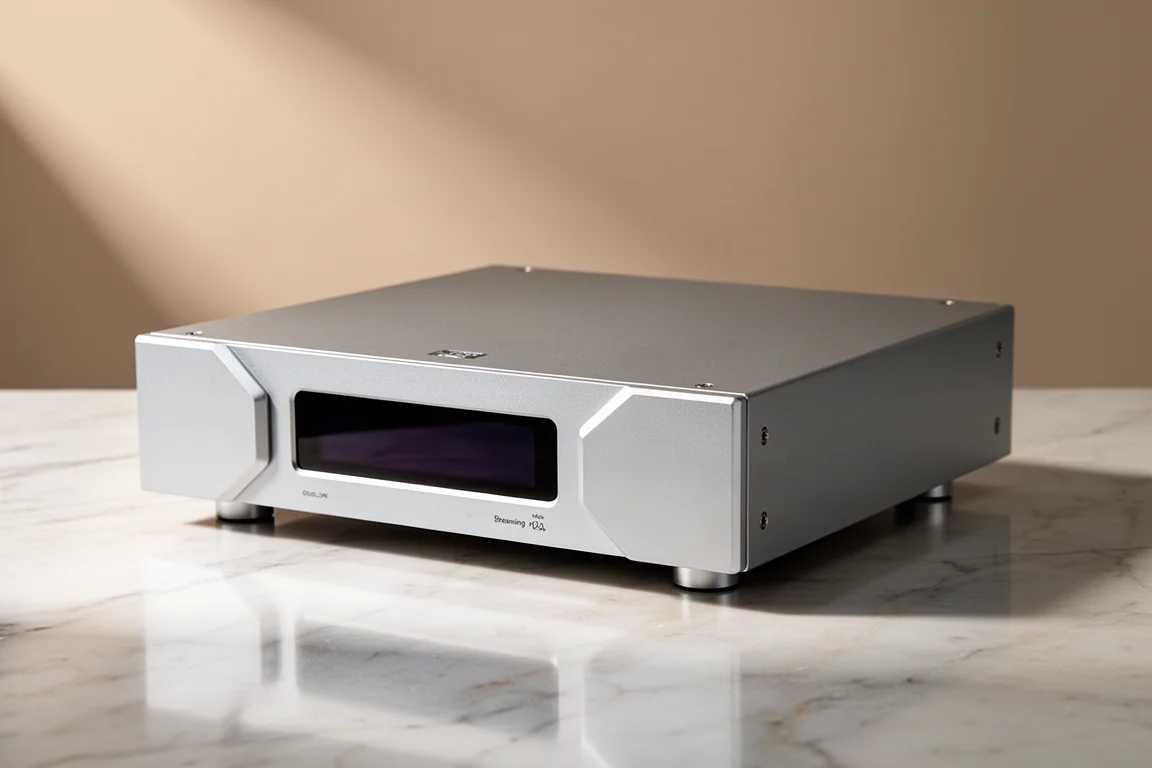
The RS201E is the entry point to the lineup, and it is the one model that combines a network media player with an integrated two-channel amplifier in a single standalone component. That makes it the natural choice for anyone who wants streaming and amplification without adding separate boxes, and it works well in rooms where space is limited.
It carries most of the features shared across the range, including the 8.8-inch touch display, the internal SSD bay, support for the optional CD drive, and the same app ecosystem. Sound and video performance are strong for the class, and the interface is among the best available from a DAC streamer at this price point. There is also plenty of room to expand it later.
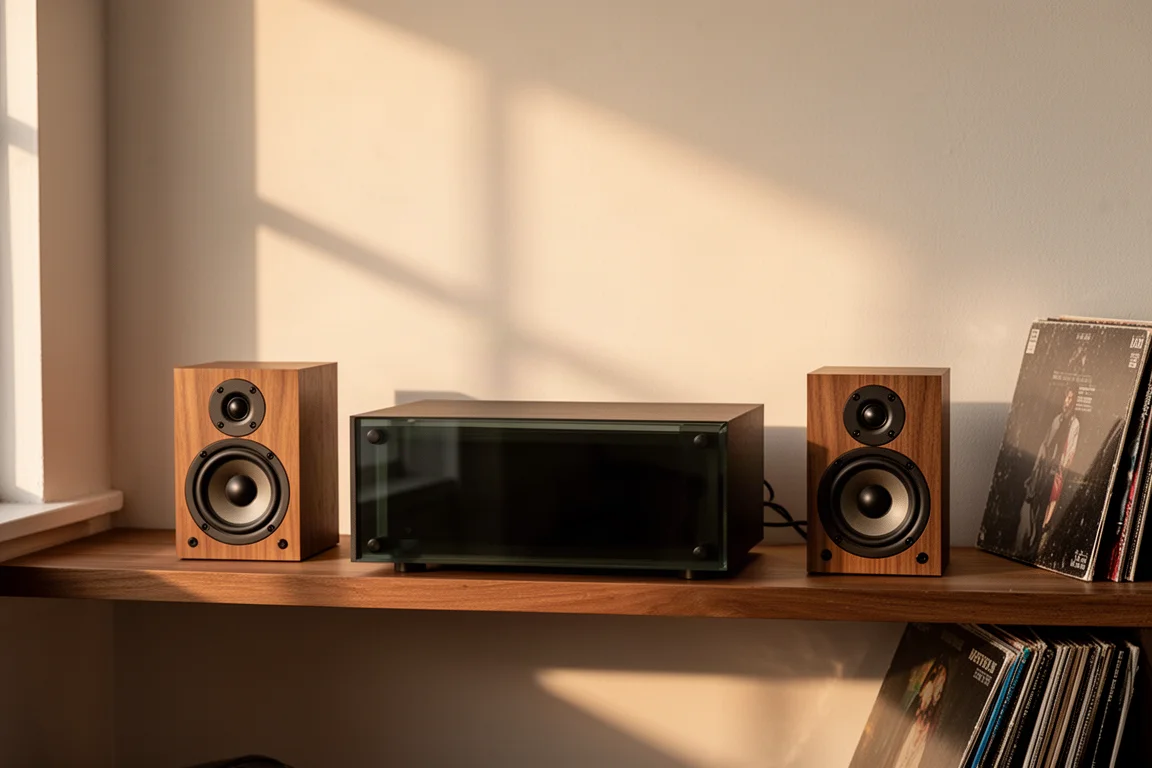
Where the RS201E gives up ground is in outright sound quality, since the step-up models use more capable converter chips. Buyers who mainly need one tidy component that handles streaming, amplification, and video playback will find that trade-off reasonable.
HiFi Rose RS250: Streamer and Preamplifier With a Step-Up DAC
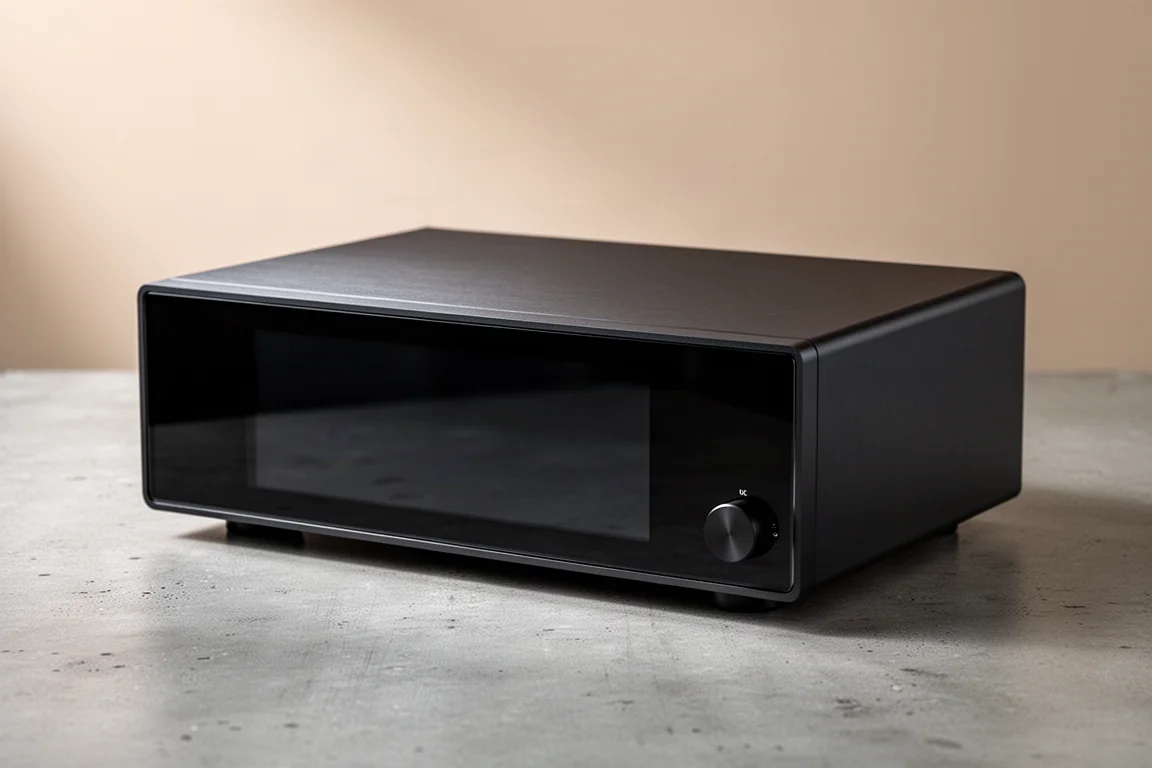
The RS250 is for listeners who already own amplification and only need the source end of the chain. It is a network streamer with a preamplifier built in, and it steps up the build quality both inside and out for a greater emphasis on sound quality.
The clearest upgrade is the ESS Saber DAC chip, a higher-performance design than the converter used in the RS201E, which delivers better sound reproduction. For a high-end two-channel audio system, that makes the RS250 a meaningful step forward while keeping the same touch interface, app support, and storage options as the rest of the range.
HiFi Rose RS150: The Flagship Multimedia Hub
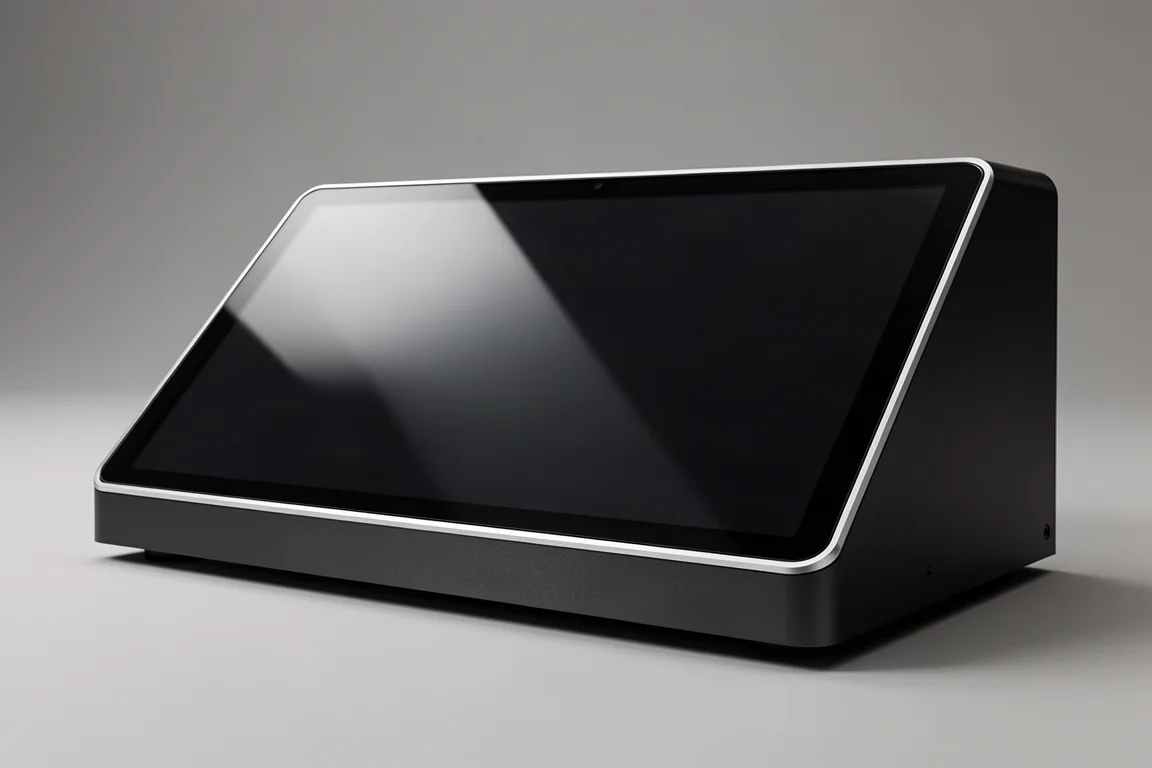
The RS150 sits at the top of the streaming range and is the most flexible high-end audio multimedia hub in the lineup. Its defining feature is the 14.9-inch capacitive touchscreen, an extra-wide panel that dominates the entire front face and shows more albums at once for swiping through a library.
It is a top-of-the-line streaming DAC, offered with or without preamp capabilities depending on the configuration you need. Sound quality is first class, and the user experience is among the best available in this category. For listeners who want the flagship display and the highest level of performance the range offers, this is the model to consider.
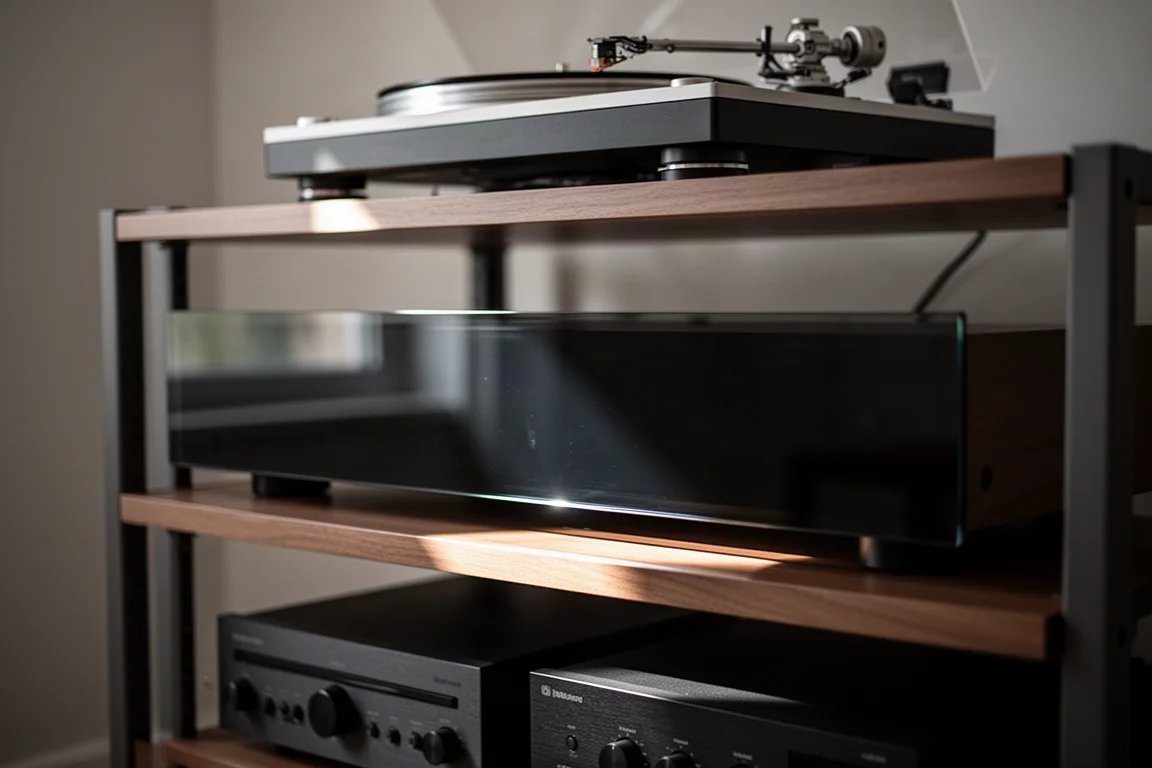
The large panel is more than a browsing aid. It is the reason the RS150 feels like a multimedia hub rather than a conventional streamer, and it is the piece that pairs most dramatically with the RA180.
HiFi Rose RA180: Reference-Grade Integrated Amplifier
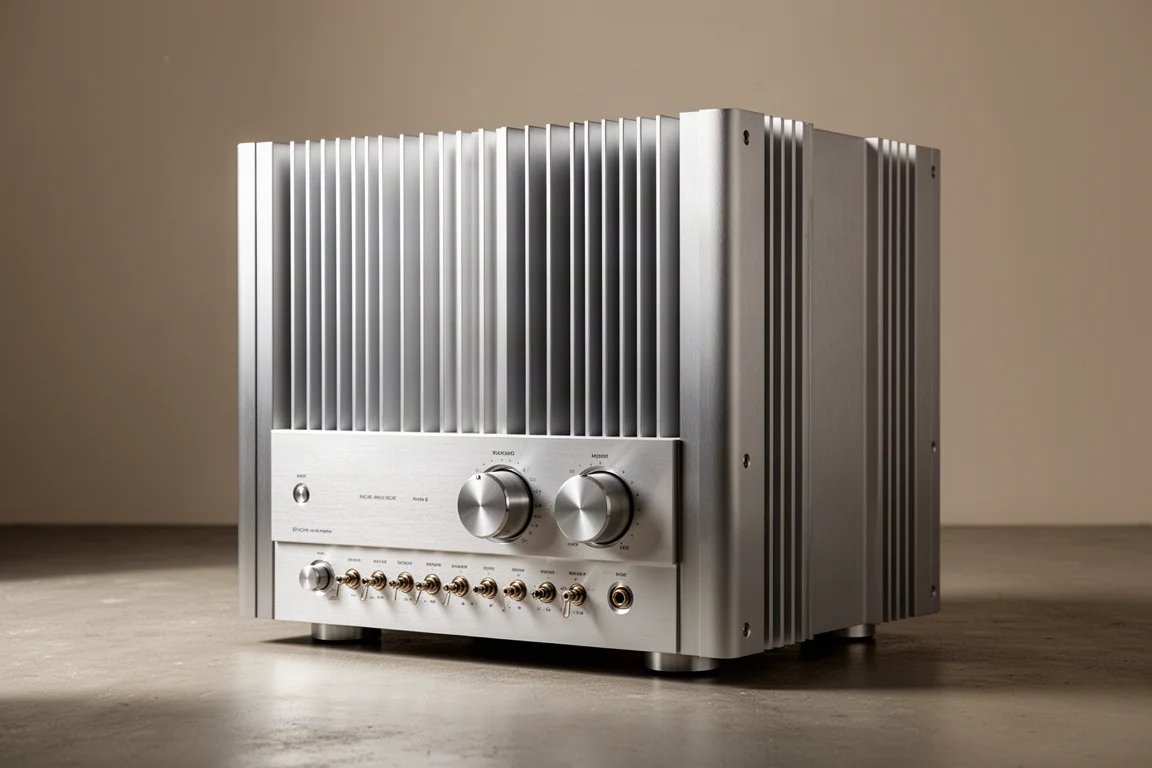
The RA180 is not a streamer or a DAC. It is a reference-grade integrated amplifier rated at 800 watts of Class D amplification, and it can be paired with any of the DAC streamers in the lineup.
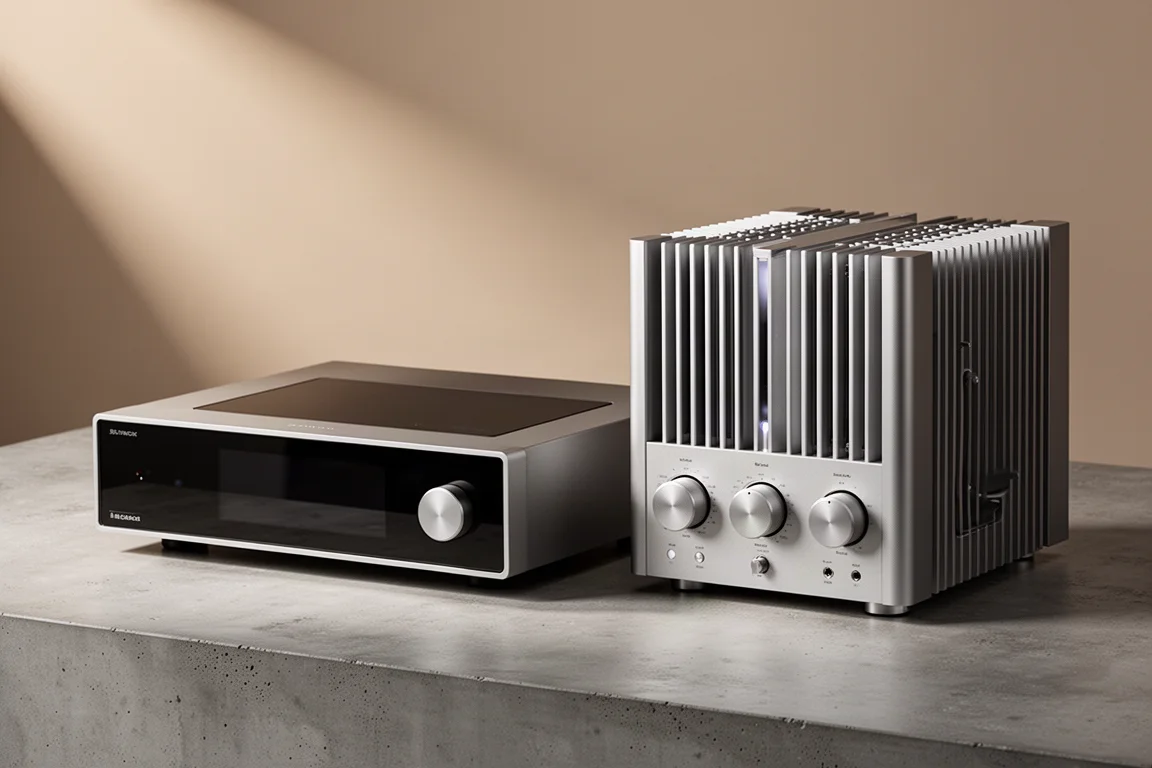
Its amplification uses what HiFi Rose calls a next-generation advanced Class D design, developed in-house around a GaN advanced Class D amplifier. Visually it breaks from the rest of the range. The industrial, all-silver appearance recalls the Japanese receivers of the 1980s, and placed next to a modern component like the RS150 the contrast is striking while the two still read as a matched pair.
Buying Advice: Matching a Model to Your Room and System
Start with what your system already has. If you need streaming and amplification in one component, the RS201E covers both in a single chassis and leaves room to expand with internal storage or the optional CD drive. If you already own an amplifier or powered speakers, the RS250 delivers a streamer and preamplifier with a step-up ESS Saber DAC. The RS150 is the choice when the flagship display and the highest performance in the streaming range matter most, and the RA180 is the amplifier to pair with any of the three streamers when you want substantial Class D power.
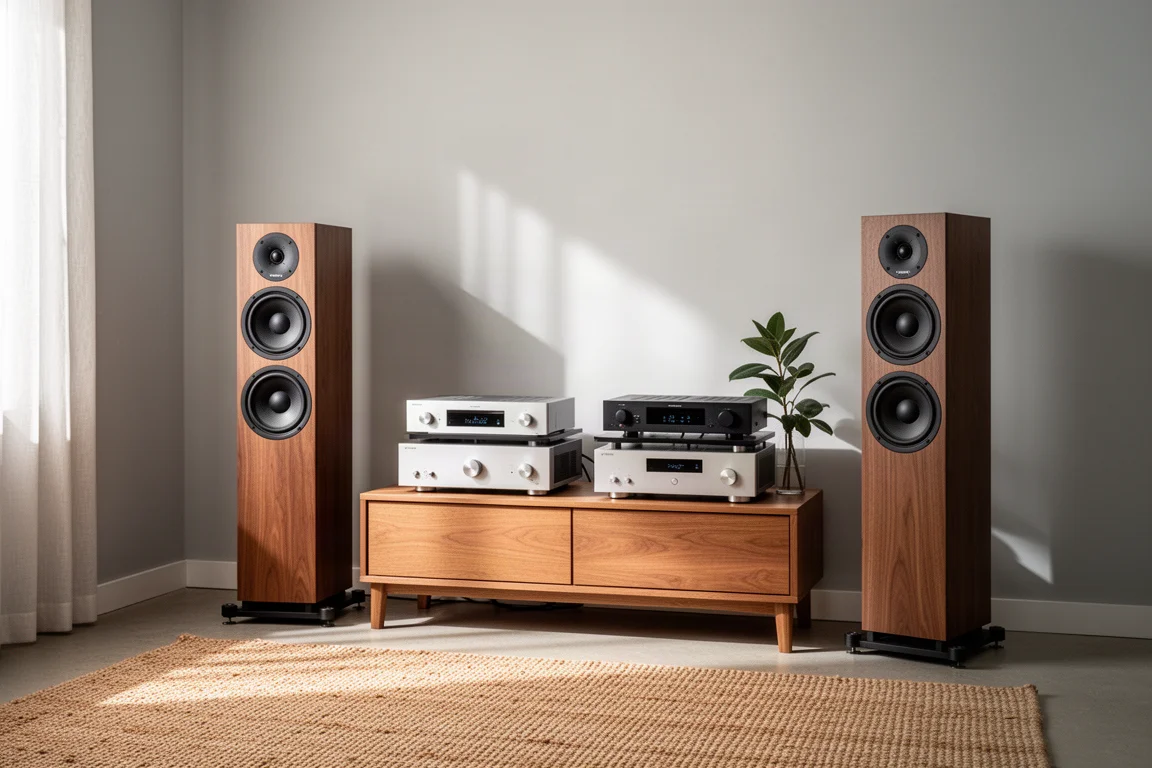
Storage is worth planning for before you buy. All of the network players accept an internal SSD up to 4 TB, and the optional CD drive adds playback and ripping over an electrically isolated USB connection. If you keep a large local library, that combination turns any of the streamers into a self-contained music server.
Conclusion
HiFi Rose comes across as a technology company built by audiophiles for audiophiles, with custom build quality that goes beyond conventional methods. The RS201E, RS250, and RS150 share a common foundation of ESS conversion, femto clocks, internal storage, and a touch-first interface, and they differ mainly in amplification, converter quality, and screen size. The RA180 adds reference-grade Class D amplification with a distinctly retro character. Match the model to the role it needs to play in your system, and the choice becomes straightforward.
Further reading
Related Reviews
Hi-Fi Audio
Accuphase C-57 vs Allnic H-7000V: Two High-End Phono Stages Compared
A fully balanced solid-state phono stage with a pitch-black noise floor meets a tube design built for well-loved records. Here is how to choose between them.
Hi-Fi Audio
Active vs Passive Hi-Fi: Five Components for a Modern System
Five components that define modern active and passive hi-fi systems, with the strengths, trade-offs and setup details worth weighing before you buy.
Hi-Fi Audio
Advance Paris A10 Apex Review: A Hybrid Integrated Amplifier That Covers a Lot of Ground
A French hybrid integrated amplifier with a class A tube preamp stage, analogue power meters, and an internal DAC and phono stage good enough to make extra boxes unnecessary.