Hi-Fi Audio
A Hi-Fi System Under $3,000: Six Components That Work Together
Six hi-fi components that combine into a neutral, detail-rich streaming system for under $3,000, with notes on matching, power, and trade-offs.
Introduction
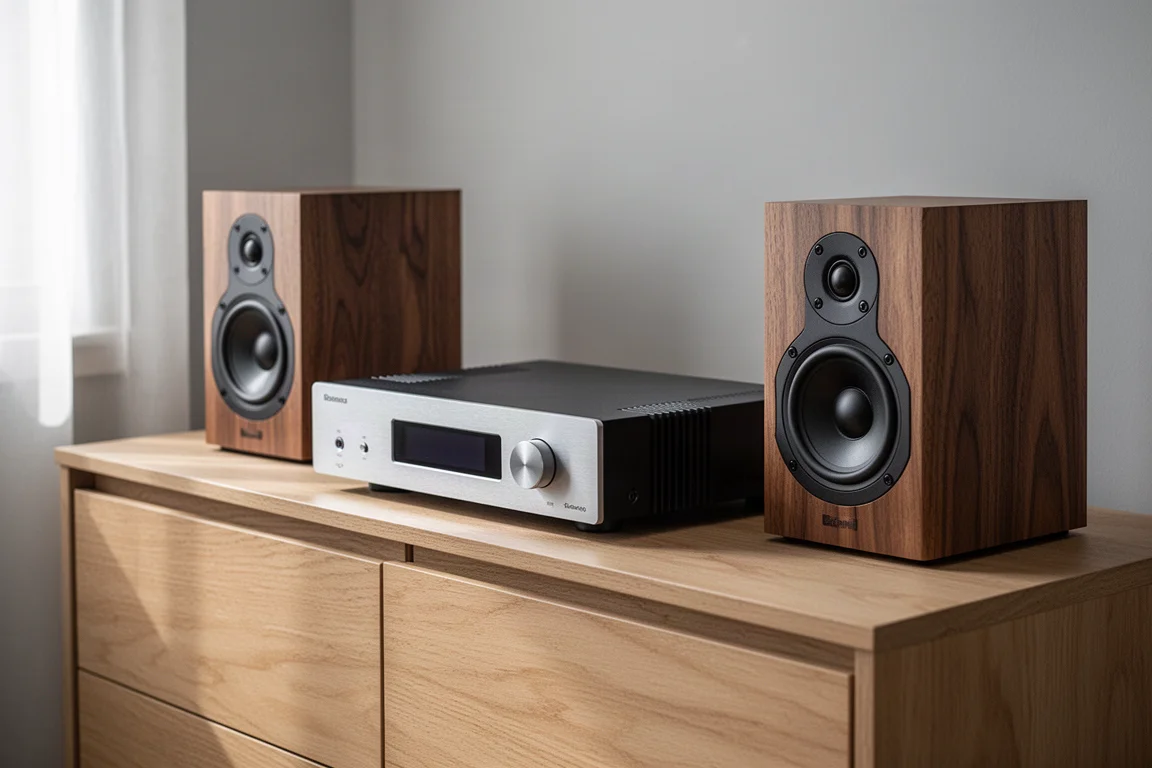
Assembling a complete hi-fi system for under $3,000 usually means accepting a compromise somewhere. This build takes a different route: every component was chosen because it complements the others, so the whole sounds more cohesive than the price of the individual parts suggests.
The result is a streaming-first system built around a neutral, detail-rich presentation. It leans analytical rather than warm, but it stays musical enough to enjoy across long listening sessions.
How This System Was Put Together
The brief for this build was simple: a neutral, balanced system that reveals detail in recordings without turning harsh or clinical. Three priorities shaped every choice.
Matching came first. The streamer, amplifier, and speakers were selected as a set rather than individually, and the amplifier and speaker in particular were developed with each other in mind. Headroom came second, since the system is aimed at small to medium rooms and each component leaves room to grow later. Third was upgrade potential: the streamer offers digital outputs, so the DAC section can be replaced down the road without changing anything else in the chain.
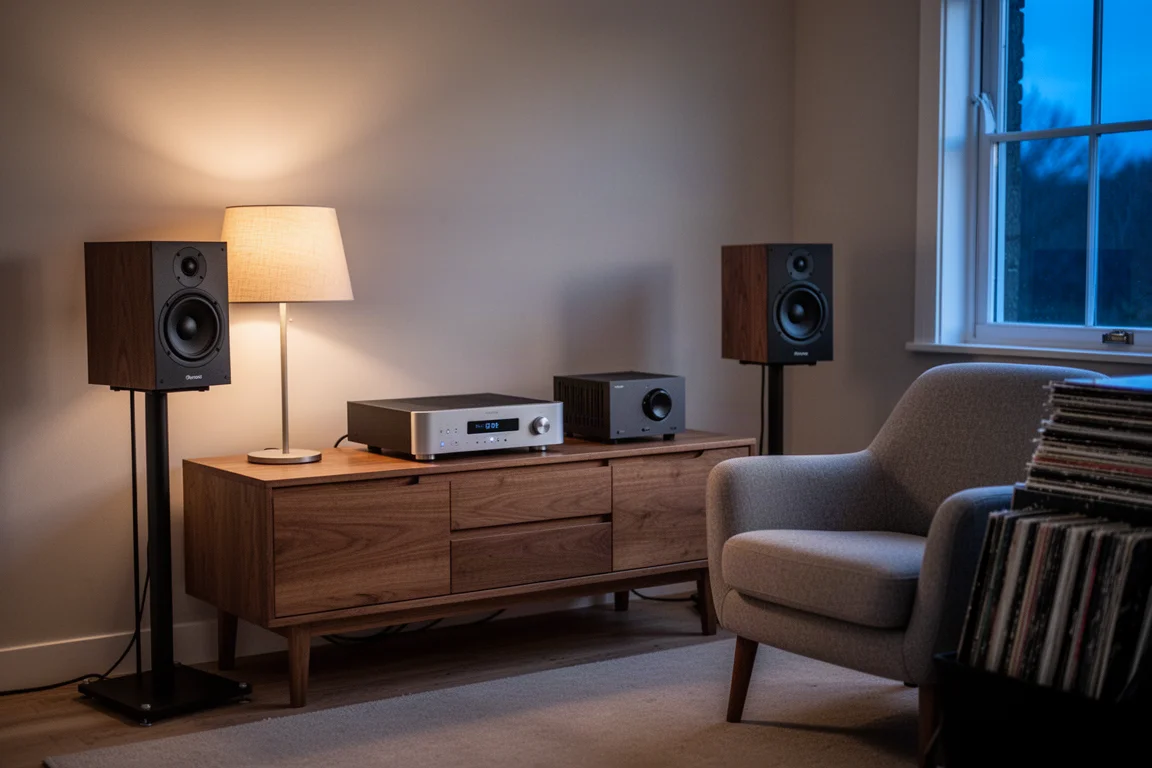
Speaker stands, cables, and similar accessories sit outside the budget discussed here, so plan for those separately if you are starting from nothing.
Volumio Primo: Streamer, DAC, and Preamplifier
The Volumio Primo anchors the system at $900. It handles streaming, digital-to-analog conversion, and preamplifier duties in a single chassis, which keeps the component count low and the signal path short.
Inside, it uses a Saber DAC chip and it is made in Italy. Streaming support covers services and protocols including Tidal Connect, Spotify, Qobuz, and AirPlay. The companion app is intuitive, and AirPlay listeners can adjust volume using the phone or tablet already in their hand.
Connectivity is a genuine strength. There are RCA and XLR outputs, plus digital coax and USB outputs. That last detail matters: because the DAC can be bypassed, an external DAC can be added later without replacing the streamer. There is also an HDMI output for connecting a separate monitor. There is no volume knob on the front panel, so volume is handled digitally through the app.
In this particular system, the Primo was chosen over the Eversolo DMP-A6 because it sounded a little less analytical and a little more musical alongside the amplifier used here.
Eversolo DMP-A6: The Alternative Streaming Option
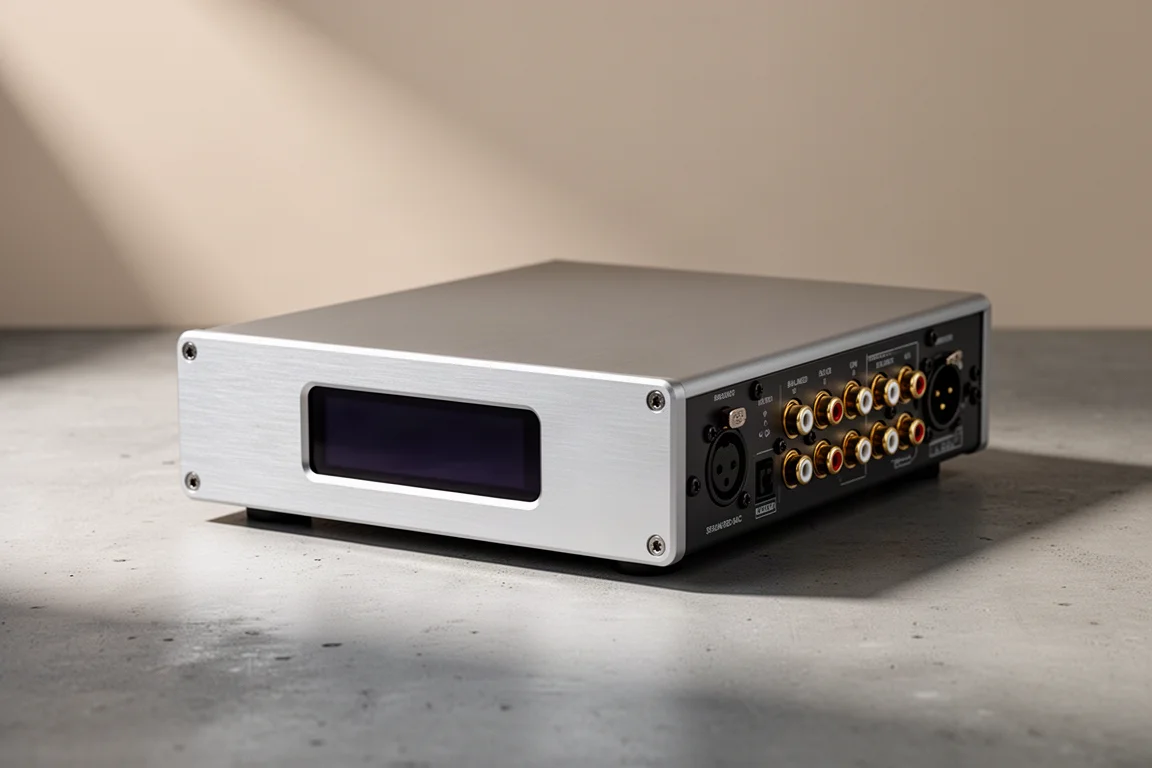
At $860, the Eversolo DMP-A6 is the natural alternative to the Primo if you want a different balance of features. It offers more features, a friendlier and easier-to-use interface, and a screen on the front panel, which the Primo does not have.
For anyone who values on-device controls and a more feature-dense streaming hub, this is the more obvious pick. It simply came down to system matching here: with the amplifier and speakers in this build, the Primo was the better tonal fit.
Eversolo F2: The Original Amplifier Choice
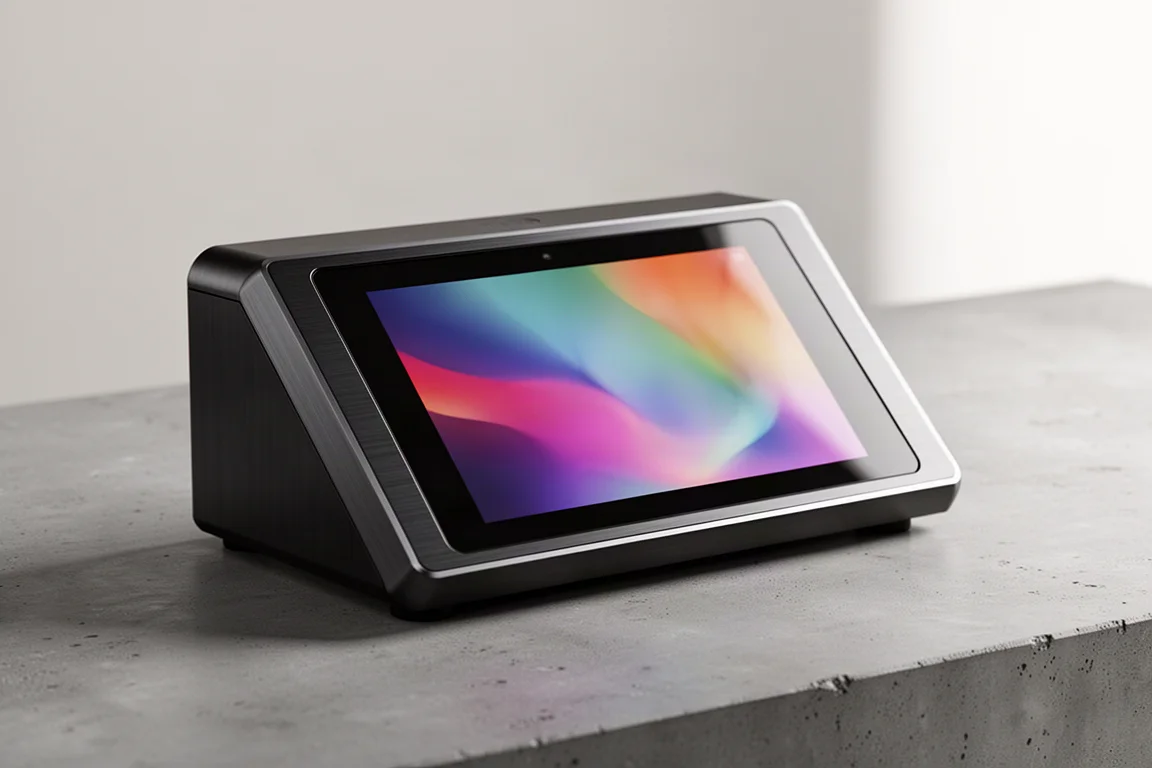
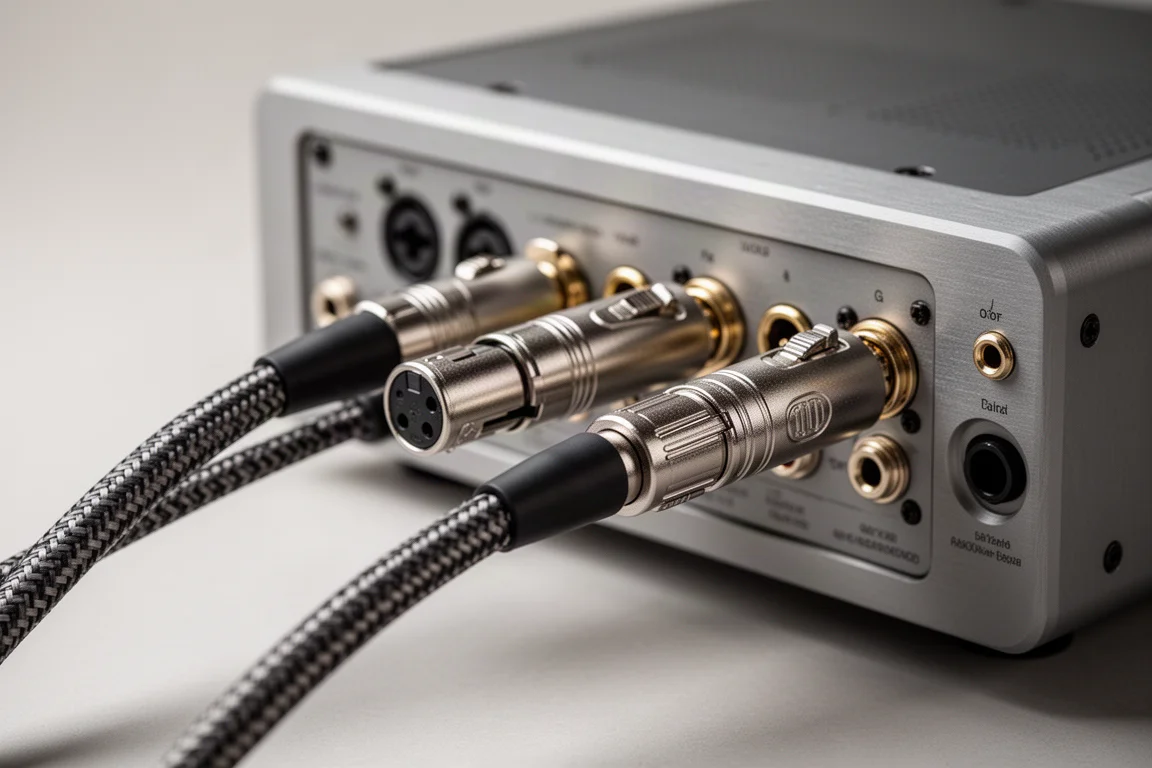
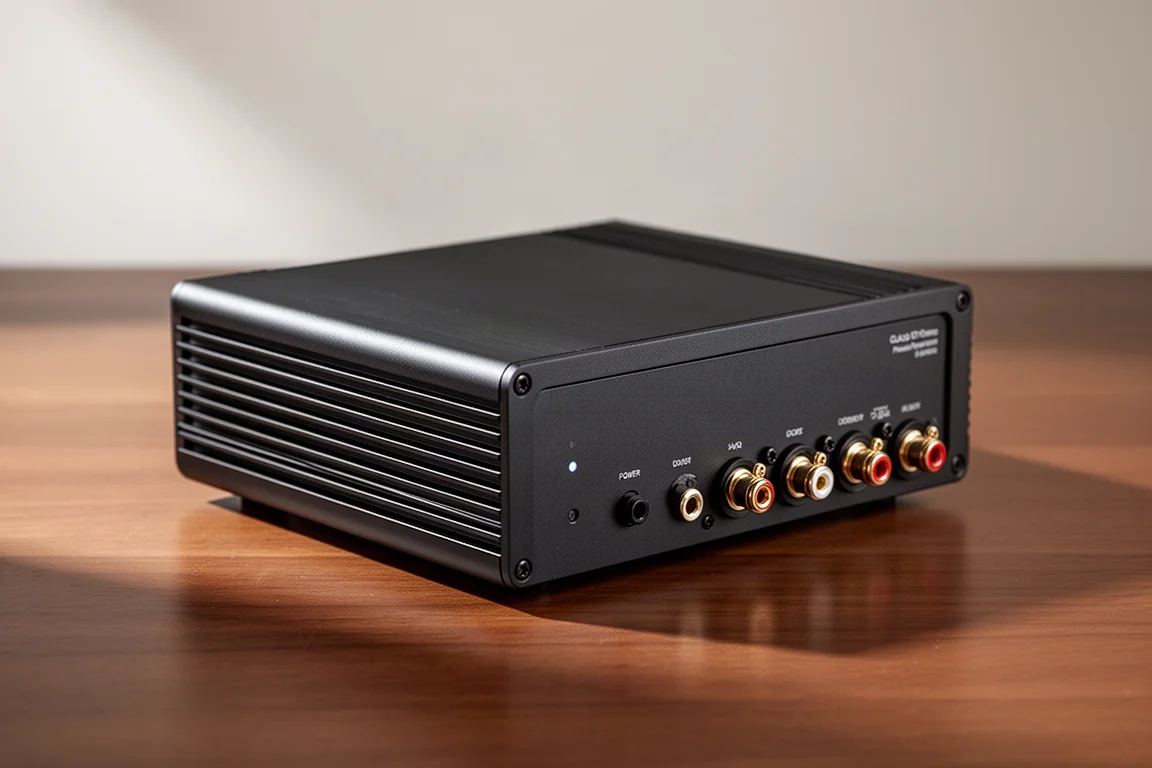
The Eversolo F2 costs $800 and outputs 145 watts into 8 ohms and 250 watts into 4 ohms. It is a Class D design, which is how it delivers that much power from a compact chassis.
Two details make it a strong match for this system. The Class D module was developed in collaboration with Stark Sound, and the binding posts are carried over from Stark Sound’s more expensive amplifiers. It also accepts both RCA and XLR inputs, so the balanced XLR outputs on the Primo can feed it directly, which is useful if you run long cables or simply prefer the reassurance of a balanced connection.
Its character is analytical, transparent, and very quiet, with a strong focus on detail retrieval. It has no volume control of its own, so it relies on the preamplifier or streamer ahead of it. If you want more power later, a second unit can be added for mono operation.
Long-term use has shown it to be consistent and quiet, and it pairs especially well with the speaker in this build, which makes sense given the shared development work.
Stark Sound Beta 7: The Speaker
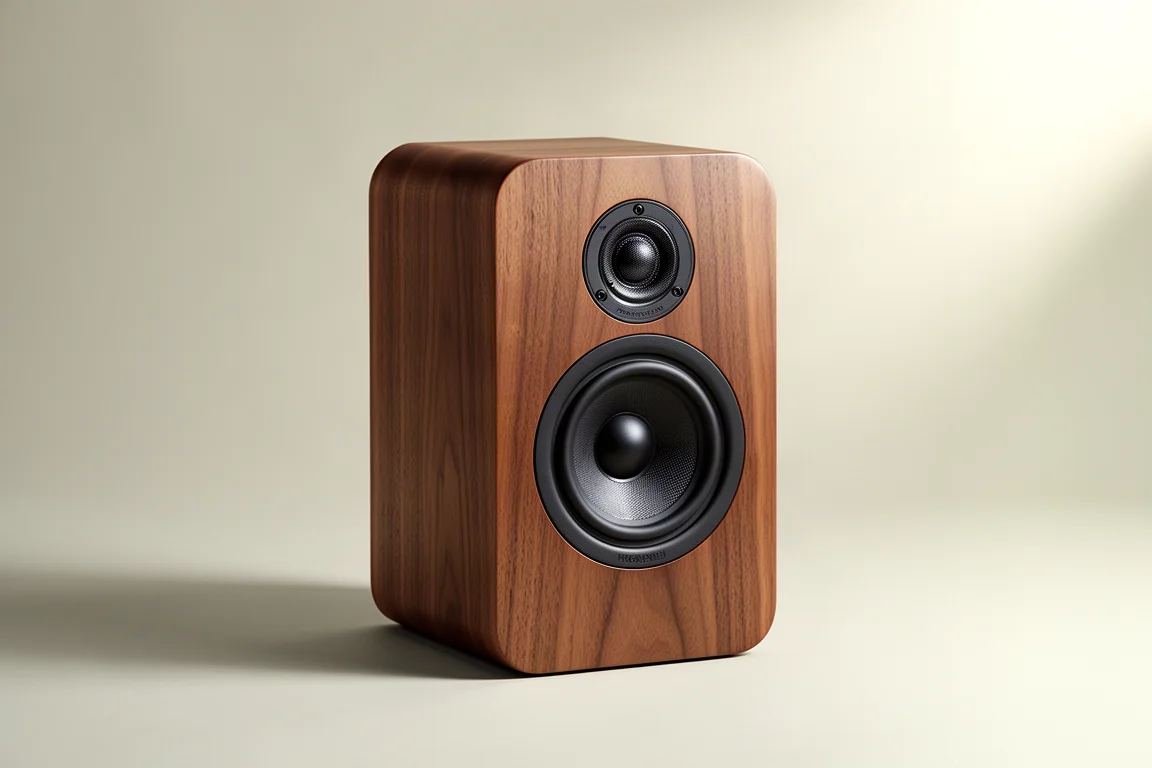
The Stark Sound Beta 7 is the most affordable component in the system at $750, and it is also the one that defines its character. It is a 4 ohm nominal design, which suits the amplifiers here well, since both deliver more power into 4 ohms and therefore have more headroom available.
The Beta 7 measures linearly, looks the part, and represents strong value at its price. Placement is flexible too: moving it closer to a wall adds room gain and improves the bass rather than muddying the presentation. That makes it a practical option for smaller rooms and nearfield setups where pulling speakers well out into the room is not realistic.
SMSL PA200: The Preferred Amplifier
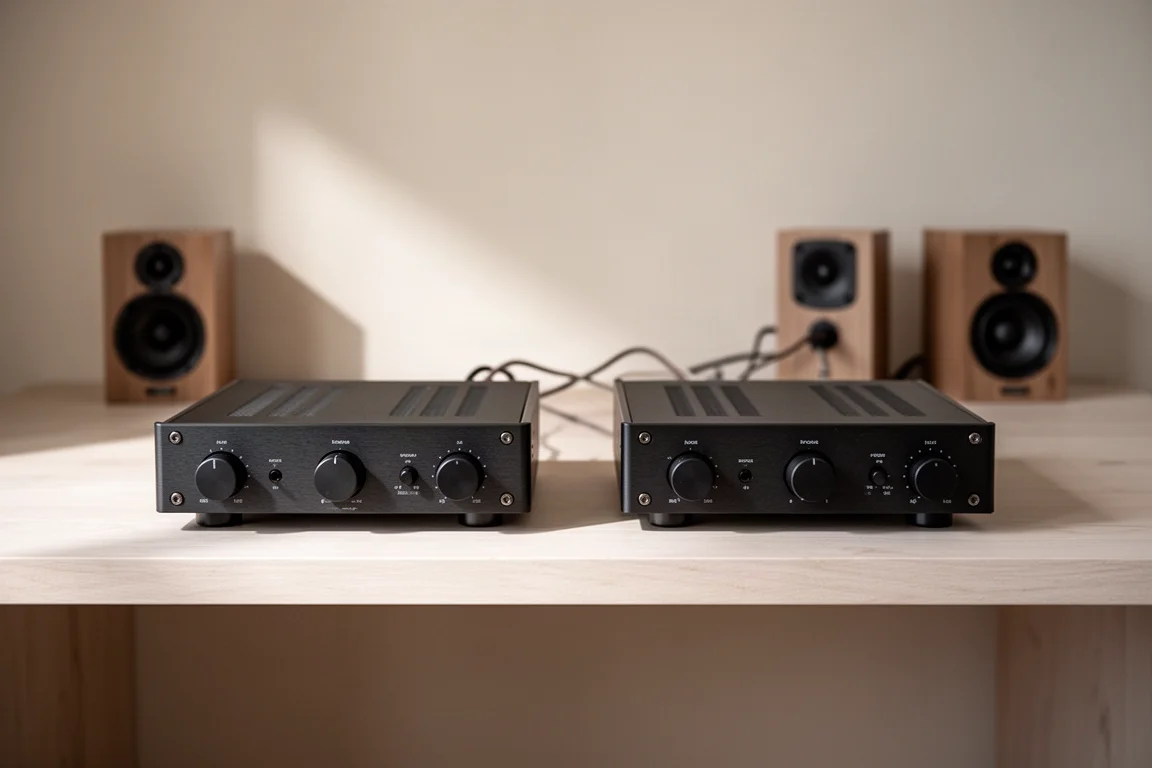
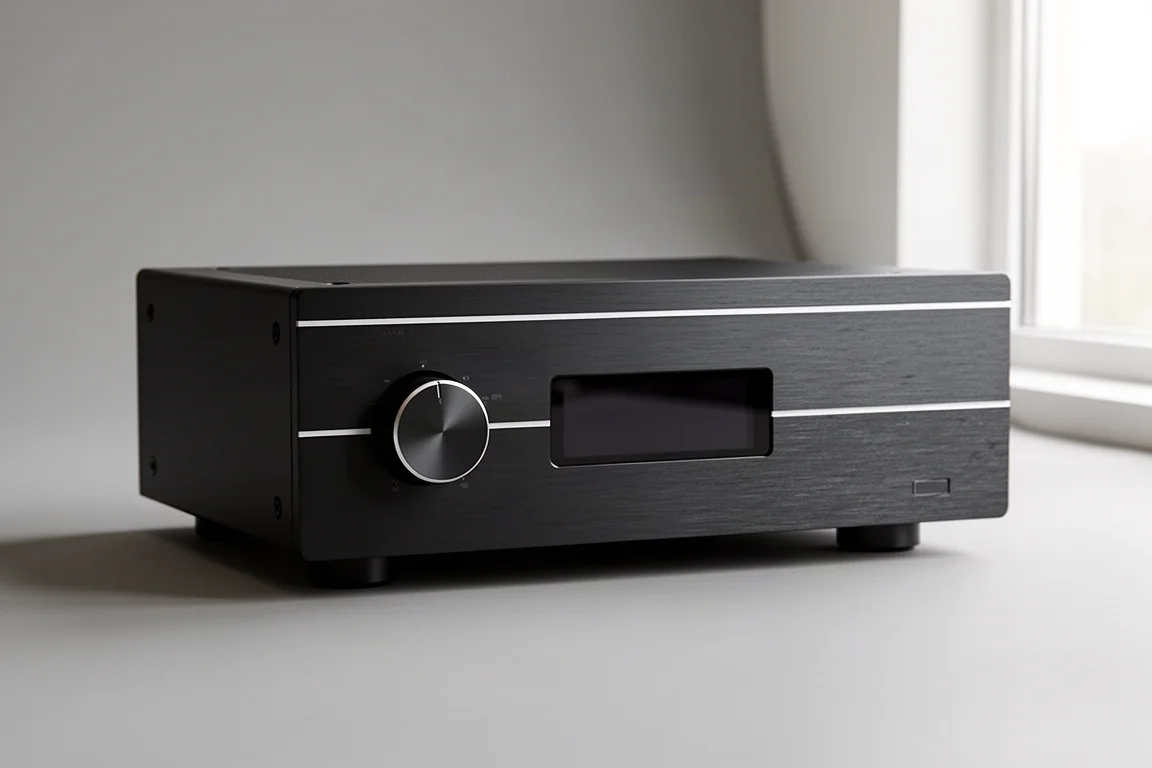
The SMSL PA200 is a gallium nitride amplifier priced at $420, and it is frequently discounted further. In stereo mode, a single unit delivers 85 watts into 8 ohms and 160 watts into 4 ohms, which was enough for a small to medium listening room.
What makes it the preferred choice here is tonal. Compared with the F2, it brings noticeably more bass weight and a smoother, more forgiving top end while still preserving the detail retrieval that defines the system. The result stays sparkly and well lit, but is easier to relax into.
It is also more flexible. The PA200 includes its own preamplifier section and a remote, so volume can be controlled at the amplifier instead of relying on the streamer’s app-based control. A single unit costs less than the F2, and a pair can be run as monoblocks with 250 watts into 8 ohms and 400 watts into 4 ohms, which is more power than these speakers need. Two units total $840 at list price, only about $40 more than a single F2.
If you want the deepest, most textured bass from this system, this is the amplifier to start with, and a subwoofer can still be added later for the lowest octave.
SVS SB1000 Pro: Adding Low-End Weight
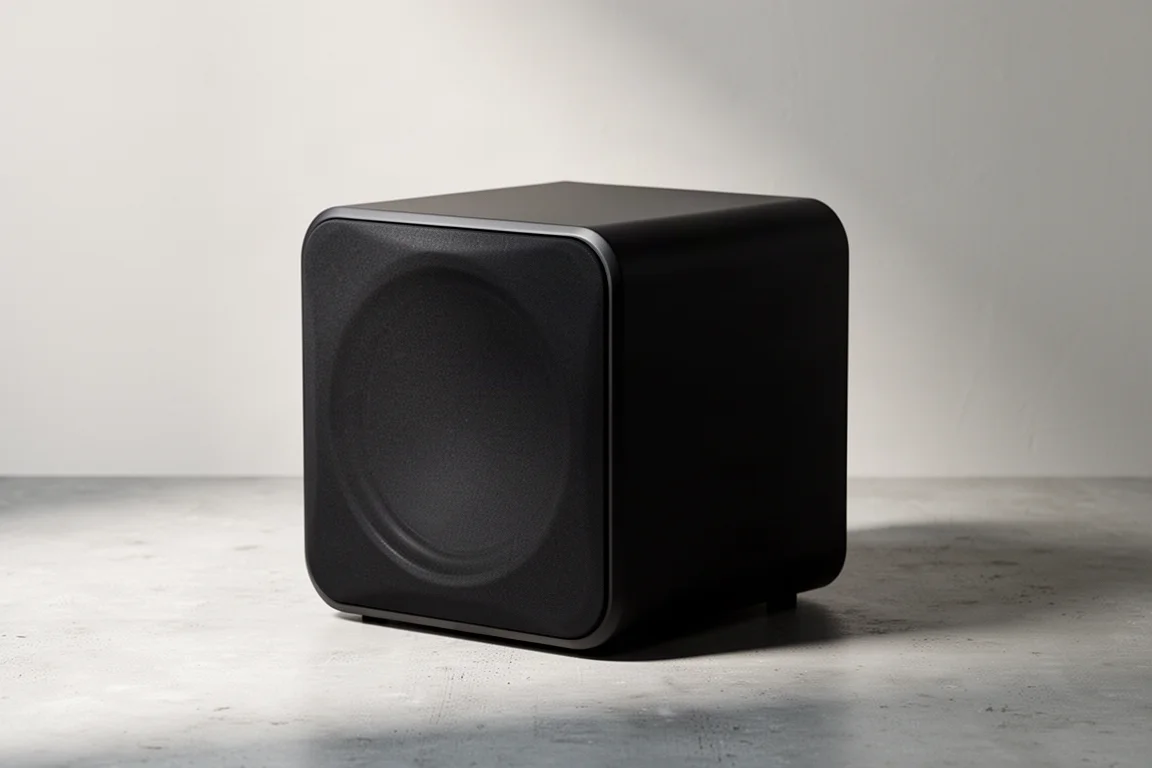
Without a subwoofer, this system is at its best in small to medium rooms. In a larger space, the bass will feel shallower than the rest of the presentation deserves.
The SVS SB1000 Pro at $600 is a natural addition. It fills in the bottom end without disturbing the neutral balance of the system, and it keeps the overall build within the stated budget.
Who This System Is For
This is a system for listeners who want to hear into their recordings. If discovering new details in familiar music is what draws you into the hobby, this build delivers it in a balanced, neutral way rather than an aggressive one. It also suits home studio work, where an honest, detailed presentation is more useful than a flattering one.
It is not the right choice if you are chasing a warm, rich, laid-back sound. That is a different build with different priorities. This one is neutral and detail-led, and while it stays on the right side of fatiguing, it will not disguise a bright or poorly recorded track.
Because the system is streaming-first, anyone with a large vinyl or CD collection should factor in the cost of a turntable or CD player, or plan to add that component separately.
Buying Advice
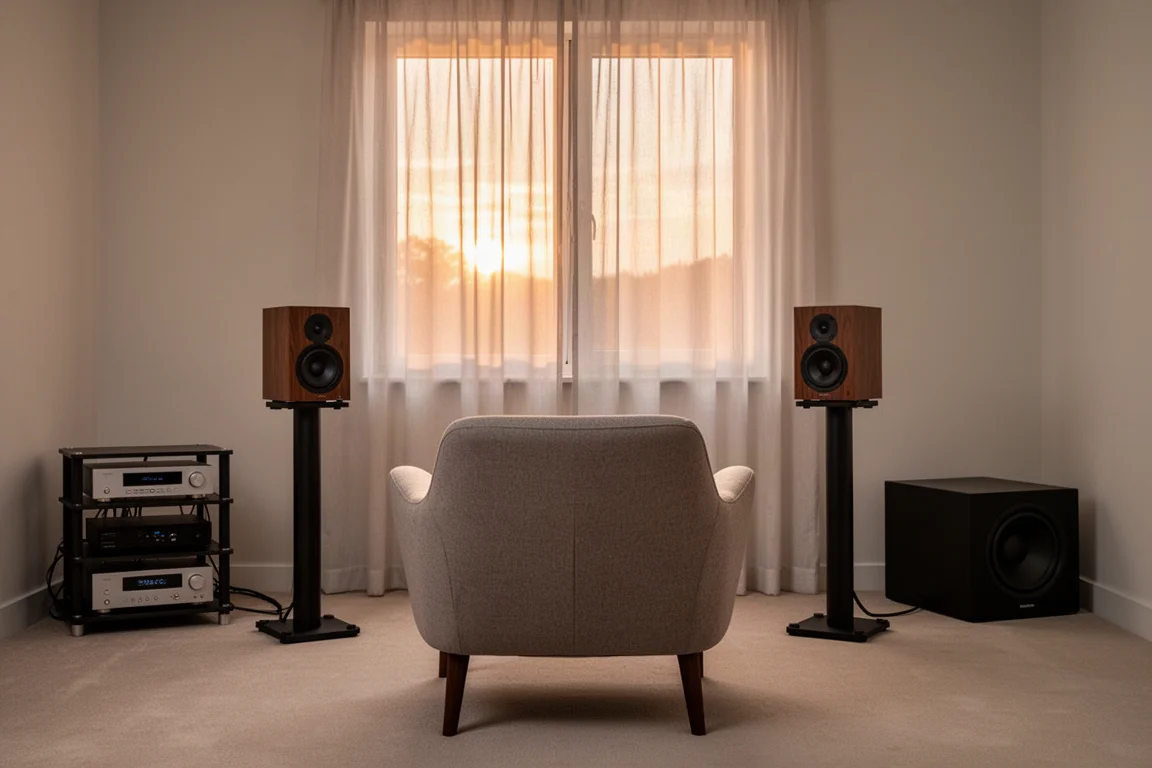
Build the system around the speaker and amplifier first, since that pairing sets the tonal character. The Beta 7 and the PA200 together cost $1,170 at list price and leave plenty of room for a streamer and, if you need one, a subwoofer.
If your priority is maximum detail and nuance, the Eversolo F2 is the alternative to consider at $800. If your priority is bass weight, smoothness, and the convenience of amplifier-side volume control, the PA200 is the better fit, and two units in mono give you far more headroom than this speaker needs.
On the streaming side, choose the Primo if you want the more musical tonal match, or the DMP-A6 at $860 if you would rather have the extra features and the front-panel screen. Either way, keep the digital output option in mind, because the DAC is the component most likely to be replaced first.
Room size decides the subwoofer question. Small and medium rooms can run the system without one. Larger rooms should include the SVS SB1000 Pro at $600.
Conclusion
For under $3,000, this system delivers what matters most in a first serious hi-fi setup: a neutral, detailed, well-staged presentation that makes familiar music sound new again. The Volumio Primo, the SMSL PA200, and the Stark Sound Beta 7 form the core, while the Eversolo F2, Eversolo DMP-A6, and SVS SB1000 Pro cover the alternative directions depending on your priorities.
Further reading
Related Reviews
Hi-Fi Audio
Accuphase C-57 vs Allnic H-7000V: Two High-End Phono Stages Compared
A fully balanced solid-state phono stage with a pitch-black noise floor meets a tube design built for well-loved records. Here is how to choose between them.
Hi-Fi Audio
Active vs Passive Hi-Fi: Five Components for a Modern System
Five components that define modern active and passive hi-fi systems, with the strengths, trade-offs and setup details worth weighing before you buy.
Hi-Fi Audio
Advance Paris A10 Apex Review: A Hybrid Integrated Amplifier That Covers a Lot of Ground
A French hybrid integrated amplifier with a class A tube preamp stage, analogue power meters, and an internal DAC and phono stage good enough to make extra boxes unnecessary.