Hi-Fi Audio
The Hi-Fi System I Would Rebuild From Scratch: 16 Picks for Every Budget
A tiered hi-fi buying guide, from a starter stack under $500 to a no-limit dream rack, with the reasoning behind every pick.
Introduction
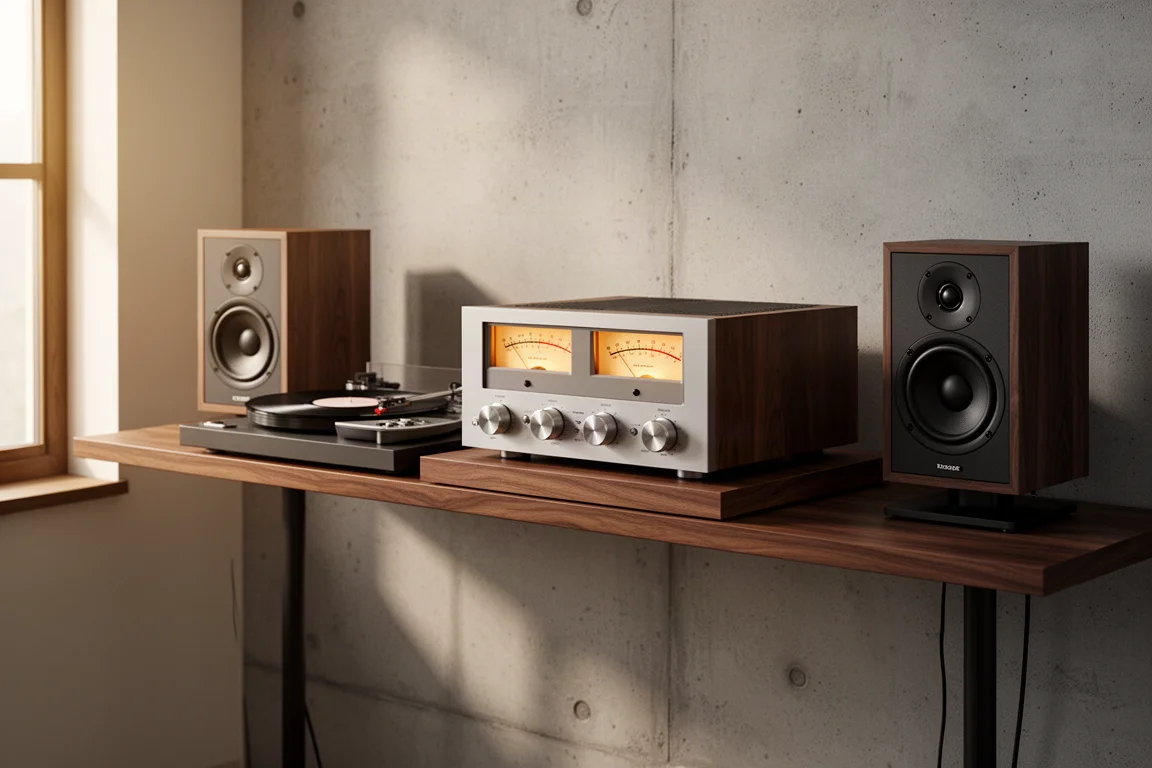
If the entire rack disappeared overnight, most of us would rebuild it differently the second time. The first system is about finally hearing music properly. The second one is about knowing what you actually enjoy, and that usually comes down to a mix of sound quality and the pleasure of using the gear.
This guide is organised the way a system actually gets built. It starts with a starter stack that stays under a few hundred dollars, moves to a clarity-first step up, then to a rack that invites you to touch it, and finishes with the no-limit version. Every pick here has a reason behind it, and in most cases a clear upgrade path.
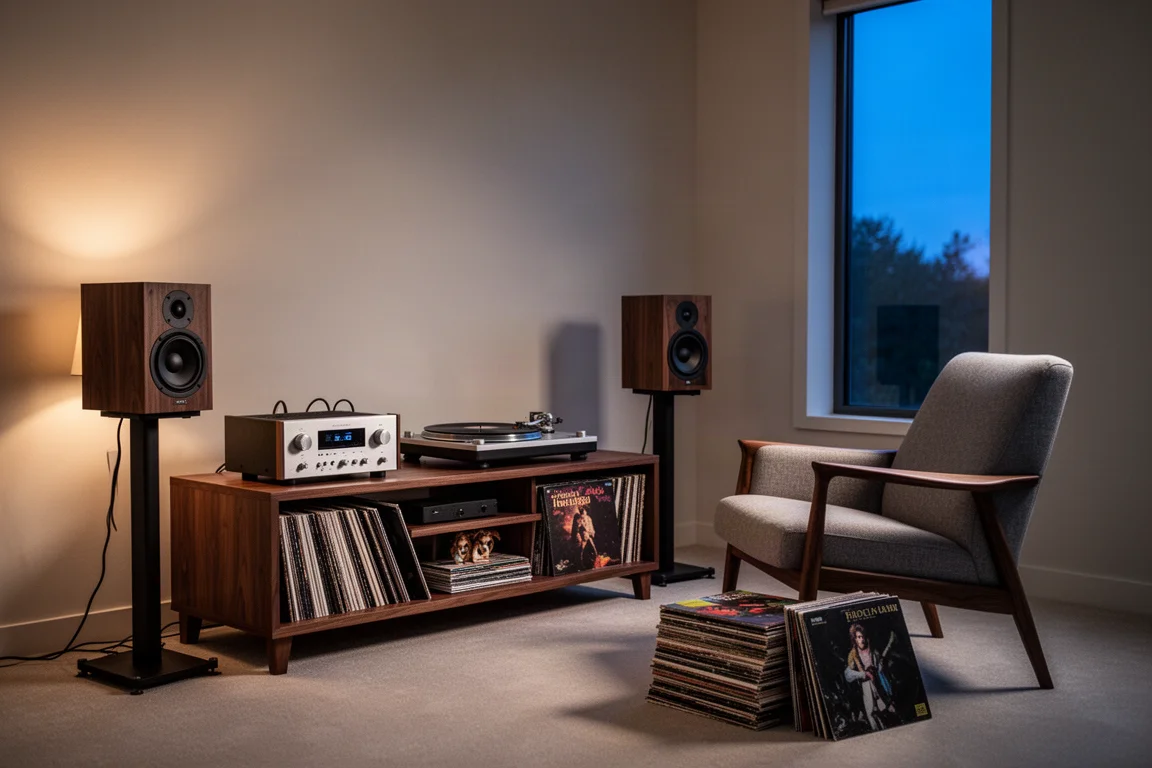
The common thread is flexibility. You can start small, add a second amplifier in mono, swap an op-amp, or replace one box at a time without starting over. That is what makes a first system worth keeping.
Building a First System for Under $500
The goal at this level is simple: high-resolution streaming, a way to connect a television, and speakers that sound far better than their price suggests. Bought at list price, this stack lands around $600. Bought on sale, which it regularly is, it comes in under $500.
WiiM Pro Plus: The Hub of a Starter System
The WiiM Pro Plus covers jobs that normally take three separate boxes. It streams high-resolution digital audio, it has RCA inputs so it can work as a preamp, and it has an optical input for a TV. It also includes a set of DSP features, including EQ and room correction. At under $200, it is the piece that makes everything after it easier to add.
Fosi Audio ZA3: Compact Power With an Upgrade Path
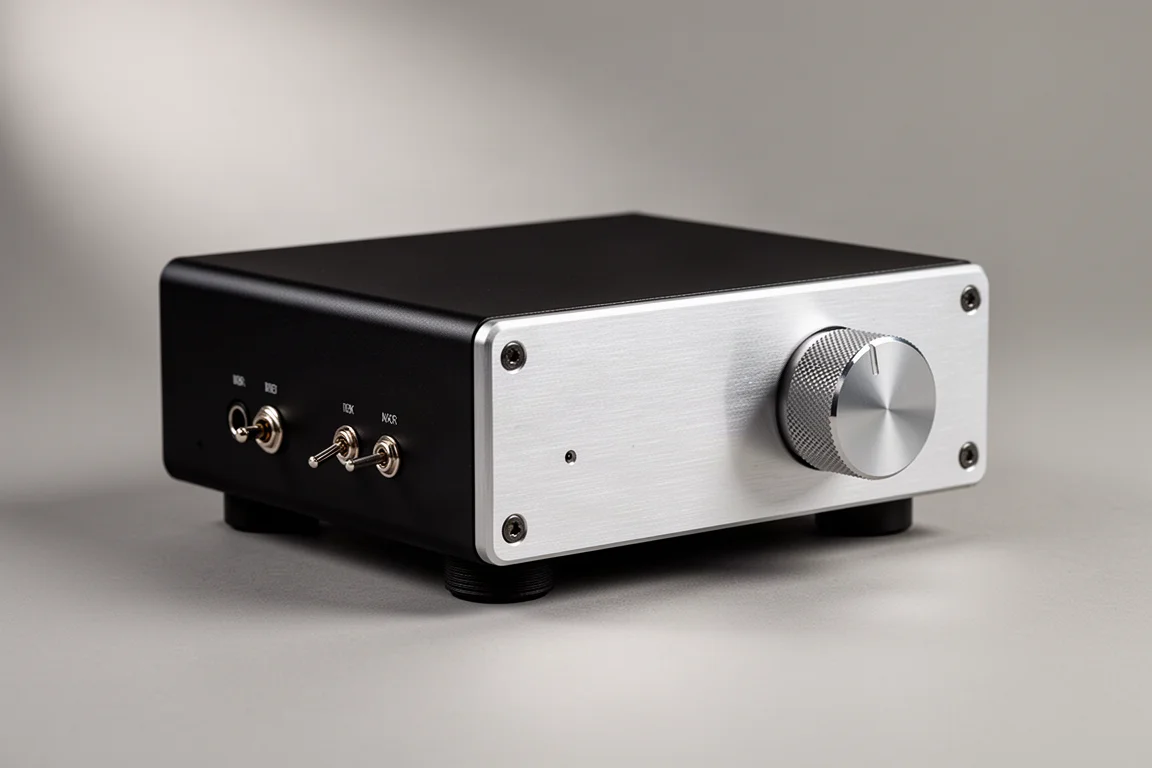
The Fosi Audio ZA3 puts out a fair amount of power for its size, and it can run in mono. That matters because it creates an obvious next step: add a second unit later and run the pair as monoblocks. The op-amps can also be swapped if you want to nudge the sound in a slightly different direction. It is a small amplifier that does not close any doors.
Sony SSCS5 M2: A Speaker Worth Waiting For
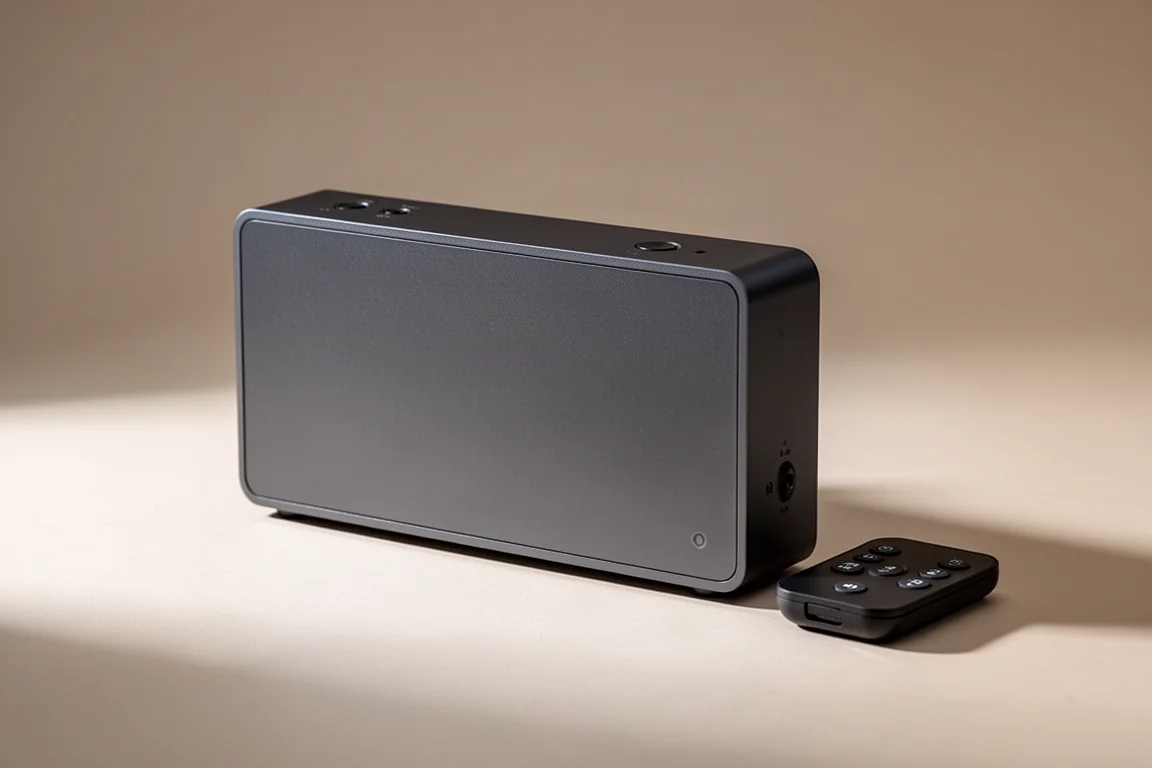
The Sony SSCS5 M2 is the newest version of a well-liked small speaker, and it lists at $250. That is not the price to pay. It regularly drops to around $150 on sale, and at that point it becomes one of the strongest values in a starter system.
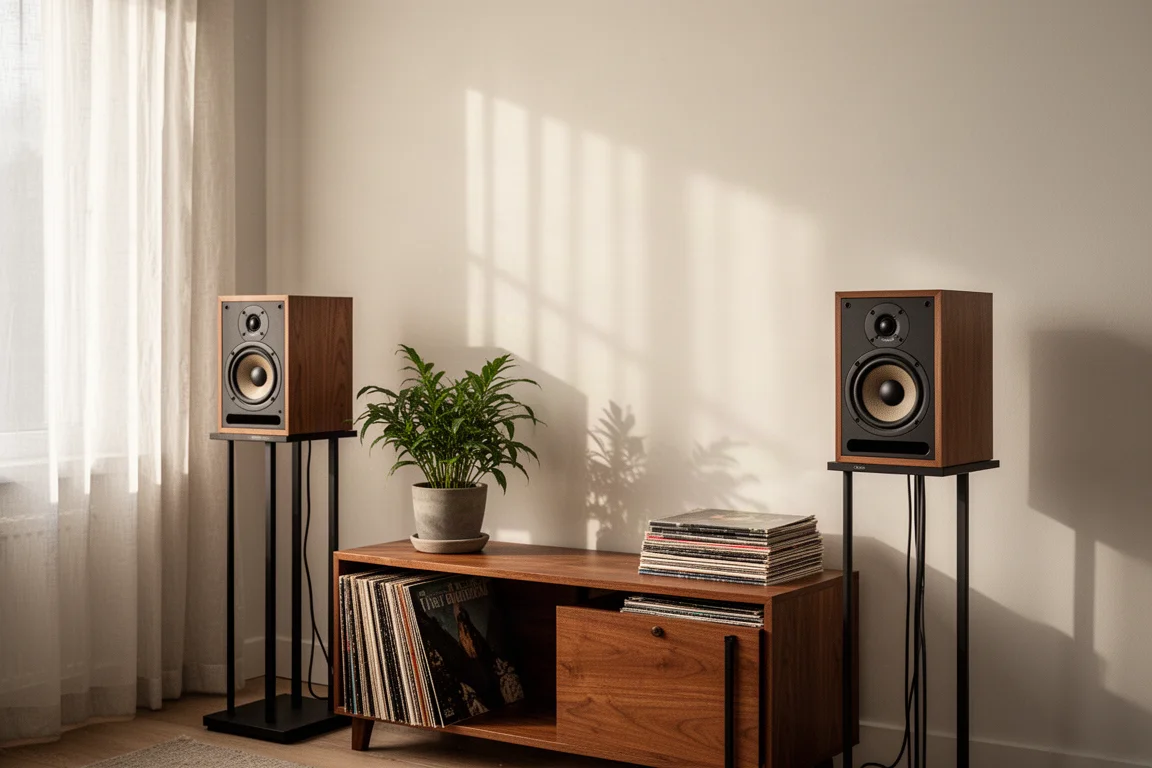
If you are not in a hurry, set a price alert and wait. The gap between list price and sale price here is wide enough to change what the rest of the budget can buy, whether that extra money goes toward a better amplifier or a turntable later.
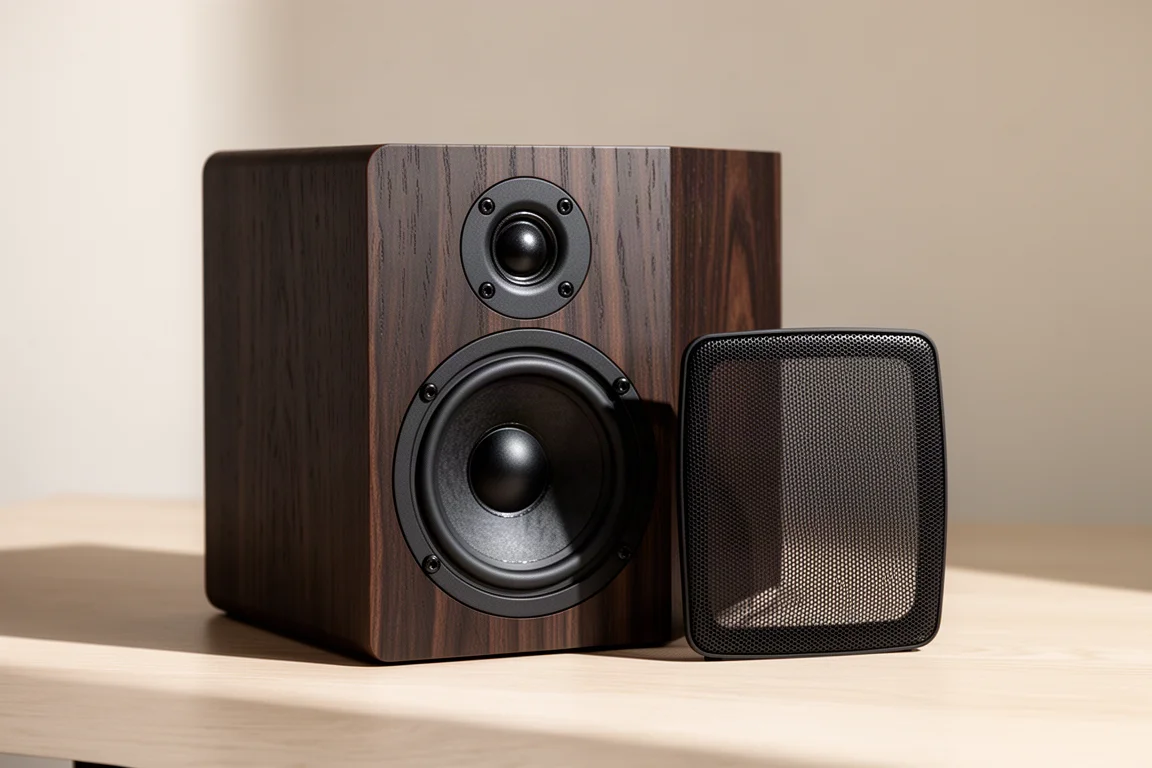
Cambridge Audio SX50: Small Speakers, Honest Sound
The Cambridge Audio SX50 is the alternative when the Sonys are not discounted or when the room is small. These are compact speakers, so they will not deliver a huge, room-filling presentation. What they do deliver is good, balanced sound at a modest size, which is often the smarter trade in a bedroom or a desk setup.
A Clarity-First System Around $1,000
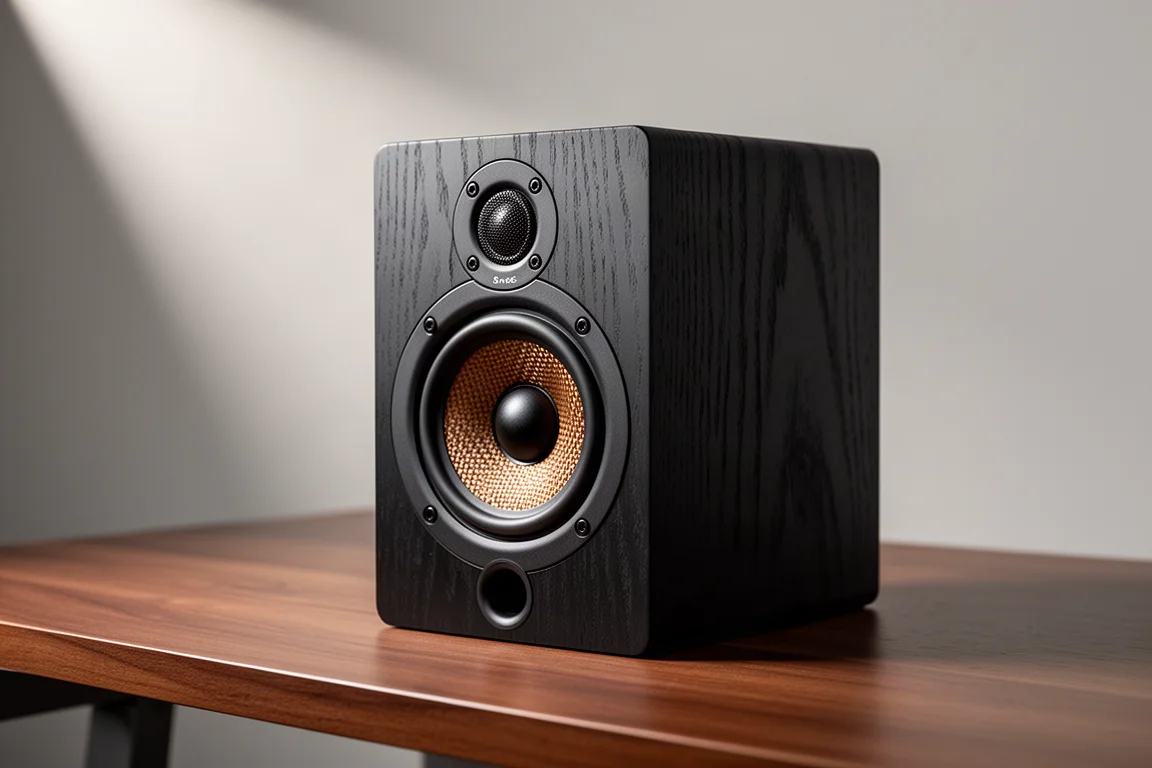
Once you know what you are listening for, upgrades become deliberate rather than hopeful. For some listeners the answer is bass impact. For others it is a wide, accurate soundstage. In this case the target is clarity: breath sounds, the decay of an acoustic guitar, cymbals that sound like metal rather than noise.
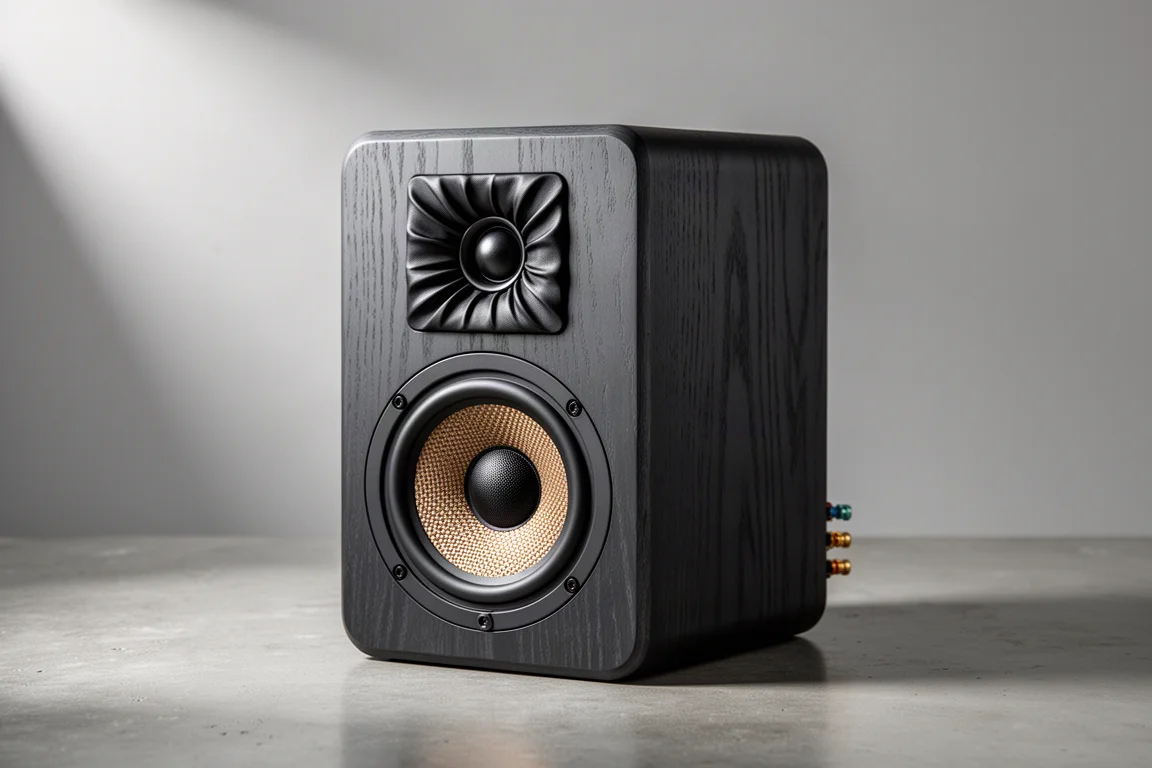
Emotiva XB2: The Ribbon Tweeter That Explains Everything
The Emotiva XB2 is the speaker that makes that preference obvious. Its ribbon tweeter is the reason it resolves fine detail so well, and at $550 it stays within reach of a mid-priced system. Play a well-recorded acoustic track through it and the small things you never noticed in the recording start showing up.
WiiM Ultra: A Streamer With a Screen
The WiiM Ultra takes the same streaming foundation and adds the pieces a full system needs. There is a phono preamp for a turntable, a screen that displays album art, an HDMI connection for a TV, and preamp outputs for a separate power amplifier.
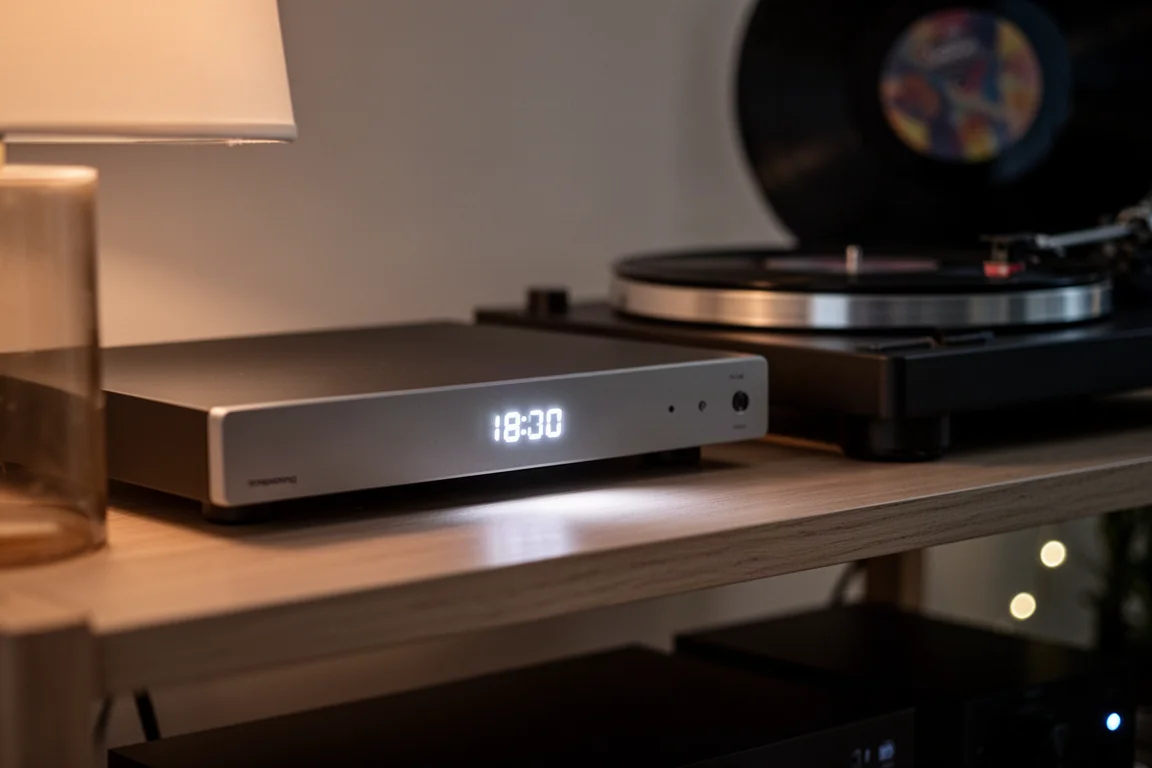
That combination is what makes it a natural centre for a system rather than just another source. You get streaming convenience now and the option to add vinyl later without buying an extra box to do it.
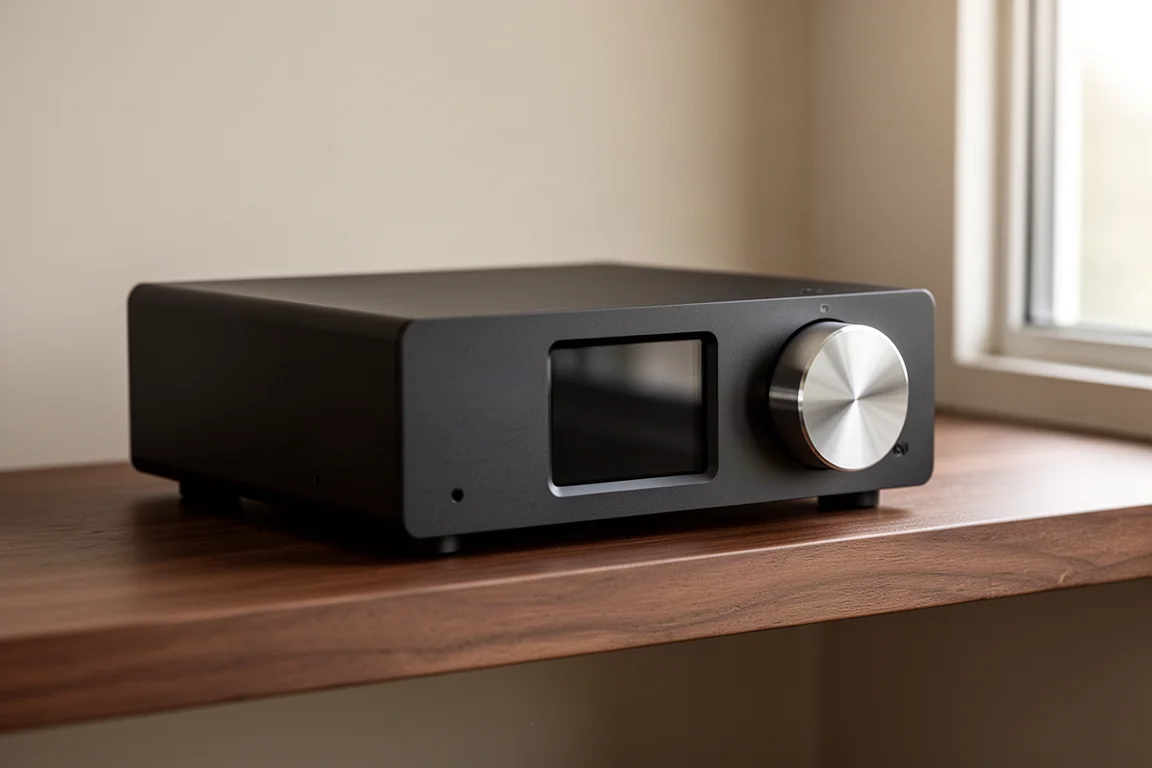
Emotiva A2L Plus: Class AB Power at $350
The Emotiva A2L Plus supplies the current that turns clarity in the speakers into something you can actually hear. It uses class AB amplification, which tends to sound dynamic and effortless, and it costs $350. Paired with the XB2 and the WiiM Ultra, the system lands around $1,300 at list price. Emotiva runs regular 20 percent sales, so around $1,000 is realistic if you time the purchase.
When Interacting With the Music Matters Most
Good sound is only part of the appeal. The other part is the ritual: a chunky volume knob, a meter that moves with the music, a record that has to come out of its sleeve. That is the side of this hobby that keeps you listening long after the novelty of a new component wears off.
Emotiva TA2: One Box, Fewer Cables
The Emotiva TA2 is an integrated amplifier that combines the preamp and the power amp in a single chassis. It sounds dynamic and it simplifies the rack considerably, which matters if you would rather spend your time listening than rearranging cables. The trade-off is that it does not include power meters, and that is exactly the feature some listeners care about most.
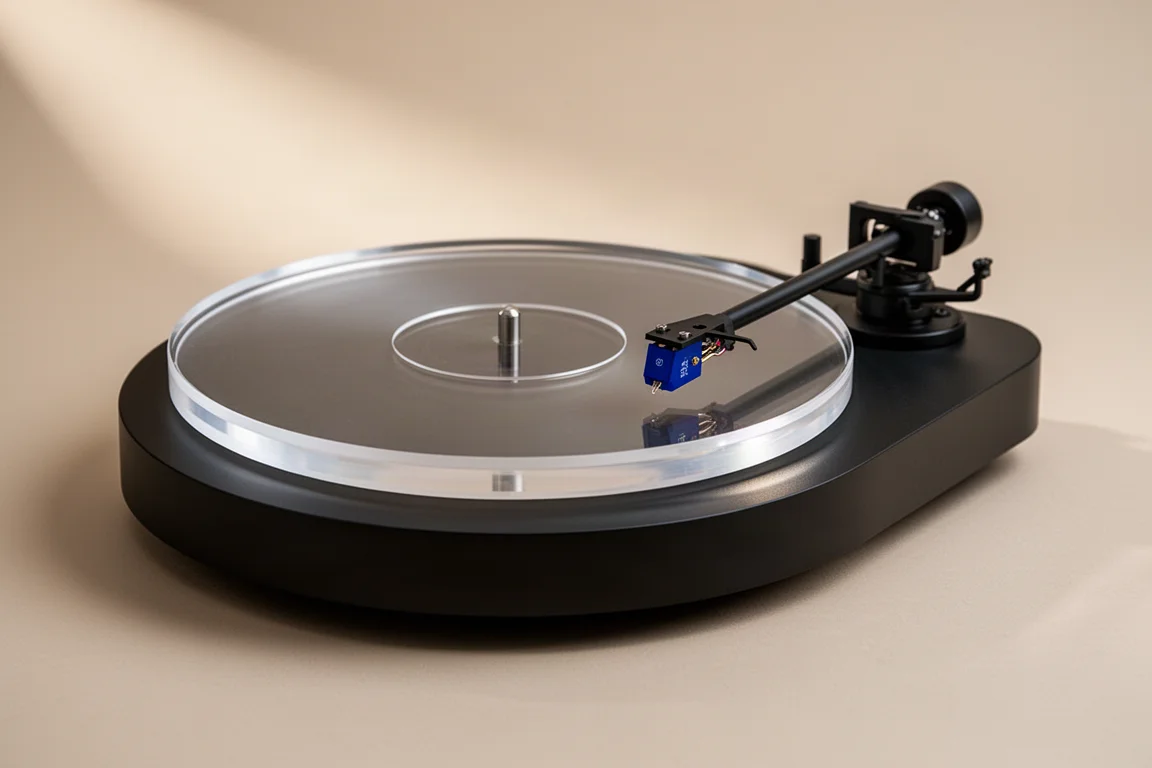
Fluance RT85: A Turntable Worth Building Around
The Fluance RT85 costs $500 and ships with the Ortofon 2M Blue cartridge, which is a genuinely strong pairing at this price. The cartridge is the reason this turntable feels like a long-term purchase rather than a stepping stone. A top-tier U-Turn table uses the same cartridge family but costs $1,000, so the Fluance sits in a sweet spot for a vinyl-first system.
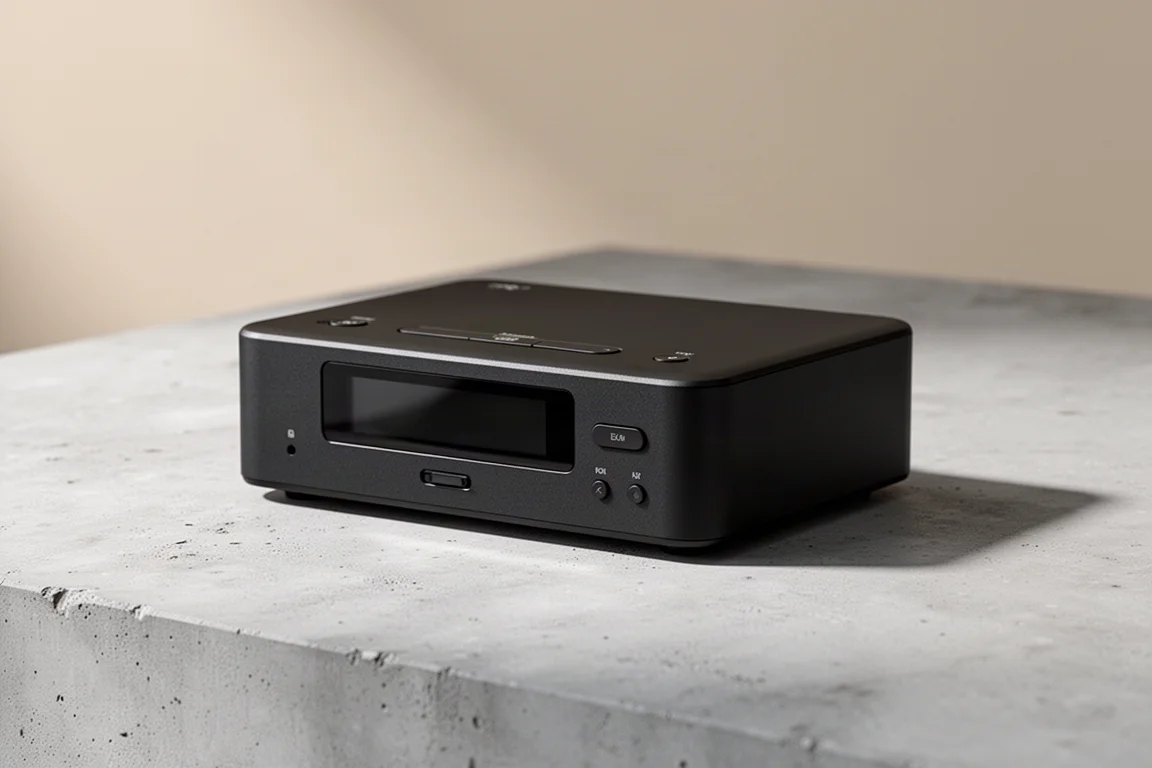
SMSL PL100: An Inexpensive Way Back to CDs
The SMSL PL100 is about $110, and adding a 2 amp or 2.3 amp 5 volt power supply for roughly $20 more is a sensible upgrade. It is a low-cost way to keep physical discs in the rotation without dedicating serious budget to it. If you want a step up in digital conversion later, a dedicated DAC built around an AKM4499 chipset costs somewhere between $500 and $600 depending on how it is specified.
Scaling Up: Where the Money Goes Next
At this level the money buys feel as much as sound. Meters, toggle switches, and a heavy chassis all change how it feels to sit down and listen, and they are the details that keep a system in use.
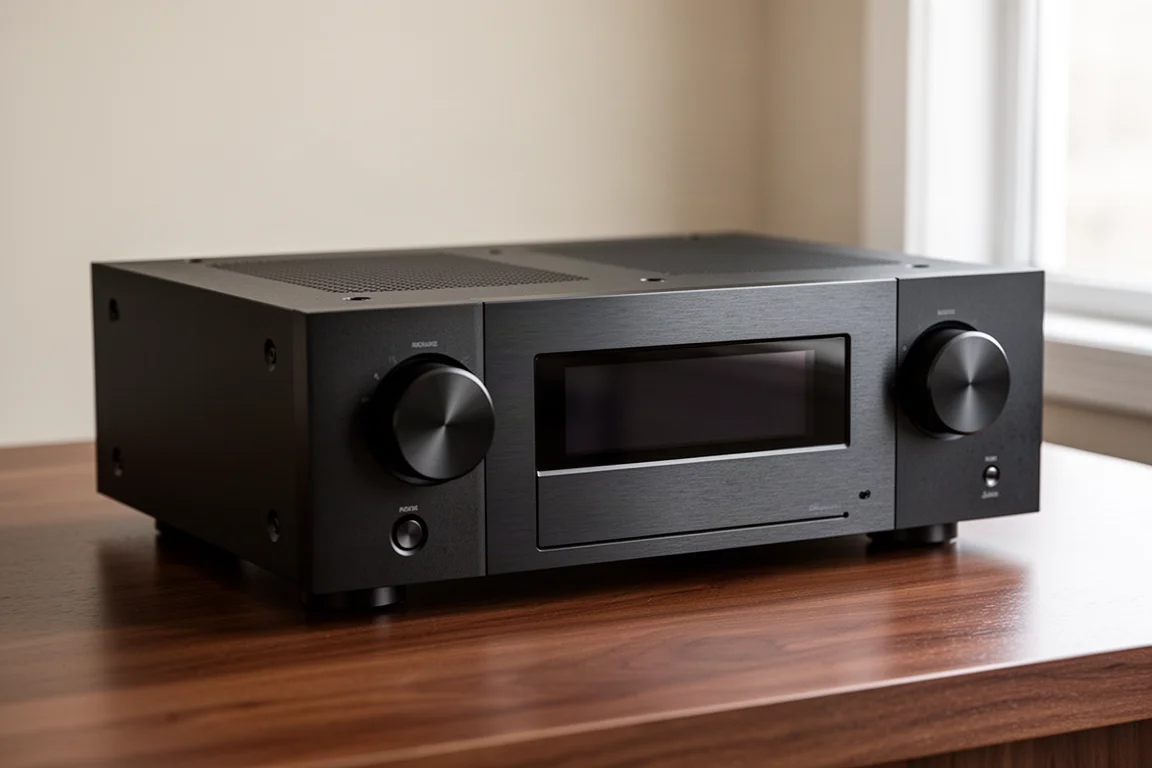
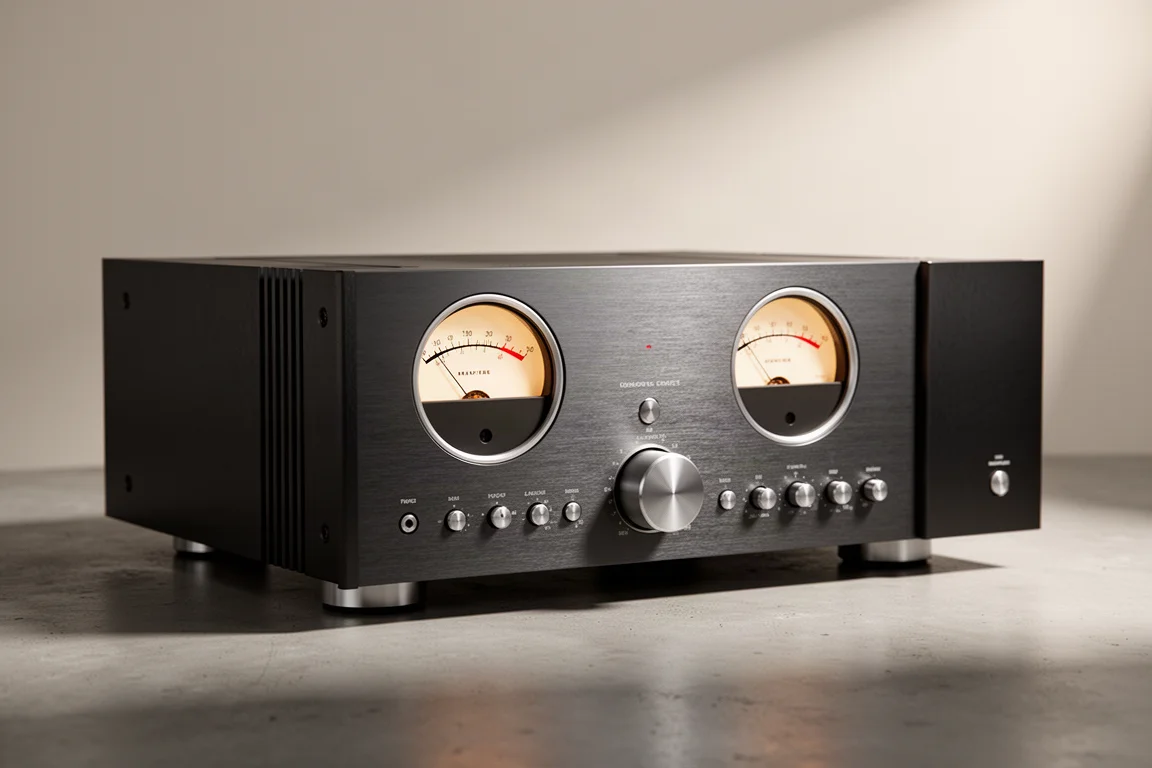
Advance Paris A10 Classic: Meters and Knobs Done Properly
The Advance Paris A10 Classic is an integrated amplifier with the kind of front panel that makes you want to use it: power meters, substantial knobs, and a design that recalls the receivers of the 1970s. It used to sell for around $2,000 to $2,200 and now sits at $3,000. It also checks a lot of boxes for a single chassis, which keeps the rest of the rack simple.
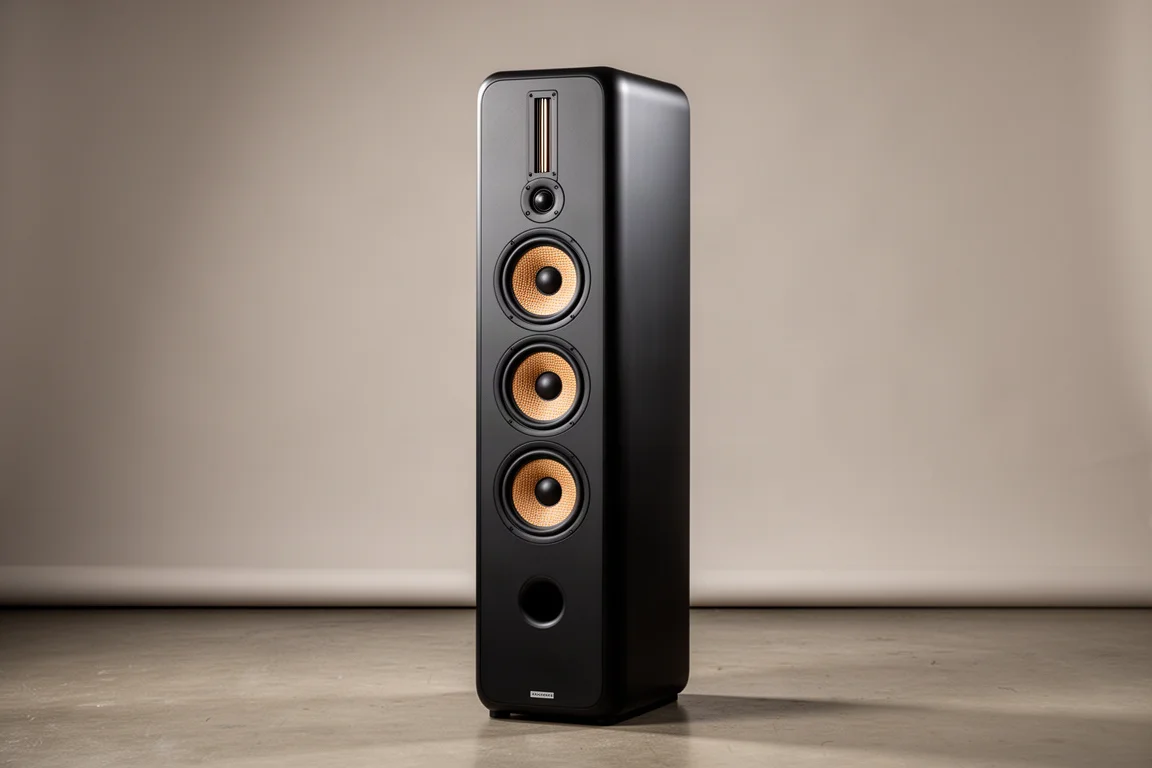
Emotiva XT2: Floorstanding Clarity for Around $1,500
The Emotiva XT2 brings the same clarity-first character to a floorstanding cabinet, and it costs around $1,500. The Q Acoustics 5040 is the other option at a similar price if you prefer a different tonal balance from the same budget. Either way, the choice comes down to the sound you already know you enjoy.
The Dream System: If the Budget Disappeared
This is the fun version, where the constraint is nothing more than taste. It keeps the same priorities as every tier above: clarity, current, and components you enjoy touching. The total lands around $23,000, which is a reminder of how quickly this hobby scales at the top end.
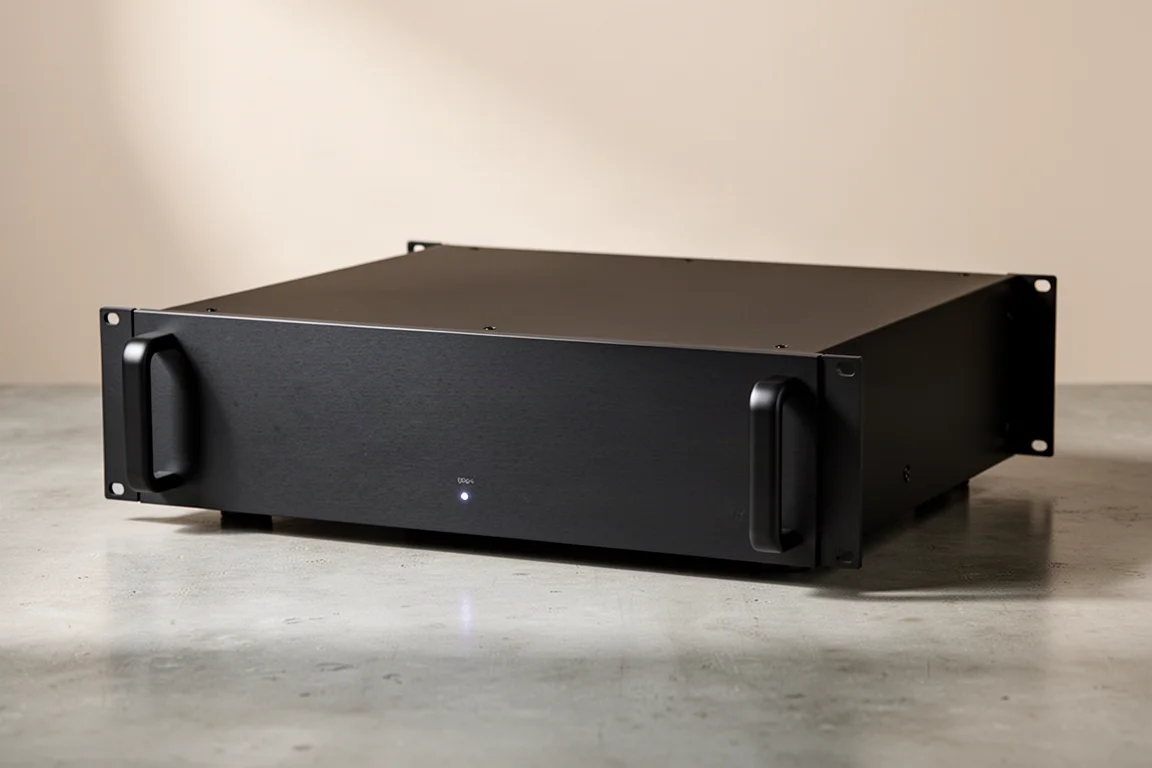
Emotiva DR2: Differential Power
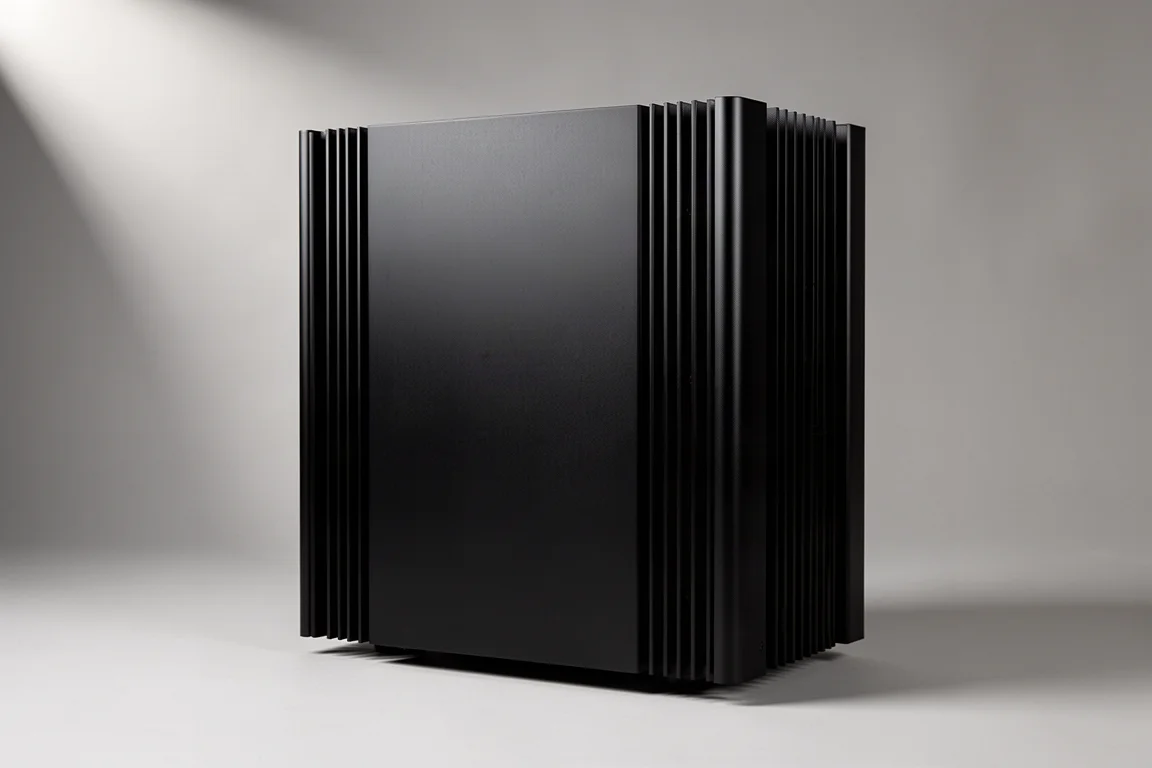
The Emotiva DR2 is a differential amplifier and the centrepiece of a no-compromise rack. It sounds excellent and delivers the kind of headroom that makes demanding speakers feel easy to drive. The one thing missing is a pair of power meters, which is the only change that would make it perfect here.
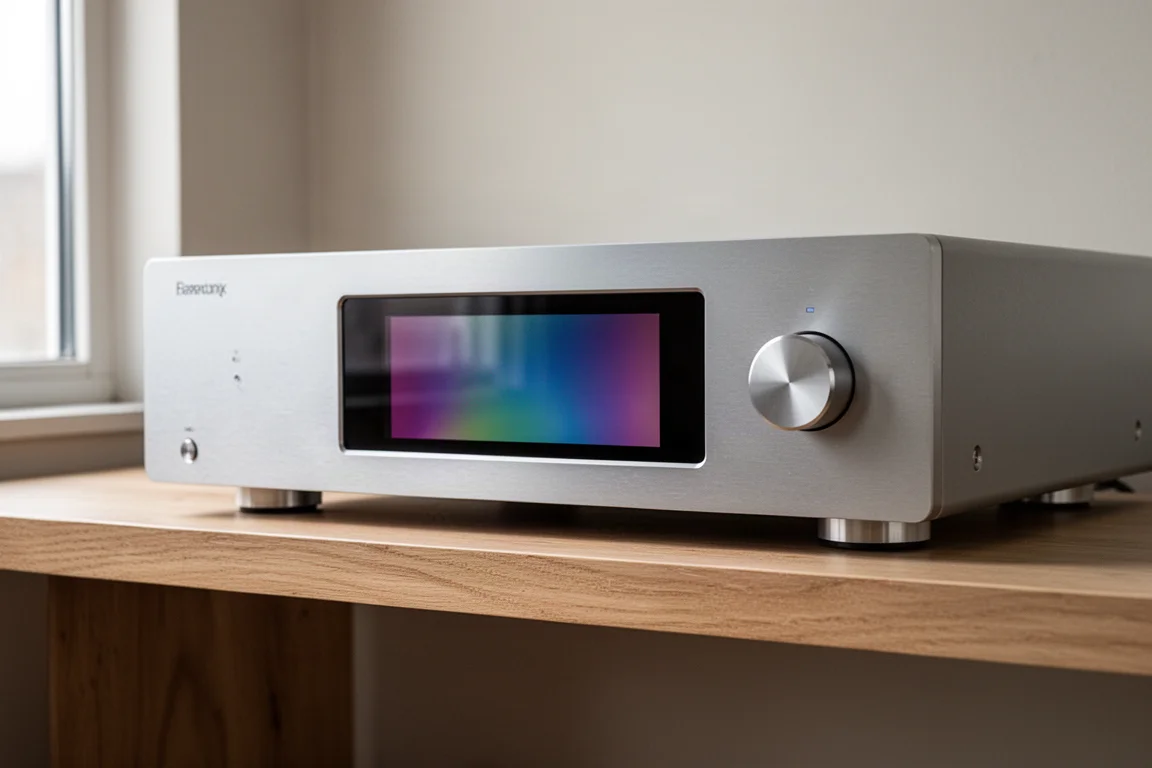
Cambridge Audio CXN100: Streaming With a Large Screen
The Cambridge Audio CXN100 is a full-width rack component with a large display, and it costs about $1,800. It brings the same streaming convenience as the smaller options with the presence and ergonomics of a proper hi-fi component, which suits a system at this level.
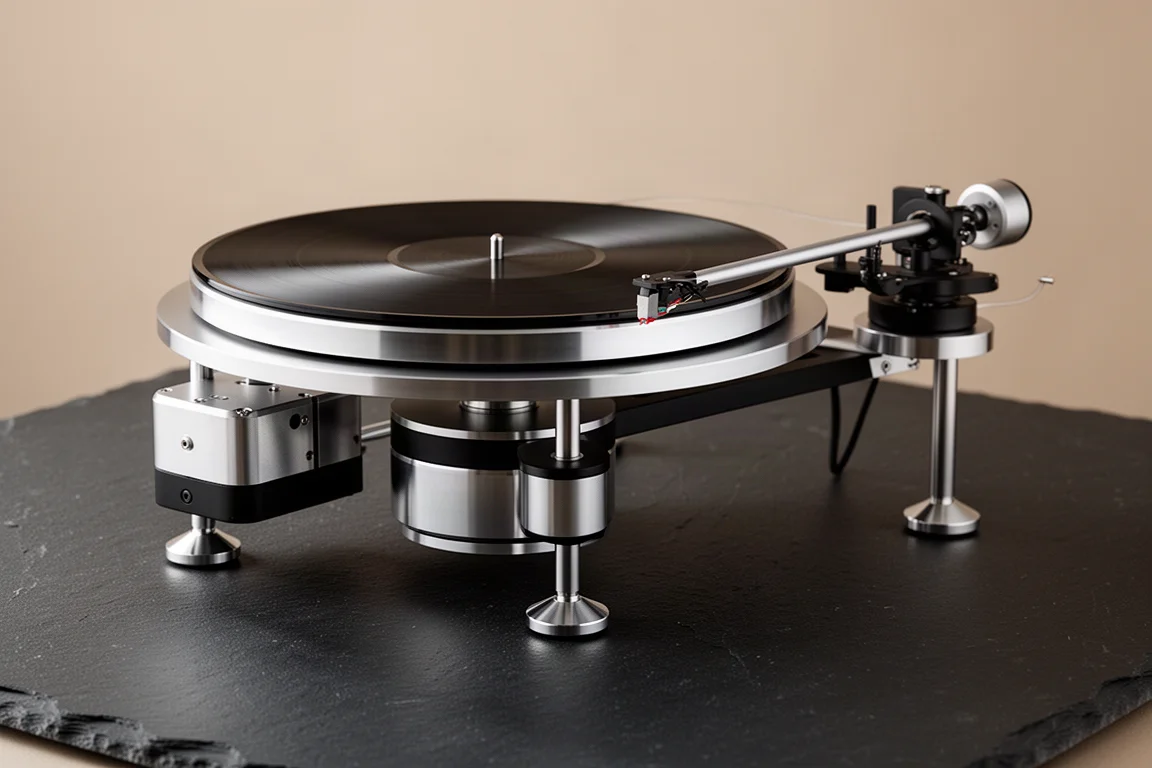
Michell Gyro SE: A Turntable You Keep Looking At
The Michell Gyro SE is a suspended turntable design of the kind that has been used in serious systems for decades. The turntable, arm, and cartridge are all sold separately, so a complete setup runs around $8,000. It earns its place here as much for how it looks as for how it performs.
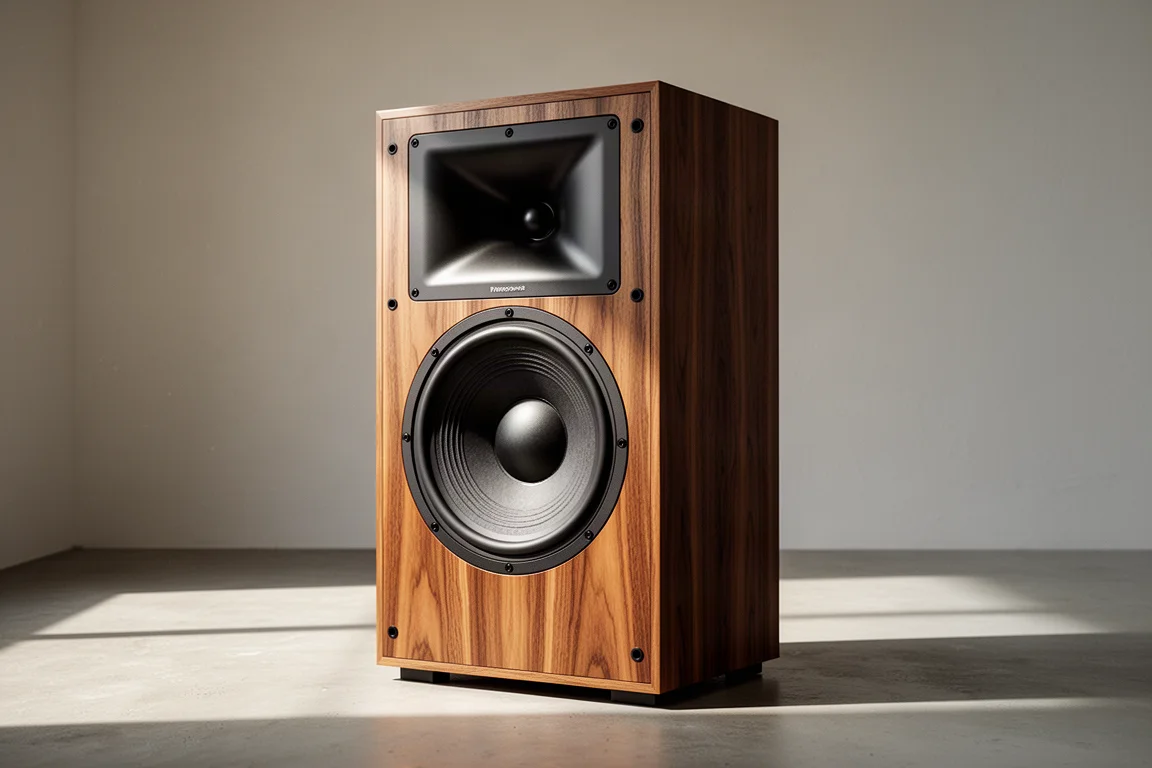
Klipsch Forte: Big, Dynamic, and Fun
The Klipsch Forte may be the surprise of this list. It has a lot of bass, a lot of dynamics, and it is not aggressive in the upper midrange. It is the kind of speaker that makes you want to keep listening, and a pair comes in around $5,000 to $6,000.
Buying Advice: Build Around What You Actually Enjoy
Written up as one system, the no-limit version lands around $23,000. That number is not the point. The point is that every tier here follows the same logic: a flexible source, an amplifier with enough current, and speakers that suit the sound you personally prefer.
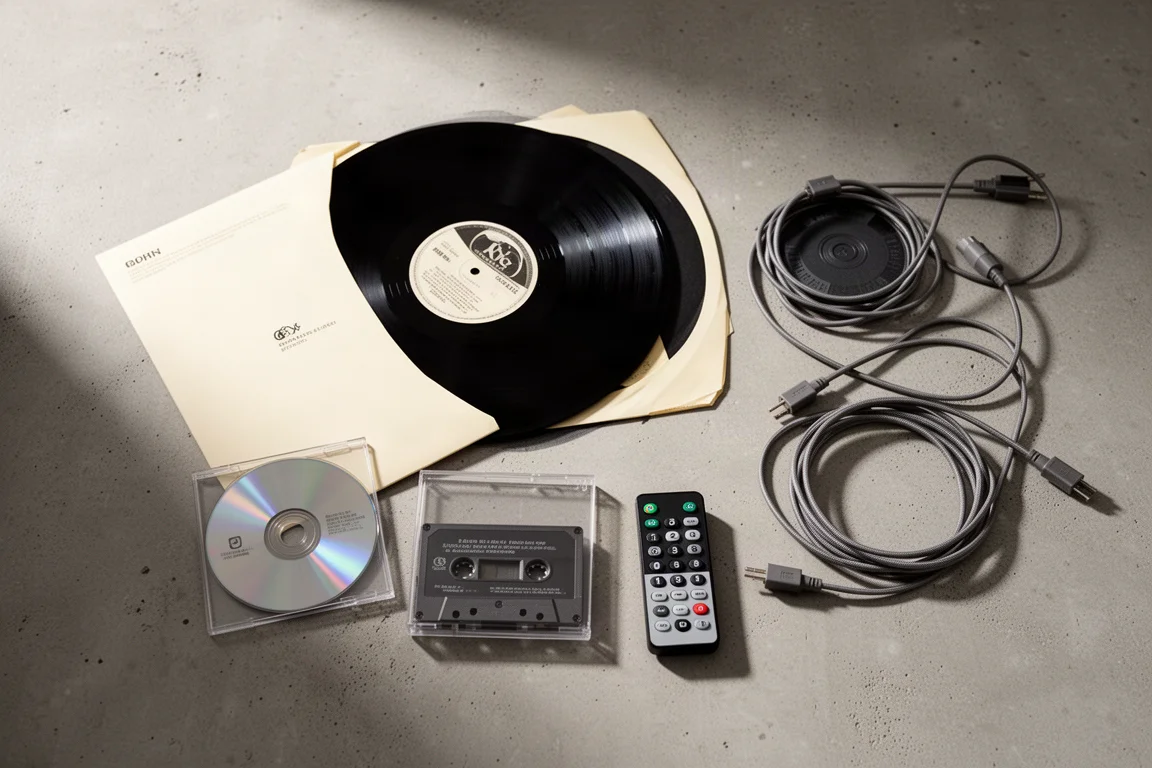
The practical order is source first, then amplifier, then speakers. A streamer like the WiiM Pro Plus or the WiiM Ultra gives you the most flexibility for the least money, and it keeps working when everything else in the rack changes. Watch for sales, because the budget and mid-range picks here are discounted often enough that timing matters as much as choosing.
If you already know you want meters and knobs, plan for it rather than compromising early. Buying a simple integrated amplifier now and replacing it in a year costs more than saving a little longer for the one you actually want to look at every day.
Conclusion
Start where your budget allows and buy with an upgrade path in mind. A starter stack under $500 gets you high-resolution streaming, a TV input, and real speakers. A system around $1,000 buys genuine clarity. Beyond that, you are paying for the pleasure of using the gear as much as for the sound.
The best system is the one that makes you want to sit down and listen, whether that means a moving meter, a record that needs flipping, or album art on a screen. Match the gear to the ritual you enjoy, and the sound quality follows naturally.
Further reading
Related Reviews
Hi-Fi Audio
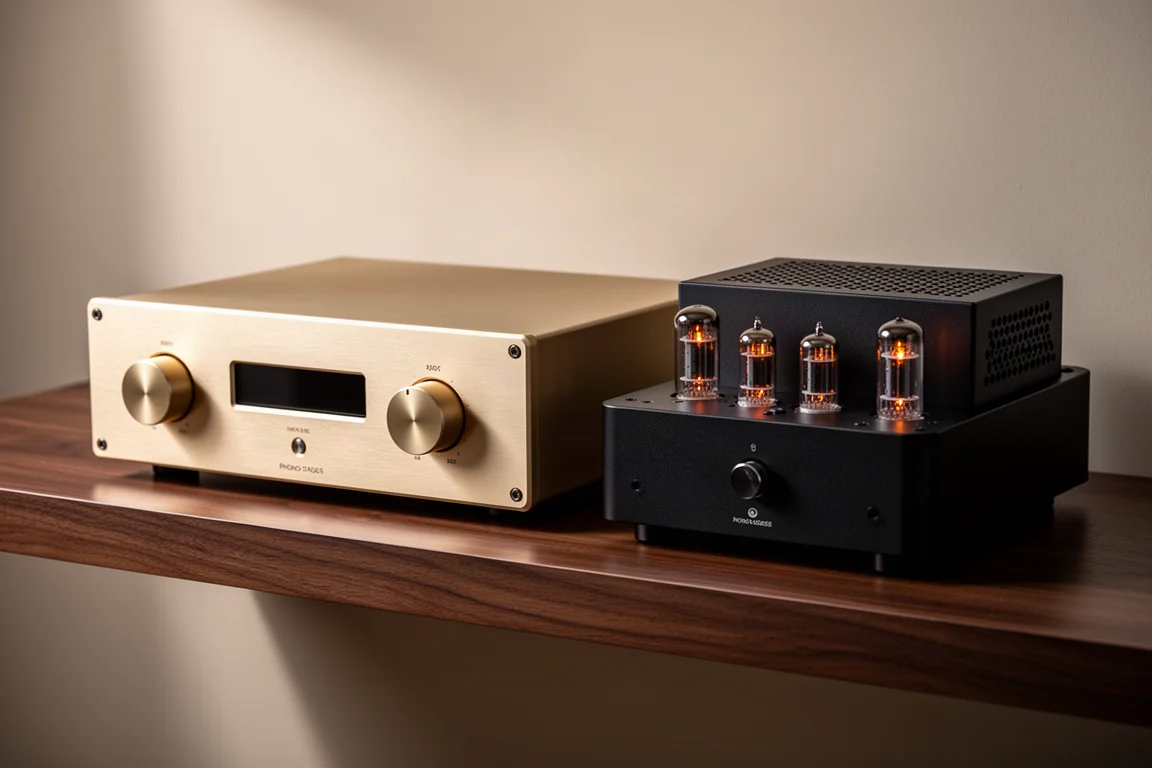
Accuphase C-57 vs Allnic H-7000V: Two High-End Phono Stages Compared
A fully balanced solid-state phono stage with a pitch-black noise floor meets a tube design built for well-loved records. Here is how to choose between them.
Hi-Fi Audio
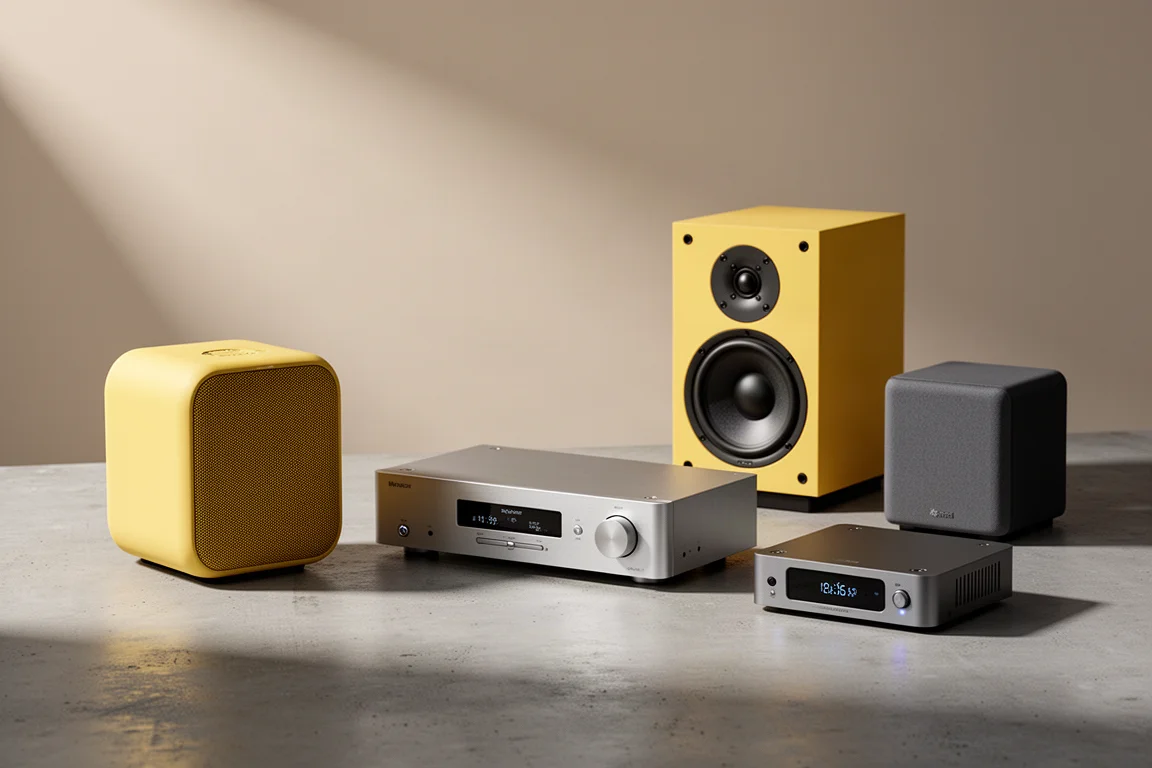
Active vs Passive Hi-Fi: Five Components for a Modern System
Five components that define modern active and passive hi-fi systems, with the strengths, trade-offs and setup details worth weighing before you buy.
Hi-Fi Audio
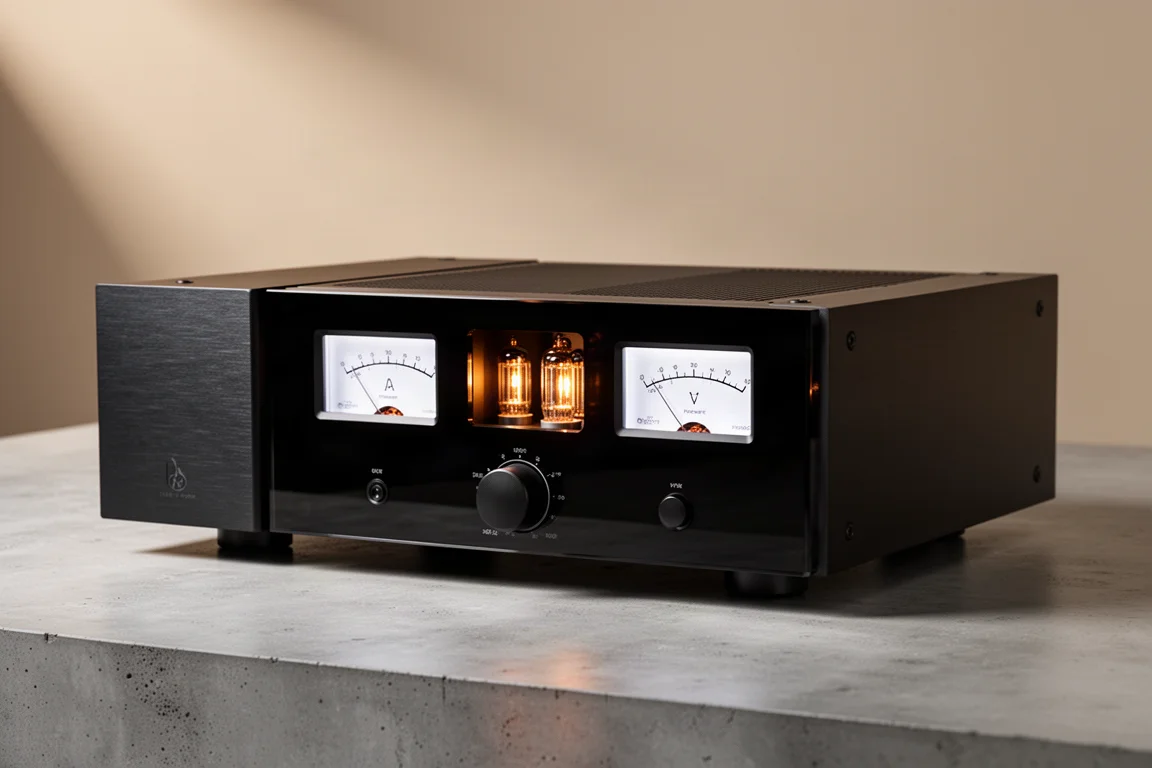
Advance Paris A10 Apex Review: A Hybrid Integrated Amplifier That Covers a Lot of Ground
A French hybrid integrated amplifier with a class A tube preamp stage, analogue power meters, and an internal DAC and phono stage good enough to make extra boxes unnecessary.