Hi-Fi Audio
Building a Hi-Fi System at Three Levels: 21 Components Worth Considering
Three complete stereo builds at increasing price points, plus a home theater setup, with the components that make each one work together.
Introduction
Putting together a hi-fi system is really a series of small decisions about which part does which job. A network streamer can double as a preamplifier, a turntable can include its own phono stage, and a compact amplifier can be enough for a pair of bookshelf speakers if the rest of the chain is sensible.
This guide walks through three complete stereo builds at increasing price points, plus one configuration that handles both films and music. Each build is a full system: source, digital conversion, amplification, speakers, and low-frequency support.
How These Three Builds Differ
The budget build keeps the component count low. A single network streamer doubles as the digital hub, a compact amplifier drives a pair of bookshelf speakers, and the turntable includes its own phono stage, so no separate box is needed. The result covers streaming, television audio, vinyl, and a real subwoofer.
The mid-tier build splits those jobs apart. A dedicated preamplifier handles input switching, an outboard converter handles digital, a separate phono stage handles vinyl, and a six-band equalizer gives the system a way to adjust to the room.
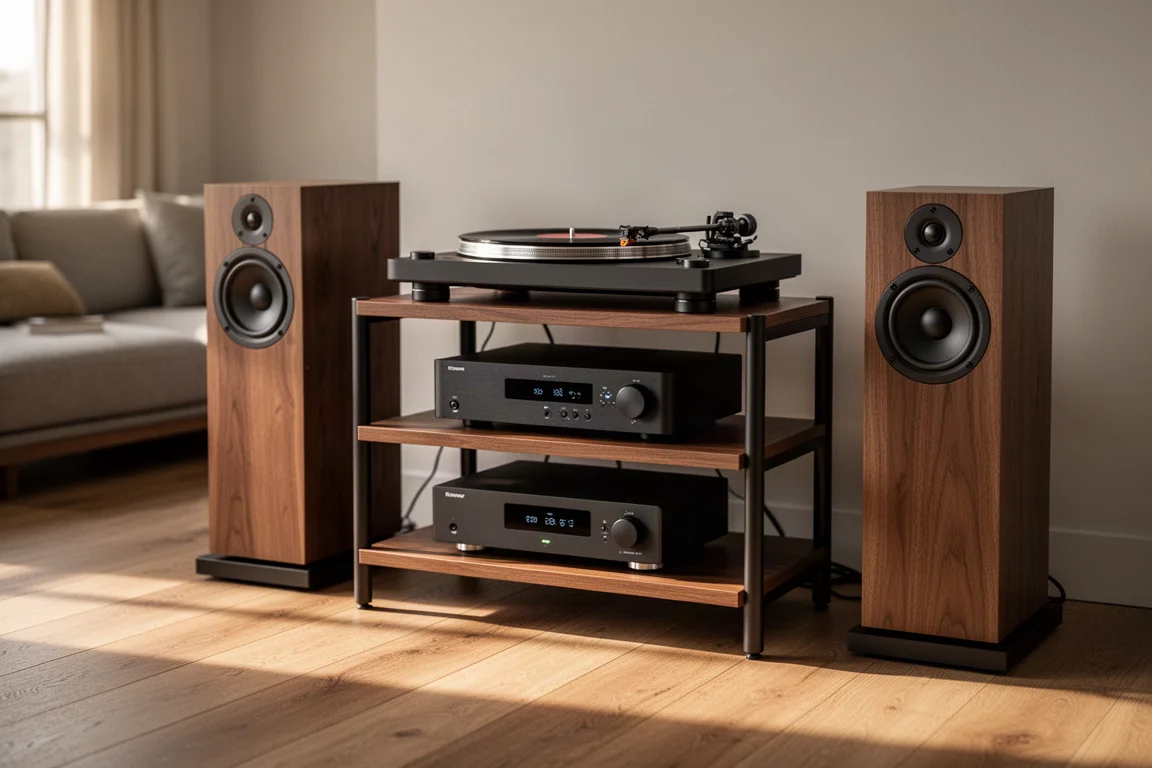
The higher-end build follows the same logic with more capable parts in every position, including a larger amplifier, a bigger subwoofer, and a more resolving speaker. Two things stay constant across the guide: the network streamer appears in every system, and a dedicated converter is treated as essential in the two upper builds.
The Budget Build
This system covers streaming, television audio, vinyl, and low frequencies for a total of about $1,167. Nothing here is filler, and every part can be carried forward if the system grows later.
WiiM Pro: The Digital Hub
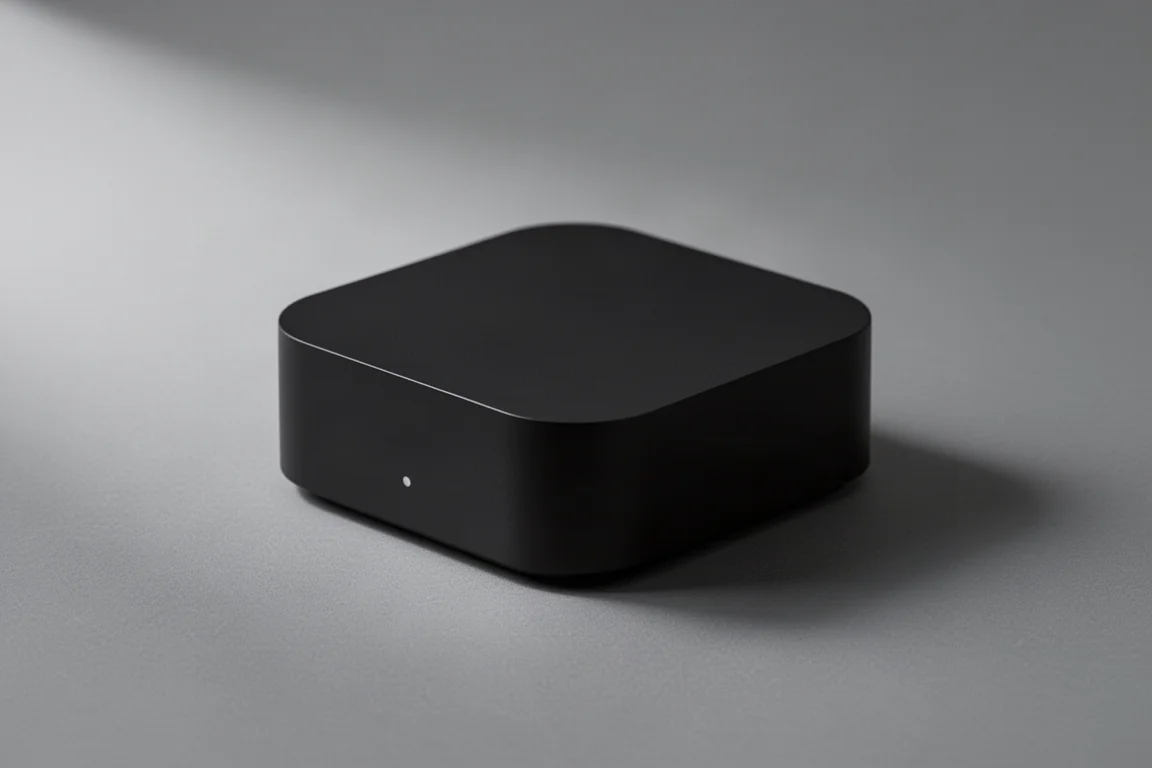
The WiiM Pro is the one component that appears in every build in this guide. It works as a digital preamplifier with both a line input and a line output, so it can accept an external phono stage on one side and feed an external converter on the other. Its own internal converter is available if needed, but the budget build uses a separate one instead.
A television can be connected through the optical input, and network streaming plus AirPlay 2 covers the rest of the source side. At around $150 it is the least expensive way to give a system streaming, television audio, and analog input switching in a single box.
SMSL SU1: The Affordable DAC
The SMSL SU1 handles digital conversion in the budget build. It offers optical, USB, and coaxial inputs on the back and a single RCA output, which is enough to feed the compact amplifier that follows it. At $80 it is the least expensive converter worth considering here, and it is the reason the streamer’s internal converter is left unused.
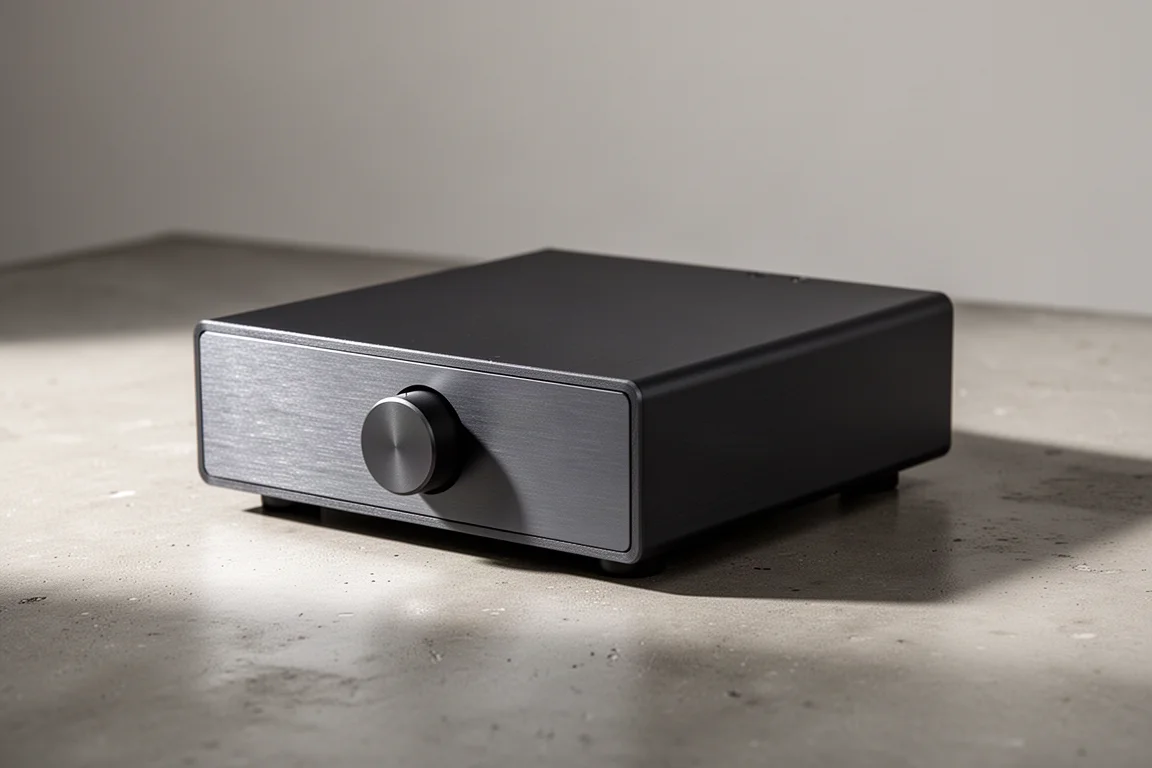
Fosi Audio V3: The Compact Amplifier
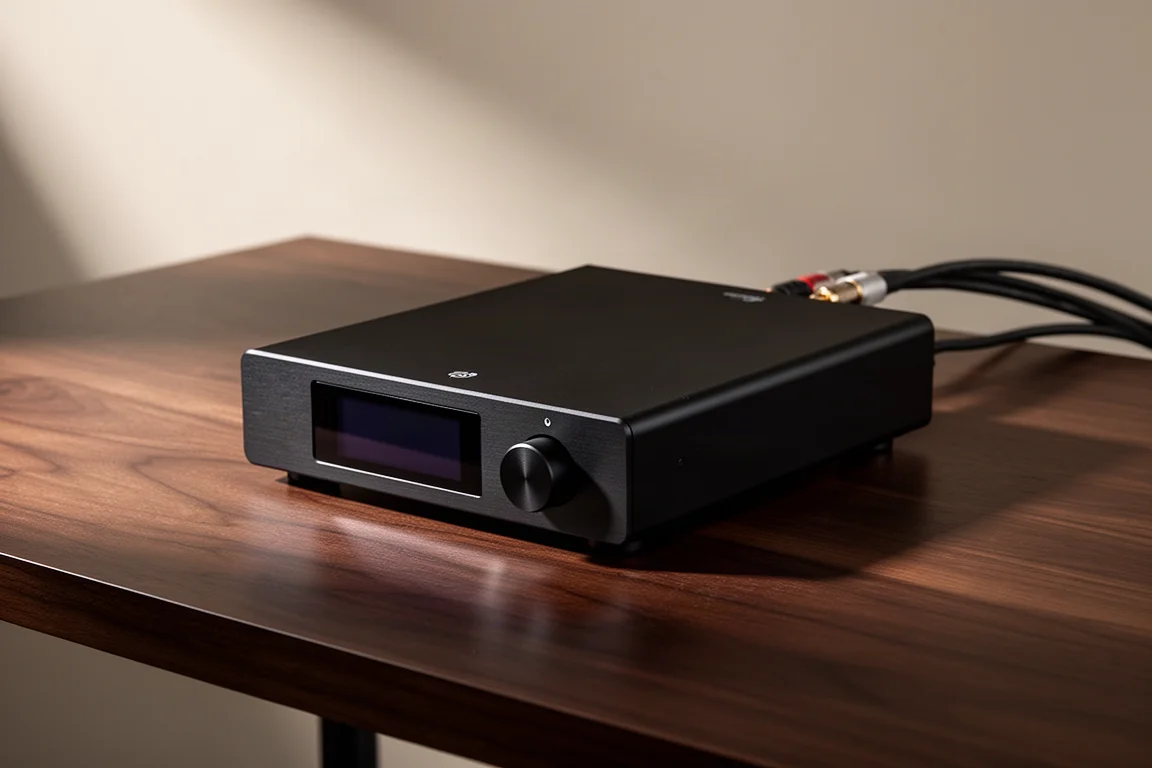
The Fosi Audio V3 is the amplifier in the budget build, and it is a small desktop-sized unit rather than a full-width component. The optional 48V 5A power supply adds roughly $20 to $30 to the price of around $100, and it is the configuration used here. Despite its size, it is trusted enough in this system to drive the bookshelf speakers, and three of them cover the front and centre channels in the home theater build.
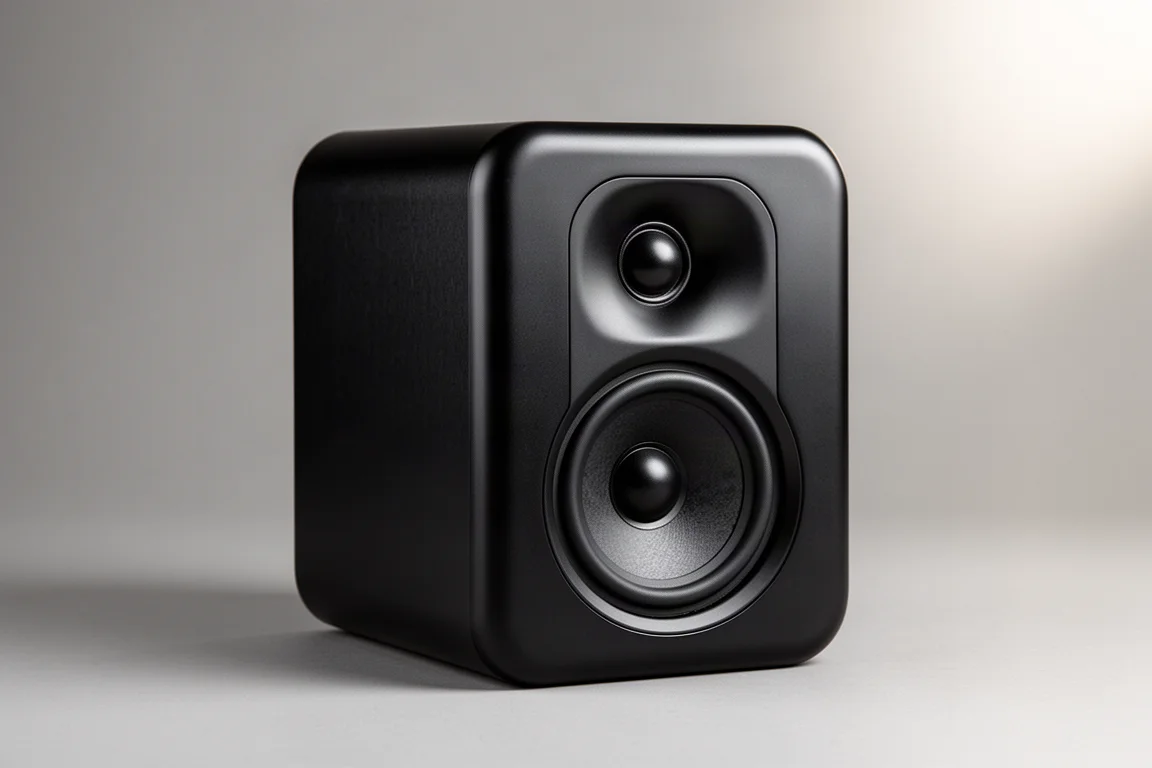
Emotiva B1+: The Bookshelf Speaker
The Emotiva B1+ is the speaker for the budget build at around $279. It is a compact two-way bookshelf design, which makes it a sensible match for a small amplifier and a subwoofer, and it is capable enough to be used again as the front pair in the home theater configuration. Adding a subwoofer alongside it is what gives the budget build full-range sound.
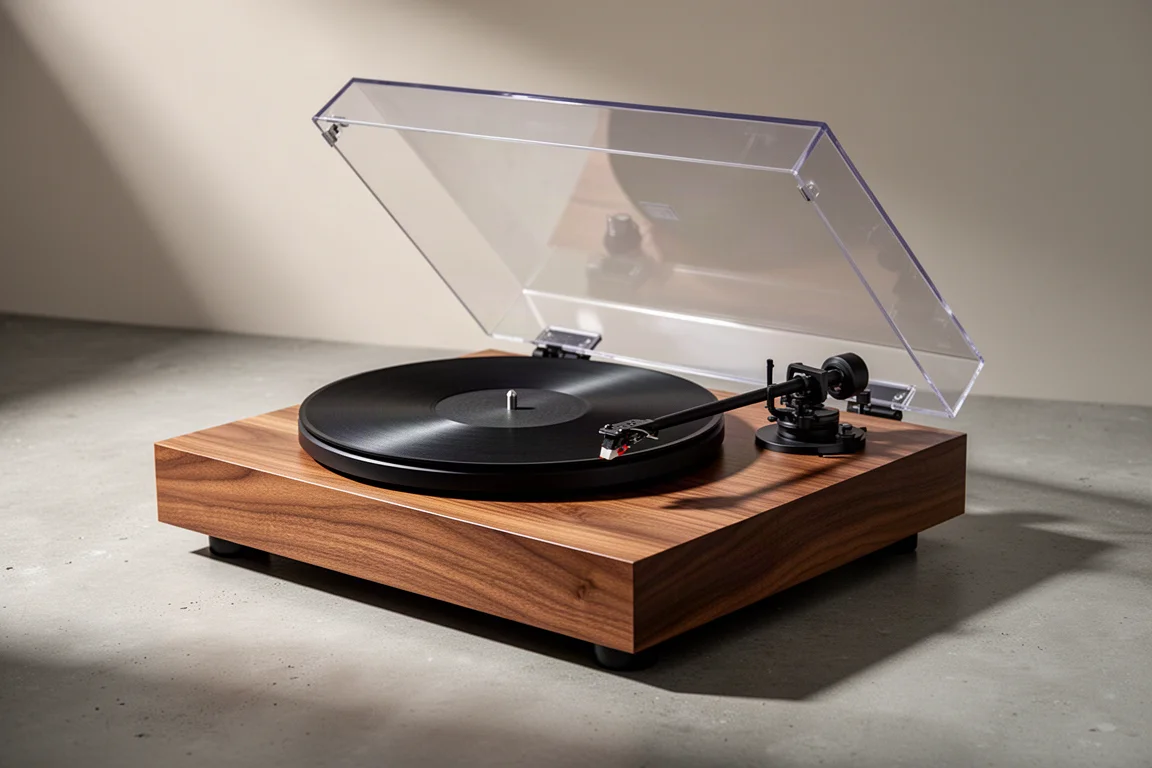
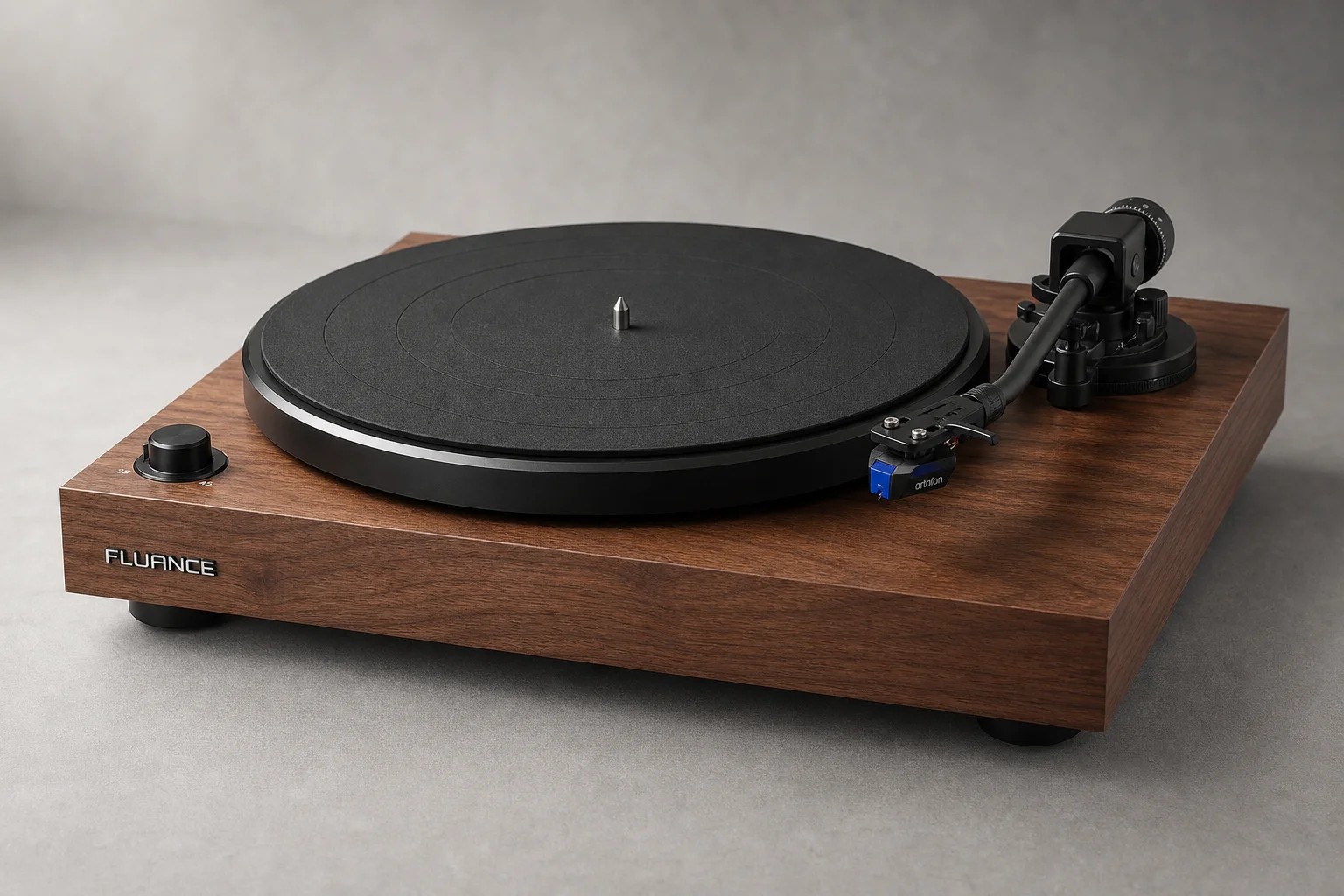
Fluance RT81: The Turntable With a Built-In Phono Stage
The Fluance RT81 is the vinyl source for the budget build, and its built-in phono preamplifier is what makes it fit. It connects directly to the analog input of the streamer, so no separate phono stage is required and no extra box has to be powered or placed. That single feature keeps the build simple without removing record playback.
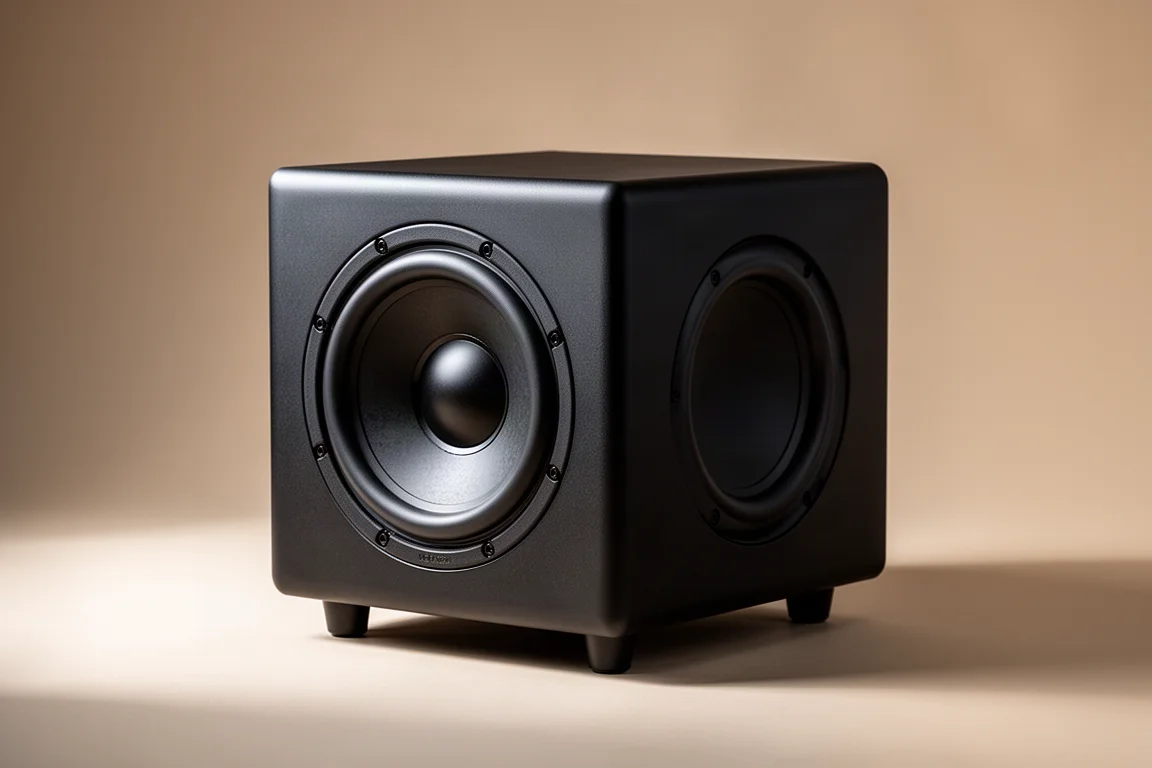
Emotiva SE12: The Subwoofer
The Emotiva SE12 completes the budget system. It is listed at $269 while on sale, and it adds the low-frequency foundation that a small bookshelf speaker cannot provide by itself. Including a subwoofer at this price point is what makes the build feel complete rather than provisional.
The Mid-Tier Build
The mid-tier system separates the jobs that the budget build combines, and the total lands at about $2,607 with the turntable and equalizer included. Readers who do not need vinyl can leave out the turntable and the phono stage, and the equalizer is optional as well, so the real cost depends on which parts are actually needed.
Schiit Saga: The Analog Preamplifier
The Schiit Saga becomes the control centre of the mid-tier build. It provides a full set of analog inputs and two analog outputs, so one output can feed the amplifier while the other feeds the subwoofer. At $300 it takes over input switching from the streamer, which then concentrates on streaming duties.
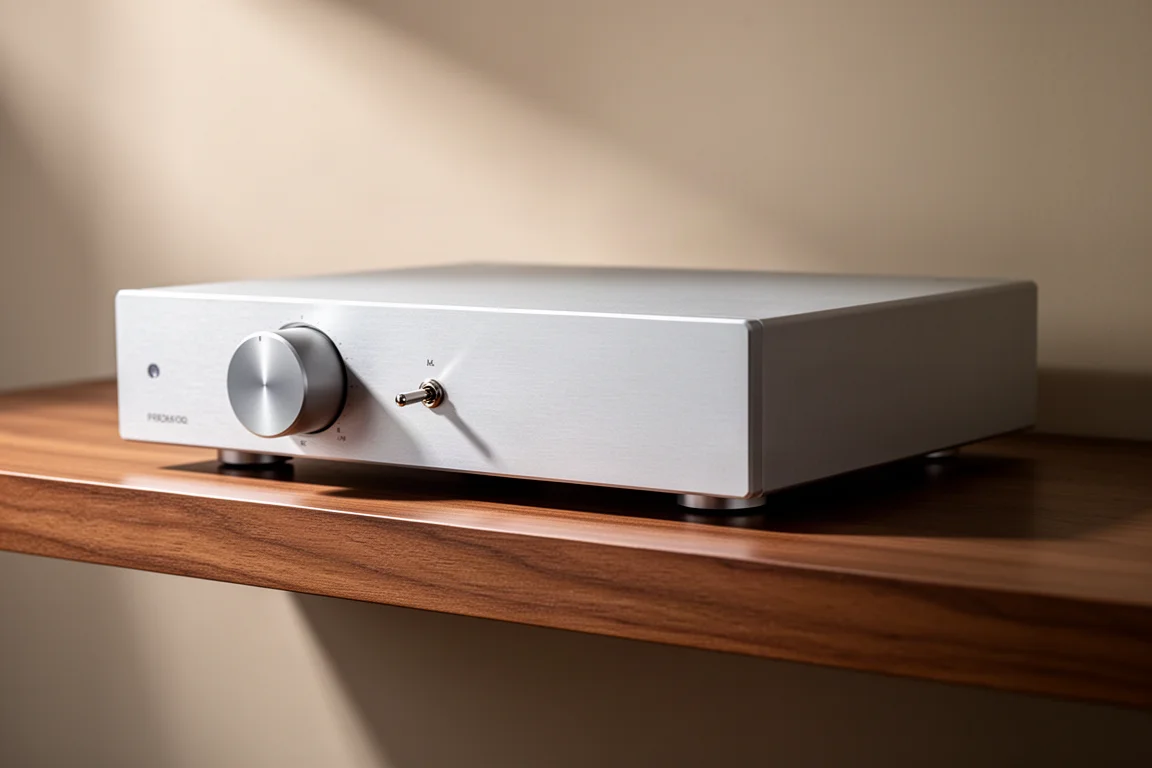
Geshelli Labs J2: The DAC Step Up
The Geshelli Labs J2 takes over digital conversion, connected to the streamer through optical or coaxial. The version used in this build is the AKM model with a wooden case and the socketed op-amp option, at roughly $350. It is the clearest dividing line between the mid-tier system and the budget one.
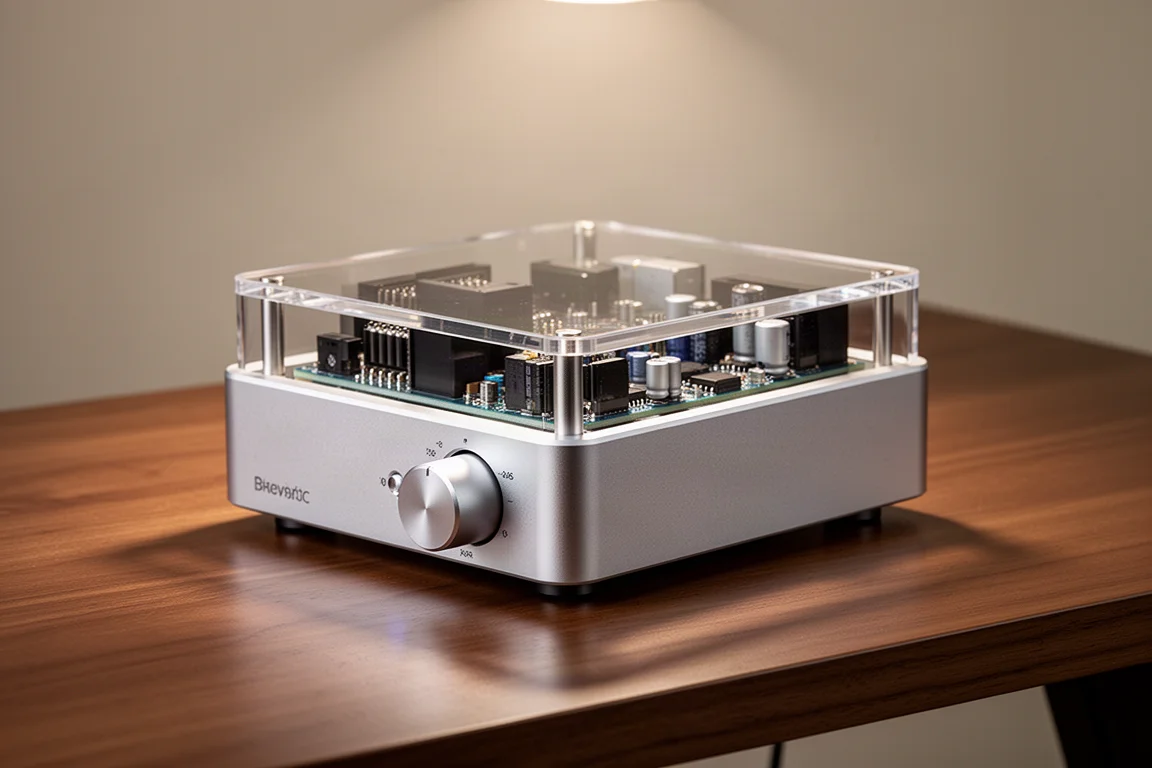
Schiit Lokius: The Six-Band Equalizer
The Schiit Lokius is a six-band equalizer that sits between the preamplifier and the amplifier. The signal leaves the Saga, passes through the Lokius, and returns to the Fosi Audio V3, which says a great deal about how much that small amplifier is trusted in this system. At $300 it is optional, but it gives the build a way to shape the sound to the room.
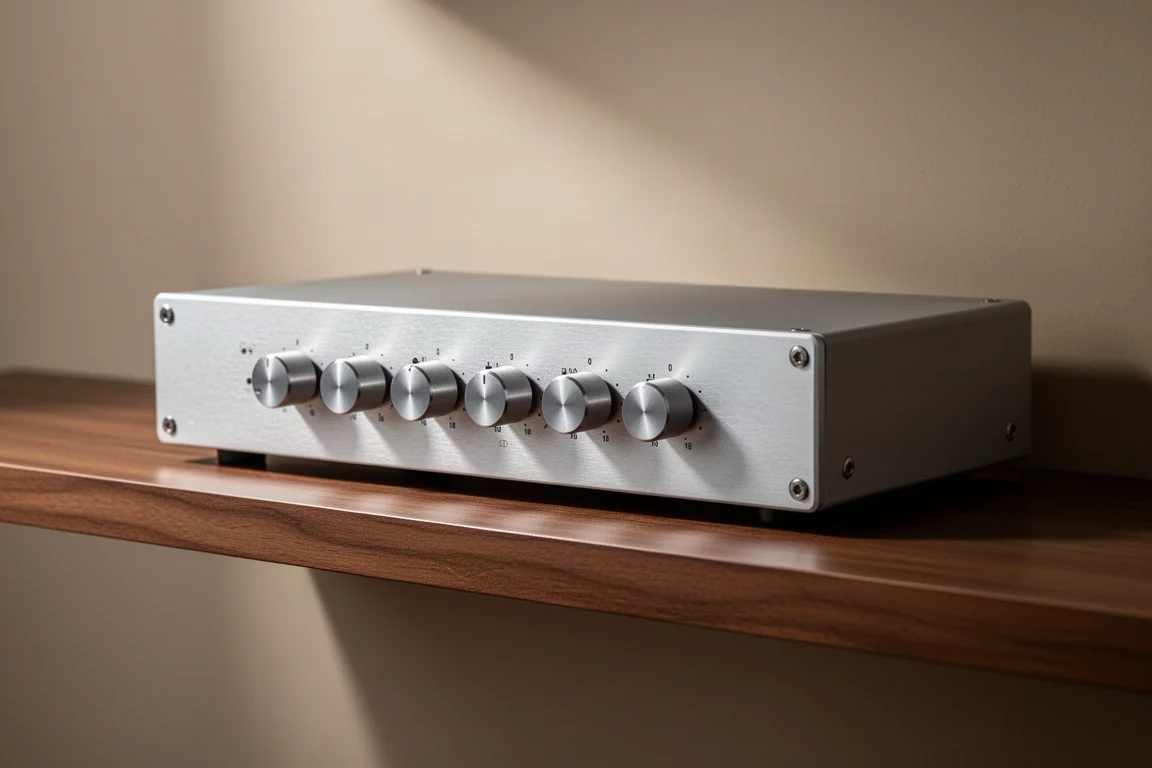
Fluance RT85: The Turntable Upgrade
The Fluance RT85 replaces the RT81 in the mid-tier build, and at $499 it is a clear step up in the vinyl chain. It does not include a phono stage, so a separate one is required.
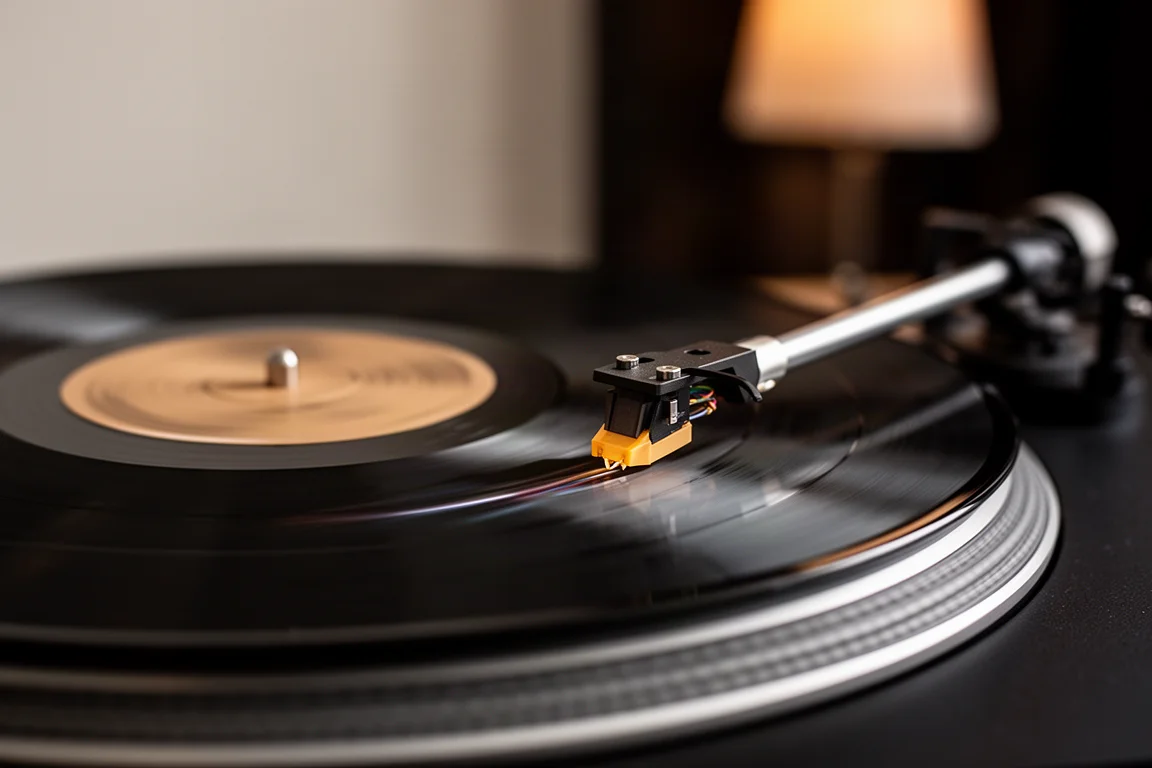
Because the turntable feeds a dedicated phono stage, the vinyl signal path in this build is fully separate from the digital one, which keeps each part doing a single job.
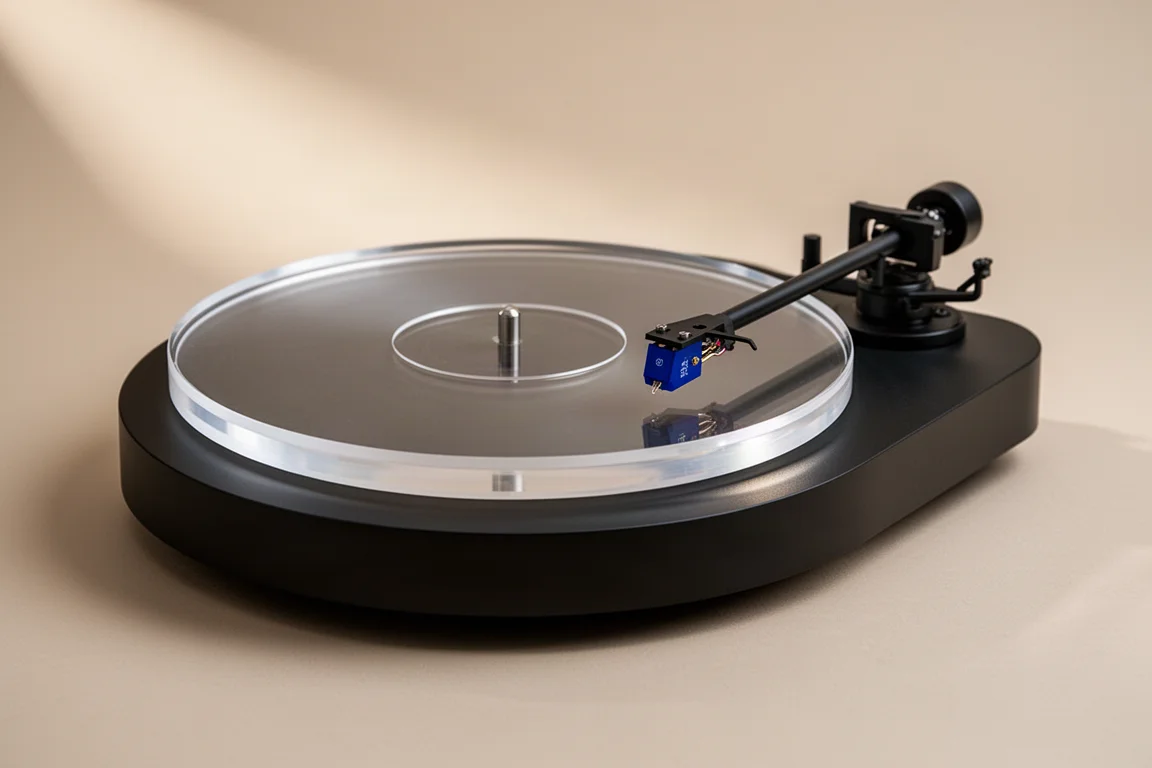
iFi Zen Phono: The Phono Stage
The iFi Zen Phono handles the turntable signal before it reaches the preamplifier. At $200 it is a compact standalone stage, and the same component appears in the home theater build, feeding the analog input of the surround processor.
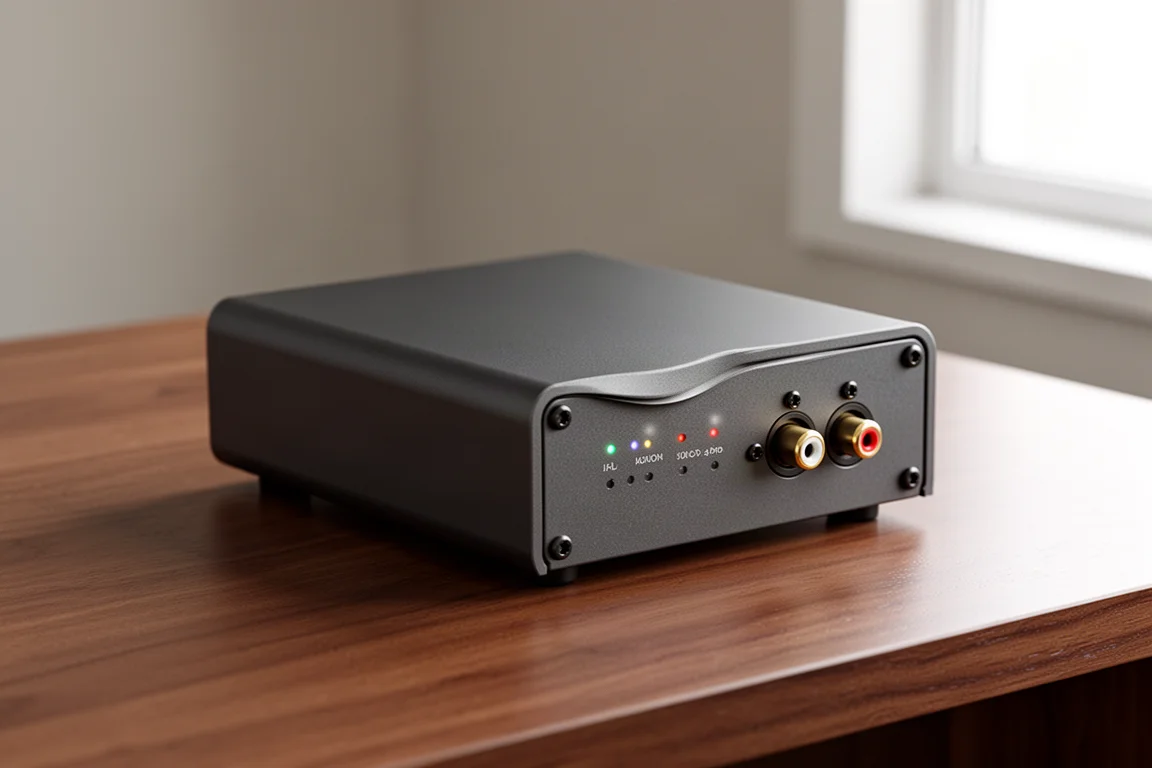
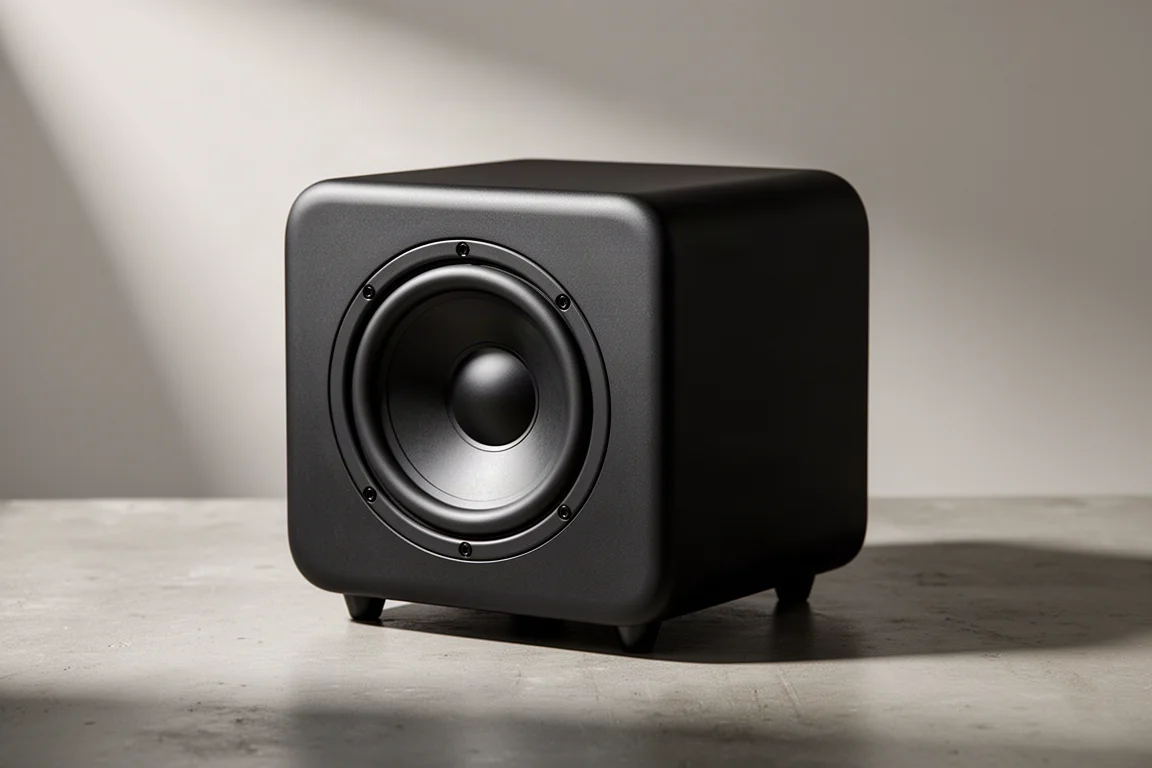
RSL Speedwoofer 10-Inch: The Subwoofer
The RSL Speedwoofer 10-inch is the subwoofer for the mid-tier build at $449. It is also the subwoofer chosen for the home theater configuration, which means a single model covers the low-frequency job in two different systems.
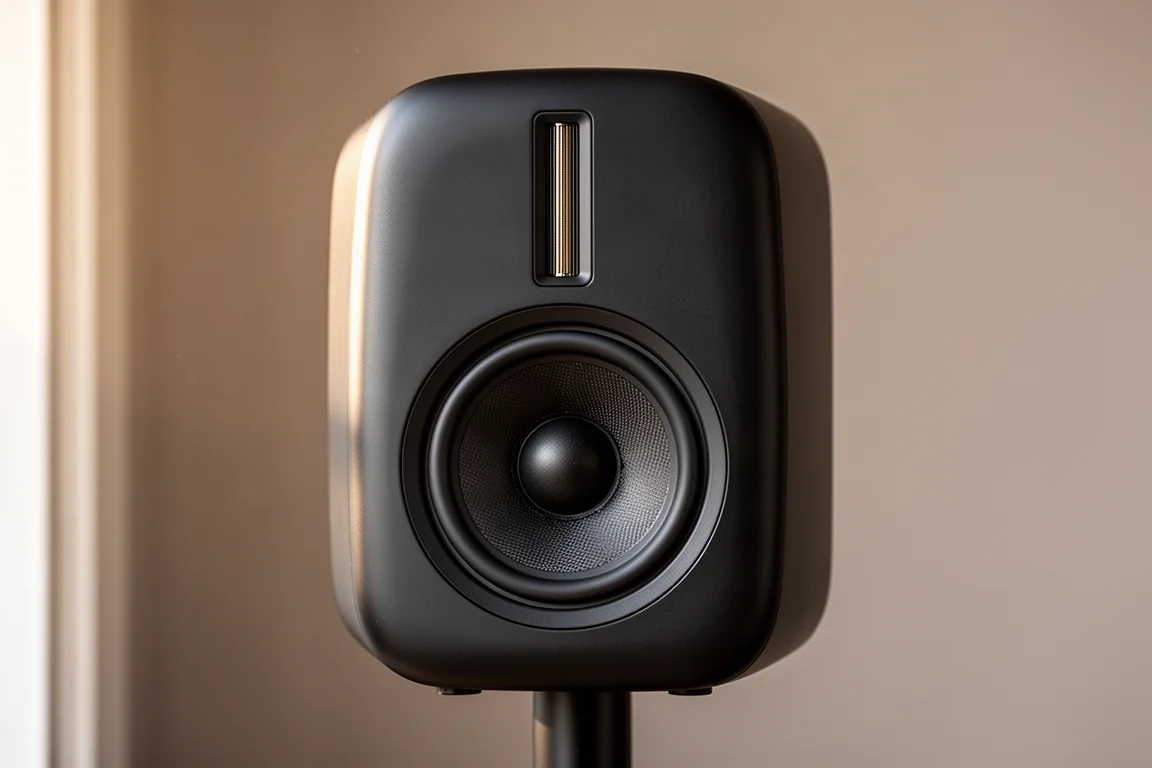
Emotiva B2+: The Larger Bookshelf Speaker
The Emotiva B2+ is a 6.5-inch two-way bookshelf speaker at $359, and it is the natural partner for the rest of the mid-tier build. It offers more cone area than the smaller bookshelf speaker in the budget system while staying in the same compact format.
The Higher-End Build
The third system trades compact parts for more capable ones. A preamplifier with tone controls, a larger two-channel amplifier, a bigger subwoofer, and a more resolving bookshelf speaker make up the difference. It can also be scaled back: substituting the Fluance RT85 for the turntable used here would save about $500, and the iFi Zen Phono in place of the phono stage would save about $300.
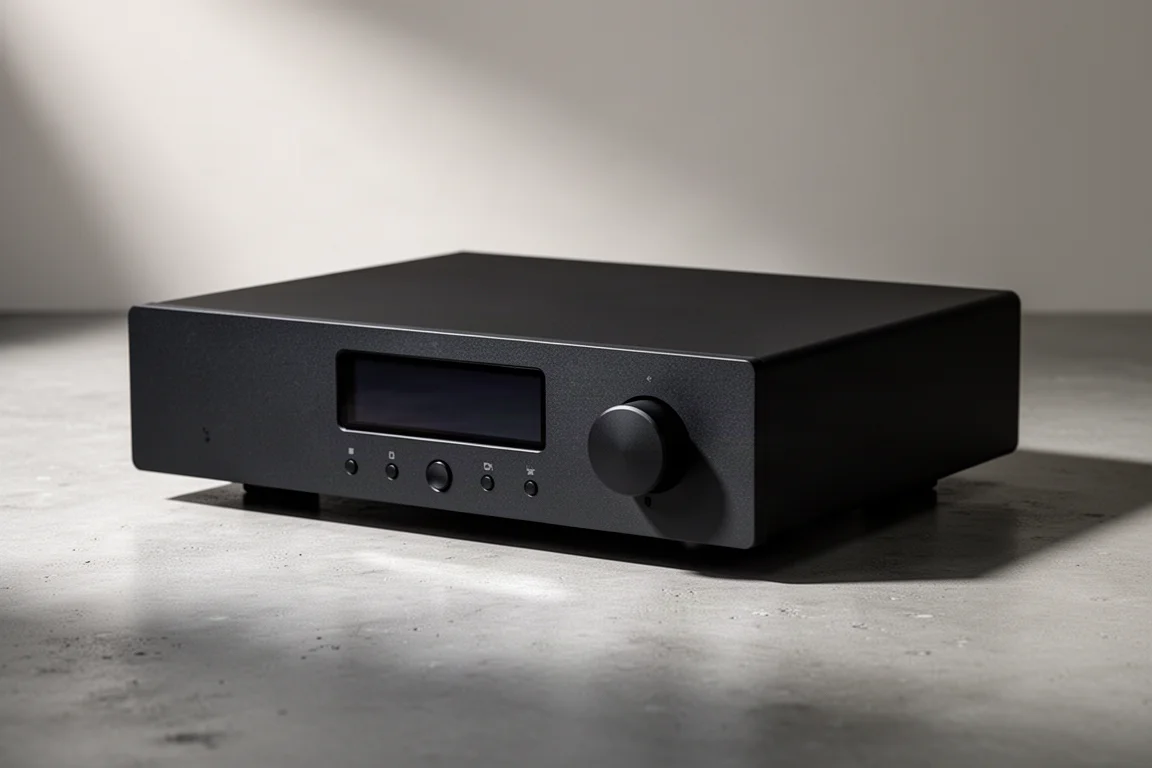
Emotiva PT2: The Preamplifier With Tone Controls
The Emotiva PT2 is the control centre of the higher-end build. It includes an internal converter and an internal phono stage, but neither is used here, because this system relies on separate components for both jobs. What keeps it in place is its tone controls and its remote control, which make the system easier to use day to day.
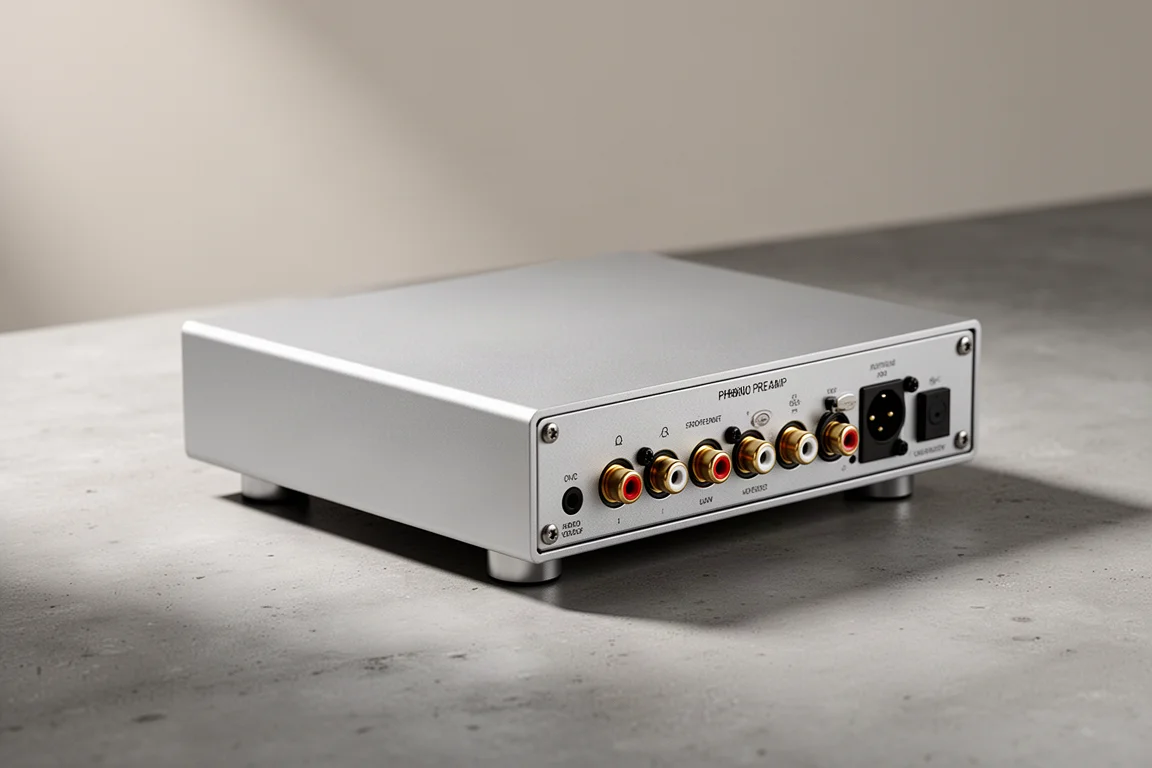
Pro-Ject Phono Box S2: The Phono Stage
The Pro-Ject Phono Box S2 is the phono stage in this build, listed at $500 in this configuration. It takes the signal from the turntable and passes it to an analog input on the preamplifier, completing the vinyl chain in the same way the iFi Zen Phono does in the lower builds.
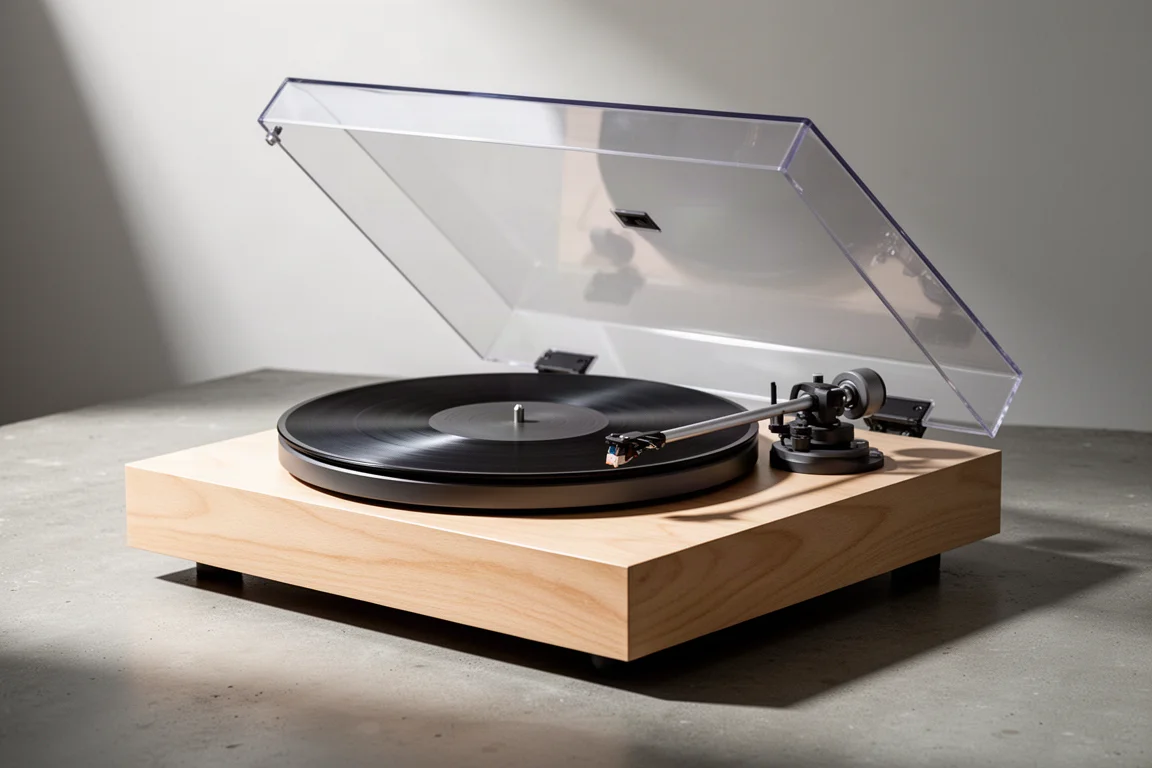
U-Turn Theory: The Turntable
The U-Turn Theory is the turntable at the top of this build, paired with the Pro-Ject phono stage. It sits above the two Fluance models used in the other systems, and it works with a standalone phono stage rather than relying on one built into the deck.
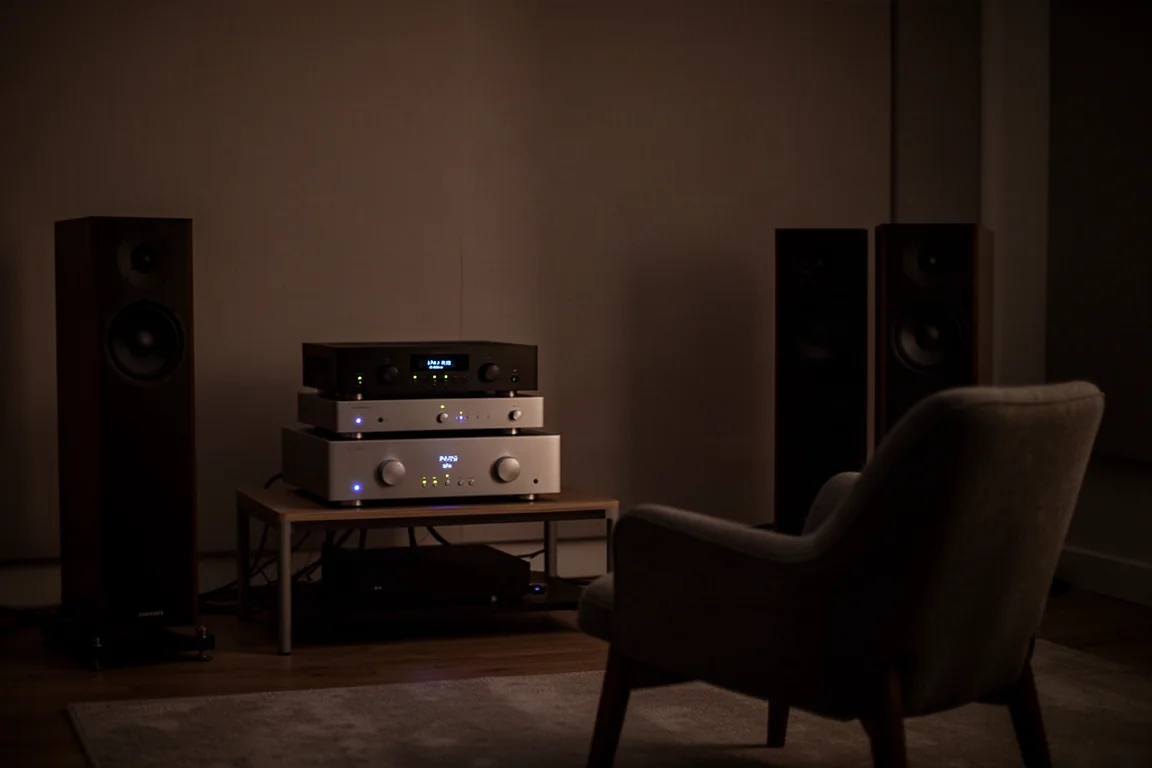
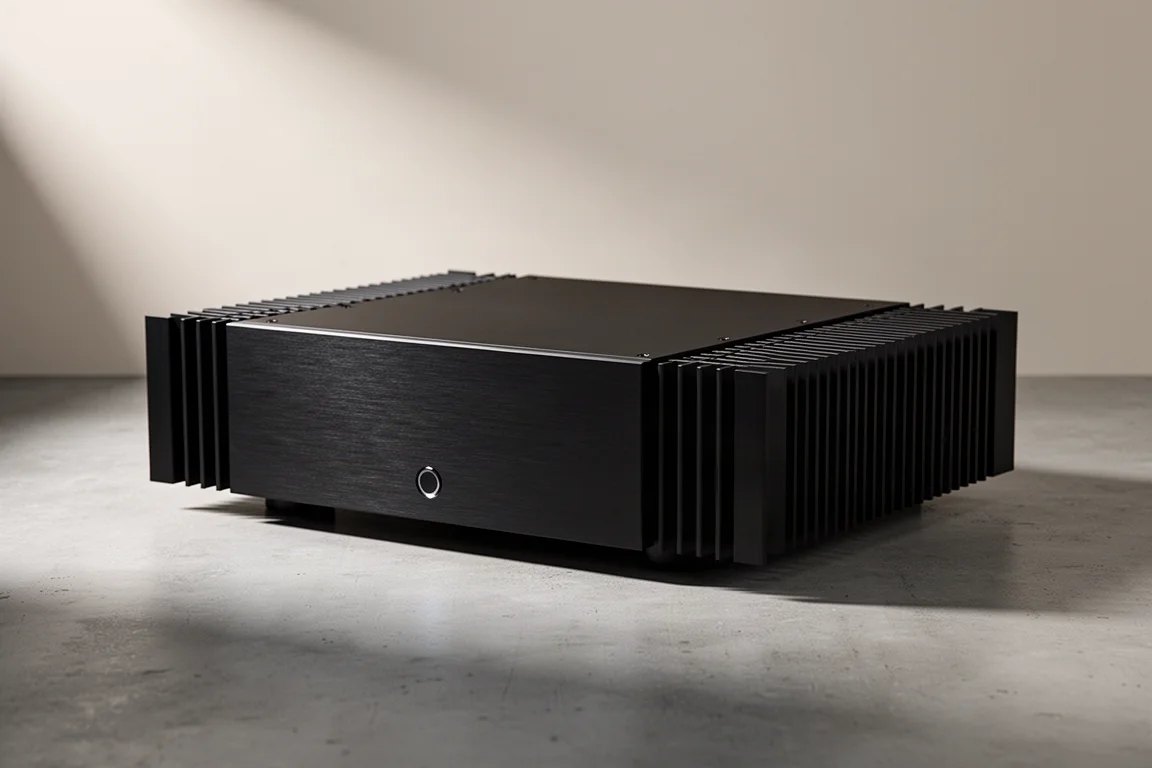
Emotiva XPA Gen3: Two-Channel Power
The Emotiva XPA Gen3 in its two-channel form is the amplifier for this build. It is the most powerful amplification in any of the three systems, and it can be expanded later: Emotiva can add modules to the same chassis if the system grows into home theater duties.
Because the chassis accepts additional modules, this is the one amplifier in the guide that is designed to grow with the system rather than be replaced by it.
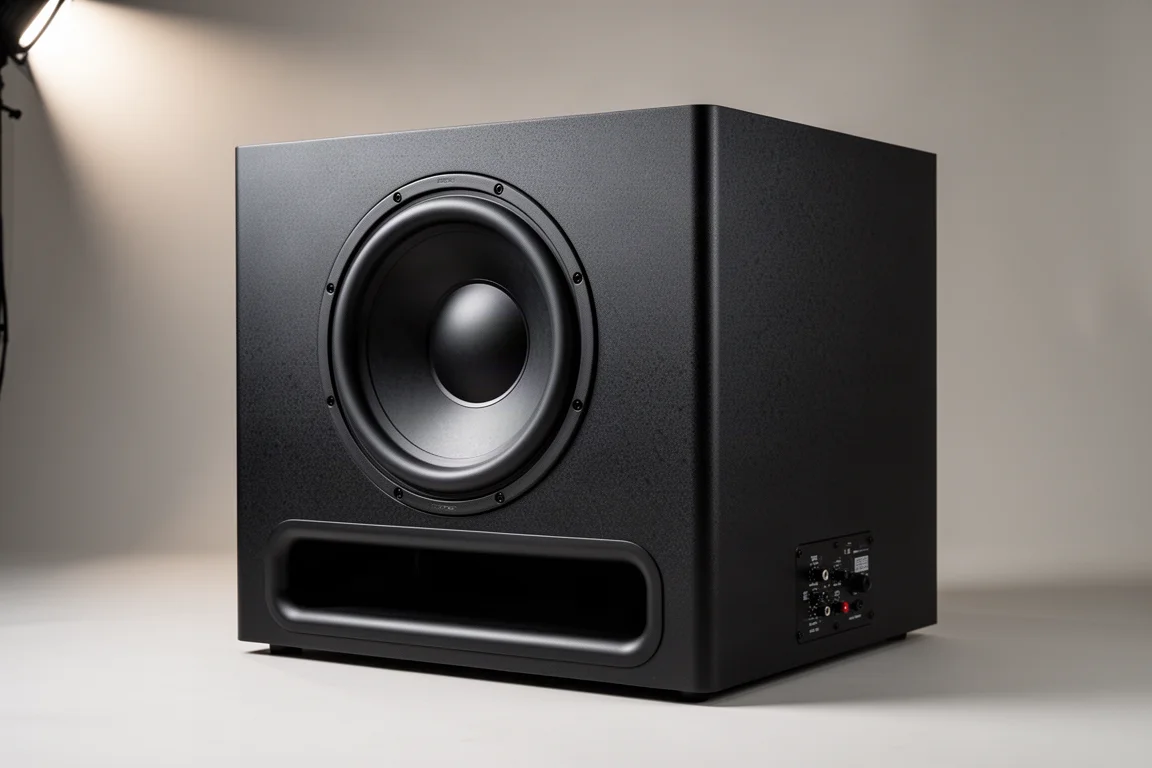
RSL Speedwoofer 12S: The Large Subwoofer
The RSL Speedwoofer 12S is the subwoofer in the higher-end build at $800. It is a substantial step up from the 10-inch model used in the other systems, and it is one of the most significant upgrades in this configuration.
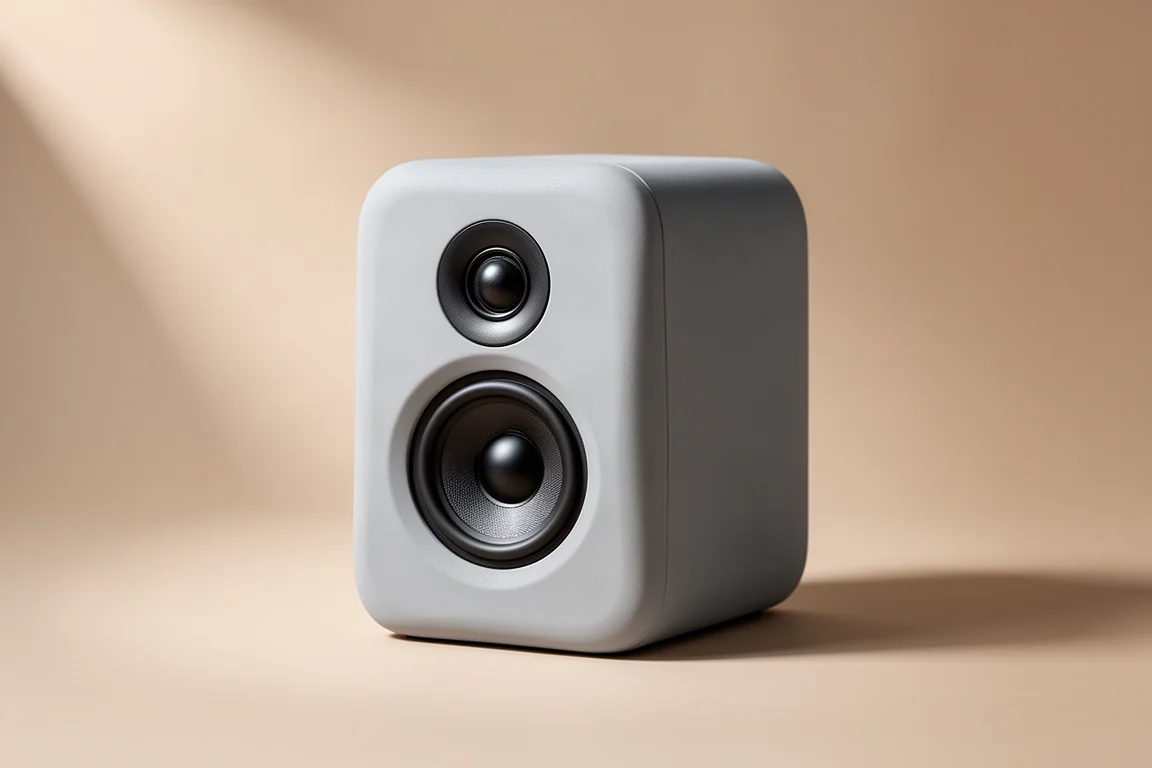
Q Acoustics 5020: The Bookshelf Speaker
The Q Acoustics 5020 is the speaker for the higher-end build at $900. It is physically smaller than its price suggests, which makes it an unusual choice at the top of a system, but it is the speaker that rewards the rest of the chain and keeps revealing more as the components around it improve.
The Do-It-All Home Theater Build
This configuration handles films and music in one system. A surround processor, three compact amplifiers, a phono stage, and a subwoofer make up the core, with the television connected through an optical input and music streamed through the television.
Schiit Syn: The Home Theater Hub
The Schiit Syn is a $400 processor that brings the system together. Three Fosi Audio V3 amplifiers at roughly $100 each drive the front and centre channels, the iFi Zen Phono feeds an analog input for vinyl, and the television connects through the optical input. An inexpensive satellite set covers the rear channels.
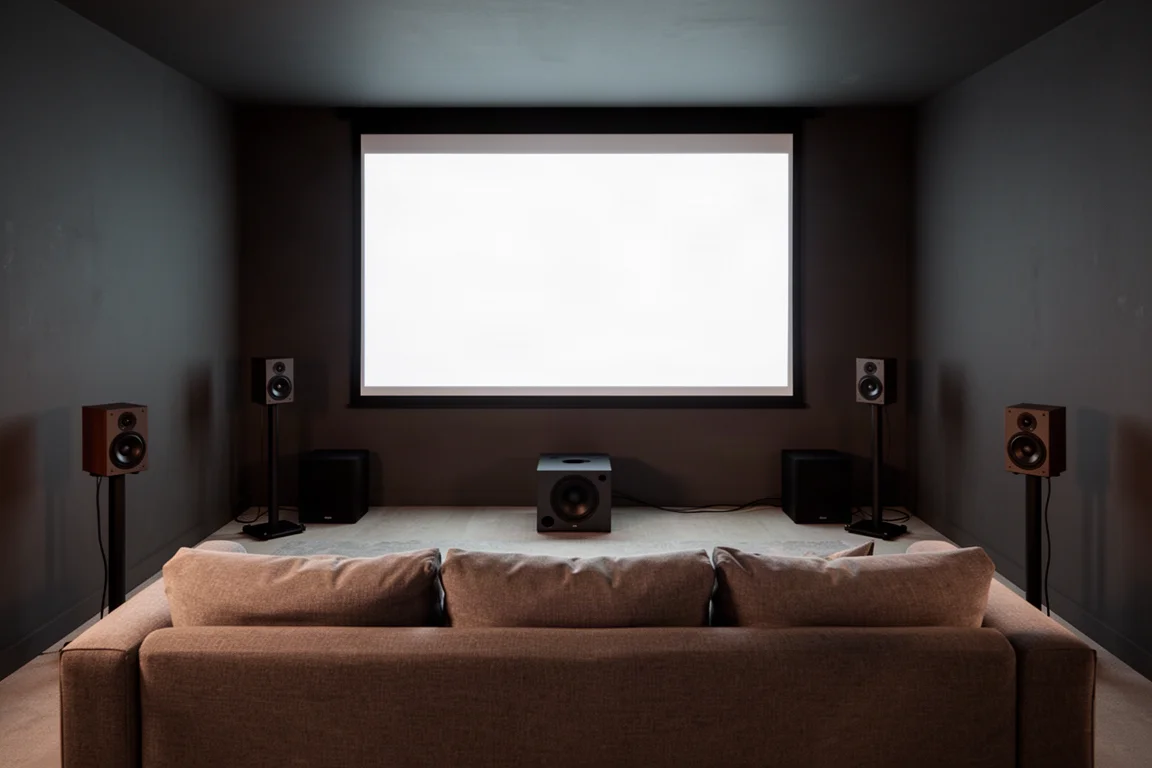
The Emotiva B1+ serves as the front pair at around $279, and the RSL Speedwoofer 10-inch handles low frequencies at $449. Streaming is routed through the television and back through the processor, which keeps the source count low.
Fluance RT82: The Turntable for the Theater System
The Fluance RT82 is the turntable in the home theater build. It connects to the iFi Zen Phono, which then feeds an analog input on the Schiit Syn, so records play through the same speakers used for films.
Overall Buying Advice
A few patterns are worth carrying into any build:
- The network streamer is the component that earns a place in every system here, which makes it a sensible first purchase.
- A dedicated converter matters most in the two upper builds. The $80 option is the fallback when the budget is tight, and the wooden-cased model at roughly $350 is the step up.
- Turntables, phono stages, and equalizers are optional. Leaving out vinyl removes two components at once, because a turntable with a built-in phono stage needs nothing else, while one without it needs a separate stage.
- Amplifier size should follow the speakers. A compact amplifier is enough for a small bookshelf pair, and a two-channel power amplifier makes more sense once the speakers and the room ask for it.
- Subwoofers are not an afterthought. Both stereo builds here include one, and the step between the two models is a straightforward increase in output.
Conclusion
A good system is not the one with the most expensive parts, it is the one where every part has a clear job and nothing is duplicated. The budget build covers streaming, vinyl, and low frequencies for about $1,167. The mid-tier build separates those roles and lands at about $2,607 with the turntable and equalizer included. The higher-end build spends more on amplification, low frequencies, and the speaker, and it can be trimmed by around $800 by swapping in the Fluance RT85 and the iFi Zen Phono.
Whichever level makes sense, the same principle applies: buy the parts that solve a problem, and leave out the ones that do not.
Further reading
Related Reviews
Hi-Fi Audio
Accuphase C-57 vs Allnic H-7000V: Two High-End Phono Stages Compared
A fully balanced solid-state phono stage with a pitch-black noise floor meets a tube design built for well-loved records. Here is how to choose between them.
Hi-Fi Audio
Active vs Passive Hi-Fi: Five Components for a Modern System
Five components that define modern active and passive hi-fi systems, with the strengths, trade-offs and setup details worth weighing before you buy.
Hi-Fi Audio
Advance Paris A10 Apex Review: A Hybrid Integrated Amplifier That Covers a Lot of Ground
A French hybrid integrated amplifier with a class A tube preamp stage, analogue power meters, and an internal DAC and phono stage good enough to make extra boxes unnecessary.