Network Streamers
Hi-Fi Rose RS451 Review: A Balanced Network Streamer and Headphone DAC/Amp
A close look at the Hi-Fi Rose RS451, a semi-reference network streamer that borrows flagship architecture, adds a serious headphone amplifier, and sits between the RS250A and the RS151.
Introduction
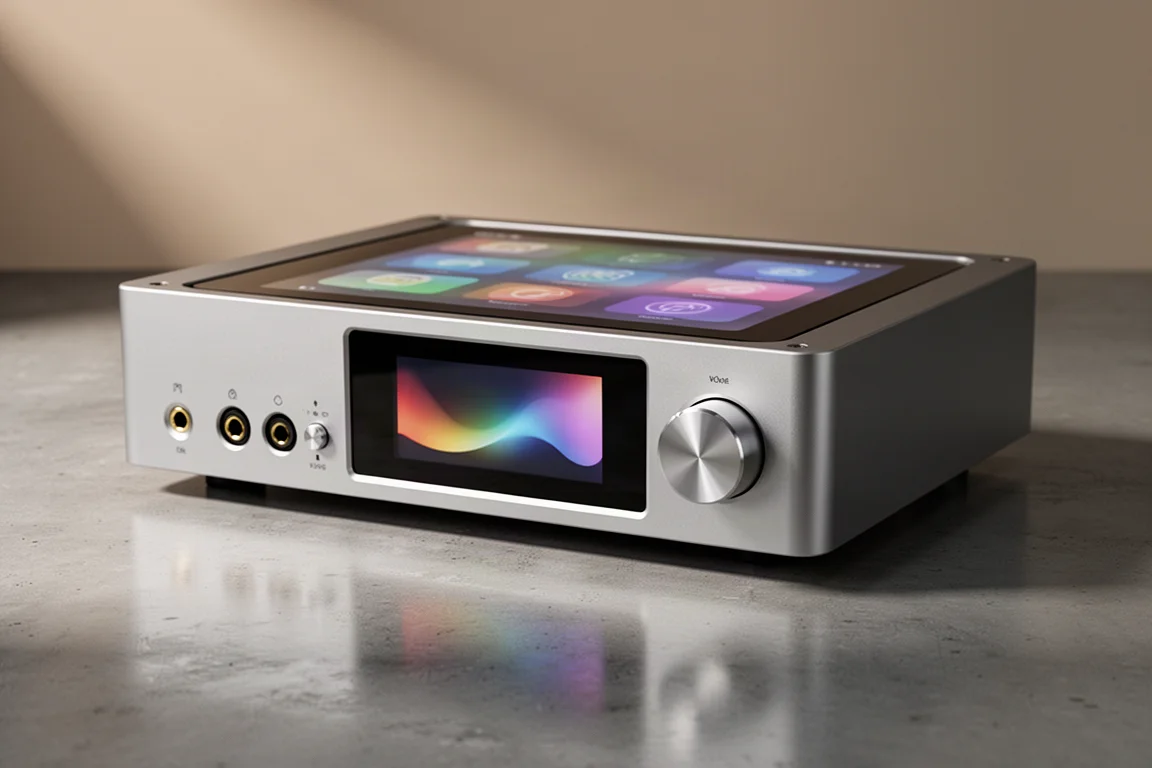
Hi-Fi Rose has steadily built a reputation for combining high-performance audio with the kind of usability people now expect from modern digital components: large touch displays, intuitive software, and close attention to both sound quality and design. The RS451 network streamer is the newest addition to that family. Positioned between the RS250A and the flagship RS151, it is a semi-reference level all-in-one network streamer that inherits much of the flagship architecture.
It is designed for listeners who want top-tier sound, a polished touchscreen interface, and a built-in high-power headphone amplifier that makes it as comfortable in a dedicated listening room as it is on a desk.
The early verdict is encouraging. Across listening sessions with a sample in several rooms and then at a desk with a range of headphones, the RS451 makes a clear case for itself with the right listener.
Who This Product Is For
The RS451 is a network streamer and DAC with preamp capability, not an integrated amplifier. That shapes who it suits best. It is aimed at listeners who already own an amplifier they love, or who want to build a system around separate components rather than a single box.
Because it also houses a genuinely capable headphone amplifier, it works well for headphone-first listeners with high-end cans, whether that means a desk setup or a dedicated listening chair. It feels equally at home as a digital hub in a high-end living room system.
It is worth separating the RS451 from the RS520, which combines streaming and amplification in one chassis. The RS451 keeps those functions apart by design, and that is the whole point for buyers who prefer separates.
Main Strengths
The RS451’s strengths cluster around three areas: physical build and interface, the internal DAC and headphone architecture, and the processing and connectivity that tie it together.
Design, Display, and Build
The chassis is CNC machined aluminum with a matte anodized finish, available in silver or black. The top plate is clean, the corners are precisely beveled, and at almost 16 lbs it feels extremely well built. It measures roughly 17 inches wide, 13 inches deep, and 3.5 inches tall.
The front panel is dominated by an 8.8-inch touchscreen, the same size as the one on the RS250A. It is extremely responsive, very bright, and offers excellent color reproduction. What really separates it from the wave of touchscreens on modern components is the software behind it: smooth scrolling, intuitive menus, and easy navigation of local libraries and streaming services, with now-playing information legible from across the room. Visualizers, clock displays, and video playback are available for listeners who want more than a static album cover.
To the right of the display sits a large machined aluminum volume knob with a smooth, damped rotation that makes small adjustments easy. To the left are three headphone outputs, a 6.35 mm single-ended jack, the compact 4.4 mm balanced Pentaconn standard, and a full-size balanced XLR, along with a dial for selecting the active output.
Dual DAC Architecture and Headphone Amplifier
Inside, the RS451 uses a dual DAC design built around two ESS ES9027 Pro 32-bit 8-channel DACs with ESS HyperStream architecture. This is a more recent ESS chip, but notably it is not the top of the range and is actually less expensive than the older DAC used in the RS250A.
The reasoning is deliberate. Newer ESS chips include a hardware mode that removes a great deal of software configuration, they accept direct inputs, and their clock is a high-precision femto type. Because each chip is an 8-channel design, four channels can handle the left and four the right in a fully balanced layout, which further reduces noise. One DAC serves the analog outputs, the other serves the headphone amplifier, allowing both to perform at a high level.
Power comes from a toroidal linear supply, and the headphone amplifier and analog outputs are almost totally separated, with independent power supplies and grounding for each DAC. That arrangement minimizes crosstalk, blocks interference, and lowers the noise floor.
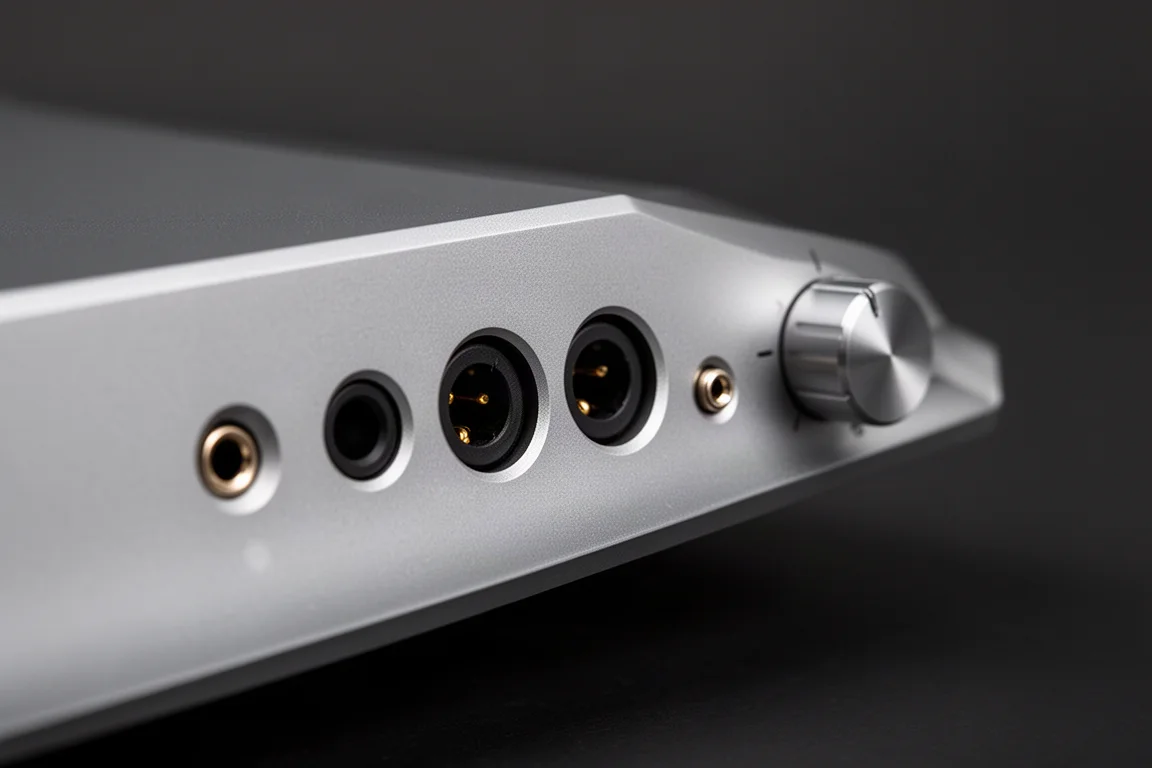
The headphone stage itself uses four high-performance amplifier ICs to deliver precise impedance matching, low noise, and plenty of current. It remains stable with high-impedance loads above 600 ohms and has a fast slew rate rated at 1300, which supports quick transients and clean, distortion-free delivery across impedance ranges. Easy-to-drive in-ear monitors and full-size planar magnetic headphones both sit comfortably within its range.
Streaming, Connectivity, and Processing
Processing is handled by an 8-core RK3588 processor paired with 8 GB of RAM and 32 GB of onboard storage. That matches the flagship RS151 and is a substantial step up from the RS250A, which uses 4 GB of RAM and 8 GB of storage. Compared with the RS250A, processing power is roughly four times higher, graphics performance is eight times stronger, and IO speed has doubled. The interface feels genuinely fast, the internal media library can grow to more than a million tracks, roughly three times the RS250A’s capacity, and large audio files and 4K HDR video playback stay smooth and reliable.
Format support covers PCM up to 32-bit/768 kHz, native DSD512, and upsampling of PCM to DSD512. Seven selectable digital filters each subtly alter transient response and tonal balance, so the sound can be tailored to taste. The proprietary Rose DPC module keeps clock alignment tight and jitter very low, while the Rose NRA filter in the analog stage maintains a flat frequency response down to the lowest octaves.
Around the back you will find USB 2.0 Type B for computer audio, optical, coaxial, and HDMI eARC for TV audio. Digital outputs include USB 3.0 Type A, optical, and coaxial. There is also an HDMI output for 4K video on a TV, plus Ethernet and USB ports for external drives. On the analog side there are balanced XLR and unbalanced RCA outputs, a dedicated line-level input for an analog source, and a 12 V trigger connection. Everything is neatly arranged and clearly labeled, with high-quality chassis-mount connectors in most positions.
Streaming support covers Qobuz, Tidal, Apple Music, Spotify Connect, Rose Radio, and RoseTube, along with Roon Ready certification. The unit can be controlled from the touchscreen, the included remote, or the app, which has improved with each update and gives access to settings and music from a phone. HDMI eARC lets a TV feed the streamer and allows the TV remote to adjust volume, and Bluetooth 5.4 is included so guests can pair quickly.
Listening Impressions
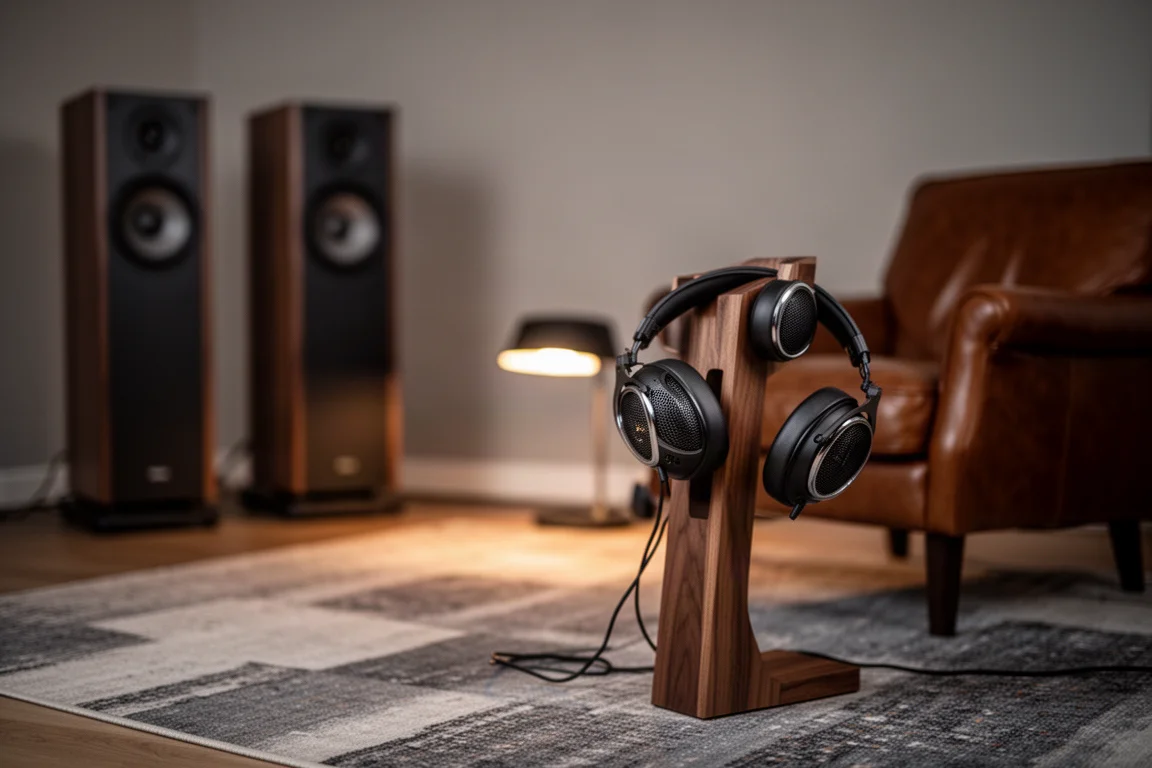
With headphones, a layered electronic track used to test dynamics and layering showed how gracefully the amplifier handles a gradual build. Basslines stayed tight while the textures of live drums and synths came through with clarity, and the presentation scaled from delicate passages to big, room-filling moments without ever losing control. Sensitive in-ear monitors sounded clean and quiet, while high-impedance and planar designs revealed just how much current the amplifier can deliver.
Moving to speakers, Miles Davis’s So What demonstrated the RS451’s finesse. Horns carried a smooth, lifelike tone, and the upright bass had real texture without drifting into boominess. Imaging was wide and stable, giving a convincing sense of being in the studio. Bass stayed articulate, the midrange had warmth and fullness, and the treble delivered detail and air without becoming fatiguing.
Compared with the RS250A, the RS451 produces tighter bass, sharper imaging, and a more refined overall presentation. The flagship RS151 still holds an edge in ultimate scale, but the RS451 gets closer than you might expect. At its price point it offers the performance to anchor a serious two-channel system while also standing out among headphone DAC/amps in its class.
Things to Consider Before Buying
- The RS451 is a network streamer, DAC, and preamp rather than an integrated amplifier, so a power amplifier or powered speakers are still required.
- The flagship RS151 offers a larger chassis, more expansive audio stages, heavier shielding, additional input flexibility, and the top-of-the-line ESS ES9038 Pro DAC. It also costs considerably more.
- The RS250A remains the more affordable option and is much smaller at roughly 11 inches wide, 8 inches deep, and 3 inches tall. It gives up processing power, HDMI eARC, balanced analog outputs, and overall connectivity.
- The ES9027 Pro is not the most expensive DAC in the ESS range. The design deliberately favors the newer chip’s hardware mode and clock over higher specifications.
- The 8.8-inch screen is the same size as the RS250A’s, so the display itself is not the step up. The software and processing behind it are.
- At roughly 17 inches wide and almost 16 lbs, it needs a proper shelf or rack rather than a cramped corner.
Buying Advice
For listeners with high-end headphones, the choice between the RS451 and the RS250A is straightforward. The RS451’s headphone stage, balanced analog outputs, HDMI eARC, and faster processing move it into a clearly higher performance tier. Cost and desk space are the main reasons to choose the smaller model instead.
If maximum scale, heavier shielding, and additional input flexibility matter more than budget, the RS151 remains the flagship choice. And if the goal is streaming and amplification in a single box, the RS520 is the relevant model rather than the RS451.
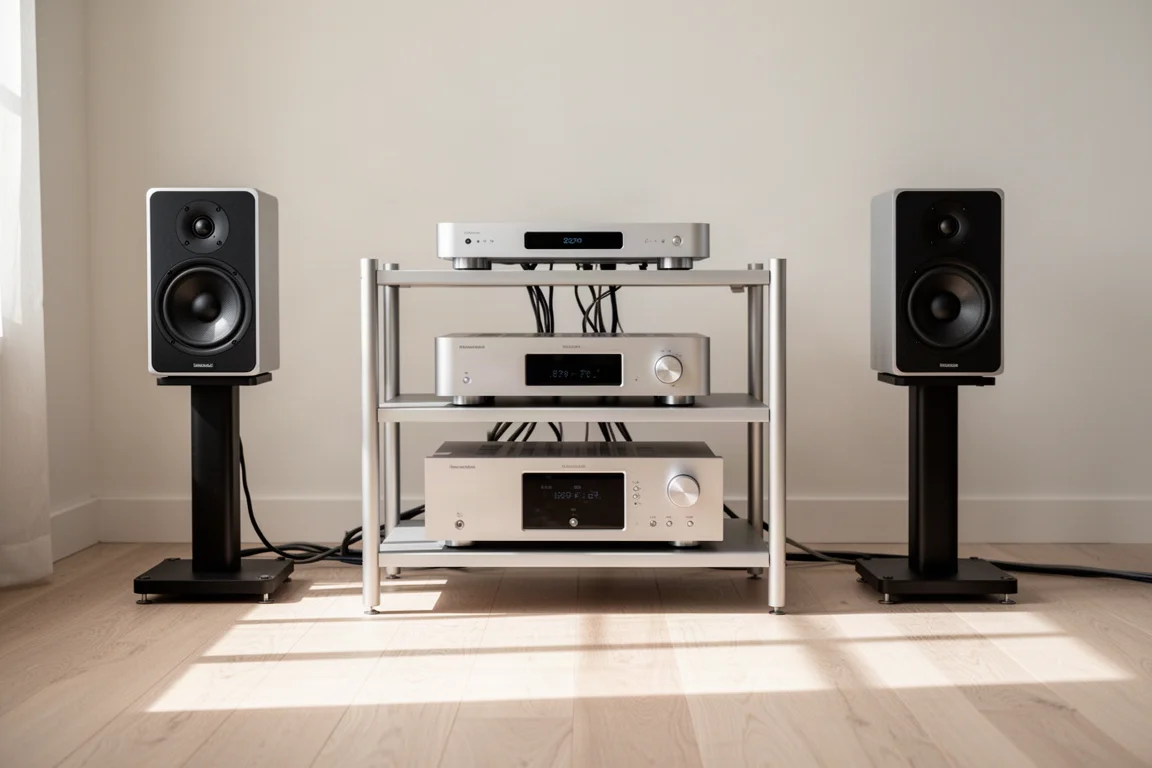
For most other buyers, the RS451 occupies a genuinely useful middle position. It carries enough of the flagship’s architecture to serve as the digital center of a serious system, and enough usability to live on a desk without friction. Its combination of sound quality, usability, and design makes it one of the more balanced products in the lineup, and it earns a place on any shortlist in this category.
Conclusion
The Hi-Fi Rose RS451 fills its slot in the lineup convincingly. It is a semi-reference network streamer and DAC with a high-power headphone amplifier, a fast and thoughtfully designed interface, wide format and streaming support, and a connectivity set that covers both a two-channel system and a television. It gives up some ultimate scale to the flagship RS151, and it is larger and more expensive than the RS250A, but it lands in a spot that makes sense for listeners who want serious performance without moving to the very top of the range. For anyone building a system around separates or pairing high-end headphones with a desktop setup, the RS451 is worth hearing before deciding.
Product link
View more details for Hi-Fi Rose RS451
This product is mentioned in the review. Check the specifications, options, and compatibility before buying.
View more details for Hi-Fi Rose RS451Further reading
Related Reviews
Network Streamers
Cambridge Audio MXN10 vs WiiM Ultra: Two Network Streamers Compared
A side-by-side look at the Cambridge Audio MXN10 and the WiiM Ultra, covering sound character, streaming features, connectivity, and which kind of system each streamer suits.
Network Streamers
EverSolo DMP-A8 Review: A Higher-End Streaming Deck and Preamplifier
A closer look at the EverSolo DMP-A8, a streaming deck and preamplifier with AKM DAC chips, a linear power supply for the audio circuit, HDMI ARC, an analog input, and a parametric EQ.
Network Streamers
FiiO R7 vs Bluesound Node X: Two Network Streamers, Two Very Different Approaches
A practical comparison of the FiiO R7 and the Bluesound Node X, covering app support, connectivity, headphone output and the small sound quality differences that decide between them.