Network Streamers
EverSolo DMP-A8 Review: A Higher-End Streaming Deck and Preamplifier
A closer look at the EverSolo DMP-A8, a streaming deck and preamplifier with AKM DAC chips, a linear power supply for the audio circuit, HDMI ARC, an analog input, and a parametric EQ.
Introduction
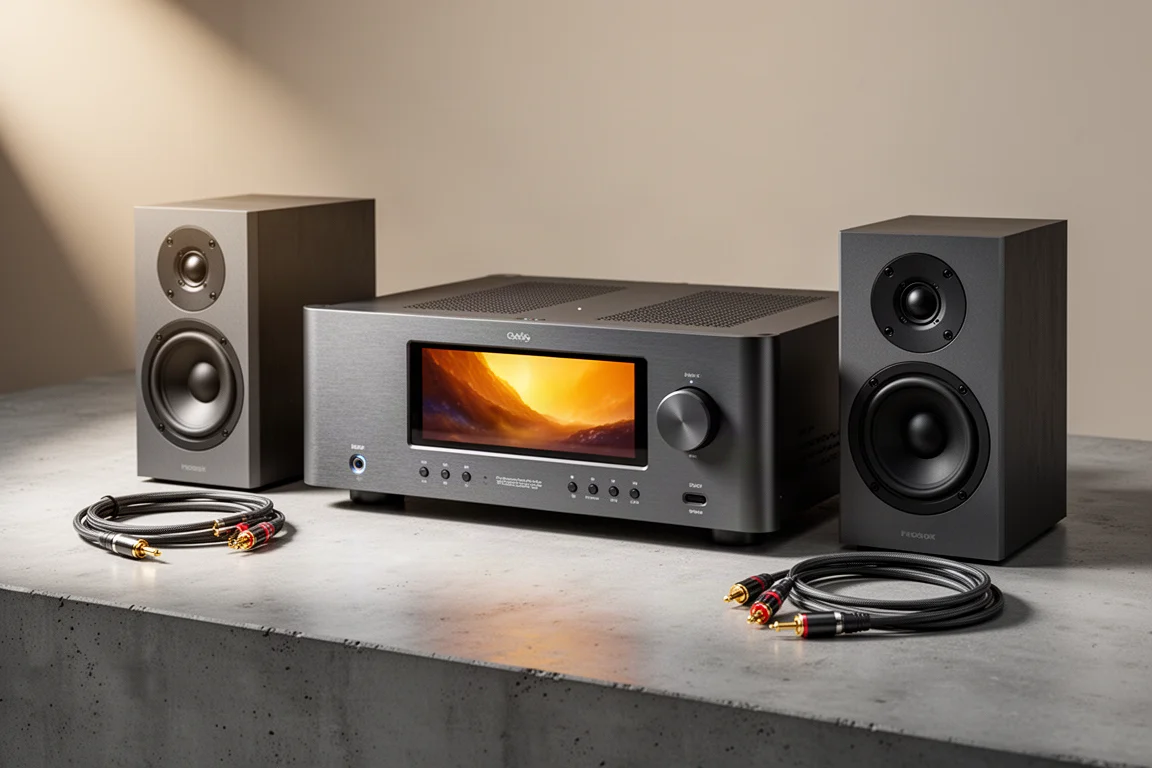
EverSolo’s DMP-A6 earned its reputation by putting a streaming deck, a touchscreen, VU meters, and hi-res Apple Music streaming into a hi-fi rack for roughly €800. The DMP-A8 sits a level above it. It is a higher-end streaming deck and preamplifier from EverSolo, it is made in China, and it sells for over twice the A6’s asking price.
Everything the A6 can do, the A8 can do as well, and the costlier model adds a set of extras aimed at listeners who want a single component at the centre of a system. This article covers what those extras are, how the A8 sounds next to the A6 and a few alternatives, and which compromises are worth accepting.
Who This Product Is For
Anyone who has been running a separate streamer, a separate DAC, and a separate preamplifier will recognise the appeal of one box that covers all three. The A8 also adds an HDMI ARC input, which lets a television feed audio into the hi-fi system, so a household that watches films and listens to music through the same speakers can keep a single signal path rather than swapping inputs by hand.
The analog input tells the other half of that story. It lets a turntable and its phono stage feed the A8 while the signal stays in the analog domain, which is the detail that matters most to vinyl owners who do not want their records converted to digital on the way to the speakers.
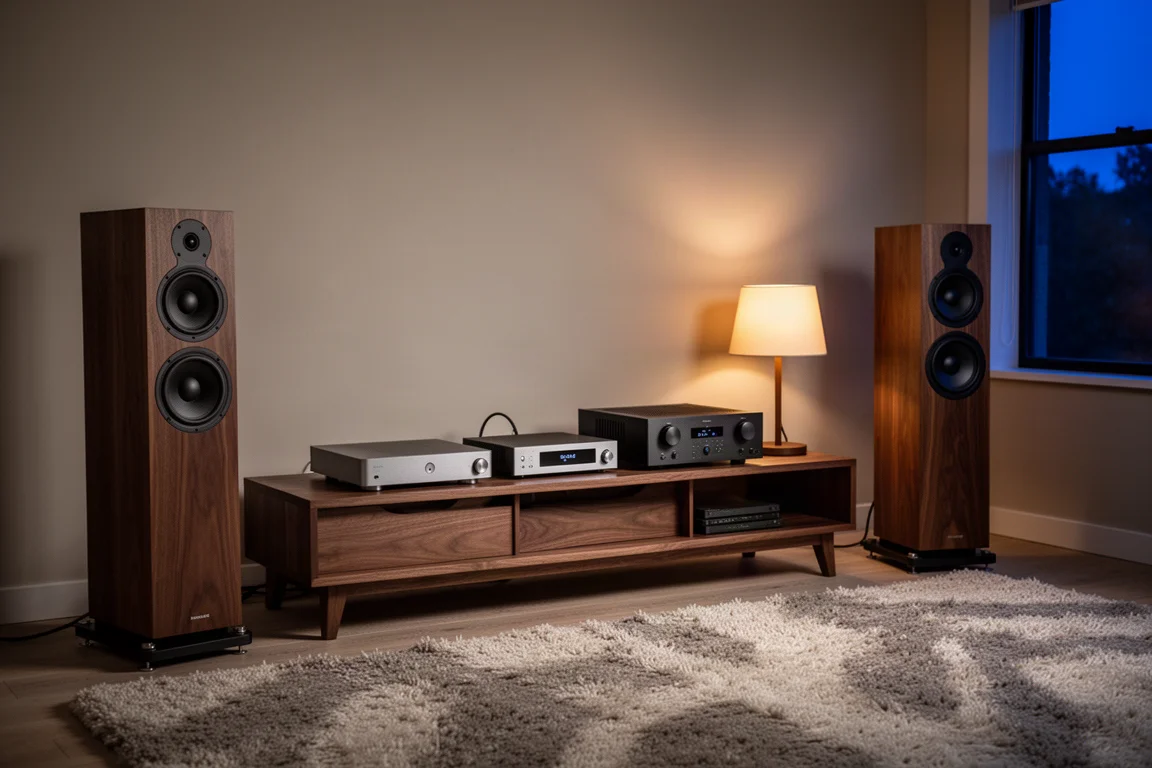
Listeners who enjoy tuning a system to a room will also find something here. The parametric EQ inside the A8 makes it possible to shape the frequency response without adding external processing, which is unusual at this level and genuinely useful in a domestic space where a speaker and a wall do not always agree.
Design, Screen, and Build
The A8 is a wider unit than the A6, though still not quite full width, and its chassis material is less prone to the pale finger smudges that the A6 picks up so easily. That sounds like a small thing until you have spent a week wiping a mark off a front panel that will not shift.
The touchscreen, however, is not an upgrade. It is a landscape panel of the same model used on the A6, and a wider screen in the same orientation would arguably suit streaming apps even less well. The layout is workable, but it remains a panel you walk over to rather than a display you sit back and enjoy.
Streaming Apps and Connectivity
The whitelisted app list is generous. Apple Music, Apple Music Classical, Tidal, Spotify, SoundCloud, Deezer, and Amazon Music are all available on the touchscreen, and Apple Music on the A8 supports hi-res playback. It behaves much like the smartphone version of the app, though the landscape orientation makes it fiddlier to use than a phone in the hand.
Tidal Connect and Spotify Connect are built in, and EverSolo’s own version of Tidal uses a different layout to the native app, particularly when it is driven from EverSolo’s smartphone app. The A8 does not support Google Chromecast, so anyone relying on casting will need to work around it.
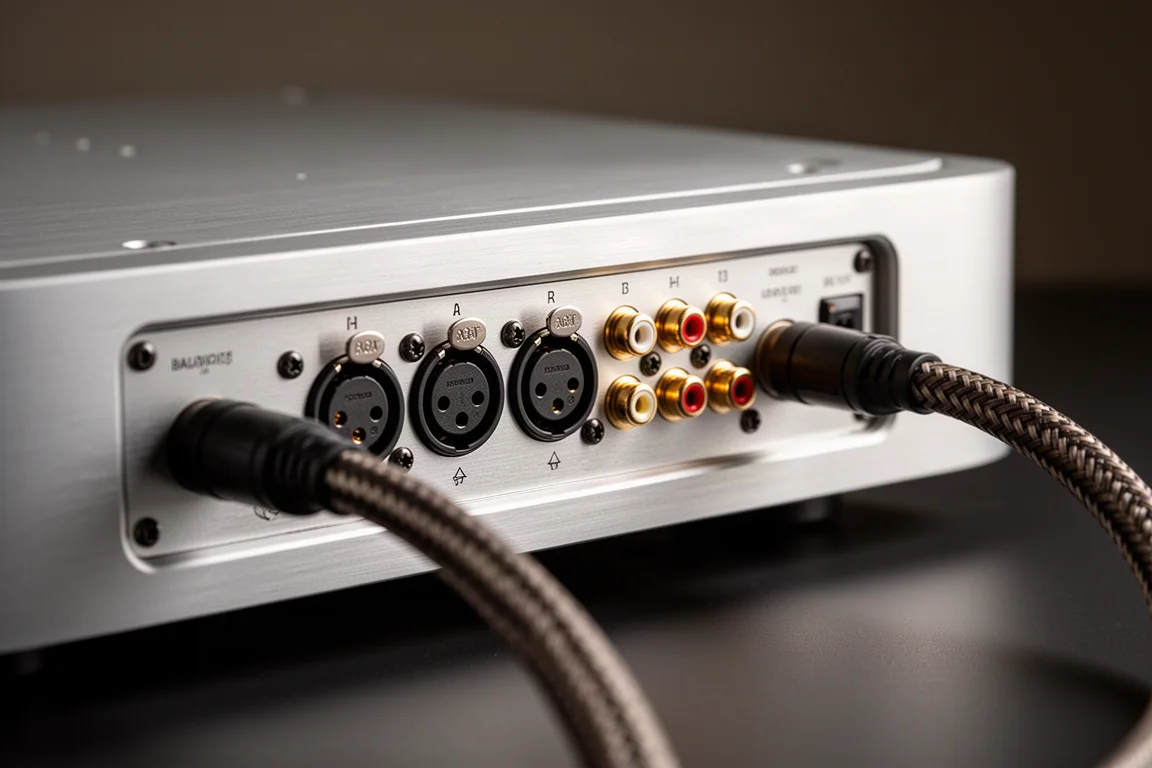
Around the back, the HDMI ARC socket offers a choice of ARC or eARC operating modes in the menu, which is how a television routes audio into the A8. There is also an I2S output for feeding an external DAC, and its pinout has to be configured manually in the menu because there is no industry standard for I2S. The termination is an HDMI-style plug, which is entirely separate from the HDMI ARC input.
Roon Ready certification was still pending, so Apple AirPlay served as the route for Roon playback. That route works, but it comes with one quirk: after an AirPlay stream has been played, other streams are shown on the front panel as AAC even though they are not. The behaviour was reported to EverSolo.
Sound Quality
Inside, the DAC circuit is built around AKM chips rather than the ESS chips used in the A6, and it inherits the femtosecond clocking found in the A6 Master Edition. The power supply has been overhauled too. A switching-mode device feeds the streaming circuit and the screen, while the audio circuit is fed by a linear power supply. The preamplifier uses a resistor ladder volume control that clicks as it turns, and volume can be changed on the unit itself, from the EverSolo app, from a third-party app, or with the supplied infrared remote, which also works over Bluetooth.
On sound, the family resemblance is clear but the character shifts. The A6 is nicely resolving and very detailed, yet it can lean bright and skeletal. The A8 is slightly richer, smoother, and altogether less nervy and agitated, with a more refined top end. Its body still tilts toward the leaner side of the spectrum, just not as far as the A6’s does.
Set against the Cambridge Audio CXN100, which costs around half as much, the A8 is less meaty but glossier with tonal colour, with cleaner layer separation and more sparkle at the top end, and its sub-bass kicks a little harder on a driving techno cut. Set against the more expensive Mytek Brooklyn Bridge II, the A8 is not quite as meaty through the mids, sounds a little flatter in the depth plane, and feels less present. It is not a giant killer, and at under half the price it does not need to be.
Three Features That Stand Out
Parametric EQ. The built-in EQ lets you adjust the frequency response to taste, which helps with a speaker system that is overly bright or overly dull, and it can pull down peaks caused by room bass problems. The Q setting determines the width of each adjustment, so cuts can be broad or narrow as the room requires. One caveat for hi-res listeners: engaging the EQ resamples all audio to 48 kHz, so hi-res playback is unavailable while it is active. Switch it off and hi-res files pass through untouched.
The analog input. With the analog input engaged, the A8 works as an analog preamplifier, keeping the incoming signal in the analog domain from the XLR or RCA inputs all the way to the XLR or RCA outputs. There is no digitisation and no DSP, which also means no parametric EQ on that path. It is the cleanest way to bring a turntable into the system.
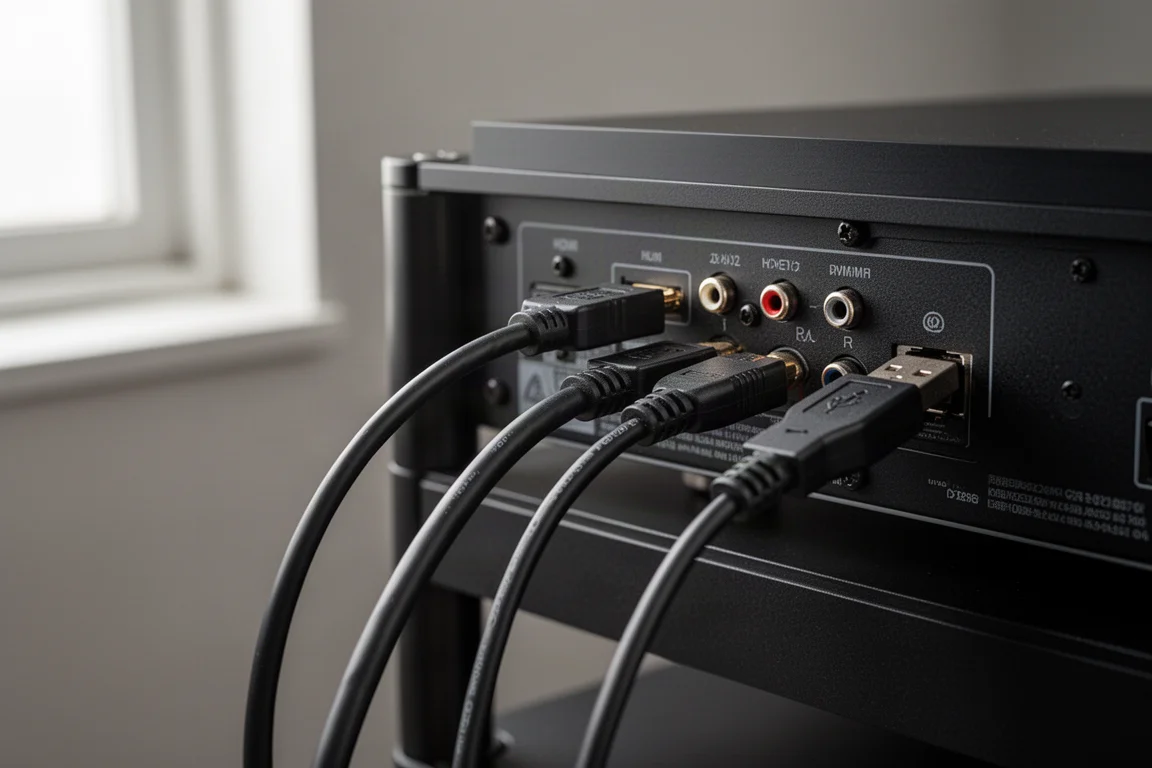
Plexamp. Plexamp can be sideloaded onto the A8 from an APK file on a USB drive, and it installs and runs well. Its visual formatting collapses elegantly to fit the landscape touchscreen. Like Roon, every instance acts as both a controller and an endpoint, and it integrates Tidal. The on-device interface is a little sluggish, so running Plexamp on a smartphone on the same network and handing the stream off to the A8 works better. EverSolo’s own beta Plex app could not list a music library’s contents, which makes Plexamp the practical route, and it would be good to see it become a properly whitelisted app.
Things to Consider Before Buying
- The parametric EQ resamples everything to 48 kHz while it is engaged, so hi-res listening and EQ are mutually exclusive.
- Plexamp is not a whitelisted app. It is sideloaded from a USB drive, and its interface on the A8 is sluggish compared with a phone.
- Roon Ready certification was still pending, so Apple AirPlay was the workaround, and it brings a front panel display quirk where streams are labelled as AAC.
- There is no Google Chromecast support, so casting from Android apps is not an option.
- The screen is the same model as the A6’s, and its landscape shape is awkward for streaming apps.
- The I2S socket is an output rather than an input, so it is there to feed an external DAC rather than to accept a CD transport.
Buying Advice
The A8 makes sense when its extras are the reason you are buying. HDMI ARC, the analog input, the parametric EQ, and the AKM-based DAC section together turn the A8 into a hub rather than just a streamer, and that is worth the premium for someone consolidating a system.
If you already own an A6 and only ever use the streaming apps, the upgrade case is thinner. The A8 sounds slightly richer and smoother and it adds features the A6 does not have, but the A6 already covers the same app list, including hi-res Apple Music, for around half the money.
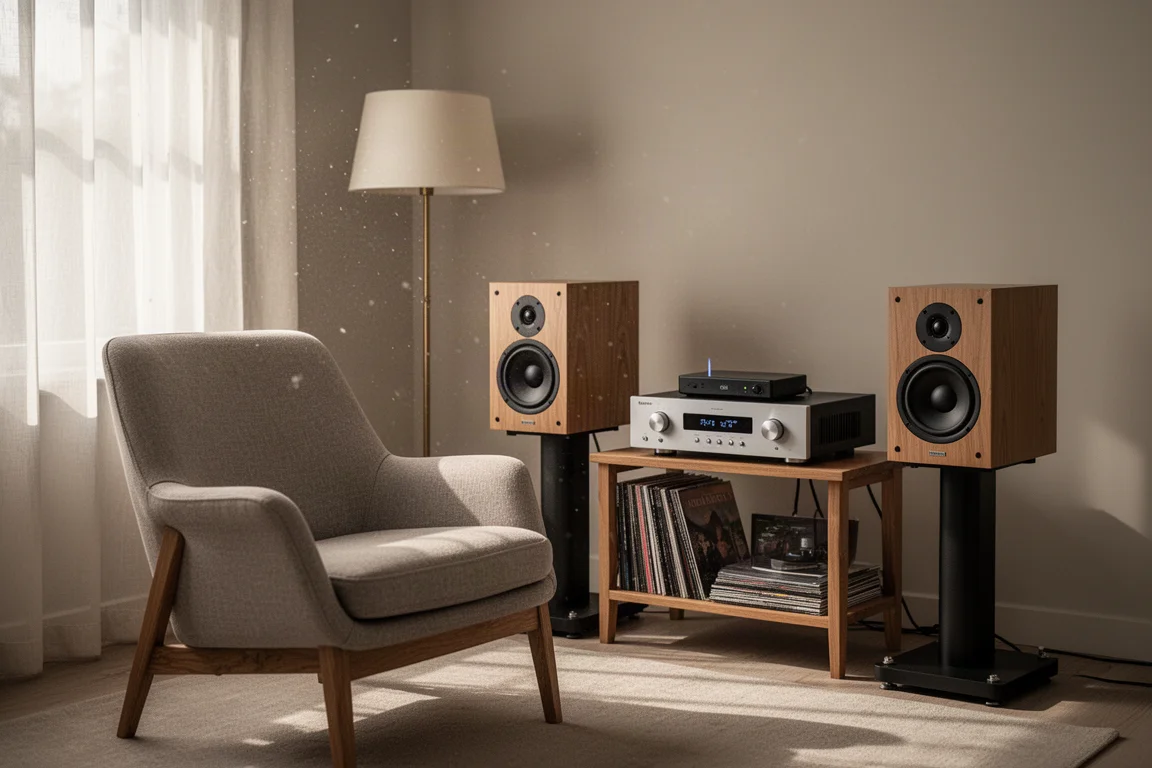
Two alternatives frame the decision. The Cambridge Audio CXN100 costs about half as much and offers a meatier presentation, so listeners who prioritise weight and warmth over sparkle and separation may prefer it. The Mytek Brooklyn Bridge II costs more than twice as much and delivers more midrange body, greater depth, and a stronger sense of presence, so it remains the step up for anyone with the budget and the rest of the system to reveal it.
Conclusion
The EverSolo DMP-A8 is a well-equipped streaming deck and preamplifier that improves on the A6 where it counts for system builders: a smoother and more refined sound, a linear power supply for the audio circuit, HDMI ARC, a true analog input, and a parametric EQ that can tame a difficult room. It is not a giant killer, and it does not pretend to be one. What it offers is a great deal of functionality in a single, carefully specified box, and for listeners who want one component to handle streaming, conversion, and volume control, that is a persuasive combination.
Product link
View more details for EverSolo DMP-A8
This product is mentioned in the review. Check the specifications, options, and compatibility before buying.
View more details for EverSolo DMP-A8Further reading
Related Reviews
Network Streamers
Cambridge Audio MXN10 vs WiiM Ultra: Two Network Streamers Compared
A side-by-side look at the Cambridge Audio MXN10 and the WiiM Ultra, covering sound character, streaming features, connectivity, and which kind of system each streamer suits.
Network Streamers
FiiO R7 vs Bluesound Node X: Two Network Streamers, Two Very Different Approaches
A practical comparison of the FiiO R7 and the Bluesound Node X, covering app support, connectivity, headphone output and the small sound quality differences that decide between them.
Network Streamers
FiiO SR11 Review: The Best-Value Entry-Level Network Streamer
A close look at the FiiO SR11, a roughly $100 network streamer with Ethernet, Roon Ready certification, a front-panel sample rate display and a volume-controllable USB output.