Integrated Amplifiers
Hi-Fi Rose RA180 Review: Class AD Power in a Reference Integrated Amplifier
A detailed look at the Hi-Fi Rose RA180, a reference-class integrated amplifier rated at 400 watts per channel with an in-house class AD design, nine RIAA curves and a distinctly retro front panel.
Introduction
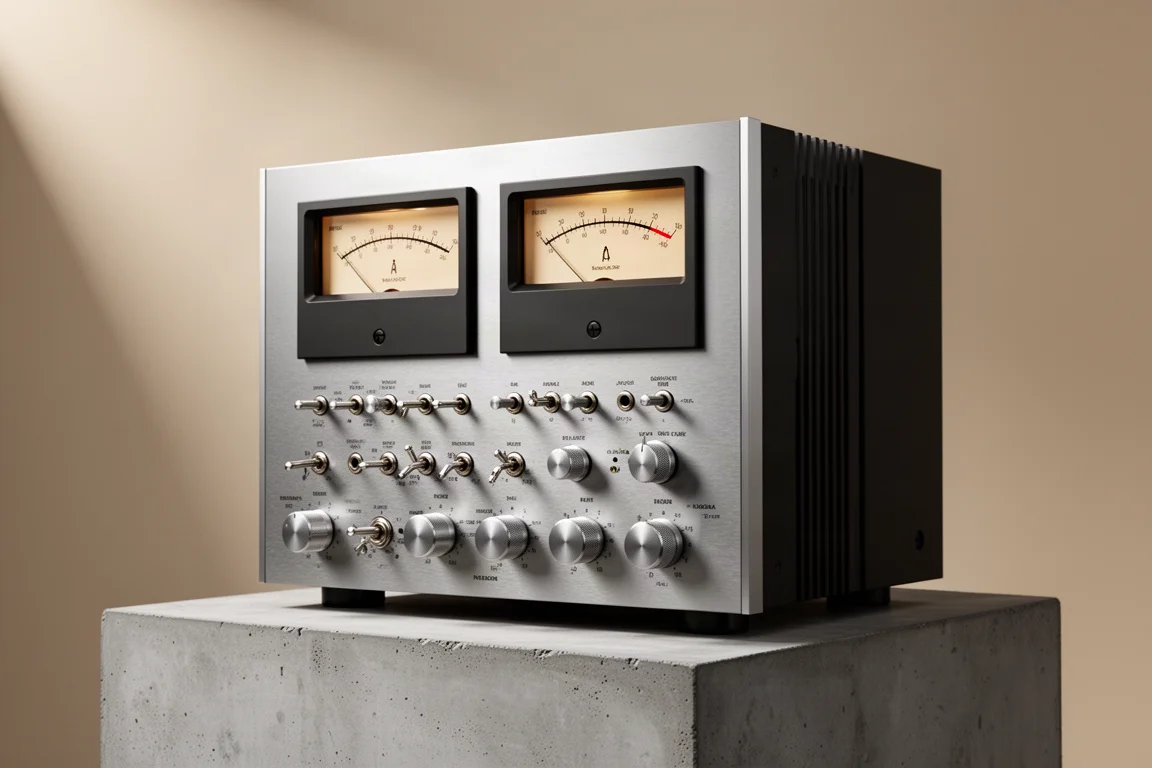
The Hi-Fi Rose RA180 is a reference-class integrated amplifier rated at 400 watts of class AD amplification per channel. It is built to pair with the company’s DAC and network media players, though it will accept source components from any brand just as happily.

What separates it from most integrated amplifiers is the amplification stage itself. Hi-Fi Rose developed the class AD topology in-house with a clear goal: keep the efficiency that makes class D designs attractive while removing the hard, edgy character that many of them still carry. Everything else about the amplifier follows the same premium brief, from the aluminium chassis to the front panel layout and the unusually deep phono section.
Design and Build Quality
The RA180 wears a high-purity aluminium silver finish that matches the brand’s top-of-the-line streamers. Its proportions were clearly drawn with those components in mind: just under 17 inches wide, a little over 13.5 inches deep and slightly under 4.5 inches tall, so it stacks neatly with a matching network player.
Weight is part of the story. The chassis comes in at slightly over 36.5 pounds, roughly eight pounds heavier than the equivalent streamer, which helps minimise acoustic vibrations when the two are stacked together.
The front panel does not look like any other integrated amplifier on the market. Left and right analogue speaker level meters give it an industrial character that recalls the all-silver Japanese receivers of the 1980s, with more than a hint of steampunk about it. Set beside a modern touchscreen streamer the contrast is stark, yet the two clearly belong to the same family.
Class AD Amplification Technology
Class D amplifiers are considerably more efficient than traditional class A/B designs, but many of them sound harsh and edgy. The class AD approach attacks that problem at the switching stage.
The key change is the use of a gallium nitride FET instead of a silicon FET, which dramatically improves the switching dead time that normally limits class D performance. The result is a fast, highly accurate amplification stage with almost no dead time, allowing the amplifier to behave far more like a class A/B design.
Hi-Fi Rose also developed a dedicated, highly stable power supply exclusively for the RA180 so it can respond to the demands of the system and stay clean and natural under load. The heft of the chassis is a fair indication of what sits inside it.
Inputs, Phono Stage, and Connectivity
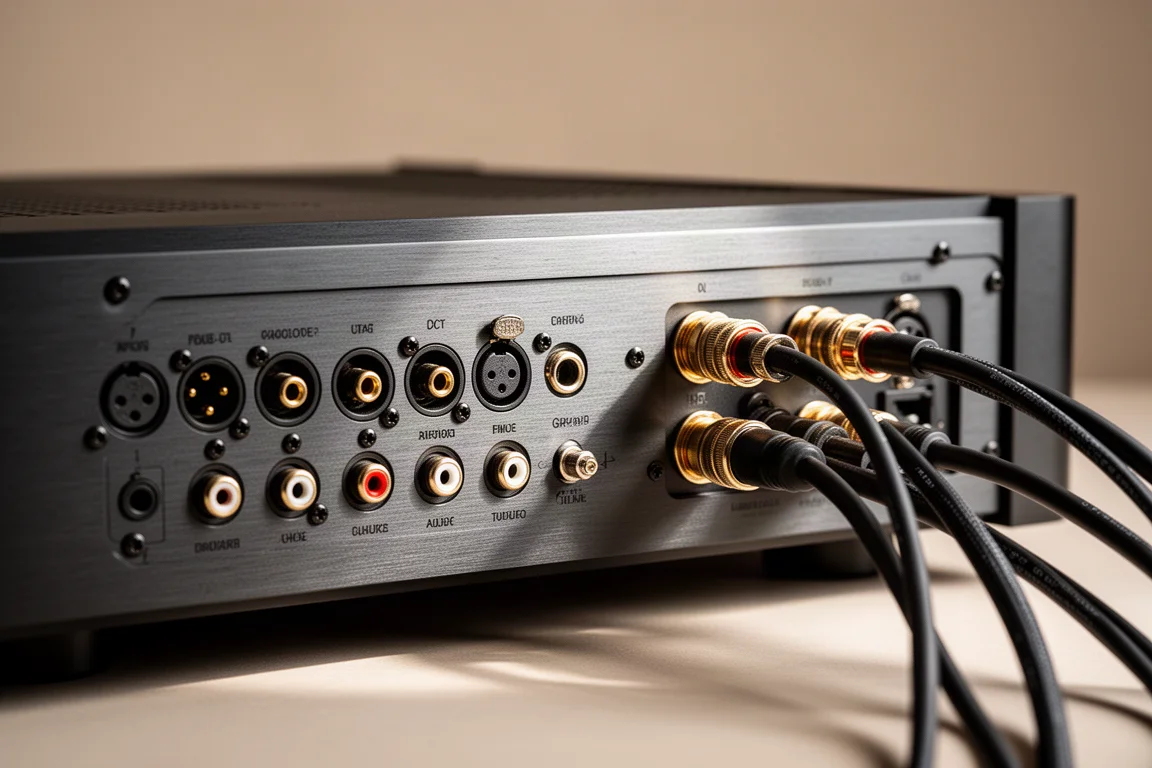
The rear panel covers a useful spread of sources: one balanced XLR input, three unbalanced RCA line inputs and one unbalanced RCA input for the built-in phono stage. Traditional tone controls sit alongside a phono control section on that distinctive front panel.
The phono stage goes further than most. Nine RIAA curves are available, which is a genuine asset for anyone with older records, because Decca, Columbia and other labels of the 1950s and 1960s were cut to different equalisation standards. Applying the right curve gets those pressings closer to what the artists intended.
There is also a subsonic filter, a subwoofer output and two trigger connections. A switch labelled Bypass Power Amp mode acts as the home theatre bypass, connecting line input 3 directly to the power amplifier.
One of the most enjoyable touches is remote control of the geared volume rotary and source selector dials. They physically turn from your seating position using the Hi-Fi Rose app, a tablet or the Bluetooth remote.
Listening Impressions
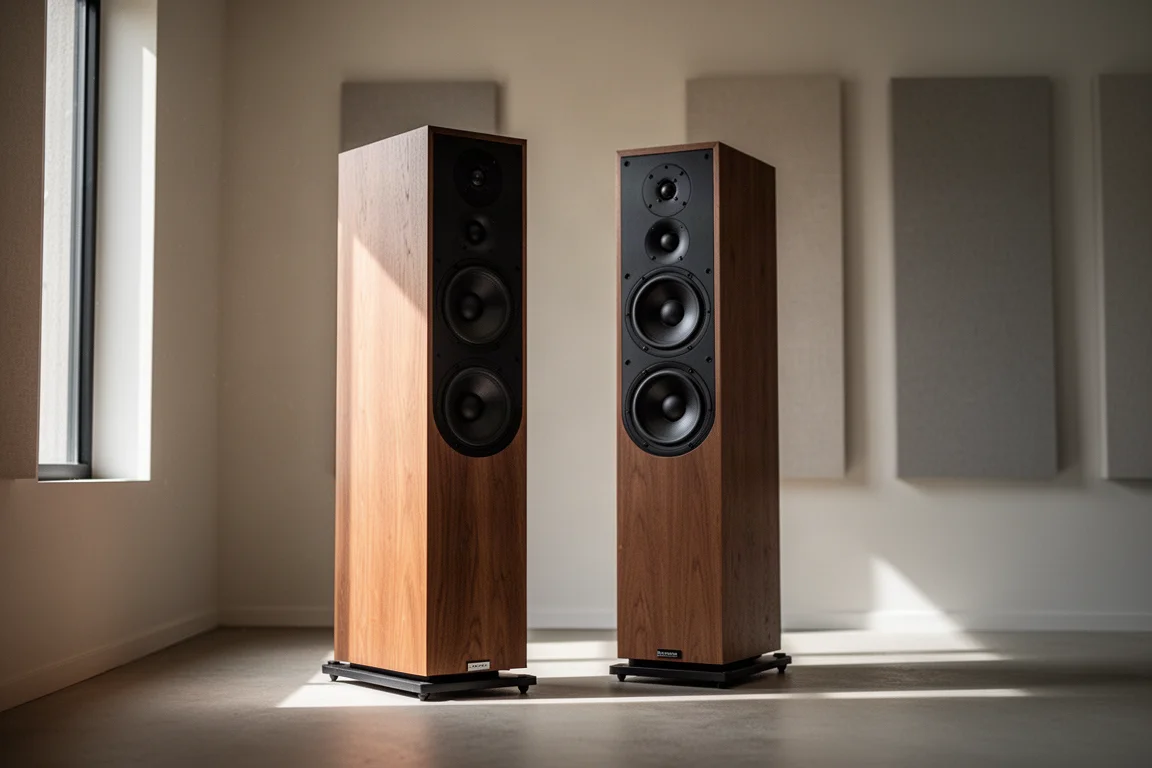
Testing was carried out with a pair of revealing floorstanding loudspeakers and a reference-class network streamer, a combination that will expose any shortcoming in the amplifier driving it.
On Crosby and Nash’s “Lay Me Down”, the RA180 showed no inclination to overdo anything. Vocals in the midrange were simply left alone, coming across as transparent, smooth and natural, while the harmonies floated beautifully in the centre of a large soundstage.
With AC/DC’s “You Shook Me All Night Long”, the presentation stayed full and rich, with smooth natural vocals and tight, punchy bass. There was no trace of the digital edge that class D designs often introduce, but nor did the amplifier add warmth of its own. It let the sound flow unaltered.
Things to Consider Before Buying
A few details are worth understanding before committing to this amplifier.
The phono input supports both moving coil and moving magnet cartridges, but it is really made for high-output moving coils. Loading is not adjustable and is preset at 47k, which is far too high for low-output moving coil cartridges. If that describes your setup, factor it in.
The electronic crossover feature lets you use the four amplifier sections to bi-amp a set of speakers, but it is designed for external super tweeters that operate well beyond the range of human hearing, a configuration that was popular in the 1970s and is rarely seen today. Most owners will be better served by the dual amp mode called BTL, which bypasses the crossovers and turns the four 200-watt sections into two 400-watt channels.
The labelling for the RIAA curves is cryptic, and a published table is needed to line the settings up with the label names. The subwoofer output is also mono and full range, so there are no crossover settings to blend the subwoofer with the main speakers.
Buying Advice
The RA180 makes most sense for listeners who want a single, substantial integrated amplifier that can drive demanding speakers while staying composed. It suits owners of older vinyl collections, since the nine RIAA curves let those pressings sound closer to their original intent, and it suits anyone building a system around Hi-Fi Rose streamers, where the matching dimensions and finish pay off visually as well as functionally.

Those with low-output moving coil cartridges, or with a subwoofer they want to integrate through adjustable crossover settings, should weigh those limitations carefully against everything the amplifier does well. For everyone else, the class AD design delivers the efficiency of a switching amplifier with a natural, unforced character that is easy to live with over long sessions.
Conclusion
The technology Hi-Fi Rose has put into this class AD amplifier is genuinely impressive, and the RA180 shows what is possible when a company pushes the limits of switching amplification. It is a premium component with custom build quality that goes well beyond traditional methods, and it earns its place in a serious two-channel system.
Product link
View more details for Hi-Fi Rose RA180
This product is mentioned in the review. Check the specifications, options, and compatibility before buying.
View more details for Hi-Fi Rose RA180Further reading
Related Reviews
Integrated Amplifiers
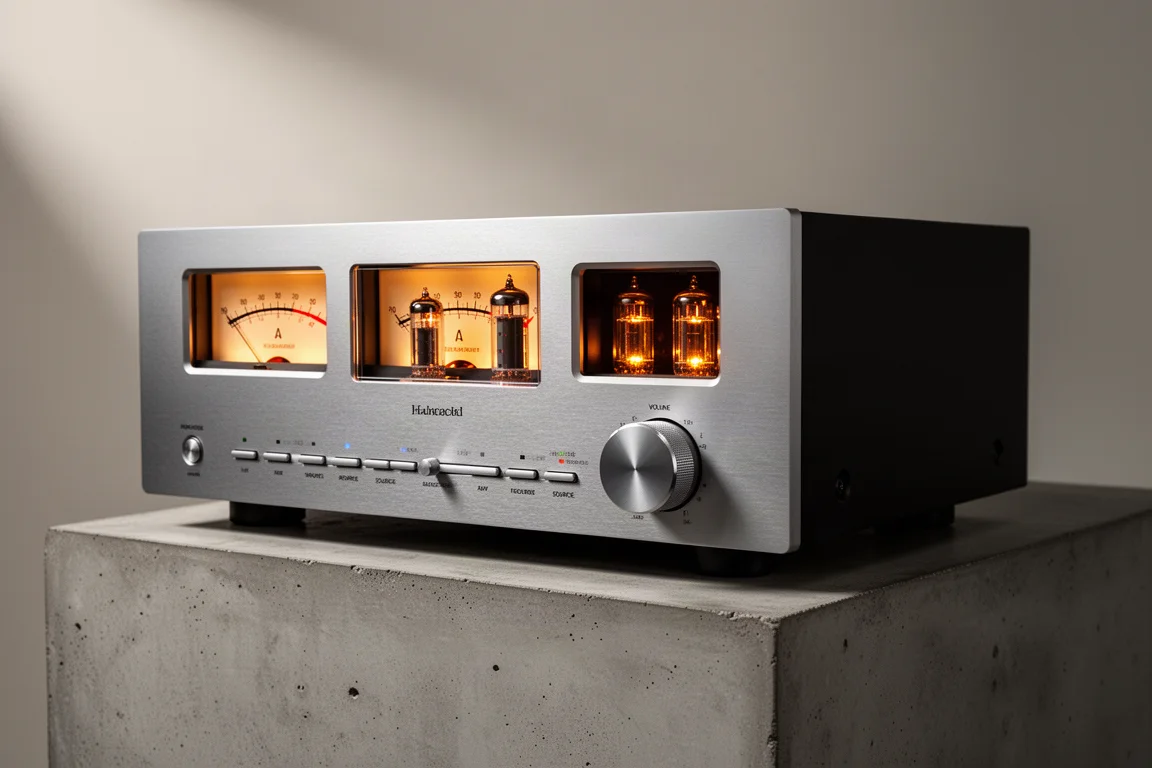
Advance Paris A10 Classic Review: Vintage Looks and a Lively, Punchy Sound
The Advance Paris A10 Classic pairs glowing blue VU meters and a tube stage with one of the widest input sets on any integrated amplifier. Here is what it does well and what to weigh before spending $2,500.
Integrated Amplifiers
Advance Paris A12 Apex Review: A Modern Integrated Amplifier With Vintage Character
A dual mono integrated amplifier with 180 watts per channel, a tube front end, VU meters, and a connectivity list that covers turntables, televisions, computers, and headphones.
Integrated Amplifiers
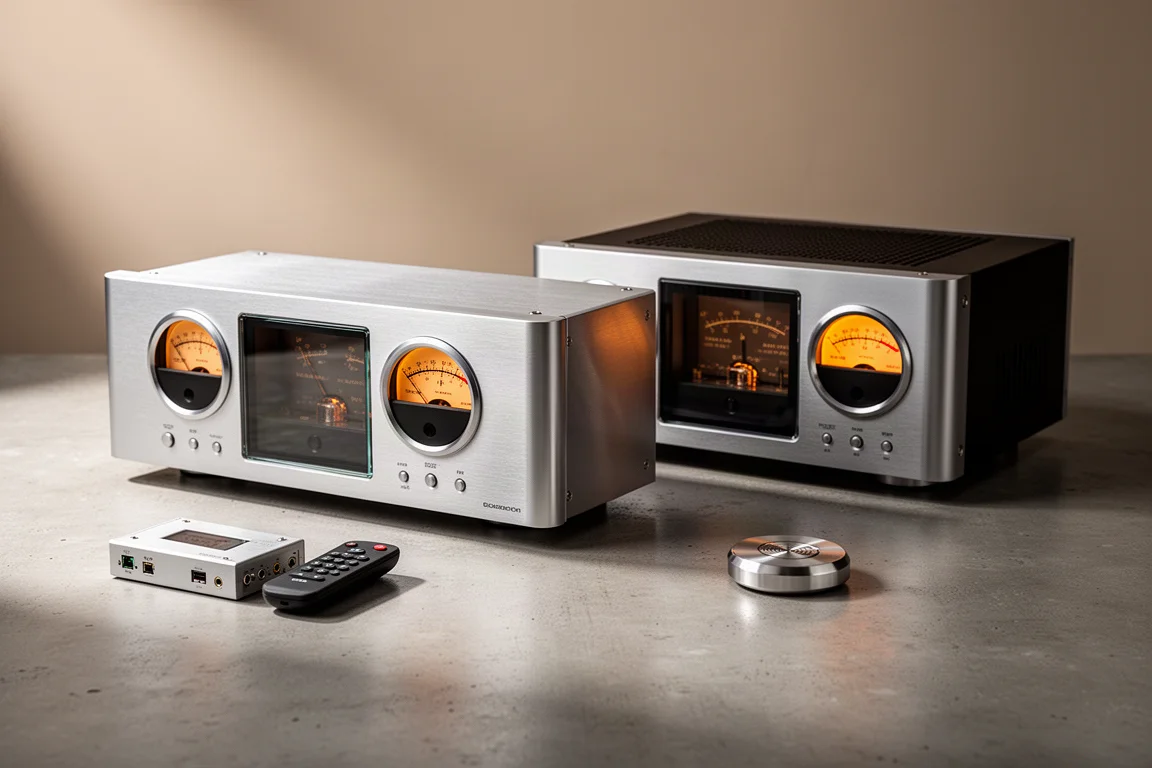
Advance Paris Nova Range Review: AI130, AI190 and Modular Upgrades
A practical look at the Advance Paris Nova range, including the AI130 and AI190 integrated amplifiers and the modular streaming, Bluetooth and remote accessories that expand them.