Hi-Fi Audio
Hi-Fi Gear Worth Keeping: Ten Audio Components and the Trade-Offs Behind Them
Ten audio components that earn their place in a system, plus the gear that is easier to move on from, with the practical trade-offs that decide which is which.
Introduction
Every system collects a few regrets. Some components get sold or passed along and the space they leave never quite fills, while others leave the room and take a small weight off your shoulders at the same time. Sorting the two groups is a useful exercise, because the reasons behind each decision usually say more about how you actually listen than any spec sheet does.
This piece covers ten components: five that still feel like a loss, and five that were easy to part with. It also touches on the vintage gear that stays in the rack out of affection rather than use.
What Makes a Component Worth Keeping
The pattern is fairly consistent. Gear that stays is gear you reach for without thinking. It works every time, it does not ask for patience, and it gives you a clear reason to choose it over the alternatives on the shelf.
Gear that quietly becomes clutter usually fails on one of those points instead. It might be too large for the room, too inconsistent to trust, or simply not the first thing you want to hear when you sit down. Value matters too, but only in the sense that a component should justify the space it occupies, not just the money it cost.
Emotiva B1+
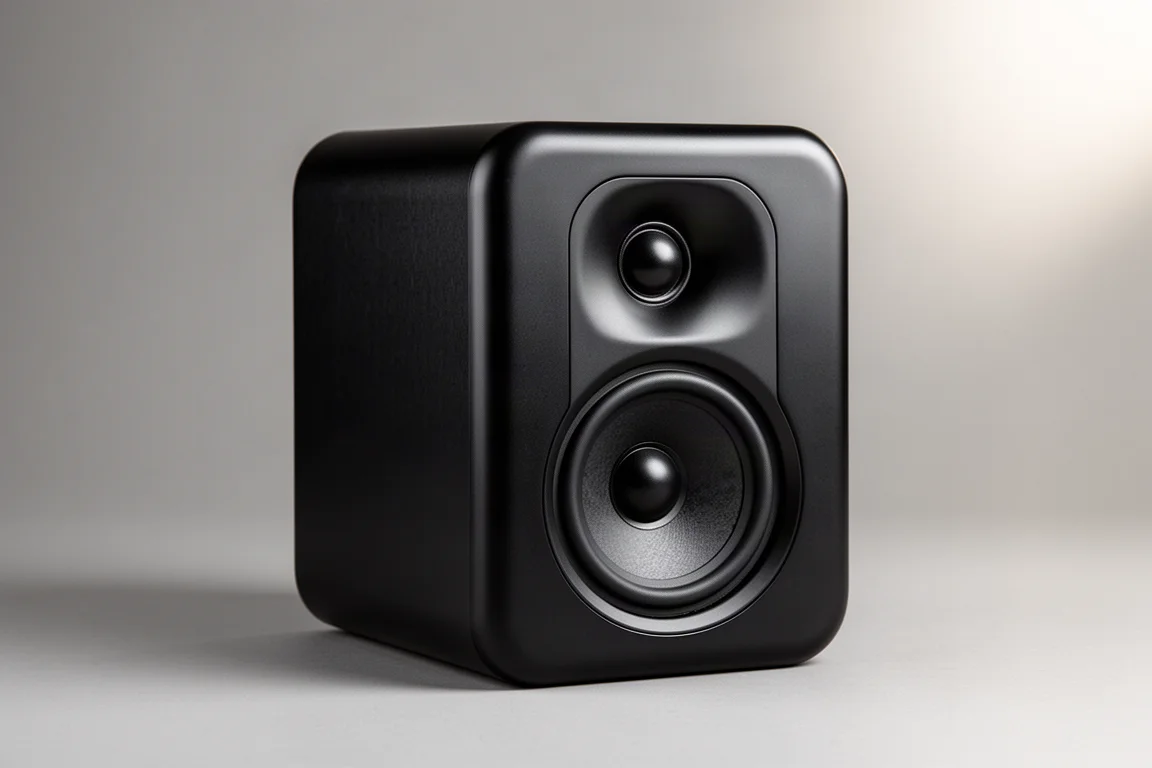
The Emotiva B1+ is the speaker that still stings the most. It pairs a 5.25-inch woofer with a 25 mm air motion transformer tweeter, and the result is clarity and detail with a punch that feels larger than the cabinet suggests.
For a long stretch it set the standard for what an affordable bookshelf speaker could do, which is exactly why its absence is noticeable whenever another speaker arrives for comparison. It is still sold today, and at roughly $250 to $300 it remains a straightforward bargain.
If you are assembling a first serious two-channel system, or you simply want a compact speaker that pulls detail out of a recording without sounding thin, this is the one that is hardest to replace.
Schiit Magni, Modi, and Loki Stack
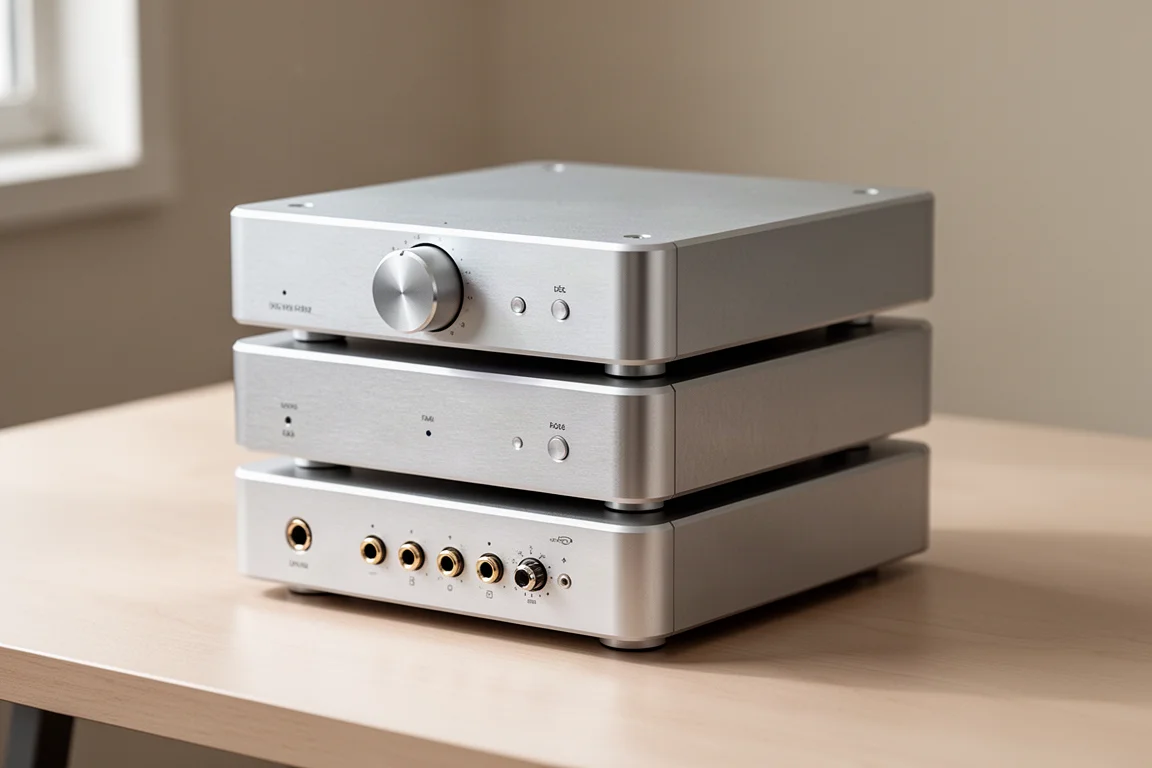
This desktop stack combines a headphone amplifier, a DAC, and a four-band equalizer. The footprint is tiny, roughly the size of three stacked grilled cheese sandwiches, and the stack can even serve as a preamp.
Finish options are silver or black, and the components are built in Texas in the United States. It has long been the reference point for affordable desktop amplification: small, simple, and effective. It was sold early on to free up space and money for other equipment, and that decision is still regretted.
Topping E50
The Topping E50 is the affordable DAC that keeps coming up in recommendations. It sounds organic, includes a remote, and offers balanced TRS outputs alongside standard RCA connections. For a period it sold for around $200.
It was traded away for a Schiit Modi Multibit, which is a fine converter in its own right, but the E50 is the one that would still be useful for comparisons today. From memory it stands above most affordable Chinese-made DACs at around $300 or less.
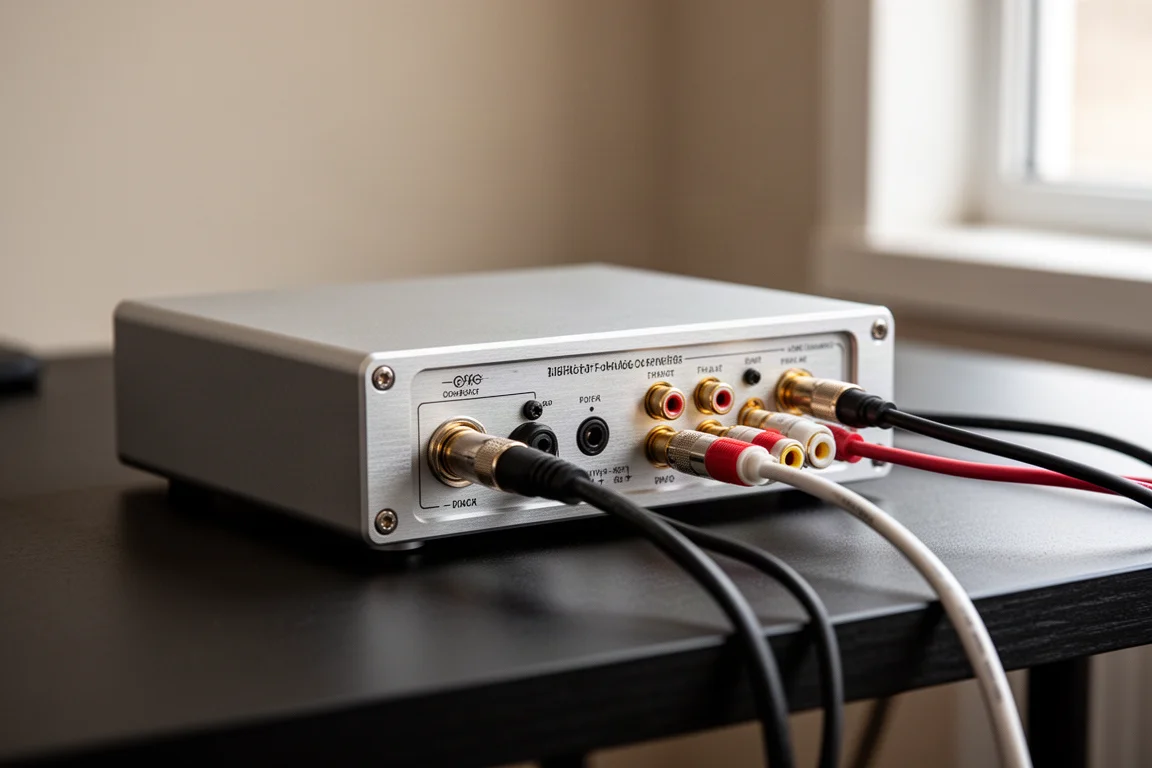
That reputation is not just nostalgia. The E50 is the exception in a crowded category of budget converters that tend to sound like one another, which makes it worth holding on to if you already own one.
Budget DACs That Come and Go
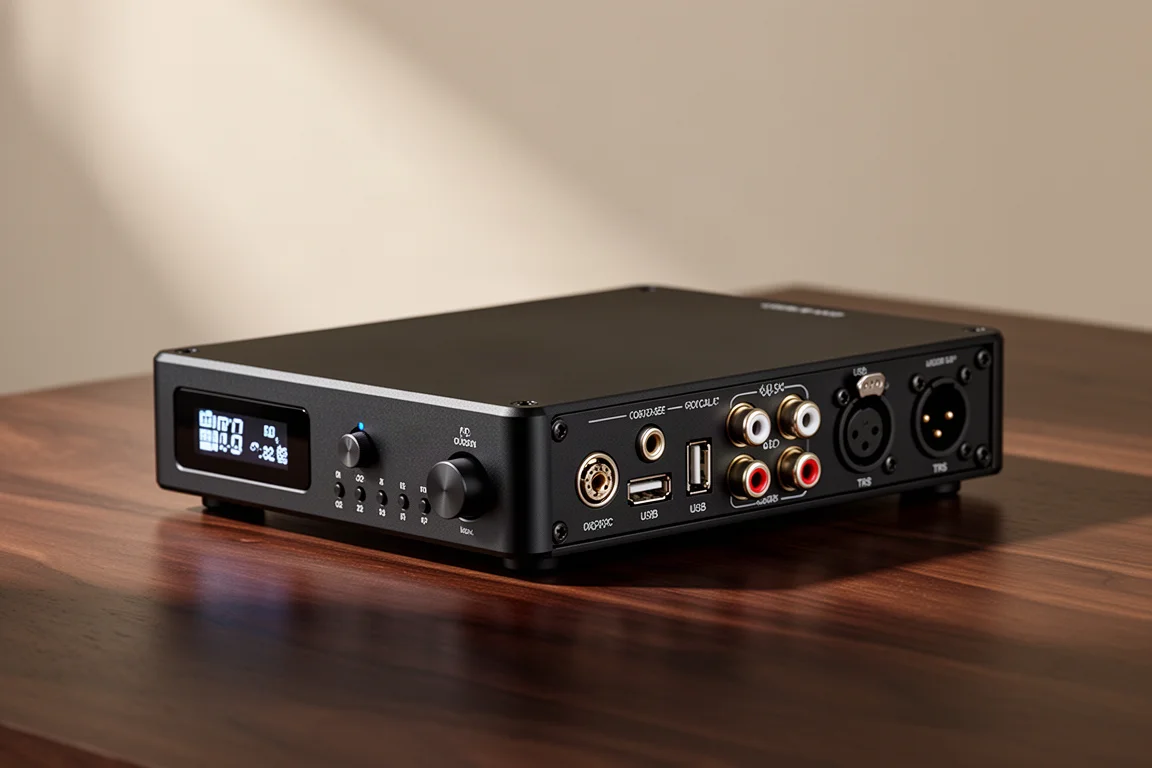
Not every component deserves its own heading. A long line of affordable converters from SMSL, Topping, and Gustard has passed through, almost all of them priced at roughly $300 or less. They sound essentially identical to each other, they refresh quickly, and each generation is a sonic carbon copy of the last. None of them are missed, and the Topping E50 is the lone exception.
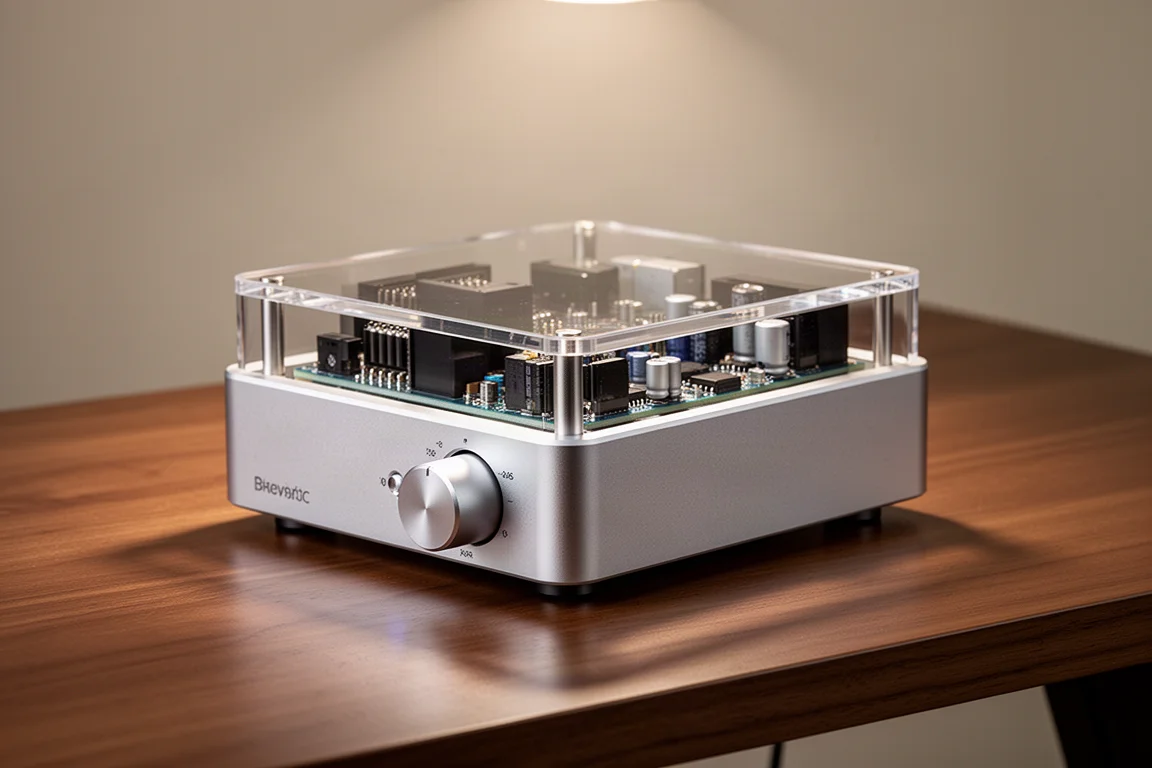
Geshelli Labs J2
The Geshelli Labs J2 is the DAC that actually gets used. Three of them are in service, and one serves as the reference point for everything else that arrives.
Pricing runs roughly $250 to $350 depending on whether you need a USB input and whether you want the wooden case. That combination of price and performance is what pushed other converters out of the rack.
7Hz Timeless
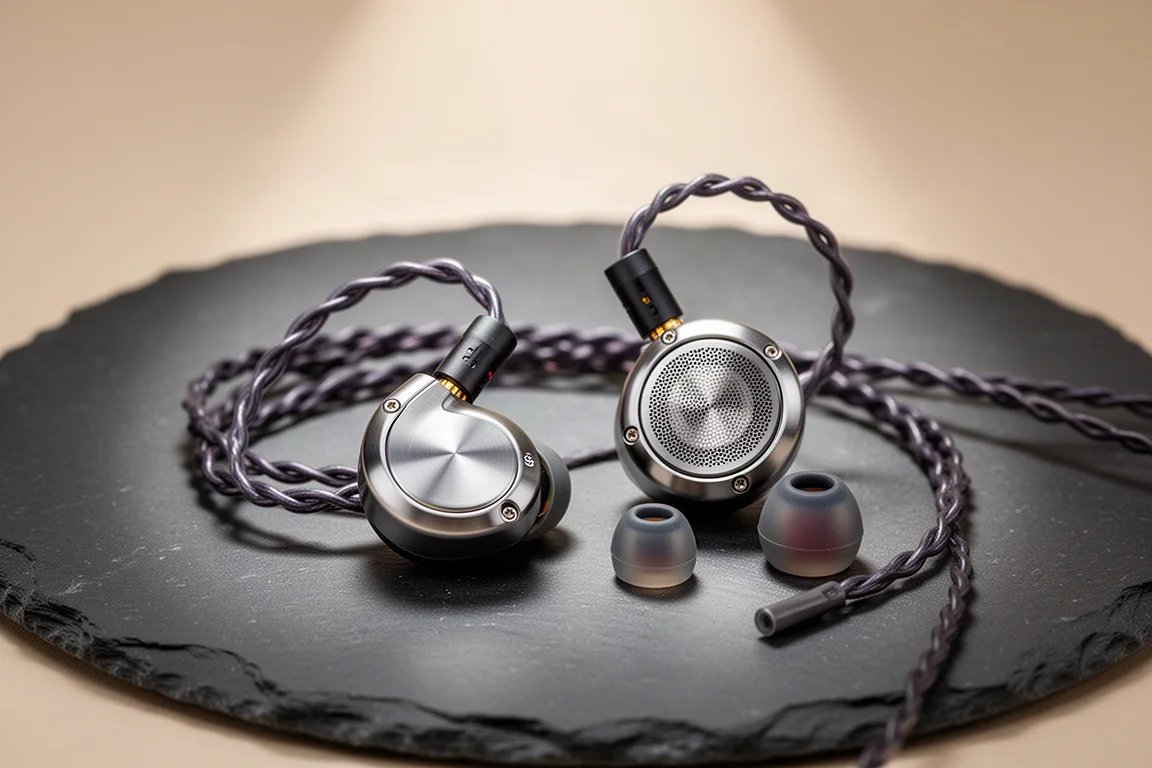
The 7Hz Timeless is a planar magnetic in-ear monitor, and it is spectacular. The clarity, the dynamics, and the way it pulls you into a recording are hard to match at the price, and arguably hard to match at any price.
It sits around $200 and is worth every penny. The one caveat is intensity. A spirited listening session that runs past two hours can be a lot to take in. It is not fatiguing in the usual sense, it is simply so engaging that a break becomes necessary.
Denafrips Ares II
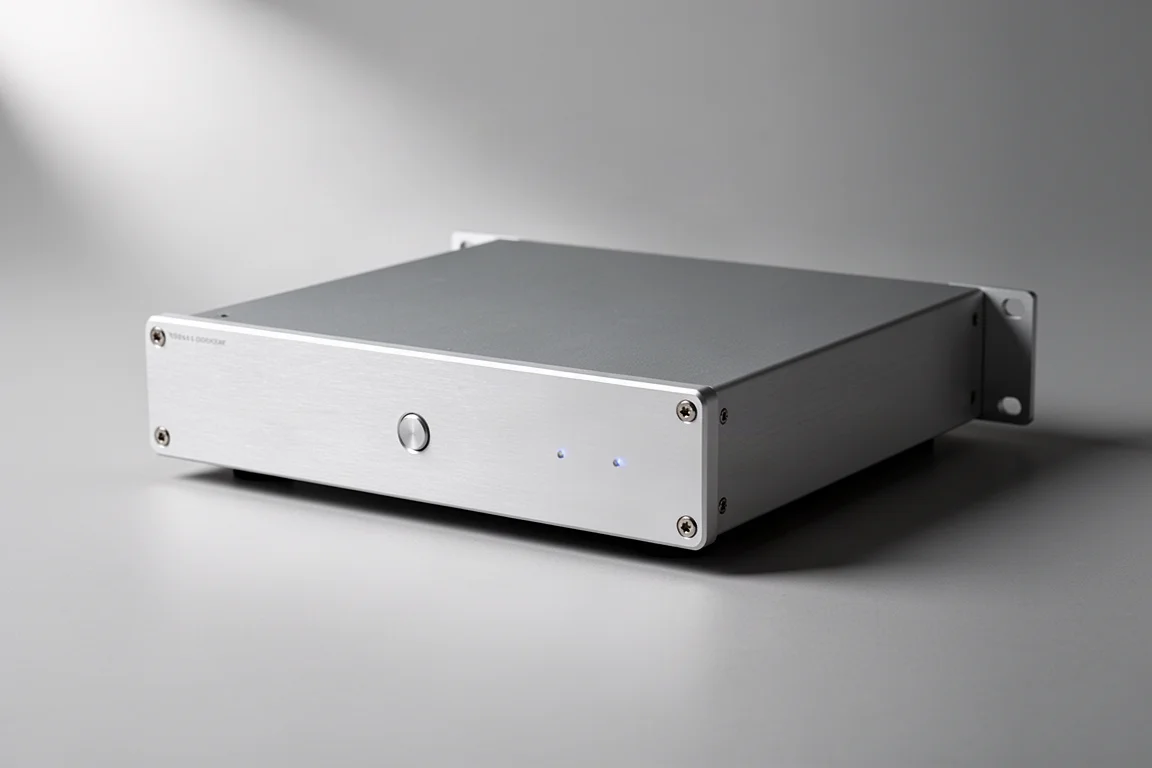
The Denafrips Ares II is an R2R DAC with a large toroidal transformer, and it sounds sweet, dynamic, and wide. Pricing lands around $850 to $900.
It is not missed, but only because the Geshelli Labs J2 covers similar ground for much less. Without the J2 in the house, letting this one go would have been a genuine loss.
Tekton Lore
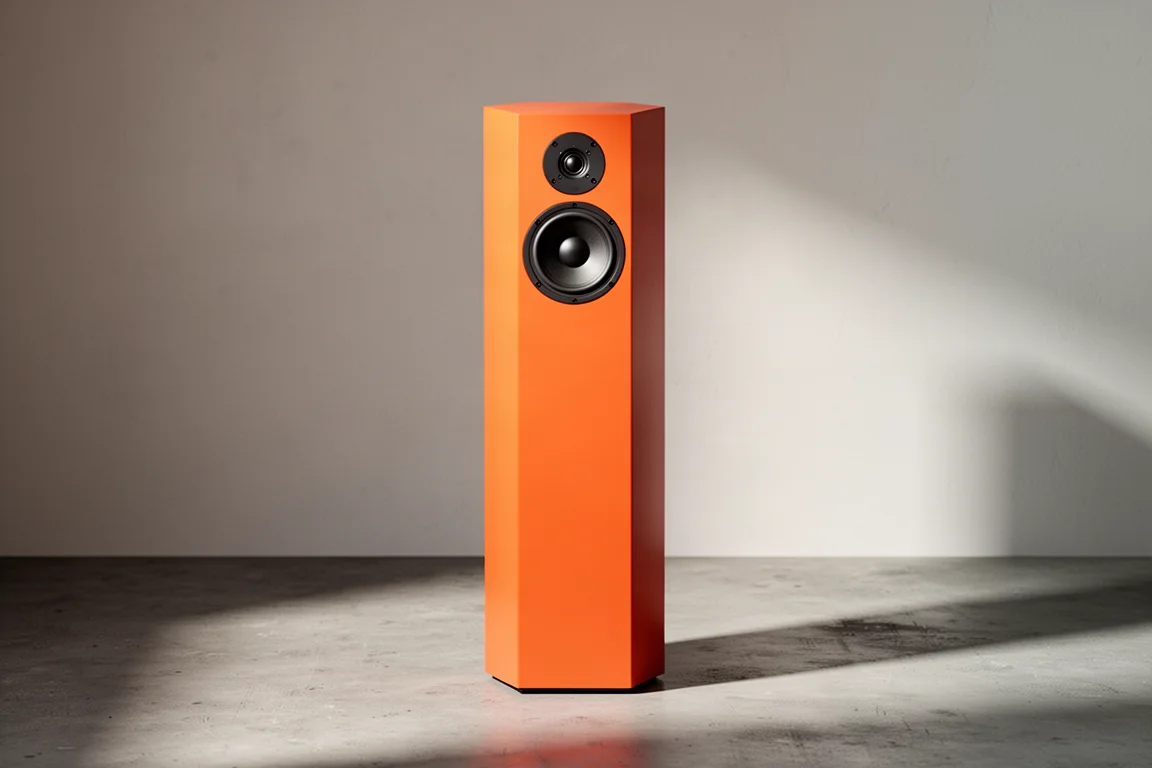
The Tekton Lore is a very efficient floorstanding speaker that sounds pretty good, and the early driver issues were resolved properly with replacement drivers. The problem was never performance.
It is simply enormous, and the finish was orange, a color chosen by the people who helped pick it. It did not do much for the room it lived in, and the listener who took it had an almost entirely orange listening room, which made it a perfect match. Letting it go was easy.
Focal Elegia
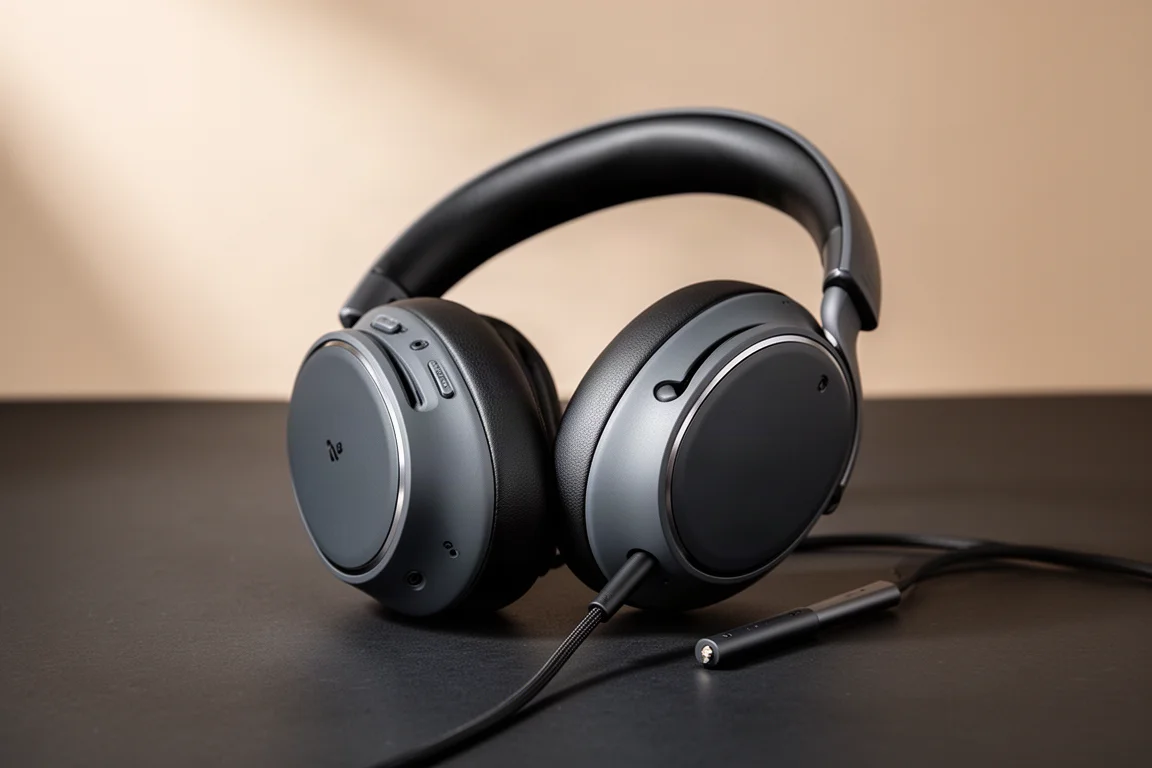
The Focal Elegia is a closed-back headphone from a French manufacturer. It offers a decent soundstage and a few nuances worth peeling back, and it handled movies and television better than music.
Value retention tells part of the story. It launched near $900, later dropped to $500, and is still available new for around $385. A headphone that good at its original price would not sit on shelves at $385 otherwise. It is gone, and it is not missed.
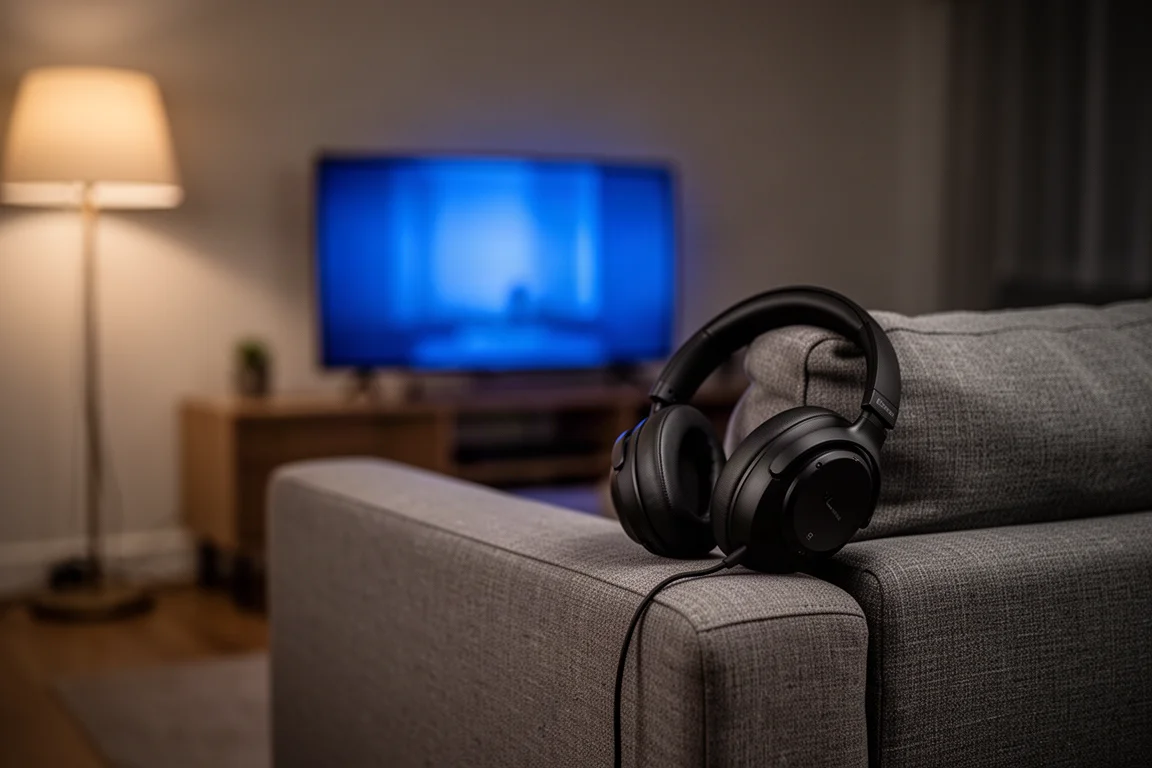
Closed-back headphones in this bracket are worth buying used rather than new if you are curious, since depreciation is steep and the second-hand market is where the value sits.
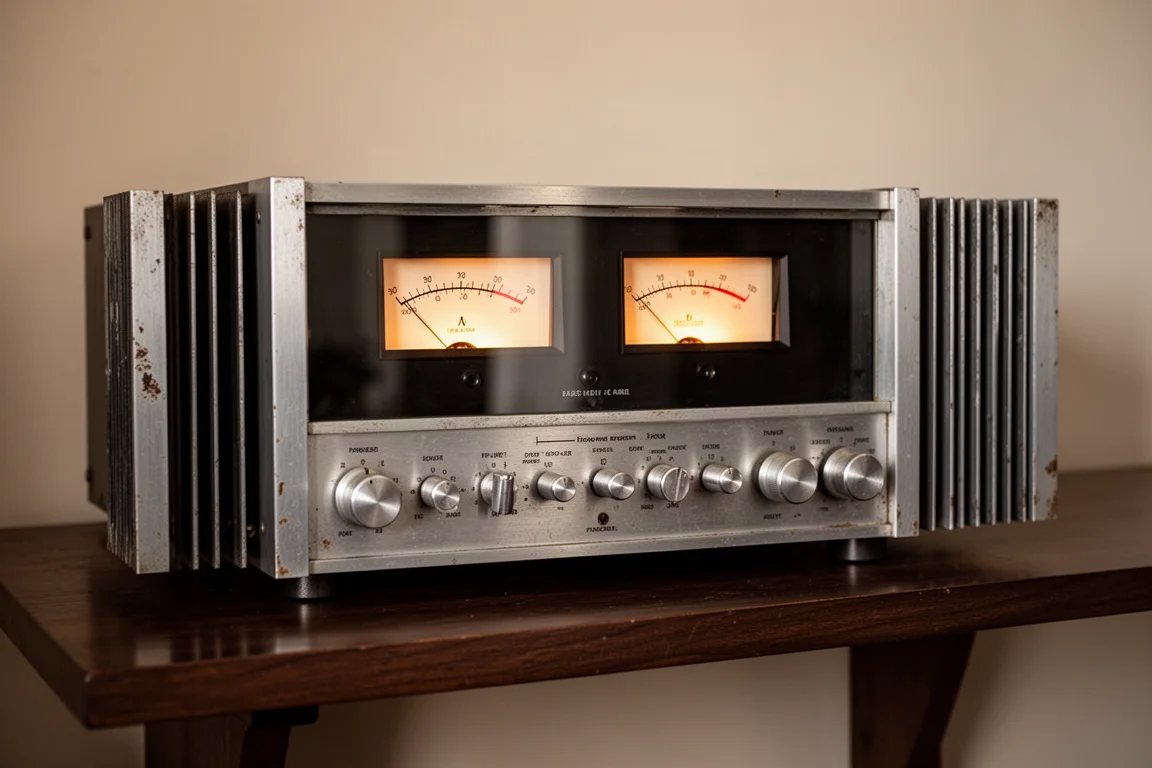
McIntosh 7270
The McIntosh 7270 power amplifier is one of the two best-preserved pieces of vintage gear in the collection, and it is also one of the most valuable. It is also 50-year-old electronics.
Even after servicing, vintage components tend to keep a few quirks: a hum, a hiss, a crackle. When everything cooperates it sounds excellent, and when it does not, that inconsistency is exactly what keeps it out of regular use.
McIntosh C15
The McIntosh C15 preamp sits in the same category. It is consistent as vintage gear goes, and it pairs naturally with the 7270.
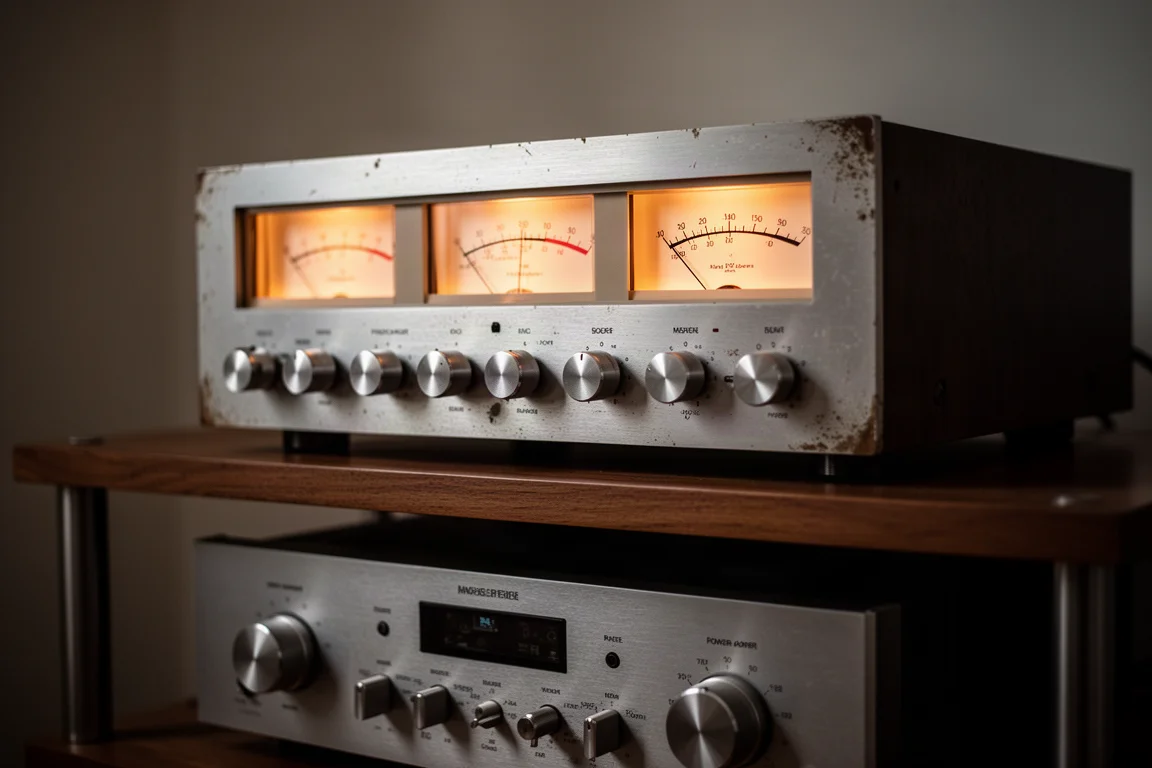
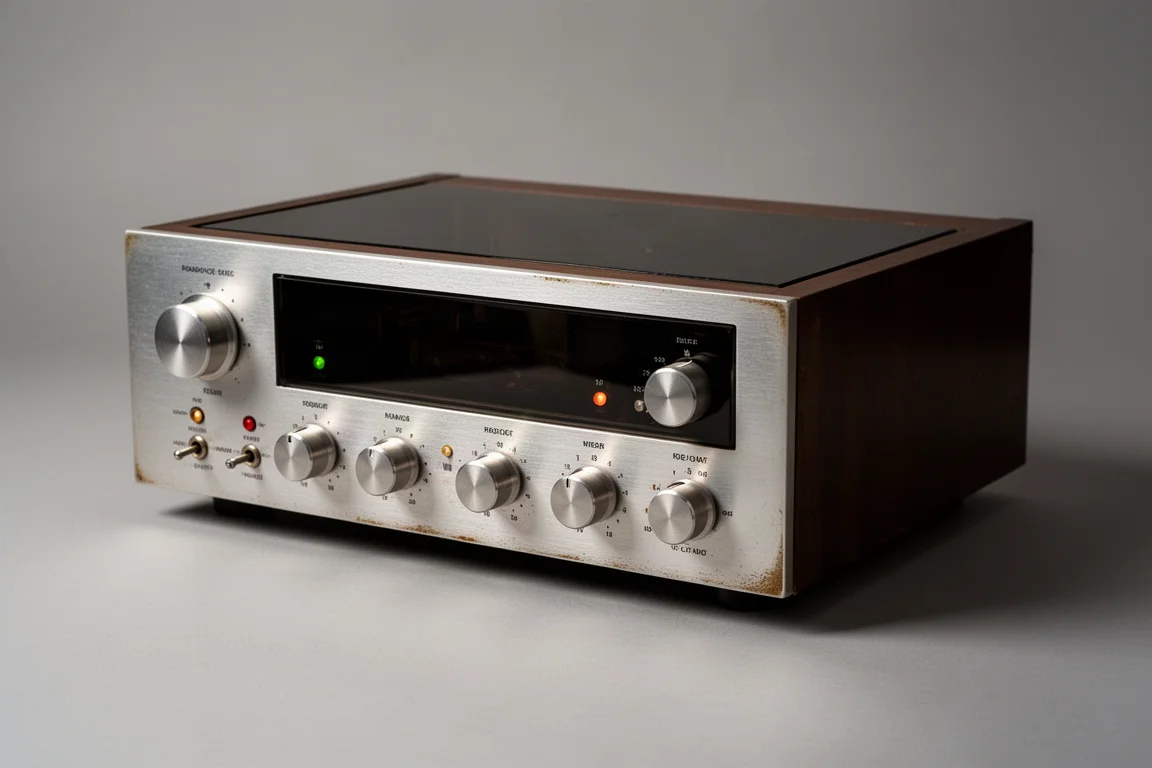
The honest conclusion is that vintage audio is more appealing in idea than in practice. When the goal is simply to listen for pleasure, a component that might distract you from the music is not the one you reach for first.
Buying Advice
A few practical points fall out of all this. Keep the components you actually use, not the ones you like the idea of owning. If you are shopping for used gear, closed-back headphones and budget DACs depreciate quickly, so the second-hand market is where the value sits. Vintage amplifiers and preamps can be rewarding, but expect quirks even after servicing, and buy only if you enjoy the upkeep as much as the sound.
Speakers and in-ear monitors tend to hold their appeal longer when they match the room and the listening you actually do. A compact bookshelf speaker with a strong tweeter and a planar magnetic in-ear monitor at around $200 can carry a system for years, while a very large speaker in the wrong room tends to become furniture.
Conclusion
Ten components, ten different verdicts. The Emotiva B1+, the Schiit desktop stack, the Topping E50, the Geshelli Labs J2, and the 7Hz Timeless are the ones that would be welcome back without hesitation. The Denafrips Ares II, the Tekton Lore, and the Focal Elegia left for good reasons, and the McIntosh 7270 and C15 are a reminder that vintage gear is best loved with realistic expectations.
If there is a single takeaway, it is that the best component is the one you reach for without thinking about it.
Further reading
Related Reviews
Hi-Fi Audio
Accuphase C-57 vs Allnic H-7000V: Two High-End Phono Stages Compared
A fully balanced solid-state phono stage with a pitch-black noise floor meets a tube design built for well-loved records. Here is how to choose between them.
Hi-Fi Audio
Active vs Passive Hi-Fi: Five Components for a Modern System
Five components that define modern active and passive hi-fi systems, with the strengths, trade-offs and setup details worth weighing before you buy.
Hi-Fi Audio
Advance Paris A10 Apex Review: A Hybrid Integrated Amplifier That Covers a Lot of Ground
A French hybrid integrated amplifier with a class A tube preamp stage, analogue power meters, and an internal DAC and phono stage good enough to make extra boxes unnecessary.