Hi-Fi Audio
Hi-Fi Gear Worth Coming Back To: Seven Standouts From Budget Amps to Premium Turntables
A practical look at seven hi-fi components that hold their place over time, from budget class D amplifiers and affordable bookshelf speakers to a premium integrated amplifier and turntable.
Introduction
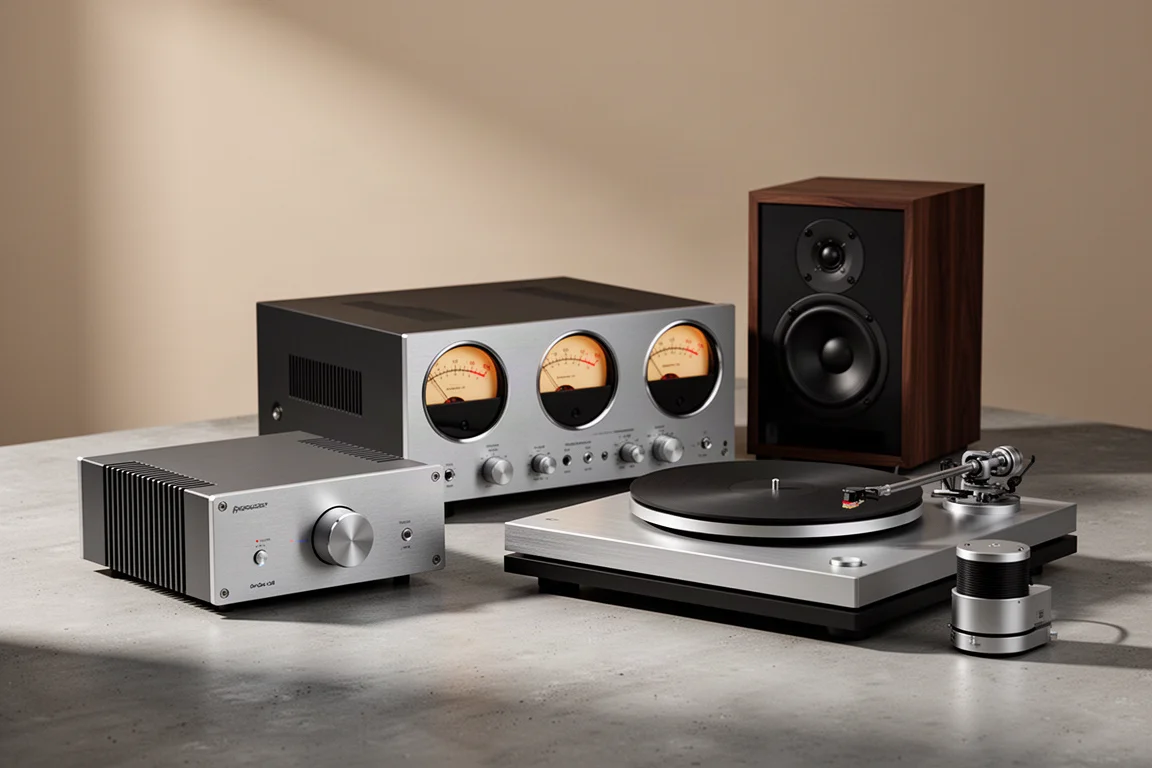
Some pieces of audio gear come and go, and a much smaller group refuses to leave the rack. The seven components below have each earned a long-term place in a system, and they cover a wide spread of budgets, from an inexpensive class D amplifier to a premium turntable.
They also share a useful quality: none of them need an exotic setup to make sense. You can start with one and build around it as your budget allows.
What These Products Have in Common
A single amplifier chipset from Texas Instruments, the TPA3255, runs through several of these picks. Amplifiers built around it were the first inexpensive class D designs that sounded natural rather than harsh at the top end, and they paired that with genuinely usable power and the option to raise output by using a more capable power supply.
Many of them also accept swappable op-amps, so owners can adjust the tonal character in a way that is a little like tube rolling. It is an inexpensive form of tuning that keeps these amplifiers interesting long after the purchase.
The other recurring theme is value that survives close inspection. At moderate listening levels, around 88 dB and below, most listeners would struggle to tell a well-implemented budget class D amplifier apart from a far more expensive class AB design in a blind comparison.
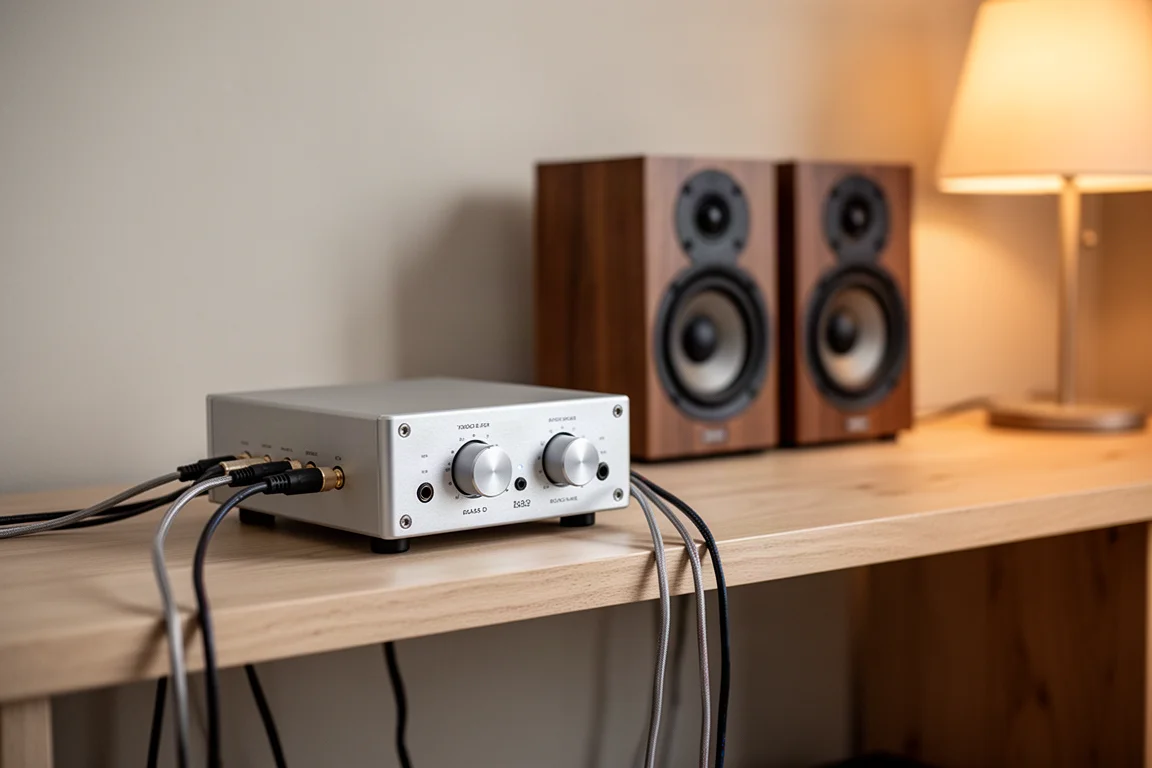
A useful test for any component is whether it stays in the system once the novelty wears off. Everything here passed that test, and more than one of these products was bought outright rather than returned after a trial period.
Fosi Audio V3 as a First Serious Amplifier
The V3 is one of the clearest entry points into the TPA3255 family and into serious two-channel audio more broadly. It keeps a natural tonal balance, avoids the brittle top end that made early budget class D designs hard to recommend, and offers enough usable power for real speakers in real rooms.
Cooling has improved across this generation of amplifiers, which matters when you run one for hours at a time. The swappable op-amp design also leaves room to experiment later without replacing the amplifier itself.
Fosi Audio ZA3 for More Power and Better Cooling
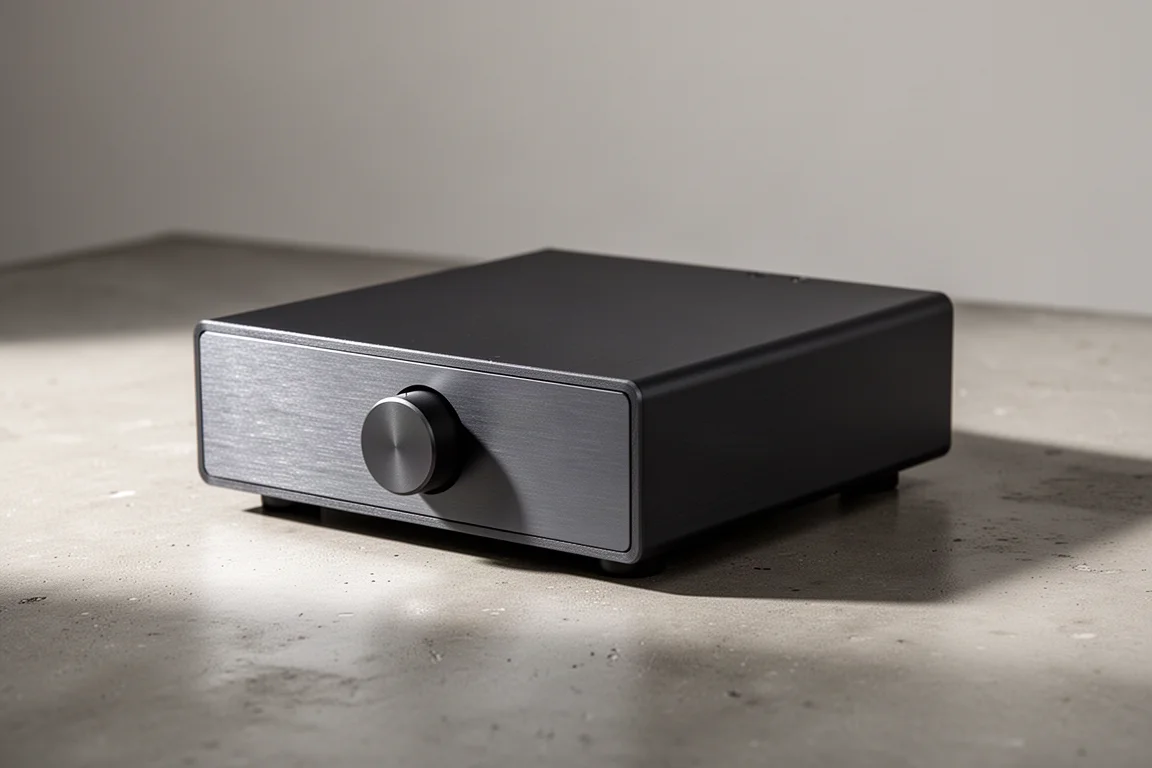
Where the V3 is the entry point, the ZA3 is the version for listeners who want more headroom. It is one of the amplifiers in this family that stands out for usable power, and the improved cooling keeps it comfortable through longer sessions or with less efficient speakers.
That extra output is the main reason to step up. Both amplifiers share the same underlying character, so the decision comes down to how much power your speakers actually ask for.
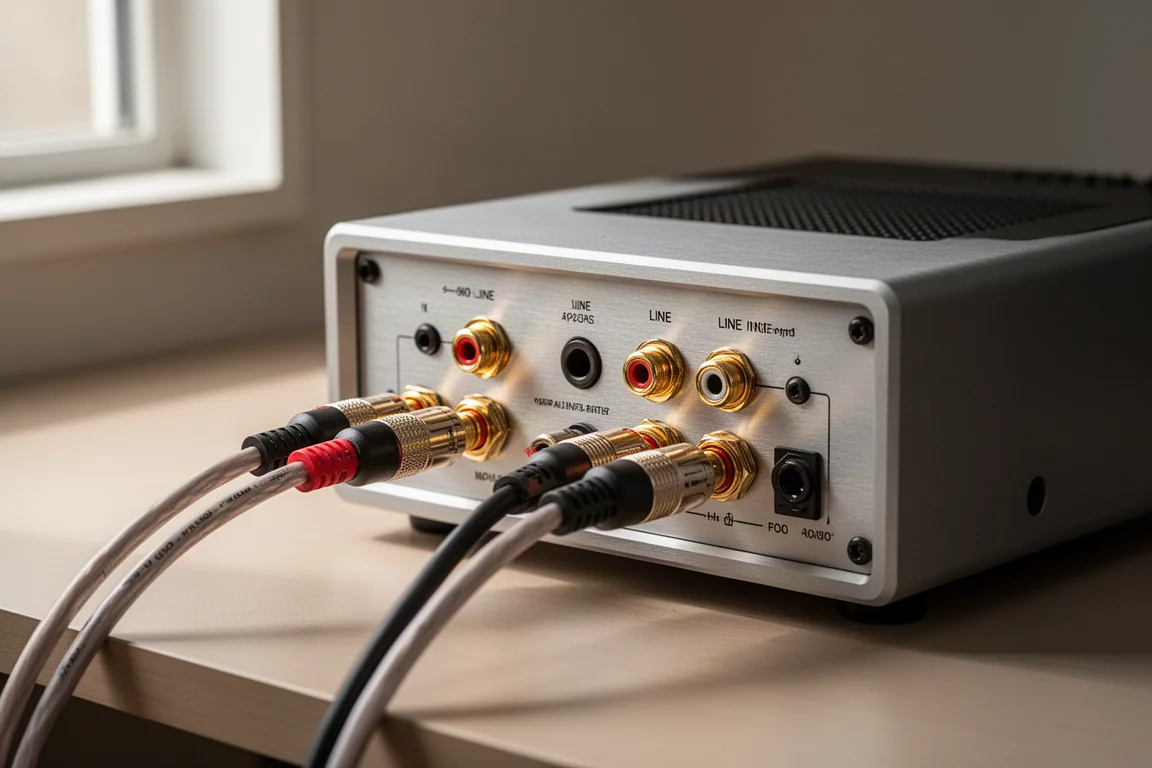
Pairing either amplifier with a stronger power supply is one of the least expensive ways to unlock additional output, and it is worth planning for from the start rather than treating it as an afterthought.
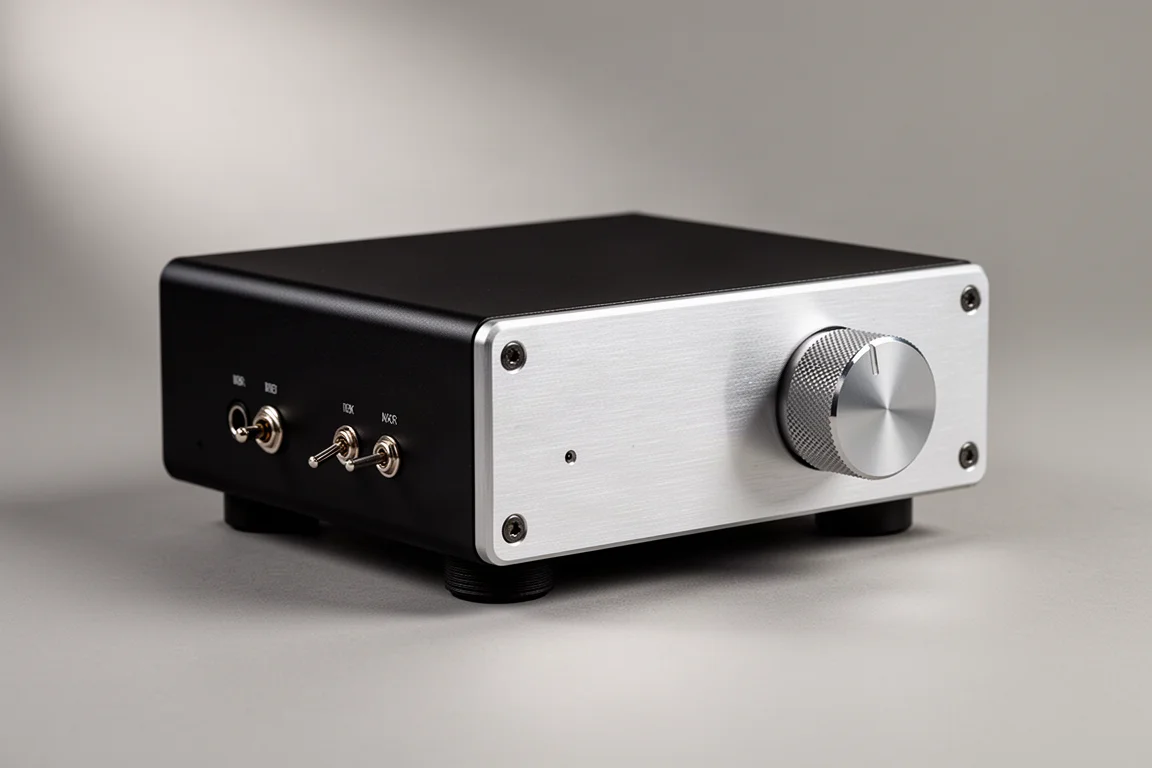
Sony SS-CS5 and the Case for Inexpensive Speakers That Scale
The SS-CS5 is the most affordable speaker in this group and also one of the most surprising. When it is discounted, which happens regularly during major sale events, it becomes very hard to argue with. It plays low and fast in the bass, keeps the midrange clean and clear, and adds air at the top end.
It is not neutral in every system. The upper midrange and treble can sound forward depending on what drives it. Inexpensive amplifiers without a TPA3255 chipset tend to exaggerate that quality, while higher-end electronics smooth it out. The speaker scales with the system in front of it, which is rare at this price.
Inside, the crossover is better than the price suggests, and the design is friendly to upgrades if you enjoy modifying your gear.
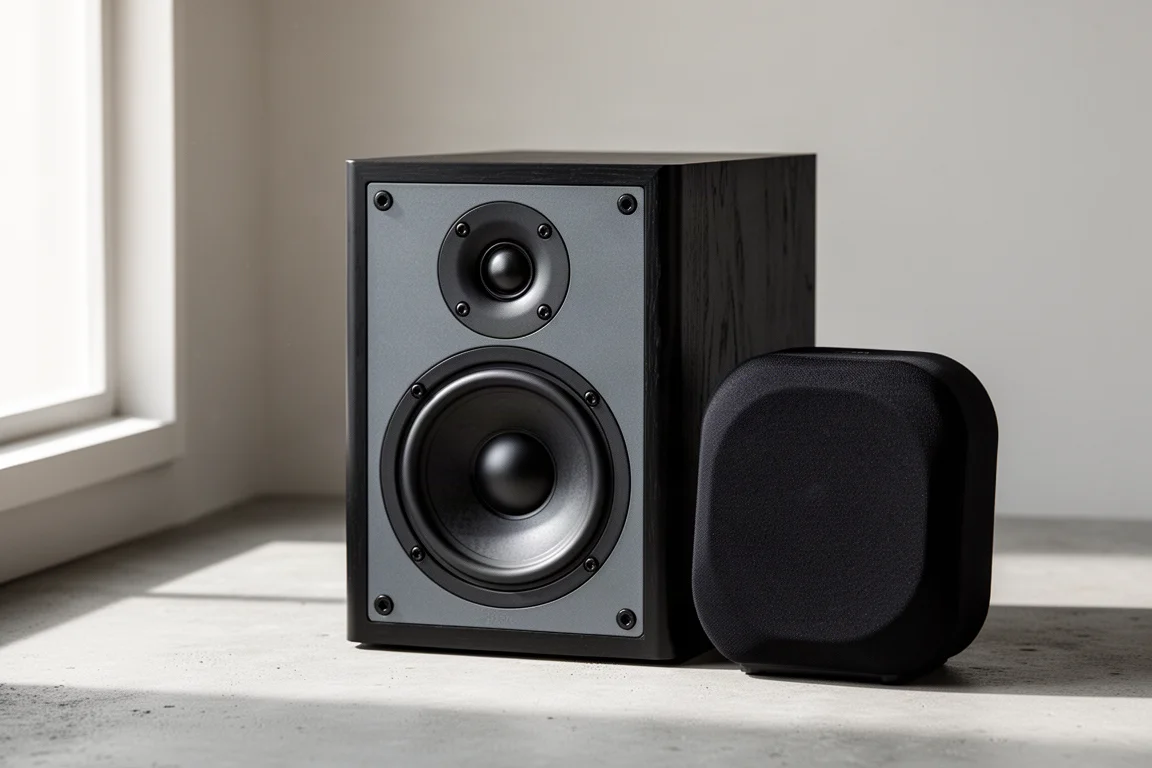
Schiit Magni and the End of Headphone Amp Shopping
Not every recommendation needs to be expensive. The Magni is a compact headphone amplifier that sells for roughly $110 to $120 and is made in the United States. Its appeal is that it removes a decision from your list. If you want a good headphone amplifier and would rather not spend weeks comparing options, this is the one to buy.
It is not the last word in headphone amplification, and it does not need to be. For most listeners it is simply enough.
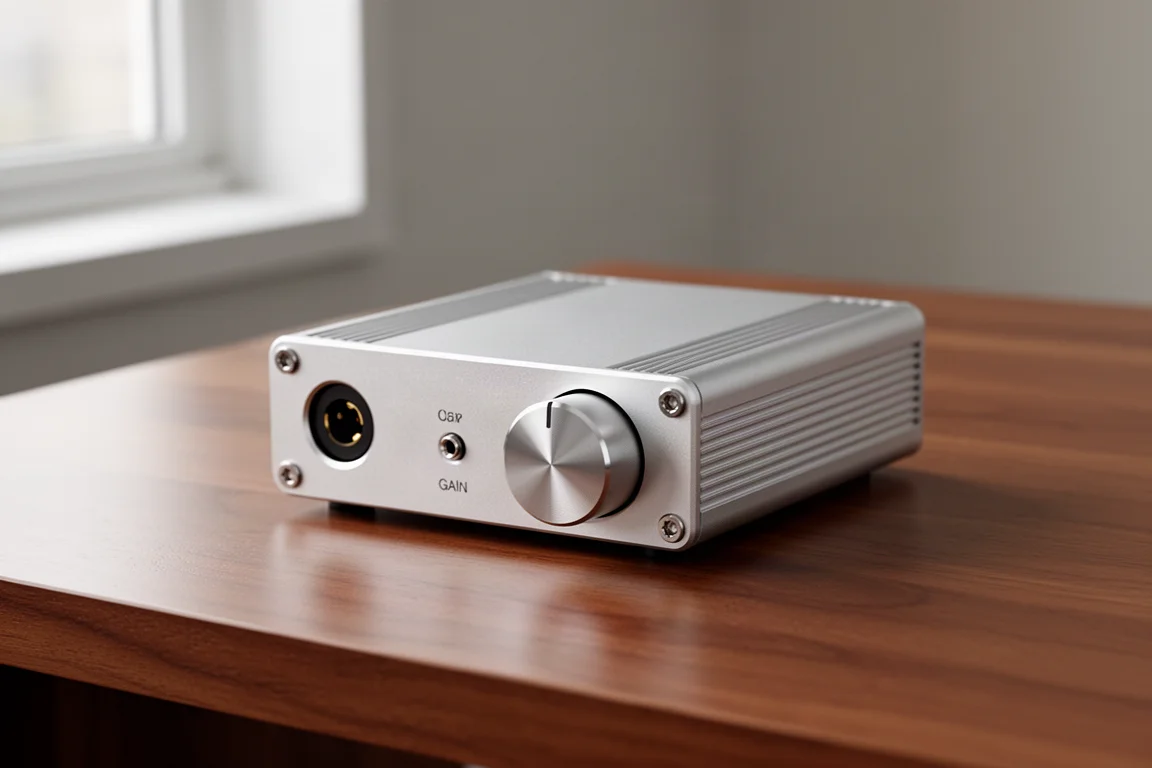
Geshelli Labs J2 and the DAC Sweet Spot
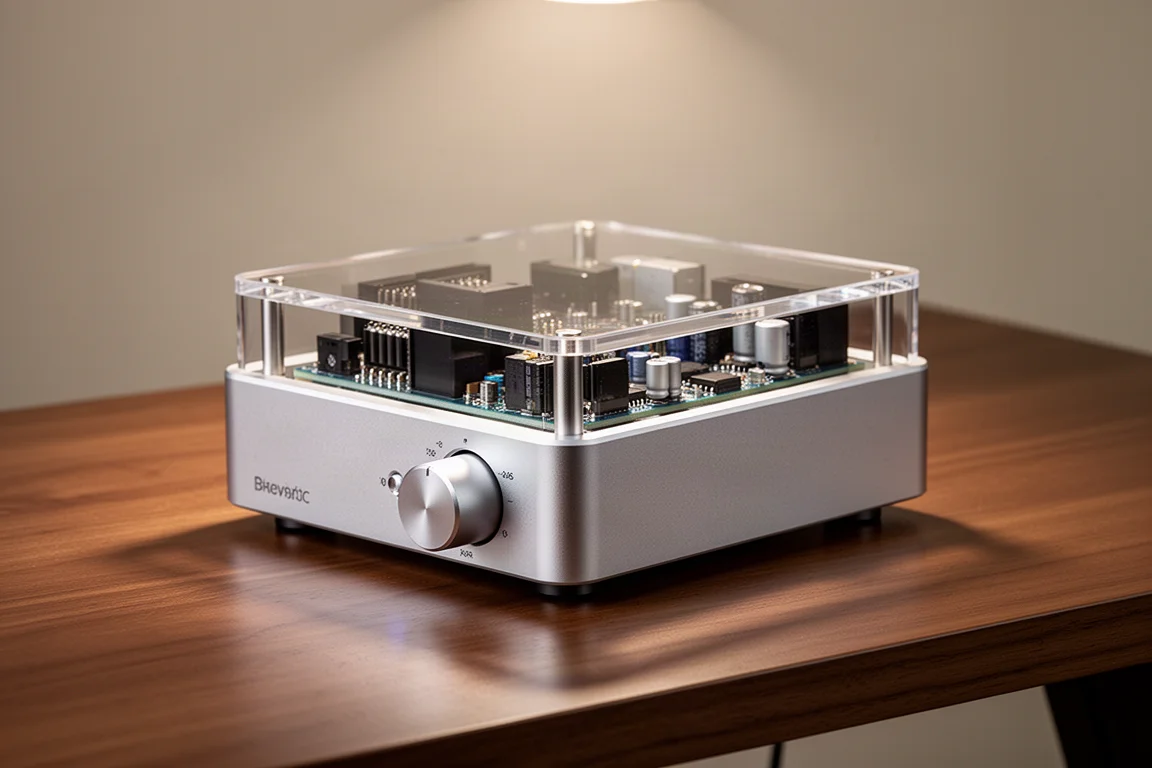
The J2 is a digital to analog converter that starts around $250, and it is the component here that most clearly outperforms its price. The AKM 4493 version stands out in particular at that price point, and the AKM 4499 version is available for listeners who want to go further.
The feature set is unusually flexible for the money. A socketed board option lets you change op-amps, the rear panel carries a generous set of connections, and USB is optional rather than mandatory. You can also choose a wood, aluminum, or acrylic case depending on the look you want.
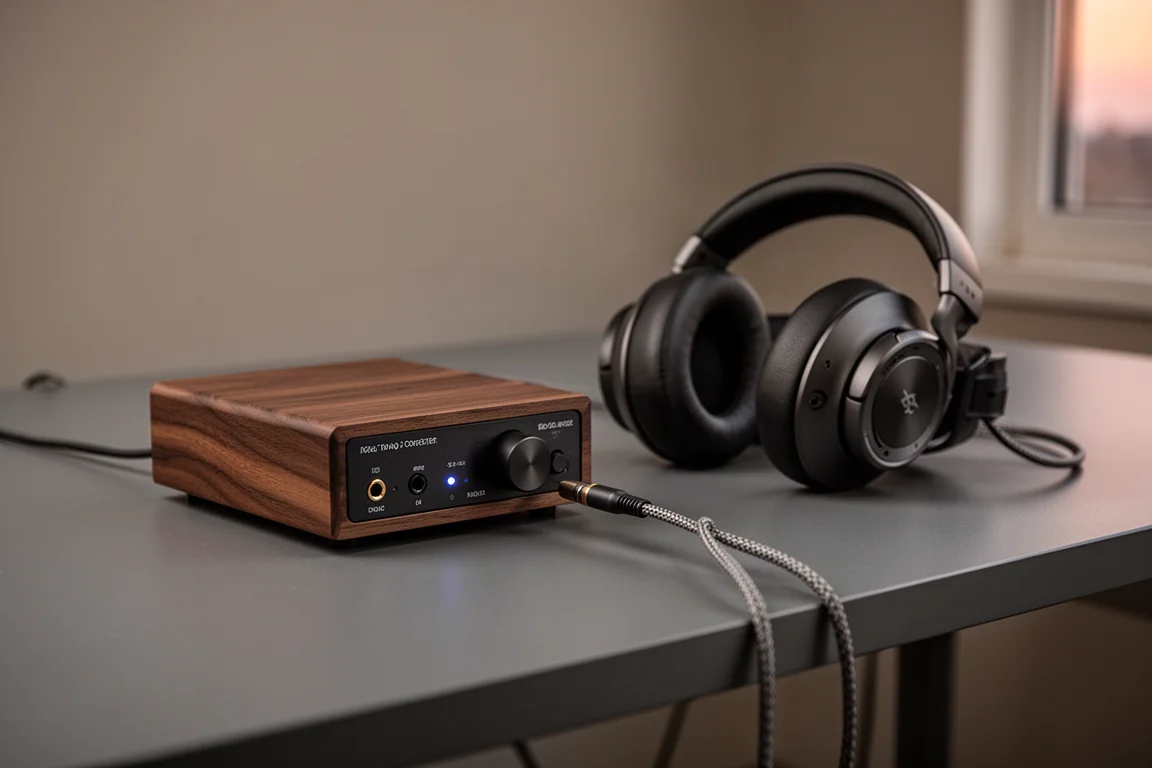
Geshelli Labs is a family-run company spanning three generations and building its products in the United States, with customer service to match. The company also offers a higher-tier converter that costs considerably more, but the J2 is the model that makes the strongest case on price.
Advance Paris A10 Classic and the Case for Beautiful Electronics
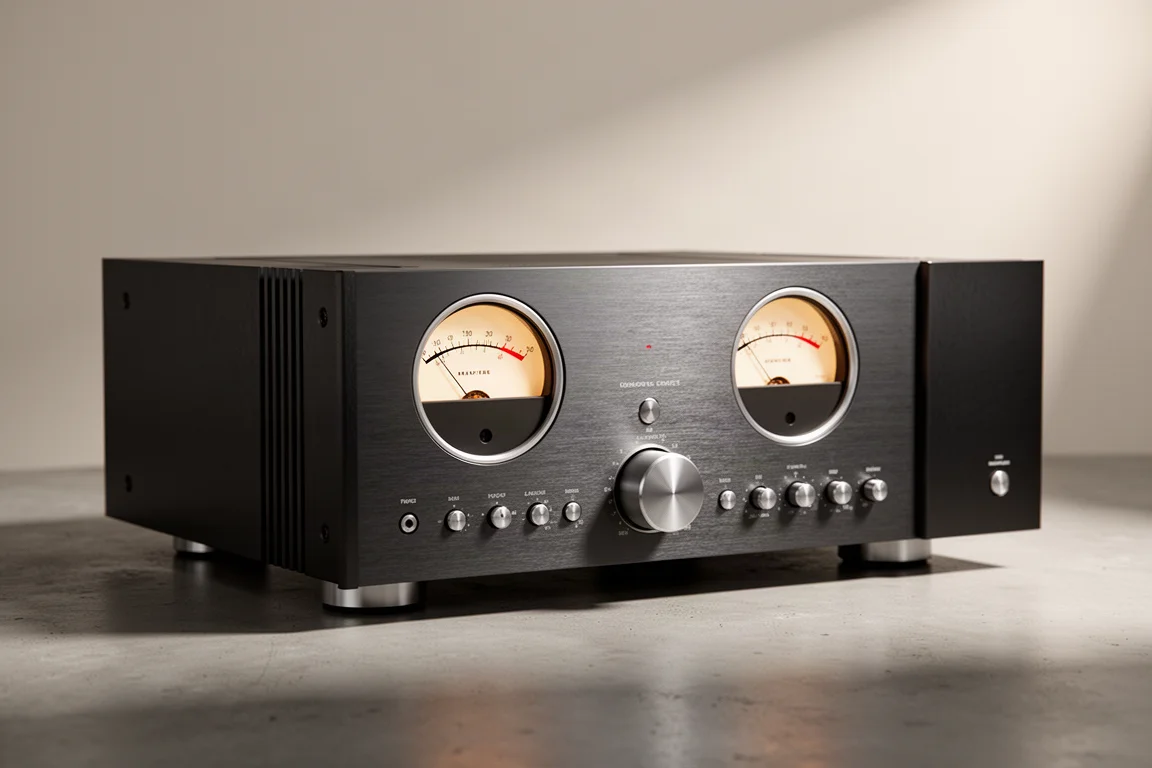
The A10 Classic is the most expensive amplifier in this group at $2,400, and it earns that price through a combination of flexibility and presence. The rear panel is unusually well stocked for an integrated amplifier, with HDMI inputs, subwoofer outputs, main in, preamp outputs, a phono stage, and digital inputs.
It also uses two tubes in a tube buffer and runs a class A bias, which gives it a character distinct from the class D amplifiers above. And it looks the part, with large VU meters across the front. The way a component looks genuinely affects how much you enjoy using it, and this one is built to be looked at.
Michell TecnoDec and the Value of Design
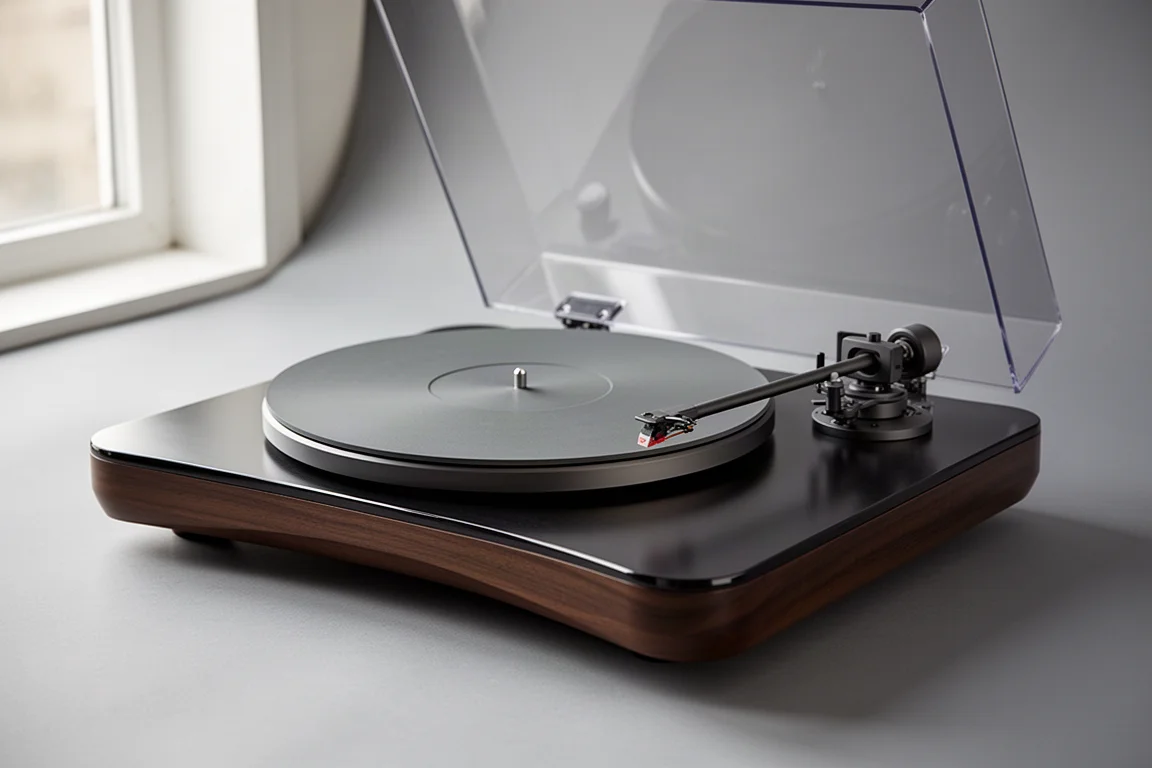
The TecnoDec is a turntable with a minimalist approach that sets it apart from nearly everything else in its class. The motor does not touch the plinth, and the overall design is unlike other tables you are likely to have owned. It is not a complete package, since a tonearm and cartridge are purchased separately, so the total cost runs higher than the deck alone suggests.
Michell is a family-run company now in its third generation, which adds to the appeal for buyers who care about who builds their equipment. The TecnoDec is the model here that proves strong industrial design is not a luxury extra.
How to Choose Which Upgrade Comes First
Start with the component that is limiting your system. If your speakers are the weakest link, the SS-CS5 is the least expensive way to make a meaningful change, and it keeps improving as the electronics behind it get better. If you already have speakers you like and listen at moderate levels, an amplifier from the TPA3255 family is the most cost-effective place to begin.
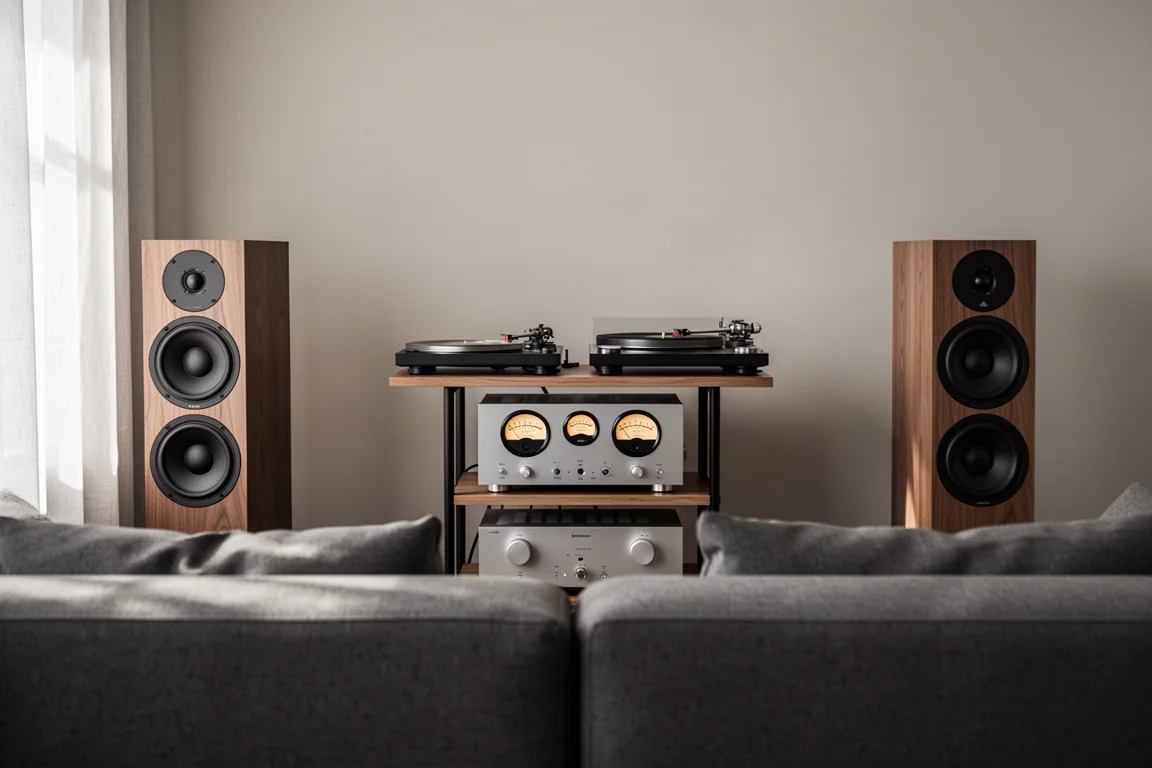
If your amplifier and speakers are already sorted, the next meaningful step is usually the source. A converter like the J2 or a headphone amplifier like the Magni can change how a system feels to use for a fraction of what a new amplifier costs. If your budget allows for a centerpiece, the A10 Classic and the TecnoDec are the two products here that alter the character of a room as much as the sound.
Conclusion
Seven components, seven different reasons to keep them. The budget class D amplifiers prove that inexpensive does not have to mean harsh, the Sony bookshelf speakers show how far an affordable pair can scale, and the Magni and the J2 remove entire categories of shopping decisions. At the other end, the A10 Classic and the TecnoDec show what happens when design and engineering are treated as equally important. Match the component to the gap in your system, and any one of these will hold its place for a long time.
Further reading
Related Reviews
Hi-Fi Audio
Accuphase C-57 vs Allnic H-7000V: Two High-End Phono Stages Compared
A fully balanced solid-state phono stage with a pitch-black noise floor meets a tube design built for well-loved records. Here is how to choose between them.
Hi-Fi Audio
Active vs Passive Hi-Fi: Five Components for a Modern System
Five components that define modern active and passive hi-fi systems, with the strengths, trade-offs and setup details worth weighing before you buy.
Hi-Fi Audio
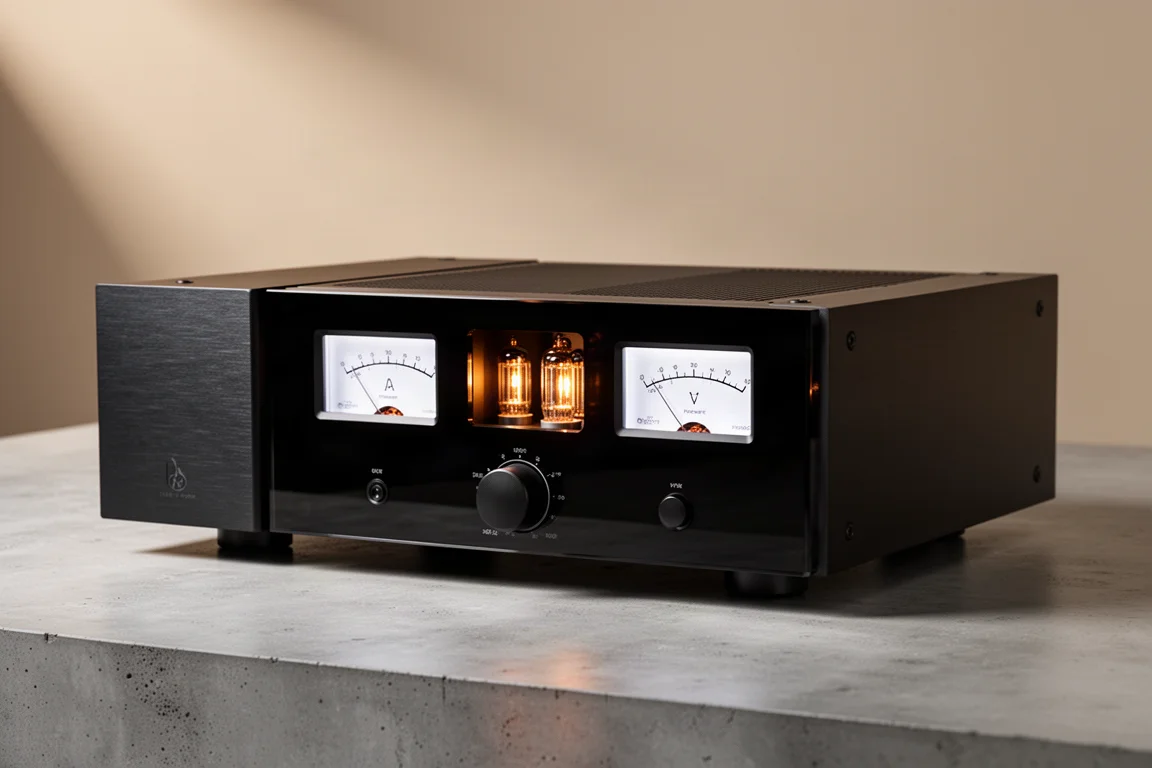
Advance Paris A10 Apex Review: A Hybrid Integrated Amplifier That Covers a Lot of Ground
A French hybrid integrated amplifier with a class A tube preamp stage, analogue power meters, and an internal DAC and phono stage good enough to make extra boxes unnecessary.