Hi-Fi Audio
Hi-Fi Gear Roundup 2026: Speakers, Amplifiers and Turntable Upgrades
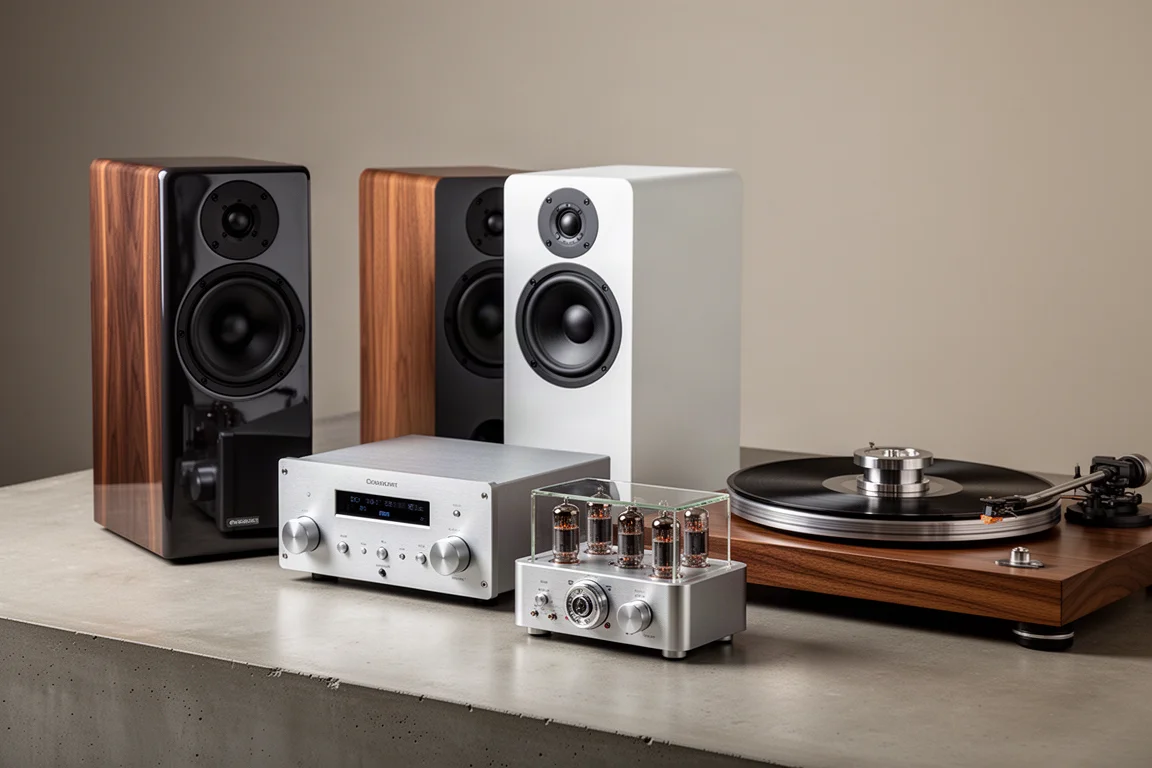
Eight pieces of hi-fi gear in one roundup: standmount speakers at two very different price points, a compact Class D amplifier, a tube headphone amp and a vinyl front end.
Introduction
Not every worthwhile upgrade comes from the same shelf. This roundup covers eight pieces of hi-fi gear that sit at very different points on the price and purpose spectrum: two standmount speakers, a compact Class D integrated amplifier, a tube headphone amplifier, and a complete vinyl front end built around a turntable, a phono stage and a record clamp.
Each product solves a different problem. Some are aimed at listeners assembling a first serious two-channel system, while others are for owners who already have a decent setup and want to refine one specific link in the chain.
What follows is what each piece is, who it tends to suit, and the trade-offs worth knowing before you commit.
PSB Synchrony B600
The PSB Synchrony B600 is a standmount speaker from a Canadian brand, finished in a high-gloss lacquer with silver accents around the cabinet edges and driver bezels. It is not an entry-level product. The cabinet work, the driver hardware and the general sense of mass all point to a serious two-channel system.
The most interesting design detail is the base. PSB worked with IsoAcoustics, so the isolation is built into the speaker rather than added later as an aftermarket accessory. That matters for anyone who has already spent time and money chasing decoupling pucks and isolation feet.
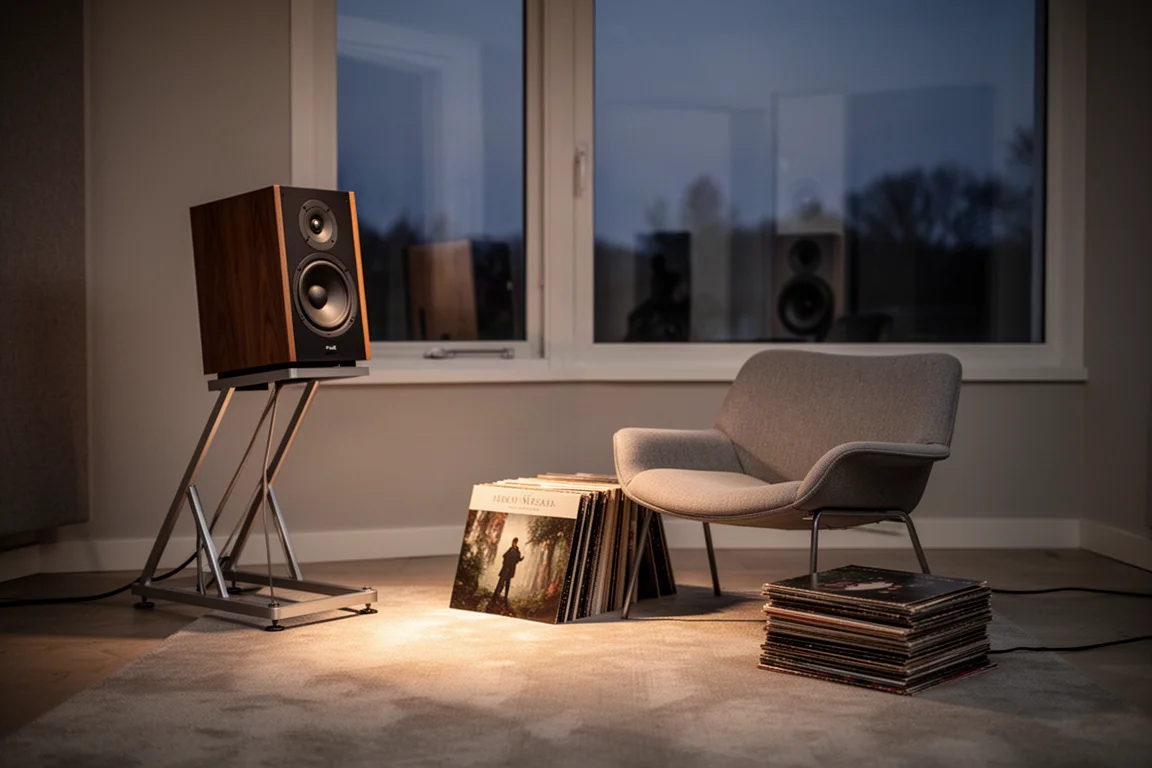
Measured under proper lab conditions, the B600 shows a flat, neutral response. In a normal room the story is more nuanced. Stand design, tilt angle and listening height all shift the tonal balance noticeably, which explains why some listeners hear it as warm and coloured rather than strictly reference-flat. A stand that does not tilt the cabinet back is often part of the explanation.
Sony SSCS5
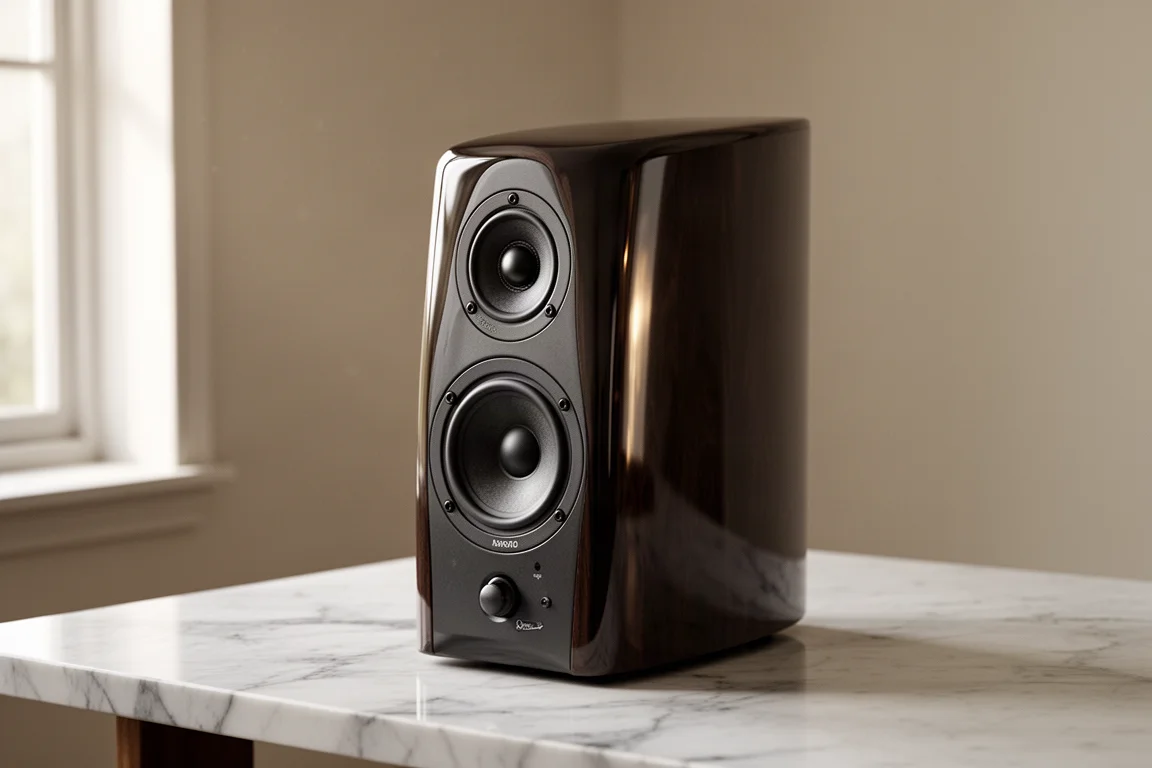
The Sony SSCS5 is the value proposition of the group. It is a compact three-way design built around a super tweeter, a dome tweeter and a mid-woofer, with a rear-firing port, a nominal six-ohm load and a 100-watt maximum power rating. The drivers are manufactured in Malaysia.
Its reputation rests almost entirely on price. It has sold around the 200 dollar mark and has occasionally been discounted far below that during promotions, which is where most of the enthusiasm comes from. At that money it does a great deal.
Build quality is the weak point. The cabinet and finish feel closer to a much cheaper speaker, the grille is not magnetic, and the surface can lift or scuff easily, including on units that are brand new out of the box. There is an active aftermarket for crossover upgrades, though those kits can cost more than the speaker itself, which is worth weighing carefully before you commit.
Buchardt S400 Mark II
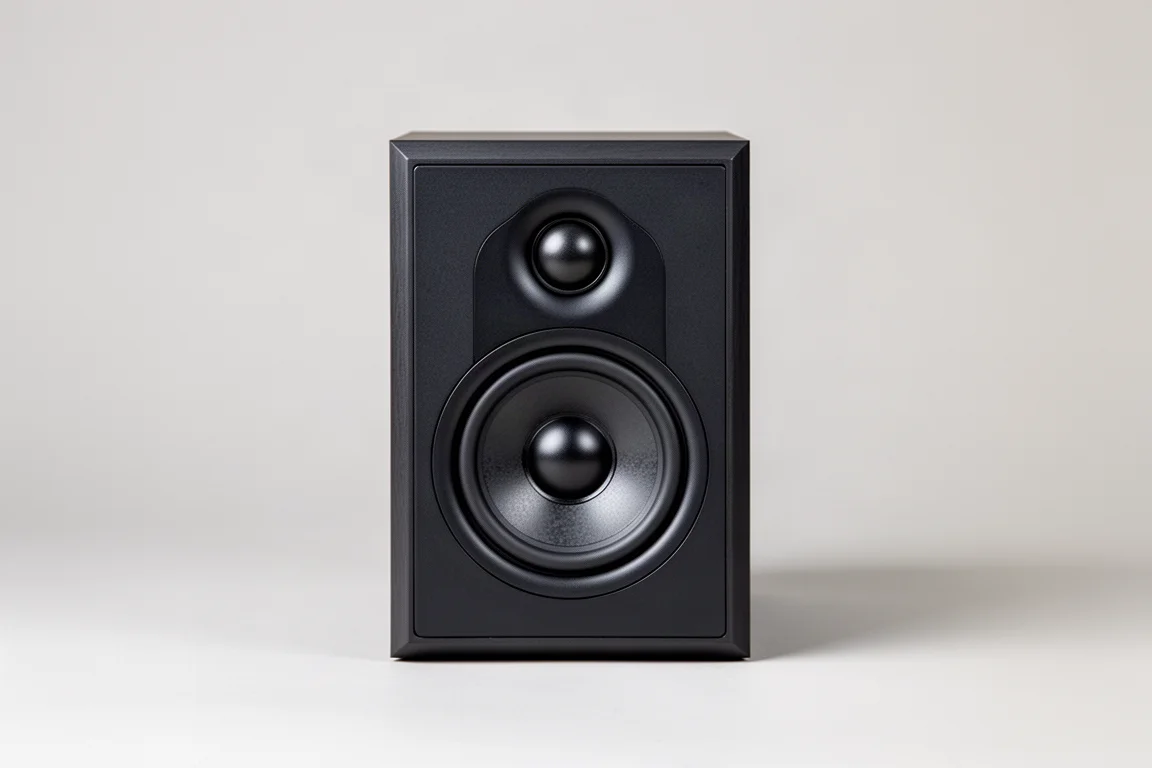
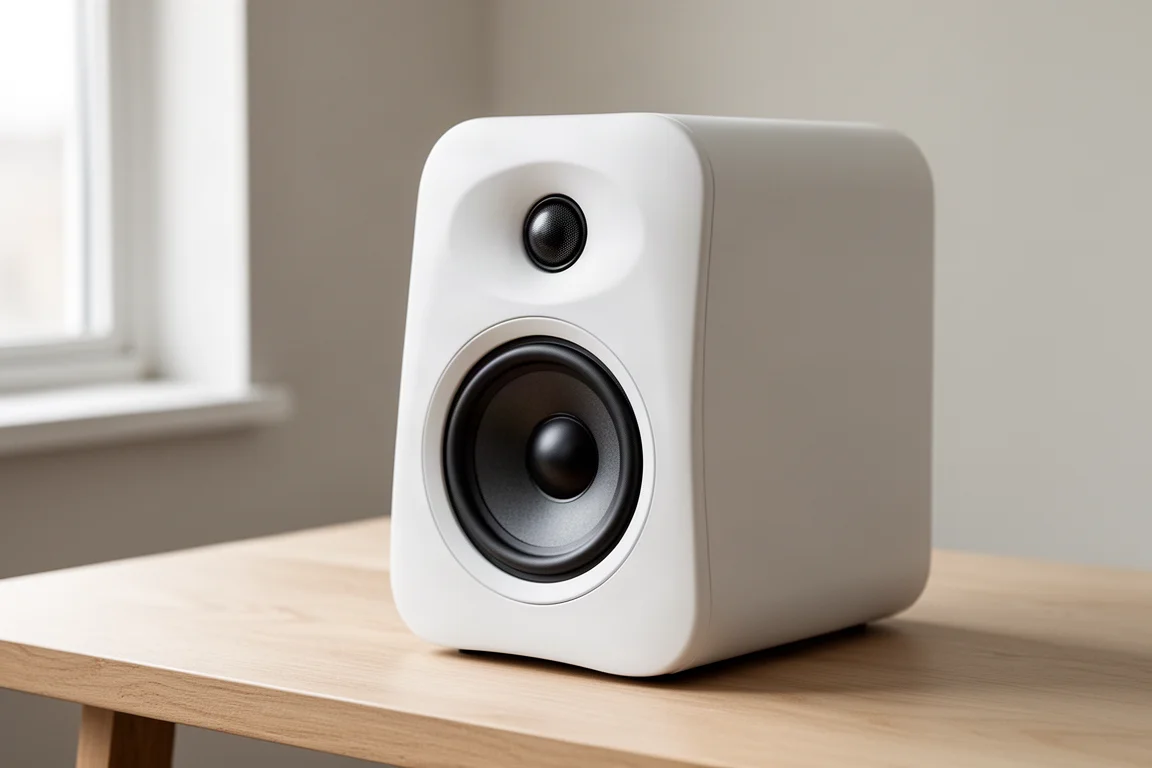
The Buchardt S400 Mark II is a follow-up to a speaker that earned its following for tuning rather than for measuring like a reference monitor. The Mark II keeps that character and changes the hardware underneath it.
Buchardt replaced the woofer, redesigned the cabinet and rebuilt the crossover with considerably higher-grade parts, to the point where the component quality is unusual even by high-end standards. A rear passive radiator handles the low end, and the cabinet is a subtly trapezoidal shape with a slanted baffle, beveled corners and the woofer positioned above the tweeter. The binding posts are the chunky, high-quality type usually reserved for much more expensive speakers.
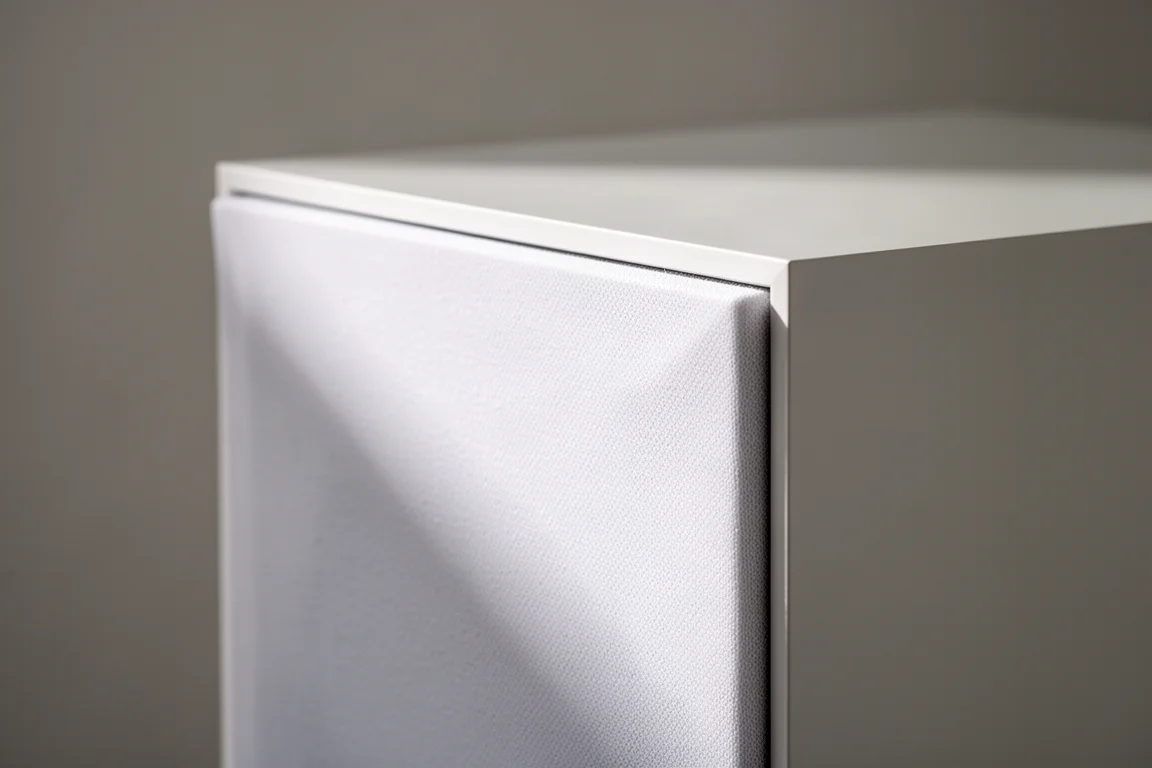
Two practical points stand out. First, the speaker is offered with a 45-day trial period, which makes it far easier to judge in your own room rather than in someone else’s. Second, a Special Edition with even higher-grade crossover components is planned for listeners who want the tightest tolerances available, and it is not expected to be priced like a flagship.
SMSL SA-400
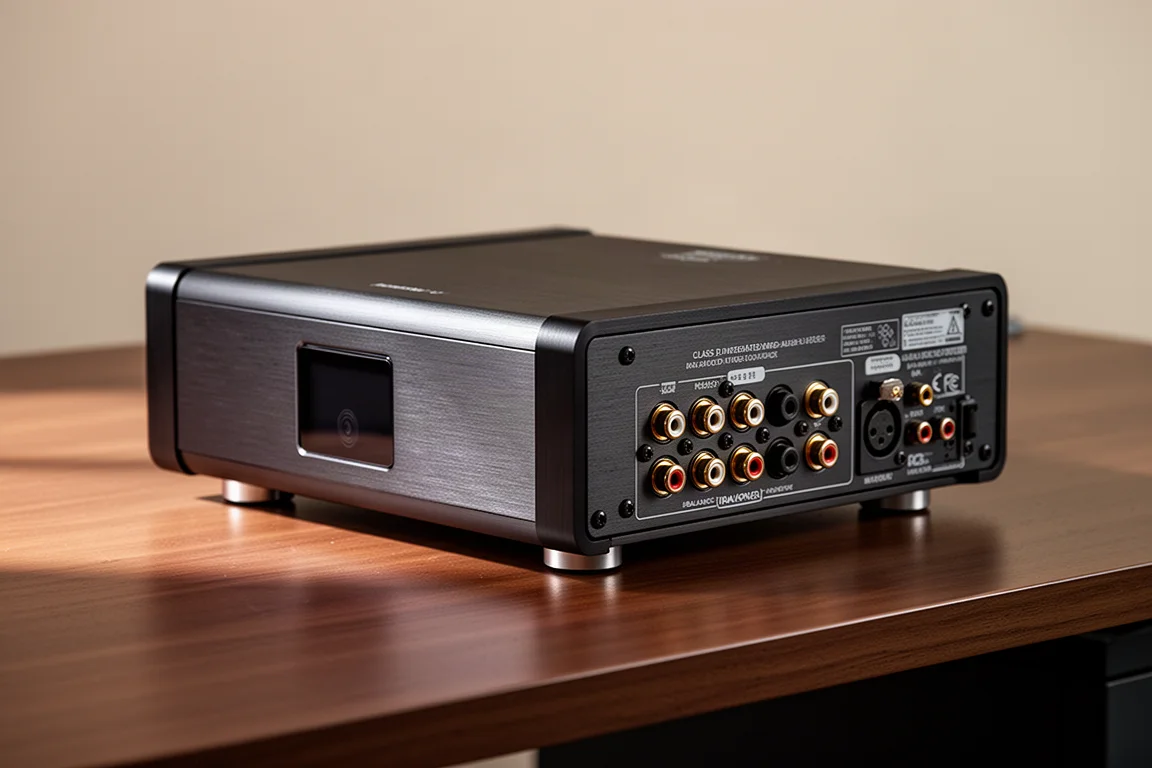
The SMSL SA-400 is a Class D integrated amplifier designed and manufactured in China, and it is the most affordable route into a separate amplifier in this group.
It is a compact unit, though noticeably heavier than the small desktop amplifiers SMSL is known for. Around the back you get XLR and RCA inputs plus a subwoofer output, which makes it straightforward to add a powered subwoofer later. Inside there is a small cooling fan, something worth remembering if your listening space collects dust.
The interesting omission is the DAC. The SA-400 accepts analogue sources only, yet it includes Bluetooth, so streaming arrives over a wireless link rather than a wired digital input. Plan your sources with that in mind.
Woo Audio WA7 Mark III Firefly
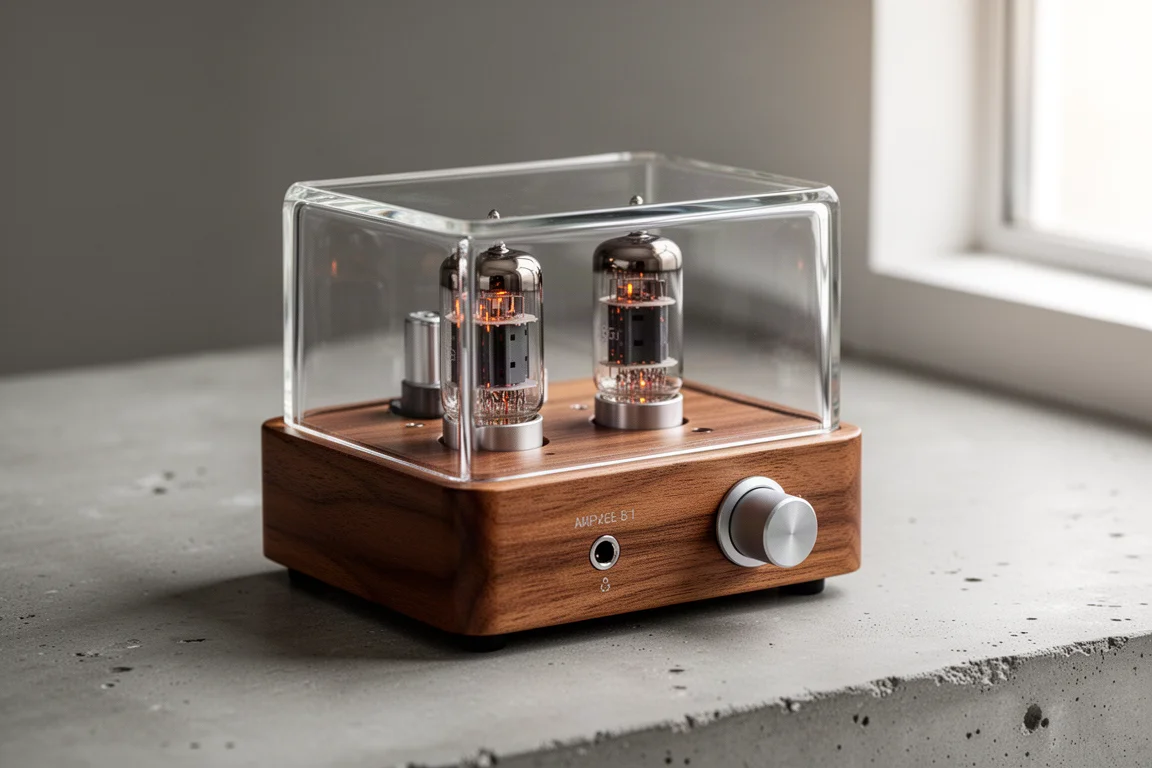
The Woo Audio WA7 Mark III Firefly is a tube headphone amplifier with a design that is genuinely unusual. The tubes sit in a wooden enclosure topped with a glass cover, and the amplifier is heavy enough that it stays planted on a desk.
It runs two tubes, supplied as NOS stock made in the USA, and the packaging is unusually careful, with the glass and the tubes protected in separate layers. This generation is not a replacement for the previous one. Both remain available as different choices for different listeners.
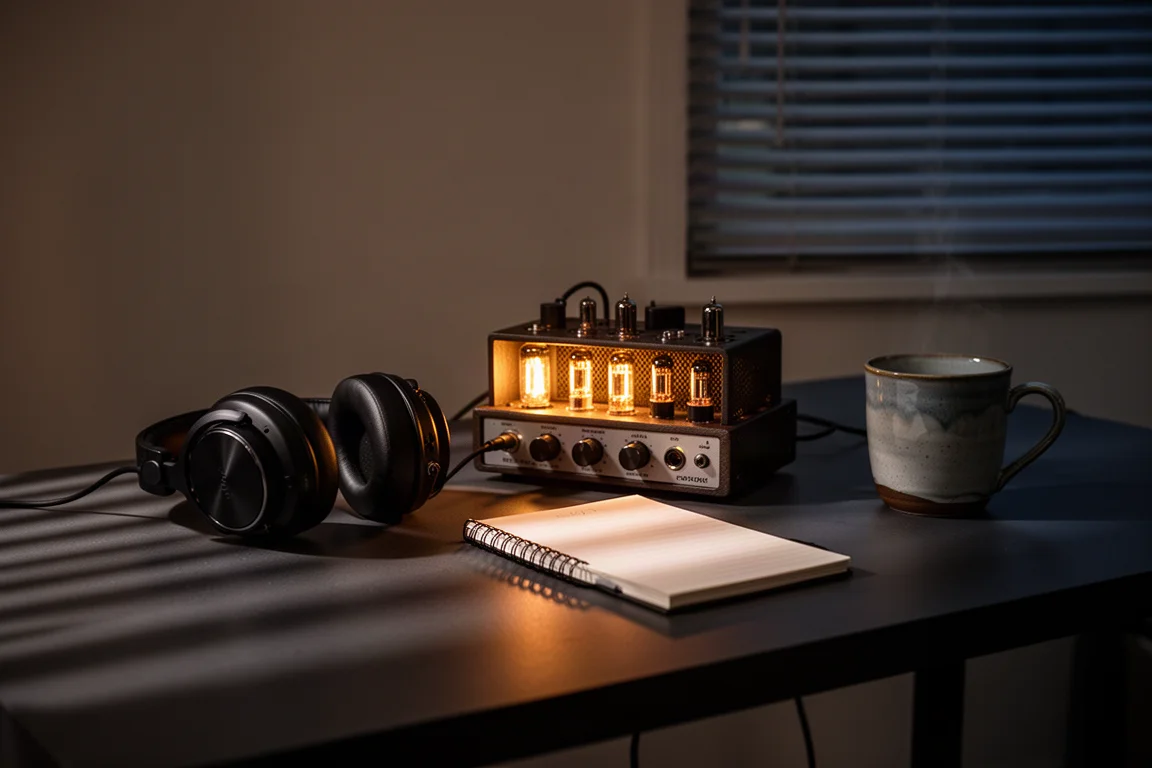
One detail to plan for: the balanced output is 4.4mm, so listeners with 4-pin XLR cables will want the XLR adapter, which is not included. The glass cover also sits slightly loose on the chassis, which is only a concern while moving the unit rather than while listening.
MoFi StudioDeck
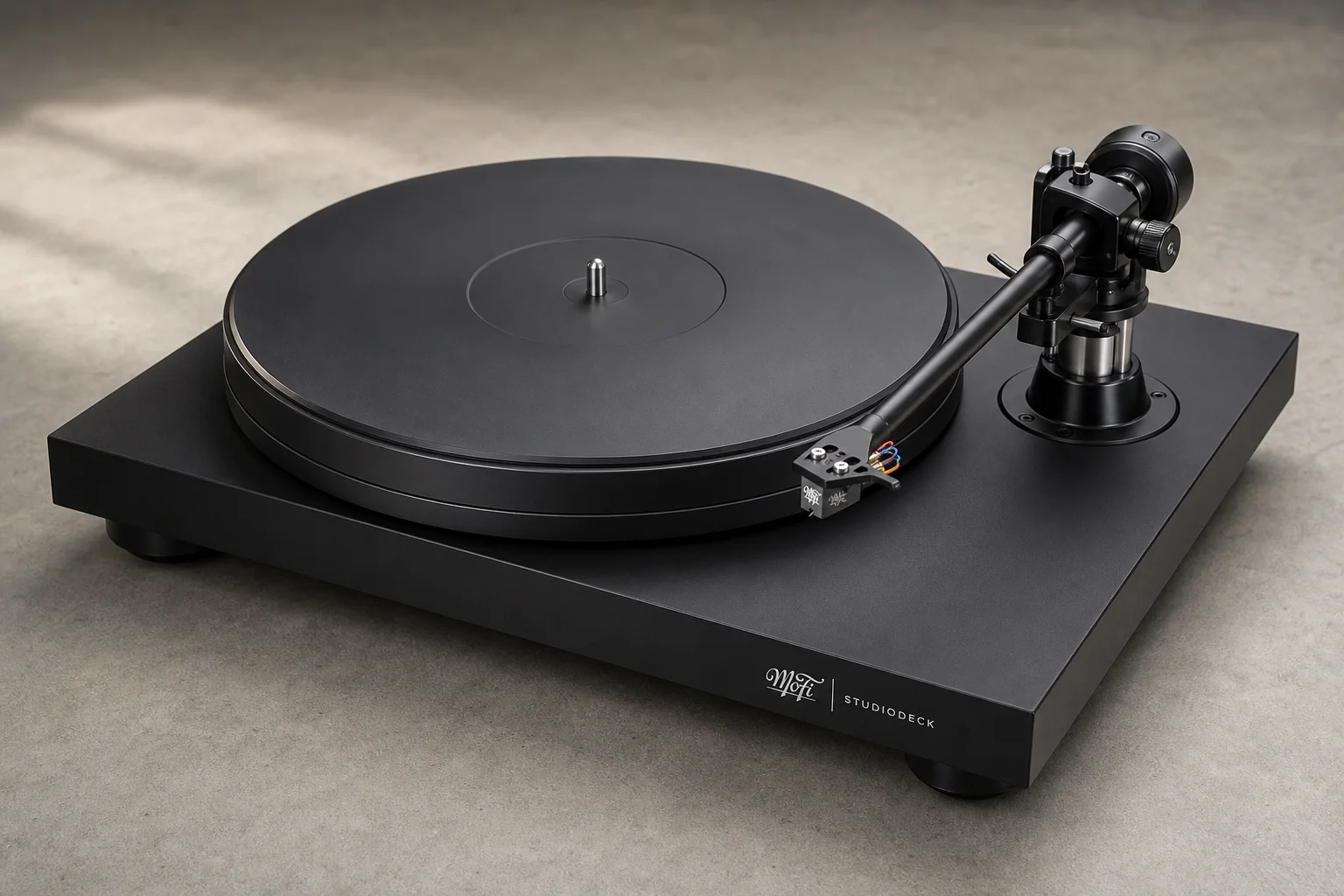
The MoFi StudioDeck is a turntable built by a company that also records and presses its own music, and that background shows in how the deck is put together. It arrives with a moving-magnet cartridge fitted, a screw-on counterweight that will not drift with movement, and a suspension designed to keep vibration away from the platter.
Setup is a process rather than a five-minute job. The counterweight has to be threaded on, the platter has to be seated, and cartridge alignment takes patience. In exchange, the deck provides a stable, well-isolated platform that is good enough to serve as a reference when trying other cartridges.
The one complaint is cosmetic. The acrylic cover has a smoky tint that looks plain next to the polished plinths and machined metal of more expensive decks. Functionally it is fine, but it is not a statement piece.
MoFi UltraPhono
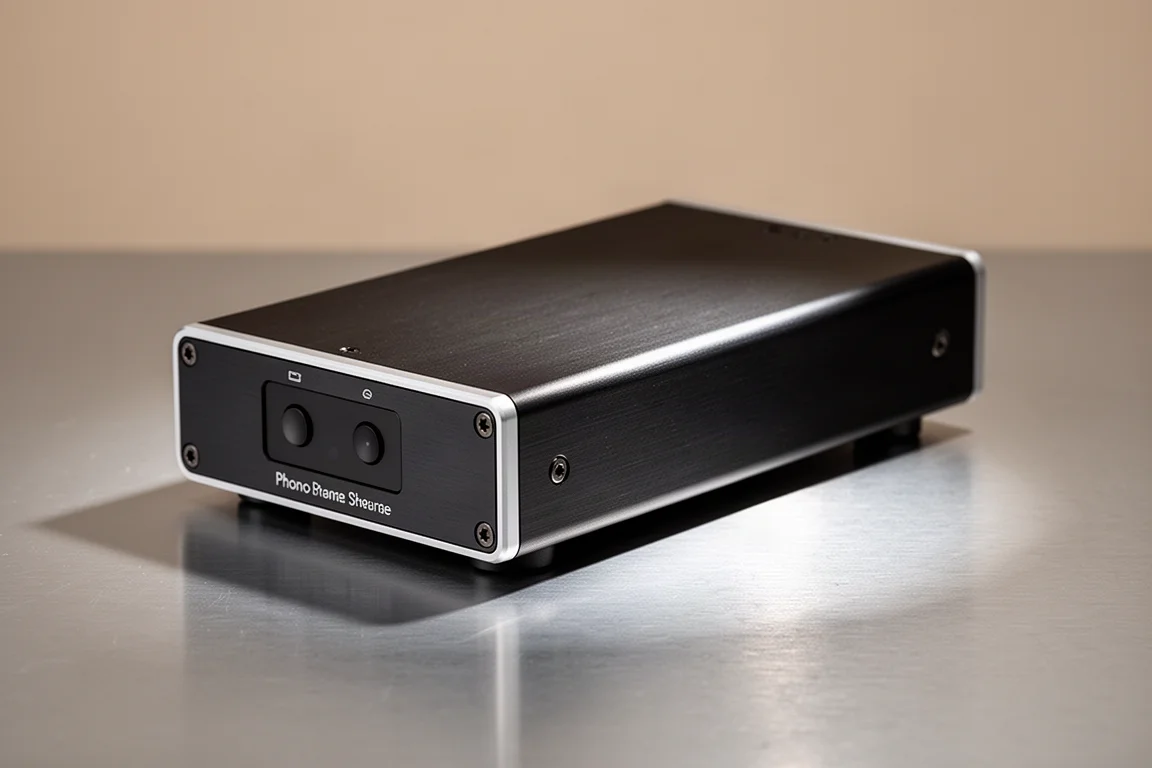
The MoFi UltraPhono is the phono stage in this system, and its main appeal is flexibility: it handles both moving-magnet and moving-coil cartridges, so a cartridge upgrade does not force a phono stage upgrade at the same time.
It is a compact, clean-looking unit that runs quietly. A mono switch makes it useful for checking stereo setups against mono recordings, and a subsonic filter is available for records with heavy surface noise, though it does soften the musical character of the sound. There is also an output level control, a headphone jack and DIP switches for configuration.
MoFi Super HeavyWeight Champion
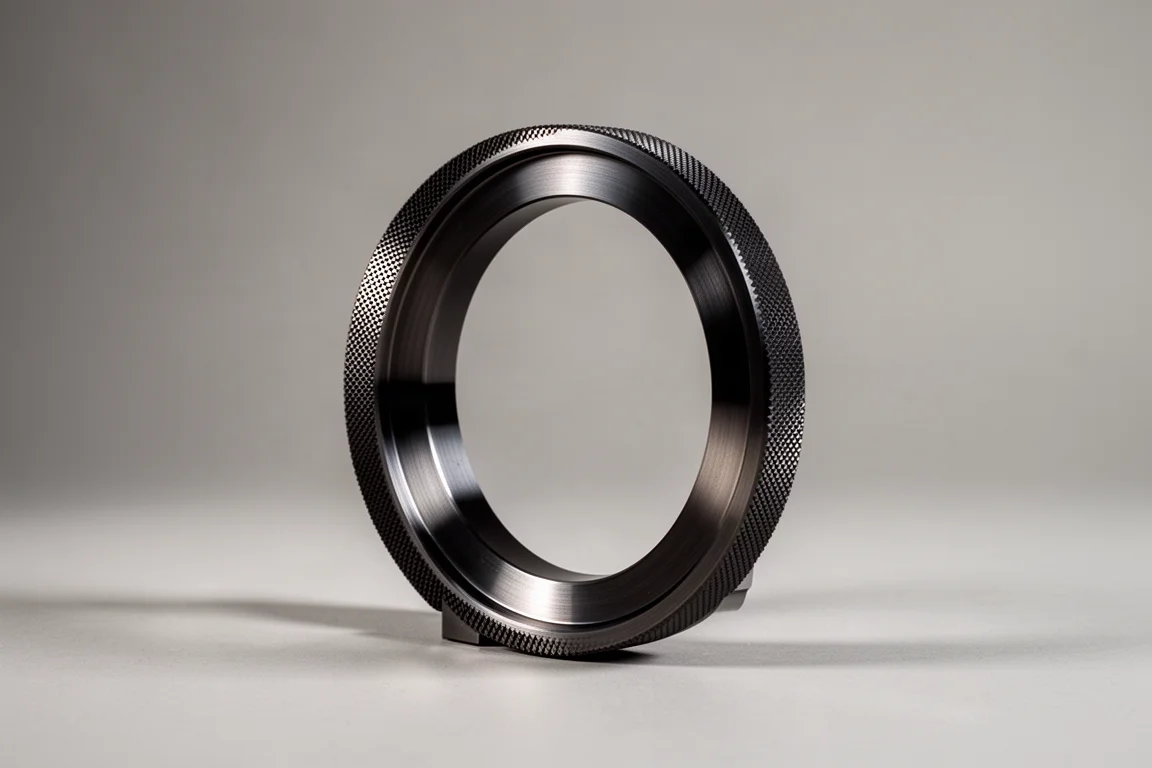
The MoFi Super HeavyWeight Champion is the final piece in this vinyl chain: a platter clamp that presses the record flat against the platter. It is heavy for its size, which is the entire point, and it is simple enough that there is nothing to configure.
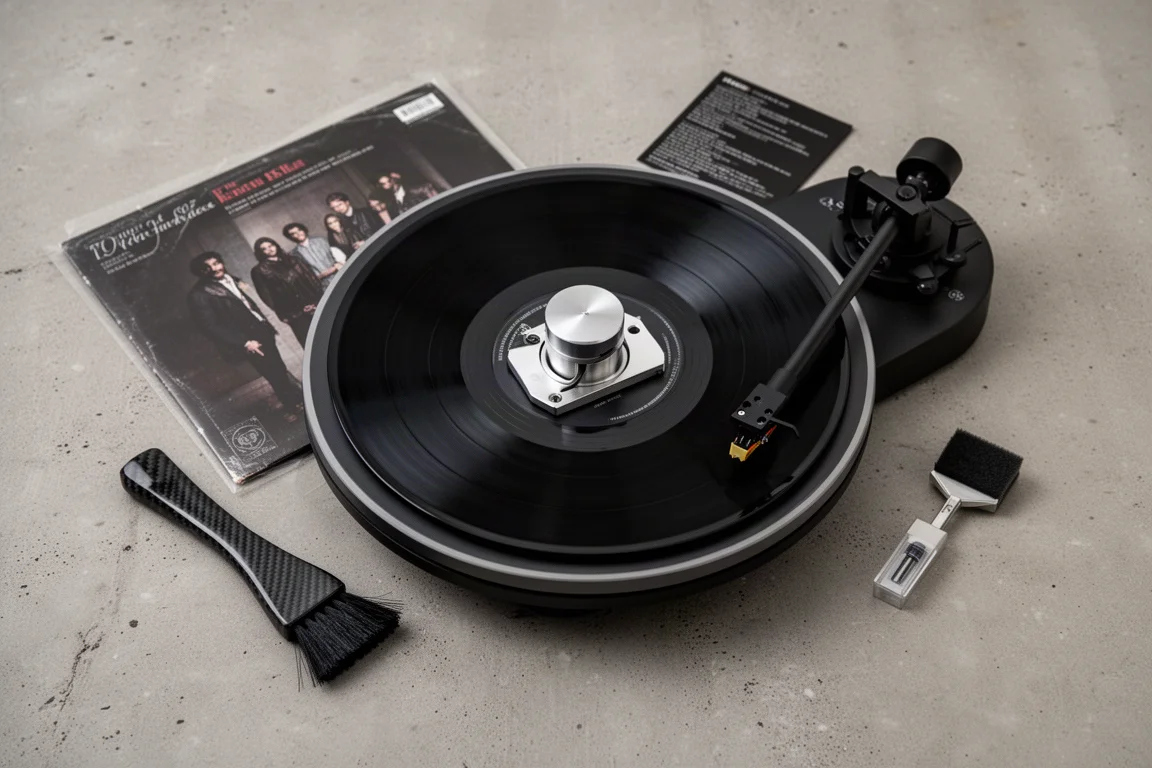
For listeners running a turntable in a room with any footfall or structural vibration, a clamp of this type is one of the cheapest mechanical improvements available, and it works with the StudioDeck without any modification.
Buying Advice
Match the upgrade to the weakest link in your system. If the speakers are the limiting factor, the Buchardt S400 Mark II and the PSB Synchrony B600 both sit at the top of this group, but they ask for different things. The Buchardt leans on a characterful tuning and an unusually high-grade crossover, while the PSB rewards careful stand and listening-height setup. The Sony SSCS5 makes sense when the budget is genuinely tight and you accept that the cabinet is where the money was saved.
For electronics, decide on your sources first. The SMSL SA-400 is analogue-only apart from Bluetooth, so budget for a separate DAC if you stream from a computer. The Woo Audio WA7 Mark III Firefly is a different purchase entirely, aimed at headphone listening rather than room-filling sound, and it deserves a desk where it can stay put.
On the vinyl side, the three MoFi pieces work as a set but do not have to be bought together. The UltraPhono’s support for both moving-magnet and moving-coil cartridges makes it the most future-proof of the three, and the Super HeavyWeight Champion is the lowest-cost way to address vibration.
Conclusion
There is no single winner here, and that is the point. The Buchardt S400 Mark II and the PSB Synchrony B600 are for listeners who have already settled the rest of their system and want the speakers to be the last piece. The Sony SSCS5 is a starter speaker with real limitations and a price that makes those limitations easier to accept. The SMSL SA-400 covers the basics of amplification for very little. The Woo Audio WA7 Mark III Firefly is a statement piece for headphone listeners. And the MoFi trio gives a vinyl setup a stable, isolated foundation that can grow with a cartridge upgrade later.
Pick the piece that fixes the problem you actually have, and the rest can wait.
Further reading
Related Reviews
Hi-Fi Audio
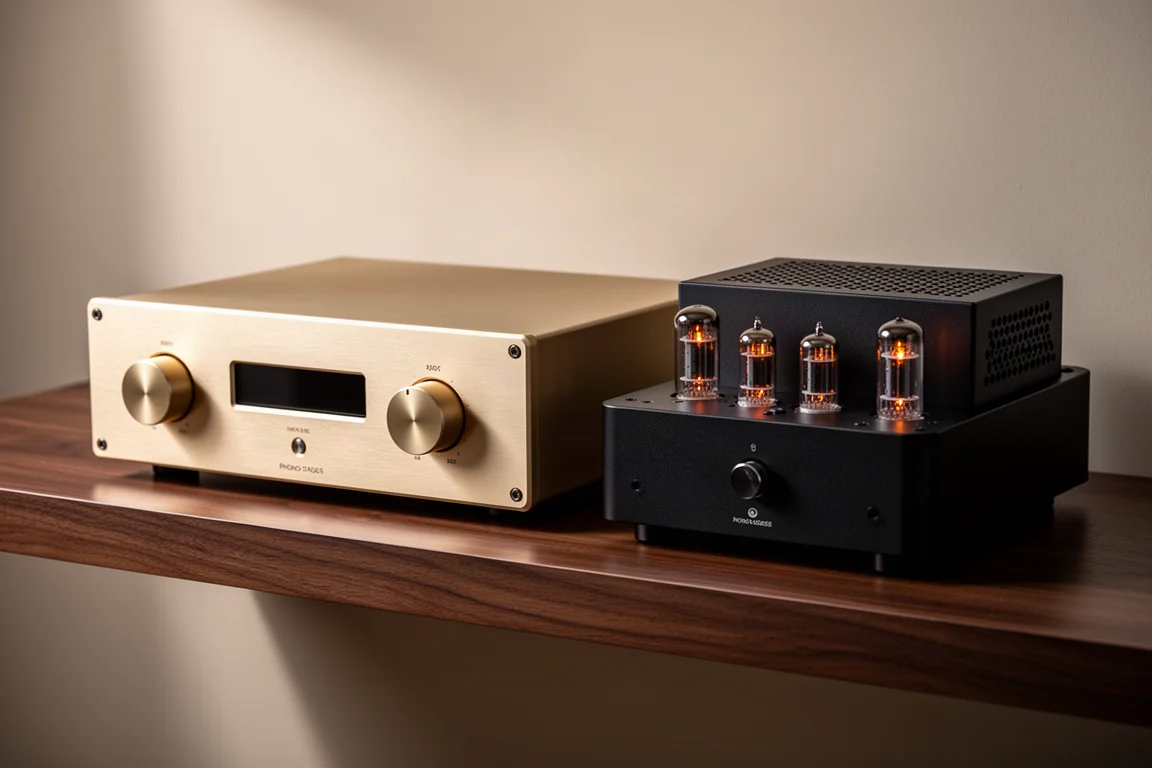
Accuphase C-57 vs Allnic H-7000V: Two High-End Phono Stages Compared
A fully balanced solid-state phono stage with a pitch-black noise floor meets a tube design built for well-loved records. Here is how to choose between them.
Hi-Fi Audio
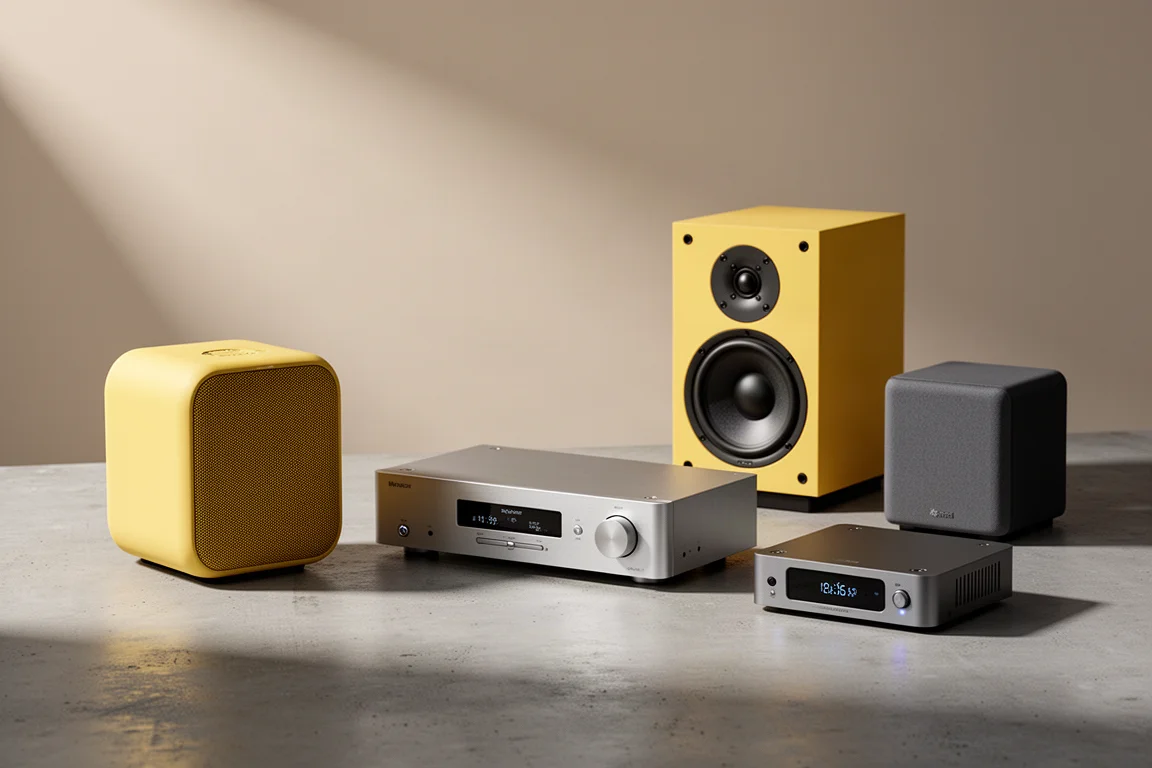
Active vs Passive Hi-Fi: Five Components for a Modern System
Five components that define modern active and passive hi-fi systems, with the strengths, trade-offs and setup details worth weighing before you buy.
Hi-Fi Audio
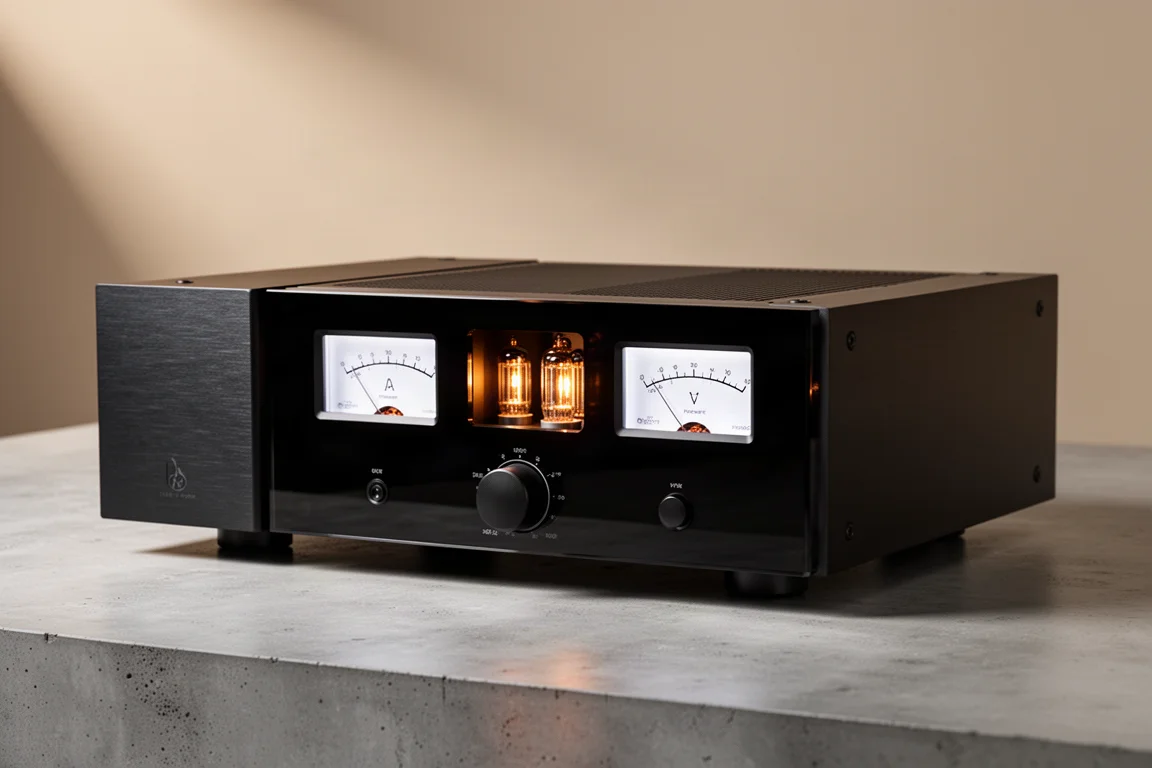
Advance Paris A10 Apex Review: A Hybrid Integrated Amplifier That Covers a Lot of Ground
A French hybrid integrated amplifier with a class A tube preamp stage, analogue power meters, and an internal DAC and phono stage good enough to make extra boxes unnecessary.