Hi-Fi Audio
Hi-Fi Gear Worth Revisiting: Seven Components That Became Long-Term References
Seven hi-fi products, from a $300 moving magnet cartridge to a $900 bookshelf speaker, that proved more impressive the longer they stayed in a system.
Introduction
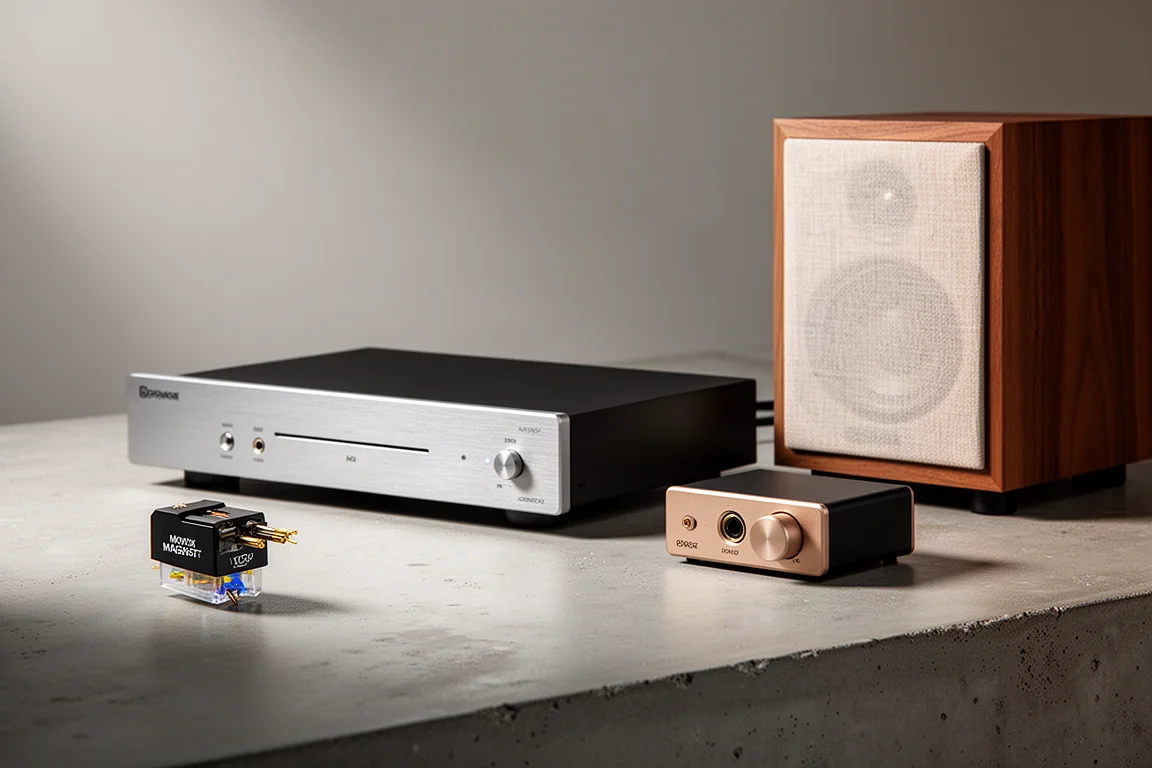
Some hi-fi components make an immediate impression and then quietly leave the listening rotation. Others keep finding their way back into a system, and after months of use they become the yardstick that everything else is measured against. The seven products in this roundup belong to the second group. Each was already well regarded, but extended listening revealed more than the first impression suggested: a moving magnet cartridge that reset expectations at its price, an integrated amplifier with a phono stage worth building around, a $33 pair of in-ear monitors, a differential DAC preamplifier, two compact desktop components from the same brand, and a bookshelf speaker that keeps improving as the rest of the chain improves.
Not all of them are inexpensive, and not all of them suit every system. What they share is a habit of outperforming their own spec sheet.
How These Products Earned a Second Look
Long-term listening tests different things than a short audition. Tonality matters, but so does consistency: a component that sounds impressive for an hour and tiring after a week is not a reference. The products here were weighed on four practical points. Whether the sound stayed engaging across genres and long sessions. Whether the build and feature set made sense for the money. Whether the component revealed more as the rest of the system improved. And whether there was a clear reason to keep it in a system rather than move it along.
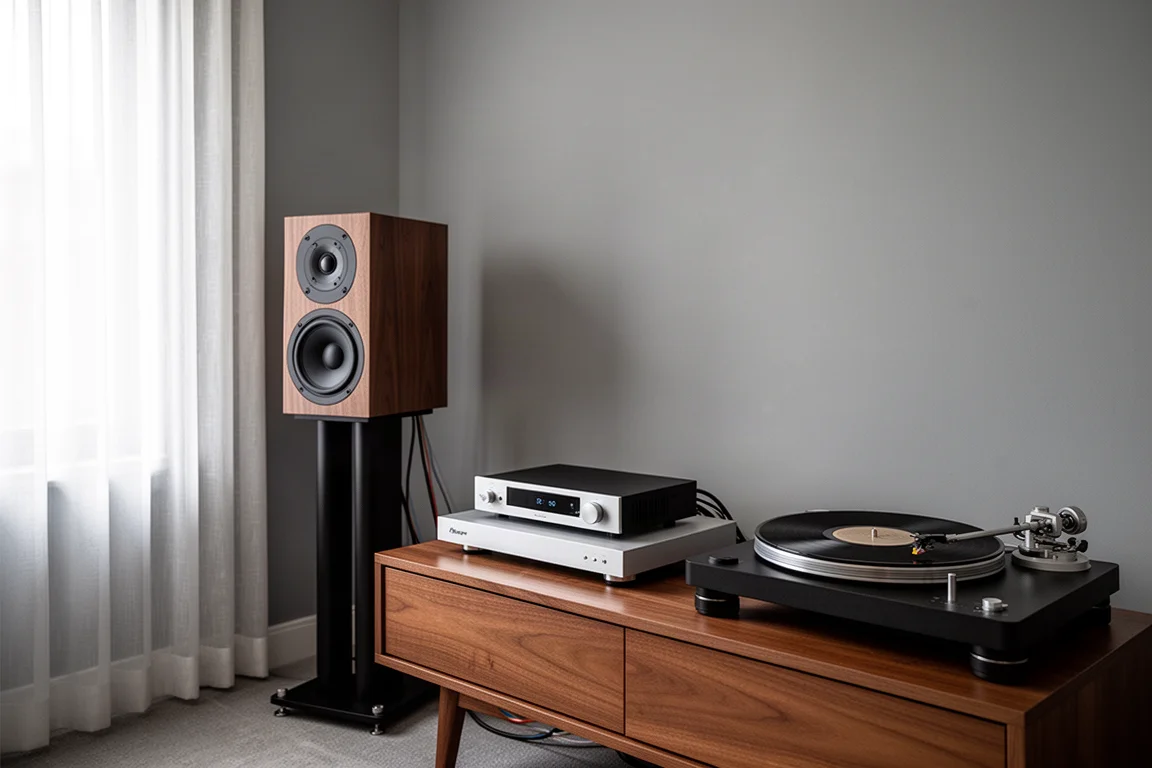
That last point matters more than it first appears. A reference component is one a listener stops thinking about replacing, and each product below reached that point for a specific reason rather than a general sense of quality.
Goldring E4: A $300 Moving Magnet Cartridge That Became a Reference
The Goldring E4 is a moving magnet phono cartridge priced at $300. It shares a great deal of character with the Ortofon 2M Blue, with a slightly more dynamic presentation and a more open top end. Mounted on a Michell turntable in a system worth roughly $3,100 in total, the E4 proved to be the kind of cartridge that resets what a listener expects from the price bracket.
Moving magnet cartridges in this range are often described as competent rather than exciting. The E4 sits differently. It holds a natural tonal balance while adding energy at the frequency extremes, which is exactly what turns a short-term thrill into a long-term reference. It also makes a sensible upgrade target for anyone whose turntable is already more capable than the cartridge bolted to it.
Rotel A11 Mark 2: Clean, Understated Integrated Amplification
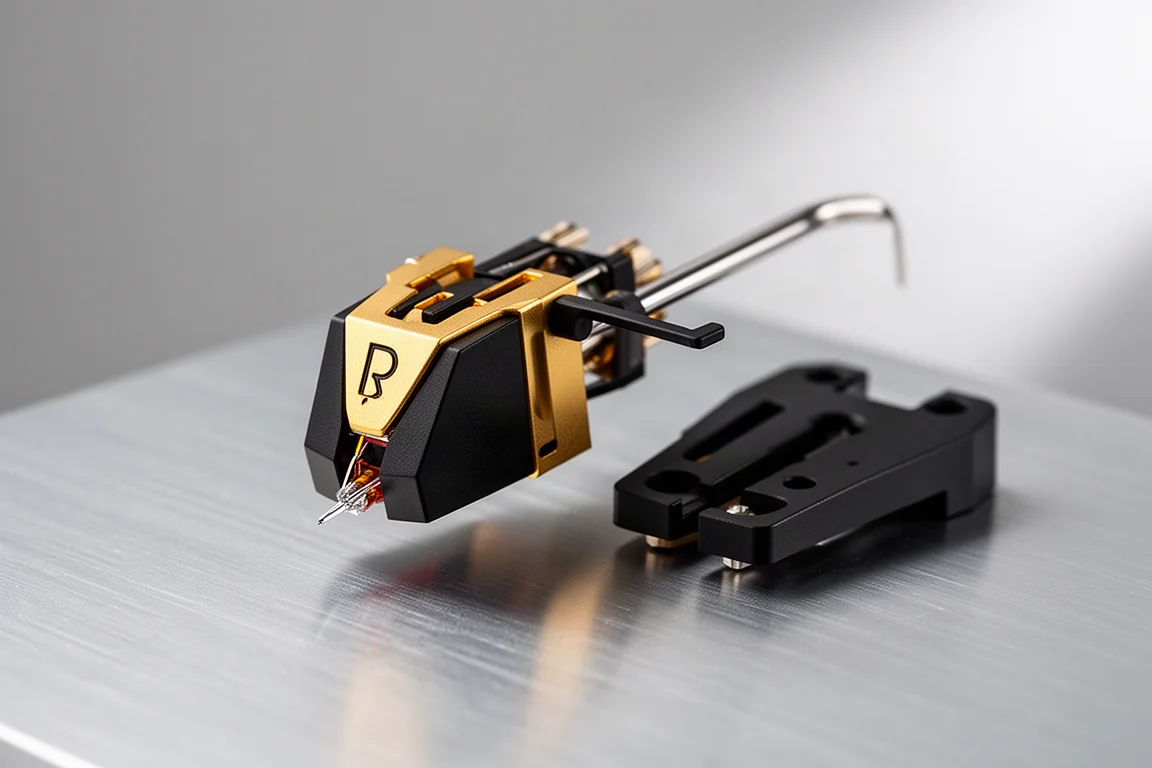
The Rotel A11 Mark 2 is deliberately simple. There is very little in the way of extra features, and that restraint is part of the appeal. Its sonic character is exceptionally clean, with a presentation that stays interesting across long listening sessions rather than drawing attention to itself. The built-in phono preamp is a standout, strong enough that a turntable can be connected directly without an external stage.
Rotel also rates the amplifier’s output conservatively, which means real-world headroom tends to exceed what the published figures imply. The trade-off is the feature list: there is no subwoofer output, so a 2.1 setup is not straightforward here. Buyers who want to spend less can look at the A10 version without the onboard DAC and add a separate DAC instead, keeping the core amplification and saving money in the process.
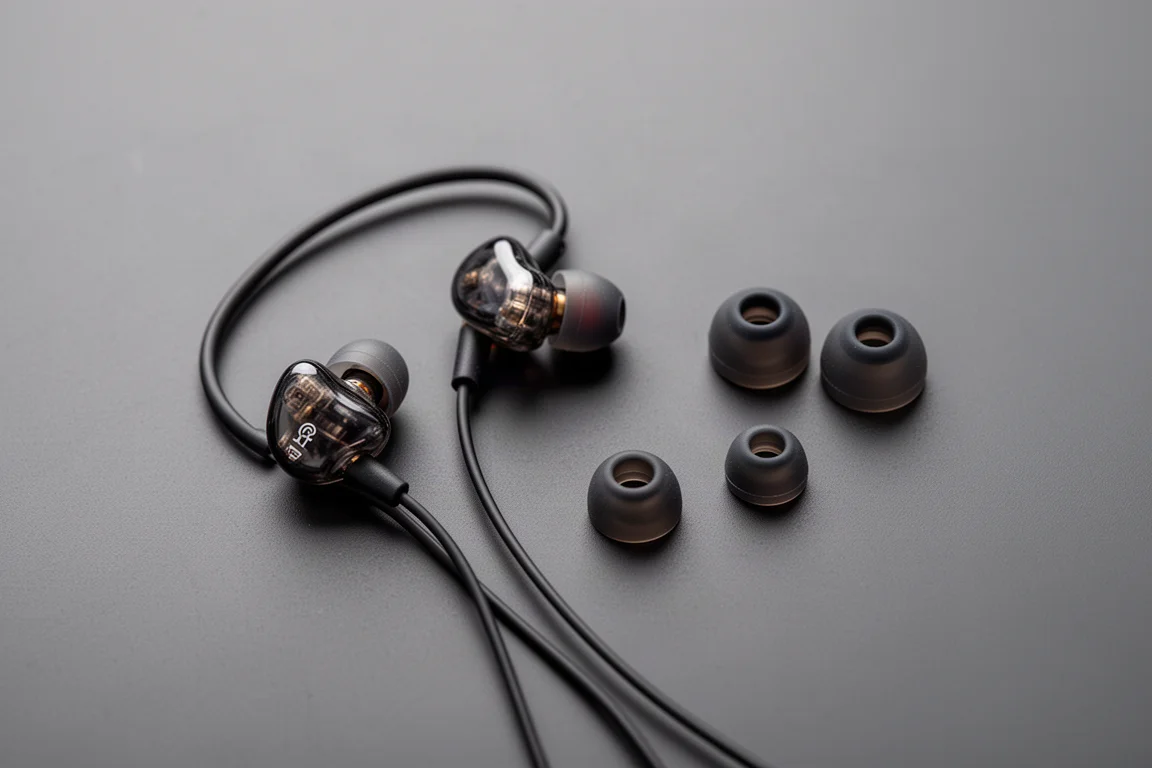
Kiwi Ears Cadenza: $33 In-Ears That Punch Above Their Price
The Kiwi Ears Cadenza costs $33, and that price is the least interesting thing about it. The tuning is balanced with a slightly punchy low end and a fun, energetic character, and it holds up against in-ear monitors costing up to $100, sometimes more. Not every $200 in-ear is a good one, and the Cadenza makes that gap obvious the moment a listener compares them side by side.
The practical case is just as strong as the sonic one. Pair the Cadenza with a $7 Lightning to 3.5 mm adapter and the whole kit lands around $40, small enough to live permanently in a bag. With the right ear tip fit, the seal cancels a meaningful amount of outside noise, which makes them a sensible choice for travel, commuting, and waiting rooms. They have also taken over from older sub-$50 favorites as the inexpensive in-ear worth reaching for first.

Anyone who wears in-ears for hours should spend a little time on tip selection. Fit changes both the bass response and the isolation, and getting it right is the difference between a good pair and a genuinely great one.
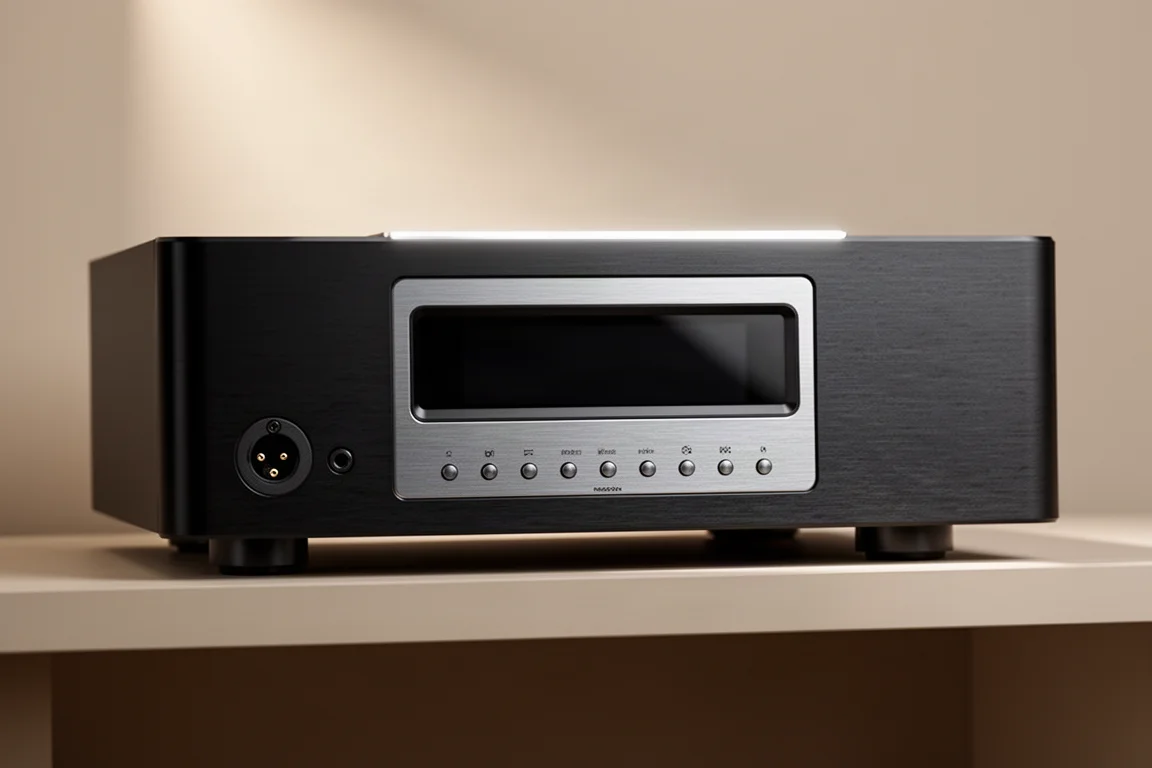
Emotiva XDA-3: A Differential DAC Preamplifier for Two-Channel Systems
The Emotiva XDA-3 is a digital-centric preamplifier built around a genuinely differential circuit, and that architecture is the main reason to buy it. It also includes a single analog input, so a phono preamp can be connected and the XDA-3 can act as a complete preamp rather than a converter alone.
Outputs cover both a balanced differential connection and an RCA pair. The RCA output can feed a subwoofer, which turns a two-channel setup into a 2.1 system, and there is an HDMI eARC input so a television can run through the same speakers. The DAC section is strong, and the unit pairs particularly well with a matching differential amplifier. Emotiva’s DR1 amplifiers, at over $1,000 each, are the natural upgrade path for anyone who wants to hear what the differential design can do. Because the XDA-3 includes an RCA output, it can also be connected to almost any amplifier in the meantime, which makes it a reasonable purchase before the amplifier upgrade arrives.
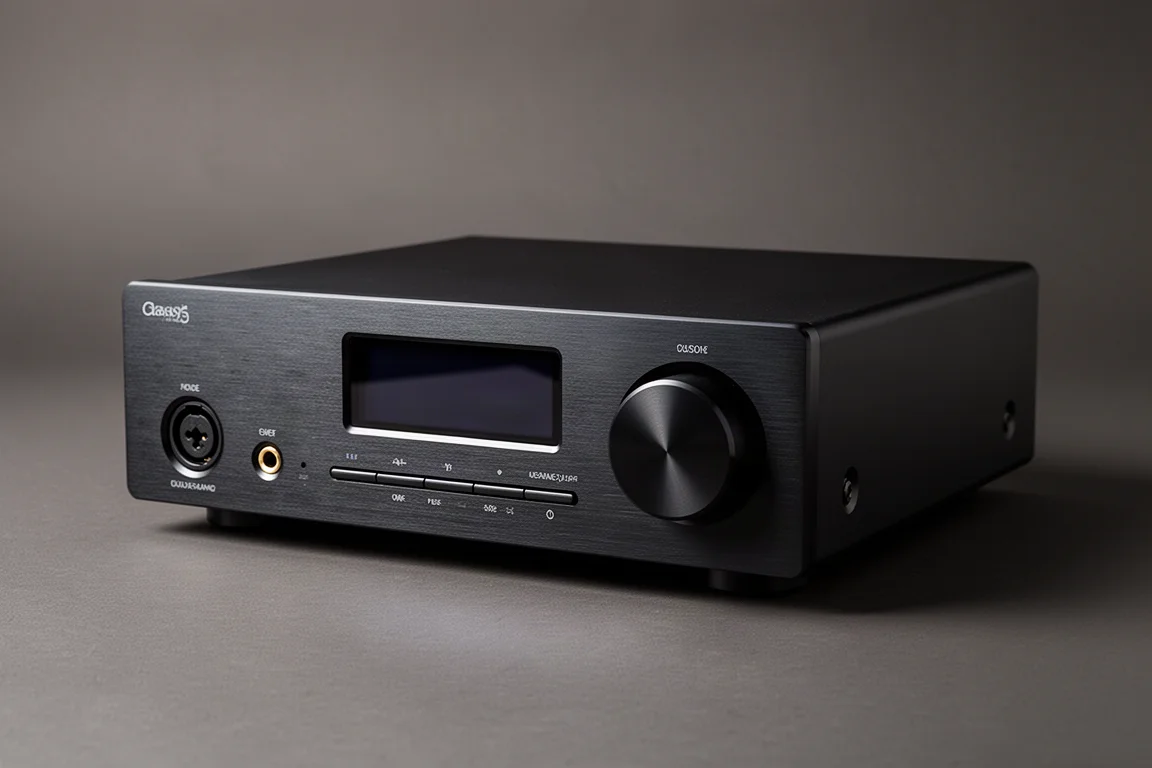
SMSL AL200: A Compact Speaker Amplifier With Surprising Punch
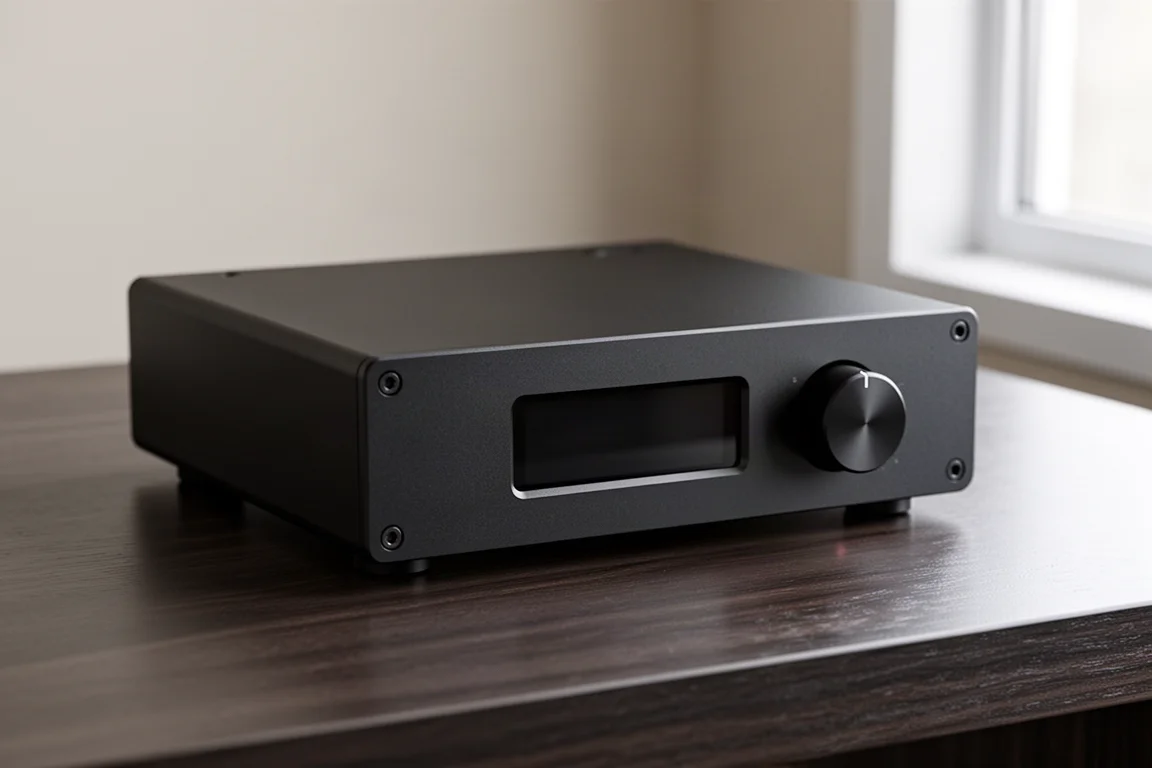
The SMSL AL200 is a speaker amplifier with a DAC built in, and it arrives in a very small chassis. What stands out is how much it delivers: it drove every speaker it was paired with, and it did so with a clean sonic signature and a capable DAC section inside. Useful EQ presets are built in, and a remote control is included.
At under $250, the AL200 is one of the least expensive ways to build a small speaker system around a single box. Buyers who want preset tonal shaping rather than a completely flat signal will get the most from it, and anyone with limited desk or shelf space should put it near the top of the shortlist.
SMSL DL200: A Headphone DAC Amp for Hard-to-Drive Headphones
The SMSL DL200 is the headphone-focused counterpart, sharing the same small footprint as the AL200. At $190 it has become a reference for low-impedance, difficult-to-drive headphones, including 13-ohm planar closed-backs that most desktop gear struggles to control properly. It includes a remote control and takes the same clean approach to its DAC section.
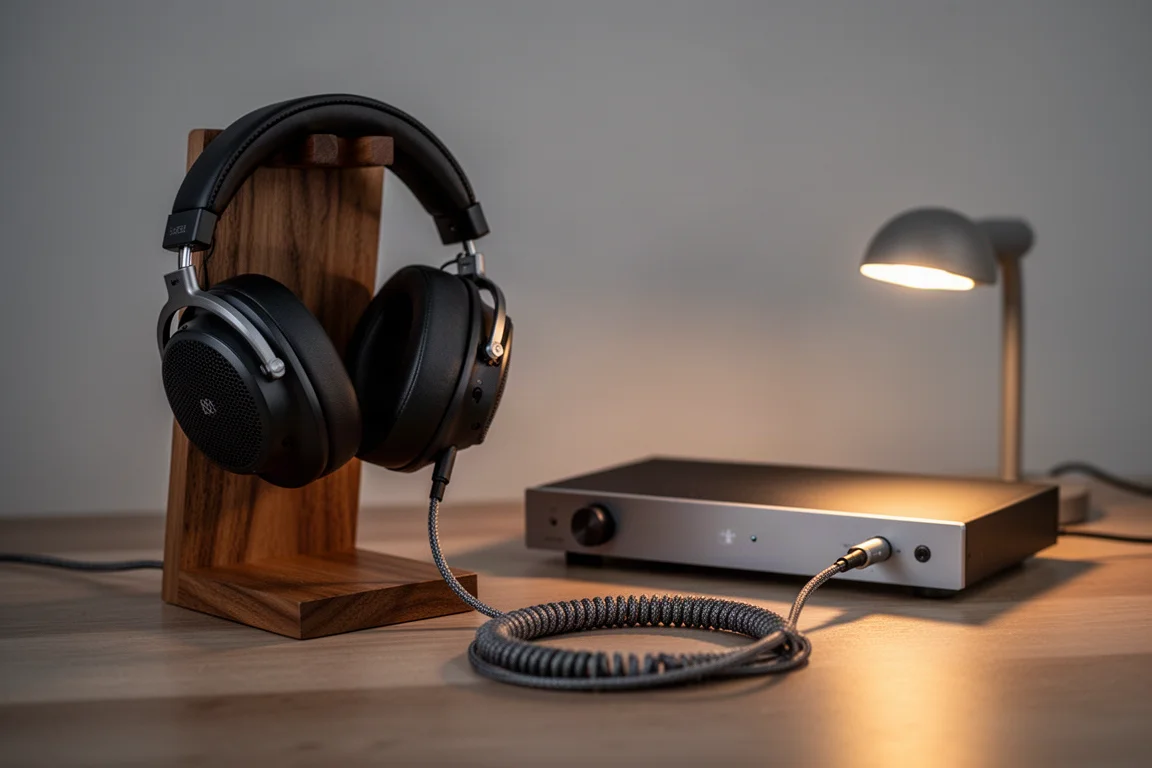
Both SMSL units are inexpensive, slim, and built to a standard that is easy to underestimate from a photograph. For a desktop system where space is tight, the DL200 solves a specific problem: driving headphones that want current rather than voltage, without adding a full-size amplifier to the desk.
Q Acoustics 5020: Neutral Bookshelf Speakers That Scale
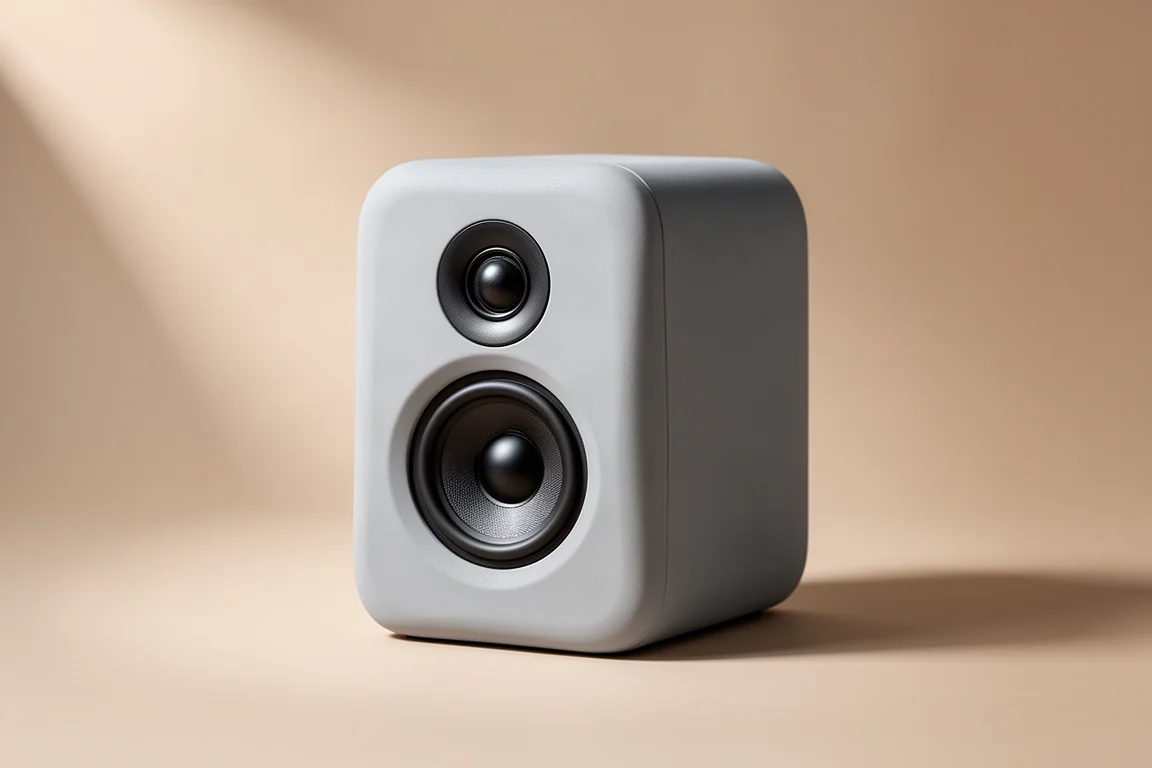
The Q Acoustics 5020 has spent more time in a living room system than any other speaker over the same period, and the reason is tonality. It is neither bright nor warm. It is neutral, yet dynamic enough to stay fun, with a character that pulls a listener back rather than wearing them out. The larger 5040 floorstander shares the same family approach for rooms that can take a bigger cabinet.
Price is the obvious consideration. At roughly $800 to $900 for a 5.25-inch bookshelf speaker, the 5020 sits in a competitive bracket, and that figure only makes sense if the speaker delivers. The argument for it is scalability. There is enough transparency that very expensive amplification and DACs will keep revealing more, and the speaker improves as the system around it improves. Listeners who plan to upgrade electronics over several years get the most value from it.
Buying Advice: Matching These Components to a System
The right starting point depends on which part of a system needs attention. Analog listeners with a mid-tier turntable will notice the biggest single change from the Goldring E4, which brings a dynamic, open presentation for $300. Anyone building a two-channel system around a turntable and a pair of speakers should look closely at the Rotel A11 Mark 2, particularly for its phono stage and clean character, while accepting the missing subwoofer output as the cost of that simplicity.
Digital listeners have two distinct paths. The Emotiva XDA-3 makes sense for a two-channel system that also needs to handle television audio, and it rewards a later move to a differential amplifier. The SMSL AL200 and DL200 make sense for desktop setups, one for speakers and one for hard-to-drive headphones, at prices well below what their performance suggests.
The Q Acoustics 5020 is the piece to plan around. If the budget stretches to roughly $800 to $900 for speakers and there is a real intention to upgrade electronics over time, it will keep pace with those upgrades. The Kiwi Ears Cadenza sits outside all of this as the inexpensive, always-in-the-bag option that still sounds balanced and fun.
Conclusion
None of these products needs to be the most expensive item in a system to justify its place. They earned it by staying engaging over months of use, by offering a clear reason to keep listening, and by improving as the rest of the chain improves. That is what turns a good first impression into a long-term reference, and it is why each of them deserves a serious look before the next upgrade decision.
Further reading
Related Reviews
Hi-Fi Audio
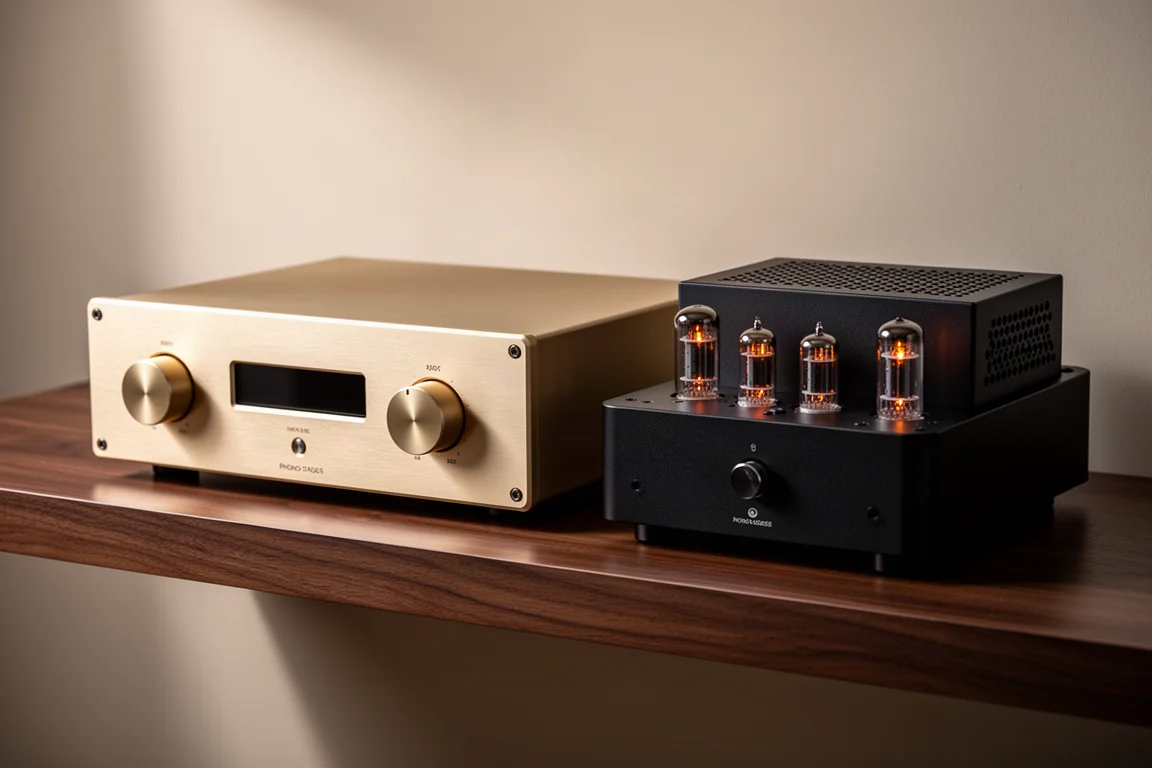
Accuphase C-57 vs Allnic H-7000V: Two High-End Phono Stages Compared
A fully balanced solid-state phono stage with a pitch-black noise floor meets a tube design built for well-loved records. Here is how to choose between them.
Hi-Fi Audio
Active vs Passive Hi-Fi: Five Components for a Modern System
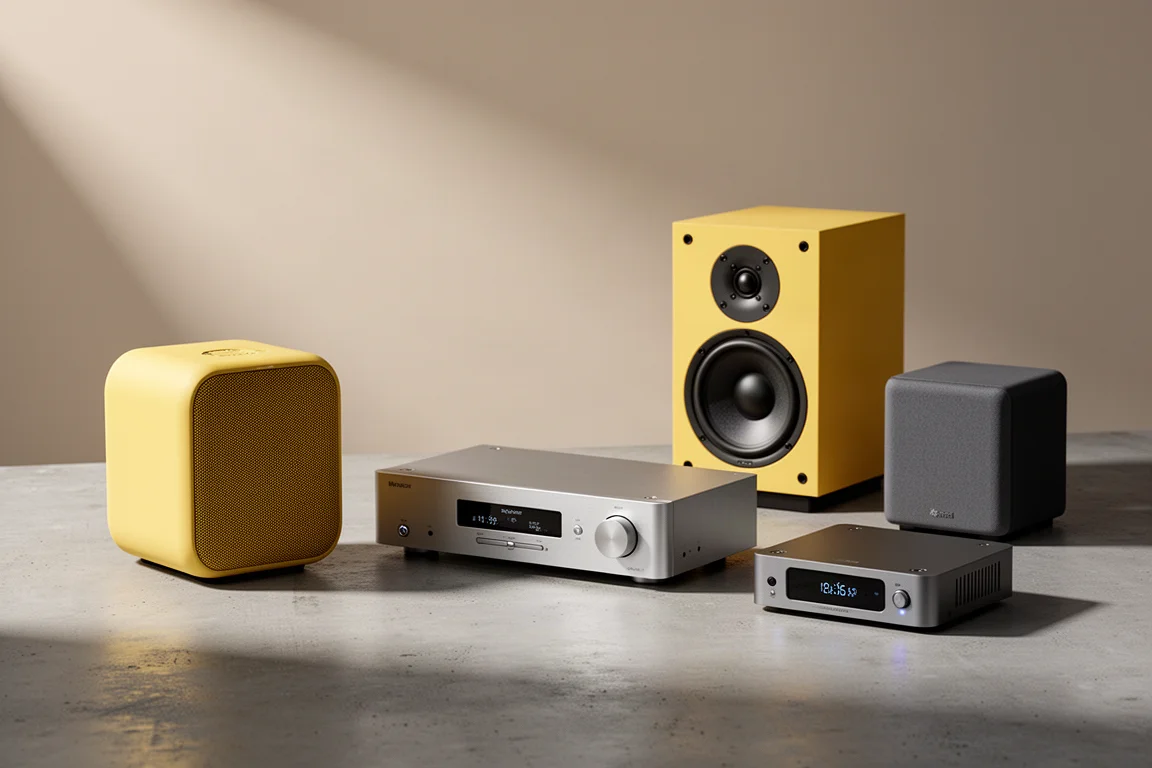
Five components that define modern active and passive hi-fi systems, with the strengths, trade-offs and setup details worth weighing before you buy.
Hi-Fi Audio
Advance Paris A10 Apex Review: A Hybrid Integrated Amplifier That Covers a Lot of Ground
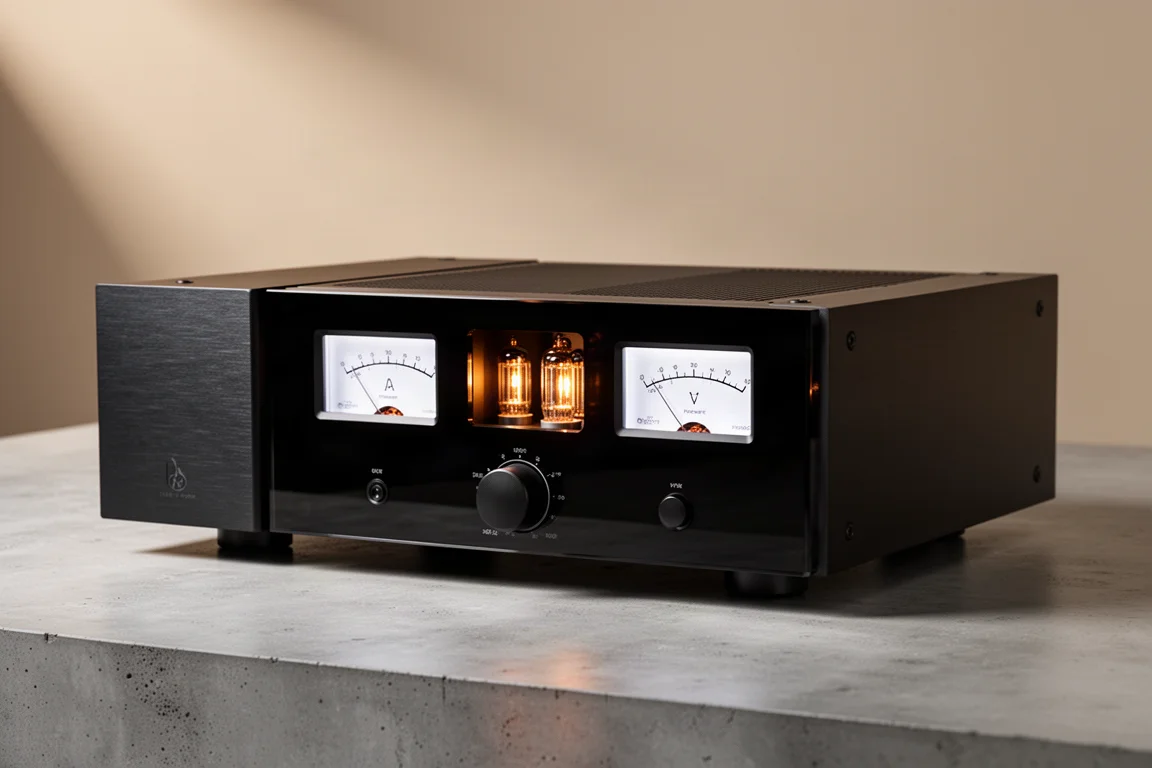
A French hybrid integrated amplifier with a class A tube preamp stage, analogue power meters, and an internal DAC and phono stage good enough to make extra boxes unnecessary.