Rain Gear
Helikon-Tex Poncho US Model Review: Lightweight Rain Protection With Real Limits
A six-month look at the Helikon-Tex Poncho US Model: dependable waterproofing and fair retail pricing, held back by a short cut that leaves taller wearers exposed.
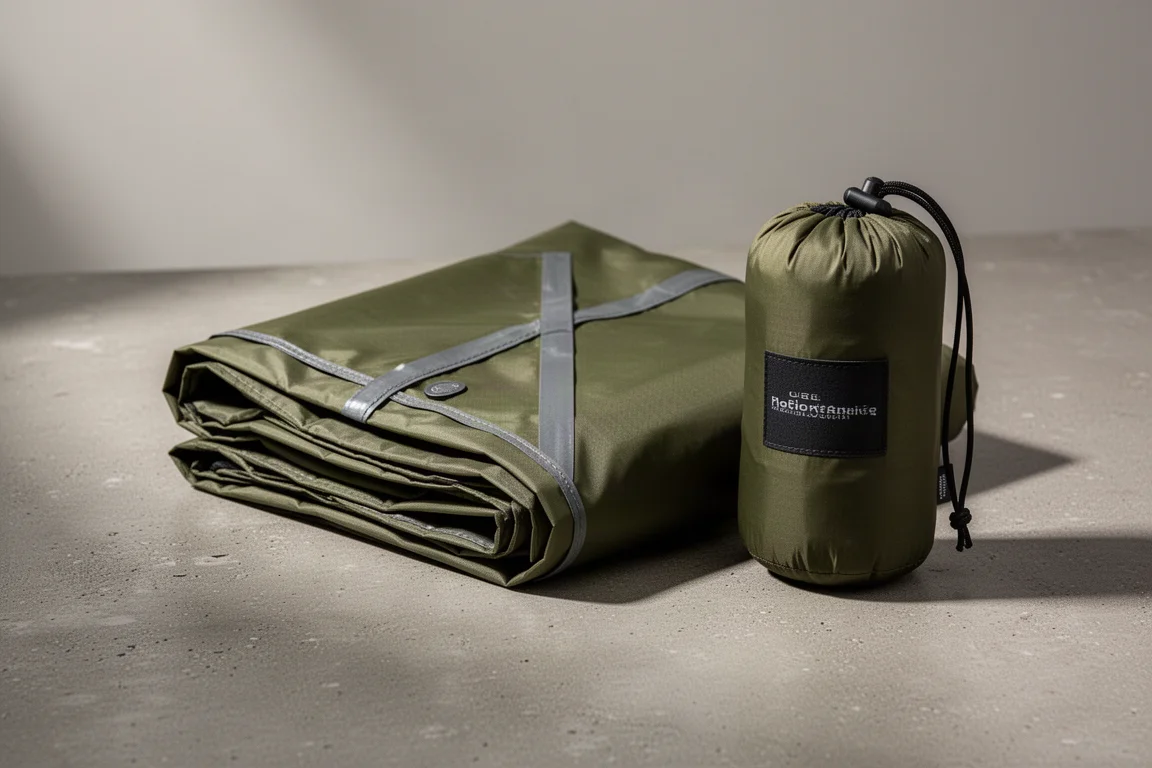
Introduction
The Helikon-Tex Poncho US Model belongs to the brand’s surplus line, a collection of civilian products modeled after well-known military items. This poncho follows the shape and layout of the US military poncho, but it is built from different materials and cut to different dimensions. After six months of regular use, the picture is clear: it is genuinely waterproof, compact and fairly priced rain gear, with a size limitation that matters more than any other single detail.
At retail it sells for around $35. That figure is the one to keep in mind, because third-party listings frequently push it higher.
Who This Poncho Is For
This is a one size fits all poncho offered in black, two shades of green and two woodland camouflage patterns. It suits shorter wearers who want a packable layer for light to moderate rain, quick trail stops and everyday outdoor use. It also makes sense for anyone who wants a poncho that can double as a small emergency shelter or be snapped to a second poncho.

It is not a good match for tall users, for extended exposure in severe weather, or for anyone expecting the coverage and durability of a true military surplus poncho.
Main Strengths
The strengths here are practical rather than dramatic, and they show up over repeated use rather than on a specification sheet.
Weather Resistance and Build Quality
The fabric is 100% polyester and the seams are taped. In practice that combination has held up well: no leaking at all during tropical storms, and no issues after more than two hours outside in steady rain. The company’s main claims, that the poncho is rain proof, quick drying, lightweight and able to fold down small, all hold up.
Build quality is good for the money. The stitching is clean, the seam tape is applied evenly, and the overall fit and finish sits well above the cheapest ponchos on the market. It is a good military style poncho, but it is not a military product, and it is not as strong, as waterproof, as durable or as large as the US military version.
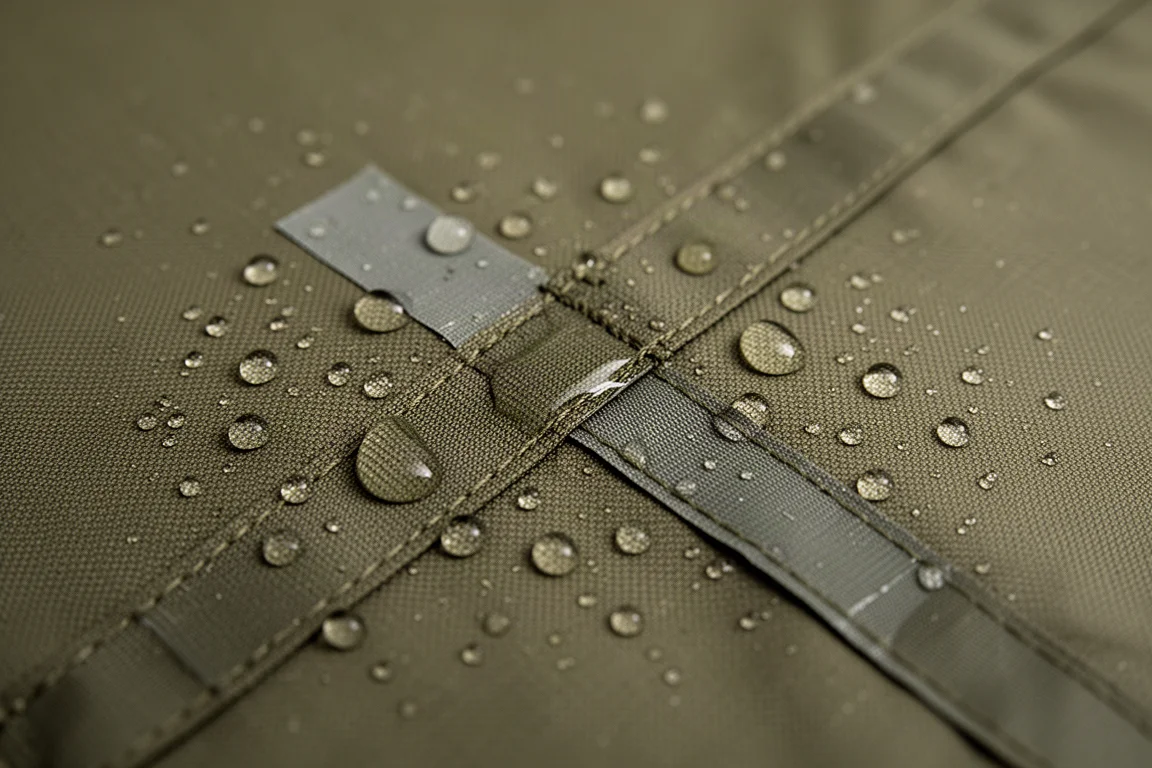
For a poncho at this price, weatherproofing is the headline feature, and it is the part of the design that has held up best over time.
Portability and Versatility
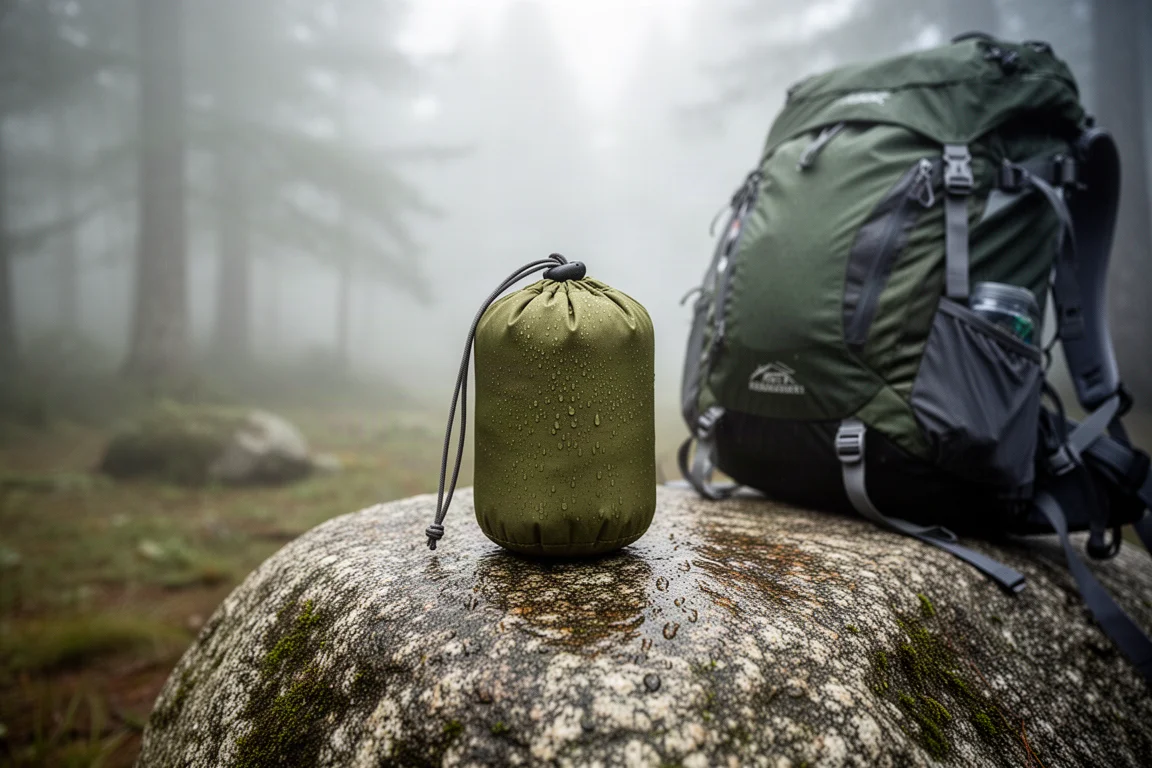
The poncho weighs 1.2 pounds including its storage bag, and the stuff sack measures about 8.6 inches by 5.5 inches, so it packs down to a small form factor that disappears into a daypack. The included bag is roomy enough to hold the poncho without a fight.
The design is simple and quick to deploy. The neck opening can be cinched tighter, the side snaps let you open the poncho fully or create arm holes, and a length of cordage lets you wrap the material close to the body so it does not flap in the breeze or snag on branches. Grommets in each corner, plus additional grommets along the center and the sides, allow the poncho to be strung up as a tarp, and the snaps let you connect multiple ponchos together. When it is used as a shelter, the collar adjustment can be cinched down to keep the center more watertight.
It also pairs with the brand’s Swagman Roll, a poncho liner style layer that is a different design from the military woobie.
Things to Consider Before Buying
Most of the drawbacks trace back to one decision: this poncho is noticeably smaller than the item it is modeled after.
Size and Coverage
Fully unfolded, the poncho measures 82.5 inches by 57 inches. Worn as a poncho, it is 57 inches by 40 inches, which works out to roughly 40 inches from the shoulder down to the hem.
That is short. Even at 5 feet 5 inches, the hem sits high enough that a large area of the legs stays exposed, and the taller you are, the less protection you get. Compared with the military version, this poncho is about four inches shorter and about four inches narrower, a meaningful difference both in wear and in shelter use. Pitched as a tarp it is very small, and raising it high enough to sit under means you will get wet. Realistically it works as a bivvy style cover laid close over you, not as a proper tarp for snow or heavy rain. It does provide sun, wind and light rain protection.
The reduced size also rules out the military poncho liner, which is too long and hangs out of the bottom. Anyone who wants a liner has to buy the Swagman Roll instead, and that is a considerably more expensive route than the very cheap military liner.
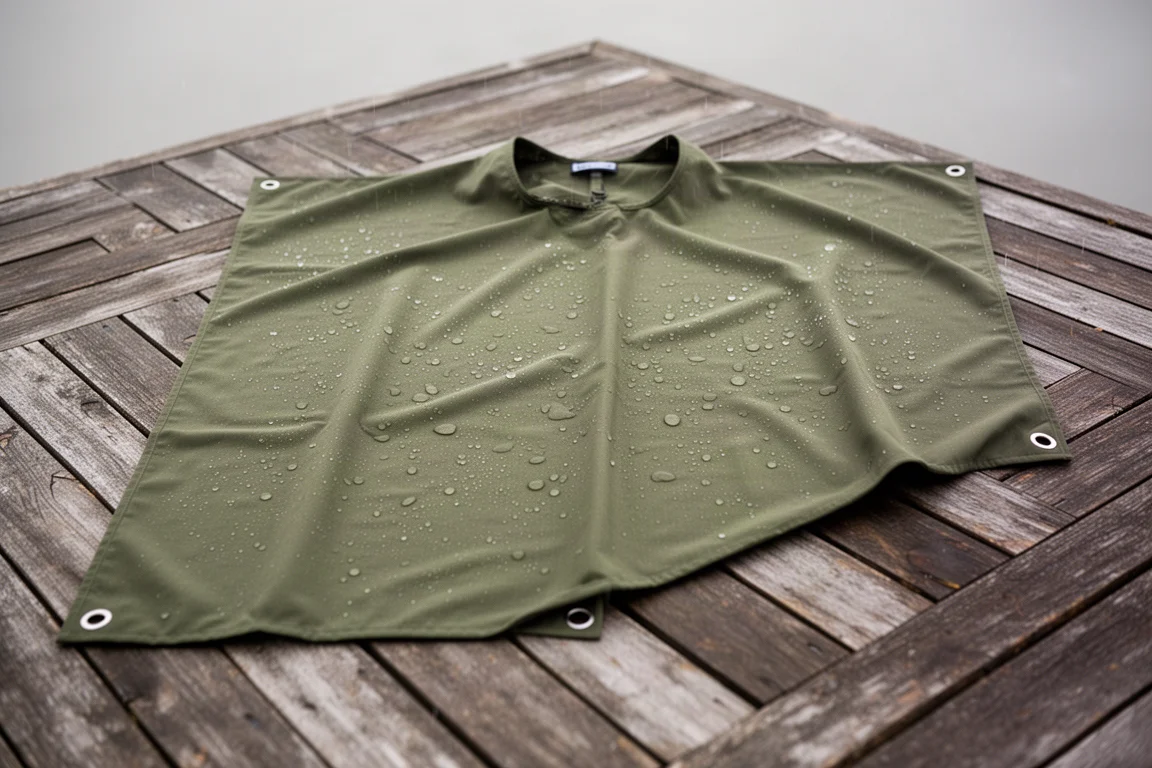
If you are used to a rain jacket that covers your thighs and you want a poncho to match that coverage, this one will fall short of it.
The Surplus Line Question
The surplus line is better understood as a naming exercise than as a source of genuine surplus. The materials differ, and this poncho uses polyester where the military version used nylon, which is stronger and more expensive. The dimensions differ as well. The honest description is a civilian poncho inspired by a military design, not a replica of it, and it should not be treated as military grade gear.
Hood, Neck Opening and Side Snaps
The hood is tall and pointed with no adjustment, though it still offers good protection. The neck opening is smaller than the military version, which helps keep rain out but creates a real constraint: it is snug even for a small wearer, and anyone with a larger head may struggle to get it on.
The side snaps are the weakest hardware on the poncho. They are known for being delicate, and there are plenty of reports of them tearing out of the fabric. Gentle, straight pulls are important, and snapping them apart at an angle risks damage to both the snap and the material around it.
Pricing and Resellers
Retail is around $35, and at that price the poncho is fair value. The problem is the resale market: this product is frequently listed around $50, with some sellers asking as much as $70. A simple polyester poncho of this size is not worth more than about $40, and at the higher listings a genuine military poncho becomes the better buy, since it is larger, more waterproof, compatible with a poncho liner and usable as a real tarp.
Buying Advice
Buy this poncho for what it is: a lightweight, packable, reliably waterproof layer for shorter wearers and lighter rain. Check the measurements against your own height before ordering, and treat the 40 inch shoulder to hem figure as the deciding number. If you are tall, or if you expect to be out in genuinely nasty conditions, the coverage simply will not be there and a larger poncho is the better choice.
On price, patience pays. Aim for the retail figure and avoid the marked up listings, because the value proposition collapses once the number climbs past roughly $40. Handled carefully, especially around the side snaps, this poncho should serve a shorter wearer well through years of occasional and moderate use.
Conclusion
The Helikon-Tex Poncho US Model does the core job properly. It keeps rain out, dries quickly, packs small and costs a fair amount at retail. Its limitation is not quality but size: a short cut that leaves the legs exposed, a narrow footprint that limits shelter use, and a neck opening that will not suit everyone. Shorter buyers who want compact rain protection will be satisfied. Taller buyers should look elsewhere.
Product link
View more details for Helikon-Tex Poncho US Model
This product is mentioned in the review. Check the specifications, options, and compatibility before buying.
View more details for Helikon-Tex Poncho US ModelFurther reading
Related Reviews
Rain Gear
Best Rain Jackets for Backpacking: Budget, Cold Weather, and All-Purpose Picks
Three lightweight rain jackets for backpacking, covering a twenty dollar two-piece suit, a windproof shell for cold conditions, and a soft all-purpose jacket.
Insulated Jackets
Aerogel vs Down Insulation: Two Aerogel Jackets Compared
Aerogel is the lightest solid on record, but two aerogel jackets measured against a comparable down jacket tell a more complicated story about warmth.
Power Banks
Anker 737 PowerCore 24K Review: Fast Charging in a Simple Package
A 140W portable power bank with a 52-minute recharge time, a health-tracking display, and a three-port layout that skips the app entirely.