Camping Tarps
Helikon-Tex Super Tarp: A Lightweight 10x10 Tarp and a Nylon Alternative
A practical look at the Helikon-Tex Super Tarp's 10 by 10 foot footprint, 1 pound 12 ounce weight, tie-off points, and storage bags, plus how the nylon Aqua Quest Guide Tarp compares.
Introduction
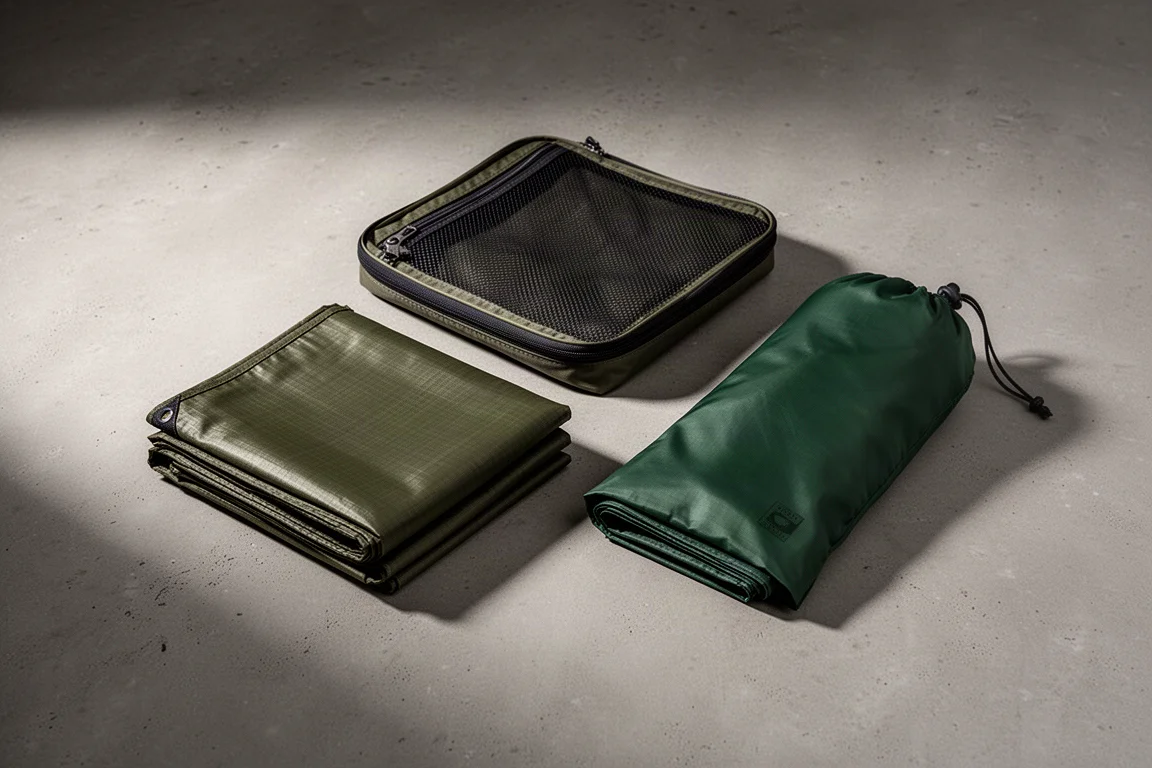
A 10 by 10 foot tarp is one of the most versatile pieces of shelter you can carry, and the Helikon-Tex Super Tarp aims straight at that job with a light, compact package. It is a square ripstop tarp that folds down small and arrives with two different storage bags. For buyers who want a stronger material for the same role, the Aqua Quest Guide Tarp is the natural step up. This guide covers what each one offers, where the Super Tarp’s build raises questions, and how to decide which one belongs in your pack.
Helikon-Tex Super Tarp: Size, Weight, and Form Factor
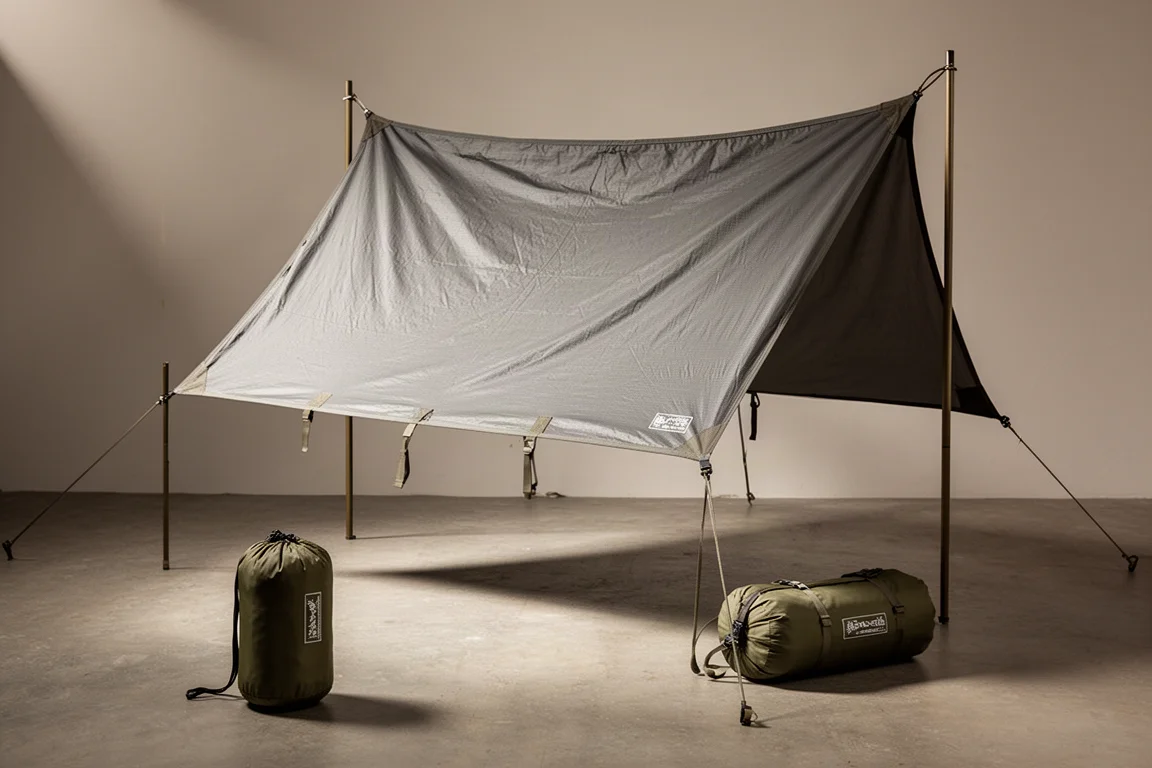
The Super Tarp measures 10 feet by 10 feet, a square footprint that suits A-frame pitches, lean-to setups, and simple ground shelters. It weighs 1 pound 12 ounces, which keeps it comfortably in the lightweight range for a tarp of this size. Folded, it takes up very little room inside a backpack.
The tarp is offered in a range of colors and camouflage patterns, including black, olive drab, and two woodland camouflage versions, so it is easy to match to the rest of your kit or to the terrain you camp in.

For a square tarp, the combination of a full-size footprint and a modest packed volume is the main appeal. This is the kind of shelter that disappears into the bottom of a pack until the moment you need it.
Tie-Off Points, Webbing, and Stitching
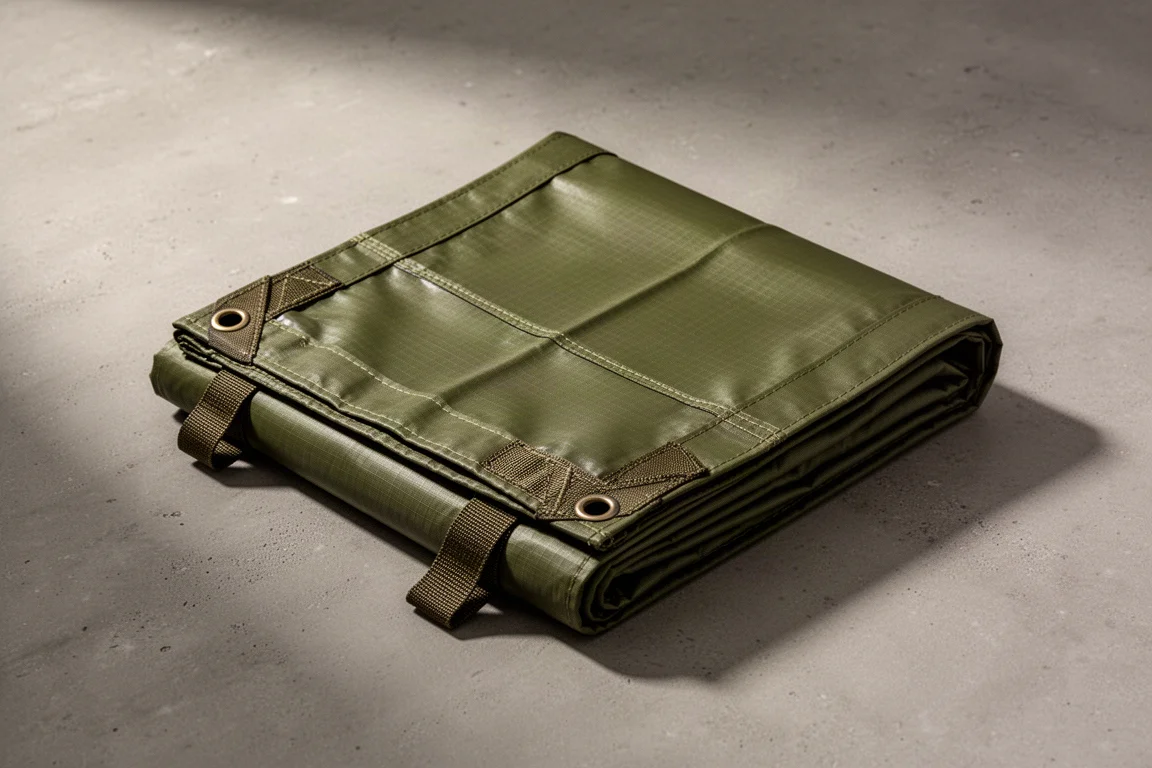
The Super Tarp has 19 reinforced tie-off points running across the body and the center, with three positioned along the top edge for A-frame pitches. That is a generous number for a 10 by 10 tarp and it gives you plenty of pitching options.
The reinforcement is a genuine plus, but the webbing used at those points is very thin, roughly half an inch wide. That is noticeably lighter than the webbing usually found on tarps in this class, and there are reports of tie-off points tearing away from the body of the tarp. It is worth keeping in mind if you pitch in strong wind or tension the guy lines hard.
Stitch quality is mixed. Some areas show extra material and uneven lines, and a few spots look like they are coming apart. At the retail price it is not a dealbreaker, but it is not the standard you would expect from a tarp costing more.
Storage Bags and Packability
Two storage bags come with the Super Tarp, and they serve different purposes.
The first is a flat zippered case measuring about 12 inches by 6.5 inches by 1.5 inches, closed with a single YKK zipper. The back of the case is mostly mesh, which lets water drain away if you pack the tarp while it is still wet. Nine loops around the outside let you lash the case to the exterior of a pack, so a damp tarp can dry as you walk.
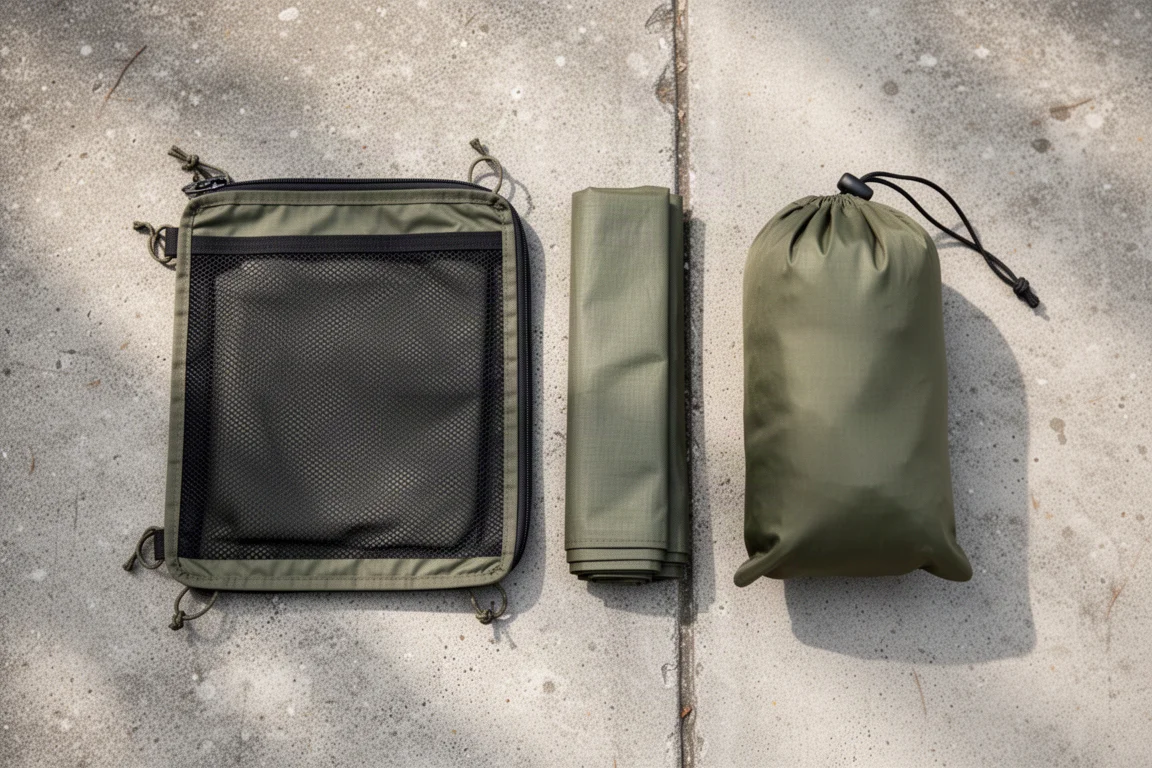
The second bag is a plain drawstring stuff sack with no mesh, closer to what most people expect from a tarp. Between the two, you can choose maximum drainage or a simple, compact carry.
Fabric and Weather Protection
The tarp is made from a coated ripstop fabric, and the seams are taped, which helps keep water from working through the stitching. Published specifications are thin on detail: the denier is not stated, and the coating is described only in general terms, so there is no clear figure for how strong the fabric actually is.
In hand, the material feels very thin and light. For a coated synthetic ripstop at this weight, that points to a warm-weather shelter rather than a four-season one. Treated as a summer tarp for fair conditions and light rain, it makes sense. As a storm shelter for cold, wind-driven weather, it is not the tool for the job.
Aqua Quest Guide Tarp: The Nylon Alternative
For a modest step up in budget, the Aqua Quest Guide Tarp offers a different set of trade-offs. It is priced around $100, weighs less than the Super Tarp, and is made from nylon. Aqua Quest tarps have an established reputation for solid build quality, and the material choice is the key difference here: nylon brings more strength for its weight than the thin coated ripstop used on the Super Tarp.
If your priority is a tarp you can tension hard, pitch in exposed conditions, and keep for years, that is the direction worth considering. The Super Tarp wins on price. The Guide Tarp wins on material confidence.

That difference matters most in the shoulder seasons, when wind and sustained rain put real stress on the fabric and every tie-out point. A shelter that holds its shape under load is the whole point of carrying a tarp instead of a tent.
Price and Where to Buy
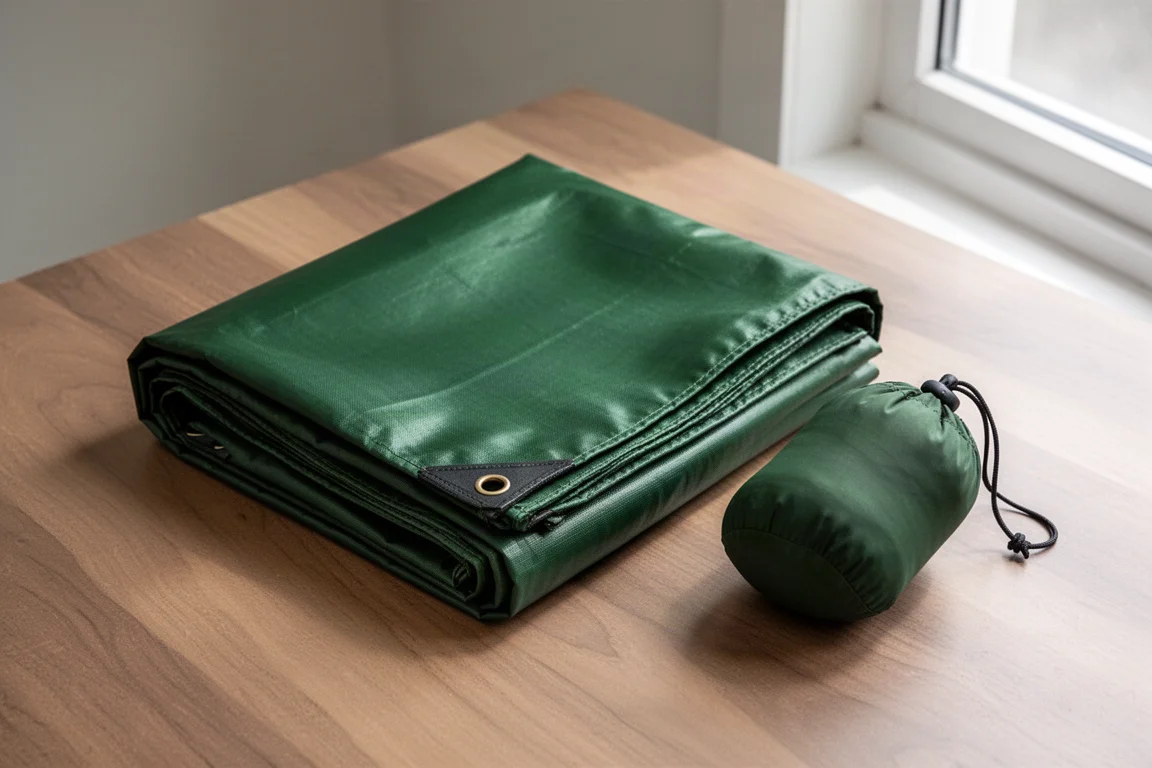
The Super Tarp’s retail price is $65, and at that number the package makes sense: a 10 by 10 foot footprint, 19 tie-off points, taped seams, and two storage bags. The catch is availability. Listings for this tarp, including some from the brand itself, have appeared above the retail price, so it pays to compare sellers rather than buying the first listing you find.
If you can pick it up at or below $65, it is a straightforward value. Above that figure the case for it weakens quickly, especially with a nylon alternative sitting close by in price.
Buying Advice
Start with how you actually camp. If you want a compact, light square tarp for summer trips, warm-weather backpacking, and camp comfort in good conditions, the Super Tarp delivers the size, weight, and pitching options you need at a fair price. Plan on treating the tie-off points gently and inspecting the stitching when it arrives.

If you expect to pitch in wind, sustained rain, or shoulder-season conditions, or you simply want the reassurance of a stronger material, the Guide Tarp is the better long-term purchase. It costs more, but it weighs less and uses nylon, which is the more robust choice in this category.
Either way, buy the tarp that matches your conditions. A shelter is only a bargain if it holds up when the weather turns.
Conclusion
The Helikon-Tex Super Tarp is a light, compact 10 by 10 shelter with a generous number of tie-off points and a genuinely useful pair of storage bags, and at $65 it is priced fairly for what it is. Its limits are equally clear: thin webbing, uneven stitching in places, and a fabric that suits summer use. The Aqua Quest Guide Tarp answers those limits with nylon construction and a lower weight for around $100. Match the choice to the weather you expect, and either tarp will earn its place in your pack.
Further reading
Related Reviews
Camping Tarps
Aqua Quest Defender vs Safari 20x13: Which Large Tarp Fits Your Setup?
A side-by-side look at Aqua Quest's two 20 ft by 13 ft tarps: the 9.2 lb, 20,000 mm Defender and the 4.5 lb, 5,000 mm Safari, plus sizing, setup, and warranty details worth knowing.

Camping Tarps
AquaQuest Guide Series Tarp 13 ft x 10 ft Review: Light, Waterproof, Storm Ready
A detailed look at the AquaQuest Guide Series 13 ft x 10 ft tarp, covering its 5,000 mm waterproof rating, 1 lb 6.3 oz weight, 17 tie-off points, and the trade-offs worth knowing before buying.
Camping Tarps
Fjällräven Abisko Tarp Review: Premium Ultralight Materials, Unreliable in Rain
The Fjällräven Abisko Tarp pairs a 1.1 lb packed weight with 40D silicone-treated nylon, but long-term testing found it leaks in steady rain and sags badly once wet.