Hi-Fi Amplifiers
Hegel Integrated Amplifiers Compared: H95, H120, H190 V, H400 and H600
A model-by-model guide to Hegel's integrated amplifier lineup, from the compact H95 entry point to the flagship H600, and how to match one to your room and speakers.
Introduction
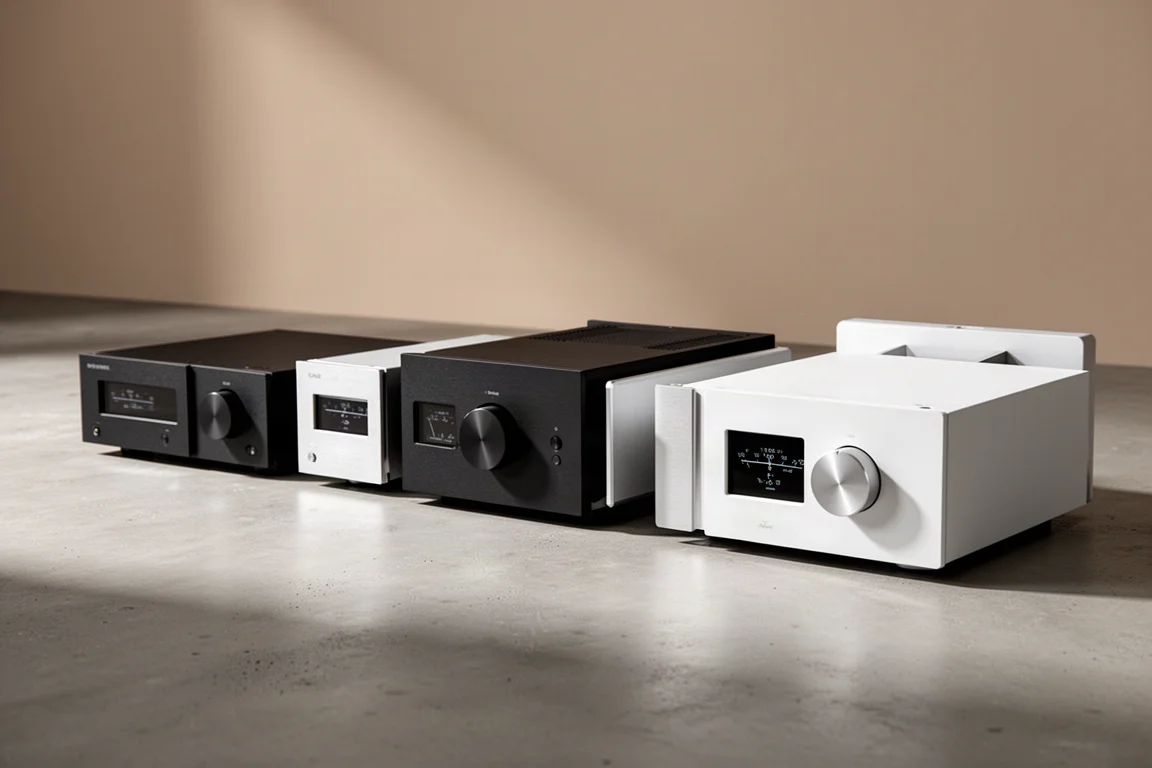
Hegel’s integrated amplifier range is built around a single idea: keep the signal path simple, remove distortion at its source, and give the listener a direct line to the recording. The five models covered here run from the compact H95 at the entry point to the flagship H600, and they share a family look defined by a clean front panel and an uncluttered chassis.
The differences between them come down to power output, input flexibility, streaming options, and how much of Hegel’s reference engineering makes it into the box. This guide works through each model in turn so you can match one to your room, your speakers, and the way you listen.
How Hegel’s Core Technologies Shape the Sound
The company’s story begins with a student project at the Norwegian University of Science and Technology. Hegel’s founder was researching the design of transistors used in power amplifiers and could not accept that a signal passing through an amplification circuit would come out amplified but also altered by distortion. The classic engineering fixes, such as lowering the damping factor or tuning the circuit until it lost its musical character, all carried penalties. The alternative was to design new circuits from the ground up.
That work became SoundEngine, the feedforward technology used across the lineup. Rather than relying on negative feedback the way most class AB amplifiers do, SoundEngine takes a direct copy of the input signal into an analog computer, compares it continuously with the signal travelling through the amplifier, then runs the result through a second analog computer stage that inverts it and feeds it into the output section to cancel what remains. It addresses the crossover distortion associated with switching transistor stages as well as high-frequency distortion, and the audible result is the very quiet, black background listeners tend to notice first.
Two further technologies appear throughout the range. DualAmp separates the voltage and current gain stages instead of combining them in one module, so each stage can be tailored to its own job, which lowers distortion and widens dynamic range. DualPower gives the input and amplification sections their own power supplies, maximising efficiency while reducing noise. Hegel also describes its overall voicing goal as organic sound: the amplifiers are designed to reproduce the recording as it was made, with nothing added between the listener and the music.
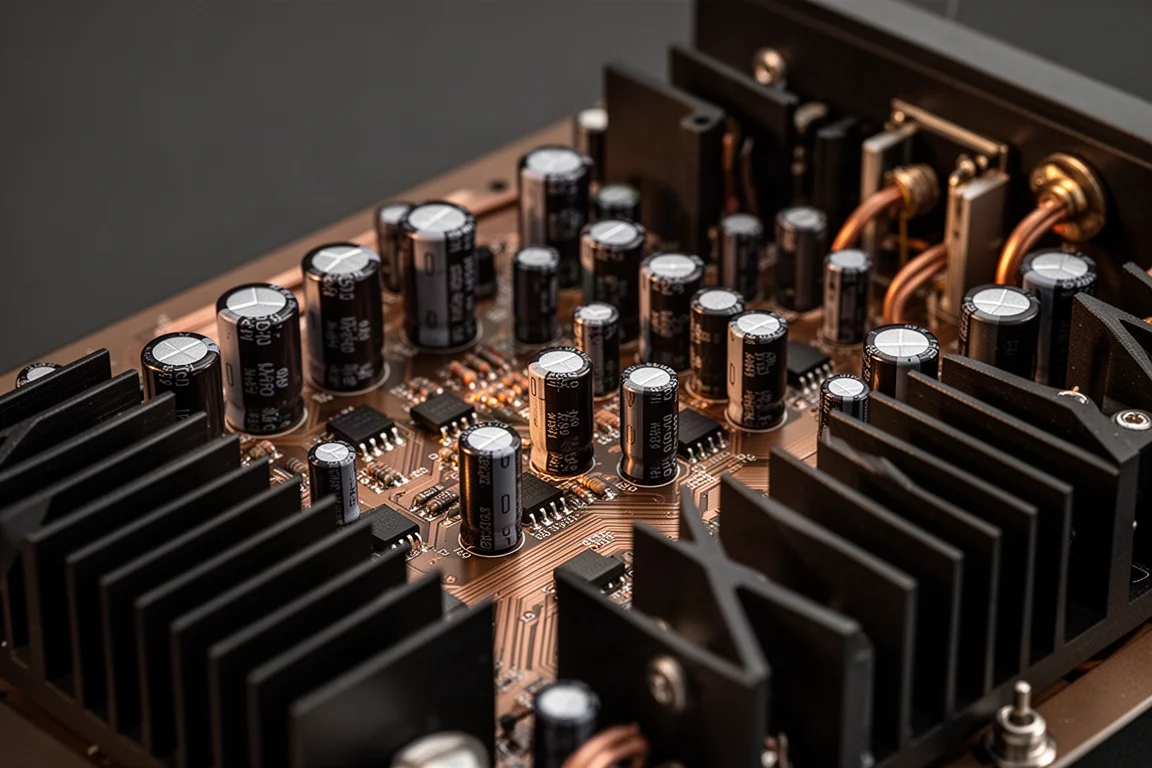
Taken together, these technologies explain why Hegel’s power ratings often feel more substantial in practice than the numbers alone suggest. A robust power supply and generous filtering capacitance mean the amplifiers can drive speakers that would normally be paired with more powerful hardware.
Hegel H95: The Entry Point
The H95 is the most accessible route into the range. It delivers 60 watts into 8 ohms and, like every integrated amplifier in this lineup, remains stable down to 2 ohms. Hegel’s approach to power supply design and filtering capacitance means the H95 can handle speakers typically reserved for high-powered amplifiers.
The front panel keeps to the essentials: a volume control, input selection, a headphone jack, and a display. The H95 is available in black only. A built-in DAC provides six digital inputs, made up of one coaxial, three optical, one USB, and one network connection. That network input supports Apple AirPlay and UPnP streaming, with Spotify Connect also available. Two unbalanced RCA inputs cover analog components, and either can be switched to fixed gain for use as a home theater bypass. SoundEngine 2 and firmware upgradeability help keep the amplifier current over time.
At $1,925 as of January 2025, it suits smaller rooms, easy-to-drive speakers, and listeners who want straightforward digital inputs with streaming over UPnP or AirPlay.
Hegel H120: More Power and Smart Home Control
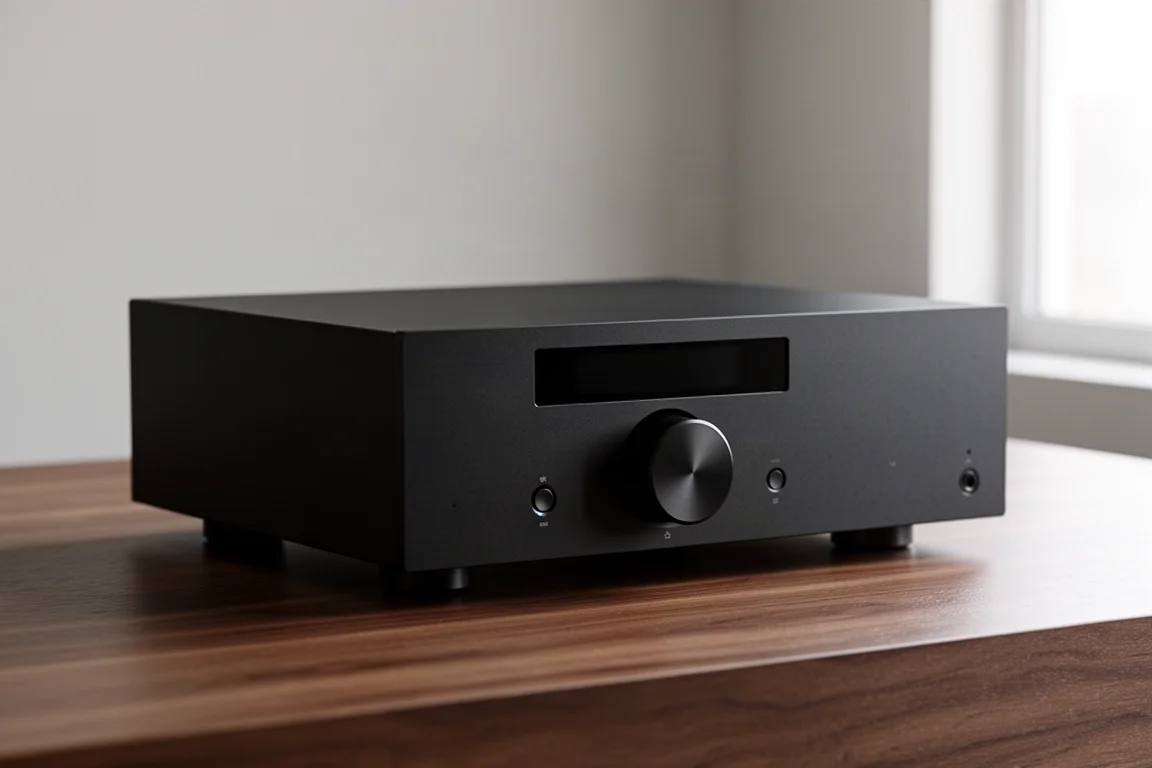
The H120 steps up to 75 watts into 8 ohms and adds a balanced input, which improves compatibility with a wider spread of source components. It is available in black or white.
Streaming stays consistent with the H95, covering Apple AirPlay, Spotify Connect, and UPnP, but the H120 is also Control4 ready and offers IP control, making it a natural fit for a smart home installation. Hegel has indicated that additional functionality is planned for the unit through software updates at no additional cost.
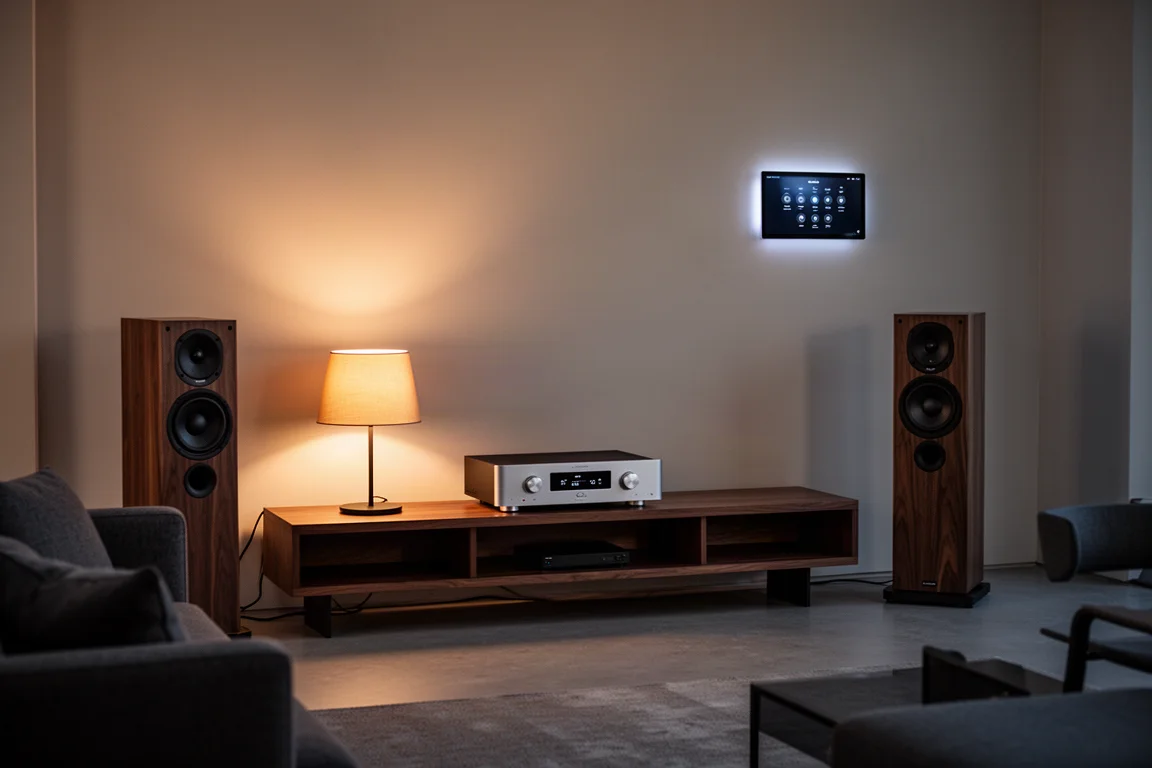
Choose the H120 if you need a little more power than the H95 for a slightly larger room, or if the amplifier is going into a control system rather than standing alone.
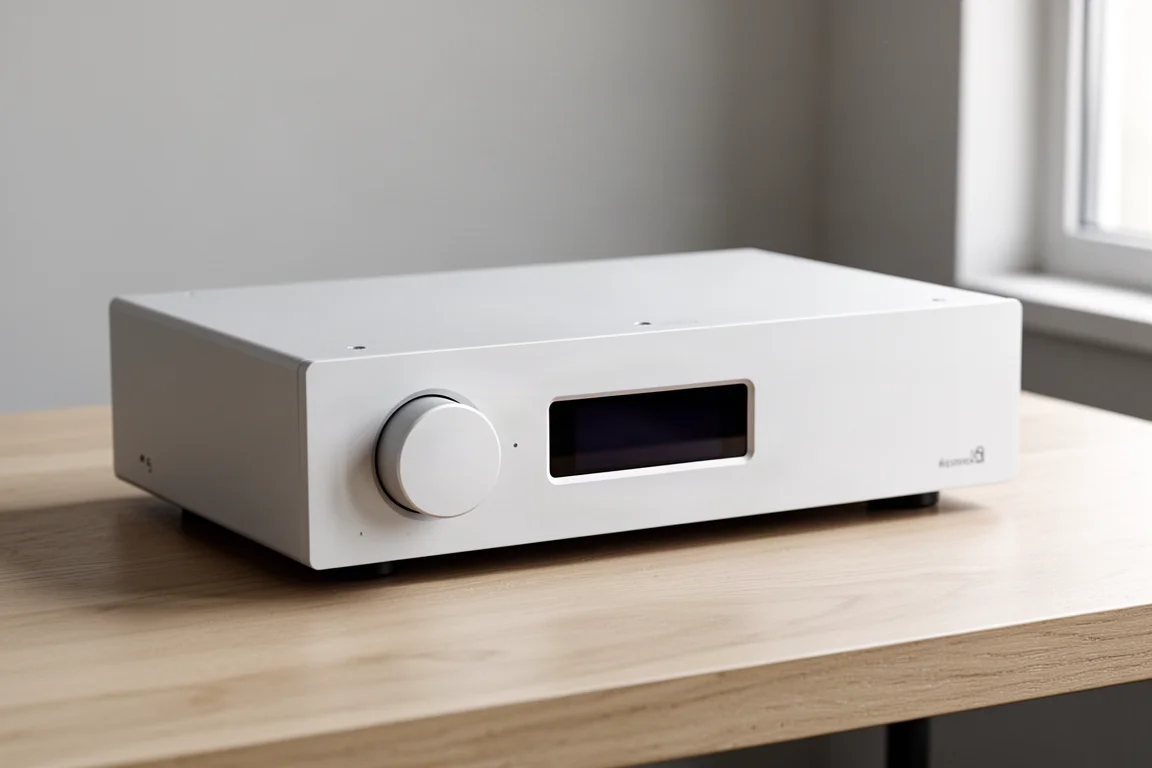
Hegel H190 V: The Turntable-Friendly Model
The H190 V is the vinyl-friendly option in the range. Its predecessor, the H190, was Hegel’s best-selling product ever, and this version builds on that foundation with a built-in moving magnet phono stage. It is the only integrated amplifier in the lineup with a phono stage on board, and the circuit is a scaled-down version of Hegel’s high-quality V10 phono stage. Turntable owners can connect a deck directly without adding a separate phono preamp.
Power output rises to 150 watts into 8 ohms, and the 6.3mm headphone jack is backed by a dedicated headphone amplifier inside. Streaming options match the models below it, and the H190 V is Roon ready as well. It is priced at $4,200 as of January 2025.
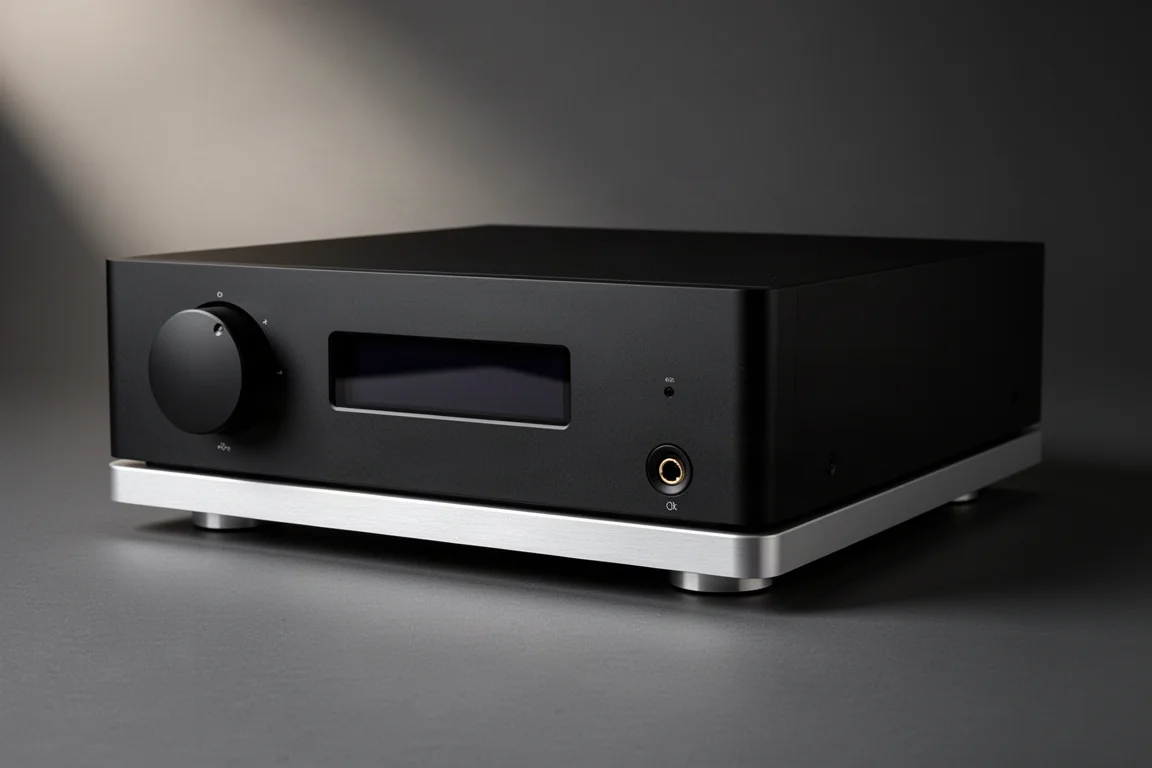
Hegel H400: The Balanced All-Rounder
The H400, nicknamed the Streamliner, sits in the middle of the range and balances features against performance. It succeeds the H390 and carries the core Hegel technologies, including SoundEngine 2. Output is rated at 250 watts into 8 ohms with stability down to 2 ohms, which gives it the control needed to power virtually any speaker with ease.
Analog connectivity comes from one balanced and two RCA line-level inputs, covering legacy gear. There is no built-in phono stage here, and most listeners shopping at this level will already own or plan to add a separate phono preamp. On the digital side, an internal ESS Sabre DAC works alongside Hegel’s SynchroDAC technology, which upsamples with lower jitter and distortion and handles PCM or DSD files from a network or a personal collection.
Streaming covers AirPlay, UPnP, Spotify Connect, and Roon, and the H400 adds Tidal Connect, Google Cast, and internet radio, so higher-resolution services can be used instead of the lower-quality protocols found further down the range. It is also the first model in the lineup to support the Hegel Control app, which handles volume, input switching, internet radio, and media server playback.
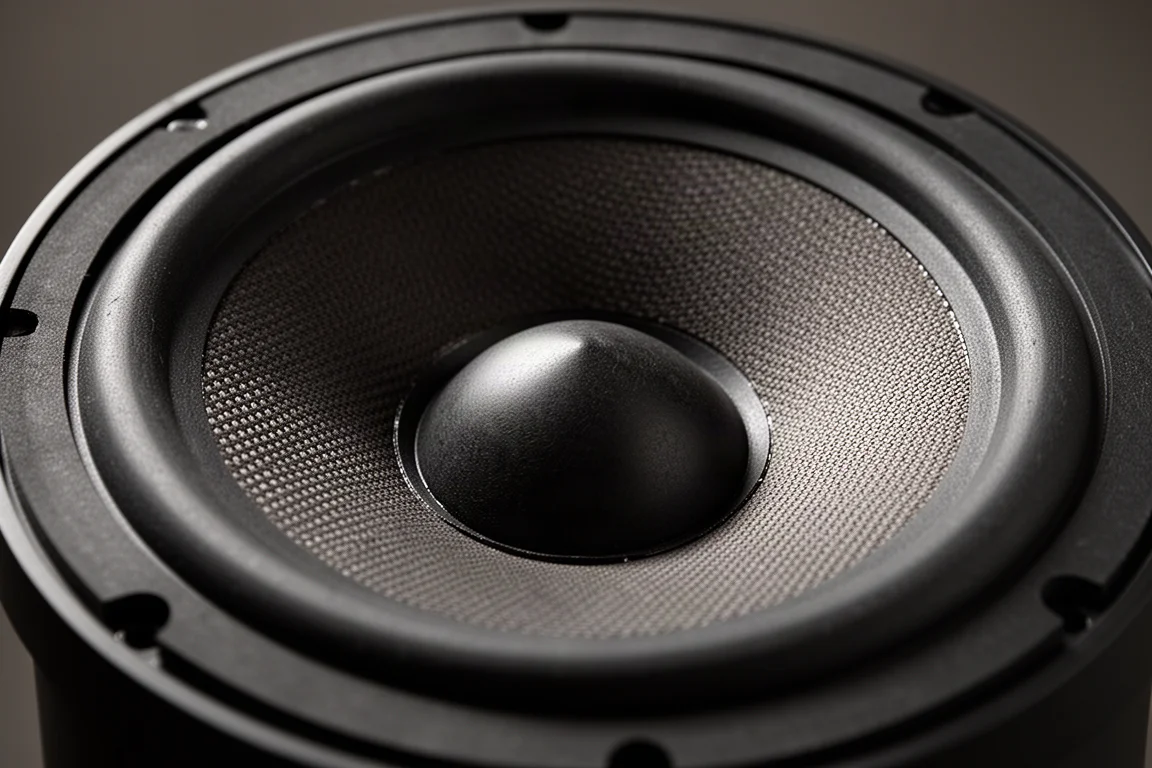
The damping factor exceeds 4,000, which translates into exceptional control over speaker drivers and bass that stays powerful, detailed, and articulate rather than simply loud. At $6,995 as of January 2025, the H400 is a premium option for listeners who want the sound of separate components without filling their space with them.
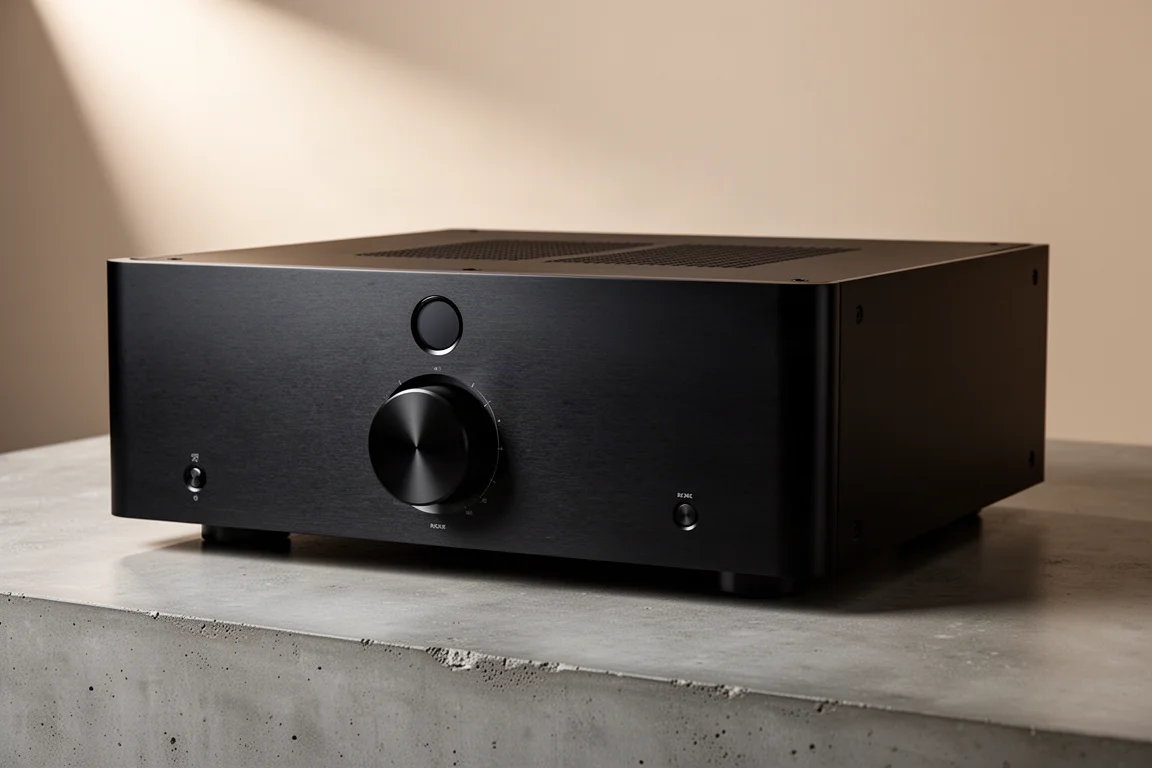
Hegel H600: The Flagship Reference
The H600 sits at the top of the lineup as a reference-level integrated amplifier. It delivers 303 watts into 8 ohms with a damping factor above 4,000, enough to drive large speakers in large rooms to more than satisfying levels.
Its DAC is specific to this model: a bit-perfect design that avoids oversampling or resampling of the digital stream, with its own separate power supply to isolate it completely from the rest of the circuitry. The H600 is a true dual mono design, with the two channels working independently inside the chassis, and its volume attenuator circuits are taken from the new P30A reference preamplifier. Streaming capabilities match those of the H400.
Which Hegel Integrated Amplifier Fits Your Setup?
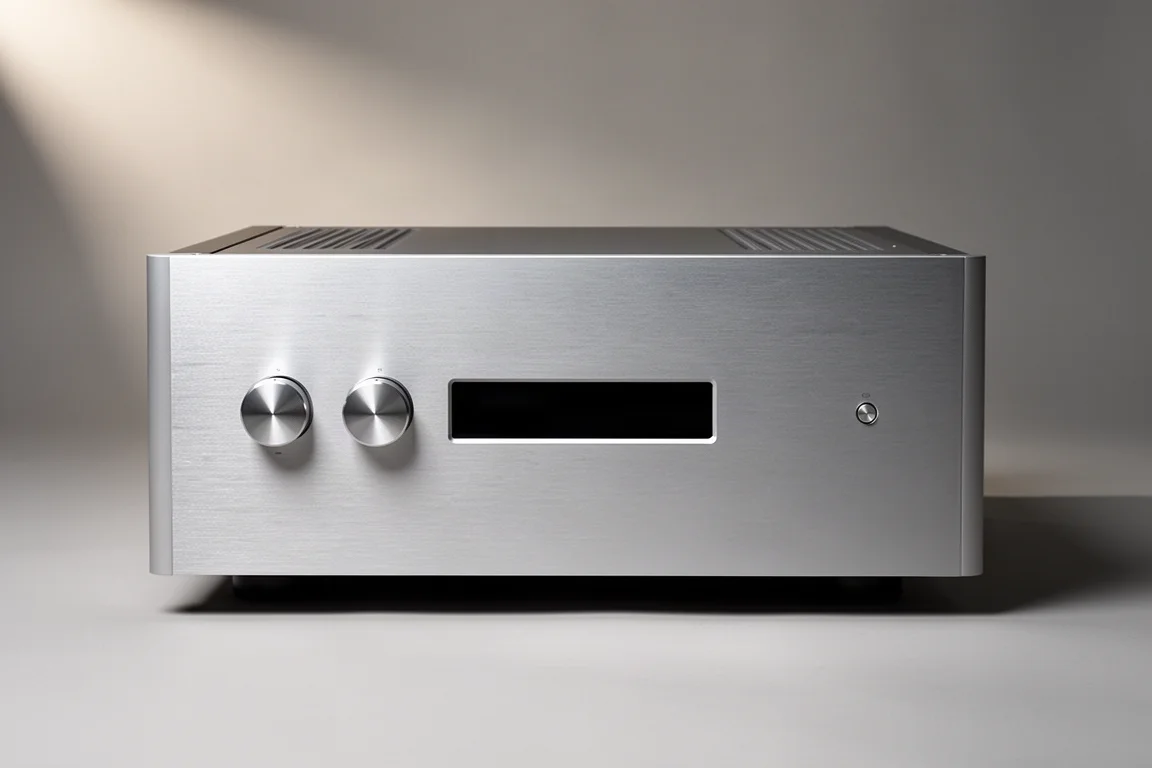
Start with your speakers and your room. The H95 and H120 are sensible starting points for smaller spaces and speakers that are not especially demanding, and the H120’s balanced input and IP control make it the more flexible of the two. The H190 V adds both power and a turntable input for listeners building a vinyl-focused system.
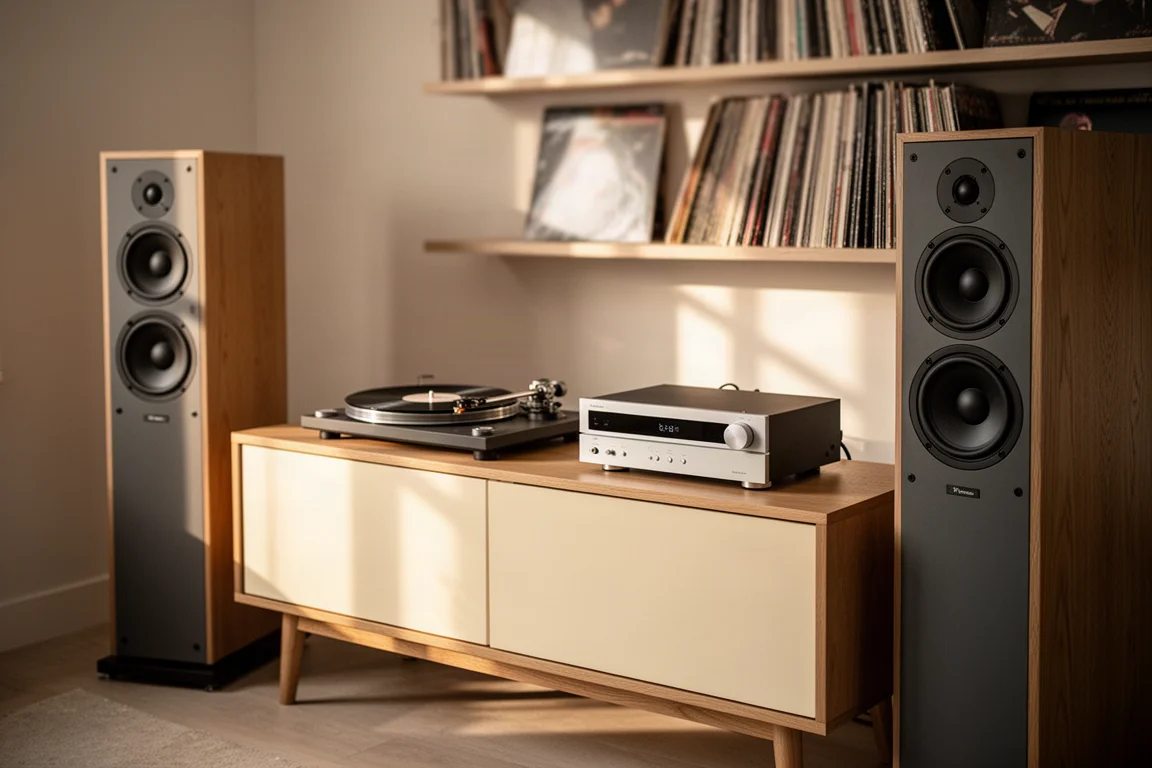
Your streaming habits matter as much as your speakers. If you rely on Tidal Connect, Google Cast, or internet radio, the H400 and H600 are the models that support those services natively, and the Hegel Control app makes day-to-day use simpler. If your room is large and your speakers need serious current, the H600’s dual mono construction and bit-perfect DAC represent the closest thing in the range to separate components in a single chassis.
For listeners who prefer separates, Hegel also offers the P20 and P30A preamplifiers, the H20 and H30 power amplifiers, the V10 phono stage, the Viking CD player, and the CS3, CS4, and CS5 three-, four-, and five-channel amplifiers for home theater use.
Conclusion
Each model in this lineup solves a slightly different problem. The H95 is the accessible entry point with a genuinely capable feature set, the H120 adds power, a balanced input, and smart home integration, the H190 V brings turntables into the picture, the H400 is the balanced all-rounder with the widest streaming support short of the flagship, and the H600 is the reference design for large rooms and demanding speakers. Match the amplifier to your room, your speakers, and your sources, and any of the five will serve as a long-term centrepiece for a two-channel system.
Further reading
Related Reviews
Hi-Fi Amplifiers
Accuphase E-280 Review: Entry-Level Accuphase With Flagship Attention to Detail
A close look at the Accuphase E-280 integrated amplifier, covering its champagne build, AAVA volume control, sound quality, and the speakers and sources that suit it best.
Hi-Fi Amplifiers
Advance Paris A10 Classic vs Yamaha A-S301: Two Integrated Amplifiers Compared
A practical comparison of a $350 integrated amplifier and a $2,500 reference model, covering the differences that matter and the ones that do not.
Hi-Fi Amplifiers
Affordable Chinese Amplifiers Worth Buying: Five Budget Hi-Fi Amps Compared
A practical look at five affordable amplifiers, what each one does well, and the trade-offs to weigh before you buy.