Hi-Fi Amplifiers
Hegel H600 Review: The New Flagship Integrated Amplifier
A practical look at the Hegel H600, a flagship integrated amplifier with a redesigned preamplifier and DAC section, 303 W per channel, and streaming built in.
Introduction
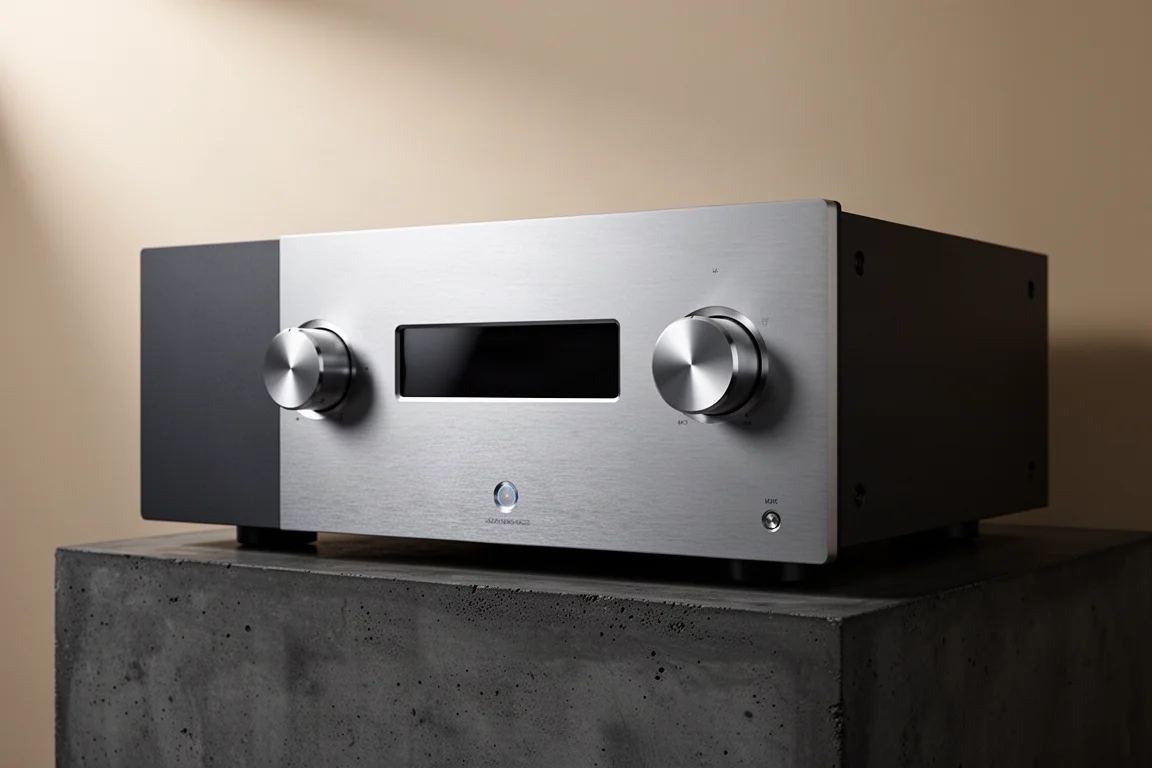
The Hegel H600 is the company’s new flagship integrated amplifier, and it takes over the top spot in the lineup from the H590. Like the rest of Hegel’s integrated range, it is a complete one box solution. A network streamer, a DAC, a preamplifier and a power amplifier all live in the same chassis, so a pair of speakers and the right cables are enough to build a serious system.
The interesting part is not simply that a new model exists. The H600 borrows heavily from Hegel’s flagship separate components, and the biggest changes sit exactly where an integrated amplifier needs them most: the preamplifier and the digital section. Hegel delayed the launch rather than release a modest refresh, and the result is a model positioned as a genuine step forward rather than a small revision.
That is the core of the H600’s appeal: flagship technology in a single box, for listeners who want a high end system without a rack full of separate components, and who value a setup that simply works.
Who the Hegel H600 Is For
The H600 is aimed at listeners who already know the Hegel sound and want more of it. It is the flagship of the integrated line, priced at $12,500, and it is not the first Hegel amplifier most people should buy. Working up through the range, or spending time with a demonstration, is the sensible way to decide whether the Hegel house sound is the right fit before committing at this level.
It also suits owners of demanding loudspeakers. Hegel’s integrated amplifiers are Class AB, high current designs, and the H600 is stable down to 2 ohms, which means it can drive difficult loads, including panel speakers that are known for being picky about amplification.
A third group will appreciate the practical side of the design: anyone running a two channel system in the same room as a television. The H600 has been built with that kind of mixed use in mind, and it does not demand a separate remote or a separate streaming box to make it work.
Main Strengths
Preamplifier and DAC Redesign
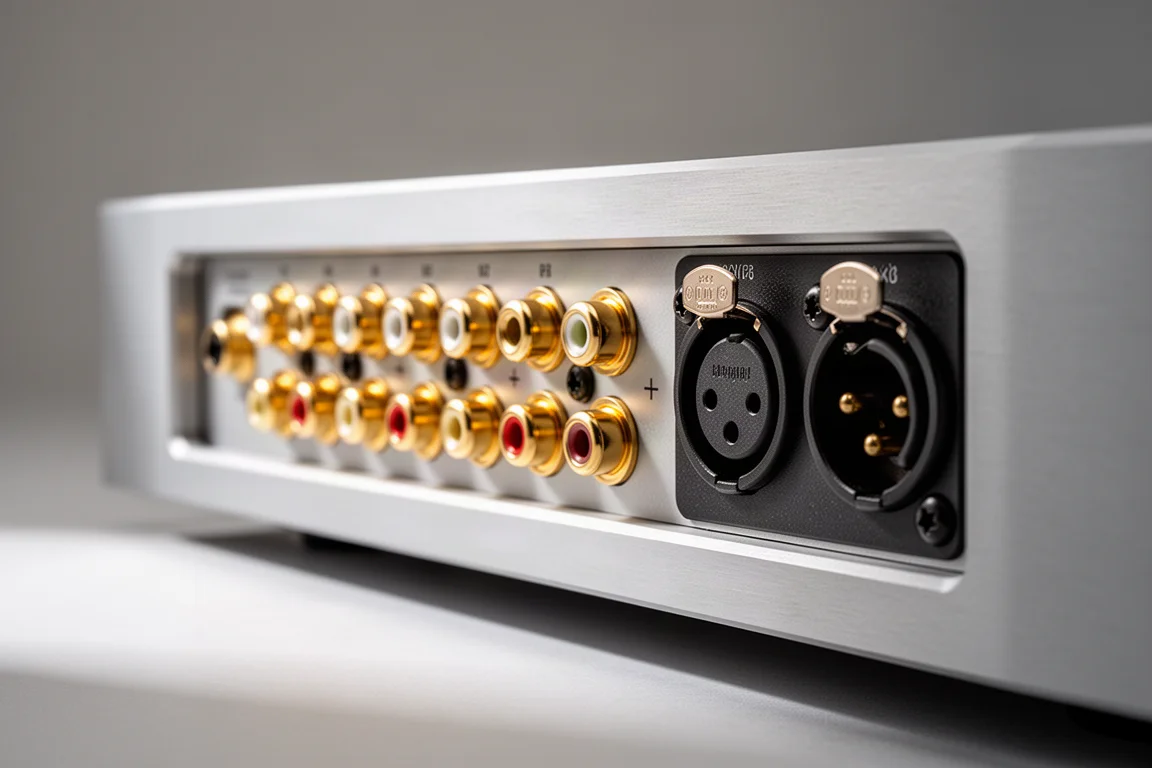
The most significant change is the volume attenuator. It is a trickle down part from Hegel’s flagship preamplifier, and the company describes it as one of the biggest single changes made to the unit. The preamplifier section and the voltage amplifier board have also been substantially redesigned, and that work affects every analog input, including RCA and XLR, with the balanced inputs now using better parts than before.
The digital section has been replaced as well. Where the H590 used AKM DAC chips, the H600 uses Burr Brown chips from Texas Instruments. The conversion runs bit perfect, with no upsampling or downsampling. Together, the preamplifier and DAC changes are what separate the H600 from the other integrated amplifiers in the range.
In use, that redesign is what allows the H600 to get close to Hegel’s flagship separates. The soundstage and imaging are a clear step beyond the H590, and the tone sits between the warmer H390 and the cooler H590, with a little more bass weight and midrange texture than the older flagship while staying short of the H390’s warmth.
Power, Control and the Amplifier Section
On paper, the power figure moves only slightly: 303 W into 8 ohms against the H590’s 301 W. In practice that is not a meaningful difference, and it is not a number anyone needs to worry about. Hegel rates the H600 at around 570 W into 4 ohms and around 1,000 W into 2 ohms, and measurements have shown more than 500 W into 4 ohms. A damping factor of 4,000 is quoted, alongside the company’s SoundEngine 2 feed forward technology, which is designed to keep distortion low.
The amplifier section also uses better parts and capacitors than the previous generation, and the physical package has been refined: a thicker top panel with a revised venting design, and improved RCA and XLR connectors. None of these changes transform the power output, but they support the way the amplifier grips and controls a speaker’s bass, keeping it textured and extended rather than loose.
Streaming and Everyday Usability
The streaming side of the H600 covers UPnP streaming, AirPlay 2 and Tidal Connect, with Roon certification pending. Setup is refreshingly direct: connect to the network over Ethernet and start playing. The streaming board has been designed to accept new platforms in future updates, which gives the unit more room to grow over its lifetime than a fixed platform would.
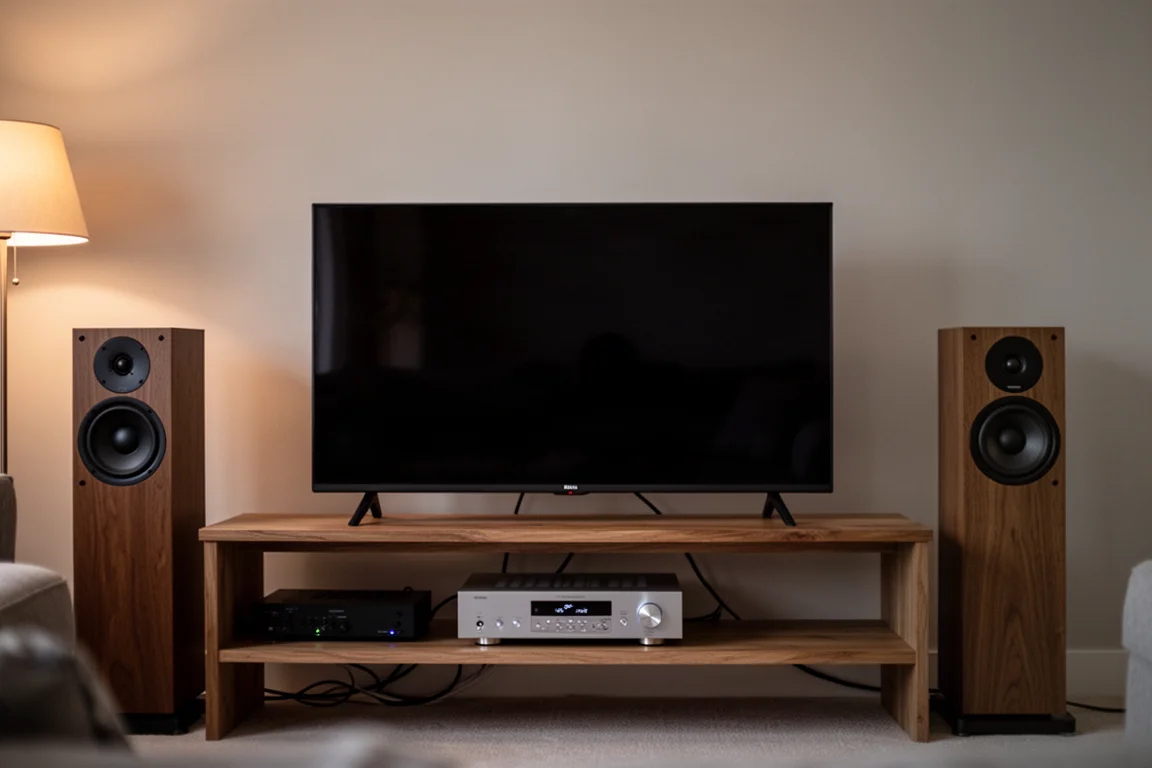
Hegel has also added an input sense system to the digital inputs. When the amplifier is connected to a television, turning the TV on brings the amplifier on, turning it off shuts it down, and the TV remote’s volume buttons control the Hegel. For anyone using the H600 as the centre of a living room system as well as a two channel setup, that removes a layer of remote juggling.
Things to Consider Before Buying
The price is the first thing to weigh. At $12,500 the H600 sits in the high end category, where it competes with well established integrated amplifiers from other premium brands. That is a lot of money for a single box, even a very capable one, and the only sensible approach is to listen before buying.
Owners of the H590 should be careful about assuming an upgrade is automatic. The H600 is a better amplifier in several important ways, but the H590 remains a strong unit in its own right. Unless a demonstration in your own system shows a clear improvement, there is no obligation to move on.
The sound itself is worth understanding before purchase. Hegel’s integrated amplifiers are not voiced for brightness or forward high frequencies. Detail is present and easy to follow, but the presentation stays relaxed rather than fatiguing, which suits long listening sessions and rewards speakers with a transparent top end.
Buying Advice
The H600 replaces the H590, which was priced at $11,000, so the increase is $1,500. Considering the redesigned preamplifier and DAC, the new attenuator, the improved amplifier parts and the updated streaming section, that difference looks reasonable for a flagship. Reaching the H600’s level from an H590 previously meant adding a separate streamer and a separate DAC, and those additions cost considerably more than the price gap between the two integrated amplifiers.
If you already enjoy the Hegel sound and want the best version of it that the company makes in a single chassis, the H600 is the logical destination. If you are newer to the brand, the H190 and H390 remain strong entry points, and the H390 in particular offers a warmer, richer tone that some listeners prefer. The H600 does not replace that preference. It simply does everything the flagship is expected to do, with better control, a blacker background and a wider, deeper soundstage.
Conclusion
The Hegel H600 is a flagship integrated amplifier that earns the title. Its preamplifier and DAC sections have been rebuilt around technology from Hegel’s top separates, its amplifier section stays stable and controlled with difficult speakers, and its streaming implementation is straightforward enough to live with day to day. At $12,500 it is a serious purchase aimed at listeners who already love what Hegel does, and for those listeners it is a compelling one box answer.
Product link
View more details for Hegel H600
This product is mentioned in the review. Check the specifications, options, and compatibility before buying.
View more details for Hegel H600Further reading
Related Reviews
Hi-Fi Amplifiers
Accuphase E-280 Review: Entry-Level Accuphase With Flagship Attention to Detail
A close look at the Accuphase E-280 integrated amplifier, covering its champagne build, AAVA volume control, sound quality, and the speakers and sources that suit it best.
Hi-Fi Amplifiers
Advance Paris A10 Classic vs Yamaha A-S301: Two Integrated Amplifiers Compared
A practical comparison of a $350 integrated amplifier and a $2,500 reference model, covering the differences that matter and the ones that do not.
Hi-Fi Amplifiers
Affordable Chinese Amplifiers Worth Buying: Five Budget Hi-Fi Amps Compared
A practical look at five affordable amplifiers, what each one does well, and the trade-offs to weigh before you buy.