Integrated Amplifiers
Hegel H400 Review: A 250W Integrated Amplifier With a New Digital Board
A close look at Hegel's H400 integrated amplifier, covering its 250W per channel output, redesigned power supply, new digital section, and how it compares with the H390 and rival integrateds.
Introduction
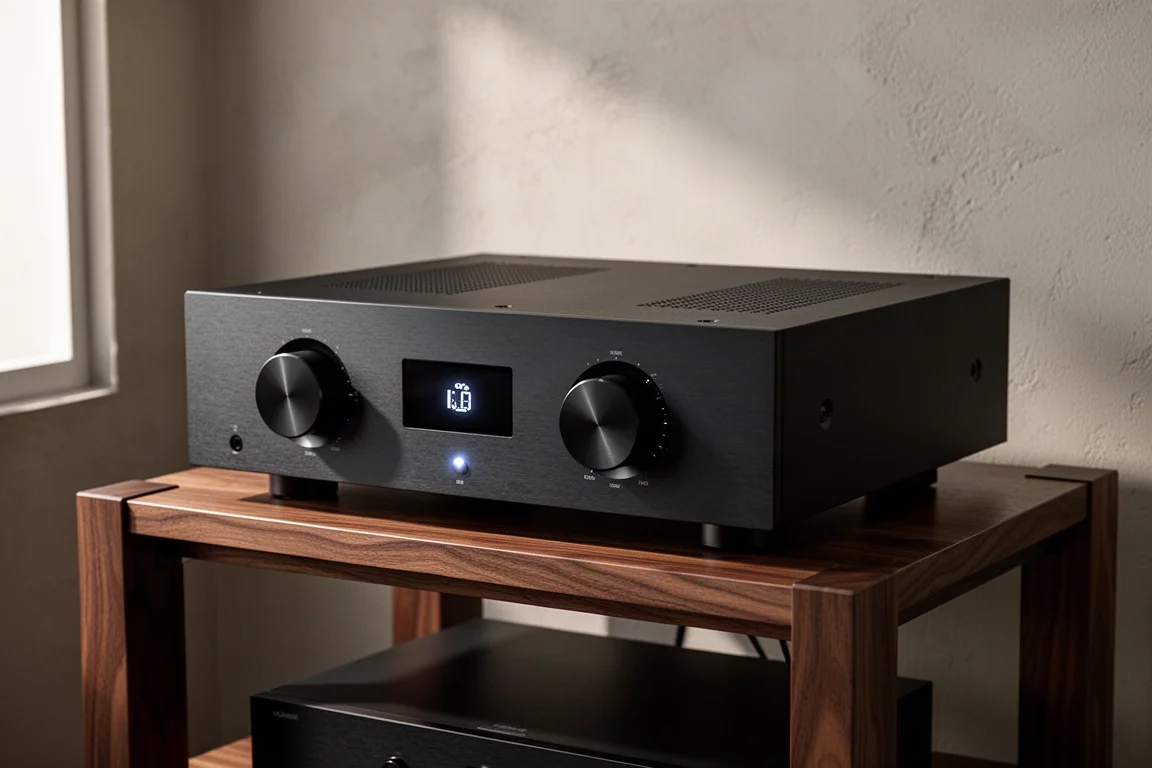
Hegel’s H400 is the company’s newest integrated amplifier, positioned above the H190 and replacing the outgoing H390 at the top of the range. From the outside, little separates it from the model it succeeds: the same aluminium chassis, the same 430 x 145 x 440 mm footprint, and the same 20 kg of deliberately understated Scandinavian design. The power button still sits discreetly beneath the front panel, with the input and volume dials flanking the OLED display.
The changes are all inside. The H400 keeps the dual mono power amplifier modules and the SoundEngine 2 feed-forward circuit, but adds a redesigned power supply, a revised preamplifier stage, and an entirely new digital board with a more powerful streaming processor and an upgraded DAC that Hegel describes as almost identical to the one used in the H600.
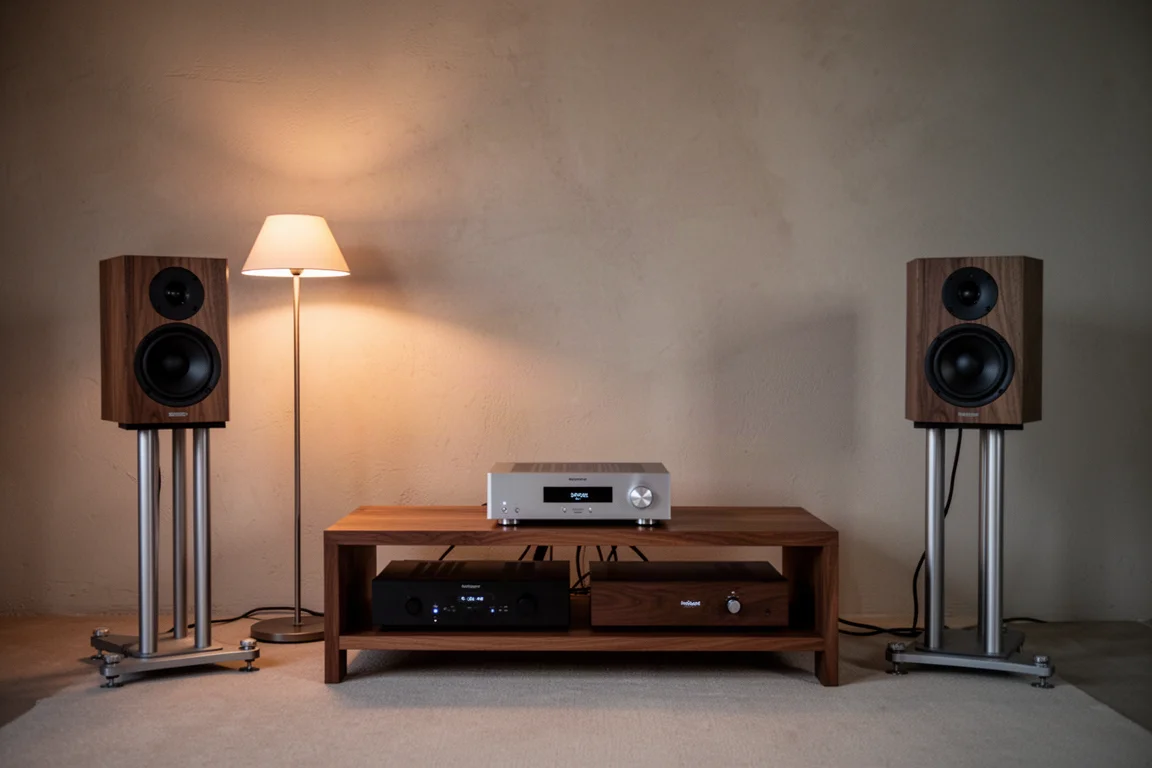
The headline figure is 250 watts per channel into 8 ohms, drawn from a larger toroidal transformer and eight filter capacitors rated at 10,000 microfarads each. Paired with a substantially lower noise floor, that headroom shapes almost everything about the way this amplifier sounds.
Who This Amplifier Is For
If you own the H190, the H400 is close to a no-brain upgrade. The step in performance is larger than the usual incremental gain you expect when moving up a manufacturer’s range, and it shows in every area: soundstage, imaging, bass control, midrange resolution and top-end refinement.
If you already own the H390, the decision is less obvious. The power amplifier section is carried over unchanged, and while the revisions to the preamplifier and power supply are clearly audible, the more sensible move may be to look at the rest of your system first and work out where the biggest gain actually sits.
This amplifier also asks a question of purists. Every Hegel integrated ships with a DAC and a network streamer built in, and the H400 is no exception. Listeners who have already invested in external digital components may find that arrangement frustrating, even though it keeps the range simple for Hegel and avoids much of a saving if the modules were removed.
Main Strengths
The most immediately obvious quality is quietness. The noise floor is far lower than on the H190, and the effect is that a great deal more low-level detail surfaces without any sense of the amplifier straining to find it.
That feeds directly into the stereo image. The H400 throws a substantially larger soundstage than its smaller sibling, both in width and, more impressively, in depth. Performers occupy precise positions rather than vague ones, and the sense of a recording space is unusually convincing for an integrated design.
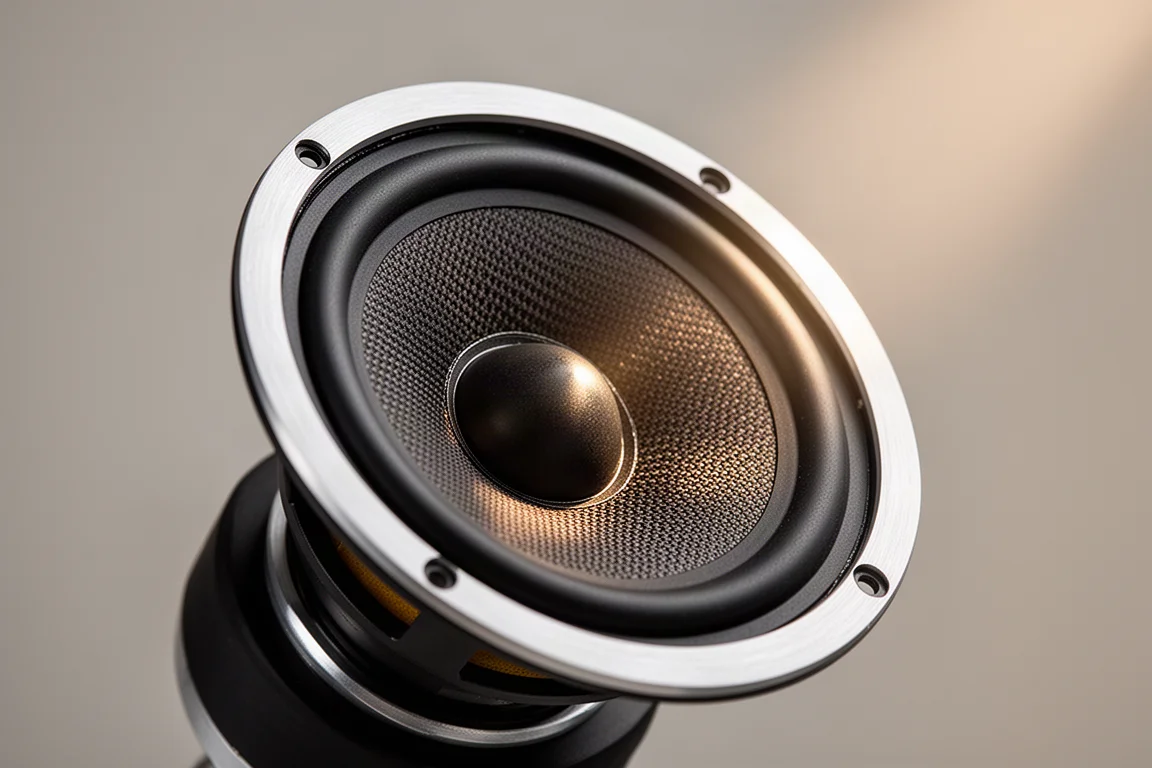
Bass is the other area where the extra power supply capacity shows. Notes are tight, controlled and well defined, with less bleed into the midrange, and the amplifier keeps a firm grip on demanding passages rather than letting them blur.
The digital section deserves credit as well. The internal DAC took some running in, but it settles into a clean, spacious presentation that is closer to a dedicated outboard converter than the built-in module might suggest. Digital connectivity is comprehensive: five S/PDIF inputs (one BNC, one coaxial and three optical), a USB digital input, an RJ45 port for the streamer, and a digital output. Analogue connections cover two single-ended RCA and two balanced XLR inputs, with both fixed and variable analogue outputs. A metal remote control is supplied.
How the H400 Compares With Rival Integrated Amplifiers
Against the Accuphase E-280, which sells in the UK for around £4,995, the Hegel matches it for stereo imaging precision but pulls ahead on tonal balance and bass control. The Accuphase has a leaner character, and it cannot match the H400’s grip at the bottom end.
The Trilogy 921, at around £5,995, is close enough in overall fidelity that separating the two reliably would need both amplifiers side by side. Power is what separates them in practice: the 75 watts per channel Trilogy does not have the same scale or bass authority as the 250 watt Hegel. Both rivals run the H400 close, but they sound smaller, thinner and less controlled.
Against a vintage preamplifier and monoblock combination, the H400 still holds its own, which is a rare thing for an integrated. It offers a slightly more focused stereo image, crisper transients and tighter bass with less bleed into the midrange. The separates counter with more midrange body, better note texture and slightly more realistic decay. Choosing between them comes down to preference rather than one being plainly better.
Compared with the outgoing H390, the H400 is a definite step up across the board, and the changes to the preamplifier and power supply are doing real work even though the power amplifier section is unchanged.
Things to Consider Before Buying
The built-in DAC and streamer are not optional, and that single decision shapes who this amplifier suits. If you already own an external converter and streamer you prefer, you are paying for hardware you may never use.
The streamer itself is competent rather than class-leading. The control app is basic and will not trouble the strongest user interfaces in the category, though it does get the job done. Supported services include Spotify Connect, Tidal Connect, UPnP and DLNA third-party apps, AirPlay 2, Chromecast and Airable internet radio.
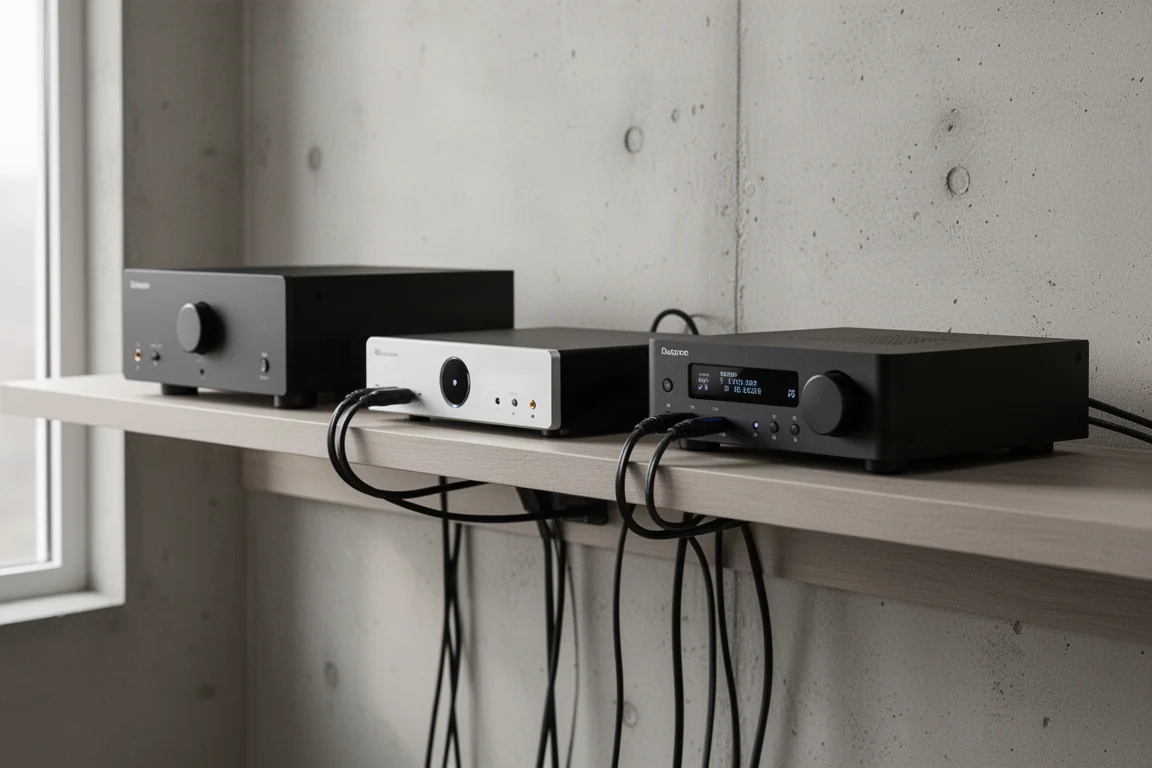
Source quality matters more here than with most integrated amplifiers. The internal DAC is good, but a standalone converter at around £1,600 is more resolving, so a meaningful upgrade means spending well above that level. Partnering components at roughly the level of a £3,100 DAC are a sensible starting point if you want to hear what the amplifier can do.
Speakers deserve the same care. The H400 will drive almost anything, but it only reveals its spatial qualities with high-resolution speakers that can keep up with it.
Partnering Equipment and Setup
There are few speakers the H400 will struggle to drive, so the limiting factor is usually resolution rather than impedance. Speakers with strong spatial qualities make the most of the amplifier’s deep, precisely layered soundstage, and more modest designs tend to flatten what it can do.
Setup is straightforward. The H400 is Roon certified from launch, and running it through Roon adds flexibility such as parametric EQ and, depending on your configuration, room correction. For listeners who want to keep things simple, the built-in streamer handles supported services without any extra boxes.
Buying Advice
For H190 owners, the upgrade case is strong and easy to justify. The performance gap is wide enough that the H400 feels like a genuine move up the range rather than a sideways step.
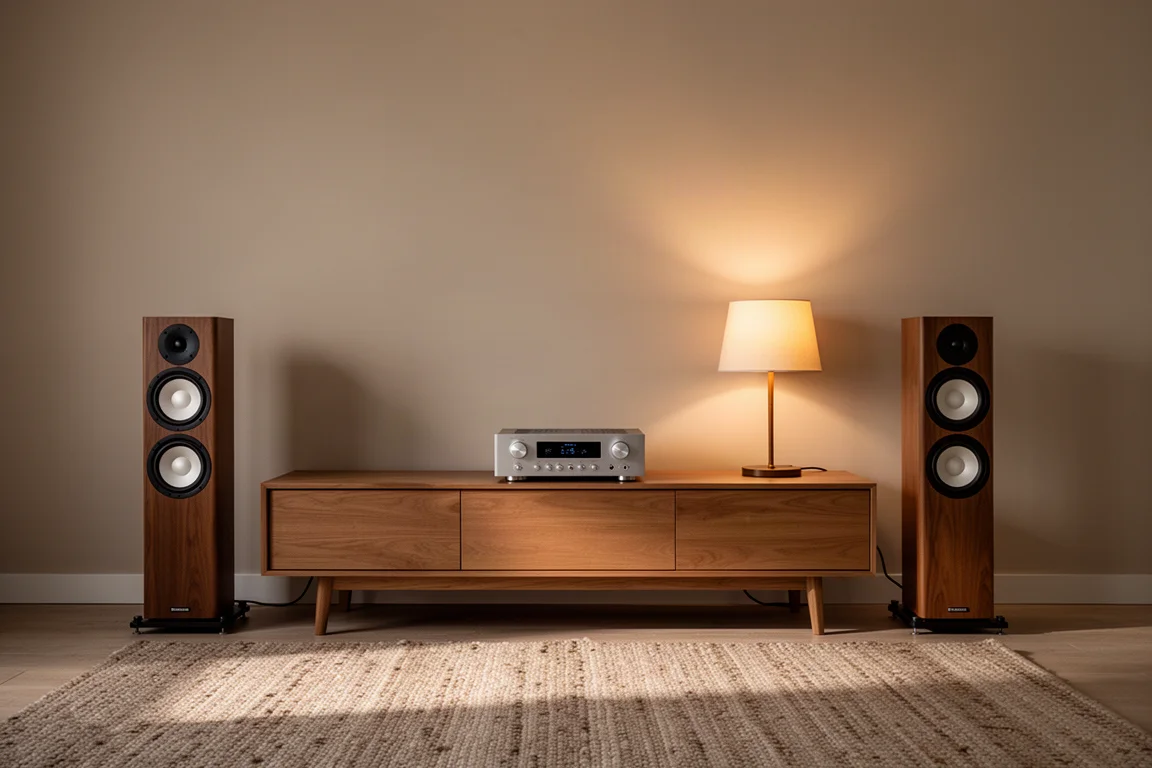
For H390 owners, the sensible approach is to audit the rest of the system first. The H400 is better, but if your speakers or source components are the weakest link, that is where the money will work hardest. For anyone building a system around a purist separates approach, weigh how much you will actually use the built-in digital section before committing.
Conclusion
Hegel has taken a very good amplifier in the H390 and made changes that add up to a noticeable improvement in sound quality. The H400 combines plenty of power, a capable DAC and a presentation that is detailed, natural and spacious, and it delivers the best all-round performance available at its level for listeners who value an integrated solution.
If you have dismissed Hegel amplifiers because they include DACs and streamers you do not intend to use, the H400 is worth a second look. The convenience is built in whether you want it or not, but the sound quality on offer makes the compromise easier to accept.
Product link
View more details for Hegel H400
This product is mentioned in the review. Check the specifications, options, and compatibility before buying.
View more details for Hegel H400Further reading
Related Reviews
Integrated Amplifiers
Advance Paris A10 Classic Review: Vintage Looks and a Lively, Punchy Sound
The Advance Paris A10 Classic pairs glowing blue VU meters and a tube stage with one of the widest input sets on any integrated amplifier. Here is what it does well and what to weigh before spending $2,500.
Integrated Amplifiers
Advance Paris A12 Apex Review: A Modern Integrated Amplifier With Vintage Character
A dual mono integrated amplifier with 180 watts per channel, a tube front end, VU meters, and a connectivity list that covers turntables, televisions, computers, and headphones.
Integrated Amplifiers
Advance Paris Nova Range Review: AI130, AI190 and Modular Upgrades
A practical look at the Advance Paris Nova range, including the AI130 and AI190 integrated amplifiers and the modular streaming, Bluetooth and remote accessories that expand them.