High-End Audio
Hegel H30A and P30A Review: Inside Hegel's Flagship Separates
A detailed look at Hegel's flagship power amplifier and preamplifier pairing, from the engineering inside the chassis to the bass grip, separation, and wide soundstage buyers can expect.
Introduction
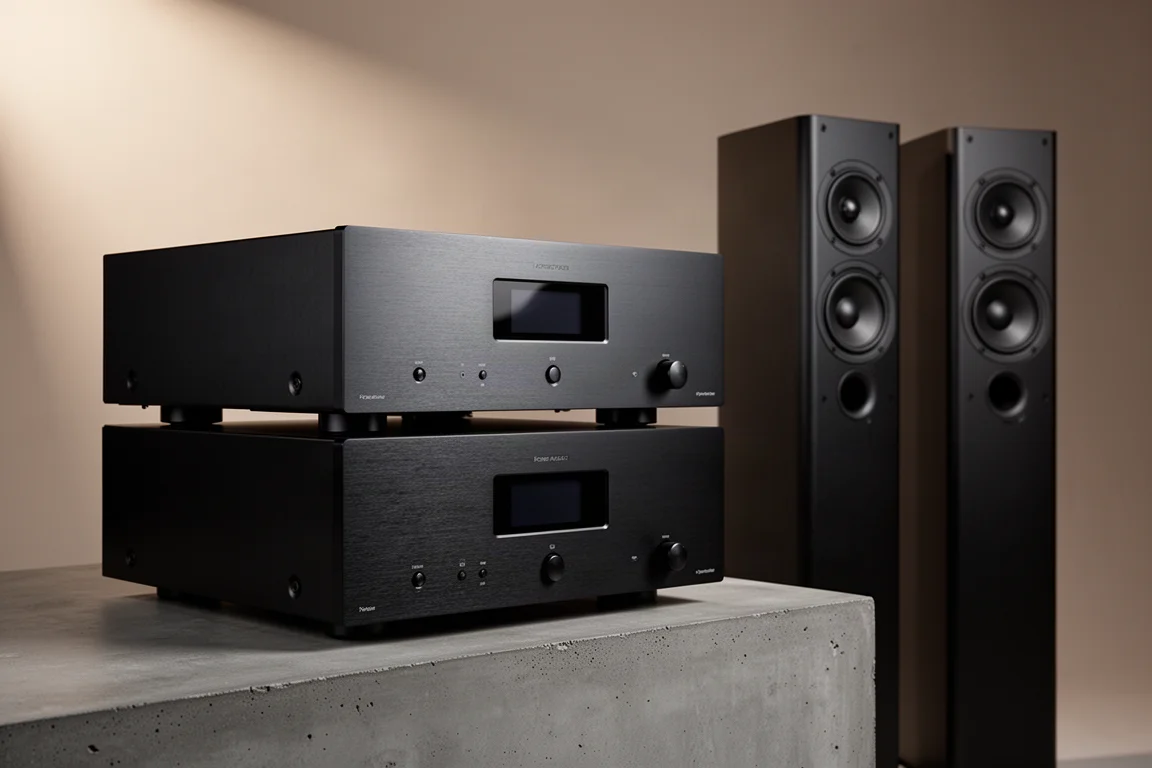
Hegel’s flagship separates, the H30A power amplifier and the P30A preamplifier, are the clearest statement of what the company builds toward. Both units carry the engineering philosophy Hegel is known for, including its SoundEngine 2 technology, and Hegel claims the H30A can drive any speaker on the market to its fullest potential.
That kind of claim is easy to make and hard to prove. For a buyer at this level, the more useful question is whether the amplifier earns its price in sound quality. The H30A is priced at roughly $20,000 and the P30A at approximately $9,000, which places the pair firmly in flagship territory and invites direct comparison with the best integrated amplifiers Hegel has offered.
What Makes This Pairing Hegel’s Flagship
From the outside, the H30A and P30A are deliberately understated. They are large matte black chassis with subtle shaping that adds a little dimension, and nothing that draws attention in a rack full of high-end components. The engineering budget went inside instead.
The power supply starts with two 1000 VA toroidal transformers rather than one, backed by 270,000 microfarads of capacitance. That capacitance figure is comparable to five or six Krell KSA-50 units, a legendary amplifier known for driving difficult loads. On the input stage, the design uses a pair of carefully hand-matched field-effect transistors, matched to identical values so that higher-order harmonic distortion does not arise. Other distortion types are handled by the patented SoundEngine 2 technology, which works in a similar way to noise-cancelling headphones: it senses distortion and feeds it back to cancel it out. The output stage supplies 56 pieces of 15 amp, 200 watt high-speed, ultra-low-distortion bipolar transistors, which Hegel says lets the amplifier deliver its power to the speakers effortlessly at all times.
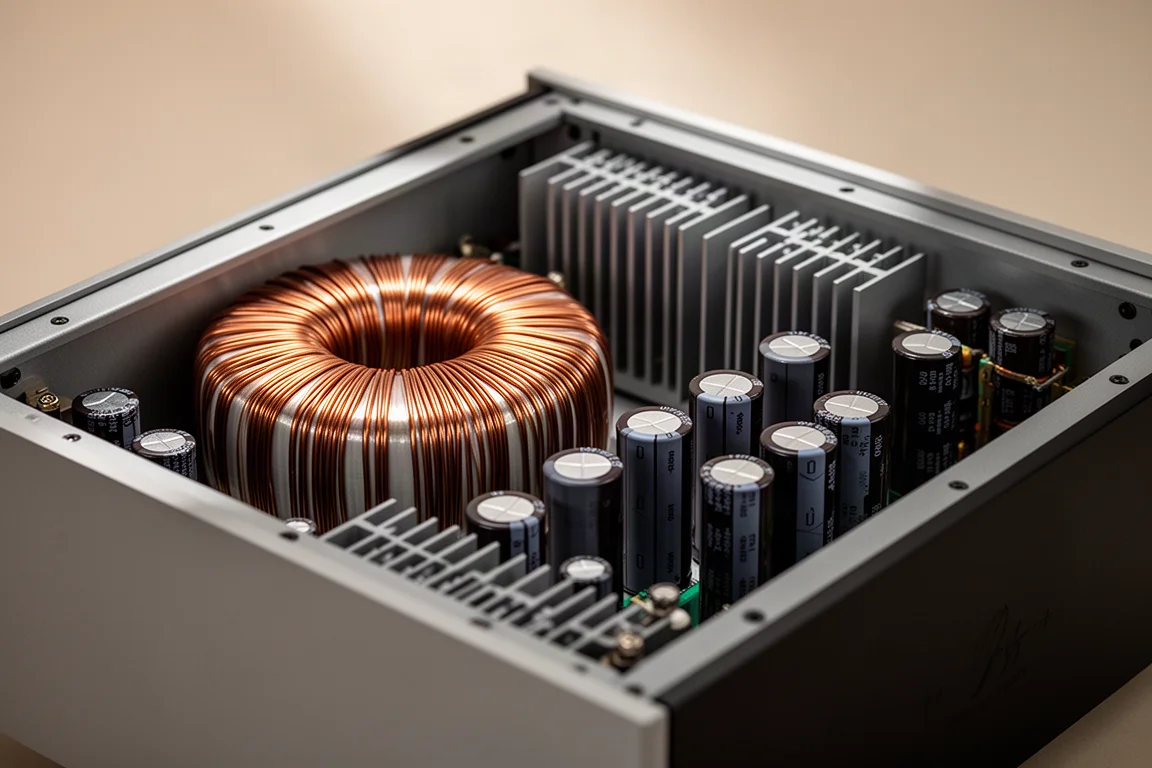
Together, those choices explain why the pair behaves less like a conventional black box and more like a purpose-built system. Every stage is dimensioned for headroom rather than for a specification sheet.
Hegel H30A: A Power Amplifier Built for Control
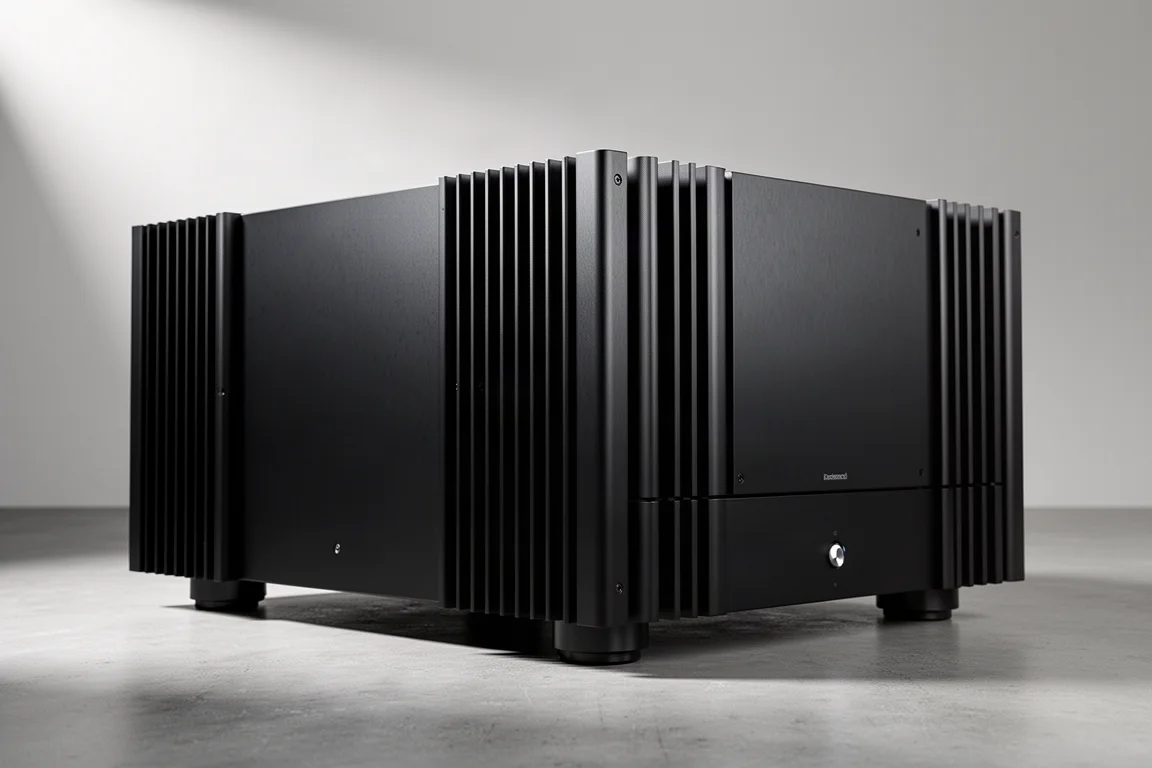
The H30A was designed as a monoblock amplifier, and a pair of them is the configuration Hegel has in mind for buyers who want the lowest distortion. It can also be used as a single stereo amplifier, where distortion rises slightly. Hegel describes that added distortion as the good kind, the second-harmonic character associated with tube amplifiers, which can work in the listener’s favor rather than against it.
Connections cover both XLR balanced and RCA single-ended inputs, so the amplifier is not tied to one front end. It also works with preamplifiers other than the P30A, though the matching Hegel preamplifier is what brings it to its fullest potential in practice.
The binding posts deserve a mention because they are a good example of the thinking behind the unit. They are heavy duty rather than decorative, and they can be tightened firmly by hand without a wrench. Many high-end amplifiers use prettier terminals that demand a second tool to secure properly, and the H30A avoids that annoyance.
Hegel P30A: The Preamplifier That Completes the Set
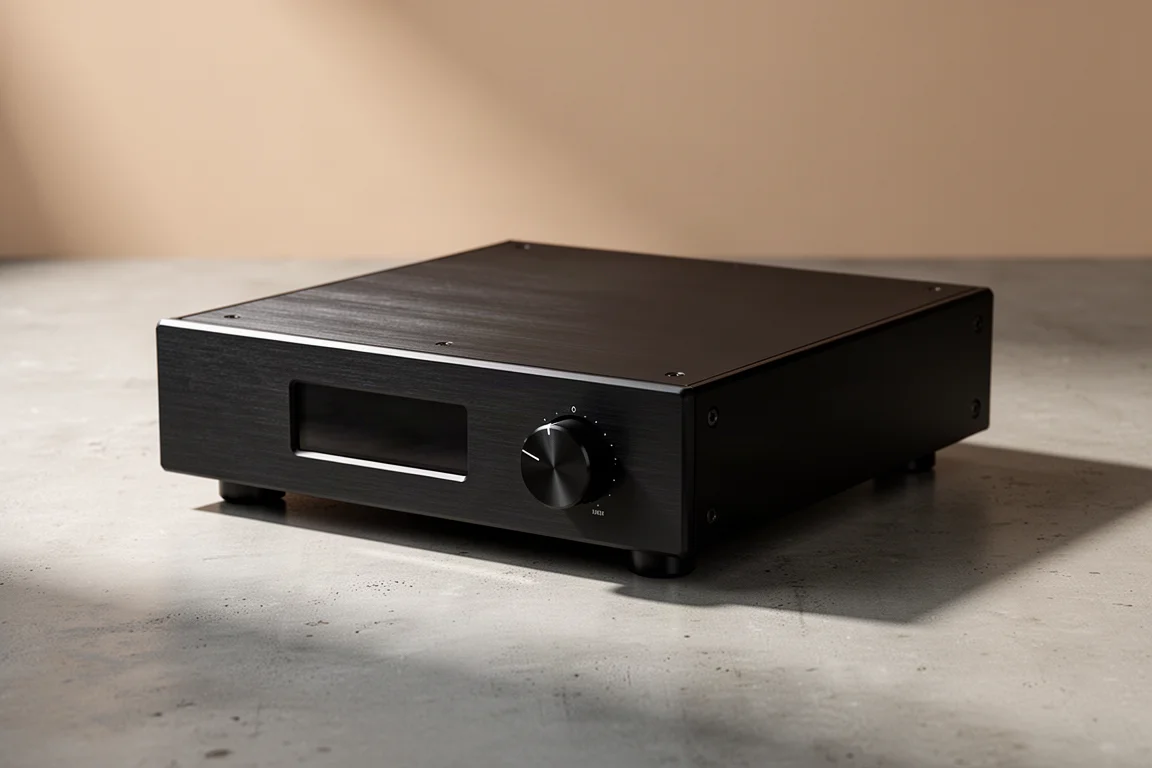
The P30A exists because the H30A needed a partner designed alongside it. At roughly $9,000 it is not an inexpensive addition, but in listening sessions it was the preamplifier that consistently produced the best result with the power amplifier, ahead of other flagship preamplifiers.
Its most distinctive contribution is spatial. The wide, deep, holographic soundstage that defines the pairing is something the H30A still shows with other preamplifiers, but to a noticeably lesser degree and with less clearly defined boundaries. The P30A is what turns the system into a single instrument rather than two good components working near each other.
Bass and Dynamics: Where the H30A Takes Control
Bass is where the H30A makes its case most forcefully. It is textured, nuanced, punchy, and dynamic, and it digs low without losing composure. The amplifier feels as though it has full control of a speaker’s bass response, which is exactly the quality Hegel integrated amplifiers are known for, only more so.
That distinction matters for anyone who has lived with a Hegel integrated amplifier and wondered how to move up. The H30A offers better bass grip than the H390 integrated amplifier, which was already a high point for the brand. Hegel’s own nickname for the amplifier, the orchestra, points at the same idea: it is meant to sing with whatever speaker it is asked to drive.
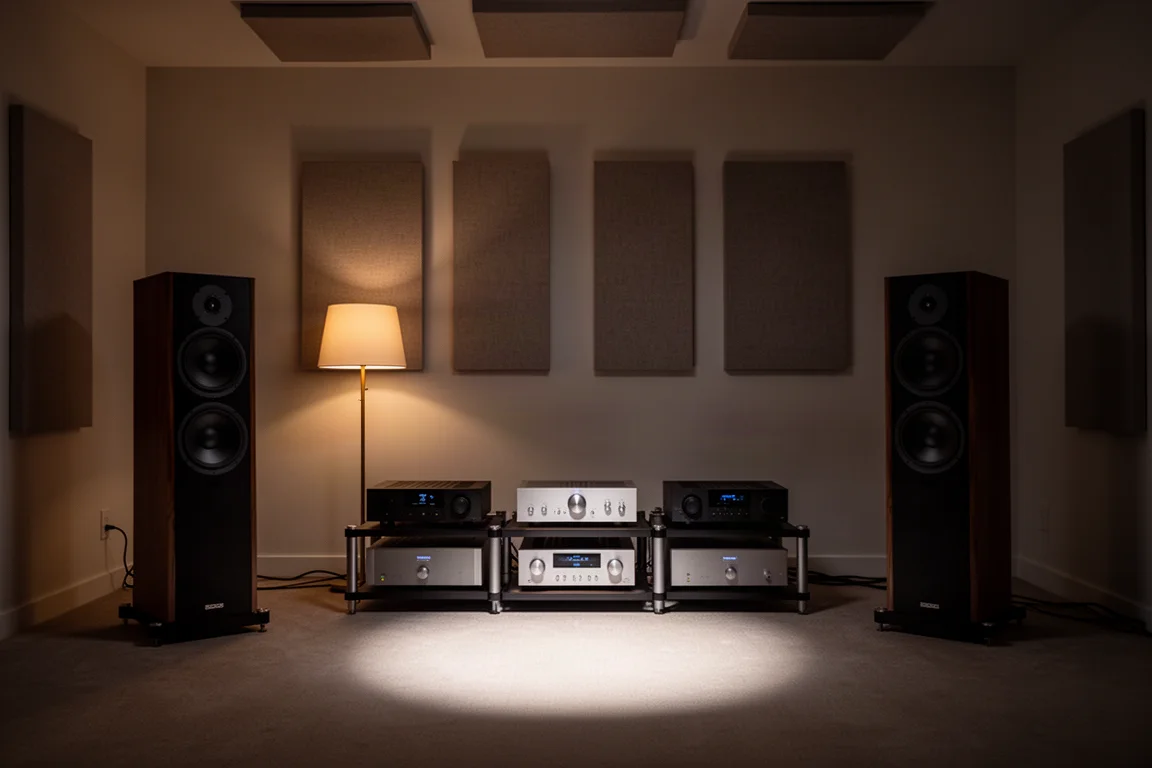
The practical benefit is confidence. Speakers that are notoriously finicky about amplifier pairing tend to lock in rather than struggle, and the low end stays articulate when a recording asks for both depth and speed.
Midrange, Treble, and Separation
The midrange carries the character listeners associate with Hegel. Instruments and voices are laid out with a deep black background between them, which produces strong separation and a sense of contrast without any edge. Detail is abundant, yet nothing sounds sharp or aggressive, and long listening sessions stay comfortable rather than fatiguing.
The top end follows the same pattern. It never turns bright, and it remains smooth regardless of the speaker in use, while still conveying fine detail. Imaging is precisely defined, so instruments are easy to place, and on speakers capable of it the presentation wraps around the listener rather than sitting in a flat plane in front.
Soundstage and Imaging
The most surprising quality of the H30A is its sense of space. Its soundstage is wider and deeper than that of the Luxman M900u, an amplifier whose depth and staging were among its defining strengths. The Luxman still offers more sparkle at the top end, but the Hegel counters with air, nuance, and a presentation that stretches past the walls of the room.
It reaches that scale while keeping solid-state virtues. The sound is holographic and immersive in the way a good tube amplifier is, yet the bass impact is nothing like a tube design, and imaging and definition are sharper. So convincing is the effect that, without looking inside, a listener could reasonably believe a tube stage was part of the circuit.
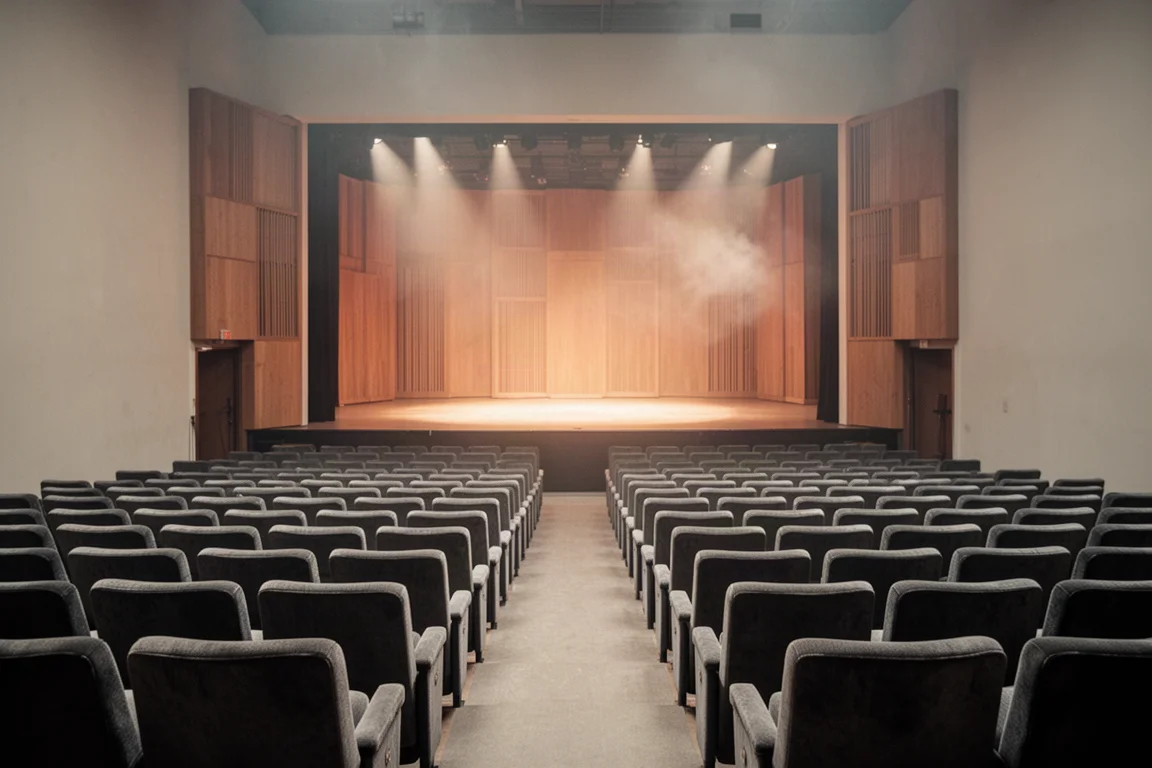
Other preamplifiers preserved some of this quality, but the pairing with the P30A is what produces the full effect: a wide, deep, surrounding stage with clearly defined boundaries, like sitting inside a large hall.
Practical Considerations Before Buying
The H30A and P30A are a serious investment, and the price is the first thing to weigh. Beyond cost, the pair takes up real space: these are large, heavy chassis with a deliberately plain appearance, so buyers who want their equipment to make a visual statement should look elsewhere.
The second consideration is configuration. Buyers who want the lowest distortion should plan for monoblock operation, which means two amplifiers rather than one. Stereo use is possible and adds a second-harmonic character that some listeners will prefer, but it is a different proposition from the monoblock design.
The third is system matching. Hegel integrated amplifiers pair beautifully with some speakers and less predictably with others, which is a known hit-and-miss pattern. The flagship separates are meant to remove that uncertainty, and in practice they delivered strong results across a wide range of speakers.
Who Should Consider the H30A and P30A
This pairing suits listeners who own demanding speakers and want an amplifier that imposes no obvious limit on them. It also makes sense for owners of Hegel integrated amplifiers who want more bass control and a larger, deeper stage without leaving the brand’s house sound.
Buyers who value a smooth, detailed, non-fatiguing presentation with a wide stage will find a lot to like here, particularly if they are willing to run the two units together as intended.
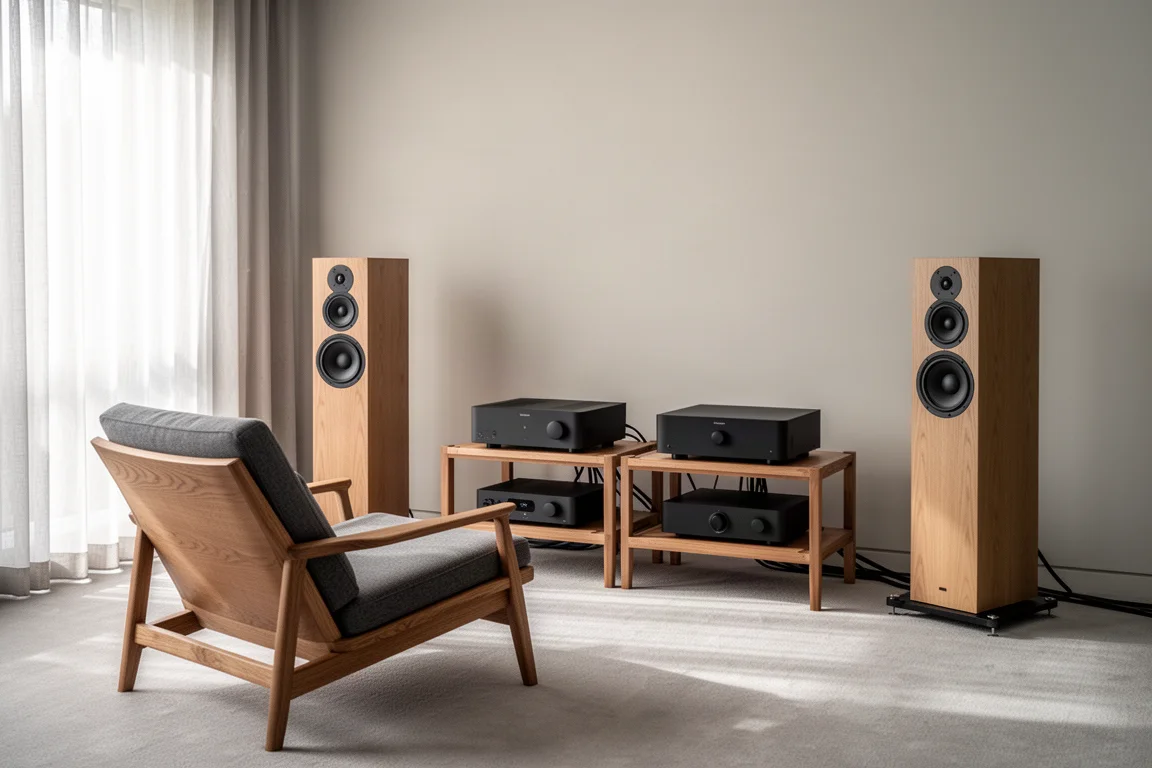
For anyone weighing the purchase, the sensible approach is to hear the pair as a system rather than auditioning the amplifier with an unrelated preamplifier, since the preamplifier is a meaningful part of what makes the combination work.
Conclusion
The H30A and P30A are the most complete expression of Hegel’s approach: understated on the outside, heavily engineered inside, and voiced for control, separation, and a spacious, non-fatiguing presentation. The amplifier’s bass authority and the pair’s wide, deep soundstage set them apart from Hegel’s integrated amplifiers, and the matching preamplifier is what unlocks the full result. The cost is high and the chassis are plain, but for listeners with demanding speakers this is a flagship pairing that delivers on its promise.
Further reading
Related Reviews
High-End Audio
Accuphase E-3000 Review: A Class AB Integrated Amplifier Built to Last
The Accuphase E-3000 is the entry point into a legendary Japanese high-end line. Here is how it sounds, how it is built, and who should consider it.
High-End Audio
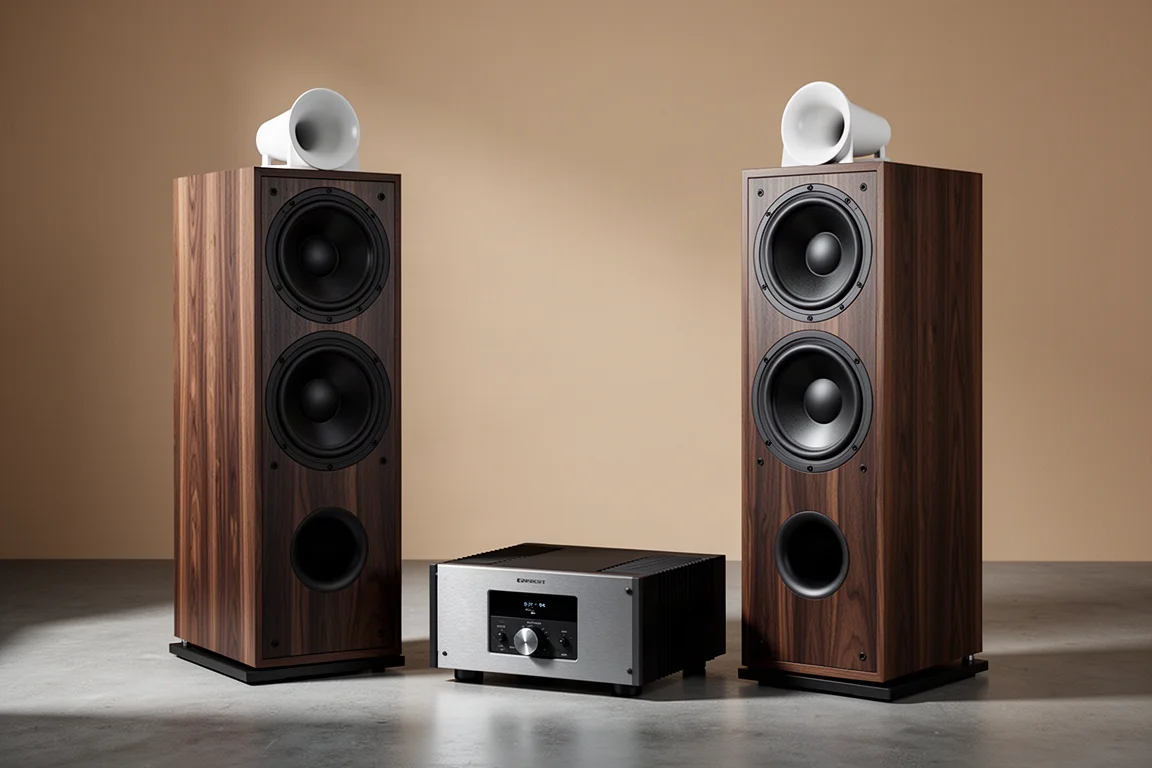
Arreté Floorstanding Speakers and Benchmark HPA2: A Premium Pairing Worth Hearing
A close look at how Arreté floorstanding speakers and Benchmark HPA2 power amplifiers pair up, what each component contributes, and what to weigh before buying.
High-End Audio
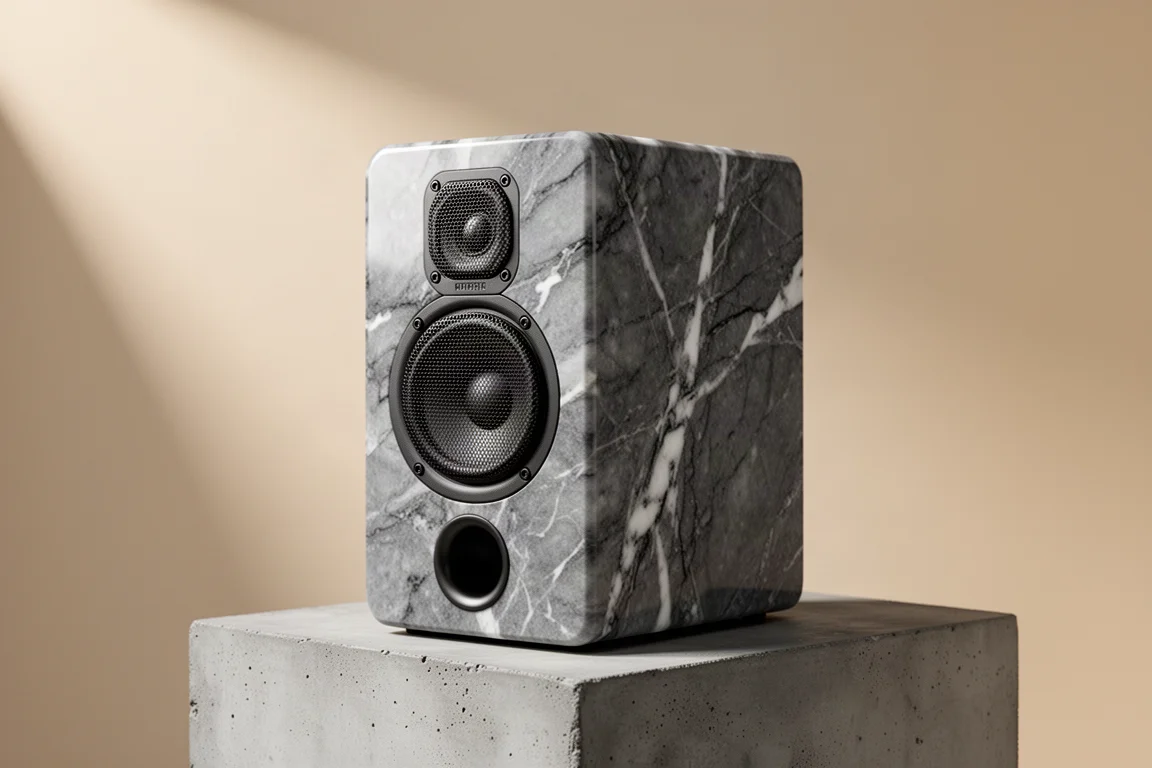
Aurelia Acoustics MRB1 Review: Marble Cabinets and a Big, Lively Sound
The Aurelia Acoustics MRB1 pairs a marble cabinet with Accuton ceramic drivers and a lively, spacious sound that stays easy to listen to. Here is what to know before buying.