Hi-Fi Amplifiers
Hegel A200 Review: A Pure Analogue Integrated Amplifier for Separates Listeners
The Hegel A200 strips out the DAC and streamer to focus on amplification alone, with 150 W per channel, a high damping factor, and a built-in moving magnet phono stage.
Introduction
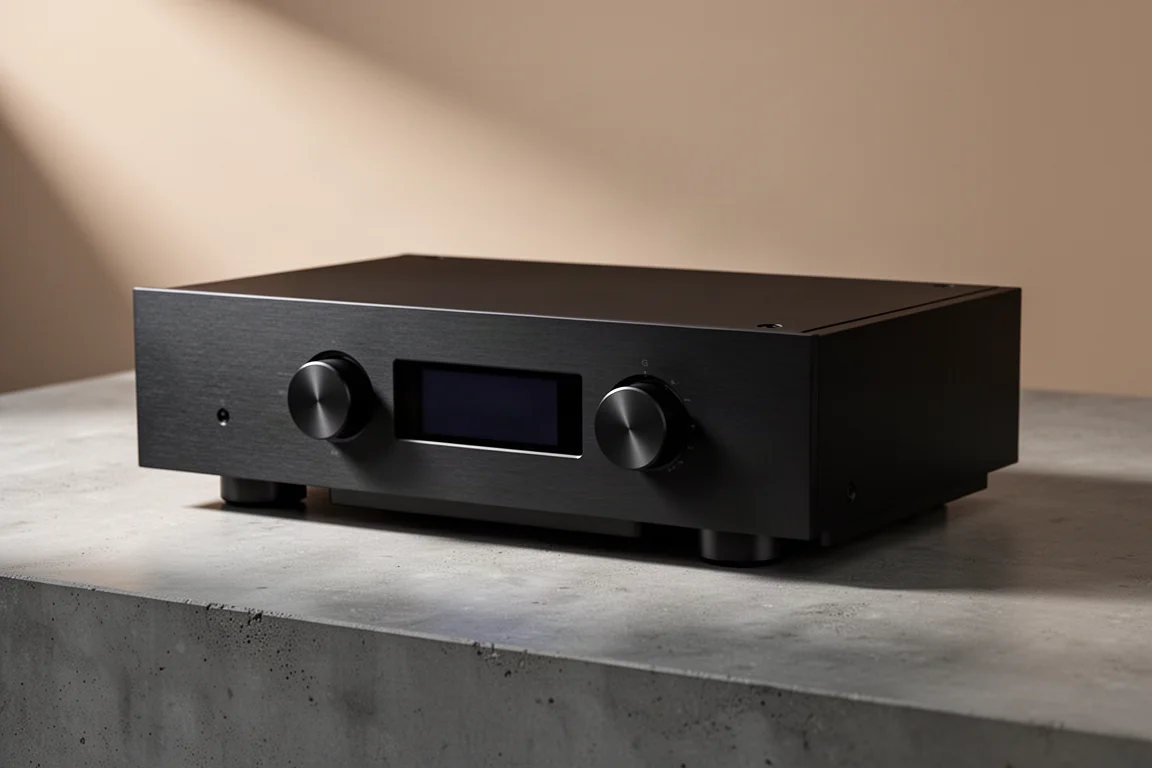
The Hegel A200 is an integrated amplifier built for listeners who already own a DAC and a streamer and would rather not pay for either. Where the company’s H series amplifiers bundle digital conversion and network streaming into one chassis, the A200 keeps only the analogue amplification stage. In the UK it sells for £2,750, which is £750 less than the H200 that replaces the long-running H190V at £3,500.
That price gap is the whole idea. Removing the digital circuitry should lower both the cost and the noise floor, since fewer digital stages mean less RF and EMI contamination and less strain on the power supply. The A200 retains the same power amplifier section as its H-series relatives, rated at 150 W per channel into 8 ohms and 250 W into 4 ohms, and reported to be stable into 2 ohms.
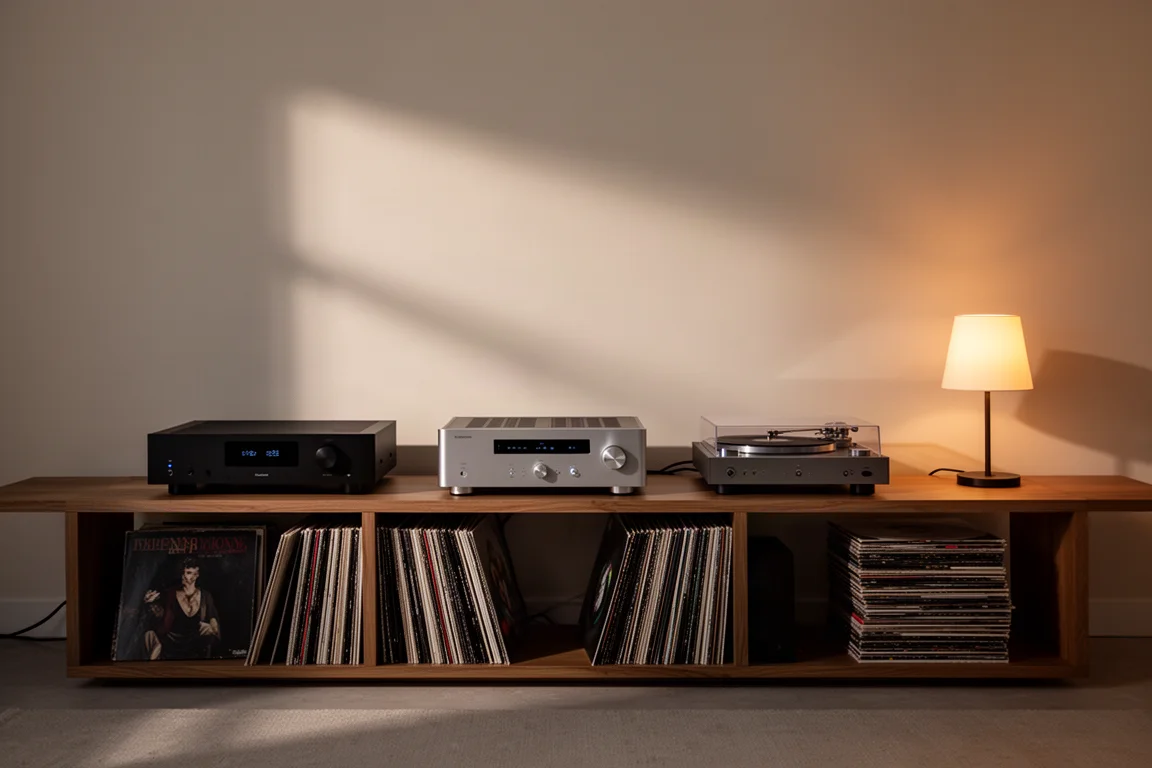
Physically it is a full rack width component at 430 x 410 x 120 mm and 13.5 kg, finished in the restrained Scandinavian style Hegel has used for several generations. A hefty remote control comes in the box. This is a deliberate step away from the just-add-speakers approach, and it is aimed squarely at listeners who prefer separates.
Who This Amplifier Is For
The A200 suits two kinds of buyer. The first is the purist who already has a DAC and a streaming transport and does not want to fund a second set of them inside the amplifier. The second is the vinyl-first listener, who benefits from the moving magnet phono stage that Hegel has built into this model.
If you want a single box that handles everything, the A200 is not the right answer. Listeners who want one-box convenience will still be better served by the H series, and the H200 at £3,500 remains the obvious choice in that case. The A200 is for people who would rather split the budget between amplification and front-end components, and who value the lower box count less than they value clean analogue circuitry.
Main Strengths
Hegel’s core technology carries over intact. Sound Engine 2 is a real-time feed-forward active error correction circuit that reduces distortion, and one of its by-products is a very low output impedance, expressed as a damping factor of 4,000. That is the reason Hegel amplifiers have such tight bass control, and it is the single most important characteristic of the A200’s sound.
In practice the amplifier behaves like a cleaner, quieter version of the H190. Bass is tighter, vocals and instruments in the mid-range emerge from a darker background, and there is more airiness at the top. Compared side by side, the extra clarity and focus over the older amplifier is evident rather than subtle. The tone stays neutral throughout, which means the A200 gets out of the way of the music rather than steering it in a particular direction.
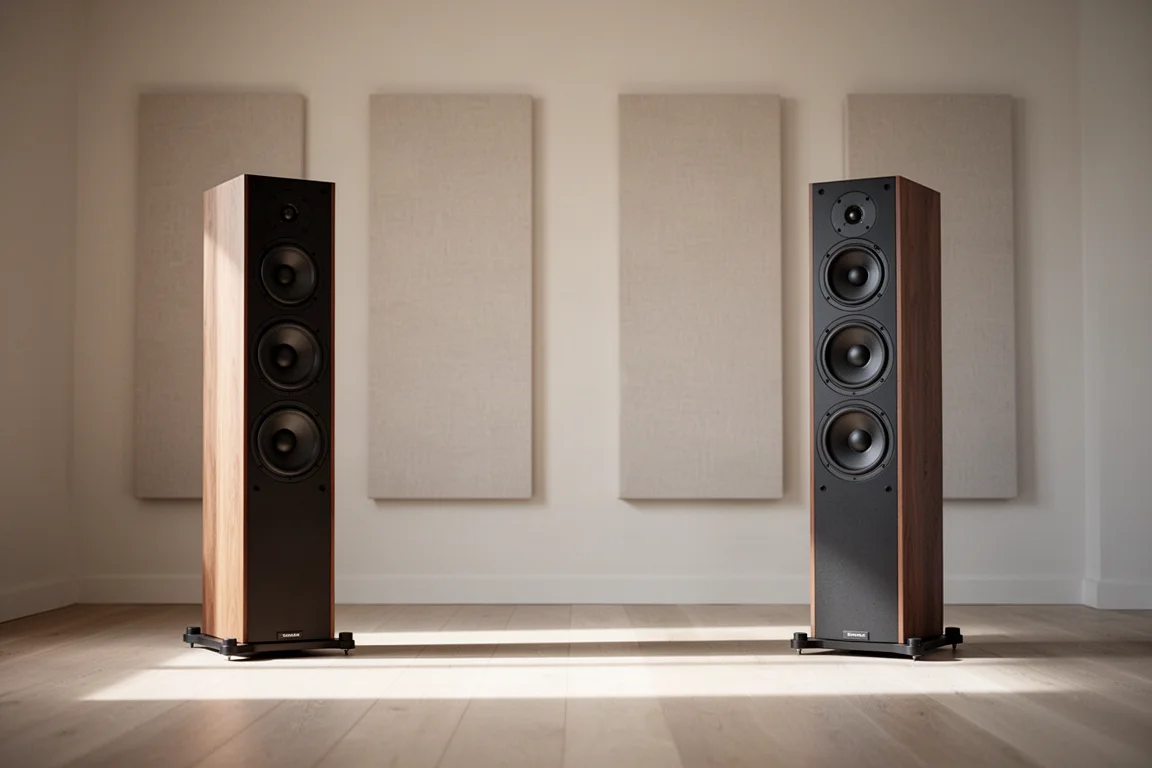
Power delivery is generous for the money. Double the wattage and a lot more current delivery than the Exposure 2510 is available here, and the A200 will drive far more demanding speakers than its predecessor managed comfortably. During listening, it handled everything from small standmounts up to large floorstanders, and it restored focus and transient snap to speakers that can make lesser amplifiers sound compressed and soft.
Build, Connections, and Setup
The industrial design is consistent with previous Hegel generations. A rotary dial on the left cycles through inputs, an identical dial to the right of the OLED display controls volume, and the power button is hidden underneath the chassis. Setup is straightforward and the supplied remote covers the essentials.
Around the back, the A200 offers a moving magnet phono stage, fixed and variable preouts, two single-ended RCA inputs and two balanced XLR inputs. That is one more XLR than the H200 provides, along with a single set of speaker binding posts. Internally, the transformer appears to be about the same size as the H190’s, with six 10,000 microfarad filter capacitors, but the power supply has been rerouted and better isolated from the circuitry to accommodate the phono stage.
The Built-In Phono Stage
The phono stage is not a box-ticking exercise. It is trickle-down technology from the standalone V10 model, and it uses JFETs rather than inexpensive opamps. For a vinyl listener, that matters more than any specification on the page.
Paired with a moving coil cartridge stepped up through a transformer, the internal phono stage came surprisingly close to a serious external phono stage set to moving magnet. The external unit was cleaner and more open, but the gap was small enough that many owners will be able to resist the urge to upgrade immediately.
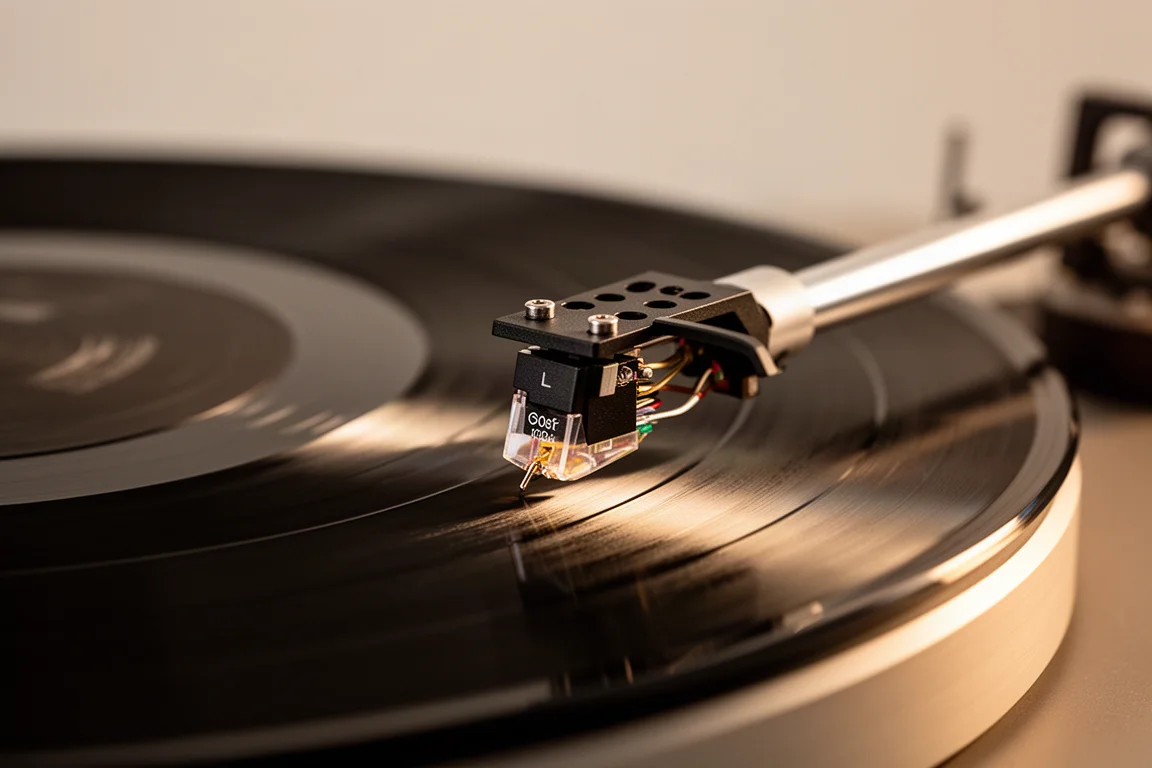
If you already own a high-quality external phono stage, the A200 will not hold you back. If you do not, the built-in stage is good enough to live with for a long time while you put money aside for other parts of the system.
Things to Consider Before Buying
The high damping factor that gives the A200 its grip can also work against it. With some speakers it overdamps the woofers, which adds a slightly dry quality to the bass. That is not a fault so much as a character trait, and it means speaker matching deserves real attention before you commit.
The second consideration is the obvious one. There is no DAC and no streamer here, so you need a front end. If you want a warmer, more relaxed presentation, alternatives such as the Exposure 3510 at £3,100 inject a little warmth into the mid-range and do not hold on to bass lines as tightly, while the Yamaha AS1200 at around £2,300 offers a cooler tone, VU meters and build quality that would not embarrass far more expensive brands. The Exposure 2510, now £2,100 after a series of price rises, is the more nuanced amplifier with easy-to-drive speakers but cannot match the A200’s current delivery.
Buying Advice
The £750 saved against the H200 goes a long way toward a separate front end. A Bluesound Node Nano at around £300 and a compact external DAC at around £280 cover streaming and conversion for well under the difference, and they bring more comprehensive apps and greater connection flexibility than an integrated module typically offers.
Speaker pairing is where the money is best spent. The A200 proved capable with a wide range of designs, and it is worth exploring options up to roughly £5,000. Neutral speakers that respond well to a lack of coloration and strong drive will show what the amplifier can do, while speakers with an already lean balance may sound drier than you expect.
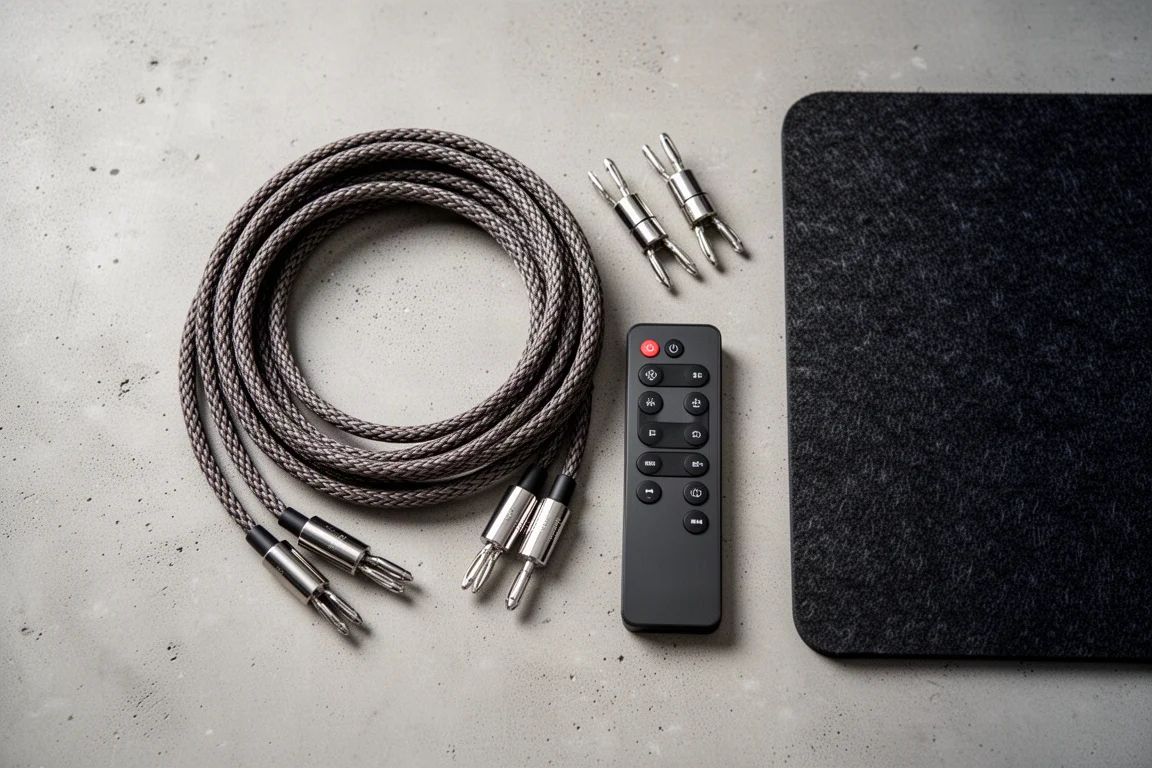
For vinyl listeners, the internal phono stage means the A200 can be run with a turntable and speakers alone, with no extra boxes at all. That is a genuinely appealing starting point for a separates system, and it leaves room to upgrade the front end later rather than paying for it up front.
Conclusion
The A200 is a departure from Hegel’s traditional streaming amplifiers, and for the right listener it is a more honest one. It delivers high fidelity, the power to drive a huge variety of speakers, and the neutrality to work with the vast majority of them. As a pure analogue amplifier, it sets a new benchmark below £3,000.
Owners of the older H190 have little reason to trade sideways, and anyone who wants a single-box solution should stay with the H series. But for listeners committed to the separates approach, the A200 makes a strong case that paying only for the amplification you actually need is the smarter way to build a system.
Product link
View more details for Hegel A200
This product is mentioned in the review. Check the specifications, options, and compatibility before buying.
View more details for Hegel A200Further reading
Related Reviews
Hi-Fi Amplifiers
Accuphase E-280 Review: Entry-Level Accuphase With Flagship Attention to Detail
A close look at the Accuphase E-280 integrated amplifier, covering its champagne build, AAVA volume control, sound quality, and the speakers and sources that suit it best.
Hi-Fi Amplifiers
Advance Paris A10 Classic vs Yamaha A-S301: Two Integrated Amplifiers Compared
A practical comparison of a $350 integrated amplifier and a $2,500 reference model, covering the differences that matter and the ones that do not.
Hi-Fi Amplifiers
Affordable Chinese Amplifiers Worth Buying: Five Budget Hi-Fi Amps Compared
A practical look at five affordable amplifiers, what each one does well, and the trade-offs to weigh before you buy.