Home Theater Speakers
Heco Aurora Speaker Series: A Complete Home Theater Lineup Guide
A model-by-model look at the Heco Aurora range, from the Aurora 300 bookshelf speaker to the Aurora 1000 tower, the Aurora 30 center channel, the Sub 30A and the Ambient 22F surrounds.
Introduction
Heco is a German speaker company that has been building loudspeakers since 1949. Its designs are engineered in Germany, while the Aurora models are manufactured in Asia. Heco has been one of Europe’s most popular speaker brands for decades, and the Aurora series has only recently been announced for the US market, so many listeners outside Europe are encountering the name for the first time.
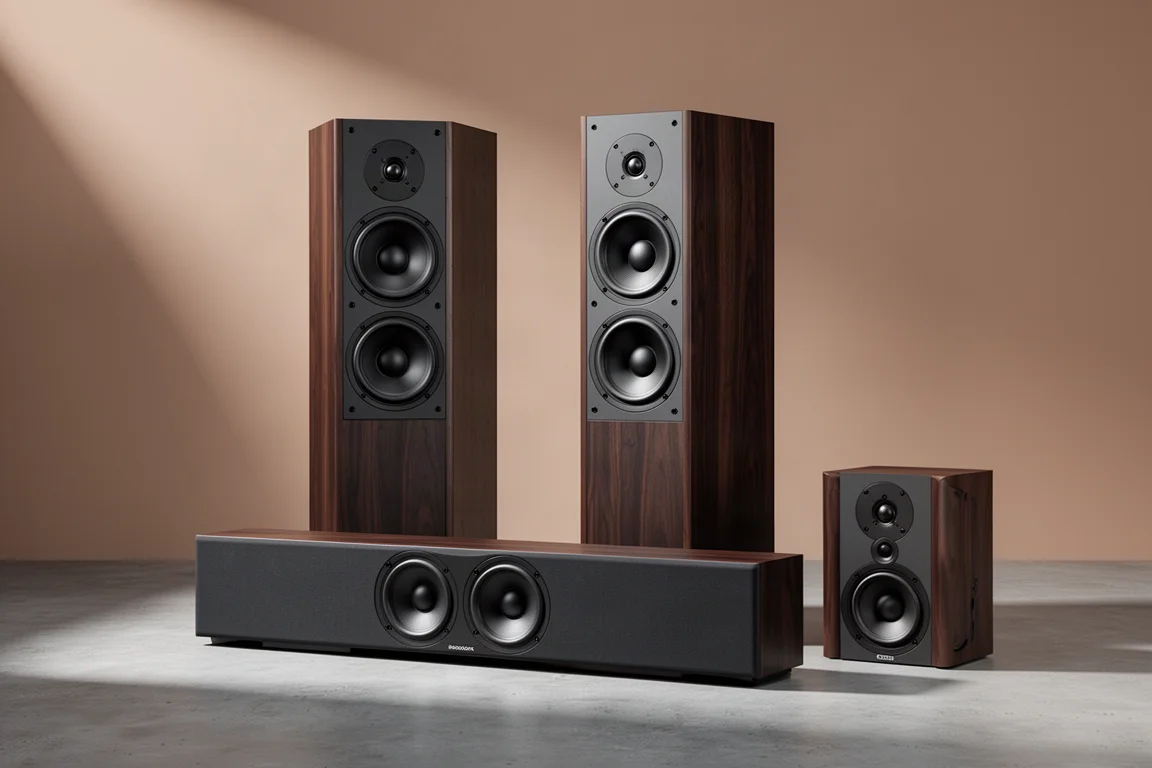
A handful of Aurora models have already earned a reputation for extraordinary value at their price. The range is also unusually complete for a single series: a mid-sized bookshelf speaker, two floorstanding towers, a dedicated center channel, a subwoofer, and a wall-mountable surround speaker, all built around the same driver family and the same tweeter.
That shared foundation is the reason the lineup is worth considering as a whole rather than one speaker at a time.
What Makes the Aurora Series Different
Most speaker conversations start with the drivers, but Heco’s cabinet work is arguably the more distinctive part of the Aurora design. The cabinets are built from MDF that is close to one inch thick, which is already generous at this price. Heco then adds two further layers of vibration control.
The visible layer is a resin component shaped roughly like an L, bonded to the front and top of the cabinet. Because the drivers are mounted to this polished resin section, it damps the front baffle while giving the speaker a genuinely upscale look with the grilles removed. The second layer is hidden: a PVC compound applied to the inside rear of the cabinet. Bonding different materials together is a well-established way to cancel vibration, and Heco applies the idea twice.
The rear panel is equally considered. Heco fits high-quality binding posts that hold a solid connection even with heavy speaker cable. The floorstanding models also ship with an outrigger base in addition to the usual spikes. The outrigger adds noticeably more stability than spikes alone, and it makes levelling and locking the speaker in place straightforward.
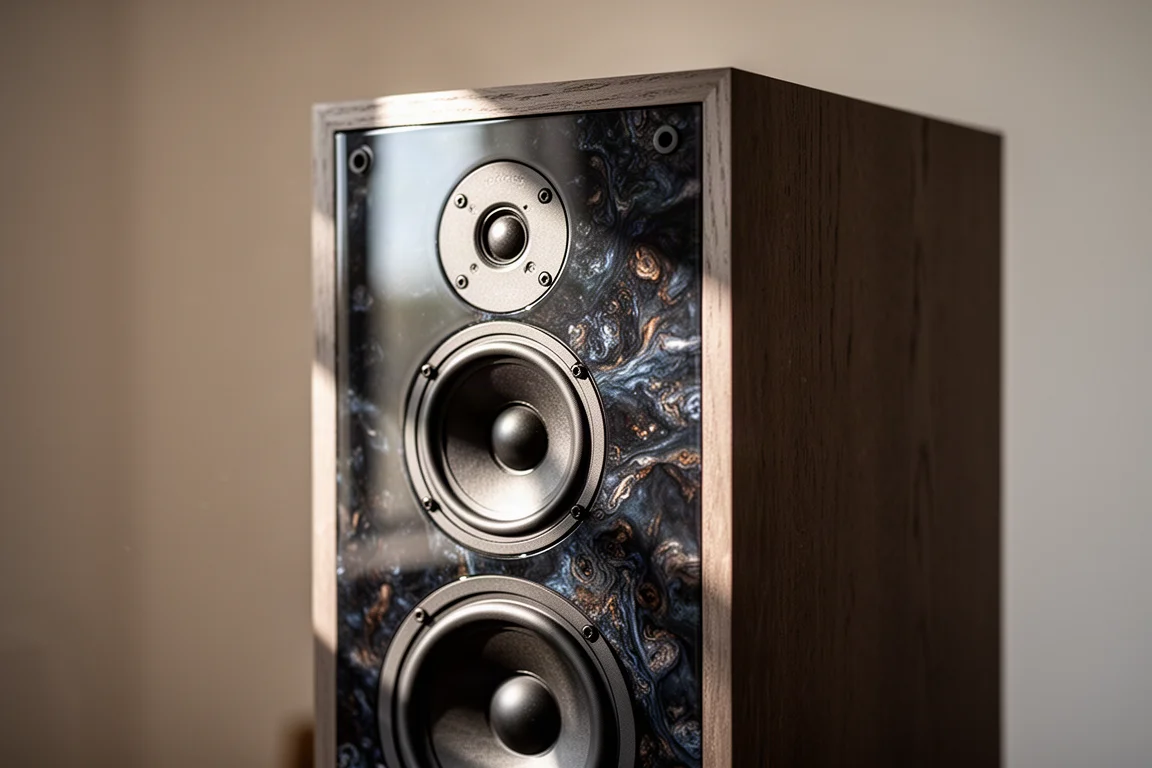
Driver technology is where Heco’s engineering history shows most clearly. The Fluctus tweeter has been refined over many years and combines the dynamic character of a horn-loaded design with a linear dispersion pattern across the range it covers. Heco achieves this with a flange that incorporates multiple small horns. The tweeter also extends far beyond human hearing, to 42,500 Hz, which contributes to an open, effortless character.
The bass and mid-range cones have their own story. Heco studied highly regarded speaker designs from the 1960s and found that the best of them used a similar type of paper cone. Its engineers blended that older approach with modern materials: German-made wool fibres and a special chemical blend are run with the paper pulp through a machine that stretches the fibres and embeds them into the cone, greatly increasing stiffness. The paper pulp itself is sourced from renewable forests in Canada and Europe. Heco calls the result its craft paper cone.
None of this is reserved for the top of the range. Every Aurora model uses the same technology, and the tweeters are identical across the series. That means a 5.1 system built from Aurora speakers is perfectly timbre matched, with drivers that share an identical design from the front channels through to the rears.
The practical benefit of all this is a lineup that is easy to drive. Every Aurora speaker works well with a modest home theater receiver, so more of the budget can go into the speakers themselves rather than into amplification.
Aurora 300 Bookshelf Speaker
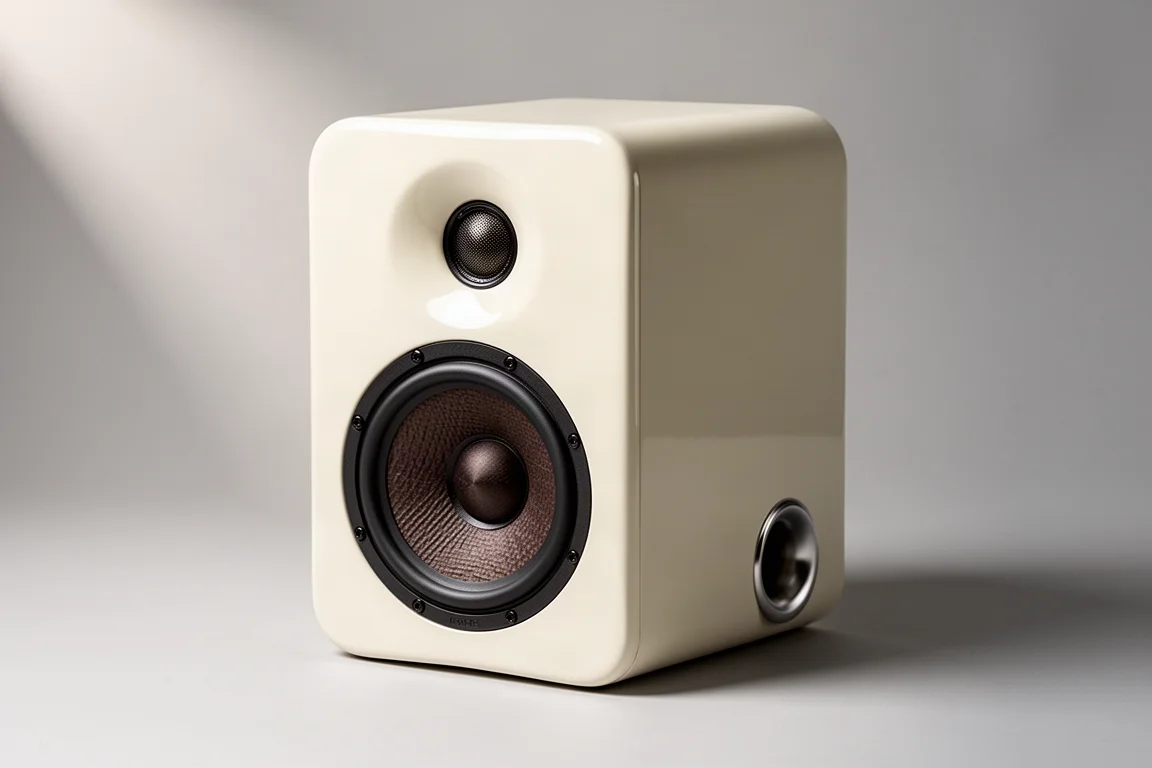
The Aurora 300 is a mid-sized two-way bookshelf speaker, and it is the most flexible entry point into the series. Heco suggests stands around 24 inches tall, or placement on top of a deep cabinet.
Because the port fires rearward, the 300 wants at least 12 inches of clearance from the wall behind it. Give it that space and a little patience with positioning, and it produces a convincing three-dimensional image. Adding the Sub 30A is an easy way to extend the low end if a bookshelf speaker alone does not go deep enough for the room.
The 300 also doubles as a surround speaker. Used as rears in a Heco 5.1 system, it blends seamlessly with the front and center channels.
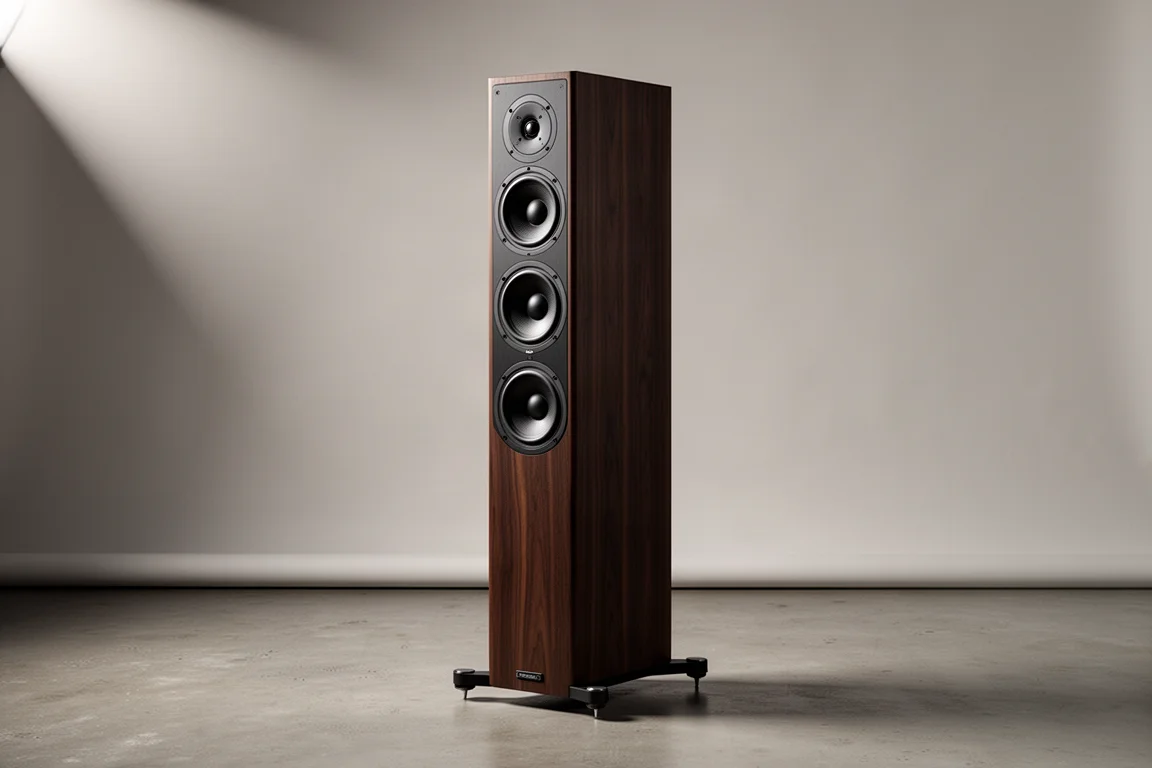
Aurora 700 Floorstanding Speaker
The Aurora 700 is one of two floorstanding models, and both are true three-way designs with extensive internal cabinet bracing. The 700 pairs dual 6.5-inch woofers with a 6.5-inch mid-range driver and the shared Fluctus tweeter.
Sensitivity is high, which keeps the speaker dynamic and easy to drive, and the bass is tight, fast and deep. The 700 is spectacular for the money, to the point that its price can read as a figure for a single speaker rather than for the pair.
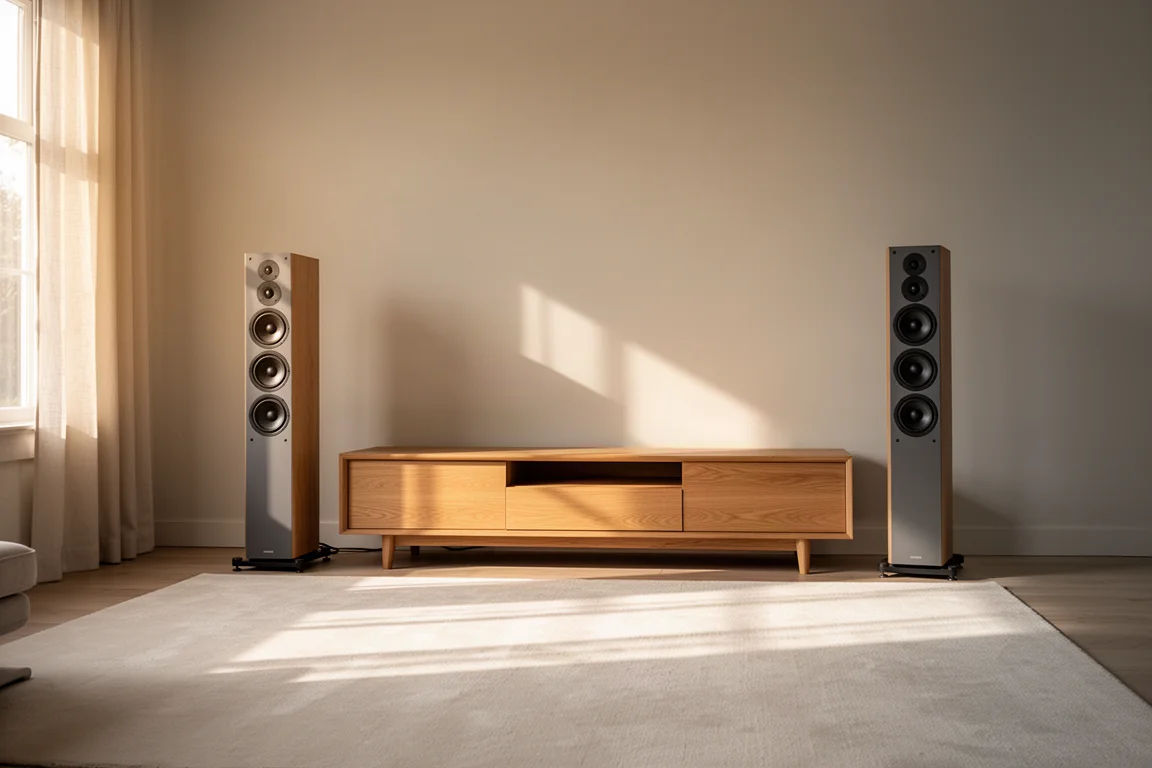
For listeners who want a full-range tower without the physical scale of the largest model, the 700 is the more room-friendly of the two.
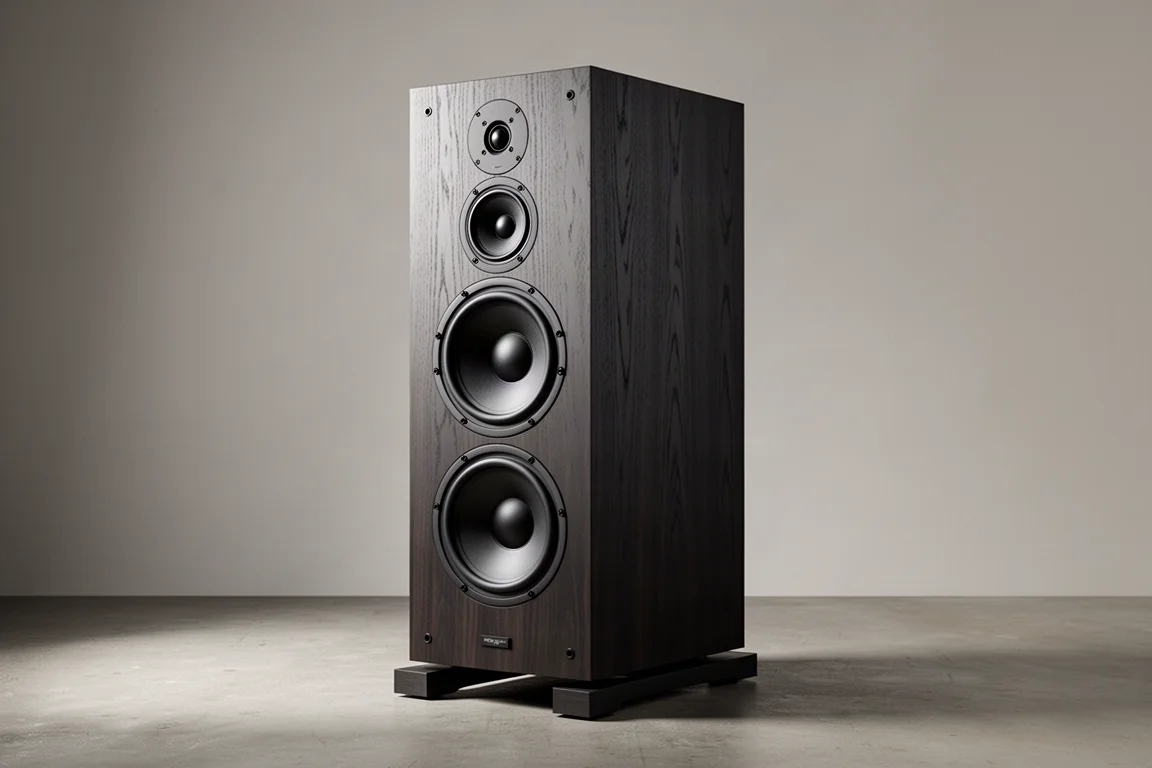
Aurora 1000 Floorstanding Speaker
The Aurora 1000 steps up to dual 8-inch woofers while keeping the same mid-range driver and the same Fluctus tweeter. Bass extension is remarkable for the price, reaching almost down to 20 Hz.
It is also physically imposing, and it needs a mid-size to large room to make sense. What it offers in return is a big sound that matches its size. The 1000 stays composed with everything from large-scale classical music to hard rock. A small amplifier will drive it perfectly well, but it responds audibly to better amplification, so it rewards owners who eventually upgrade.
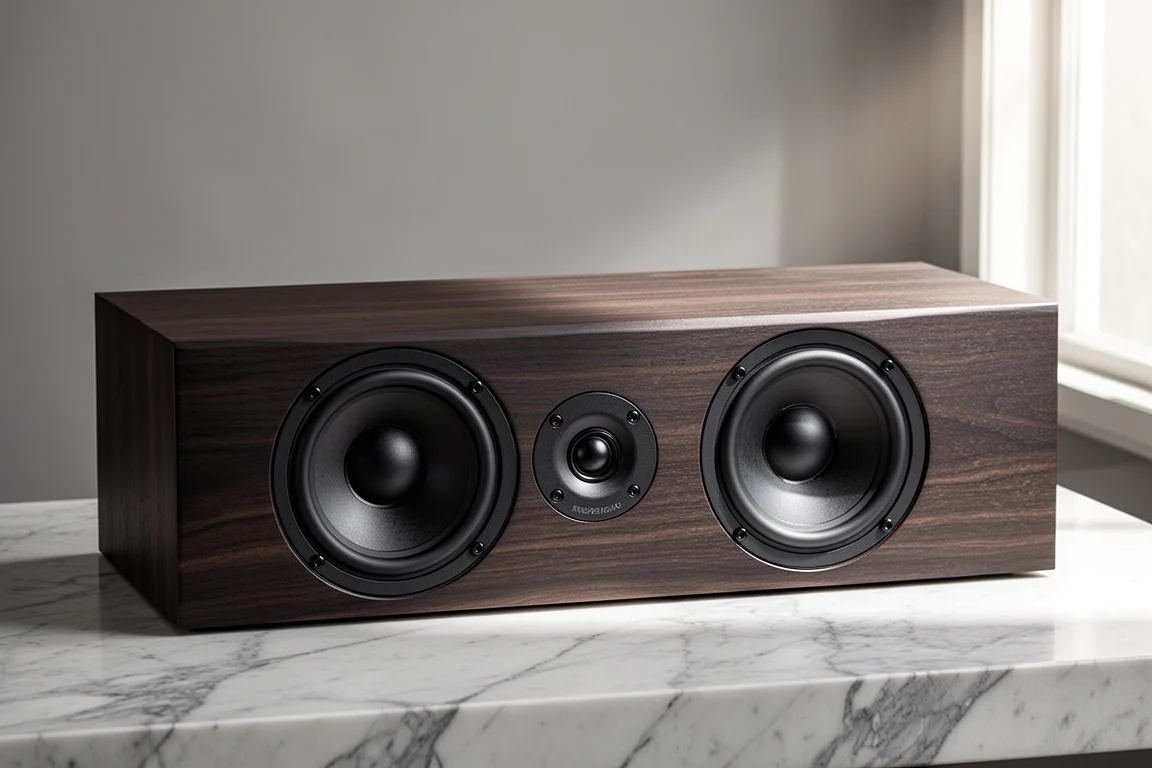
Aurora 30 Center Channel
The Aurora 30 is the natural partner for any of the three main speakers. It uses dual 5.5-inch drivers and the same Fluctus tweeter, so it matches the 300, 700 or 1000 without any tonal shift across the front of the room.
It is dynamic enough to let you hear into the subtle emotional detail of performers’ voices, which is exactly what a center channel needs to do. Its bass response is unusually deep for a center channel, and that has a practical consequence: decouple it from whatever it sits on. Rubber feet or speaker isolation pods will stop it from exciting the TV cabinet.
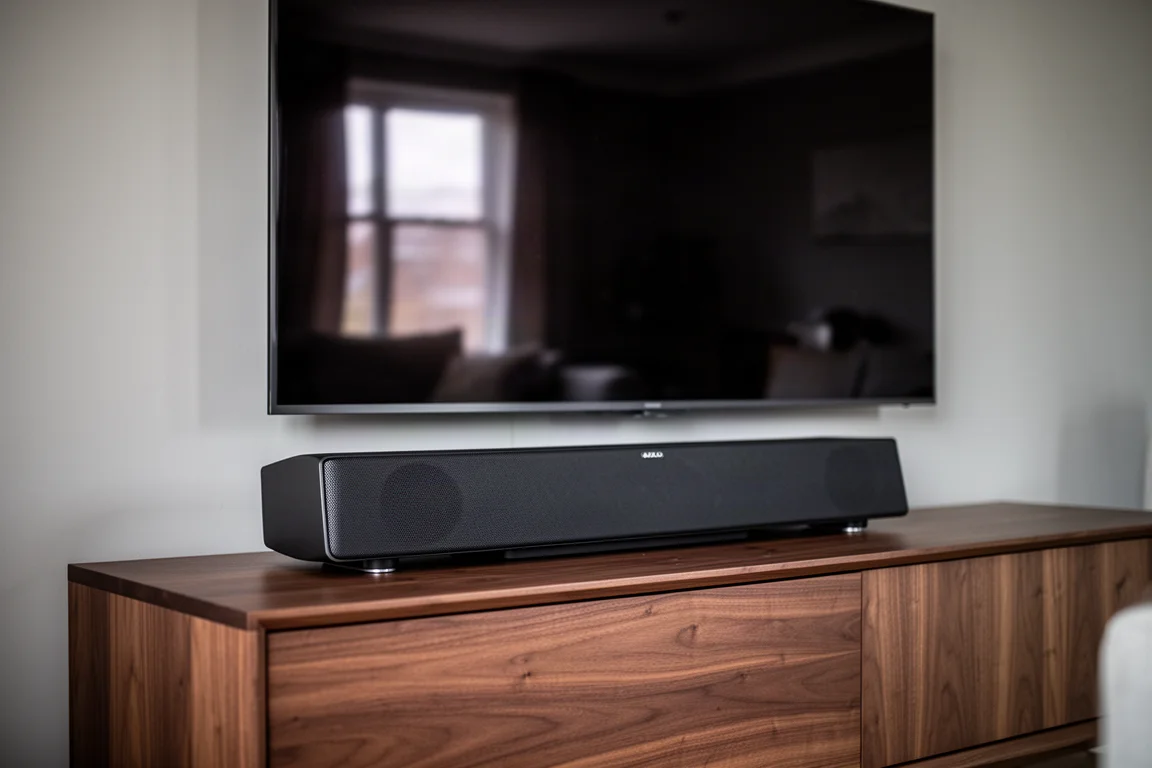
That same low-end reach is also why it blends so well with the larger 1000 in a front stage, giving the front three channels a consistent tonal signature.
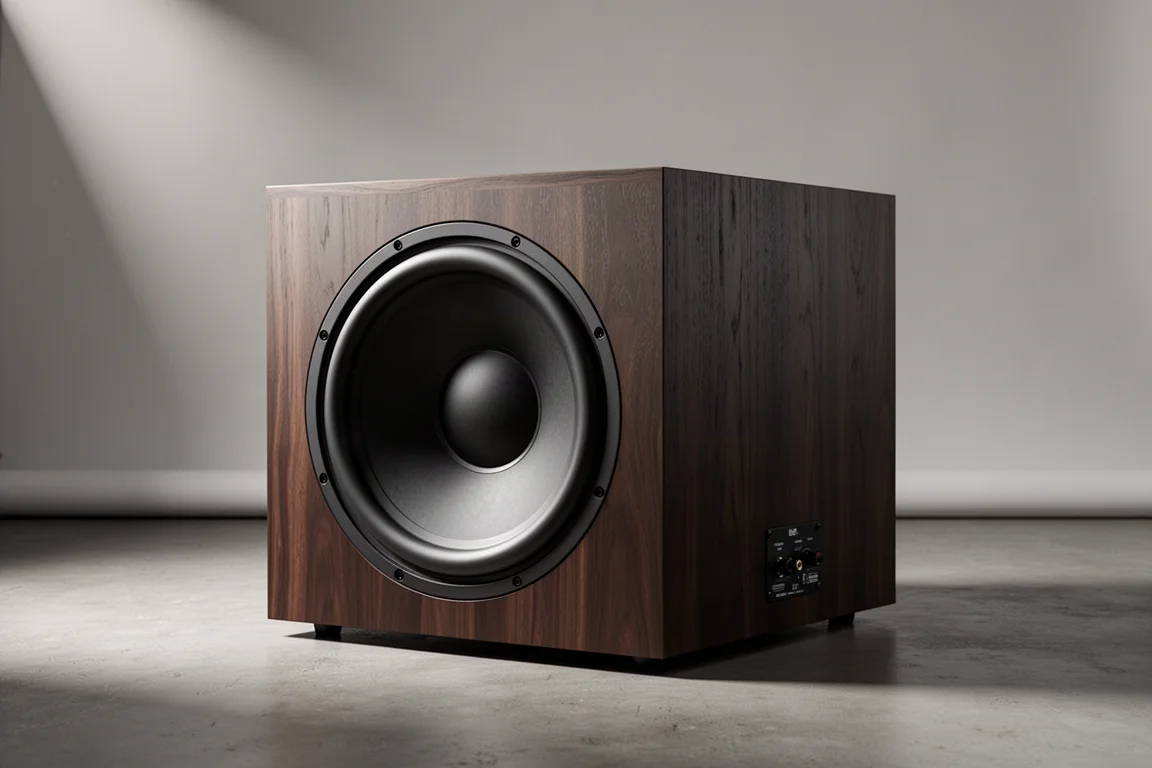
Aurora Sub 30A Subwoofer
The Sub 30A offers an unusual amount of technology for its price. Where this class of subwoofer usually means an 8-inch or 10-inch driver, a class D amplifier and a generic cabinet, Heco fits a stiff 12-inch long-throw craft paper cone and a genuine class A/B power amplifier. That is the type of amplification found in high-performance separate components rather than in budget subwoofers.
Crossover, phase and level controls sit on the rear panel. Like the tower speakers, the Sub 30A reaches deep while staying tight, and it is inexpensive enough that running two is a realistic option for listeners who want smoother bass across a wider seating area.
Aurora Ambient 22F Surround Speaker
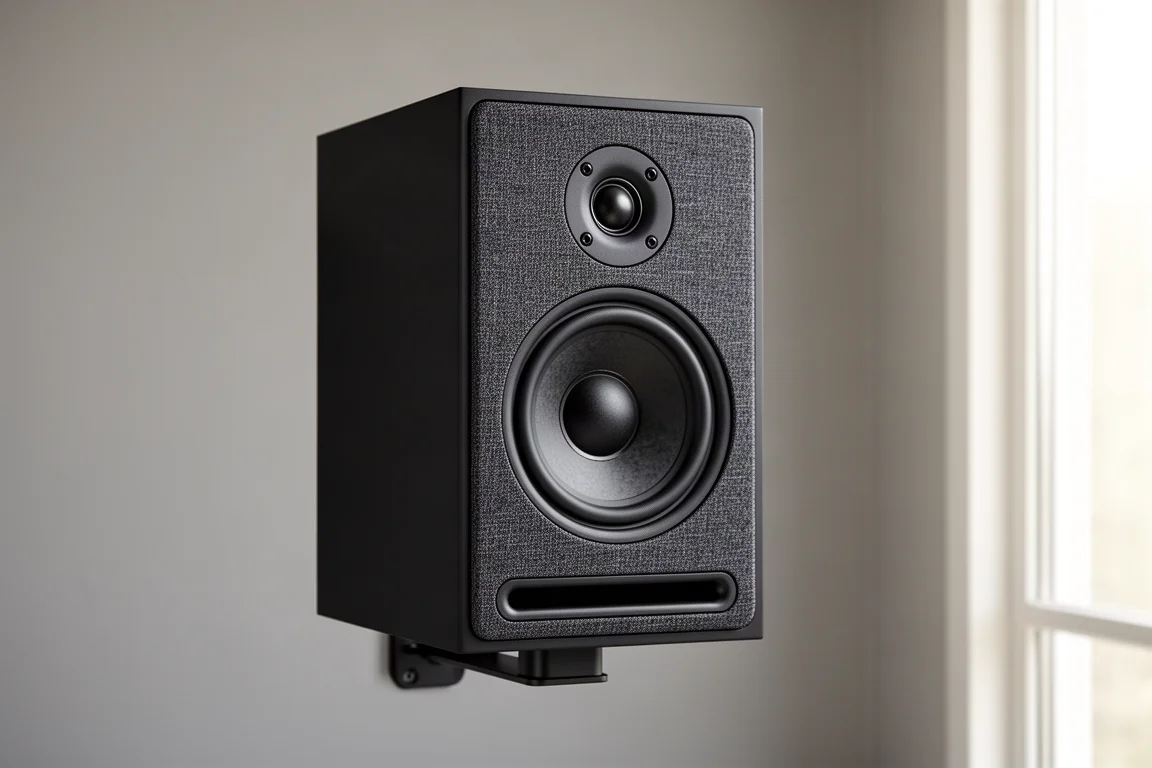
The Ambient 22F is the wall-mounted member of the family, used for surround channels. Because it shares the same tweeter and the same driver design as the rest of the range, it keeps the rear of a 5.1 system consistent with the front.
Mounting on the wall keeps the floor clear, which matters in rooms where stands behind the sofa are not practical.
Buying Advice
The strongest argument for the Aurora series is that it is designed to work as a system. A complete 5.1 configuration built from a pair of 1000s up front, an Aurora 30 center channel, a pair of Ambient 22F speakers at the rear and a Sub 30A comes in at a little over $3,000 for the speakers alone, before a receiver is added.
That is more than most soundbars, and it is worth being honest about that. What it buys is one of the most well-matched home theater systems available at the price, with identical driver design and identical tweeters in every channel.
Where the money is best spent depends on the room. If space is limited, start with the Aurora 300 on stands, keep it 12 inches off the back wall, and add the Sub 30A when deeper bass matters more than a larger footprint. If the room is mid-size or larger and a tower is practical, the 700 is the more versatile of the two floorstanders, while the 1000 is the choice for listeners who want maximum bass extension and dynamic headroom and can give it the space it needs.
Two details are worth planning for before you buy. The center channel should sit on rubber feet or isolation pods rather than directly on a TV cabinet, and the tower speakers should be levelled and locked in on their outrigger bases. Both are small jobs that make a noticeable difference.
Finally, amplification is not a barrier. Because every Aurora model is easy to drive, a modest home theater receiver is enough to get the system running well, and the same speakers will scale up if a more capable amplifier arrives later.
Conclusion
The Aurora series makes a strong case for itself by being consistent. The same cabinet construction, the same craft paper cones and the same Fluctus tweeter appear across every model, which is why the lineup holds together as a matched system rather than a collection of individual speakers.
For anyone moving from a soundbar to separate components, or upgrading a stereo setup with better speakers, the Aurora range offers a clear path: start with the 300 or a pair of towers, add the matching center channel and subwoofer when the room allows, and finish with the wall-mounted surrounds.
Further reading
Related Reviews
Home Theater Speakers
Arendal 1723 THX S Monitor vs 1723 THX Monitor: Which Two-Way Monitor Fits Your Room?
A practical comparison of the Arendal 1723 THX S Monitor and the larger 1723 THX Monitor, covering driver size, sensitivity, bass extension, and room fit.
Home Theater Speakers
Emotiva A1 Review: A Small Speaker With Serious Surround Flexibility
A sealed two-way speaker built for Dolby Atmos, surround, and compact desktop duty at $179. Here is what it does well and what to check before buying.
Home Theater Speakers
Emotiva C2+ Review: High Output Center Channel With a Narrow Sweet Spot
The Emotiva C2+ delivers serious output, deep bass for its size and high sensitivity, but its widely spaced midrange drivers create a horizontal sweet spot that rewards centered seating.