Hi-Fi Amplifiers
Heaven 11 Billy Mark II Review: A Hybrid Integrated Amplifier With Genuine Tube Character
A compact hybrid integrated amplifier with a tube preamp section and a powerful Class D output stage, voiced warm and full rather than clinical.
Introduction
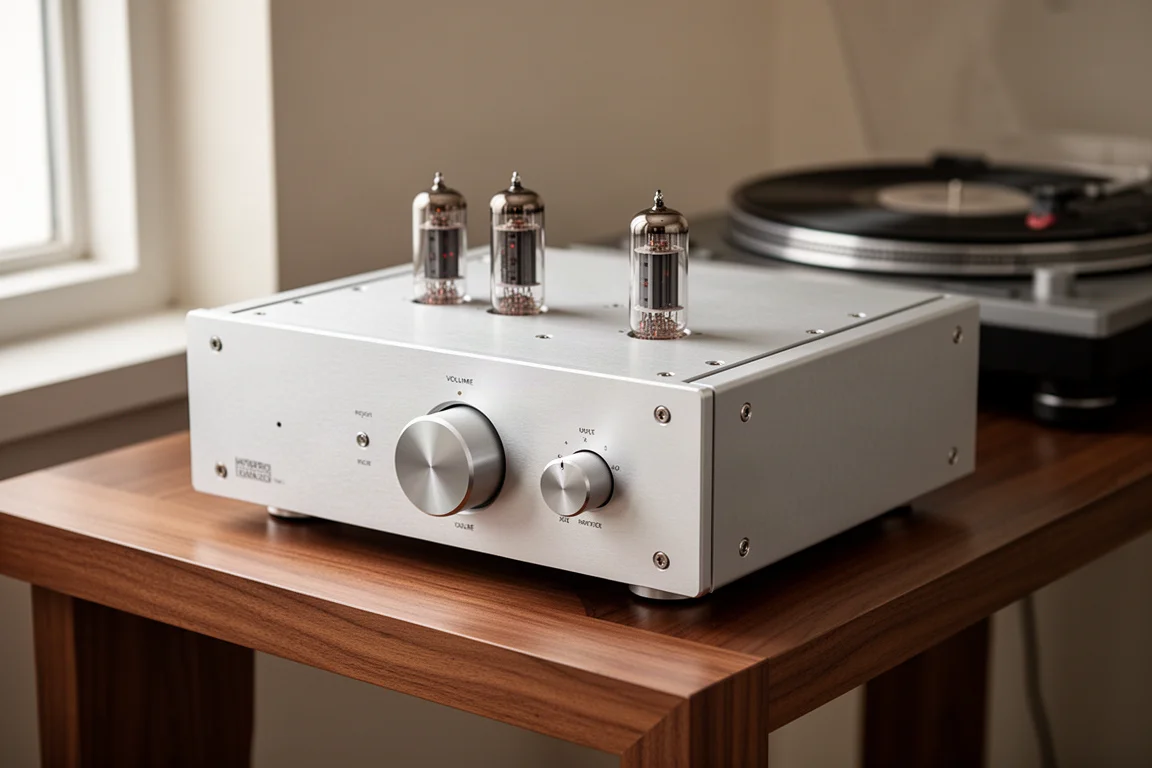
Hybrid integrated amplifiers with tubes in the front end are not unusual. Most pair a pair of small tubes with a solid state output stage, and most sound pleasant without ever quite convincing you that you are listening to a tube amplifier. The Heaven 11 Billy Mark II is the exception. Its output stage is Class D, rated at 120 watts per channel into 8 ohms and 215 watts per channel into 4 ohms, yet the sound it produces leans warm, full and inviting in a way that recalls an all-tube design.
It is also small. The chassis measures only 14 inches wide, which makes those power figures more striking, and it is sold direct from the manufacturer with a five-year warranty.
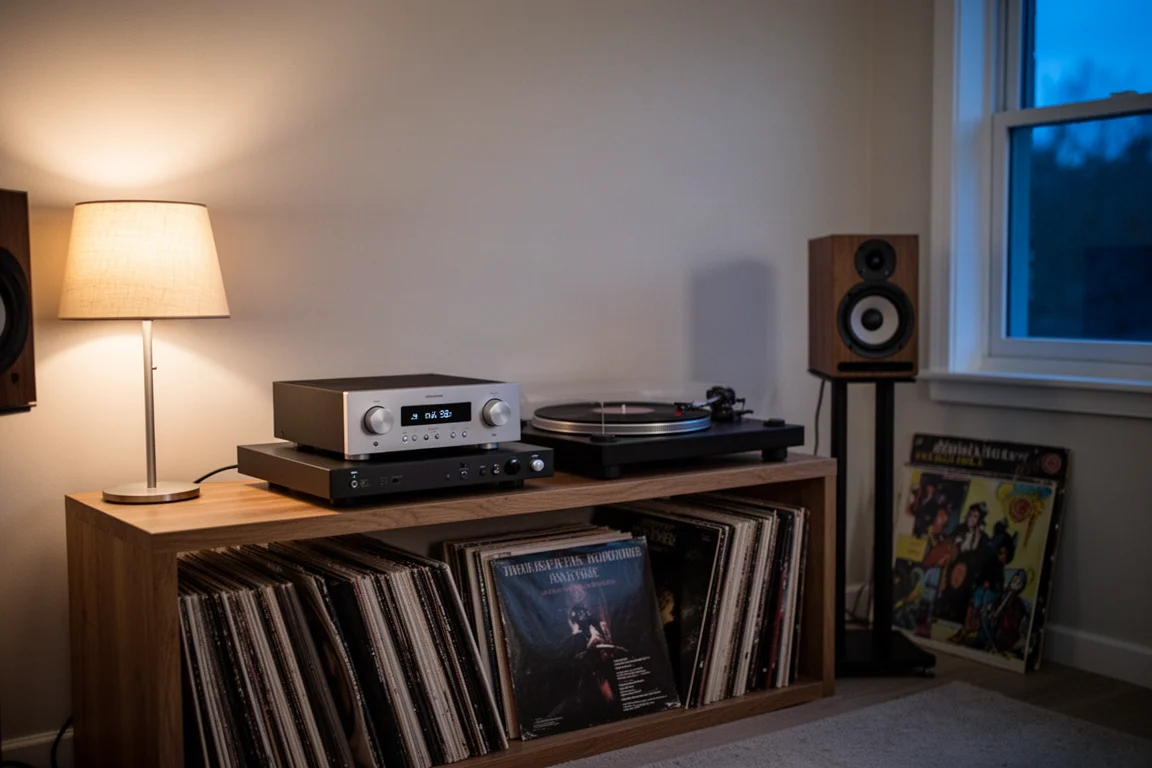
That combination of size, output and tonal character is the heart of the case for this amplifier. It is a compact piece of industrial design that behaves like something considerably larger.
Who This Amplifier Is For
This is an amplifier for listeners who want substance. It adds body and presence to music rather than stripping it back, and it makes recordings feel immediate and alive. If your priority is strict accuracy and tonal neutrality above all else, the Billy Mark II is probably not the amplifier you are looking for, and that is worth knowing before you order.
If instead you want a system that feels warm and generous, and you have limited shelf space, this is a natural fit. It also suits listeners who want the texture of tubes without giving up the drive and control that a powerful solid state output stage provides.
Main Strengths
The first strength is the sound. There is weight and body behind notes, and the amplifier never tips into sounding soft, mushy or rolled off. Highs stay clear and pure, and bass carries real substance. Paired with a large open baffle speaker built around a single 15-inch woofer, the result was big and voluptuous, with an organic quality that felt closer to a tube amplifier than to a typical Class D design.
The second strength is power delivery. Driving a low sensitivity, low impedance planar speaker that many amplifiers struggle with, the Billy Mark II made the speaker come alive, with more dynamic range and more bass weight than expected. With a larger, more efficient floorstander and a demanding solo piano recording, the presentation opened up and arrived in waves. Even a small standmount speaker was given enough muscle to sound genuinely energetic.
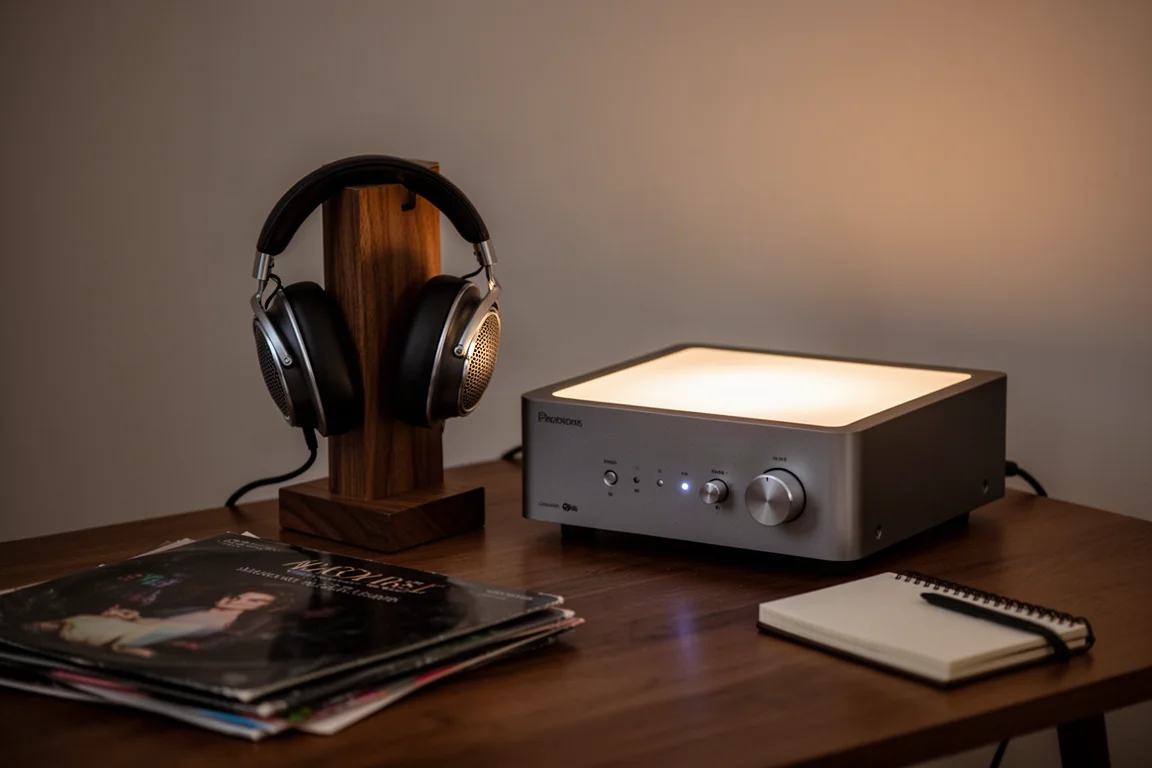
The third is the phono stage, which performed strongly with a moving magnet cartridge, and the headphone output, which delivered the same sense of presence and realism through a pair of open back headphones.
Tube Rolling and Sound Character
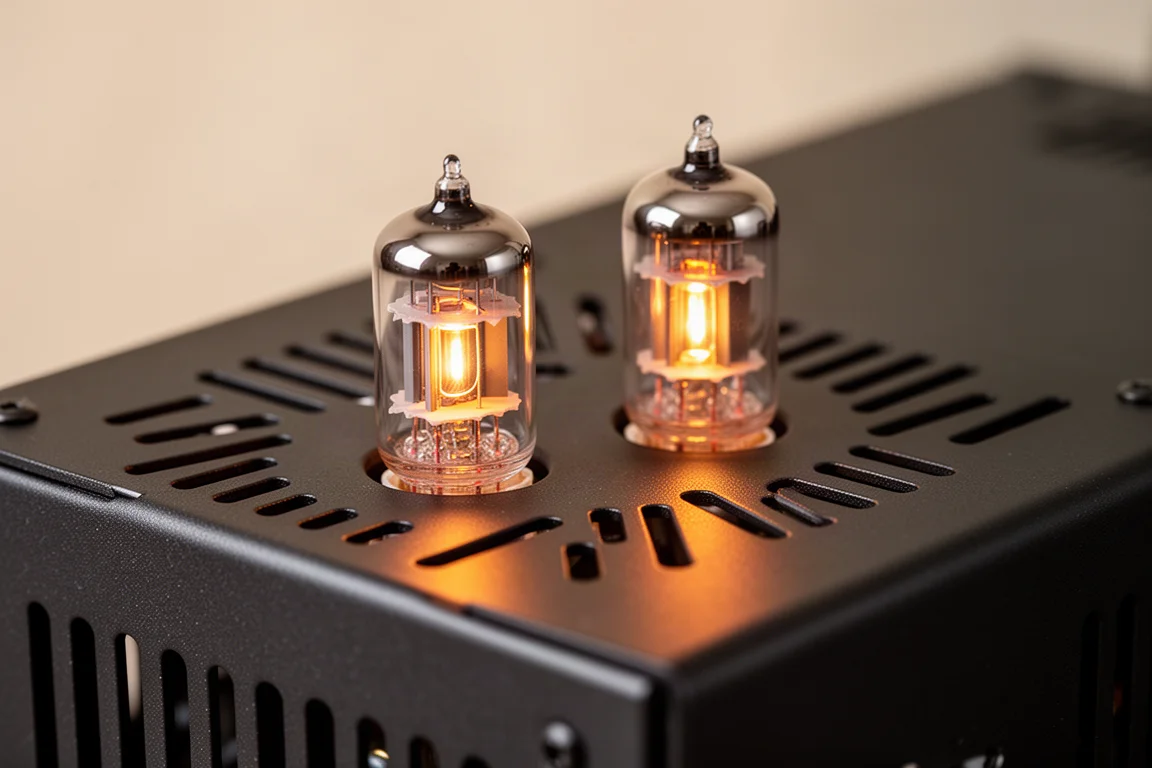
The amplifier ships with ECC99 tubes in the preamp section. It also accepts 12AU7 and 12BH7 types, and the differences between them are audible.
The ECC99 was the fullest of the three, with more body behind voices and a richer overall tone. The 12AU7 was noticeably more transparent and clear, but also more dynamically compressed, with leaner and more neutral bass. The 12BH7 sat between the two, less lean than the 12AU7 and less full than the ECC99. Being able to season the sound to taste is a real advantage, and the stock ECC99 remains the most characterful of the options.
Design, Controls, and Everyday Use
The chassis is a solid piece of industrial design, and the controls are a large part of why it is pleasant to live with. The knobs come in wood as standard, with several wood types available, and they feel precise and more organic than the metal knobs found on most equipment. Solid marble knobs are also offered, cut from a single piece of stone rather than finished with a veneer, and they feel substantial in the hand.
The smaller knob selects the input. Small slits in the extruded aluminium case light up to show which of the six inputs is active. Pressing that knob mutes the amplifier, and in mute the LEDs beneath the tubes begin to glow and throb, so the state is obvious from across the room. Turning the volume control all the way down puts the amplifier into standby and the tubes go to sleep.

The interface is logical and easy to use, which matters more than it sounds in daily ownership. The supplied remote control works fine, though its silver plastic finish does not match the sense of luxury conveyed by the amplifier itself.
Connectivity and Built-In Features
The rear panel is well populated. On the left there are preamplifier outputs that can also drive one or two subwoofers, and these can be switched to line level so they work as a tape output. Two auxiliary inputs follow, then a moving magnet phono input, then Bluetooth, then coaxial and optical digital inputs feeding a built-in DAC that handles PCM.
A set of heavy duty binding posts completes the layout. Inside the chassis, labels identify what each section is doing, which makes the design easier to understand at a glance.
Things to Consider Before Buying
The amplifier runs a little warm to the touch, which is normal for a design with tubes in the preamp section but worth planning shelf clearance for. The phono input is moving magnet only, so low output moving coil cartridges will need a separate step-up. The digital section is PCM only, and the remote control is functional rather than luxurious.
The larger point is tonal. Buyers who judge equipment by neutrality and accuracy first will likely find the Billy Mark II too characterful. Buyers who want a more soulful, more human presentation will find that same quality to be the reason to buy it.
Buying Advice
The Billy Mark II is sold direct from the manufacturer. Pricing is 1,939 US dollars, 1,850 euros in Europe and 1,585 pounds in the UK, and it comes with a five-year warranty. For an amplifier that combines 120 watts per channel into 8 ohms, a tube preamp section, a phono input, a DAC, Bluetooth and a headphone output in a 14 inch chassis, that is a strong package.
If you are ordering, decide on the knobs first, since wood is standard and marble is the upgrade, and decide whether you want to experiment with 12AU7 or 12BH7 tubes alongside the stock ECC99. Either way, the amplifier itself is the constant: warm, substantial, and easier to live with than its feature list alone suggests.
Conclusion
The Heaven 11 Billy Mark II is not just another hybrid integrated amplifier. It sounds convincingly like a tube amplifier while offering the power and control of a Class D output stage, and it wraps that in a compact, thoughtfully designed chassis with controls that are genuinely enjoyable to use. Listeners who want neutrality above all should look elsewhere. Everyone else will find an amplifier with real character, real power and a strong long term ownership case.
Product link
View more details for Heaven 11 Billy Mark II
This product is mentioned in the review. Check the specifications, options, and compatibility before buying.
View more details for Heaven 11 Billy Mark IIFurther reading
Related Reviews
Hi-Fi Amplifiers
Accuphase E-280 Review: Entry-Level Accuphase With Flagship Attention to Detail
A close look at the Accuphase E-280 integrated amplifier, covering its champagne build, AAVA volume control, sound quality, and the speakers and sources that suit it best.
Hi-Fi Amplifiers
Advance Paris A10 Classic vs Yamaha A-S301: Two Integrated Amplifiers Compared
A practical comparison of a $350 integrated amplifier and a $2,500 reference model, covering the differences that matter and the ones that do not.
Hi-Fi Amplifiers
Affordable Chinese Amplifiers Worth Buying: Five Budget Hi-Fi Amps Compared
A practical look at five affordable amplifiers, what each one does well, and the trade-offs to weigh before you buy.