Hi-Fi Amplifiers
Heaven 11 Billie Amp Mark II Review: Tube Warmth With Class D Power
A closer look at the Heaven 11 Billie Amp Mark II, a $1,939 integrated amplifier that pairs a tube preamp with a Class D power stage, plus a phono stage, DAC, Bluetooth, and headphone output.
Introduction
The Heaven 11 Billie Amp Mark II is an integrated amplifier that combines a tube preamplifier stage with a Class D power section, an approach aimed at listeners who want the warmth and texture of tubes without giving up the efficiency and control of modern switching amplification. It is the successor to the Billie Amp Mark I, and while the two share a similar outward look, the Mark II brings a meaningful set of upgrades.
Pricing sits at $1,939 at the time of writing, just under the $2,000 mark. The Billie name is a nod to the American jazz singer Billie Holiday, and the design brief is built around musicality, performance, emotion, and style in a compact, minimal package.
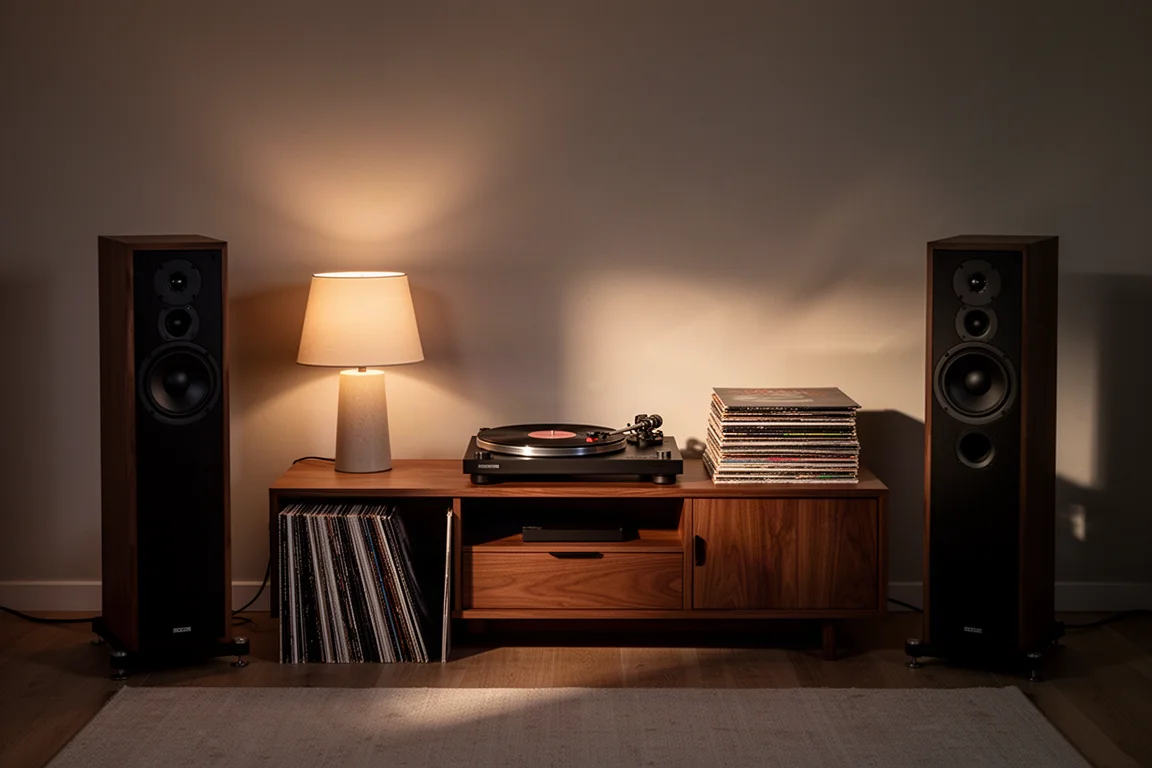
That combination of a tube front end and a Class D output stage is what makes this amplifier unusual. It is neither a pure tube design nor a conventional solid state integrated, and that is exactly where its appeal lies.
Who This Product Is For
This amplifier suits listeners who want one box at the center of a system handling several sources without a rack of separate components. Vinyl listeners can connect a turntable with a moving magnet cartridge directly, because the phono stage is built in.
It also fits people who stream or watch television through their audio system. Digital sources connect over coaxial or optical inputs, and Bluetooth 5.1 is available for casual listening from a phone or tablet.
Because the power output is generous, it can drive a wide range of passive speakers. That makes it a practical choice for listeners who like to change speakers, or who own models that benefit from extra headroom.
Design and Build Quality
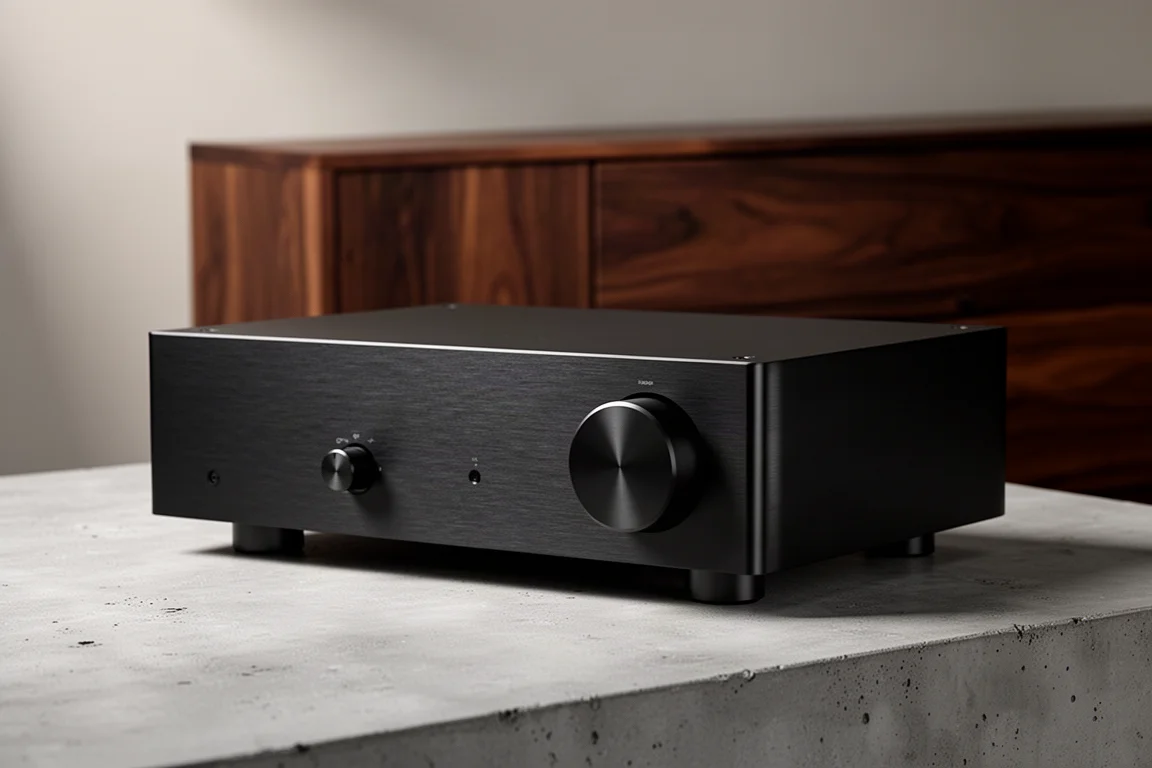
The chassis is brushed aluminum, and the finish quality stands above what is typical from other brands at this price. The amplifier is available in black or silver.
The front panel stays deliberately minimal: a small selector knob with LED indicators for inputs one through six, and no printed labeling.
One of the more distinctive touches is that the knobs can be customized in different materials, from several types of wood to marble, so the amplifier can be matched to a room or a personal preference.
Connectivity and Everyday Use
The Mark II covers more ground than its simple front panel suggests. There is an ESS DAC chip on board, a moving magnet phono stage, and Bluetooth 5.1, alongside coaxial and optical digital inputs and two analog inputs for a separate DAC or streamer.
There are also preouts, or line outs, which allow the addition of subwoofers, active speakers, or a separate power amplifier. A dedicated USB port is provided for firmware updates, which helps keep the unit current over the years.
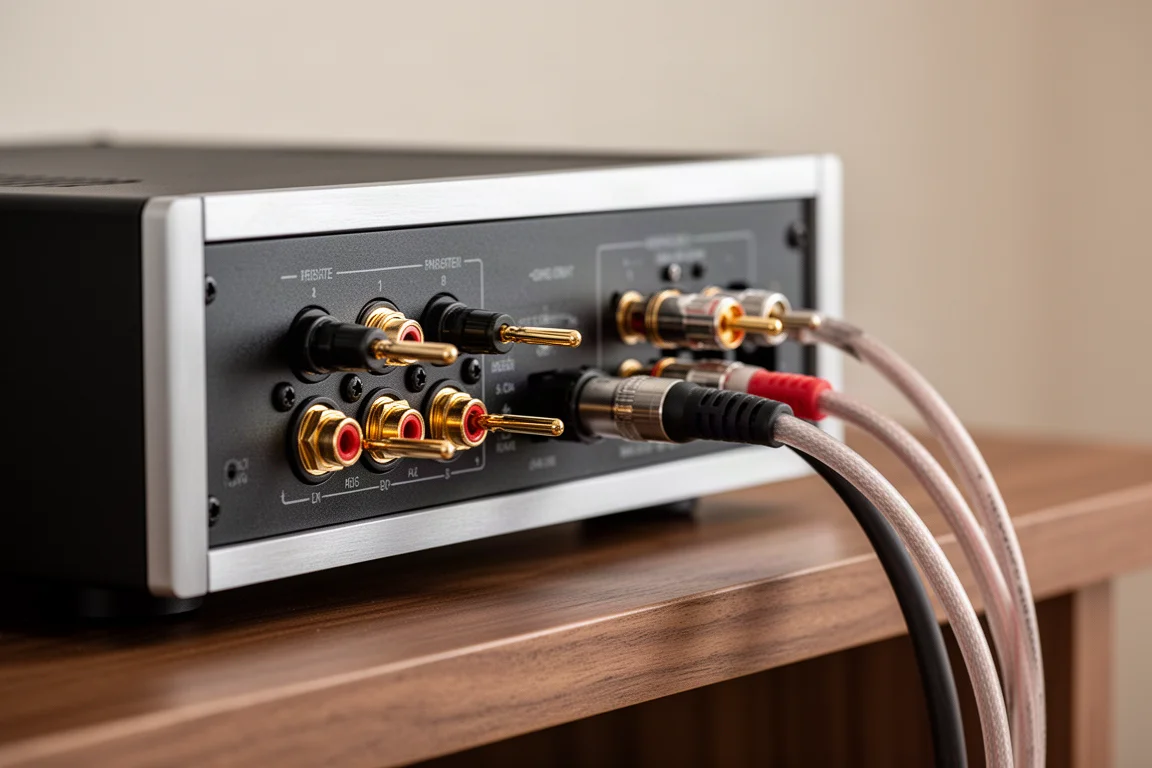
The practical result is a single box that can accept a turntable, a CD player, a streamer, a television, and a phone without extra hardware.
Sound Quality and Performance
Power output is rated at 120 watts into 8 ohms and 215 watts into 4 ohms, a significant increase over the Mark I. That translates into plenty of headroom, strong dynamics, and an easy sense of control with demanding speakers.
The tube section uses a pair of JJ ECC99 valves, paired with an ICEpower Class D module for amplification.
Tonally, the Mark II keeps the warm, lush character of the earlier model and adds refinement. Bass is robust and textured rather than merely fast, with a quality familiar to anyone who has spent time with good tube amplification. The midrange is the standout: full, textured, and holographic with female vocals, guitar strings, and saxophones, to the point where it can feel like listening to a dedicated tube amplifier.
Treble is more extended and airy than before, which balances the rich midrange and adds spaciousness. The soundstage is wide and deep, with width being the more striking of the two, and on some speakers the presentation extends past the side walls of the room.
Headphone Output and System Flexibility
A 3.5 mm headphone output is included, and it performs well above what its size might suggest. The character sits on the warmer side of neutral and flows easily, which makes long listening sessions comfortable.
Plugging in headphones automatically cuts the speaker output, so there is no need to disconnect speaker cables. Listeners who prefer speakers and headphones to run together will not find that option here, but the automatic switch keeps everyday use simple.

That headphone section also makes the amplifier a credible desktop companion, not just a living room component.
Things to Consider Before Buying
The internal DAC is the main limitation. It is decent on its own, but an external DAC and streamer noticeably raise overall performance, so listeners who already own a good outboard converter will get more from the amplifier than those who rely on the built-in one.
There is no USB audio input, which is a gap for anyone with digital sources that rely on USB. The front panel is also deliberately unlabeled, so selecting inputs one through six means memorizing the layout rather than reading a label.
In terms of absolute refinement, the Mark II does not reach the level of considerably more expensive amplifiers. Its bass favors texture and character over the very fastest, tightest presentation, which is a deliberate trade-off rather than a flaw.
Buying Advice
At $1,939 the Mark II sits in a competitive part of the market, and its case rests on what few rivals attempt: a genuine tube preamplifier, a capable Class D power stage, a phono stage, a DAC, Bluetooth, and a headphone output in one compact chassis.

For a listener starting a system, that combination can replace several separate purchases and simplify a rack considerably. For a listener who already owns a high-quality DAC and streamer, the amplifier still makes sense as the switching and amplification hub, and it will reward that kind of setup.
The strongest argument is the midrange and the sense of space it creates. If that tube character is what you are chasing, the Mark II delivers it with more power and more refinement than the model it replaces.
Conclusion
The Heaven 11 Billie Amp Mark II takes a formula that worked and improves it where it matters: more power, a more balanced and refined presentation, and the same broad feature set that makes it easy to build a system around. Its built-in DAC and the lack of a USB audio input are the details to weigh, but for listeners who want tube warmth with modern convenience in a single box, it is a compelling option at its price.
Product link
View more details for Heaven 11 Billie Amp Mark II
This product is mentioned in the review. Check the specifications, options, and compatibility before buying.
View more details for Heaven 11 Billie Amp Mark IIFurther reading
Related Reviews
Hi-Fi Amplifiers
Accuphase E-280 Review: Entry-Level Accuphase With Flagship Attention to Detail
A close look at the Accuphase E-280 integrated amplifier, covering its champagne build, AAVA volume control, sound quality, and the speakers and sources that suit it best.
Hi-Fi Amplifiers
Advance Paris A10 Classic vs Yamaha A-S301: Two Integrated Amplifiers Compared
A practical comparison of a $350 integrated amplifier and a $2,500 reference model, covering the differences that matter and the ones that do not.
Hi-Fi Amplifiers
Affordable Chinese Amplifiers Worth Buying: Five Budget Hi-Fi Amps Compared
A practical look at five affordable amplifiers, what each one does well, and the trade-offs to weigh before you buy.