Headphones & Audio
Headphone and Amp Synergy: Pairings That Bring Out the Best in Each Component
How headphones, amplifiers, and sources interact, with eight components and the pairings that work best together.
Introduction
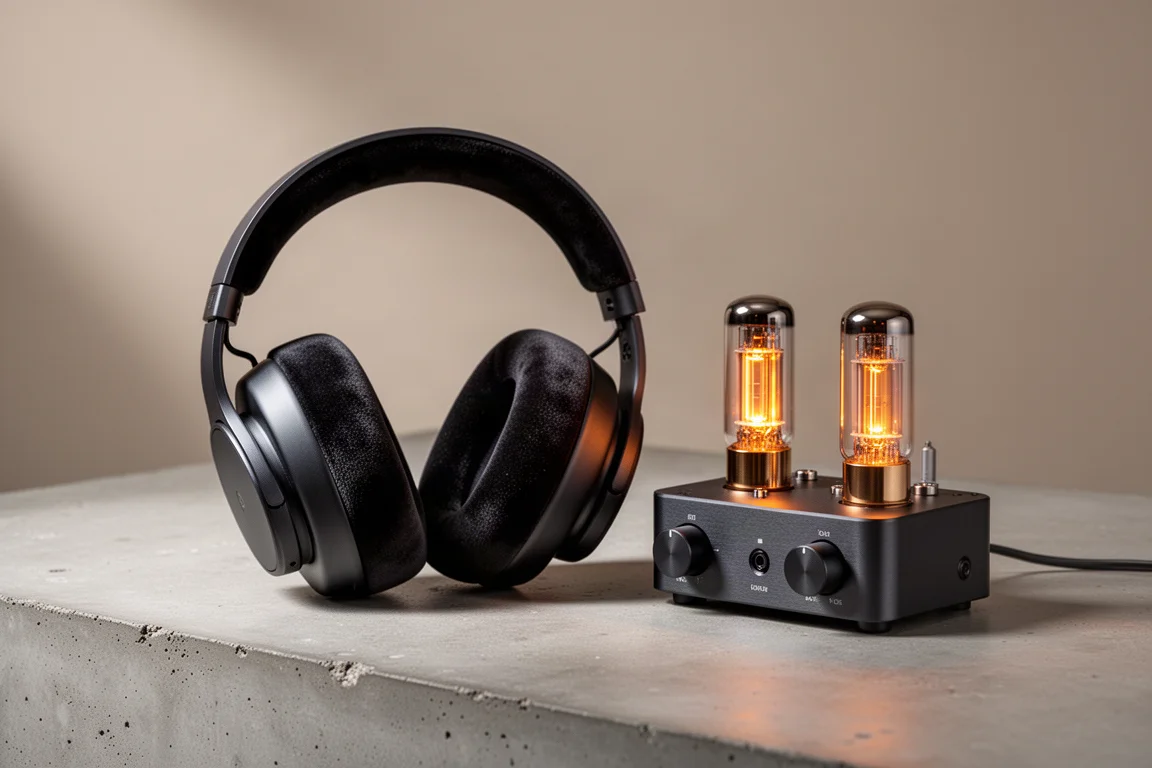
There is a variable in every audio system that never appears on a specification sheet, and it often matters more than the choice of speaker, source, turntable, cartridge, amplifier, or DAC. That variable is synergy: the way components behave when they are used together rather than judged in isolation.
Synergy is not a tuning trick or a luxury. It is the difference between a system that sounds merely competent and one that pulls you into the music. Reaching that point takes patience, and it sometimes means using a component in a role you did not originally plan for.
What Synergy Actually Changes in a System
Every component in a chain carries its own character. A speaker has a frequency response, an amplifier has a flavour, a turntable and a phono cartridge each have a signature. Stack several pieces with the same tendency and the result can swing hard in one direction.
Put a highly revealing component in front of a speaker that pushes the upper mid-range and treble forward, then add an amplifier that shouts every detail from the rooftop, and the system turns intense and fatiguing. Go the other way, with a rolled-off speaker, a warm amplifier, and a cartridge that does not reveal much, and the sound becomes a muddy mess, like a wet blanket thrown over the speakers.
There is a third outcome that catches people out. A system assembled entirely from neutral parts can end up sounding boring. It avoids the excesses of an overly warm setup, but it also has no personality. Some listeners want a little gumption in the lower mid-range and some life on top, and there is nothing wrong with choosing components that supply it.
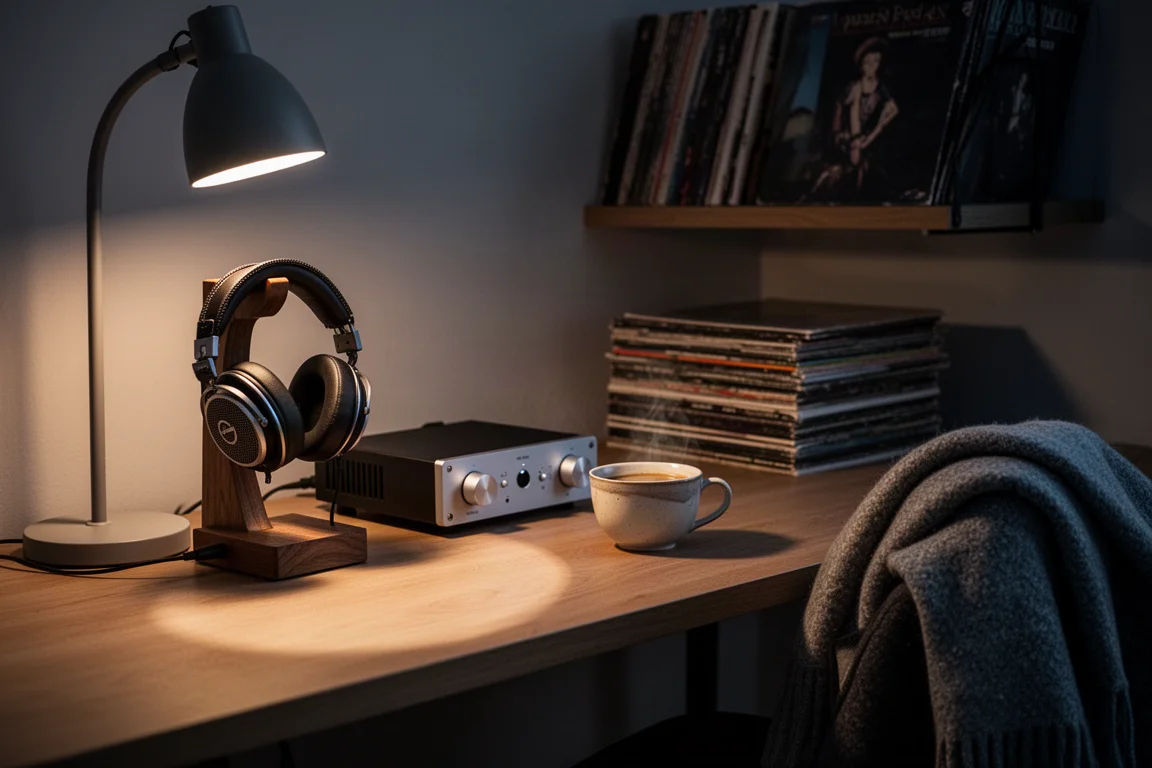
The practical goal is complementary pairing. If one component is forward, another should be even-handed. If one is polite, another can add energy. The difficulty is that this is rarely obvious from specifications alone, and it can take years of swapping gear to find the combination that clicks. Getting it right is worth the effort, and it is also slower than most buyers expect.
Drop + Sennheiser HD 58X Jubilee
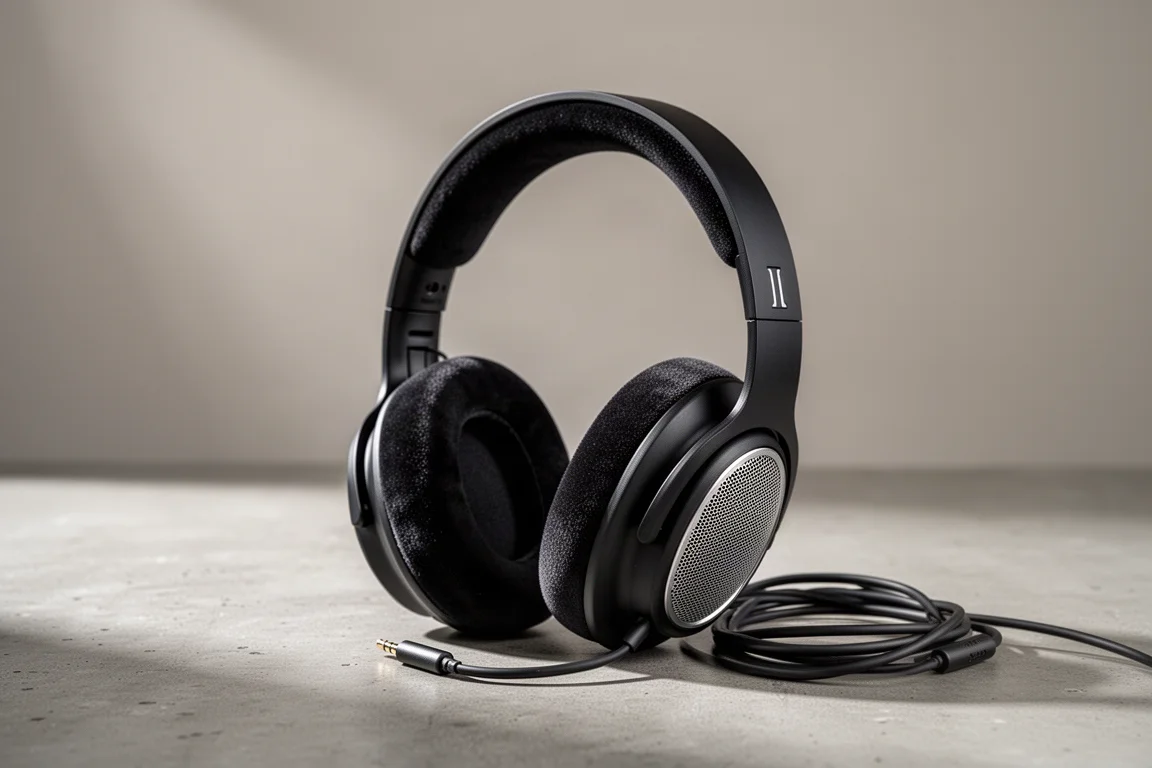
The HD 58X Jubilee descends from the HD 580 Jubilee, itself a derivative of the HD 580. It is a good example of a company sticking with a design it got right rather than reinventing it every few years.
In sound terms, the HD 58X Jubilee is fairly neutral and noticeably less pushed forward in the mid-range than the HD 6XX. It also has a top end, which gives instruments room to separate. What it shares with the HD 6XX is vocal tonality: voices sound natural, vibrant, and full without becoming thick.
Physically, it uses velour ear pads, a notch in the headband to avoid a pressure hotspot, and an open-back design. It is rated at 150 ohms, which makes it a little harder to drive than the most sensitive headphones, though solid-state amplifiers handle it comfortably. A dongle DAC may be the exception. The cable runs roughly seven to eight feet, the build is all plastic, and the connections use Sennheiser’s proprietary format.
At $179, it is a straightforward recommendation, and it is the component that anchored the strongest pairing in this group.
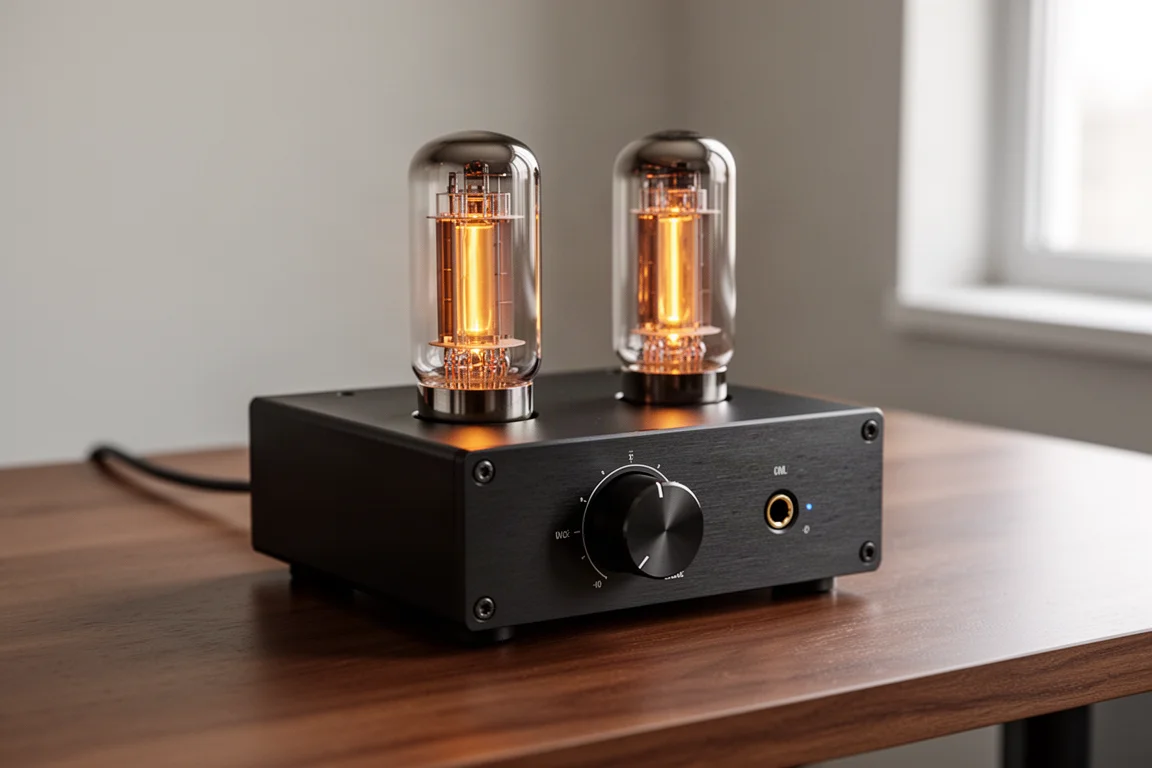
XDuoo TA-26S Tube Amplifier
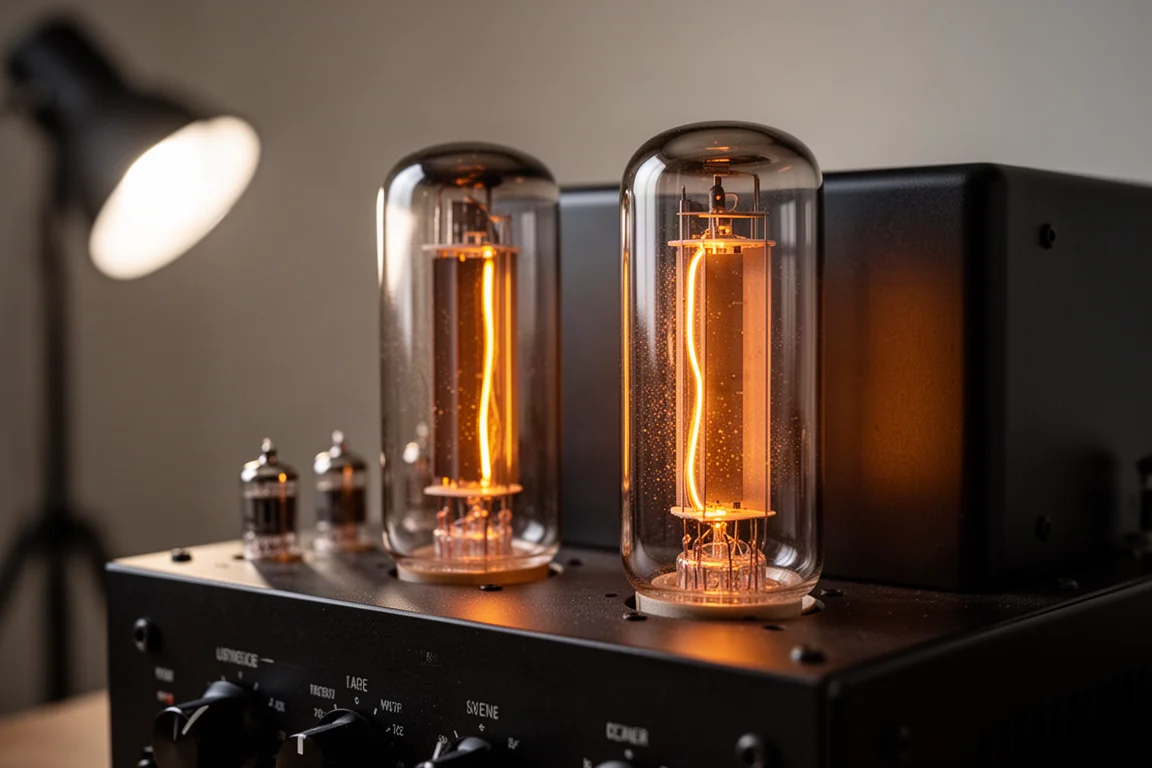
The TA-26S is a fully tube design. With the tubes removed, the internal capacitors and resistors are visible through the chassis, which makes it an unusually impressive object to look at before you even listen.
It uses a 6N8P tube in the preamp section and a 6N5P tube as a buffer, and it can also be used as a preamp to add tube character to another chain. Published output is listed as half a watt at 300 to 600 ohms, though behaviour at other impedances is not documented.
Sonically, it delivers what most listeners mean by tube sound: warmer and a little thicker through the lower mid-range, with mid-range vocals pushed slightly forward. It is not rolled off on top.
The catch is compatibility. With dynamic headphones such as the HD 58X Jubilee it is excellent, and the pairing lifted the mid-range and widened the soundstage. With planar magnetic headphones, bass distorted badly even though vocals remained acceptable. At around $300, that is a real commitment for an amplifier that works well with a limited set of headphones, so it makes most sense for listeners who already own a suitable dynamic model.
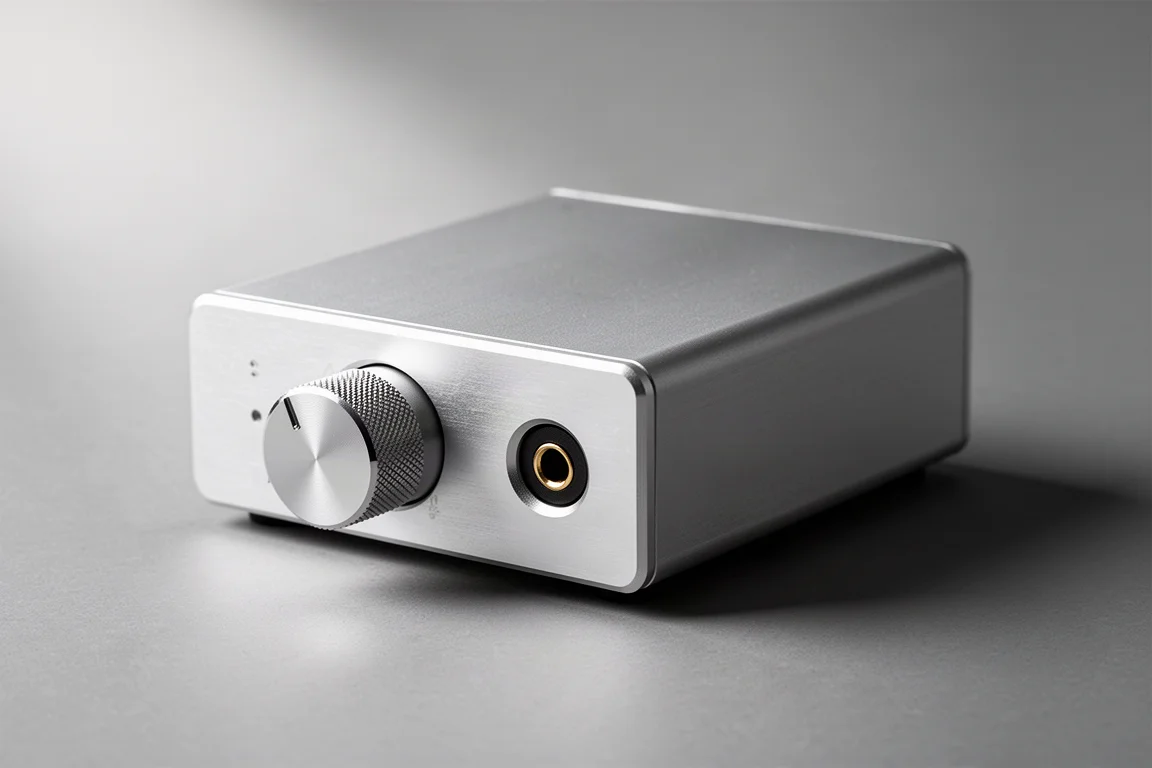
JDS Labs Oracle 2.5 XL
The Oracle 2.5 XL is the neutral option in this group, and neutrality is exactly what makes it flexible. It plays well with a wider range of headphones than the tube amplifier, and it handled the planar models that the TA-26S could not drive cleanly.
Paired with the HD 58X Jubilee and a J2 9038 Pro Edition source, the result was punchy, neutral, and very revealing. Switching to the tube amplifier added mid-range presence and a wider sense of space, but the Oracle 2.5 XL never sounded wrong. It is the amplifier to choose when versatility matters more than character.
Drop + Sennheiser HD 6XX
The HD 6XX is the long-established reference point that many listeners pair with tube amplifiers. It shares the natural vocal tonality of the HD 58X Jubilee, but pushes the mid-range further forward and does not have the top-end presence the 58X Jubilee offers.
Build follows the same approach, with an all-plastic frame that has proven durable over a long service life. For listeners who want that vocal-forward presentation, it remains a valid choice. For those who want more punch and a cleaner top end, the HD 58X Jubilee is the more engaging option in this comparison.
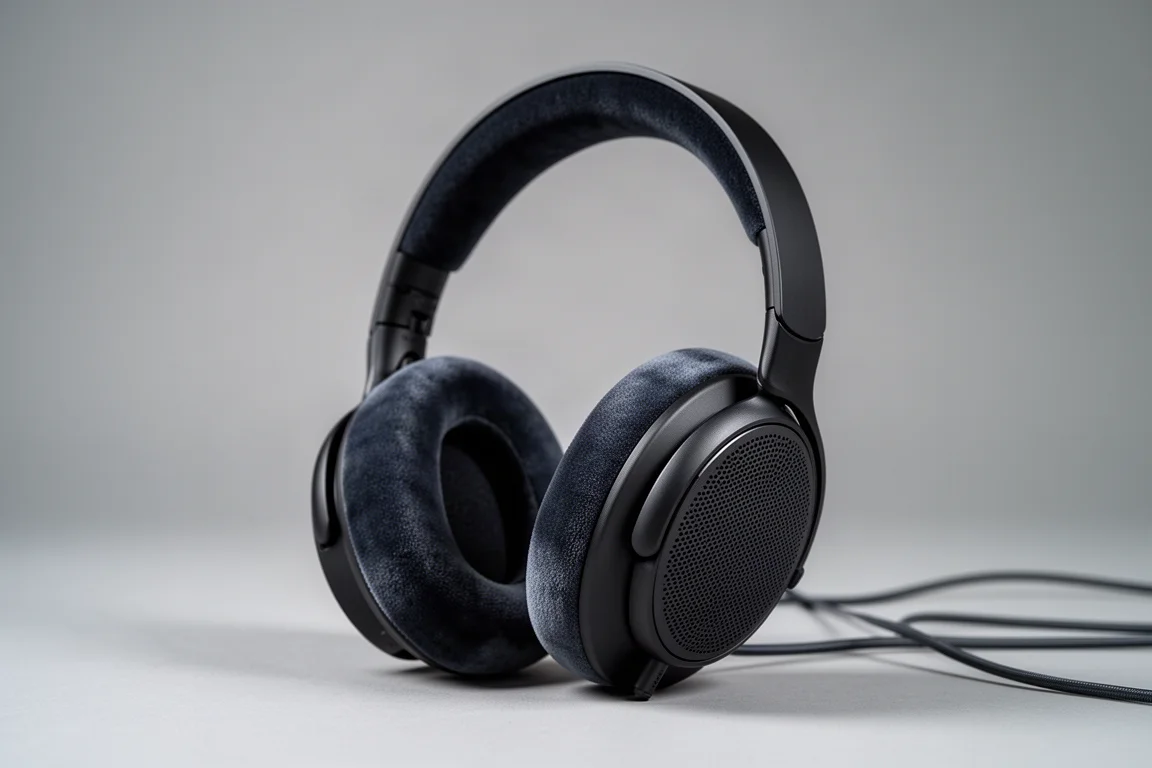
Sennheiser HD 560S
If soundstage is the priority, the HD 560S has the advantage over the HD 58X Jubilee. It presents a wider, more spacious image, which suits recordings that rely on a sense of room and separation between instruments.

The trade-off is punch. The HD 58X Jubilee gives up a little soundstage in exchange for more impact, and for many listeners that is the better bargain. Both headphones share a similar vocal character, so the decision rarely hinges on tonality. It hinges on whether you would rather protect the wider picture or the firmer hit.
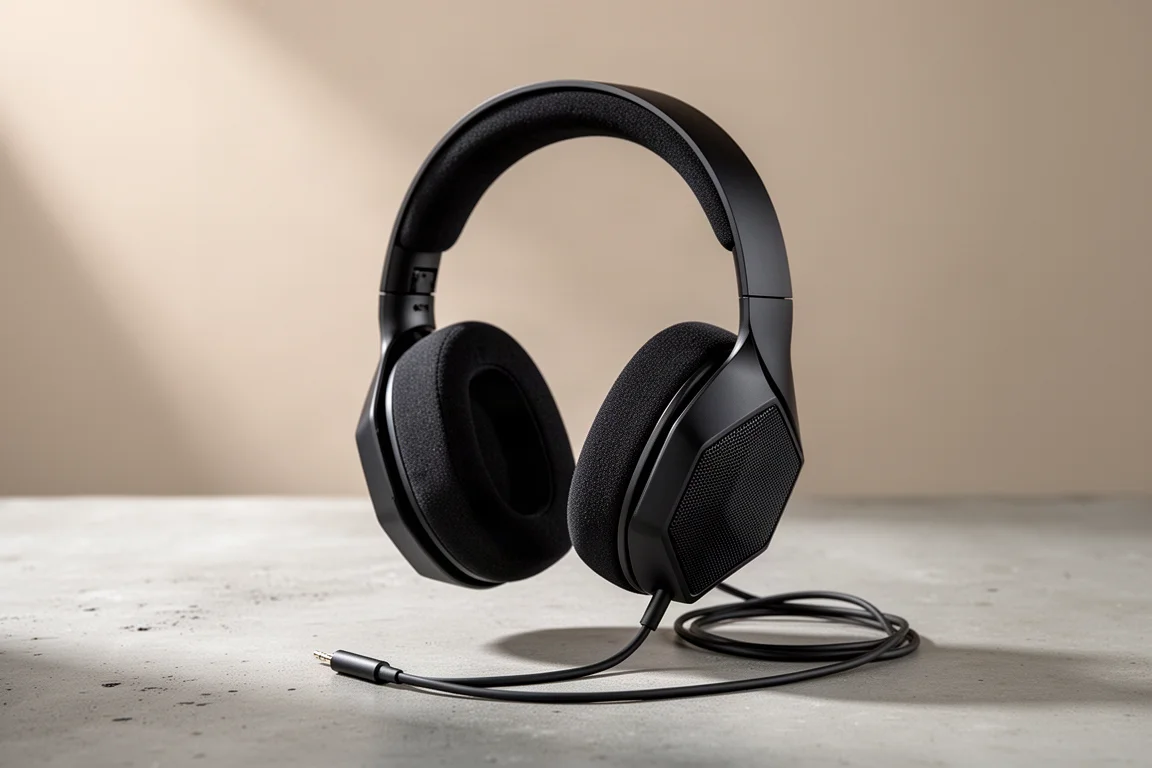
HiFiMan Edition XS
The Edition XS is a planar magnetic headphone and one of the harder models to drive in this group. On a neutral solid-state amplifier it performed without issue. On the TA-26S, vocals were acceptable but bass arrived distorted, which points to a mismatch rather than a fault in the headphone itself.
If you already own the Edition XS, a neutral amplifier is the reliable partner. If you are shopping for a tube amplifier specifically, this is not the headphone to build that system around.
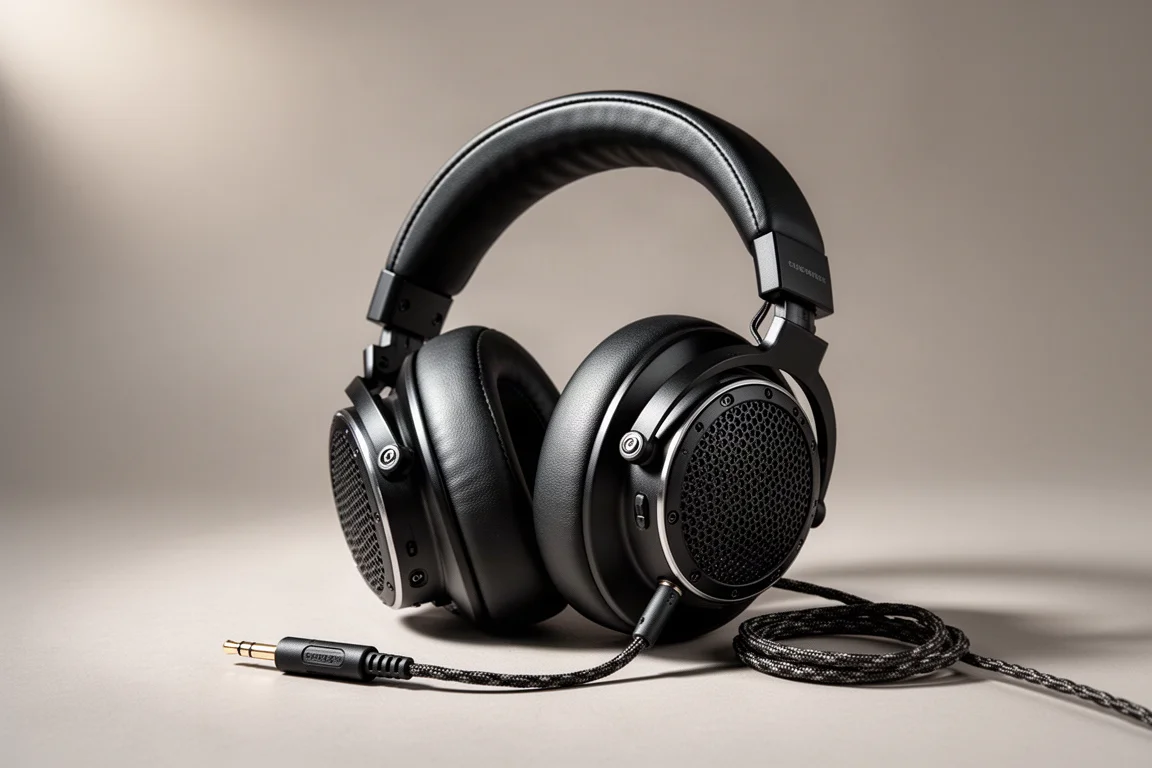
HiFiMan Sundara
The Sundara behaved the same way as the Edition XS on the tube amplifier: usable across the vocal range, but compromised as soon as low frequencies entered the picture. It worked normally once the amplifier changed.
That consistency is useful information. It suggests the limitation sits with the amplifier’s handling of planar loads rather than with any single headphone model, and it makes a neutral amplifier the safer default for planar owners.
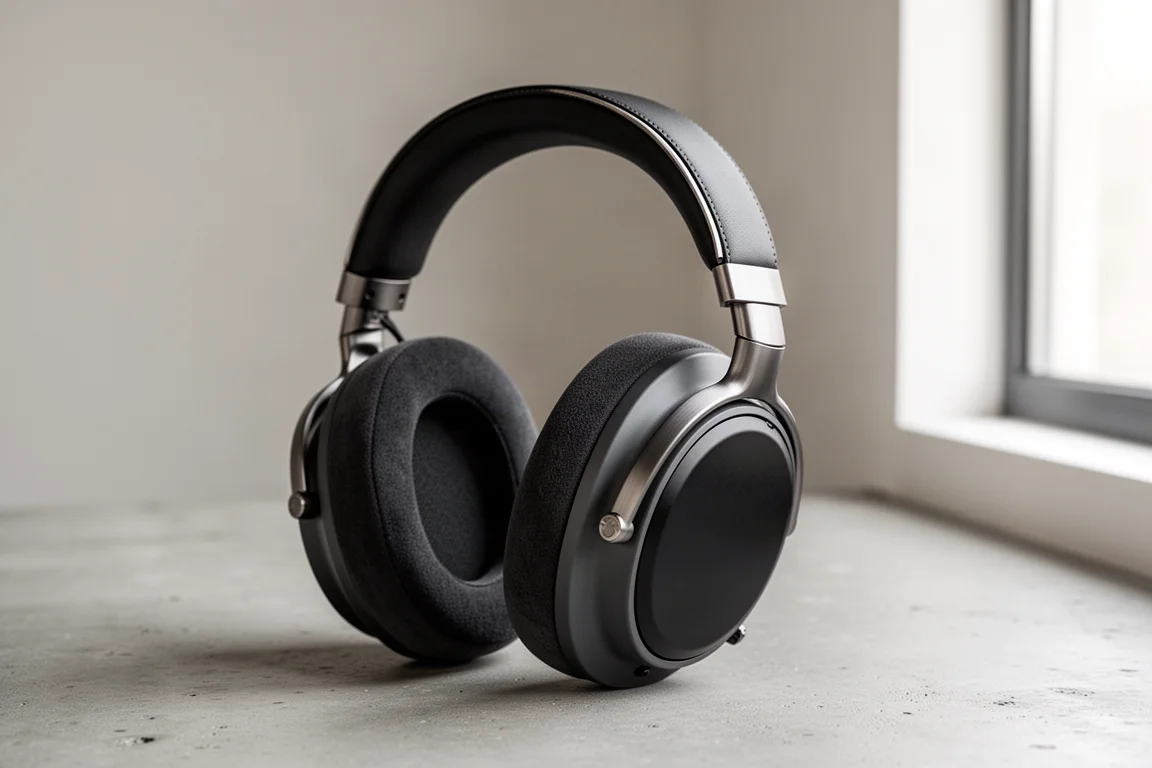
Dan Clark Audio Aeon RT Closed
The Aeon RT Closed is a closed-back planar design and the third model that did not pair cleanly with the TA-26S. Like the others, it is harder to drive, and it is better served by a solid-state amplifier that can deliver current without distortion.
For listeners who need a closed-back headphone and still want tube character somewhere in the chain, using the TA-26S as a preamp rather than as a headphone amplifier is a workable alternative.
Buying Advice: How to Build Synergy Step by Step
Finding a pairing that works without buying and returning a pile of equipment takes method. The most efficient approach is to start with a neutral amplifier and a neutral source, whether that is a DAC or a phono cartridge, then change one thing at a time.
Speakers are the easiest place to begin adjusting, because they come with published frequency response graphs and a speaker’s character is simpler to describe than an amplifier’s. Amplifiers tend to be more similar to one another than speakers are, so the speaker usually moves the result furthest.
When you swap components, change only one at a time. Replacing a speaker, an amplifier, and a DAC together removes your ability to tell which change did the work. Research matters as much as experimentation: published impressions and forum discussion are useful for getting a general sense of how a piece of gear behaves, provided you ask specific questions and treat strong opinions as opinions. A component that sounds one way in one system can sound quite different in another, which is why the real question is never whether a product is good in the abstract, but whether it is good with what you already own.
Conclusion
The HD 58X Jubilee is the standout here at $179, and it is the component that made the tube amplifier worthwhile. Its relatively neutral balance, natural vocal character, and clean top end let it work well with both a warm tube amplifier and a neutral solid-state design, which is exactly the flexibility a system builder wants.
The TA-26S is a beautifully built amplifier with genuine tube character and a real limitation: it suits dynamic headphones and struggles with planars. The Oracle 2.5 XL is the opposite proposition, less characterful but far more accommodating. For anyone assembling a system from scratch, a neutral amplifier paired with a headphone that responds well to it is the more reliable starting point, and the HD 58X Jubilee fits that role unusually well.
Further reading
Related Reviews

Backpacking Gear
Building a 10 lb Base Weight: An Ultralight Backpacking Gear List
A practical walkthrough of the ultralight pieces behind a 10 lb base weight, from a 765 g pack and a roomy one-person tent to a full camp chair and a dependable water filter.

Road Bikes
10 New Road Bikes Worth Watching: Aero, Titanium, Steel and Endurance Standouts
A practical roundup of 10 new road bikes, from aero flagships chasing single-watt gains to titanium, steel and endurance platforms built for real roads.

Bikepacking Gear
11 Bikepacking Essentials for Long-Distance Cycling
Eleven bikepacking essentials for long-distance cycling, from a steel gravel frame and a two-person tent to helmet lights, packable gloves, and a frame bag that puts weight in the right place.