Engine Hardware
Head Studs vs Head Bolts: Eight Options Tested to Failure
From Fel-Pro TTY bolts to L19 studs, we compare clamping load, stretch, and real-world tensile strength across eight cylinder head fasteners.
Introduction
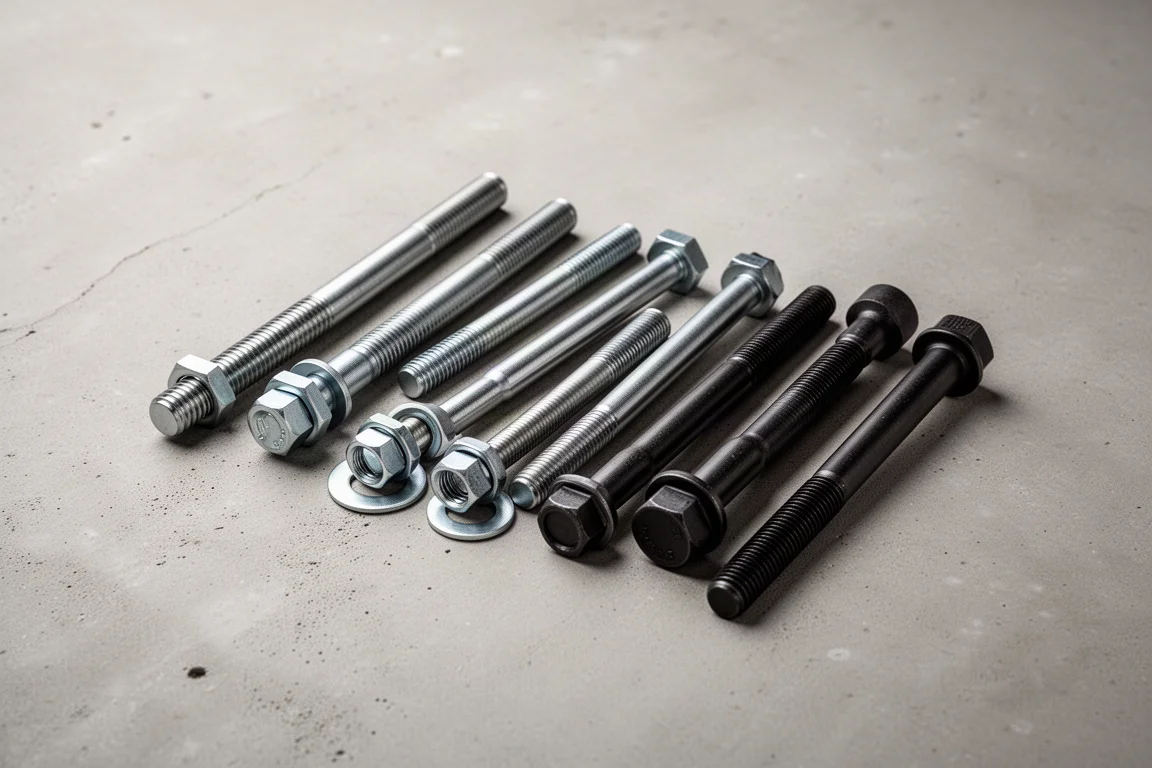
Cylinder head fasteners rarely get much attention until something goes wrong. For most engines, the factory torque-to-yield head bolts do the job fine. But once cylinder pressure climbs with boost, compression, or tuning, the question of whether to upgrade to head studs becomes very real.
To find out what the money actually buys, eight different fasteners were tested under load: stretch measured at clamping loads, then pushed to ultimate failure with a hydraulic ram rated for over 12 tons. The results separate the marketing claims from what each bolt and stud can actually hold.
How the Testing Worked
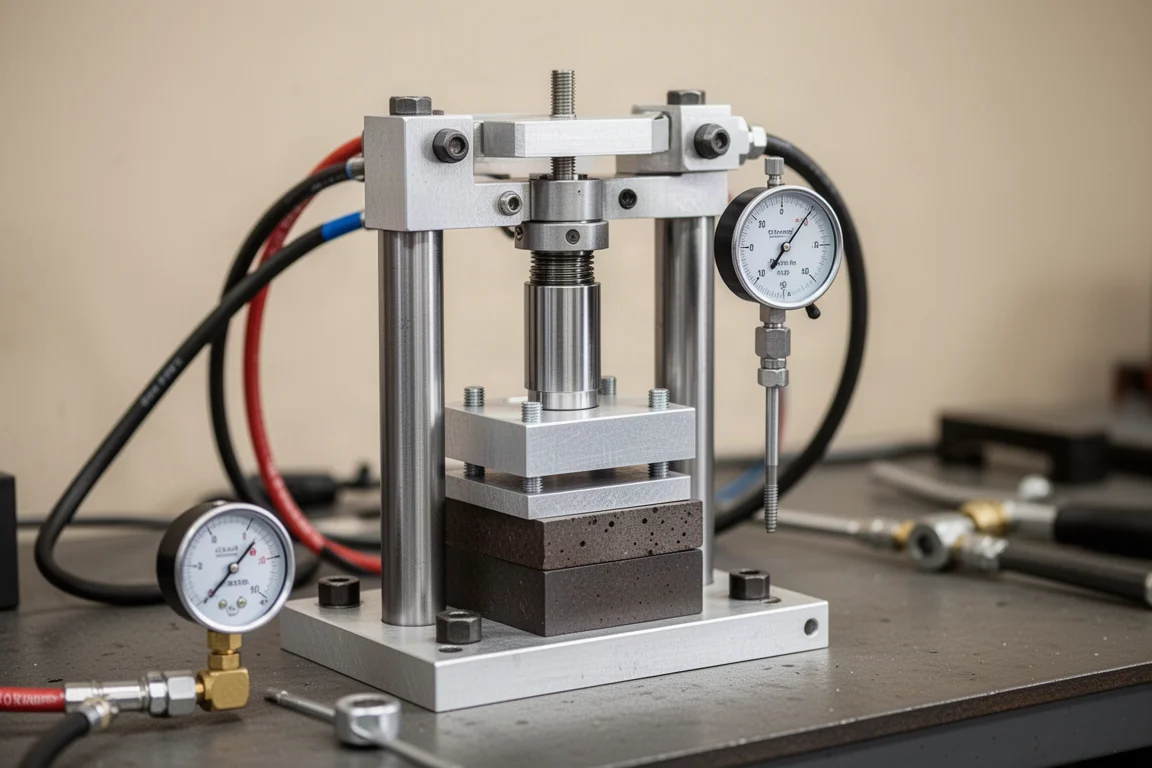
The test setup simulated a real engine joint: gray cast iron slugs in the same alloy as a standard GM cast iron block acted as the block, tapped with the same thread engagement as an LS engine, while a block of 6061-T6 aluminum stood in for the cylinder head. A single-acting hollow ram hydraulic cylinder applied the load, and dial indicators measured stretch.
Two numbers matter here. First, clamping load: how much force the fastener pulls the head down with when torqued to spec. Second, stretch and failure behavior: a good fastener stretches very little as force climbs, then yields predictably at the end rather than failing off a cliff. Readings in psi on the ram were multiplied by 2.77 to convert to pounds of force.
The Baseline: OEM-Style Torque-to-Yield Bolts
Torque-to-yield (TTY) bolts are torqued to an initial value, then tightened by degrees of rotation until they plastically deform. That gives a wide, forgiving window of correct tightness, but it also means the bolt is permanently stretched and can never be reused.
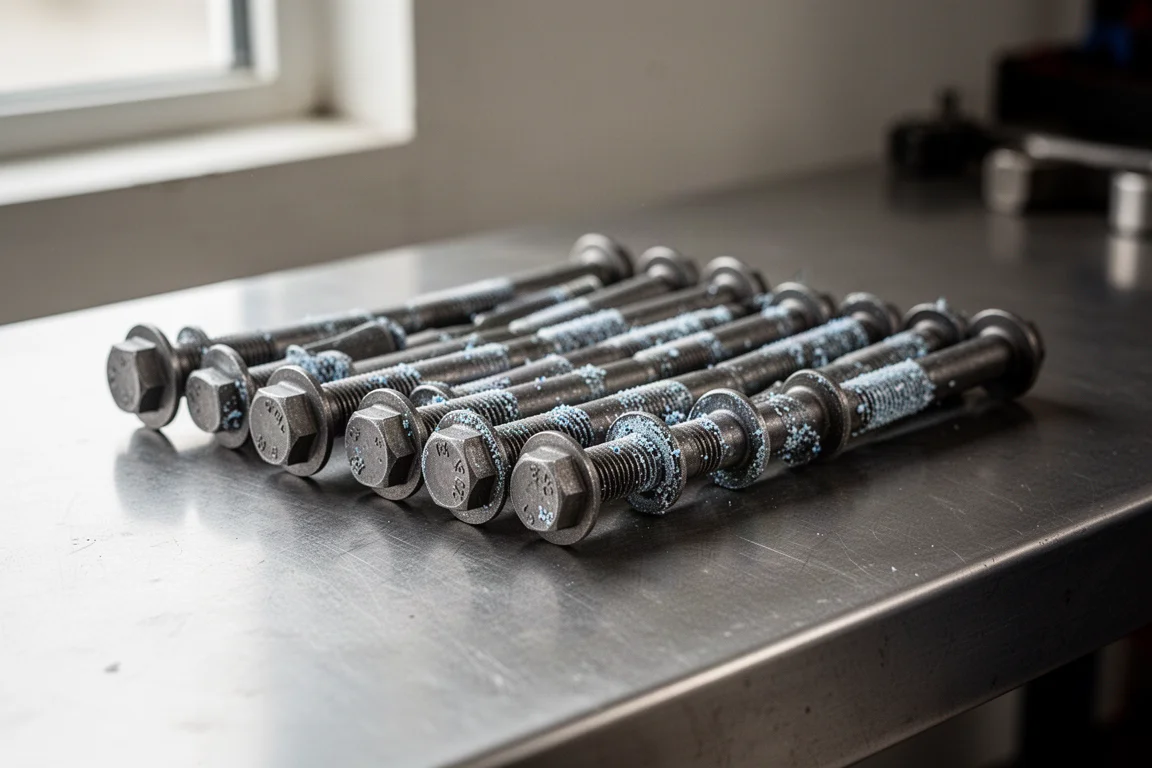
The Fel-Pro replacement set, at $43 for both heads, clamped down at roughly 2,600 psi on the gauge, settling to around 7,000 pounds of clamping force. It stretched gradually but got unhappy past roughly 6,000 psi, peaking around 6,600 psi with 43 thousandths of total stretch. The GM OEM TTY bolts behaved almost identically, clamping about 400 psi higher at around 3,000 psi. The two are close enough that the Fel-Pro set looks like a sensible budget substitute.
The Amazon Contender: PQY Racing Head Studs
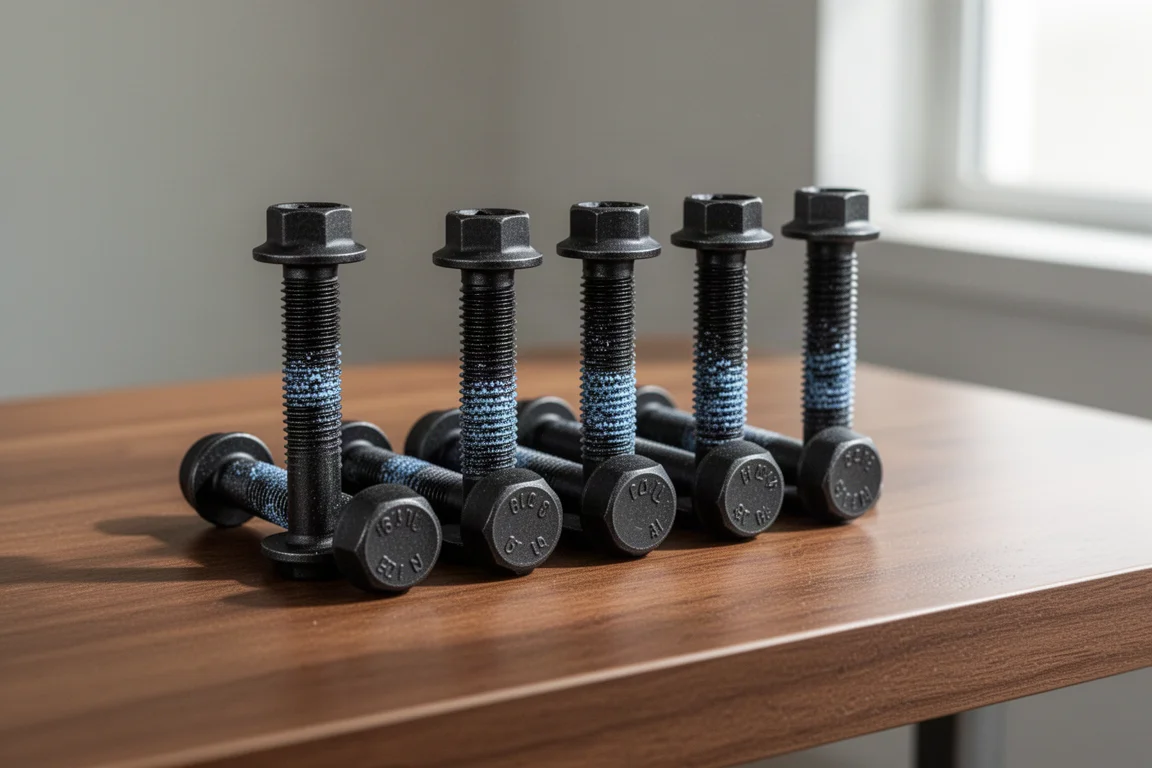
The PQY Racing head studs, at $60 a set, advertise a 220,000 psi tensile strength, which would put them in ARP 2000 territory at a fraction of the price. The hardware feels lightweight and thin, but in testing they performed better than the stock Fel-Pro bolts and landed at roughly ARP 8740 levels.
In short-stud form for later Gen 4 LS engines, they clamped at 3,650 psi, only 250 psi off the long-stud version, and peaked at 7,960 psi with 62 thousandths of stretch. When the math was done, real measured tensile strength came out around 170,000 psi, not the advertised 220,000. They are reusable, though reused studs showed an extra 5 to 7 thousandths of stretch at normal torque before behaving normally again.
ARP 2000 Bolts: A Quiet Bargain
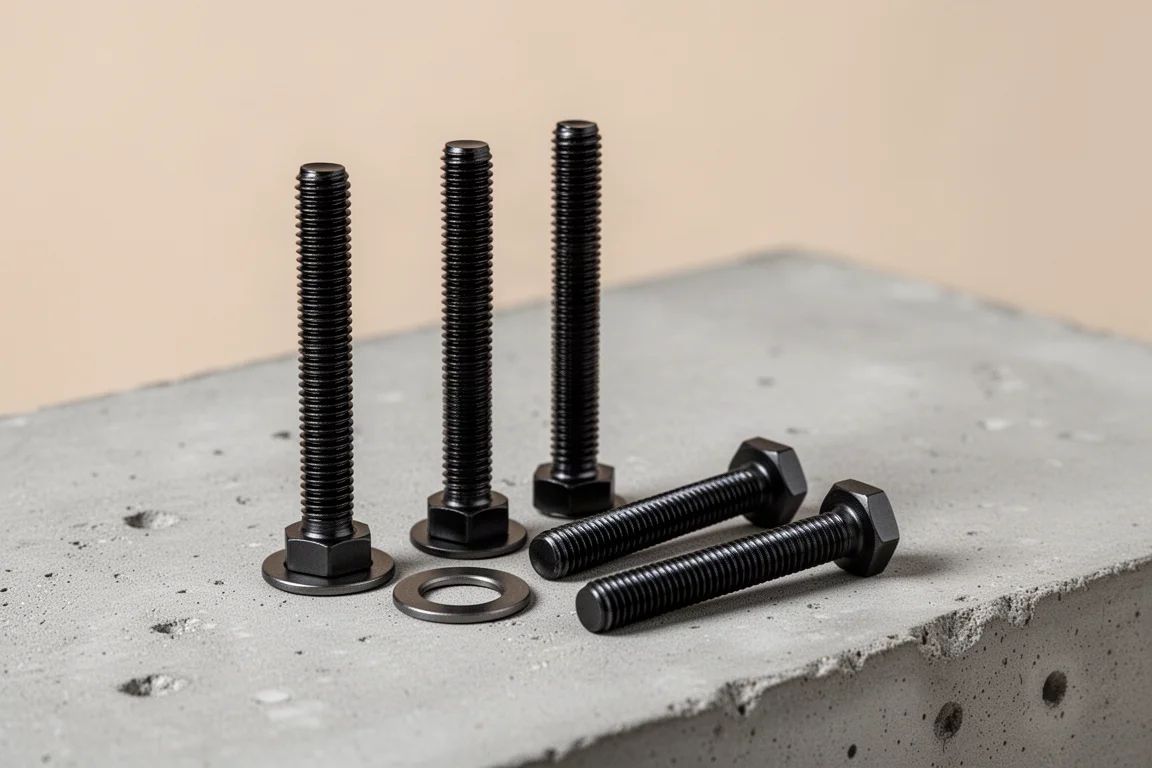
Same alloy family as the popular ARP 2000 studs, but in bolt form and at $173 a set instead of hundreds more. Bolts cannot match the theoretical torque efficiency of a stud, where only the nut spins, but the numbers here were excellent.
This ARP 2000 bolt clamped down to a massive 4,000 psi on the gauge, about 11,000 pounds, the highest clamping load of the entire test. Its stretch curve stayed low the whole way, maxing at around 18 thousandths at 6,500 psi, and it yielded at 9,140 psi and beyond with 64 thousandths of stretch at that point. That was the best result seen outside the premium studs. The trade-off: as a bolt torqued against the head, clamping load consistency may not match a stud, but the resistance to head lift is clearly there.
ARP 8740: The Bread-and-Butter Alloy
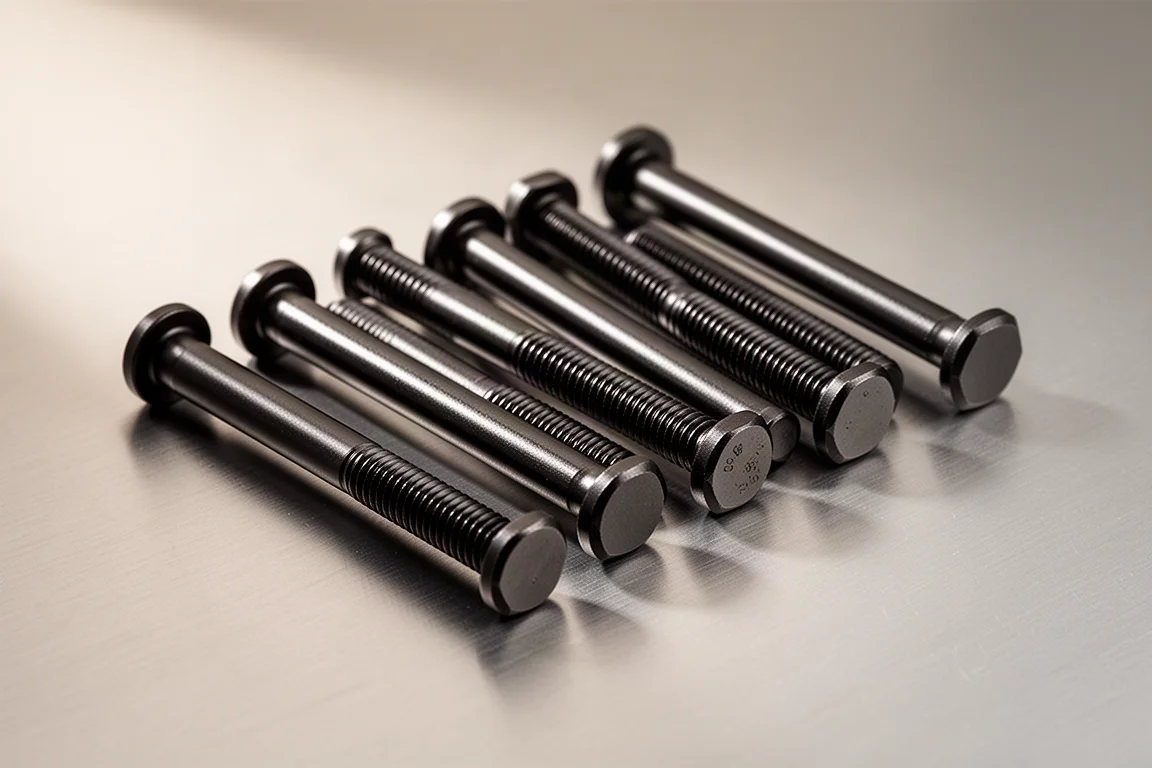
ARP’s 8740 alloy is rated at 170,000 psi and is one of the most popular stud materials. The hardware itself is noticeably more substantial than the Amazon alternative in finish weight and size, and takes a larger socket, but that comes with a $338 price tag.
Clamping force came in at 2,900 psi, not especially high. But stretch behavior was impressive: just 17.5 thousandths at 6,500 psi, showing the stud had not begun yielding, and it failed at 8,068 psi without falling off a cliff. Notably, this 170,000 psi-rated stud outperformed the 220,000 psi-claimed PQY studs at equivalent loads. The 8740 bolt version, meanwhile, clamped at 2,620 psi, similar to OEM TTY bolts, and stretched early and often, ultimately yielding around 7,500 psi. For this alloy, the stud is the form to pick.
ARP 2000 Studs: Serious Hardware
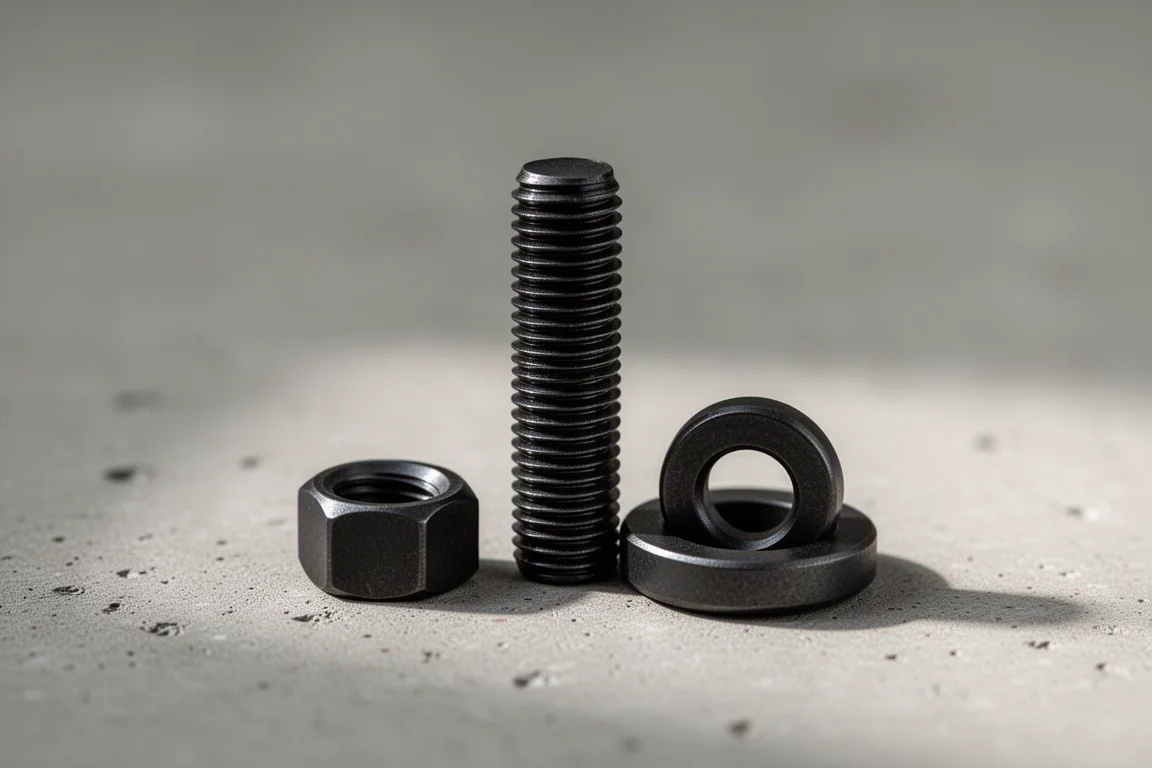
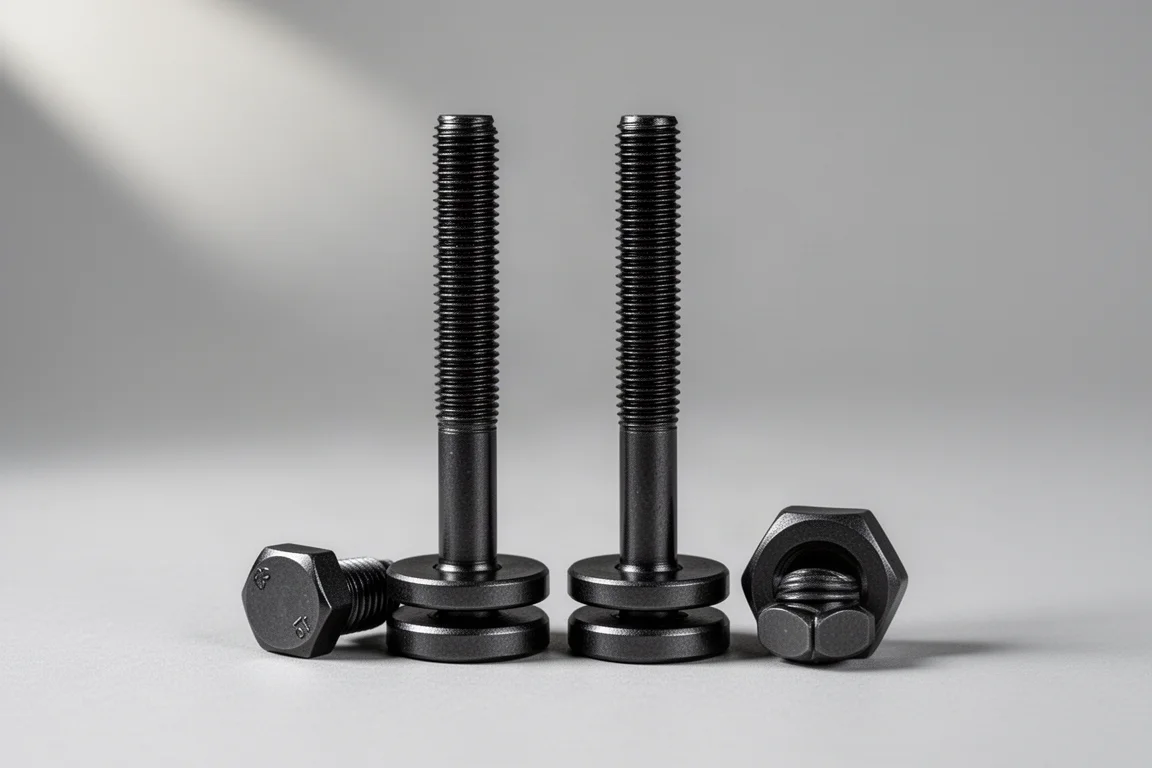
The ARP 2000 studs for a Gen 4 LS engine were among the most anticipated of the test, at roughly $400 a set and famously hard to find in stock. Clamping load registered around 3,300 psi, and stretch at 6,500 psi was a familiar 18 thousandths, the level seen among fasteners that are not yet yielding.
It took serious hydraulic pressure before any dramatic stretch appeared, topping out over 9,000 psi before letting go, peaking at 9,233 psi. That put it above all the mid-tier options, matching or slightly beating the ARP 2000 bolt, and exceeded only by the L19 studs. If you want to be confident your heads are not coming off, this is the tier where that confidence starts.
L19: The Premium Tier
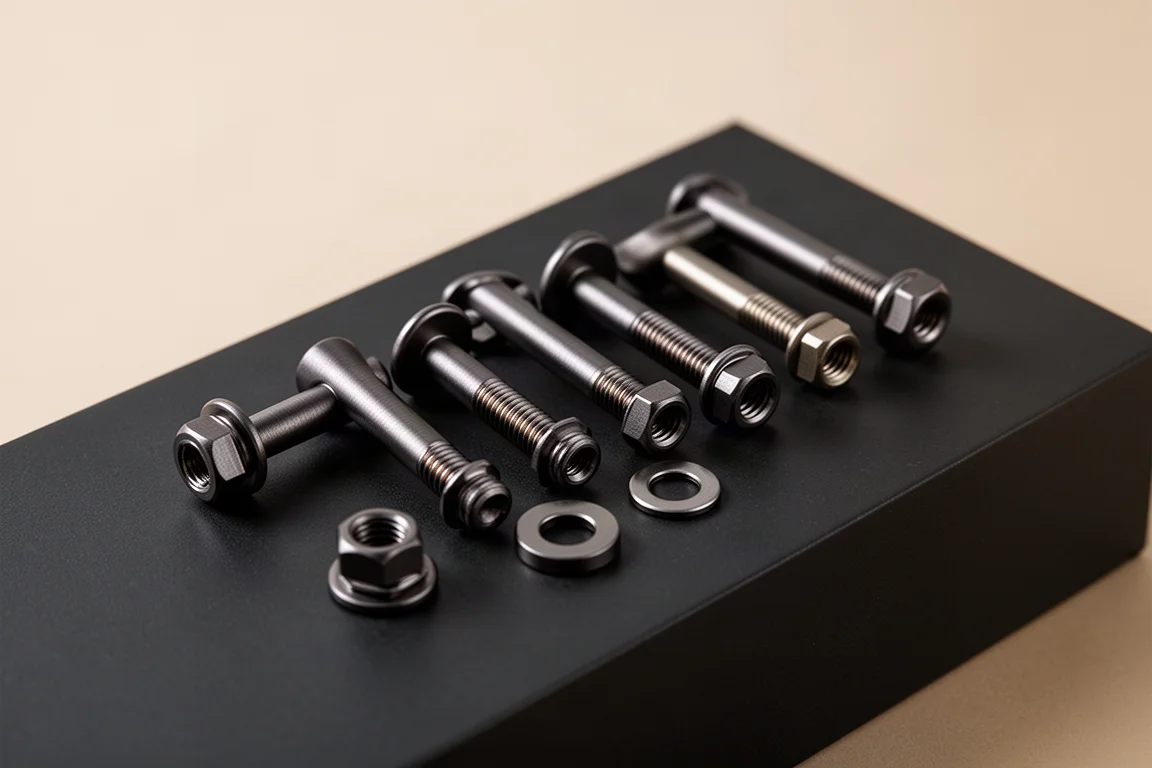
L19 is a 260,000 psi tensile strength stud material that compares directly to ARP’s custom-age 625+ studs, which are custom order with several months of lead time. These L19 studs, bought as a Honda-application set of the same length, body diameter, and 11mm threads as LS hardware, cost $628 in an LS-equivalent quantity. They are so sensitive that you are advised not to touch them with bare hands, as skin moisture can cause hydrogen embrittlement.
The results lived up to the price. Clamping load settled around 3,600 psi, stretch stayed similar to ARP 2000 early on at 18 thousandths, and at maximum ram pressure of 9,529 psi the stud saw roughly 26,400 pounds of force, exceeding the ram’s rating, with only 51 thousandths of total stretch, less than the ARP 2000 bolt at comparable loads. You will not be lifting heads with these without a serious amount of heat, boost, and detonation.
What About Grade 8 Hardware Store Bolts?
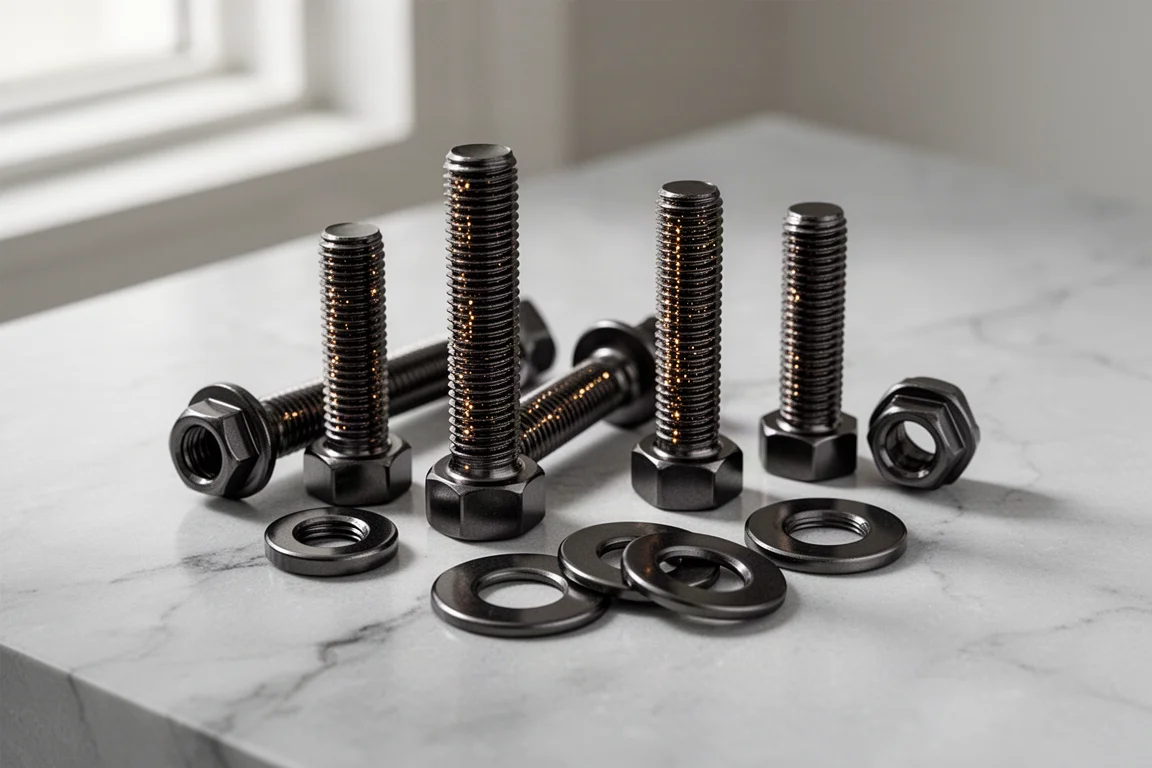
In a pinch, if the dealership has no stock and the hardware store has the right thread pitch and length, could a Grade 8 or Class 10.9 equivalent bolt work? The test says: not really. Starting at around 2,600 psi to match OEM, the Grade 8 bolt tracked the factory trajectory for a while, but under maximum load it stretched to near-infinity, eventually letting go around 7,000 psi after stretching so much you could slide full-size washers between the head gasket and the block.
The measured tensile strength came out at 157,000 psi against a 450,000 psi nominal rating, and without a yield procedure there is no reliable way to know how much to torque one before it enters the danger zone. Stick to OEM or purpose-built hardware.
Buying Advice
The results stack up into a clear picture. Torque-to-yield bolts, OEM or Fel-Pro, are fine for stock rebuilds but single-use and lowest on clamping load. The PQY Racing studs punch far above their $60 price, performing near ARP 8740 levels while remaining reusable, though their real strength is closer to 170,000 psi than the advertised figure.
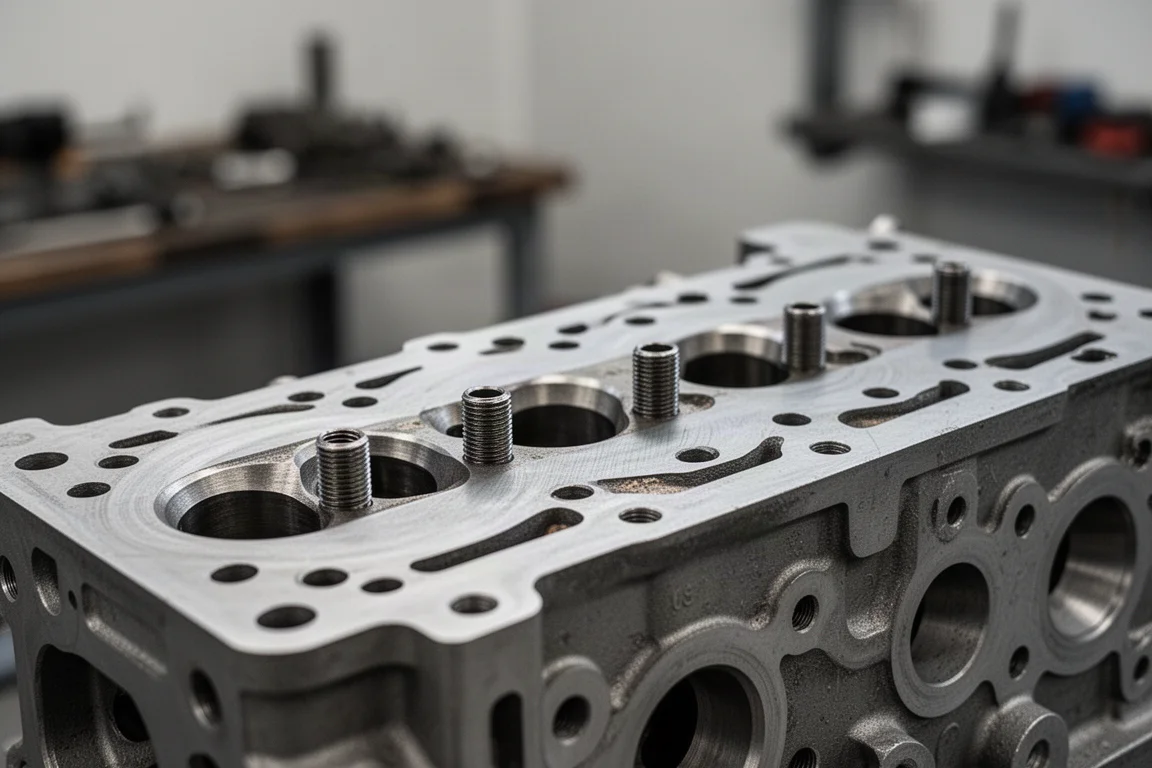
If performance is the goal, ARP 2000 bolts at $173 look like the value standout, outperforming the more expensive 8740 studs in this test. ARP 2000 studs and especially L19 studs are the serious options, holding down heads with around 26,000 pounds of force per fastener, and an LS head uses ten of that size plus additional M8 bolts.
Conclusion
Head studs are not automatically better; the alloy and form factor both matter. Budget builders get real value from the $60 Amazon studs, mid-budget buyers should look hard at ARP 2000 bolts, and anyone chasing maximum clamping reliability is paying for it in ARP 2000 studs or L19 territory. Match the fastener to the cylinder pressure you actually plan to run, and the extra money goes exactly where it should.
Further reading
Related Reviews
Engine Hardware
ARP Custom Age 625+ vs L19 Head Studs: Two High-Strength Options Tested
A close look at ARP's strongest head stud materials, including real tension measurements, stretch behavior, and what sets the Custom Age 625+ apart from the L19.

Backpacking Gear
Building a 10 lb Base Weight: An Ultralight Backpacking Gear List
A practical walkthrough of the ultralight pieces behind a 10 lb base weight, from a 765 g pack and a roomy one-person tent to a full camp chair and a dependable water filter.

Road Bikes
10 New Road Bikes Worth Watching: Aero, Titanium, Steel and Endurance Standouts
A practical roundup of 10 new road bikes, from aero flagships chasing single-watt gains to titanium, steel and endurance platforms built for real roads.