Engine Hardware
ARP Custom Age 625+ vs L19 Head Studs: Two High-Strength Options Tested
A close look at ARP's strongest head stud materials, including real tension measurements, stretch behavior, and what sets the Custom Age 625+ apart from the L19.
Introduction
When it comes to head studs, the conversation usually ends with the same question: which material gives you the most clamping force you can actually trust? Two names keep coming up. ARP’s Custom Age 625+ studs and the L19, both of which claim a 260,000 psi yield strength.
We compared them side by side, measured real bolt tension with hydraulics, tracked stretch with dial indicators, and tested several popular installation myths along the way. If you are choosing hardware for a high-boost build, this is what the numbers actually show.
Custom Age 625+: The New Top Dog
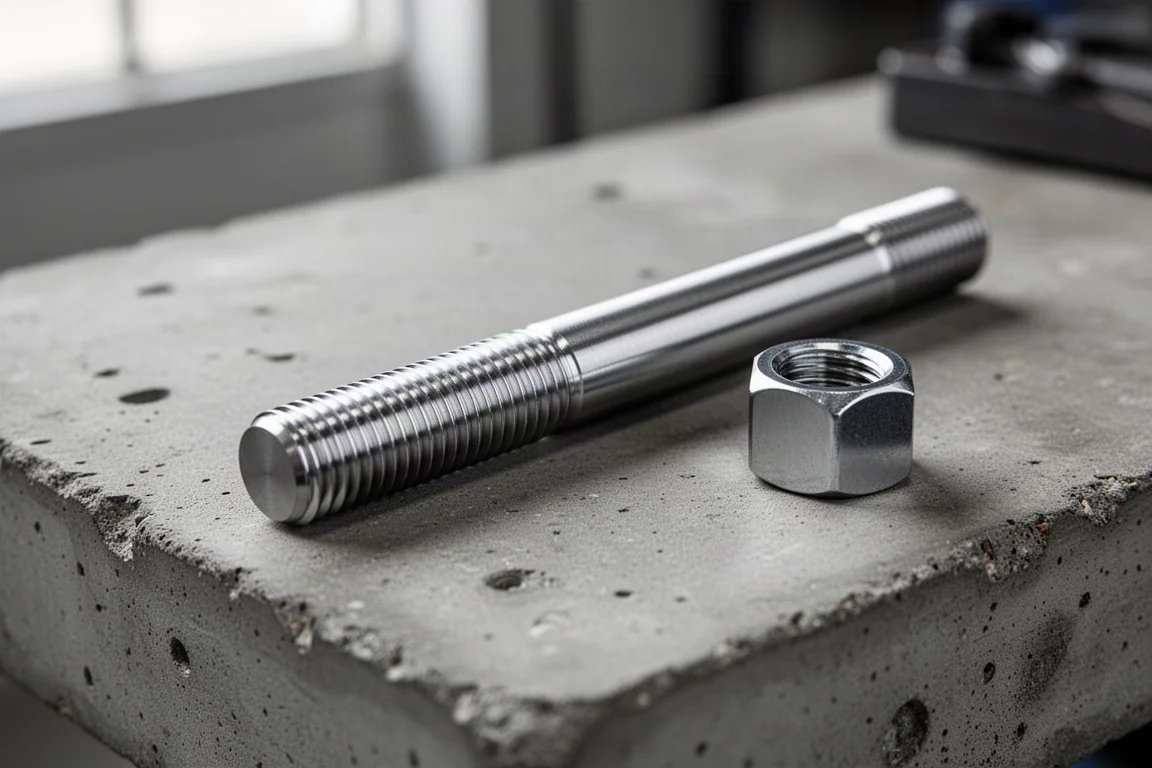
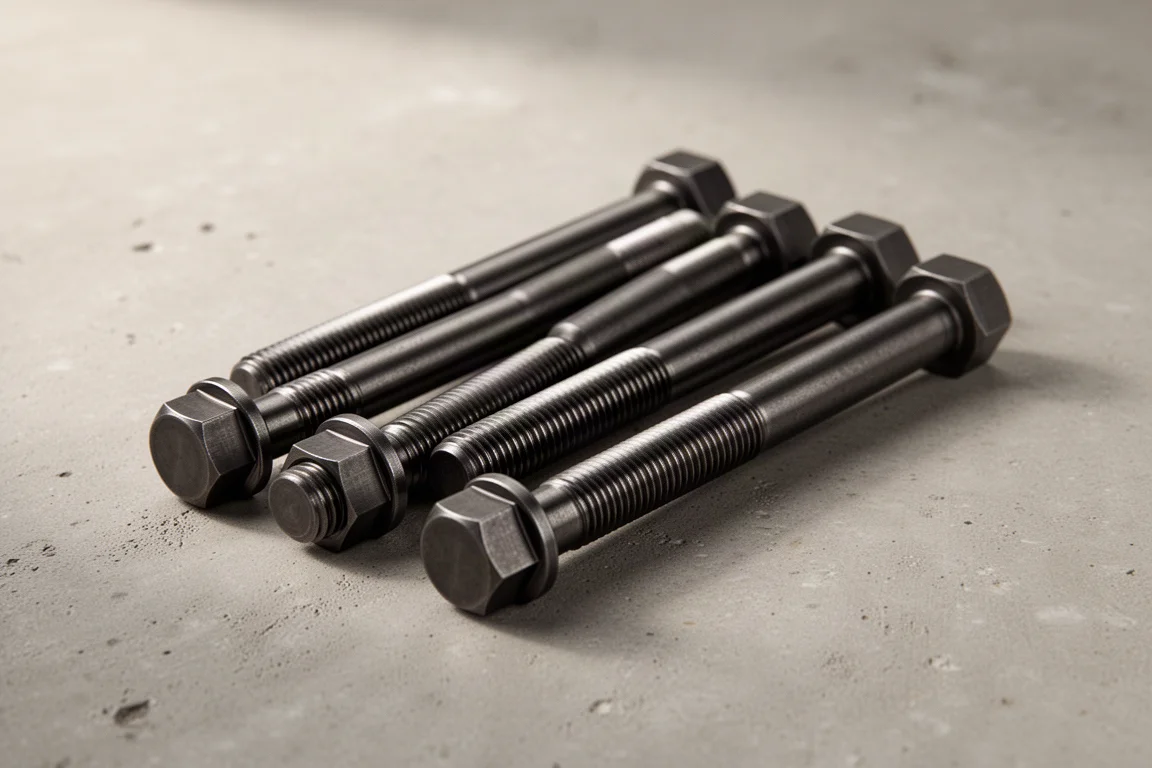
The Custom Age 625+ studs use dedicated, different part-number nuts than ARP’s more common 8740 and ARP2000 lines, presumably beefier ones to help these 7/16-inch fine threads reach a 100 ft-lb torque spec. That is the highest we have seen for this stud size, and 10 ft-lb more than the L19 studs we sourced for comparison. At around $820 for an LS set, they are also the most expensive studs we have tested, but they are the most solid-feeling threads we have handled, and unlike L19 they are fine to touch with bare hands.
Using ARP’s suggested torque procedure, they produced as high as 4,800 psi of tension, eventually settling to the mid-4,500s. That puts them well ahead of the L19, which measured 3,600 psi, though admittedly that stud is a longer style of LS1 stud.
L19: The Strongest We Had Tested Until Now
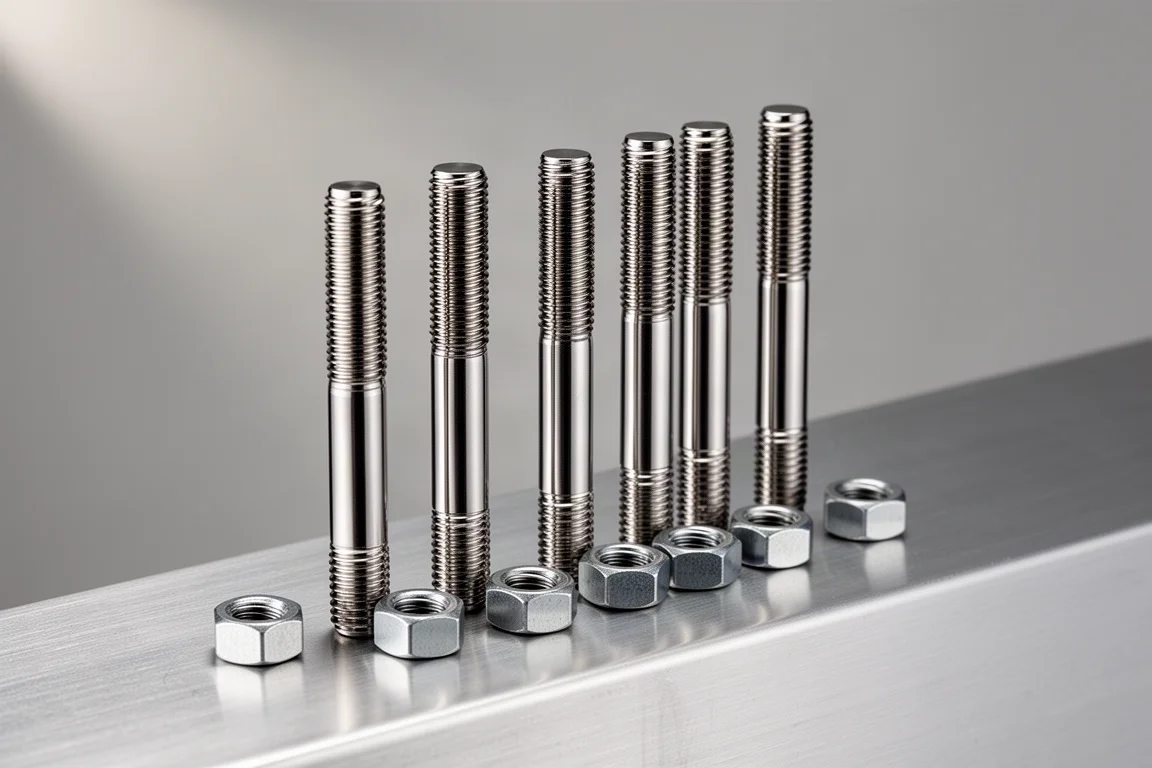
The L19 was our previous top performer, earning its 260,000 psi yield strength claim in testing. It comes with one unusual caveat: you are not supposed to touch it with bare hands, due to concerns about hydrogen embrittlement. Handle it with gloves and keep the hardware clean.
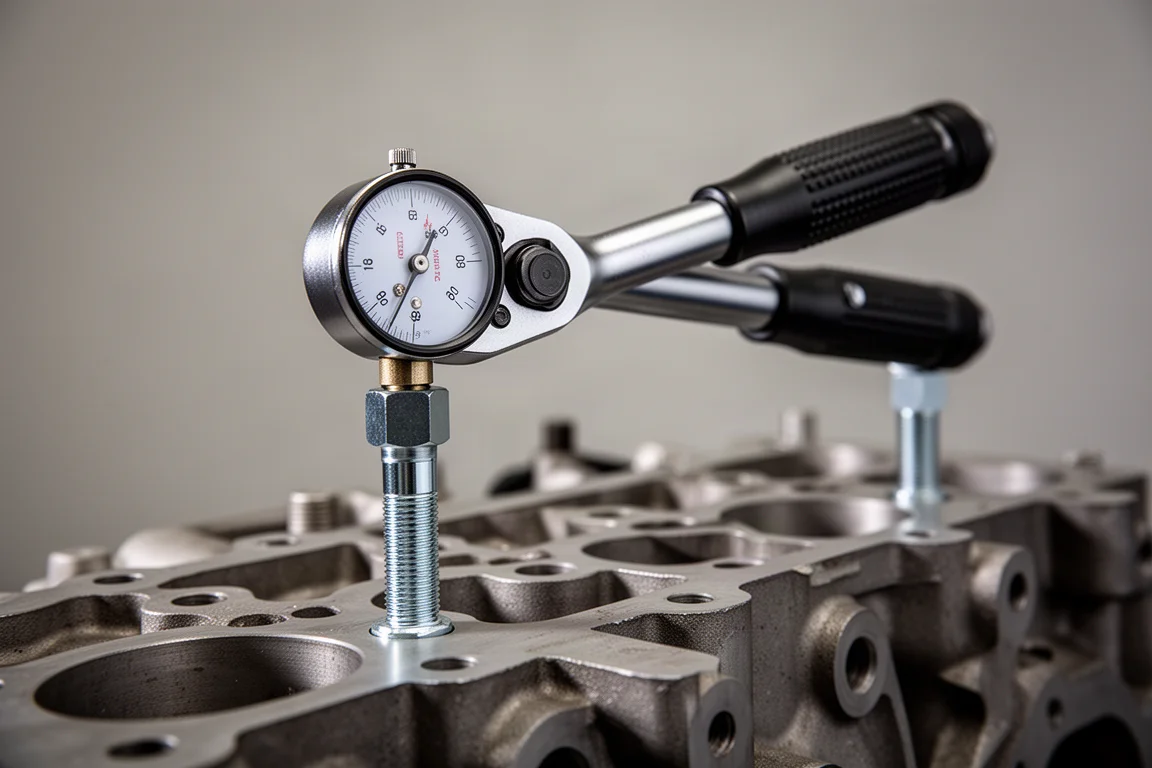
It starts with lower clamping pressure than the 625+ in our testing, but it still held up well under load and stretched less than ARP2000 hardware. For builders who already own an L19 kit, it remains a serious, proven option for demanding applications.
Starting Clamping Pressure and Stretch
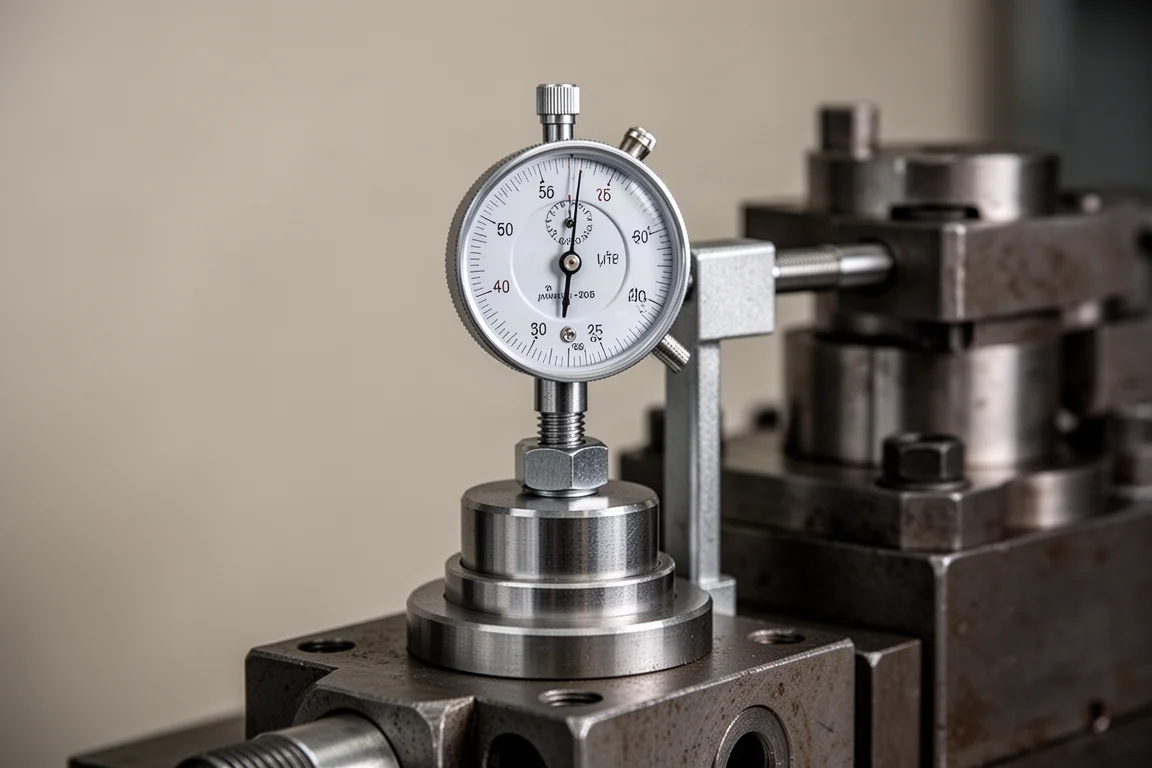
Under hydraulic load, the Custom Age 625+ stretched just 27 thousandths at 27,000 pounds of force. Torque-to-yield bolts stretch more than that during their own torquing procedure. We could not make the 625+ fail in testing, which is exactly what you want from expensive hardware. It also topped every category we measured for starting head clamping pressure, which matters most for high-boost applications.
The L19 showed strong numbers too, but the 625+ held a clear lead on baseline tension and resisted stretch better than everything else we have put through the same test.
Heat and Bolt Tension
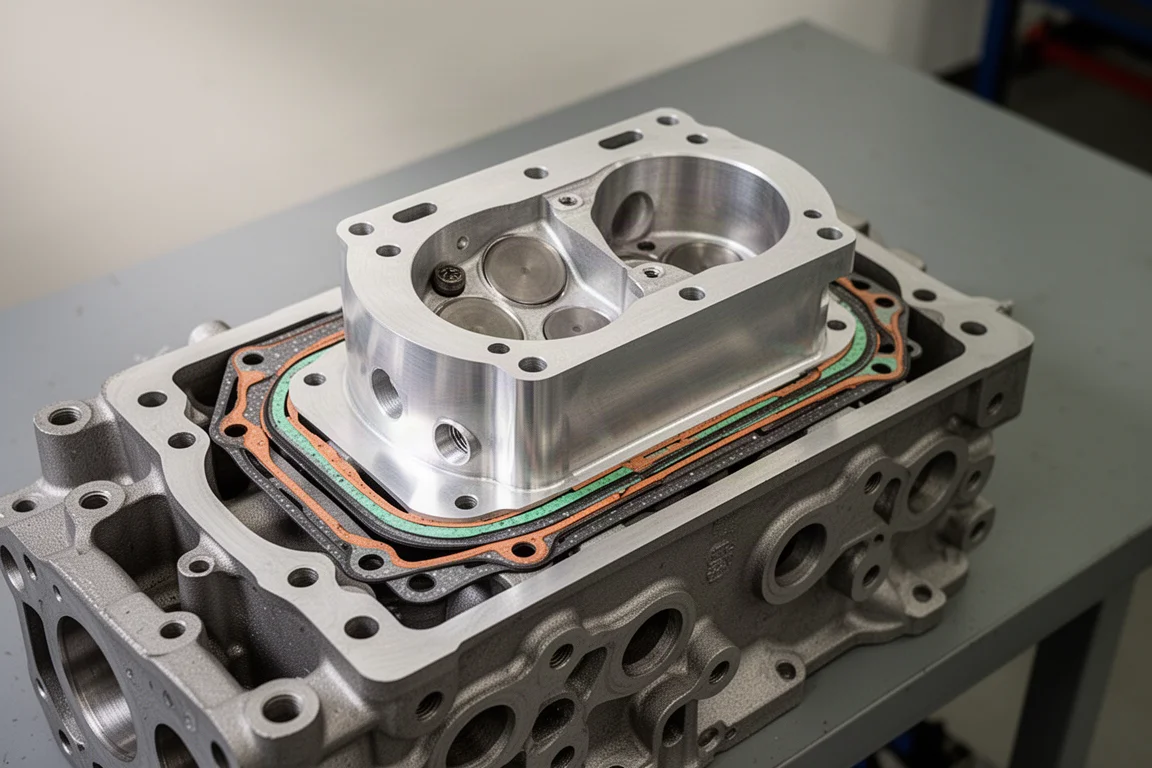
Does running engine temperature permanently change bolt tension? We heated a cylinder head and representative block to around 245 degrees Fahrenheit, close to the 240 to 250 degrees typical engines reach. Tension climbed noticeably, from around 3,000 psi up to 3,081 psi over 15 to 20 minutes. Heat does increase bolt tension while the engine is hot.
However, once everything returned to ambient temperature, the tension settled back down at the same percentage drop we saw in a bolt that never saw heat. We found no evidence that typical engine temperature permanently changes bolt tension.
Does Waiting a Day Help?
One popular tip says to finish torquing head fasteners the next day, letting the hardware “relax” first. With a torque-to-yield bolt, revisiting the same torque the next day did move the bolt again. A head stud torqued with 71 ft-lb and proper ARP grease showed at most a slight budging when re-checked 24 hours later, far less movement than the TTY bolt of similar length.
We would call this one plausible. Waiting a day does not appear to hurt anything, and torque-to-yield bolts in particular seem to lose a little axial twist tension over time, something a stud with a nut and washer does not experience the same way.
Myth Busting: Hammer Strikes and Torquing Without Lubricant
Hitting a torqued fastener with a hammer to “shock out the twist” is an old racer trick. On a Custom Age 625+ stud, it did nothing meaningful. On a torque-to-yield bolt, a hammer strike lowered tension by about 45 psi, which amounts to overshooting the final 90-degree step by less than one degree. Call it a myth.
Skipping lubricant does matter, though. With the ARP grease cleaned off, the same head stud produced about 4,100 psi of tension instead of 4,825, a roughly 15 percent loss. Use the thread lube exactly as instructed.
Can You Reuse Torque-to-Yield Bolts?
This is the most argued-about question of all. A previously torqued and heat-cycled TTY bolt produced about 2,620 psi when re-stretched, only 50 psi above its new reading and within normal variance. But stretch is where it falls apart: under the same load, a new bolt stretched around 33 thousandths while the used one stretched up to 58 thousandths, about 65 percent more, before shearing off at a similar load level.
That extra stretch creates more opportunity to push a head gasket out or let water into a cylinder. Car companies recommend replacing these bolts for good reason, and our testing backs that up. There is no such thing as a “pre-yielded bolts” aisle at the hardware store.
Buying Advice
If you want the absolute strongest head studs available and your build lives at high boost, the Custom Age 625+ is the clear pick. It produced the highest starting clamping pressure we have measured, the highest torque spec for its stud size, and it never failed in testing. The premium price reflects the performance.
If you already own or can source the L19, it remains excellent hardware with the same 260,000 psi yield strength claim, with the caveat that it needs careful handling to avoid hydrogen embrittlement. Whichever you choose, use the supplied thread lubricant and follow the manufacturer’s torque procedure.
Conclusion
Strong head studs earn their price through measurable clamping pressure and resistance to stretch, and the Custom Age 625+ leads on both counts. The L19 remains a proven alternative. As for the old tricks: skipping lubricant costs real tension, hammer strikes do almost nothing, and reusing torque-to-yield bolts is a gamble not worth taking.
Further reading