Hammock Tents
Haven Spectre Hammock Tent Review: Flat Sleeping at a Backpacking Weight
A closer look at the Haven Spectre hammock tent, a lighter take on the Haven XL with flat sleeping, a tapered pad, and two lightweight rainfly options.
Introduction
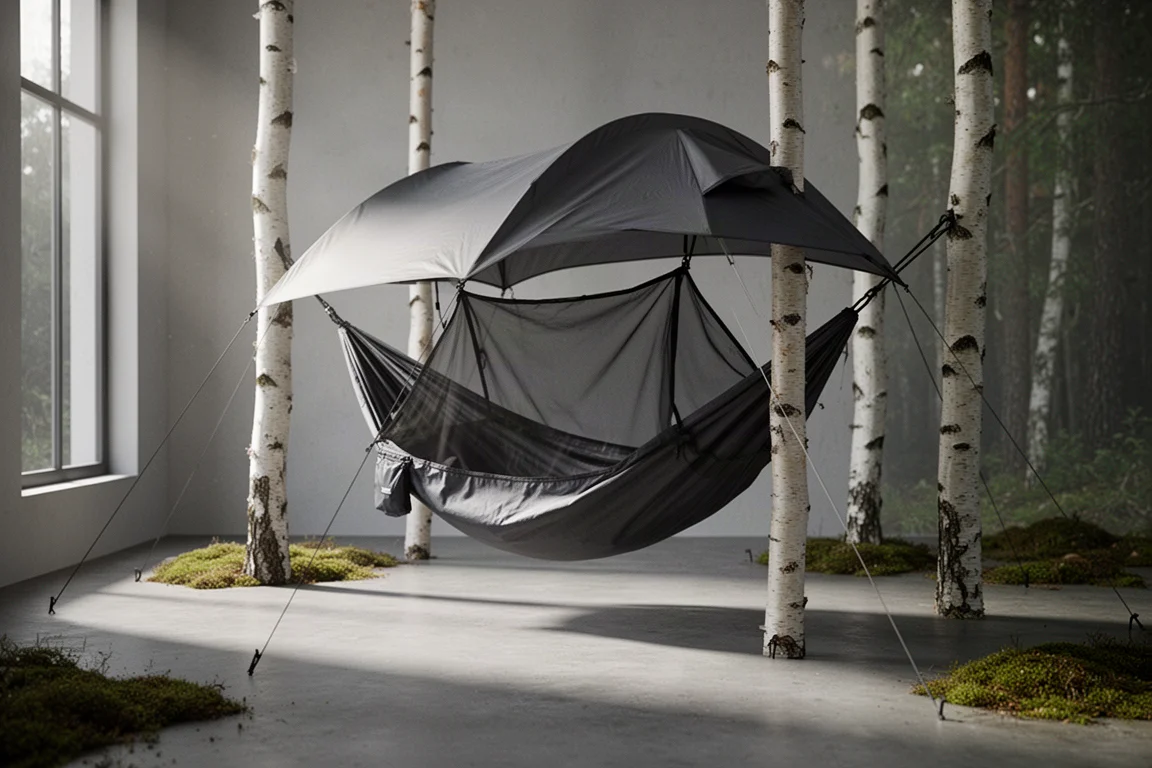
The Haven Spectre is a new hammock tent from Haven Tents that takes the most popular model in the lineup, the Haven XL, and rebuilds it around lighter materials. More than three pounds came off the pack weight of the Haven XL, while the flat sleeping position and the 30-inch width of the XL platform were carried over.
Weight has long been the main objection to hammock sleeping systems. A shelter that lets you sleep flat but adds too much to your pack rarely makes the cut on a long approach. The Spectre exists to answer that objection without giving up the comfort the brand is known for.
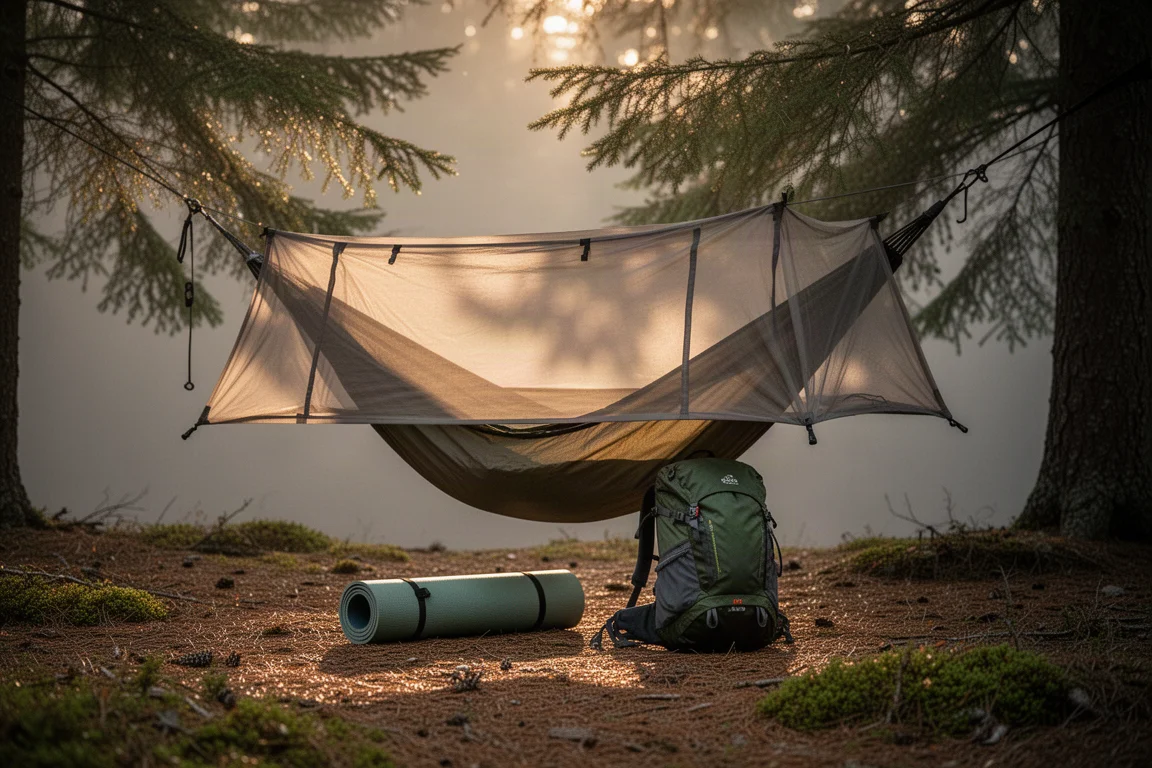
It also arrives as a complete system rather than a single item: a redesigned pad, lighter and longer tree straps, and two rainfly choices that change both the total weight and the price.
Who This Hammock Tent Is For
The Spectre is built for backpackers who want a flat sleeping surface rather than a curved one. The design supports back, side, and stomach sleeping, which is unusual for a hammock and is the core promise of the Haven lineup.
It also suits campers who dislike hunting for a level, dry tent site. Suspended between trees or a compatible stand, the shelter sits above uneven, rocky, or damp ground, and the hammock body doubles as a chair for sitting up, changing layers, or eating.
It is a less obvious choice for anyone chasing the absolute lowest possible pack weight. A thin pad on the ground with a minimal tarp will still be lighter. The Spectre competes on comfort per gram rather than on the scale alone.
Main Strengths and Design Details
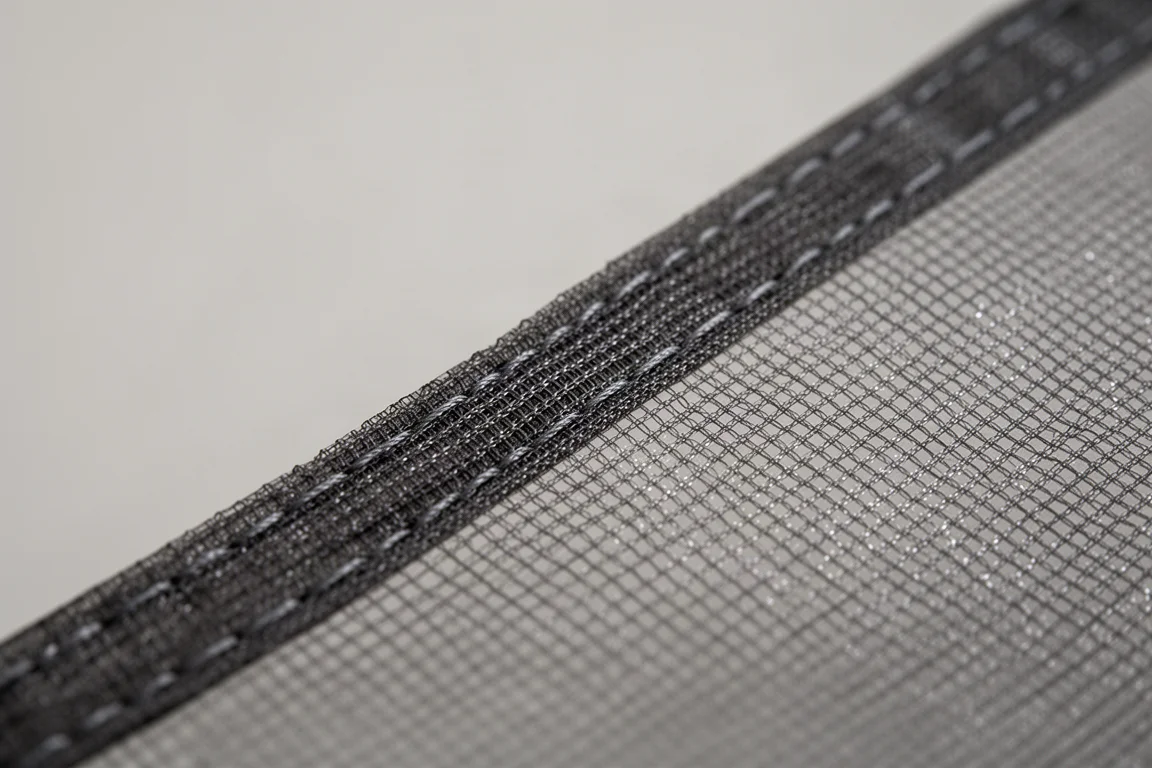
The hammock body is made from Monolite, a monofilament mesh developed in collaboration with Ripstop by the Roll. The material is strong for its weight, and it is used in a layered way rather than uniformly. The ends are single layer, the bottom is double layer, and the sides form a clamshell shape.
That construction was driven by a specific problem. The seam around the base cap carries a great deal of tension, and lighter fabrics tended to pull apart there. Doubling the material and sewing a reinforced structural seam down the center solved it. In testing, the design held 2,340 pounds.
The pad is the other half of the story. The True Level pad is thicker in the middle and tapers at the edges, which reduces the side-to-side sag that a wide hammock can develop. It is produced in Taiwan by a factory that builds pads for other well-known brands, and the insulation is synthetic batted material rather than mylar. The version paired with the Spectre carries a 2.5 R-value, and a 5.3 R-value pad is available separately for colder conditions.
Tree straps were reworked as well. They are 33 percent lighter and 80 percent longer than before, with a whoopie sling connection and a fixed eye that cinches down quickly. An extra daisy chain is included for trees that are too small or spaced too far apart.
Living Space, Storage, and Setup
Entry and exit are simple. You sit down, and you stand up. There is no awkward climb over a high wall, and because the hammock works as a camp chair, it replaces a piece of gear you would otherwise carry.
Once inside, the sleeping position is genuinely flat head to toe, not flat for a hammock. The body is also open to the view in every direction, which some campers will love and others will need a night to get used to.
Storage is more generous than the size suggests. There are pockets at both ends, and a mesh channel runs along the sides above a seam, so items stay in place instead of sliding underneath you. A phone, a battery bank, or a headlamp can live within reach. A backpack can rest inside the hammock and be clipped in position, keeping it off the ground and accessible without getting out. The clips for that system are still being finalized, so the hardware may change slightly in the production version.
Weather Protection and Fly Options
The Monolite body is mesh, so it is not waterproof on its own. Rain protection comes from one of two fly options.
The lighter choice is a Dyneema fly, made in the United States by Dutchware Gear, at roughly seven ounces. It is an expensive material and the fly reflects that, with retail around $420 and a lower launch price of $345. The alternative is a Sil Poly fly, which is lighter than the nylon used on other Haven models.
Both flies attach at four anchor points and support several configurations. In storm mode, the sides fold in and snap together, the center point latches onto the plastic hardware, and the shelter closes up like a floating bivy tent. An awning setup keeps one side open for ventilation and views, and a porch configuration angles the fly for directional wind. A peaked guy-out is also possible in severe weather, using the same logic as high alpine tents.
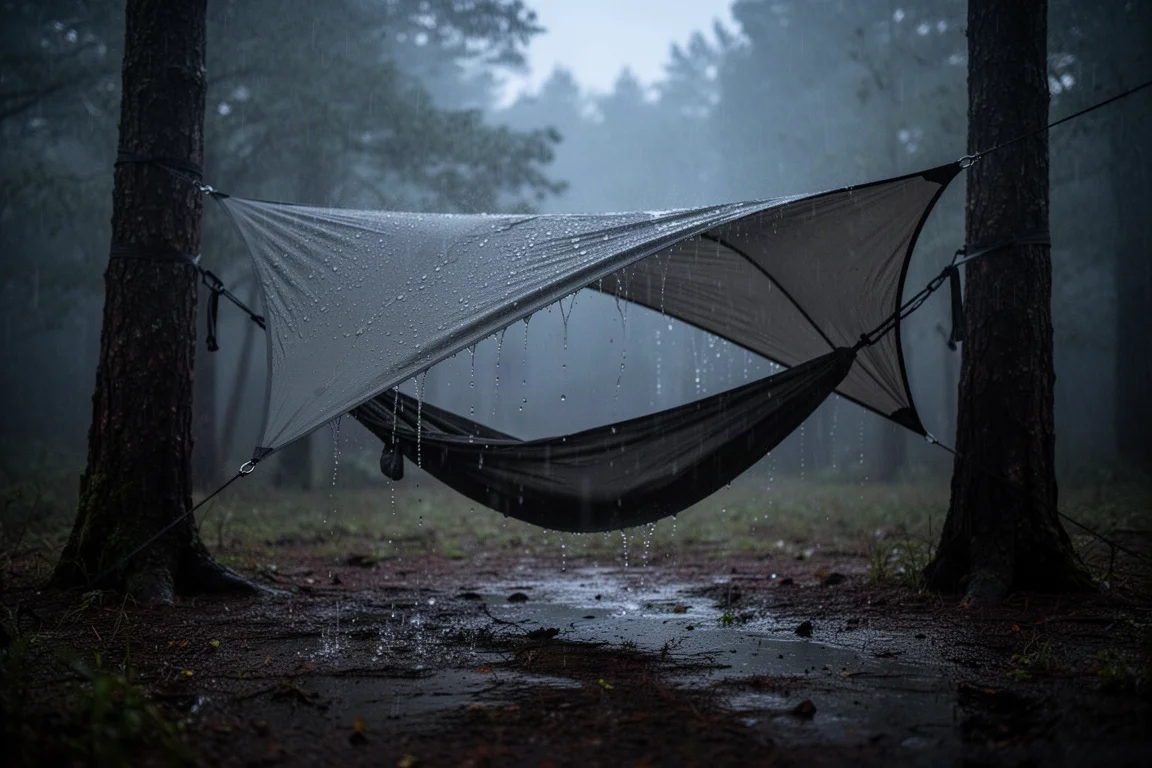
Monolite does not breathe as freely as standard no-see-um mesh, which turns out to be an advantage in wind. Cold air does not whip straight through the shelter.
Things to Consider Before Buying
The system wants its pad. Using the hammock without one is possible, but it is cold, with shoulder pressure and a squeezed feeling closer to a traditional hammock. Insulation is what makes the flat position work.
The 2.5 R-value pad that pairs with the Spectre is best suited to warmer months. Anyone planning three-season or cold-weather trips should factor in the higher R-value pad, which adds cost.
The Dyneema fly is a significant expense on its own, so it is worth deciding up front whether the weight saving justifies it over the Sil Poly option. Setup also depends on suitable trees or a stand, which is not always available above the treeline.
Finally, the Spectre is a new product with some details still being refined, including the gear clips. Buyers who prefer a fully settled production version may want to hold off a season.
Buying Advice
The most useful comparison is not another hammock, it is a one-person ultralight ground tent plus a sleeping pad. A full Spectre kit with the Sil Poly rainfly and straps has an MSRP of around $479, and a comparable ground setup with a quality pad lands in the same range while adding a site-finding problem and offering less sleeping comfort.
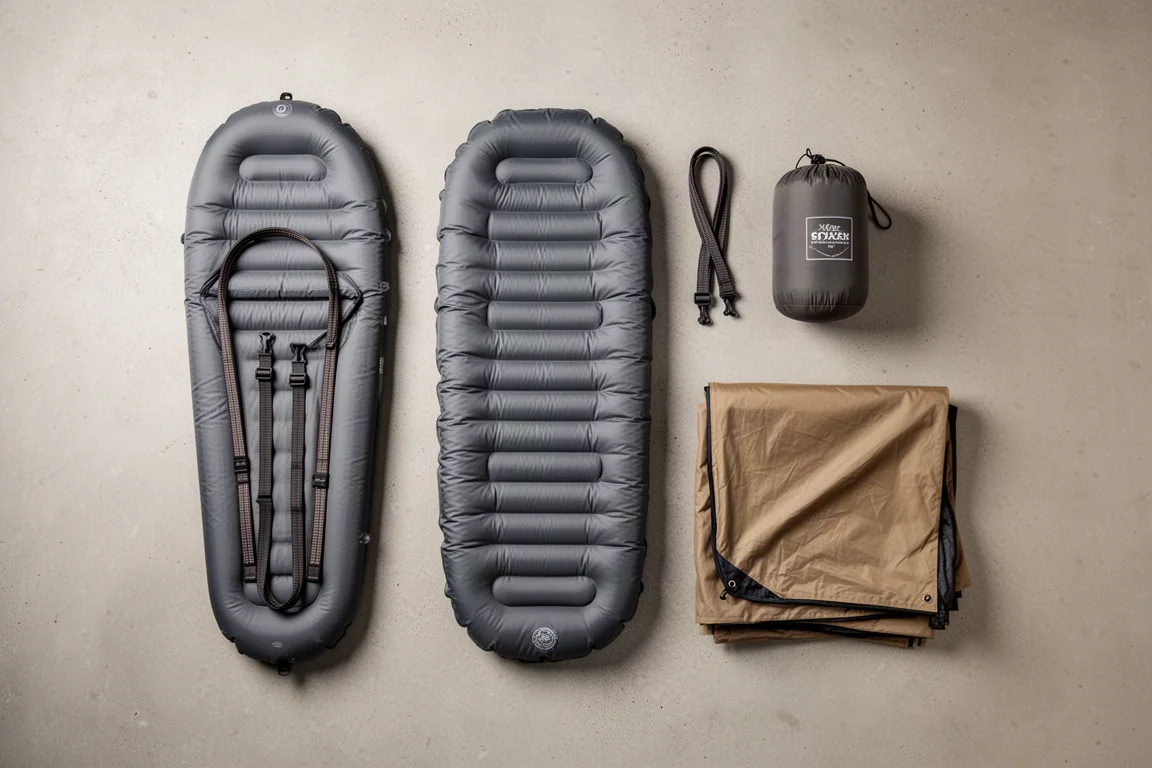
If you already own a compatible pad or plan to sleep in mild conditions, start with the standard configuration and add the Dyneema fly only if you are counting ounces on long trips. If cold weather is on your calendar, put the budget toward the higher R-value pad first, since insulation affects every night while the fly affects only some.
Conclusion
The Haven Spectre addresses the criticism that has followed the Haven XL most persistently. It keeps the flat, roomy, sit-up-and-lounge character of the original and removes more than three pounds from the pack. For backpackers who have wanted hammock comfort without the weight penalty, that is a meaningful change, and the pad and fly options let you tune the system to the trips you actually take.
Product link
View more details for Haven Spectre Hammock Tent
This product is mentioned in the review. Check the specifications, options, and compatibility before buying.
View more details for Haven Spectre Hammock TentFurther reading
Related Reviews

Backpacking Gear
Building a 10 lb Base Weight: An Ultralight Backpacking Gear List
A practical walkthrough of the ultralight pieces behind a 10 lb base weight, from a 765 g pack and a roomy one-person tent to a full camp chair and a dependable water filter.

Backpacking Gear
A 15-Pound Lightweight Backpacking Gear List for Solo Trips
A beginner-friendly 15-pound backpacking setup built from easy-to-find gear, with notes on what each piece does, how it packs, and where to spend your attention.
Trail Running Gear
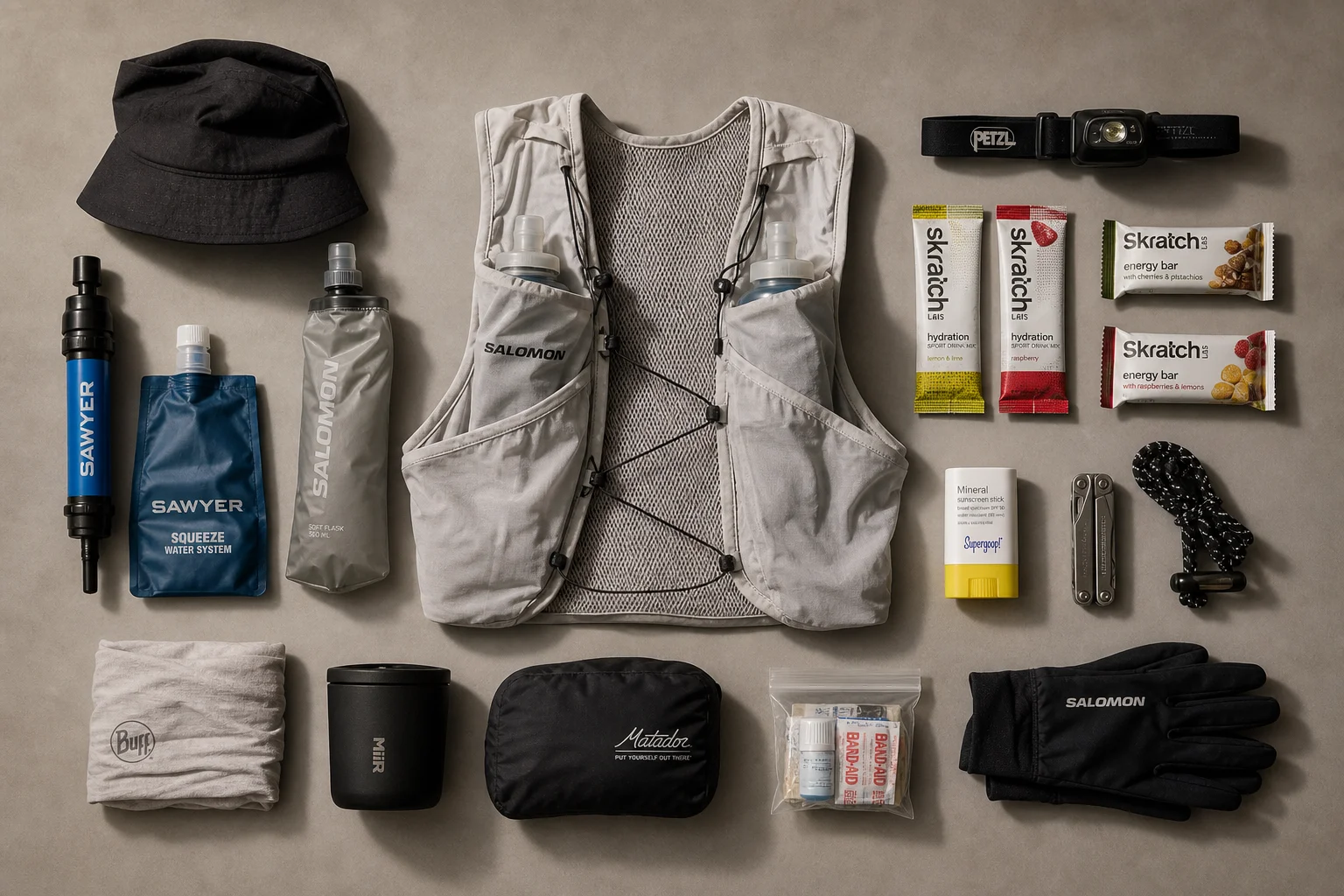
28-Mile Trail Run Pack Loadout: Ultralight Gear for High Alpine Self-Supported Running
A complete breakdown of gear, clothing, hydration, nutrition, and safety equipment for a 28-mile high alpine trail run with 7,800 feet of elevation gain.