Trail Running Gear
28-Mile Trail Run Pack Loadout: Ultralight Gear for High Alpine Self-Supported Running
A complete breakdown of gear, clothing, hydration, nutrition, and safety equipment for a 28-mile high alpine trail run with 7,800 feet of elevation gain.
Introduction
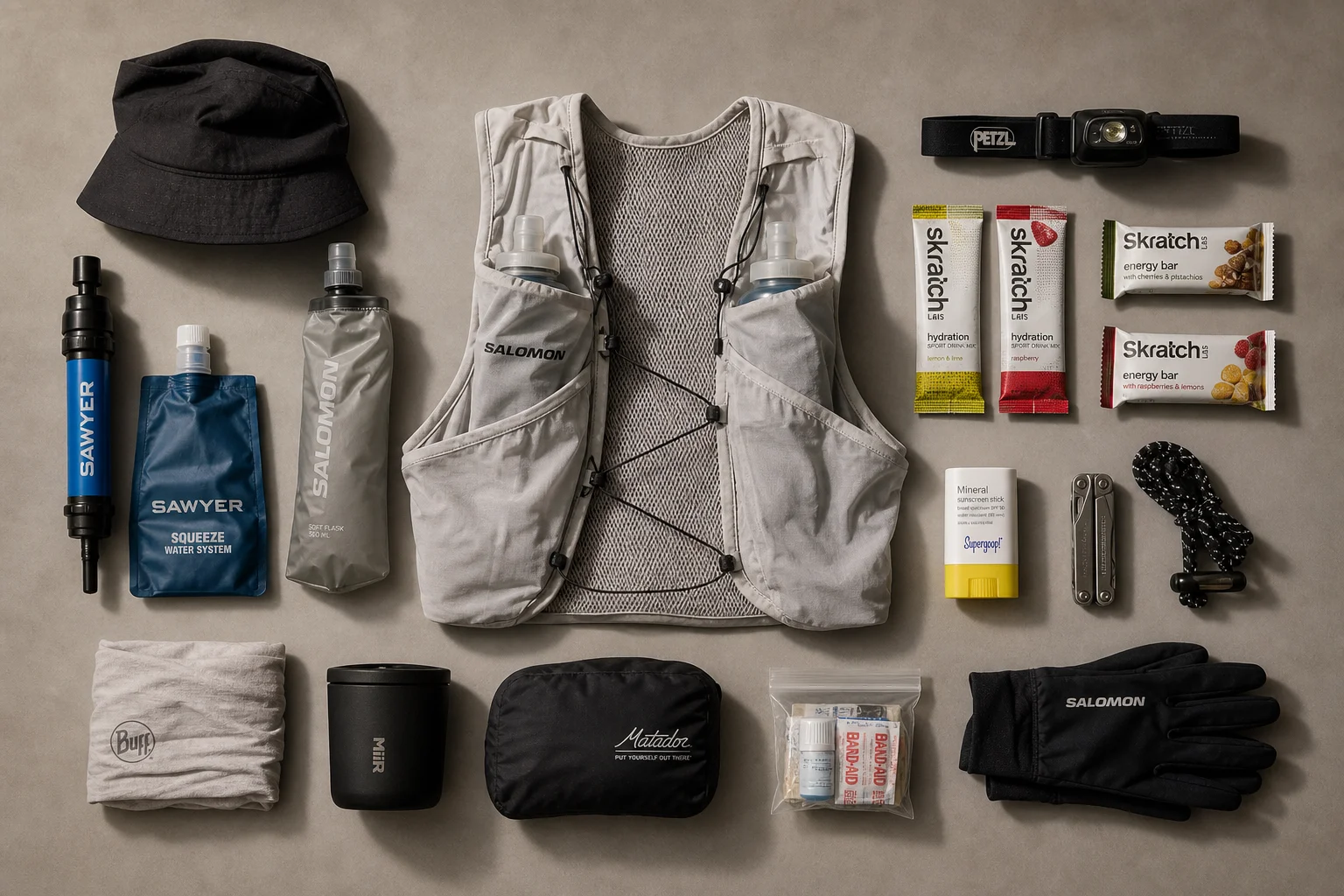
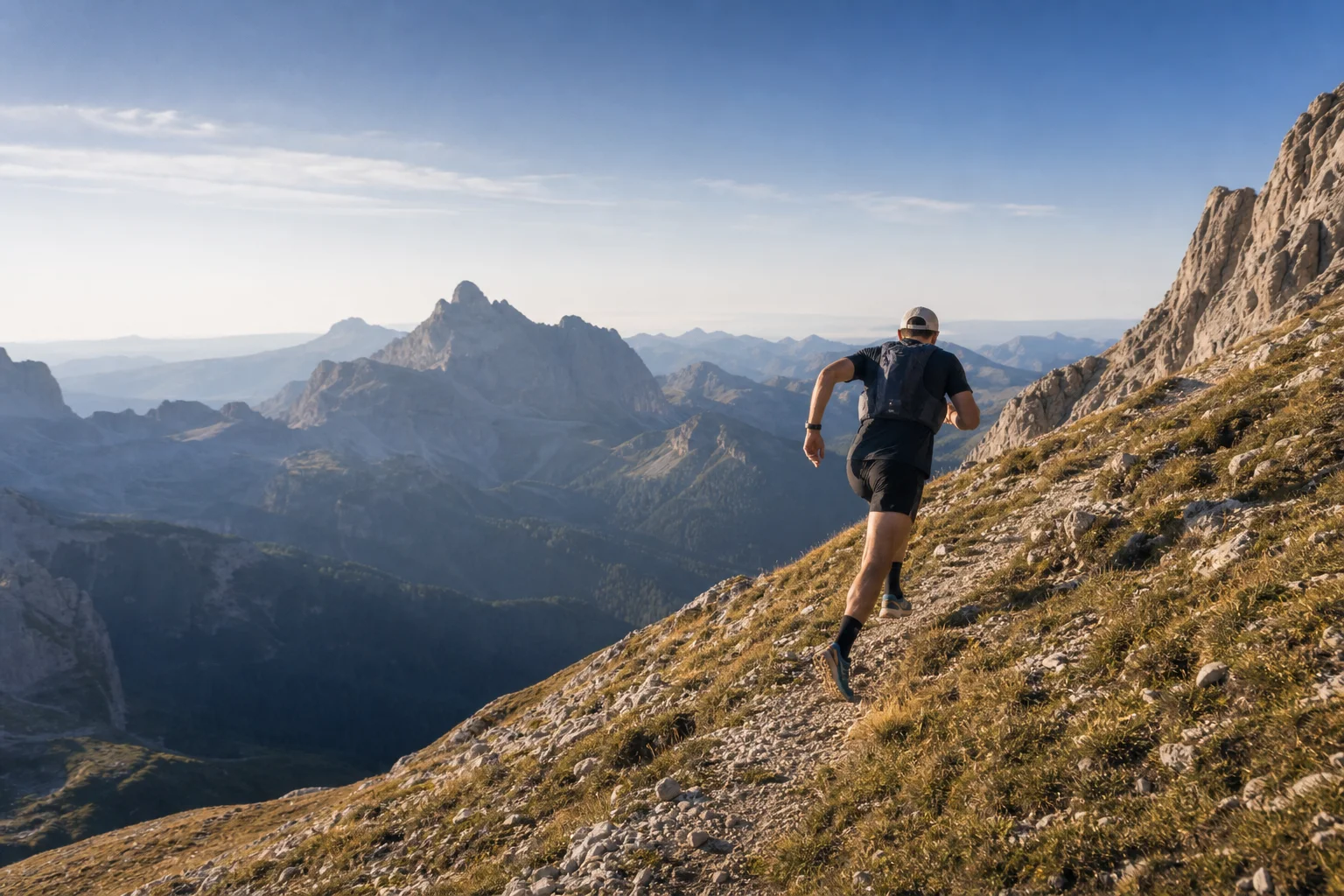
Three years ago, the idea of running up a 14,000-foot peak seemed impossible. Today, preparing for a 28-mile high alpine self-supported trail run with 7,800 feet of elevation gain feels like a natural progression. This is the complete gear loadout for the Four Passes Loop, a challenging single-day mountain route that demands careful planning, ultralight choices, and redundancy in critical safety items.
The Pack: Salomon Active Skin 8
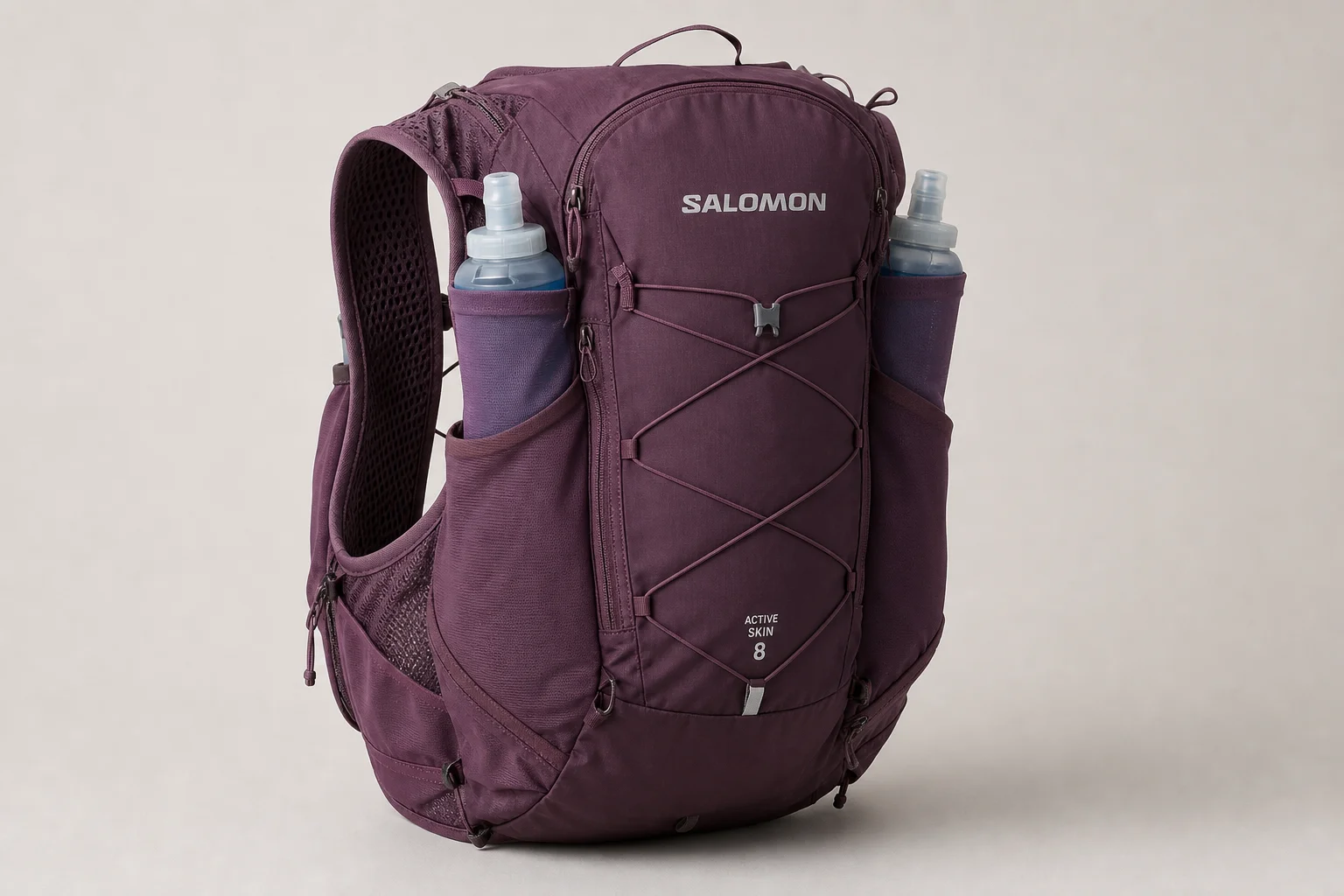
The Salomon Active Skin 8 is an 8-liter women’s running pack designed for exactly this kind of alpine mission. Purchased used from the REI Garage to avoid the steep retail markup on running packs, it provides just enough capacity to carry essentials without excess weight.
The pack comes with two half-liter soft flasks, which is ideal for managing both water and electrolyte drinks throughout the day. Its minimal design keeps weight low while offering enough organizational pockets to keep frequently accessed items within arm’s reach.
Clothing and Layers
Running in the high alpine means starting in shorts and a sun shirt, but the weather can change rapidly. A few key layers provide insurance against unexpected conditions.
An ultralight puffy from Mammut, weighing around 7 ounces, serves as the primary insulation layer. Though this particular model is discontinued, it has proven its value over years of mountain use and is due for replacement soon.
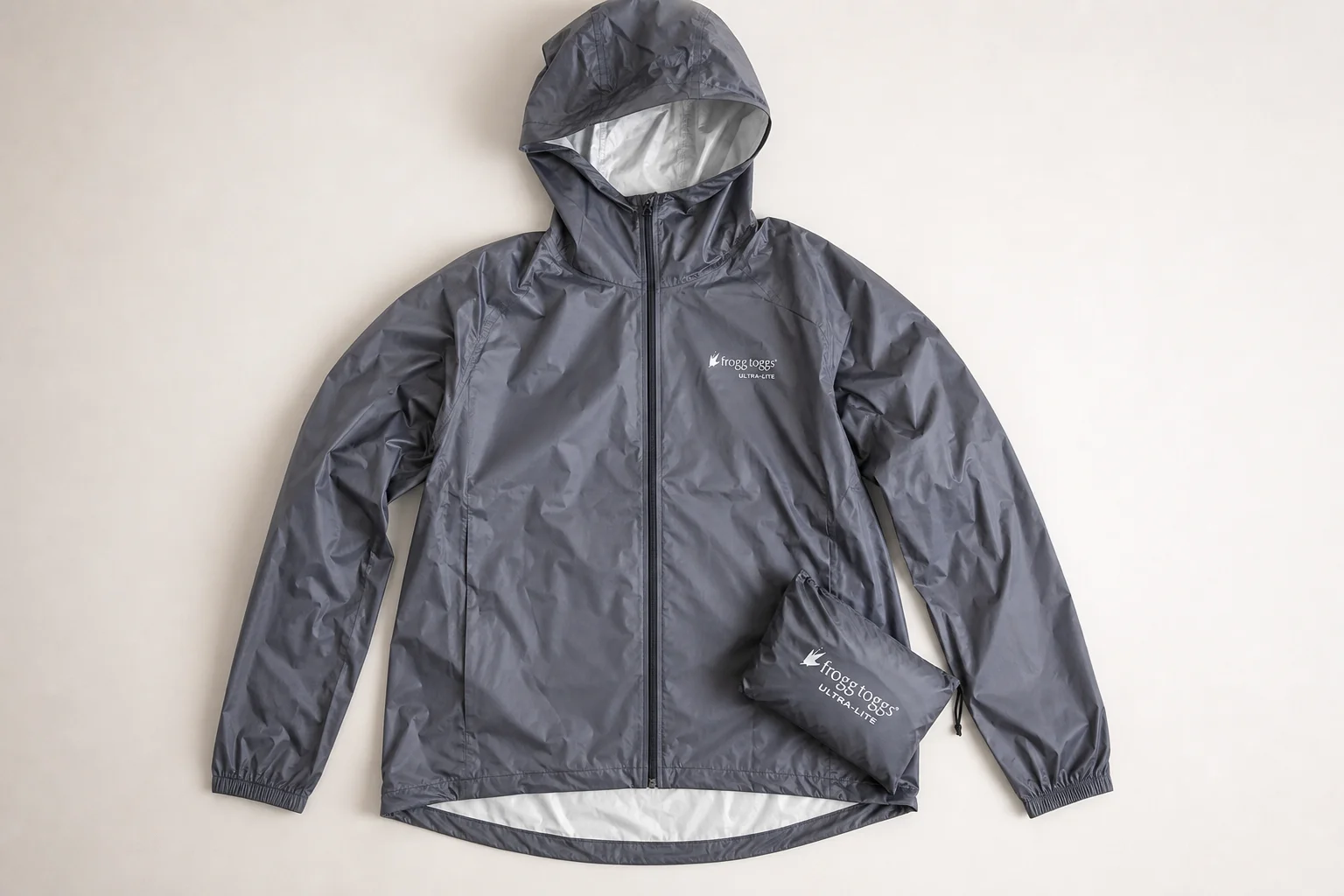
The Frogg Toggs Ultra-Lite Rain Jacket is the backup weather protection. At 3 to 4 ounces, it is nearly impossible to beat for weight, though the trade-off is minimal breathability, which means accepting some sweat and discomfort if conditions deteriorate.
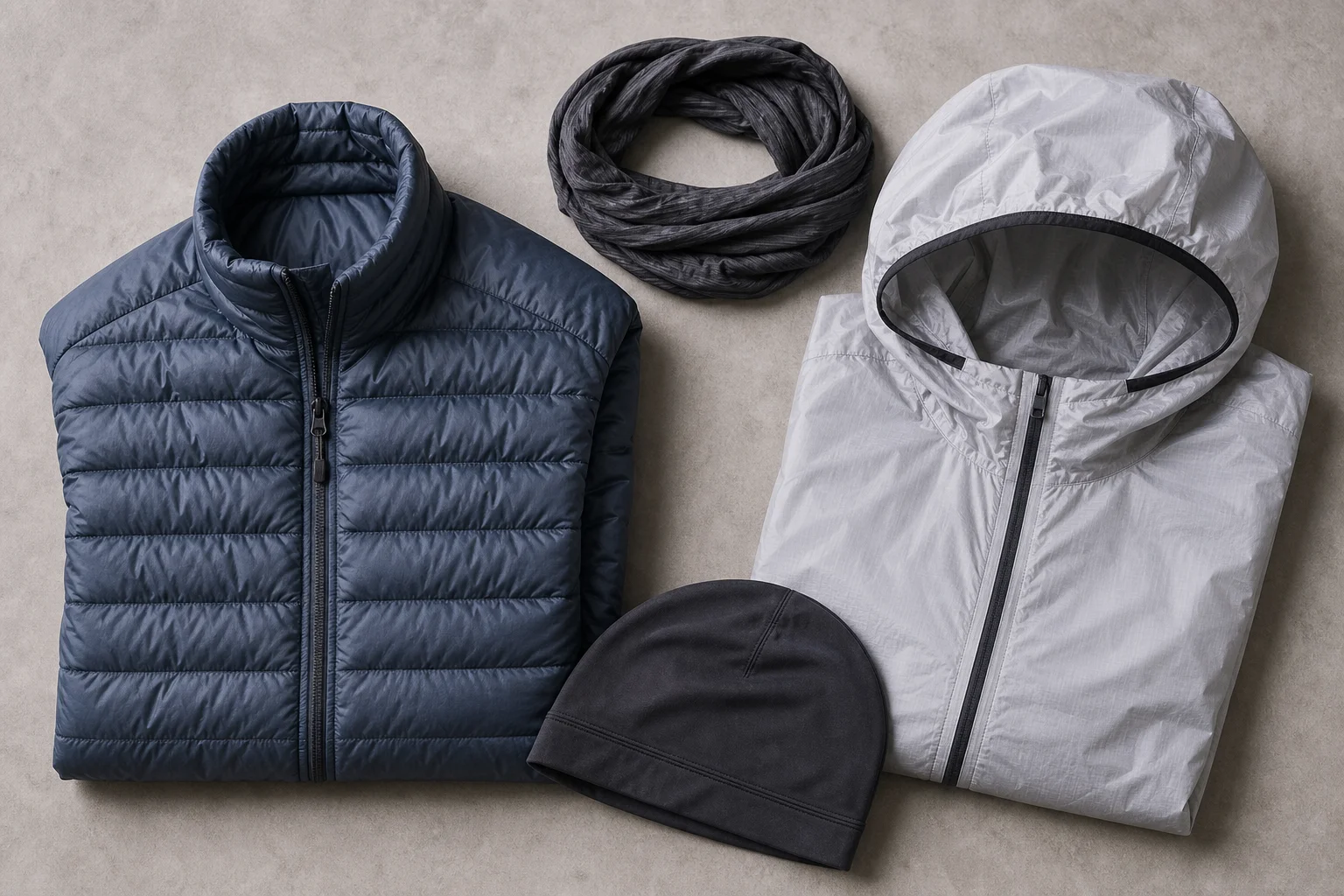
A spare pair of socks is essential safety equipment. In an emergency situation with wet feet, hypothermia can set in quickly at altitude, making a dry backup pair potentially life-saving. A Buff serves multiple purposes as a headband, neck gaiter, or pre-filter. An ultralight skull cap provides warmth while allowing heat to escape around the ears during running, and it packs down to almost nothing.
Poop Kit and Sanitation
The poop kit contains toilet paper, waste bags for use above tree line, and hand sanitizer. For this particular run on the Four Passes Loop, digging holes with sticks and rocks is the plan, following Leave No Trace principles. A pee funnel eliminates the risk of accidents while standing, and the Kula Cloth provides a lightweight, packable solution for personal hygiene.
Sun and Skin Protection
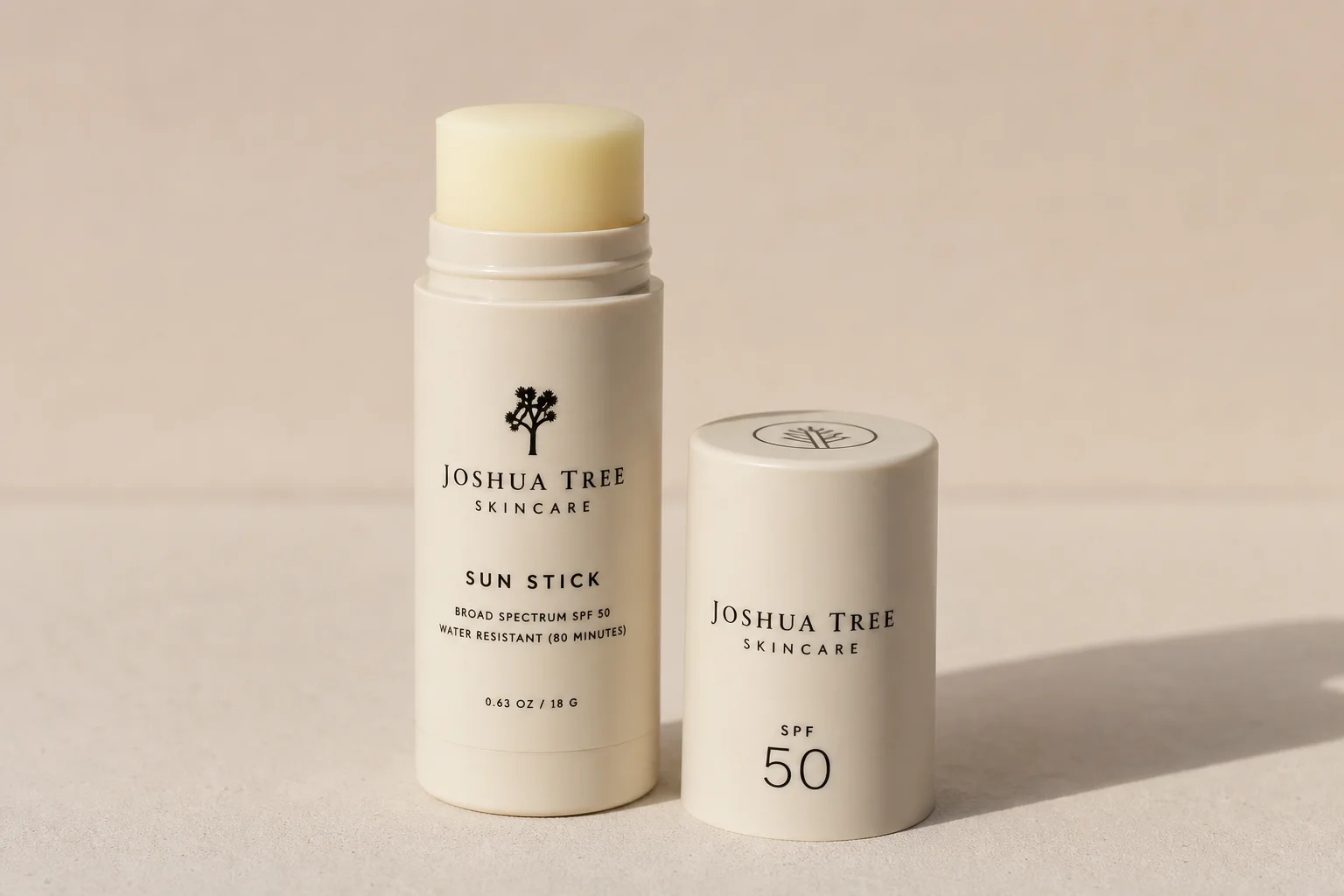
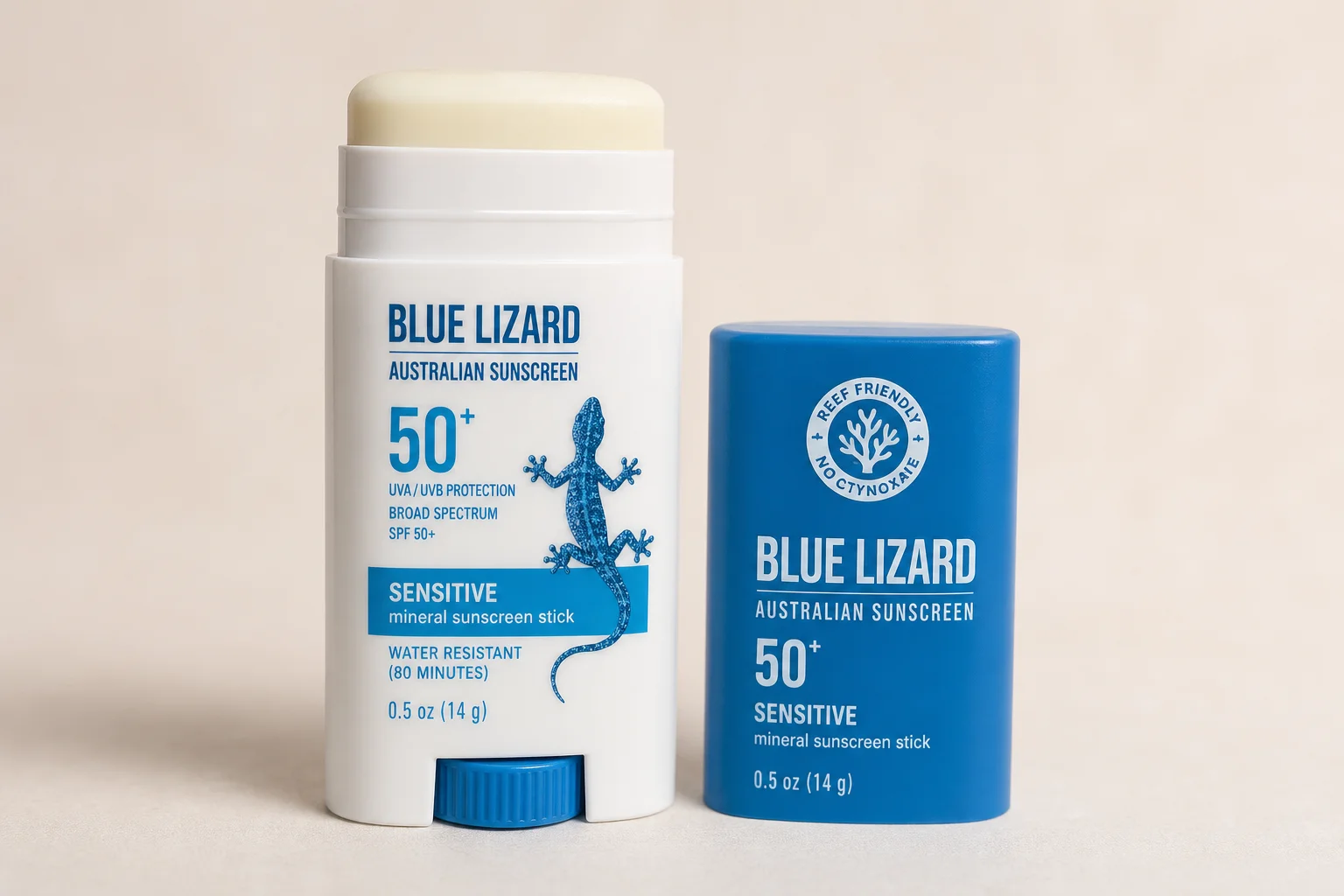
Sun exposure at altitude is intense, and protection is non-negotiable. A sunscreen stick takes up far less space and weighs significantly less than liquid sunscreen, making it ideal for ultralight running.
The Joshua Tree Sun Stick is premium-priced but highly effective. For those seeking a more budget-friendly option, Blue Lizard offers similar protection at a lower cost.
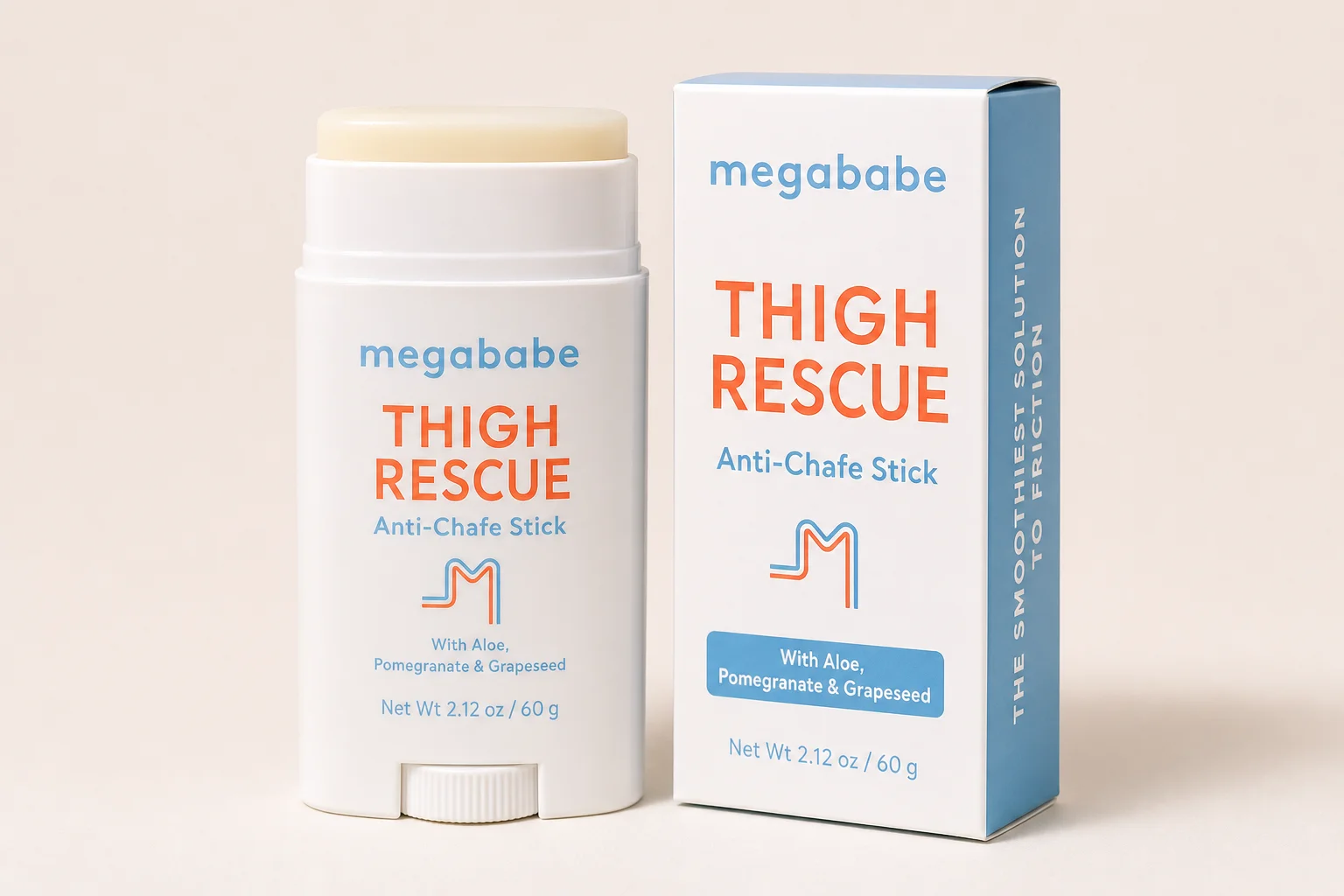
Megababe Thigh Rescue is a low-cost anti-chafe bar that weighs almost nothing. Note that products marketed specifically to women often carry a price premium, so comparing options across gendered and ungendered anti-chafe products is worthwhile. SPF lip balm is essential, and it has proven useful as emergency face sunscreen in a pinch.
First Aid and Repair
An ultralight first aid kit combined with a gear repair kit covers both medical and equipment emergencies. The kit is kept minimal but functional, with items selected for versatility and weight.
Power and Light
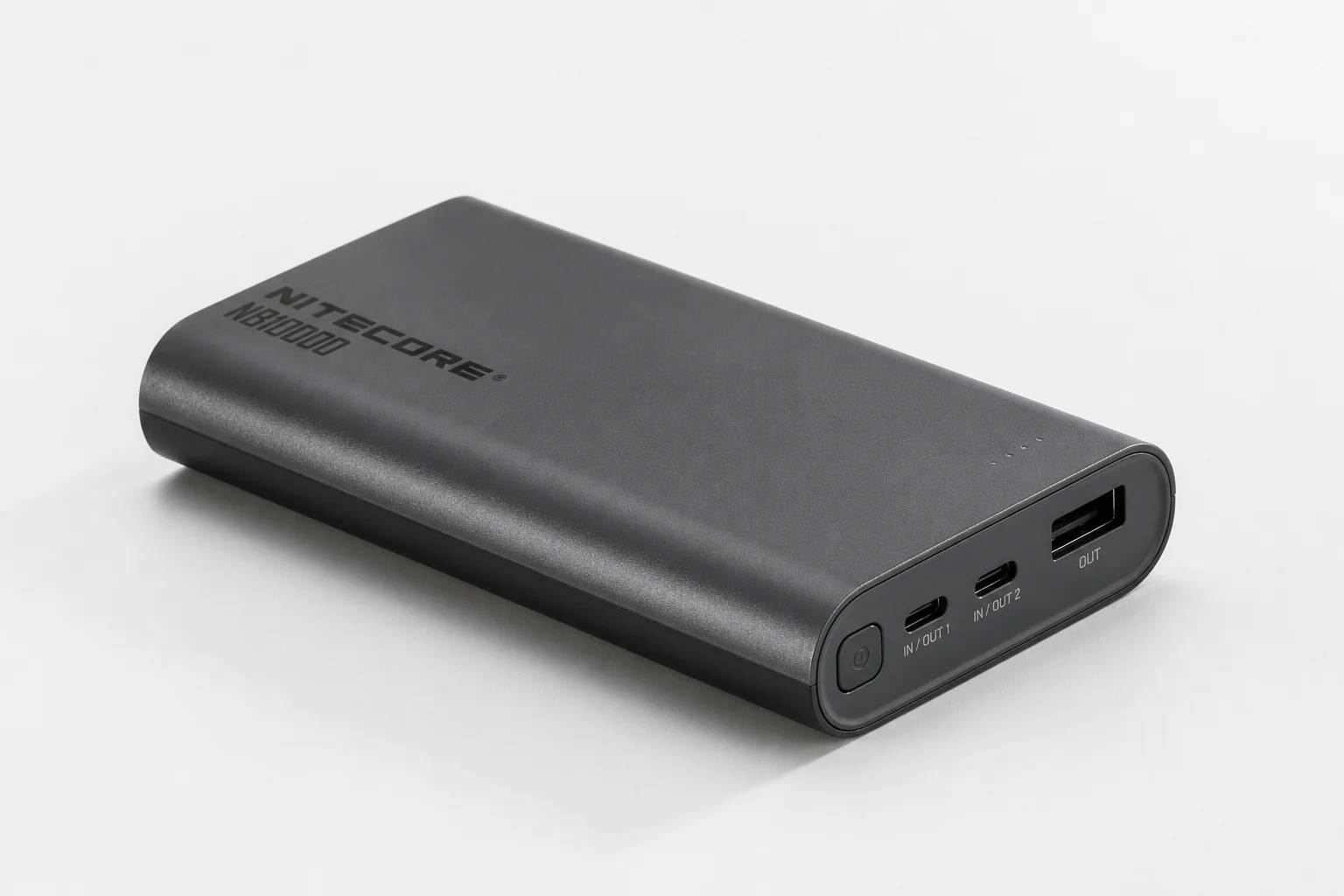
The Nitecore NB10000 battery pack weighs under 6 ounces and provides backup power for a phone that will be recording video and audio throughout the run. Most ultralight runners skip a battery pack, but the demands of content creation and the unreliability of phone batteries on low-power mode make this a necessary inclusion.
A rechargeable headlamp eliminates the need to carry spare batteries, and this particular model has proven durable over years of use. The lamp can be charged directly from the Nitecore battery pack, creating a self-contained power system.
Tools and Navigation
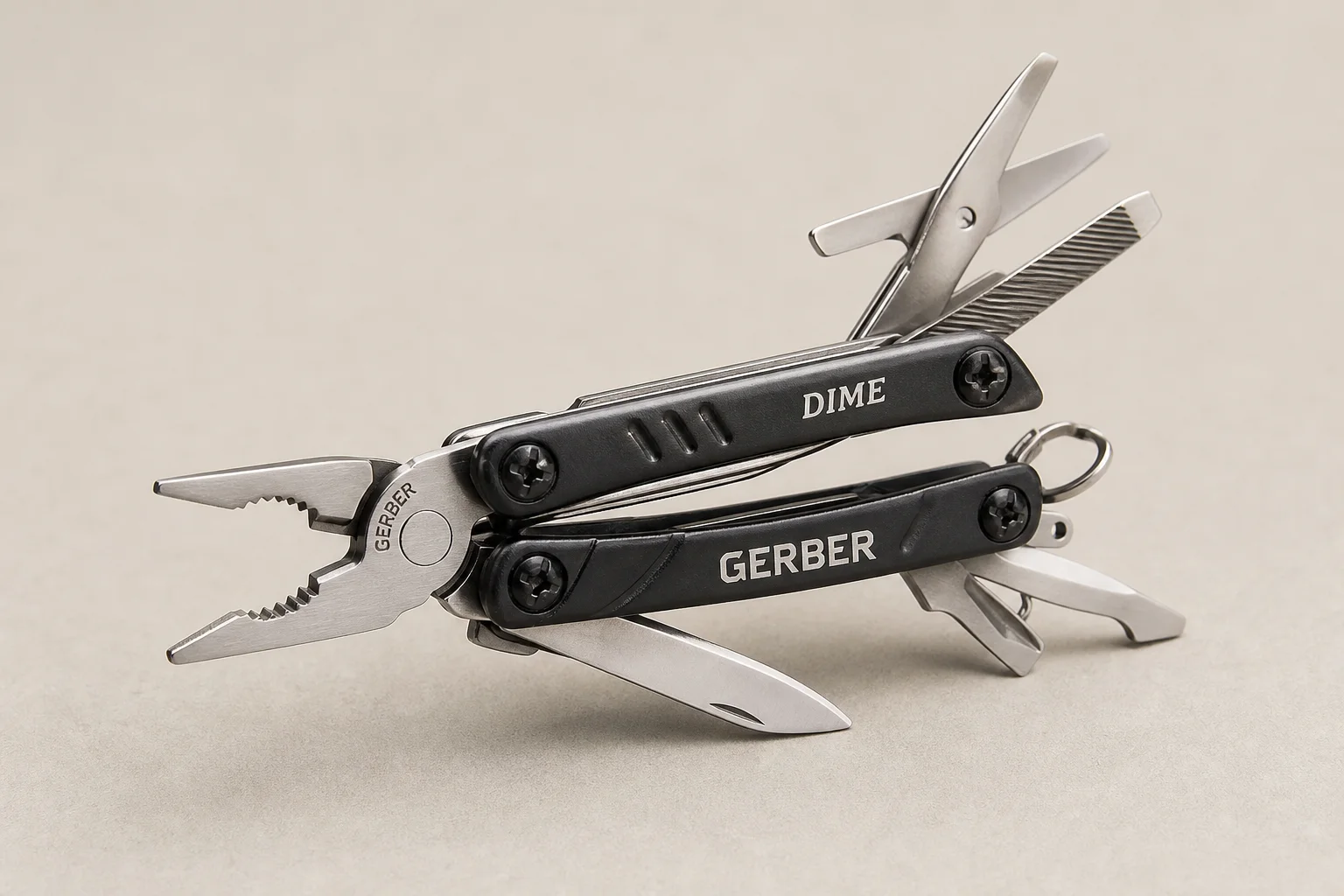
The Gerber Dime is a 2-ounce multi-tool and one of the lightest options on the market. While ultralight purists might question carrying a multi-tool on a trail run, the pliers, tweezers, knife, and scissors have all proven useful on previous trips.
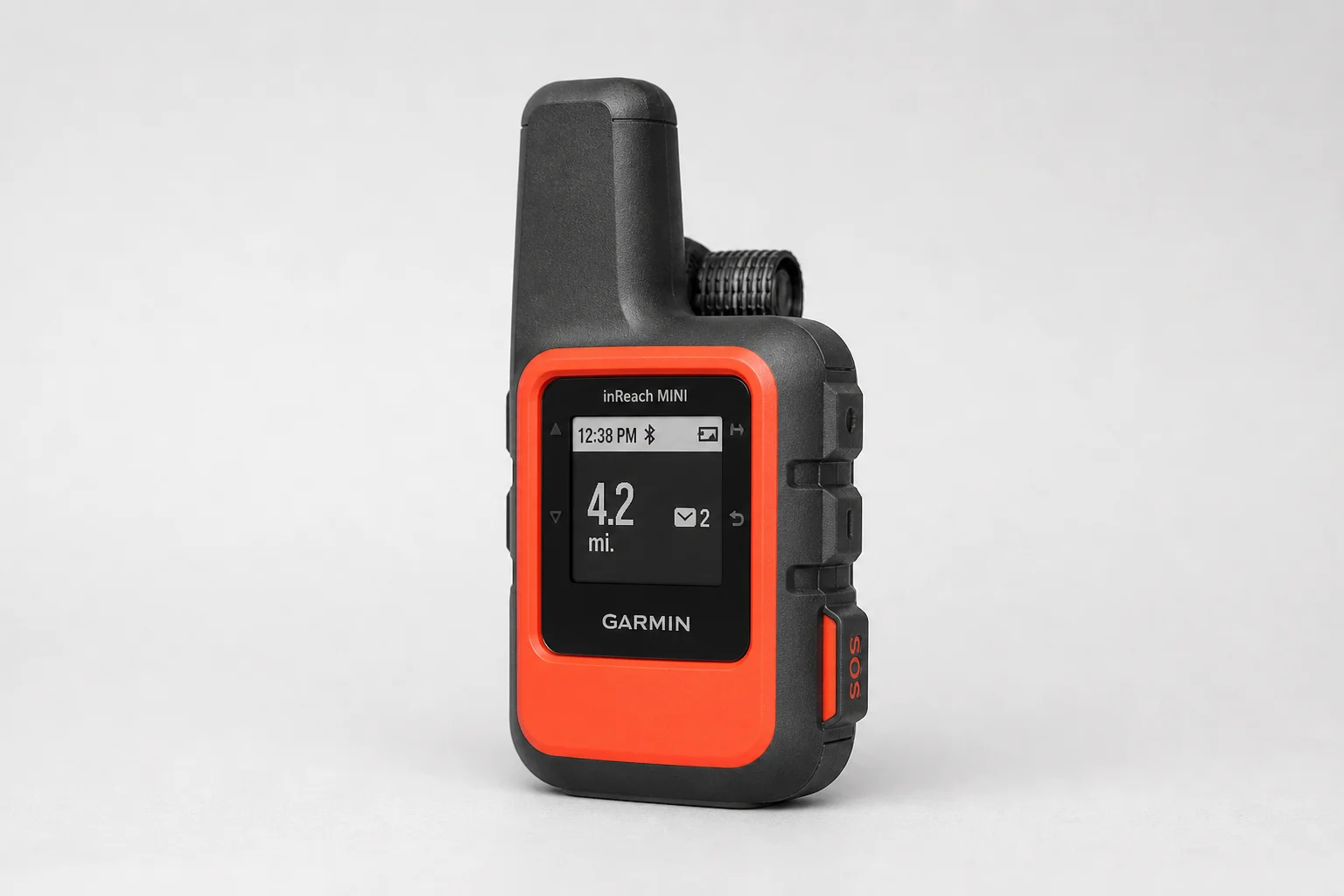
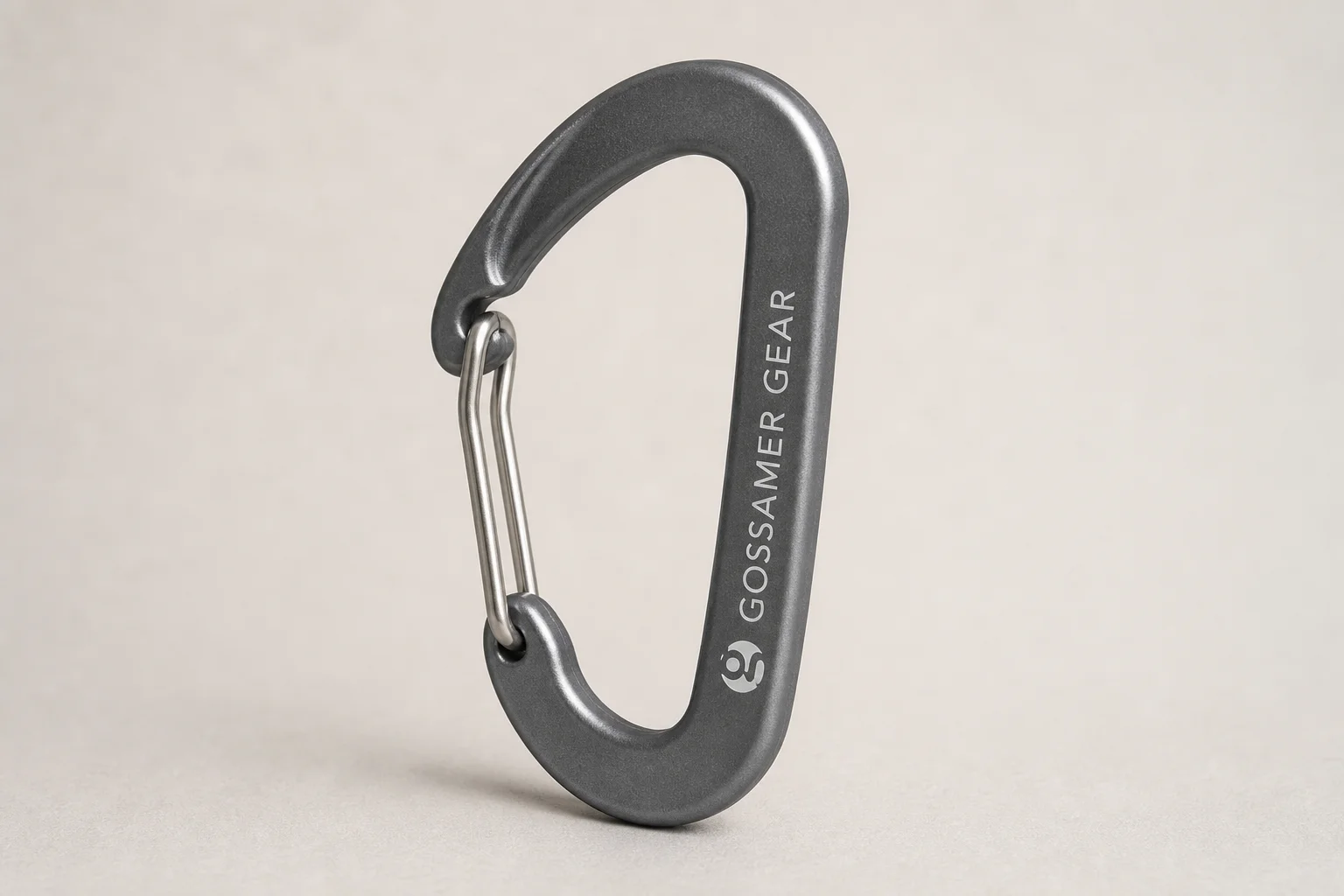
The Garmin inReach Mini is an absolute must-have for solo mountain running. It enables two-way text communication in the field, which is invaluable when running with a group moving at different paces. The device also provides emergency SOS capability. The carabiner that comes with the Garmin is poor quality, so replacing it with a lightweight but durable option like the Gossamer Gear carabiner is a worthwhile upgrade. A climbing-rated carabiner works equally well.
Hydration and Electrolytes
Hydration is critical on any trail run, especially in the mountains. The two half-liter soft flasks that come with the pack allow for carrying both water and electrolyte drinks simultaneously.
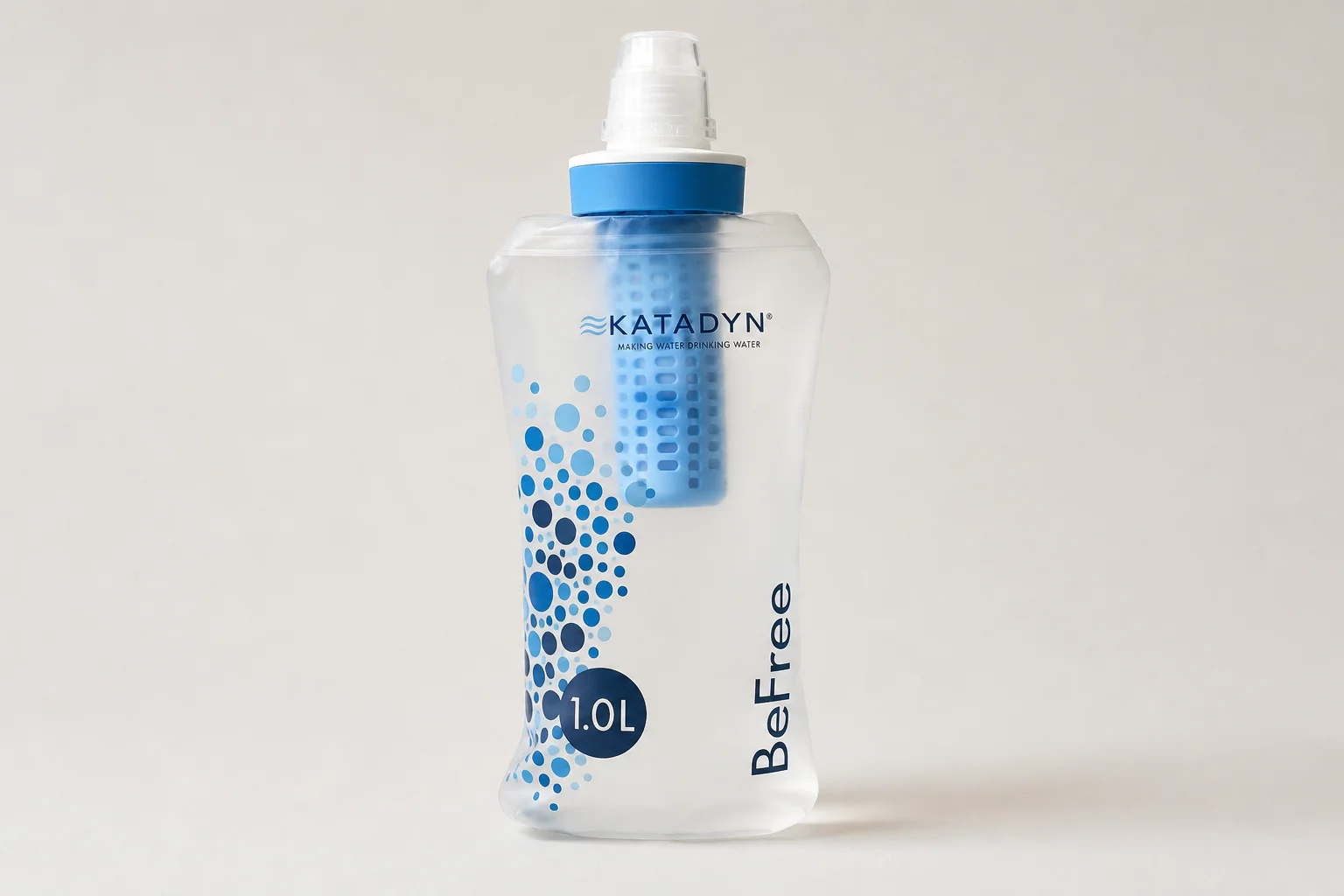
The Katadyn BeFree water filter handles on-trail refilling. Two important notes: the soft flask that comes with the BeFree system can leak, and pre-wetting the filter before the run is essential to avoid a slow trickle when filling up on the trail.
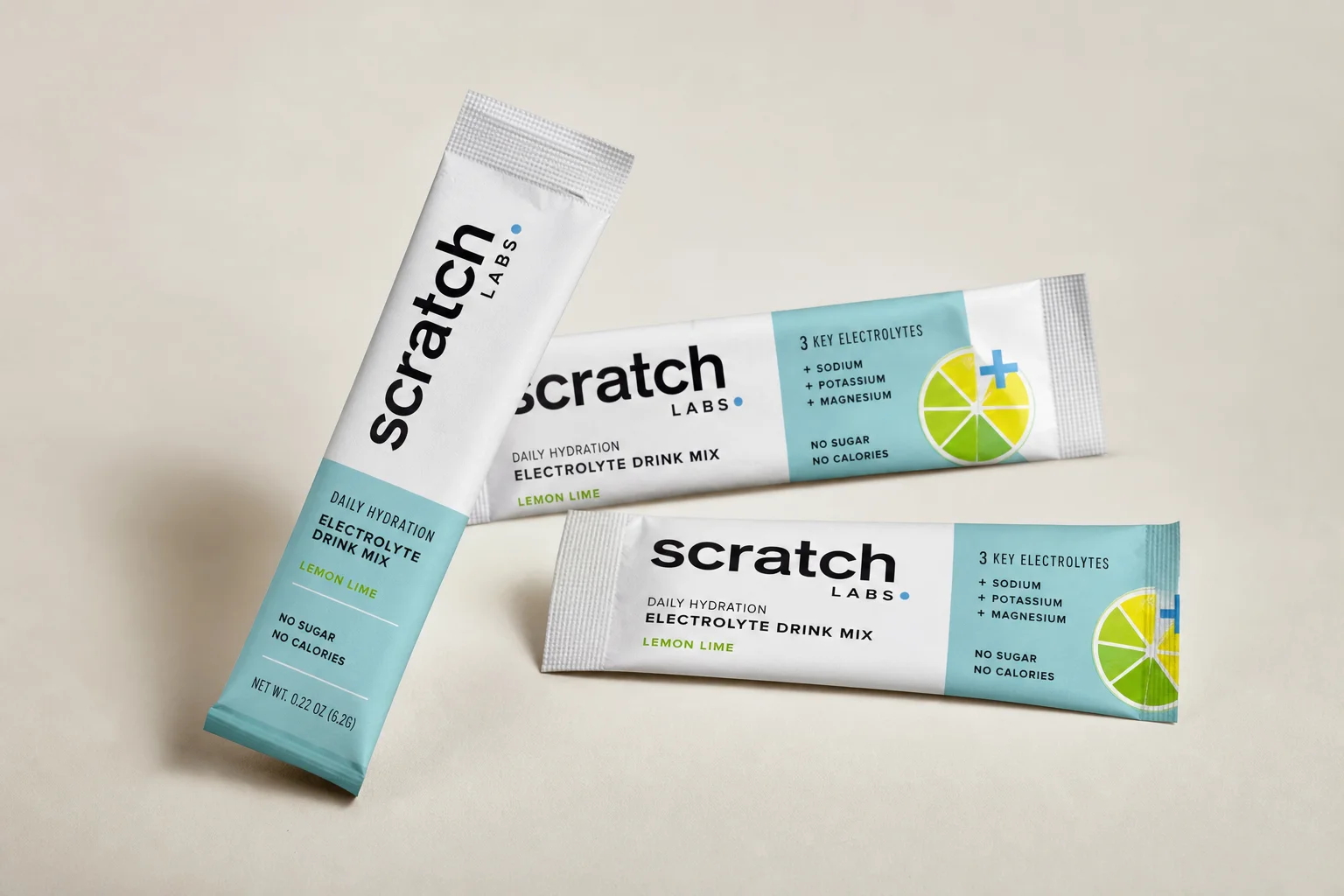
Scratch Labs electrolyte drink is the go-to choice because it does not upset the stomach and provides 80 calories per packet, making it a dual-purpose hydration and nutrition solution. Four packets are planned for this run.
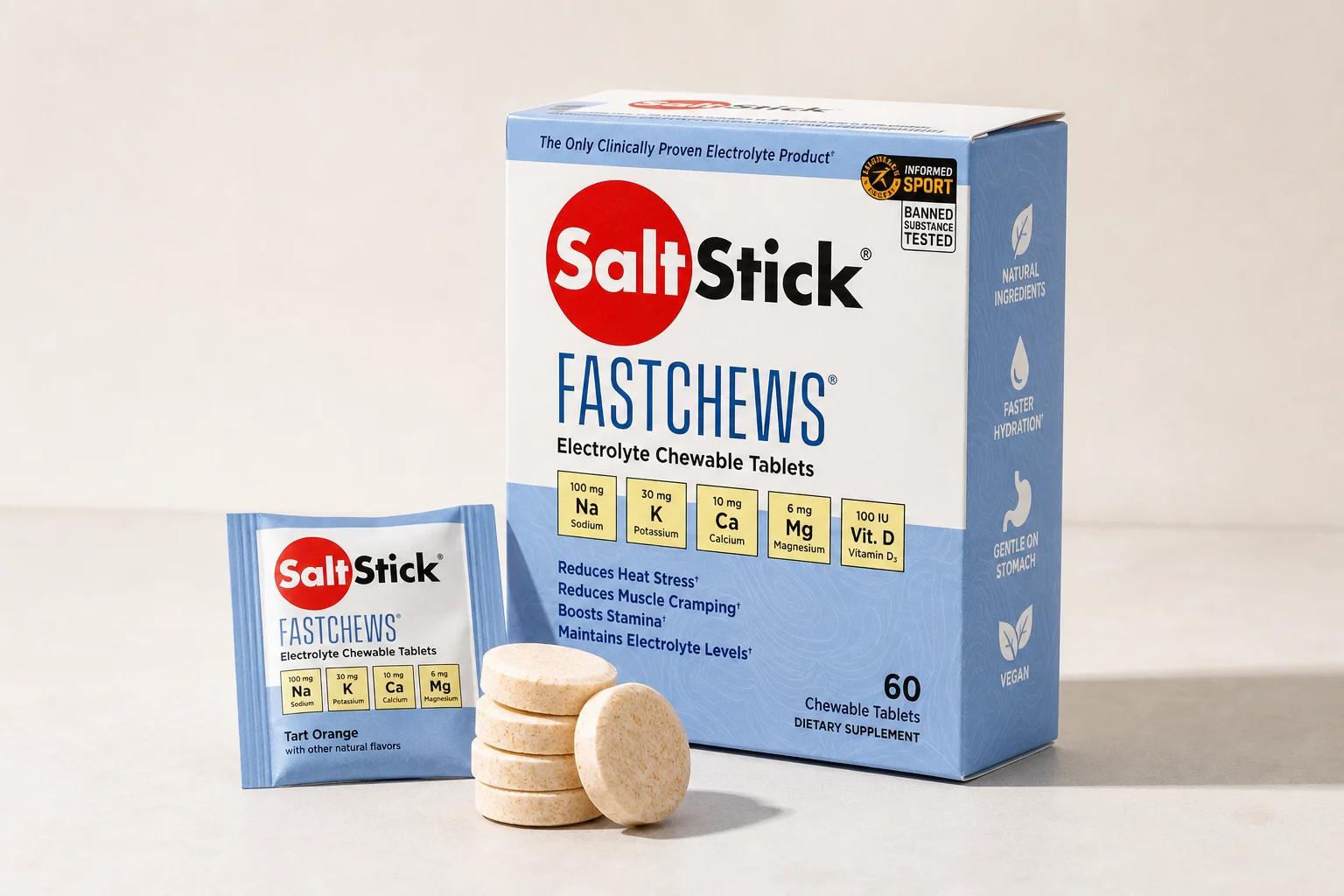
SaltStick Fast Chews provide quick electrolyte and carbohydrate boosts if cramping occurs or hydration falls behind. Rather than carrying the entire bottle, just a few chews are packed for emergency use.
Nutrition and Snacks
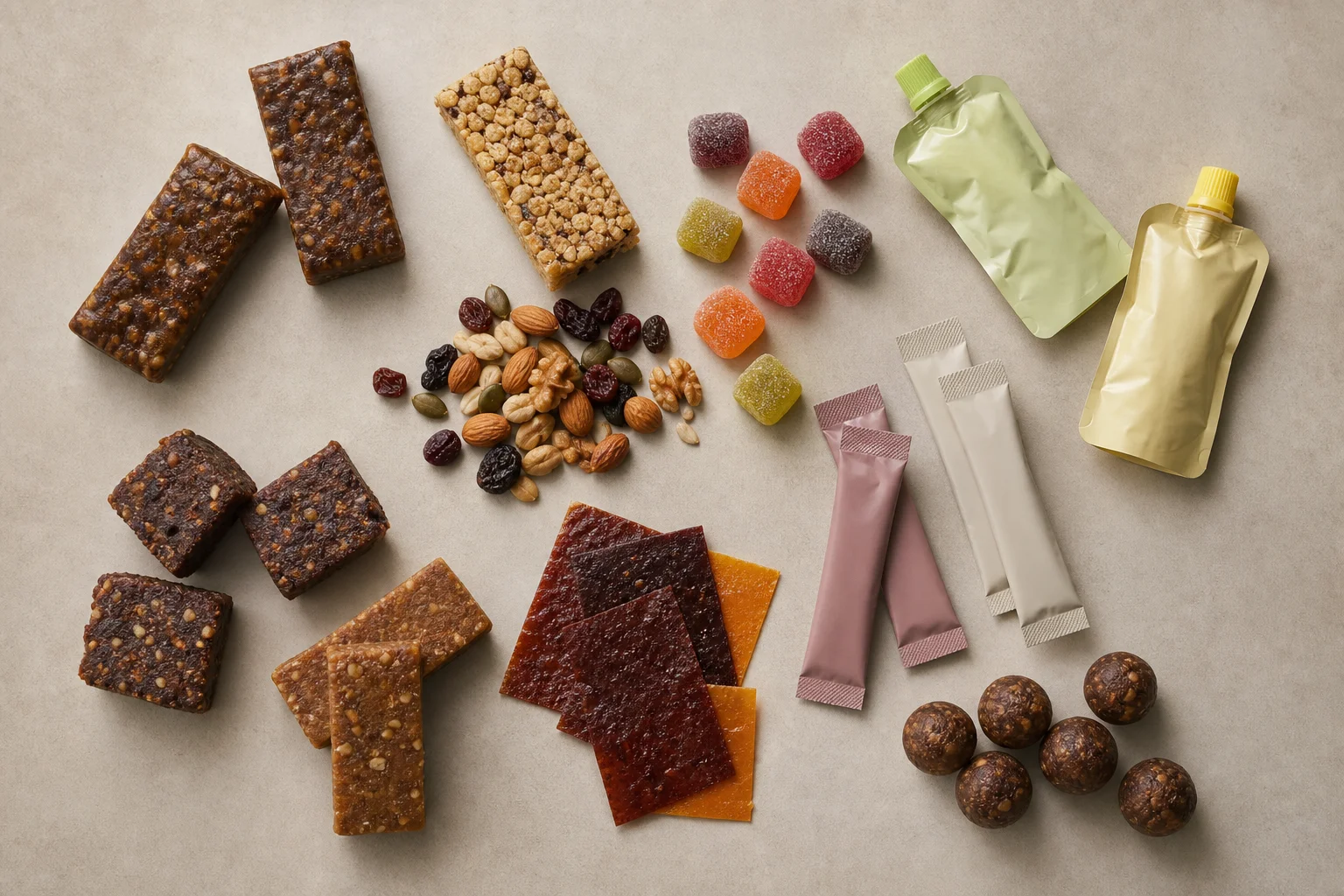
Roughly one-third of the pack is dedicated to snacks, totaling just over 3,000 calories. The focus is on high-carbohydrate and high-fat foods that break down quickly into energy, plus adequate salt.
Cheetos are a staple because they pack high saturated fat and salt in minimal weight. Sour Patch candies are always included because the sour salt sensation helps keep the mouth from feeling dry during long efforts. A mix of actual food items rounds out the nutrition plan, though the exact combination is still being refined through testing.
Packing Strategy and Final Setup
Everything fits into the Salomon pack with minimal extra room. The packing strategy prioritizes accessibility and emergency readiness.
Emergency items, except for the Garmin inReach, are packed at the very bottom of the pack. Items needed frequently throughout the day, such as the water filter, additional snacks, and the headlamp, are kept at the top for easy access.
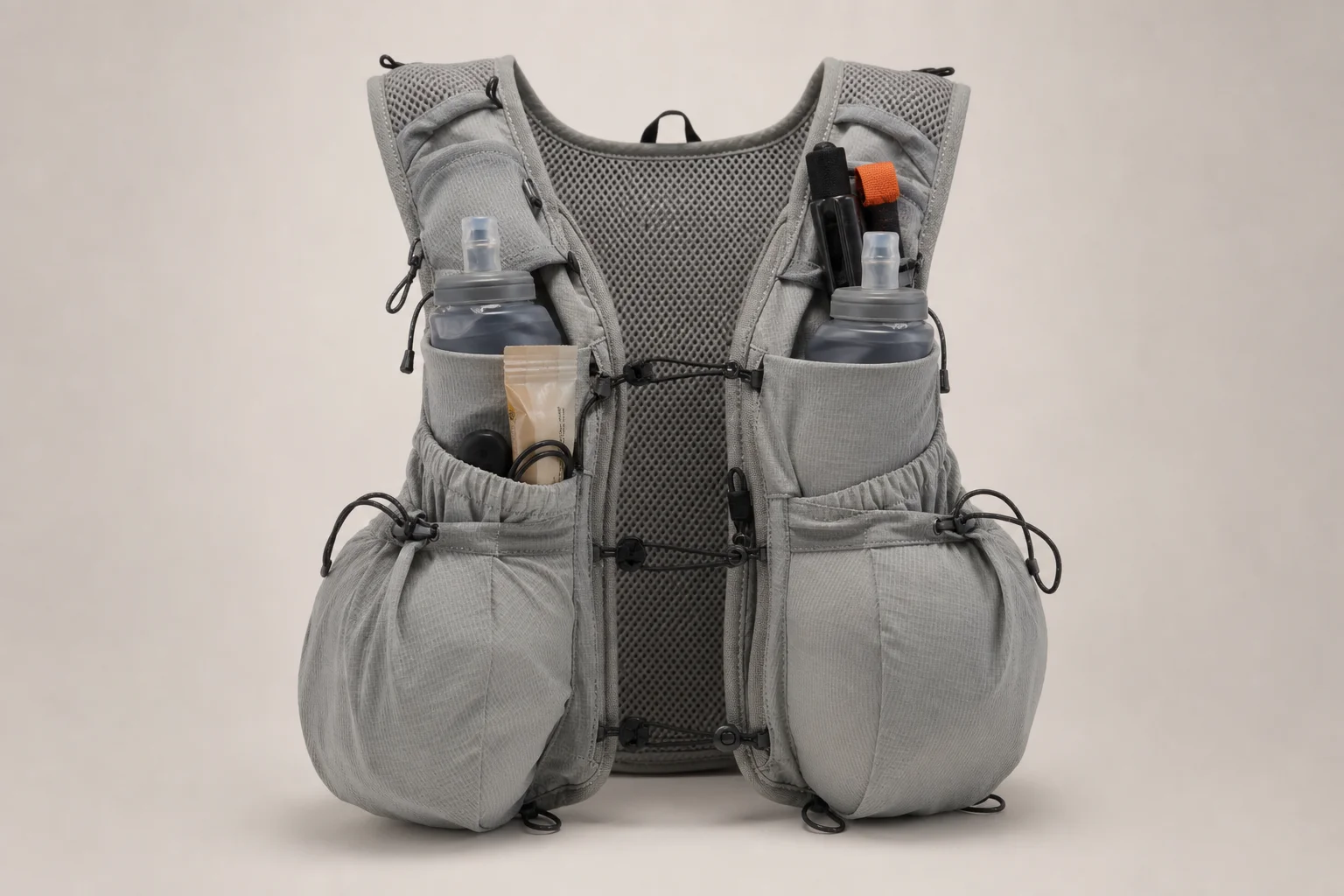
The front pockets are loaded with items needed within arm’s reach: favorite snacks, electrolyte tabs, electrolytes, and the Garmin inReach positioned so the SOS button can be pressed without removing the pack. The water flask tubes are kept folded to reduce bulk, then cinched down as needed. A small zippered pouch holds a car key and rings, which are removed before running to prevent circulation issues from hand swelling.
As the run progresses, the pack will loosen slightly from sweat and lighten as food is consumed, making it progressively more comfortable despite the tight initial fit.
Conclusion
This loadout represents years of refinement and real-world testing on high alpine terrain. Every item serves a purpose, and the ultralight approach keeps total pack weight minimal while maintaining safety redundancy and adequate nutrition for a full day in the mountains. The balance between weight savings and practical functionality is the key to enjoying long mountain running efforts.
Further reading
Related Reviews
Trail Running Gear
Best Trail Running Gear 2025: Nine Products That Earned Real Use This Season
A curated look at nine trail and ultrarunning essentials that delivered genuine performance across training, racing, and adventure throughout 2025.
Trail Running Gear
Instinct Evolution 7L Pack Review: Versatile Trail Running Vest with Thoughtful Hydration Design
A detailed look at the Instinct Evolution 7L, a trail running pack that prioritizes accessible hydration and organized gear storage with some trade-offs in hardware simplicity.
Trail Running Gear
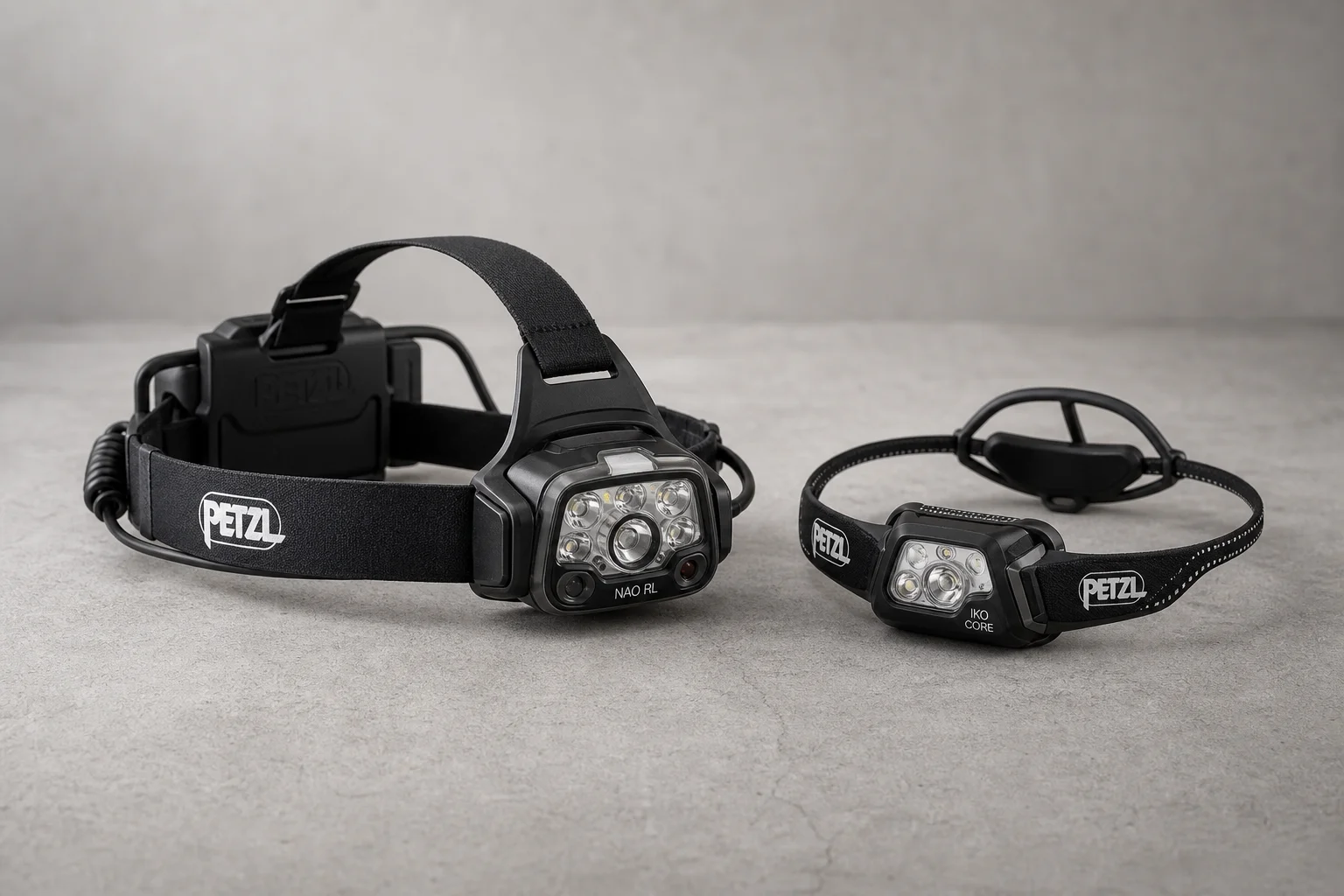
Petzl NAO RL vs IKO Core: Trail Running Headlamp Comparison
Two Petzl headlamps tested for trail running: the powerful NAO RL with reactive technology and the ultralight IKO Core, with real-world performance insights and use-case recommendations.