Astrophotography
Harmonic Drive Mounts Compared: ZWO AM3N vs MLAstro SAL-33 vs WarpAstron WD-20P
Three modern strain wave mounts tested over several months: the travel-friendly ZWO AM3N, the value-focused MLAstro SAL-33, and the feature-packed WarpAstron WD-20P.
Introduction
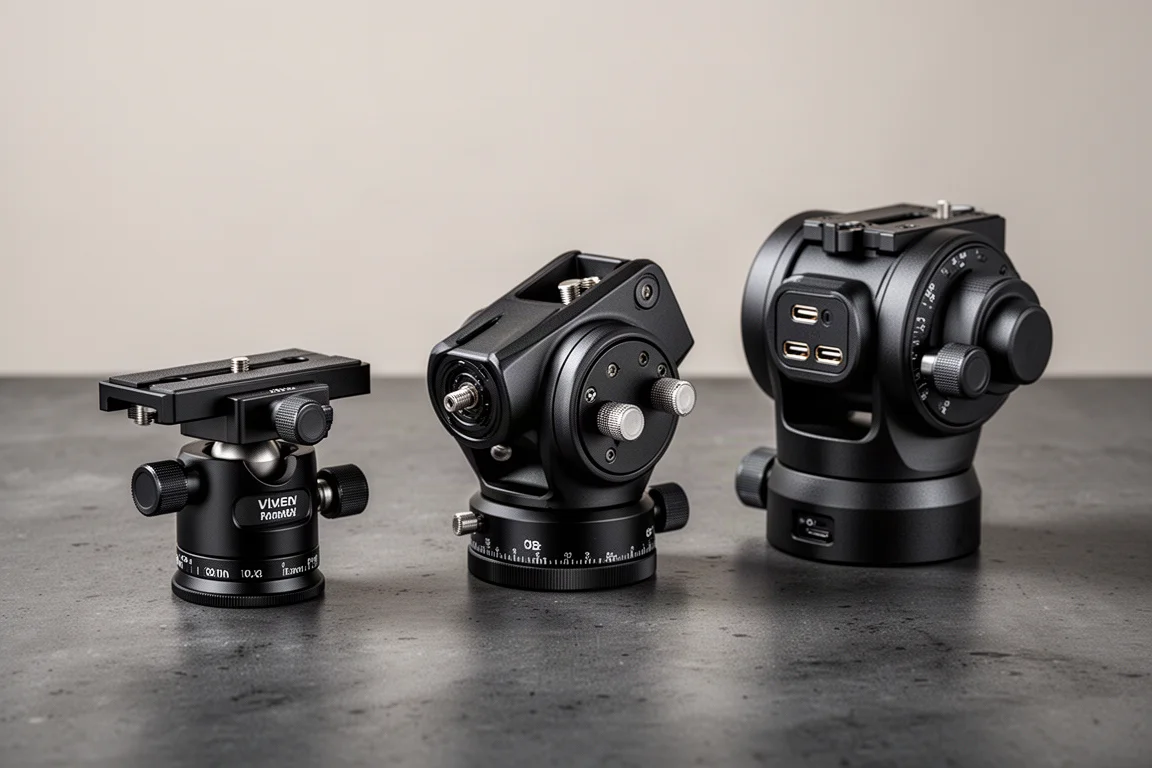
Harmonic drive mounts, also called strain wave mounts, keep getting better as competition between manufacturers heats up. This comparison looks at three models that have been used over several months of real imaging sessions: the ZWO AM3N, the MLAstro SAL-33, and the WarpAstron WD-20P.
All three use strain wave gearing, which allows the mount head to be much smaller and lighter than a traditional worm gear equatorial mount, and all three can operate without counterweights up to a certain payload. That combination makes them ideal travel mounts for deep sky imaging.
Design and Features
All three mounts can be used in equatorial mode, moving in right ascension and declination for astrophotography, or in alt-az mode for visual observing with an eyepiece. None of them include a built-in polar alignment scope, and none offer robotic polar alignment yet, so polar alignment is handled with third-party electronic methods.
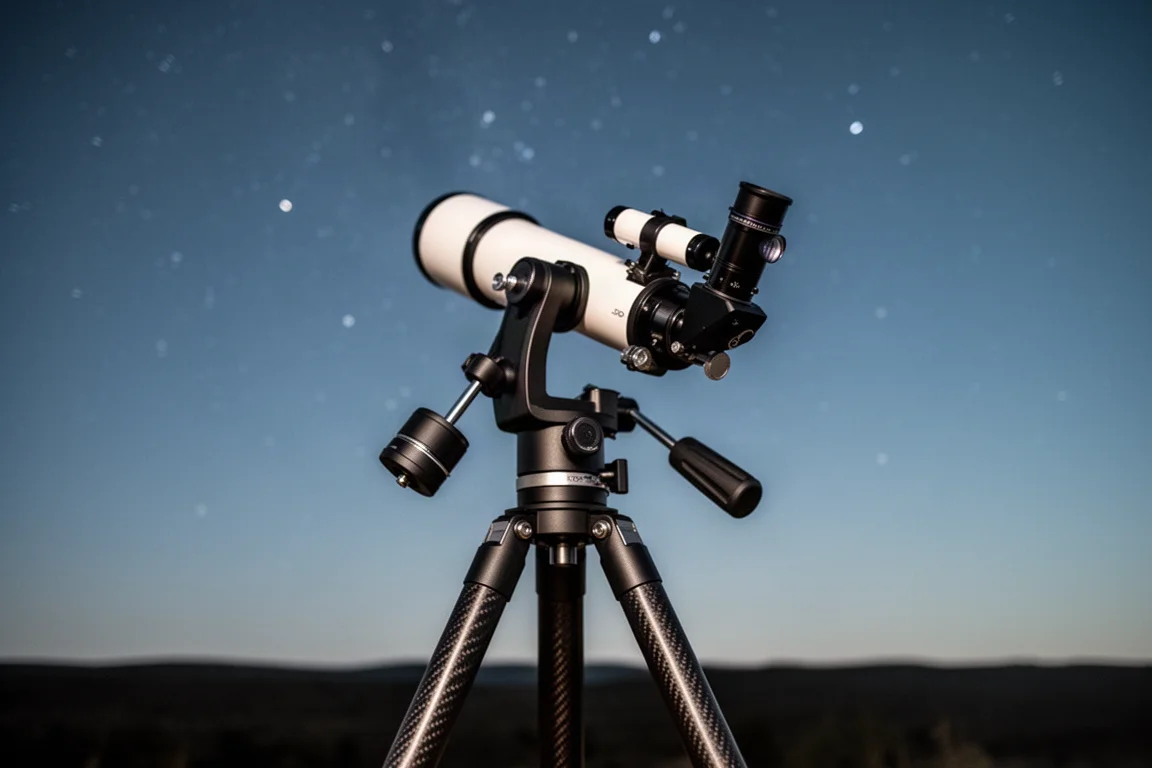
There are signs the market is moving toward automation here. MLAstro is working on a robotic polar alignment kit for the SAL-33 that was planned from the start of the design: you unscrew four screws and swap the alt-az base for the robotic kit when it becomes available. Fully automated polar alignment wedges are starting to appear elsewhere too, promising that you no longer have to be physically at the mount to complete the process.
Polar Alignment
None of these mounts have a polar scope built in, so in practice you will use software routines such as ASIAir or SharpCap. These take a series of images of the night sky while the mount rotates in right ascension, plate-solve them to calculate your polar alignment error, and then guide you through adjusting the altitude and azimuth screws with live feedback. Getting the error numbers under 30 arcseconds is good enough for excellent guiding on any mount, and with enough practice it is achievable on all three.
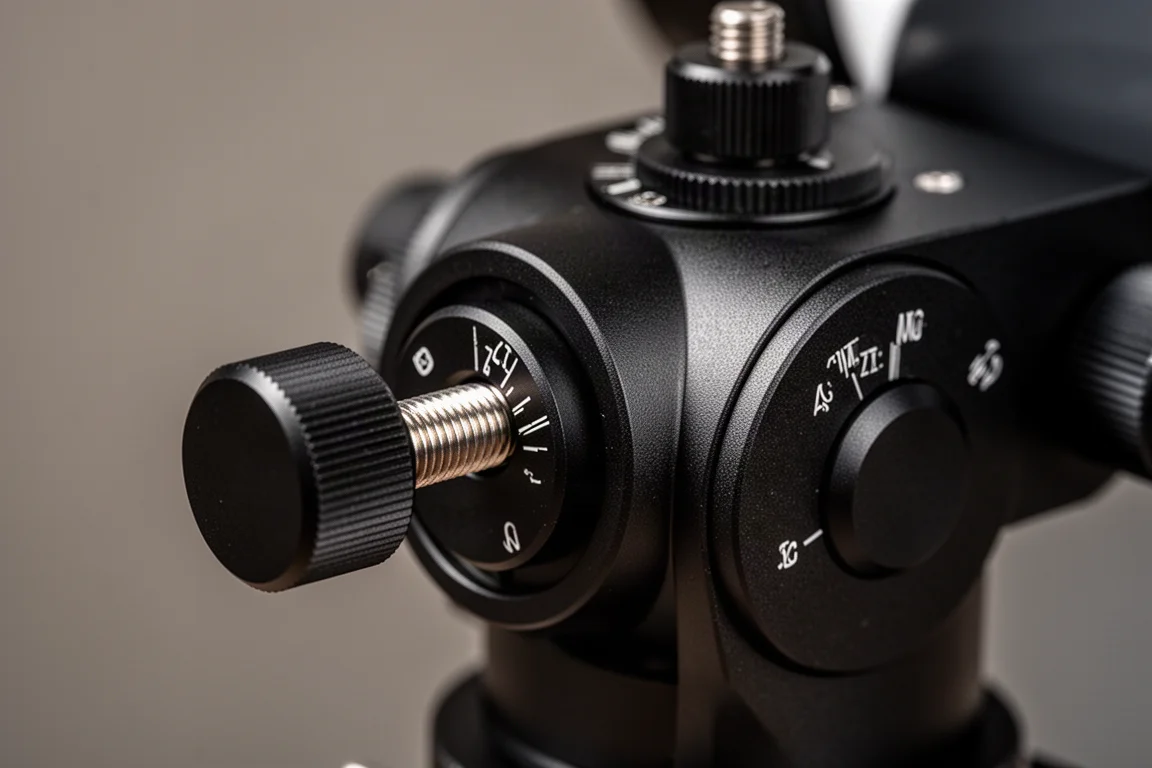
The difference is in the adjustment screws. The AM3N has the coarsest threads, so a small turn produces a relatively large jump in the error number, and it is easy to overshoot during final adjustments, particularly in altitude. The SAL-33 and WD-20P use finer threads that make dialing in the last arcseconds noticeably easier.
For azimuth adjustment, the WD-20P was the favorite: plenty of travel, super fine threading, and cross-style knobs that gave by far the most control. For altitude, the SAL-33 takes the top spot thanks to its very fine screw threads, which MLAstro upgraded for free for all early batch-one owners. Its advertised zero-shift adjustment works as described, letting you fully tighten the locking screws and still fine-tune altitude, though the WD-20P behaves similarly. With any of these mounts, finishing your adjustment in the direction of increasing resistance, usually upward, tends to give a more stable result.
Connectivity and Control
All three mounts offer both Wi-Fi and Bluetooth wireless connections, which are handy for controlling the mount from a phone or tablet, especially for visual observers using an app like SkySafari for go-tos. MLAstro and ZWO both provide dedicated free mobile apps, MLAstro Hub and Sky Atlas, while WarpAstron does not appear to have a dedicated mobile app.
On a Windows PC, MLAstro Hub is available as a standalone desktop application, and WarpAstron offers a dedicated Mount PC Tool with many advanced configuration options. The AM3N can be controlled through ZWO’s ASI Studio app or an ASCOM driver. For the SAL-33 and WD-20P, the OnStep ASCOM driver connects to other software but does not expose every configuration option, so the dedicated apps are worth digging into.
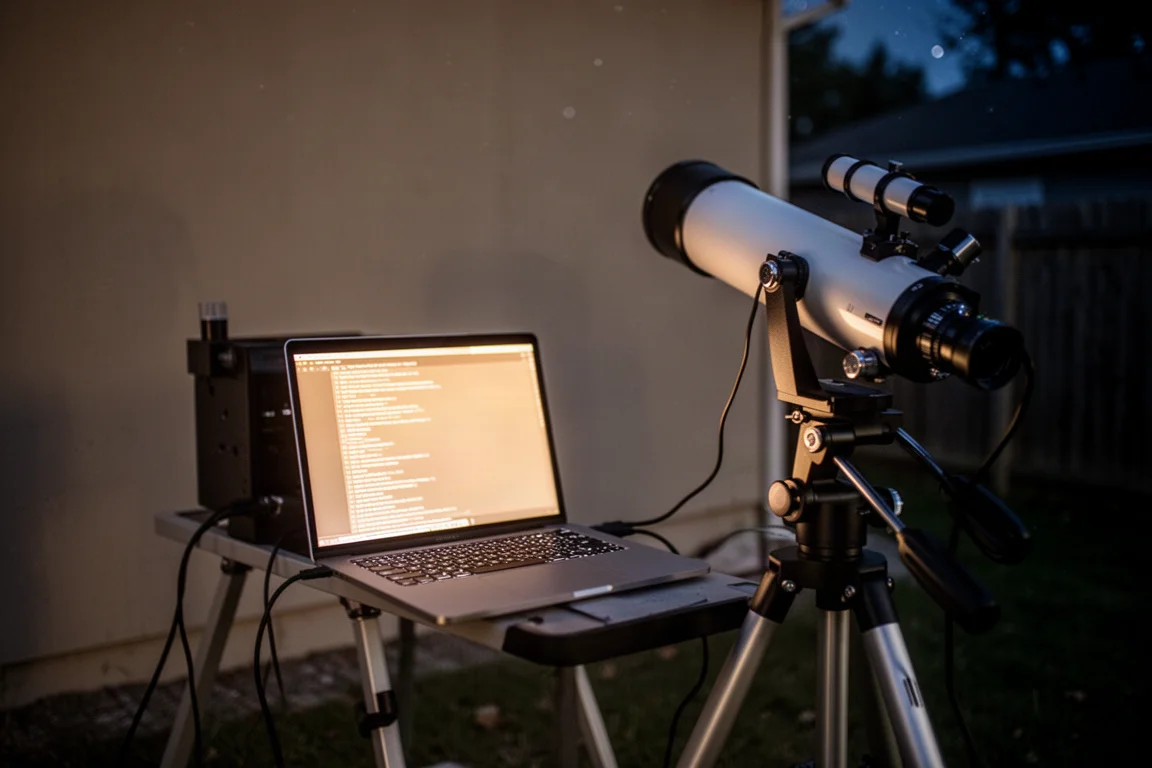
All three mounts work with the ZWO ASIAir. The AM3N connects automatically; for the SAL-33 you select the plain OnStep driver, and for the WD-20P the OnStep electronics driver, which works better with WarpAstron mounts.
Physical connections differ as well. The SAL-33 uses a B-style USB port on the side of the mount and a 12V 2.1mm center-pin barrel power connector. The AM3N offers a B-style USB connector on the front or a USB-C port on the back of the saddle. The WD-20P uses USB-C for data and a 2.5mm center-pin barrel connector that accepts 12 to 25 volts; the included AC adapter is 24V rated for 10 amps.
Standout Features of Each Mount
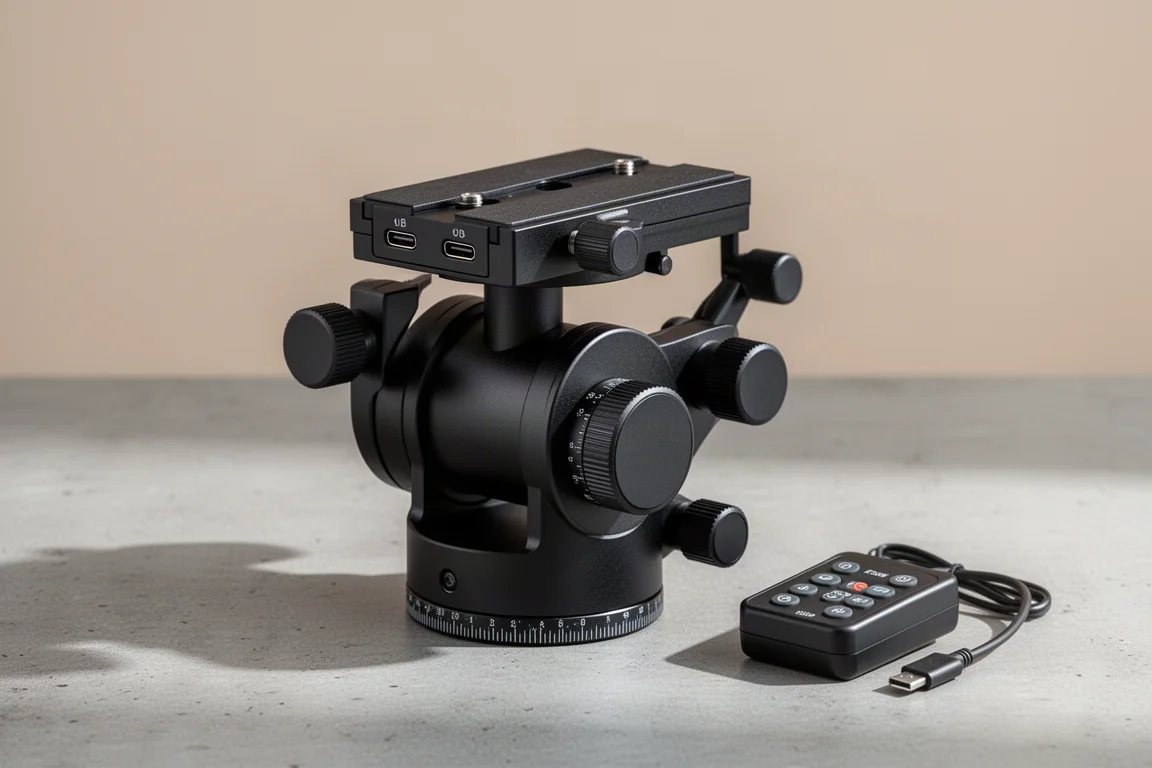
The WD-20P earns its P suffix from power. Its saddle carries two USB-C power delivery ports that can supply up to 150 watts when fed 24 volts, and WarpAstron sells an optional power hub for an additional $169 that plugs into one saddle port and provides four 2.1mm barrel outputs, split into two 5-amp channels with 10 amps total, all in a sleek little box with a Synta-style finder shoe for mounting anywhere on the telescope. The AM3N also has a 12V power port and USB-C on the back of its saddle, while the SAL-33 deliberately has no extra saddle ports to keep the cost down.
For hand control, the AM3N includes a basic joystick-style controller where holding the cancel button for about three seconds returns the mount to home. The WD-20P ships with a small USB-C hand controller that has several options but a limited set of physical buttons, so it takes some learning; the quick start guide explains it well. The SAL-33 offers an optional hand controller for an additional $135.
Another differentiator: the WD-20P uses servo motors rather than stepper motors, which makes collision detection much easier to implement. It can be configured and fine-tuned in the WarpAstron Mount PC Tool, and it stops tracking when it senses an obstruction. Before the WD-20P, the only mount with automatic collision stop was the much more expensive Astrophysics Mach 2 GTO.
Payload, Weight and Tripods
These mounts fall into three different weight and payload classes. The AM3N is the lightest and most portable. The WD-20P is the heaviest by a hair over the SAL-33, but it handles by far the heaviest payloads, giving it the best mount-head-weight-to-payload ratio. The SAL-33 is the most stripped-down in features and included items, yet it offers a payload capacity closer to the ZWO AM5N.
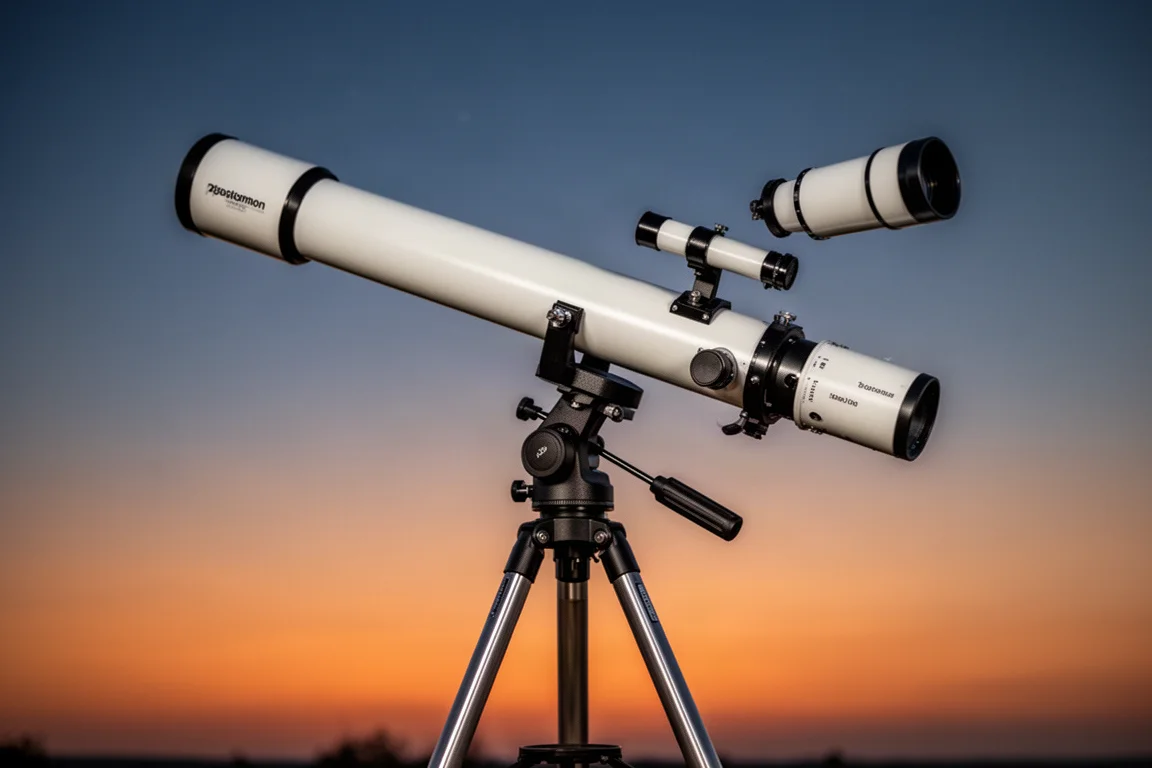
WarpAstron and MLAstro publish nuanced payload guidance that accounts for both weight and moment arm, meaning how far the scope’s center of gravity sits from the mount head, since both affect the torque on the motors.
All three are sold as mount heads alone, and of the three companies only ZWO offers its own tripod: the carbon fiber TC40, an additional $350, which works with any of these mounts, weighs about 5 lbs, and packs down to fit in a suitcase. For heavier loads beyond roughly a 6-inch Newtonian or 120mm refractor, a heavy-duty carbon fiber tripod from High Point Scientific’s Apertura line, rated up to 110 lbs, is a better choice, and the Apertura Anchor Pier for strain wave mounts is the ultimate stability option at $800.
Performance Under the Stars
The good news: when kept within specified limits for both weight and moment arm, all three mounts perform beautifully. All of them calibrated well for guiding, and with good seeing all performed best with 0.5-second guide exposures.
There was one interesting difference. The SAL-33 and AM3N responded well to higher guide aggressiveness; the AM3N even did fine on ASIAir’s default 70% RA and 100% dec settings. The WD-20P did not respond as well to aggressive settings. It gave the best results with PHD2 on a Windows PC using the Z filter algorithm, which is designed to use short guide exposures without chasing the seeing, and that played out in testing. Acceptable guiding is achievable with the WD-20P on ASIAir, just not as refined, which in practice means slightly larger star FWHMs at high resolution.
Which Mount Is for You?
The AM3N is the ultimate travel mount, especially if you are flying and your luggage will be weighed. With its lightweight sturdy case, the whole setup weighs only about 10 lbs plus 5 lbs for the TC40 tripod, leaving plenty of room in a checked bag. It also works excellently with the ASIAir since both come from the same manufacturer, and it ran flawlessly night after night on a recent trip with a compact refractor and camera lens on top.
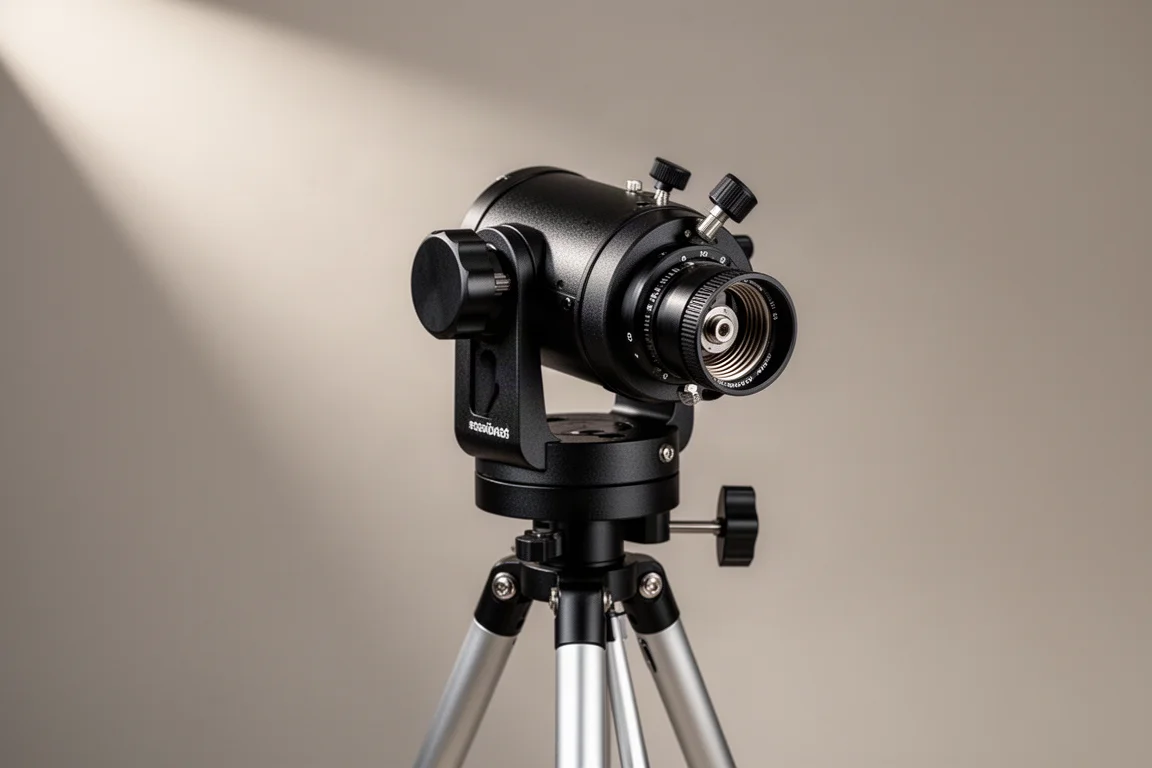
The SAL-33 is the best value in a mount in a long time. It performed beautifully with a 130mm refractor on board using a counterweight, and at a current price of $1,249 US, given the features, performance, and customer service on offer, it is a no-brainer. Its open-source design, easy serviceability, and planned robotic polar alignment upgrade path add long-term appeal.
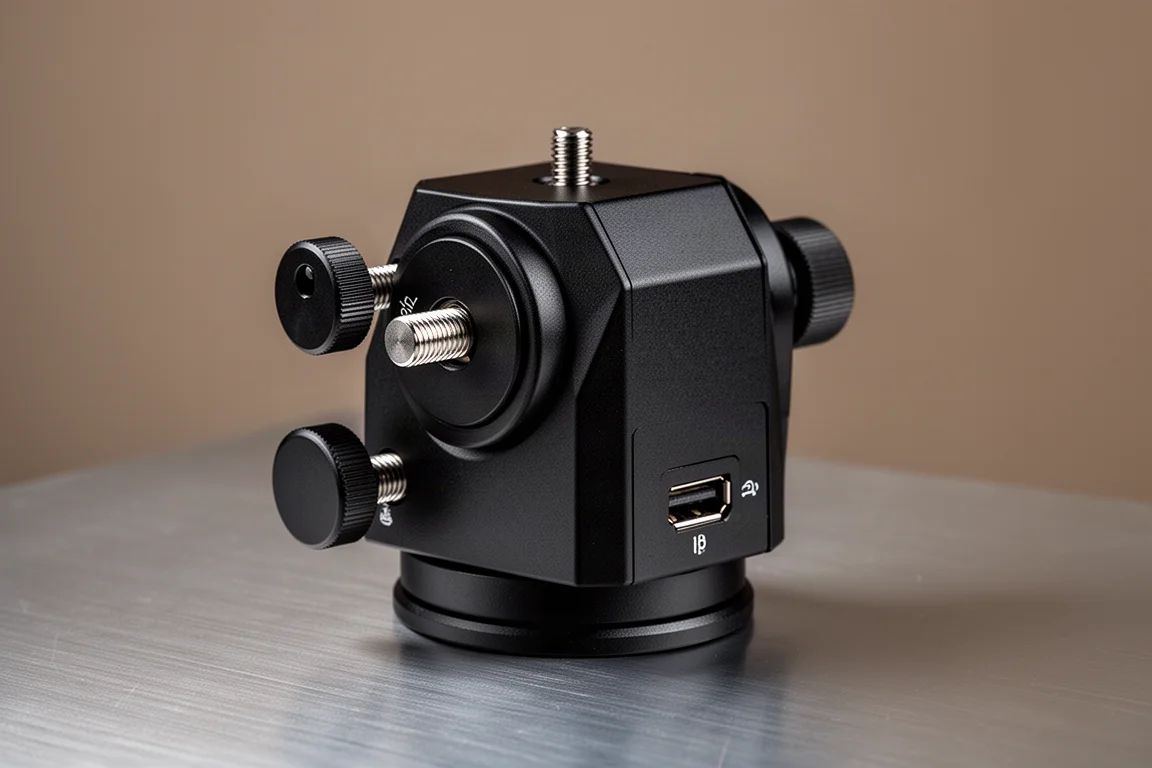
The WD-20P is the most feature-packed harmonic mount of the group at $3,500 US. The collision detection with servo motors, modern USB-C connections, optional power hub, and large payload limit with a great payload-to-weight ratio make it the pick for a remote observatory, and it comfortably handles long refractors.
Conclusion
All three of these strain wave mounts are genuinely capable imaging platforms, and the right choice depends on your priorities. Choose the AM3N if airline travel and ASIAir integration top your list, the SAL-33 if you want maximum performance per dollar with an upgradeable design, and the WD-20P if you need the highest payload, power delivery, and collision detection for remote or heavy-duty setups. Whichever you pick, taking time over several nights to learn the mount’s polar alignment and guiding settings will pay off in every astrophoto you capture.
Further reading
Related Reviews
Astrophotography
ASKAR FRA400C Review: A Versatile 400mm Refractor for Astrophotography and More
The ASKAR FRA400C is a compact 72mm refractor that balances reach, versatility, and portability for astrophotographers and visual observers.
Astrophotography
Askar SQA106 Review: A Premium 106mm Astrograph With Exceptional Optics
The Askar SQA106 is a premium 106mm quintuplet astrograph with impressive sharpness across full-frame sensors, though its price and weight demand careful consideration.
Astrophotography
Astro Imaging Gear 2026: Eight New Products Worth Watching
A look at the most interesting new astrophotography and astronomy products announced this year, from fast telescopes to smart cameras and wireless accessories.