Mountain Bikes
Hardtail Mountain Bike Builds Compared: BMC Two-Stroke XC vs Trail
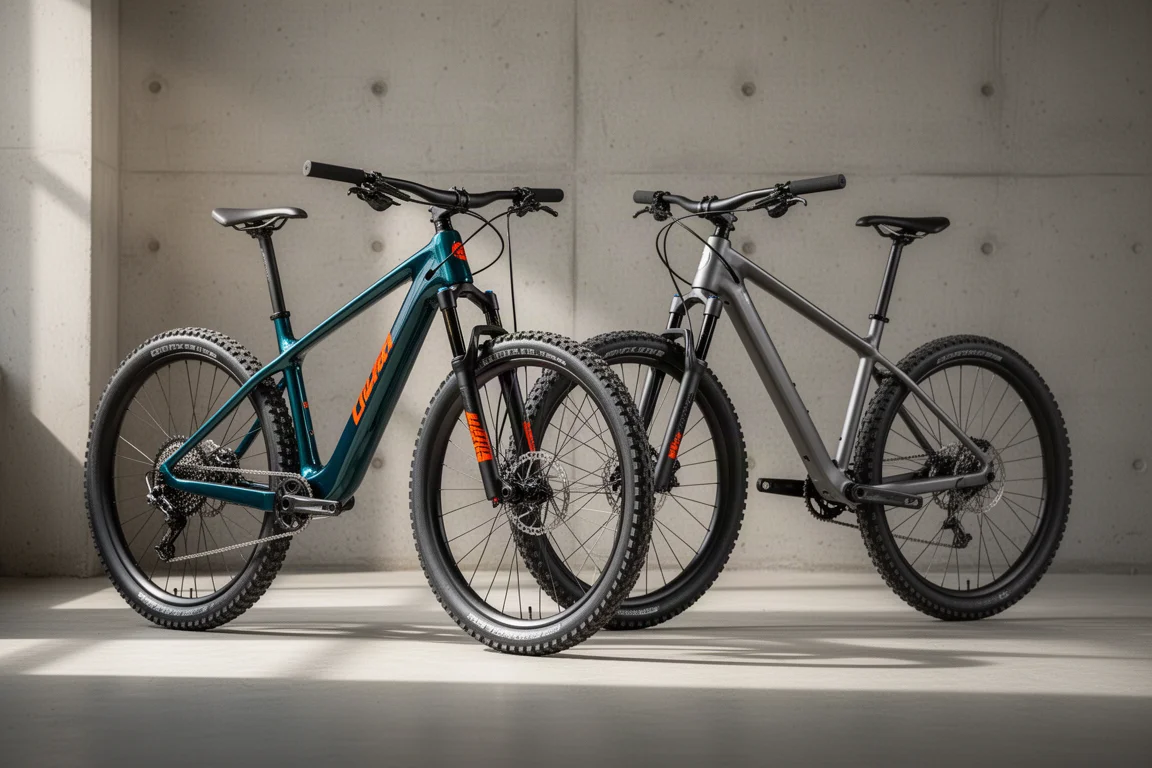
Two hardtail builds on the same BMC Two-Stroke geometry, one tuned for cross-country speed and one for trail confidence, plus the forks, wheels, drivetrain and brakes that separate them.
Introduction
Full suspension mountain bikes dominate the upper end of the market, and the reasons are easy to understand. They are faster in rough terrain, more comfortable over long rides, and more desirable for riders who want one bike that covers everything. That does not mean the hardtail has lost its place. Hardtails are often lighter, they give a more direct connection with the trail, and as gravel bikes creep into hardtail territory there is even an argument that a single well-chosen hardtail could stand in for both a gravel bike and a full suspension bike.
This guide looks at two builds based on the same BMC Two-Stroke geometry. One is set up as a lightweight cross-country race machine built to crush climbs and hold speed on smooth surfaces. The other takes a more budget-focused aluminium platform and turns it into a trail-oriented hardtail designed to take bigger hits day in and day out. We compare the stock bikes, the components that were swapped in, and how the two builds behaved on fire road climbs, technical climbs, a flowy trail centre descent and a rocky technical descent.
How These Two Hardtail Builds Compare
Both bikes share the same frame geometry, so the differences come down to how each one was built. The cross-country build keeps its focus on low weight and pedalling efficiency, while the trail build trades some of that efficiency for grip, control and confidence when the trail points downhill.
Testing covered a range of conditions: a steep technical climb with tight switchbacks, a fire road climb ridden at full effort, a fast and swoopy trail centre descent, and a rocky technical descent on a public bridleway. Timings were recorded for the climb and descent sections, but without power meters those numbers are a rough guide to relative feel rather than a controlled measurement.
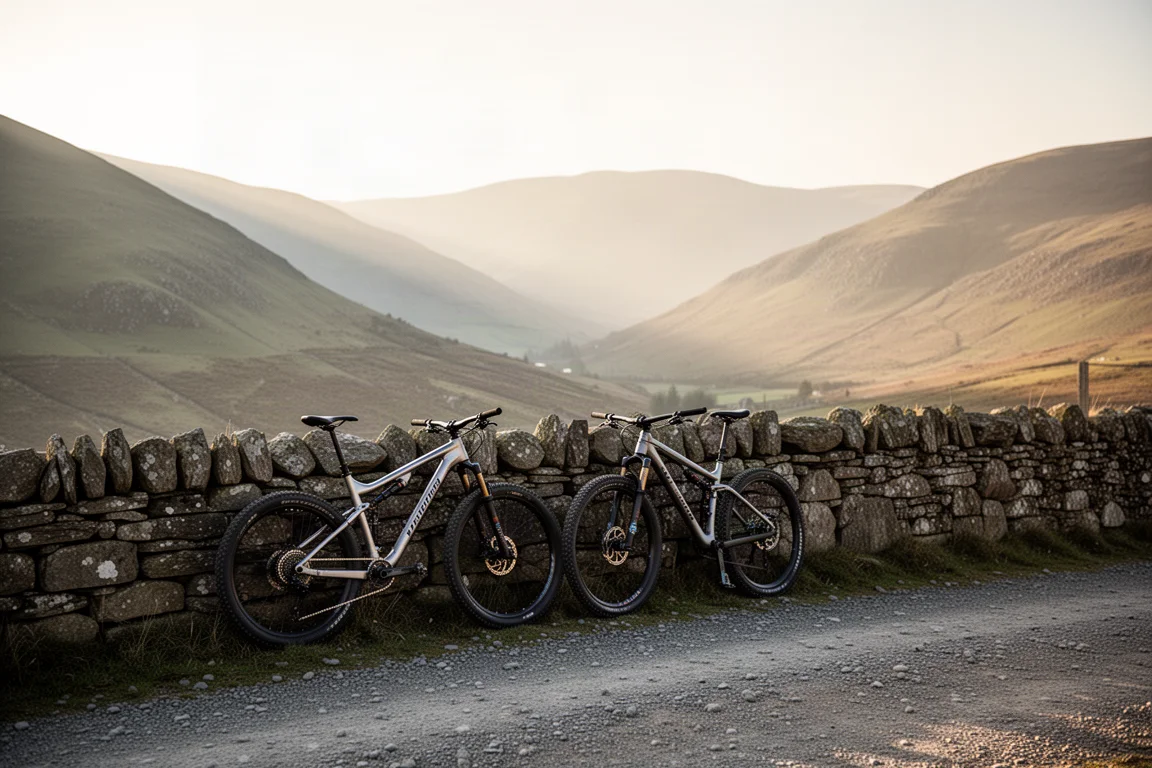
The pattern was consistent. The lighter build was quicker uphill, with around eight seconds in hand on the technical climb and roughly 25 seconds on the fire road effort. The trail build gave that time back on the way down, where one timed descent showed a gap of about 24 seconds in its favour while another showed only about five seconds between the two. On the rocky technical descent no timing was taken, but the difference in composure was obvious.
BMC Two-Stroke 01: The Cross-Country Base
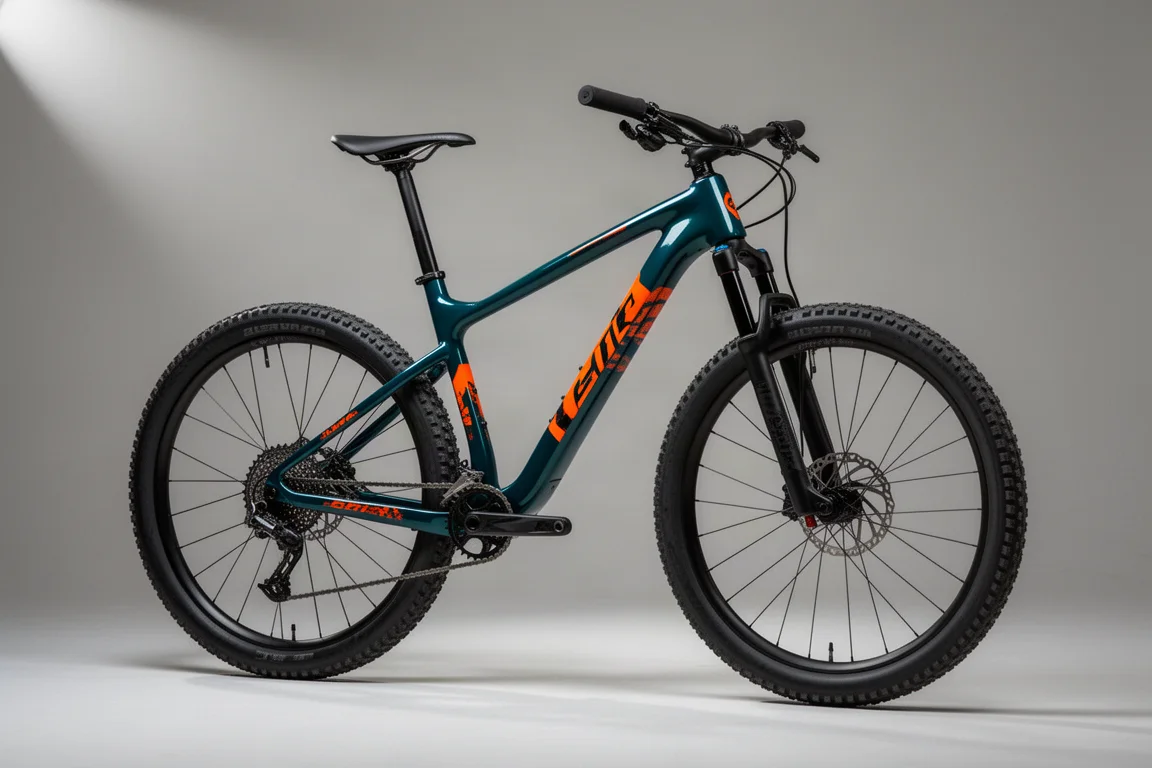
The carbon Two-Stroke 01 is the starting point for the cross-country build. It arrives with a lightweight carbon frame, a build kit chosen with weight and cost in mind, and a paint job that stands out on its own. The stock wheels are entirely reasonable, and nothing about the standard bike needed fixing before the build began.
The goal was a lightweight cross-country race weapon that could also give a gravel bike a run for its money. Wheels were the biggest opportunity, and the carbon race wheels fitted here use carbon spokes and weigh less than 1,300 grams for the set. The cassette was also swapped for a much lighter option, trimming rotating mass from the drivetrain.
On the climbs the result is exactly what you would hope for. The bike picks up speed quickly, holds it well on smoother surfaces, and responds immediately when you put power through the pedals. A handlebar lockout makes it easy to firm up the fork on smooth climbs. On descents it feels more nervous than the trail build, with narrower tyres and a shorter travel fork making it skittery over rocks, but it remains a genuinely fun bike to point downhill.
BMC Two-Stroke AL: The Trail-Oriented Base
The aluminium Two-Stroke AL starts from humbler origins, with budget-focused parts that include a basic RockShox Judy fork. That makes it a sensible platform for a build that expects rough treatment, because almost everything is going to be replaced anyway. Once the work was finished, the only stock parts left were the frame, grips, headset and crankset.
The changes start up front with a 120mm RockShox SID fork. It adds 20mm of travel over the stock fork, which is not a huge jump, but it gives the bike a more aggressive stance and more control on descents. A RockShox Reverb dropper post makes it easier to move weight around when the trail drops away. The wheels use a wider 30mm internal width with stronger rims, paired with grippy tyres that help in technical sections. A wider handlebar and a shorter stem sharpen the cockpit, and SRAM Level Ultimate brakes add control at the levers.
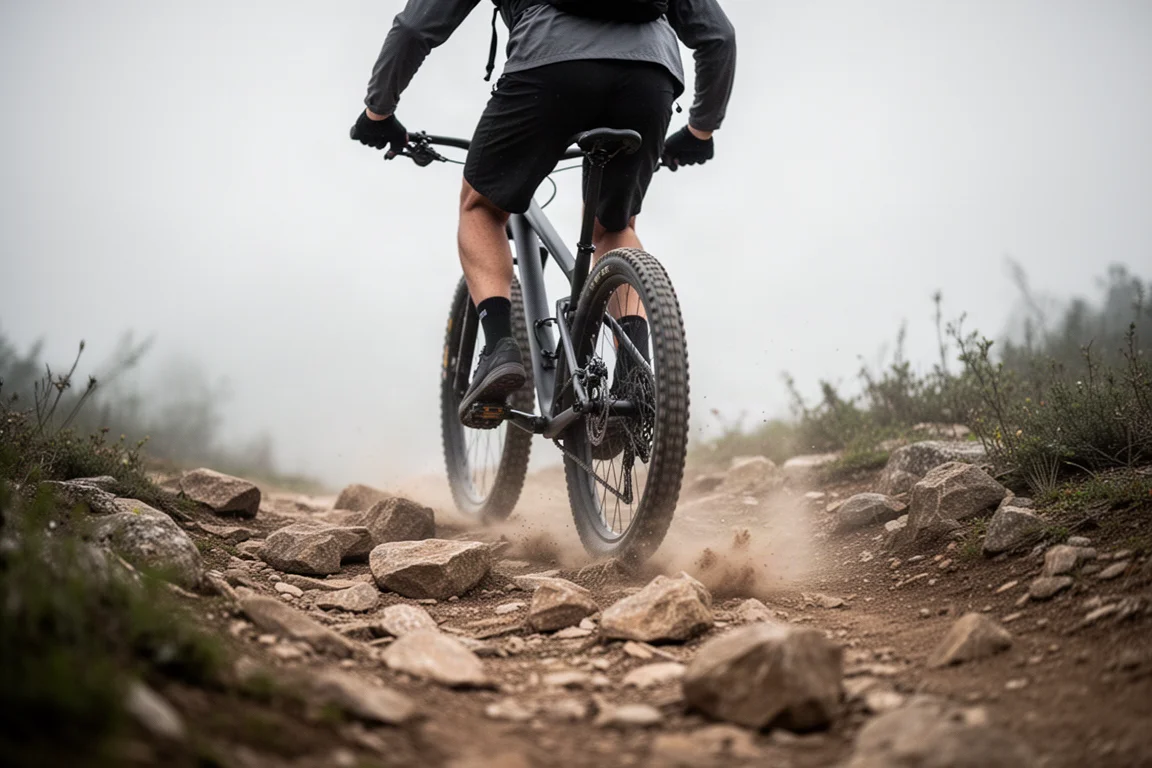
The difference on descents is obvious. The wider bar, stiffer fork, chunkier tyres and dropper post combine to make the trail build far more confidence inspiring, and it invites you to let loose in a way the lighter build does not. The trade-off shows up on climbs, where the heavier tyres feel slower to accelerate out of tight switchbacks and the bike can feel sluggish, so you are less inclined to put down full power.
Hunt Proven XC: Carbon Race Wheels
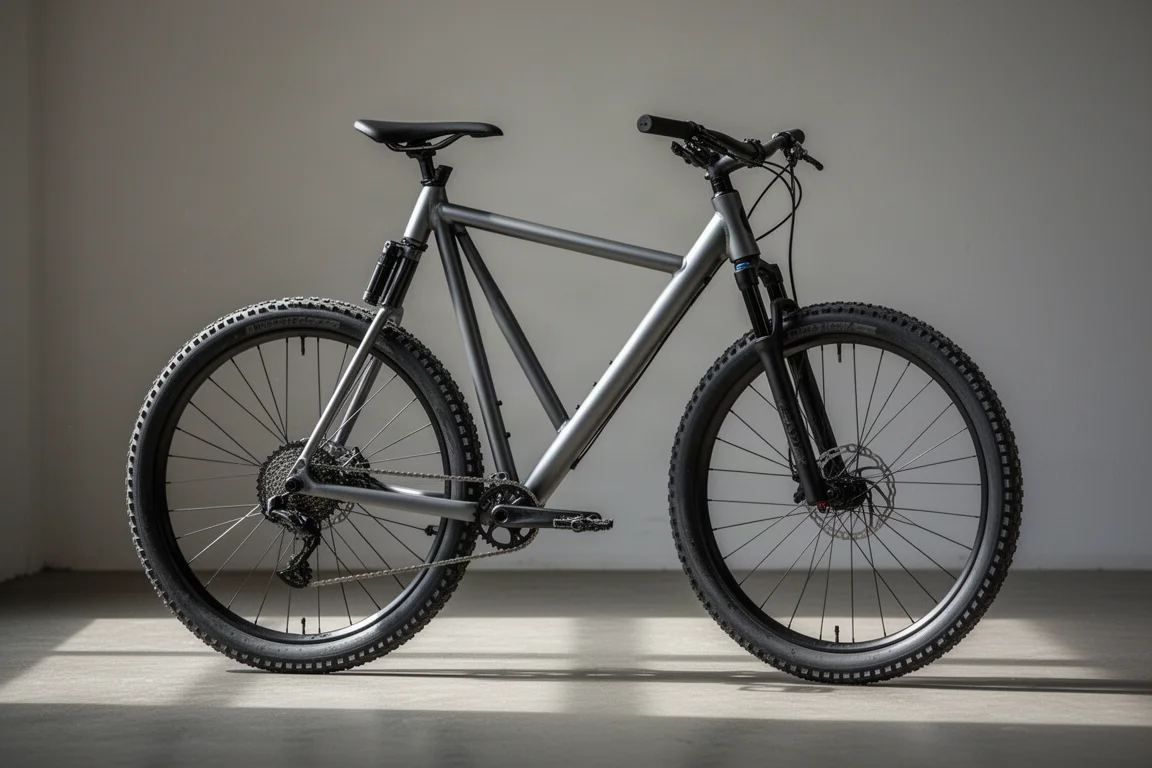
Wheels are one of the most effective places to save weight on any mountain bike, and the Hunt Proven XC set makes that point clearly. The rims are carbon, the spokes are carbon too, and the complete set weighs less than 1,300 grams.
Fitted to the cross-country build, they were the single biggest contributor to its quick, eager feel. The stock wheels were perfectly serviceable, so this is a deliberate upgrade rather than a necessary fix. Riders who care about rolling speed, acceleration and climbing pace will notice the difference immediately, while riders who prioritise durability and a lower outlay can comfortably stay with a standard wheelset.
RockShox SID: Fork Upgrade for Descending Control
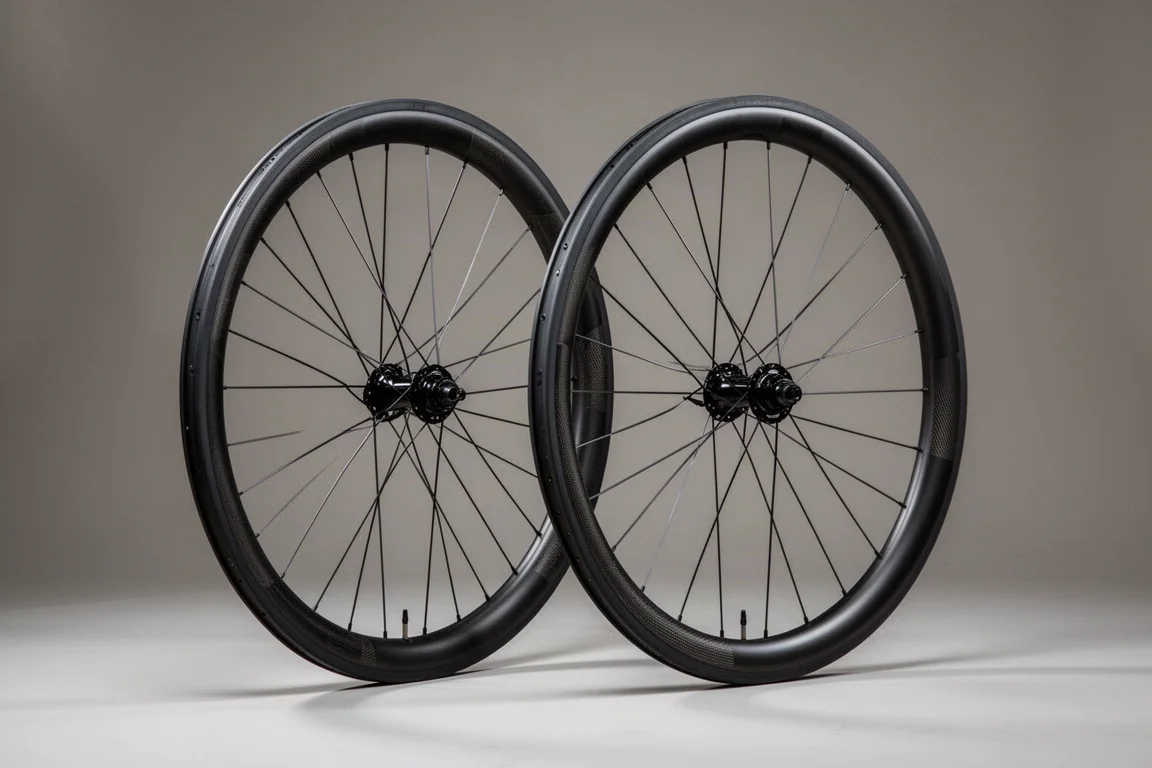
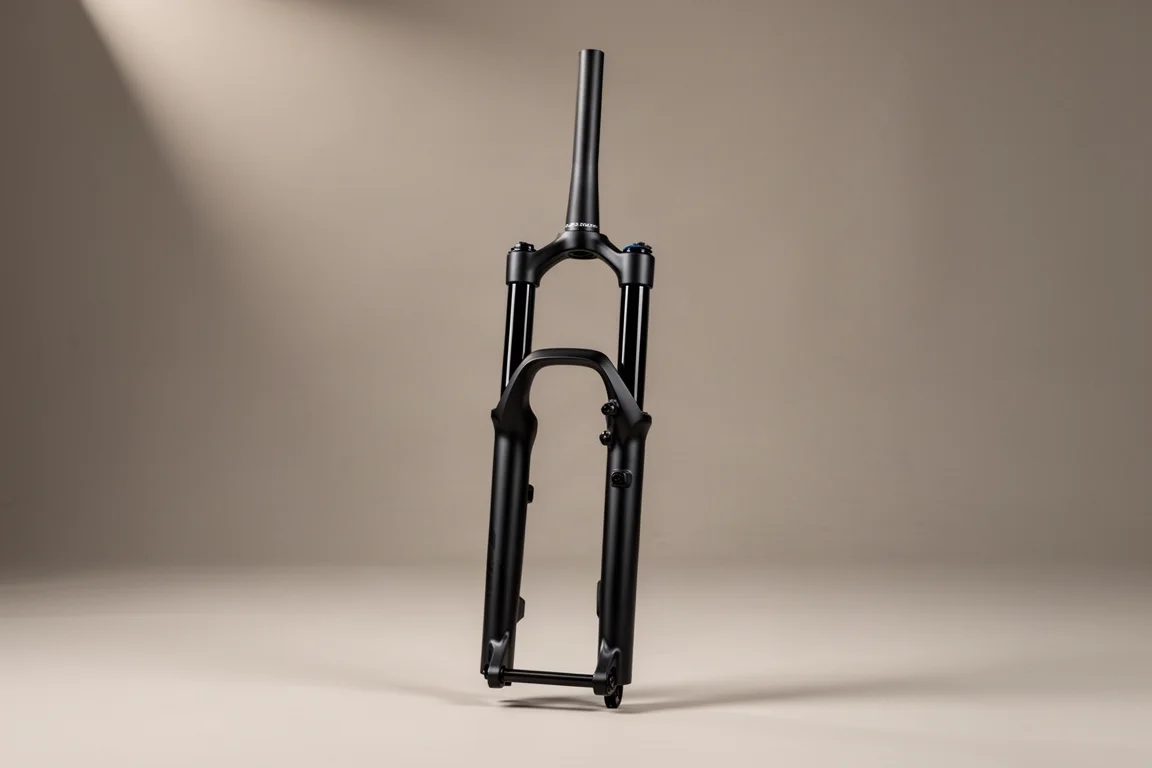
The RockShox SID fitted to the trail build offers 120mm of travel, which is 20mm more than the fork it replaced. On paper that is a modest increase, but the effect on the bike’s attitude is bigger than the number suggests.
The SID is a stouter fork than the stock unit, so there is less twist and flex under the handlebars when the trail gets rough, and the extra travel slackens the angles slightly for a more composed feel on steep ground. That combination of stiffness and a slightly more relaxed geometry is what gives the trail build its extra margin of control when the terrain turns technical.
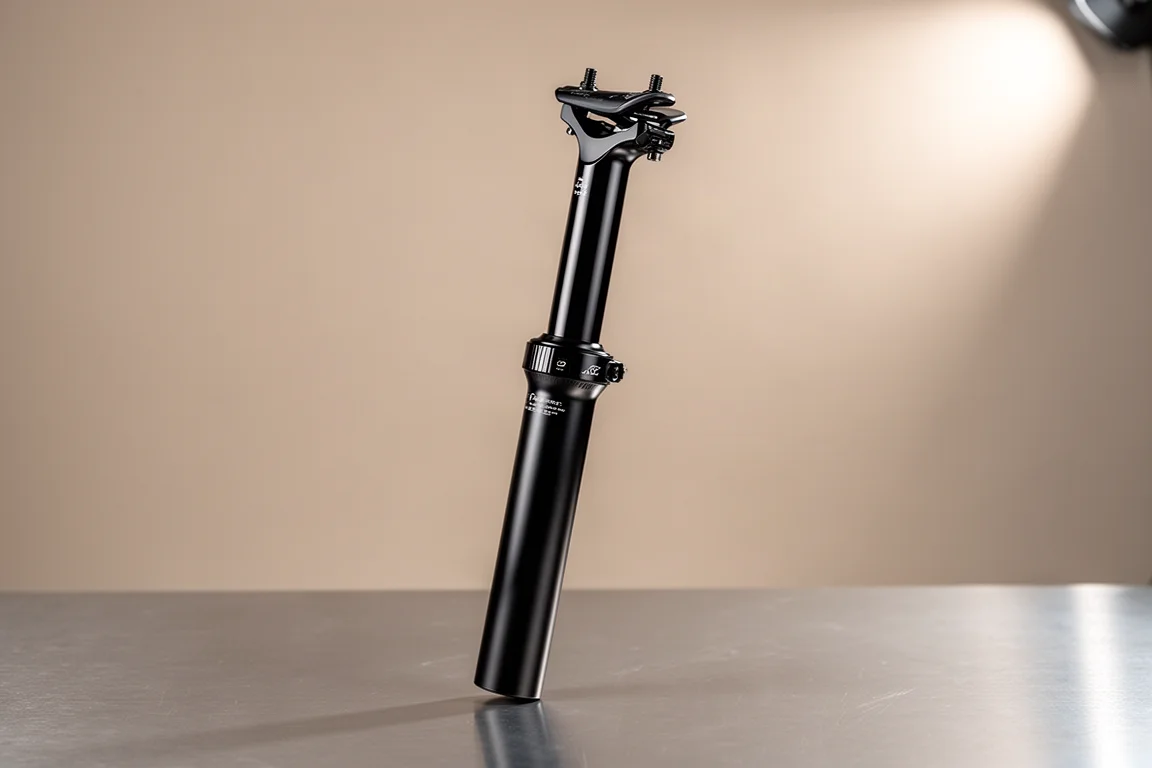
RockShox Reverb: Dropper Post for Descending Confidence
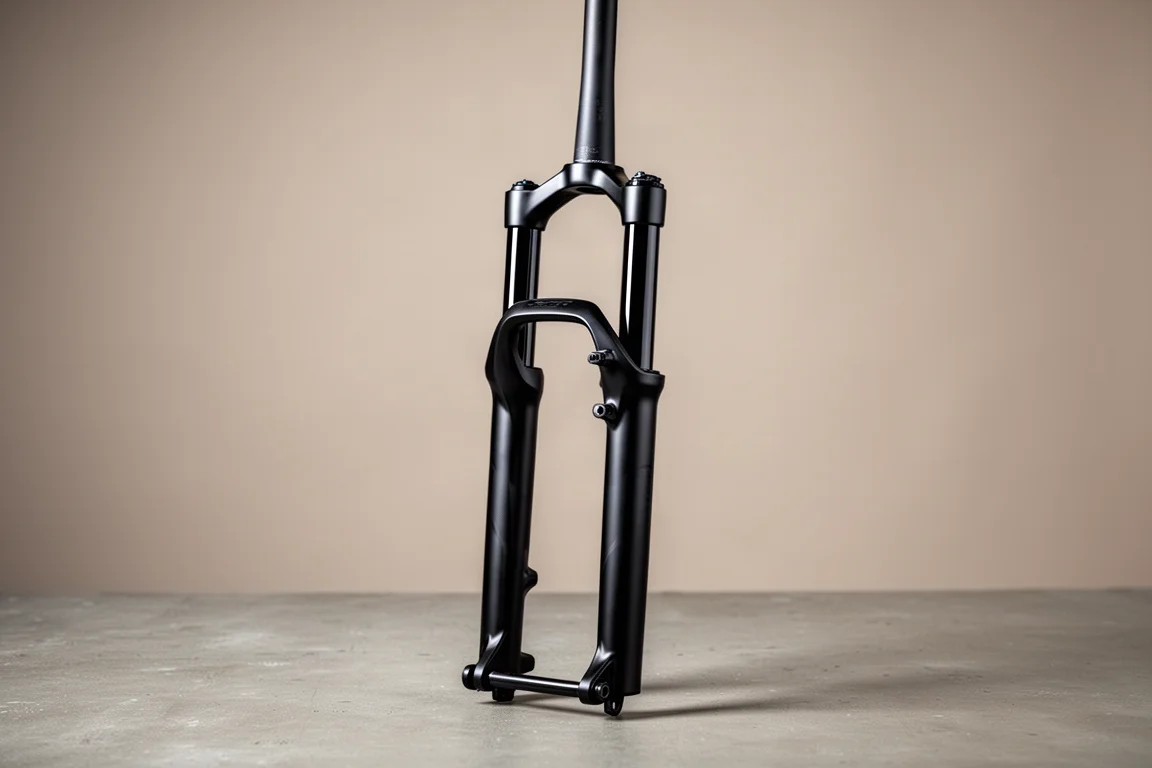
A dropper post is one of the simplest ways to make a hardtail feel more capable downhill, and the RockShox Reverb on the trail build shows why. Dropping the saddle out of the way lets you move your weight around the bike freely, which makes a real difference on steep, rough descents.
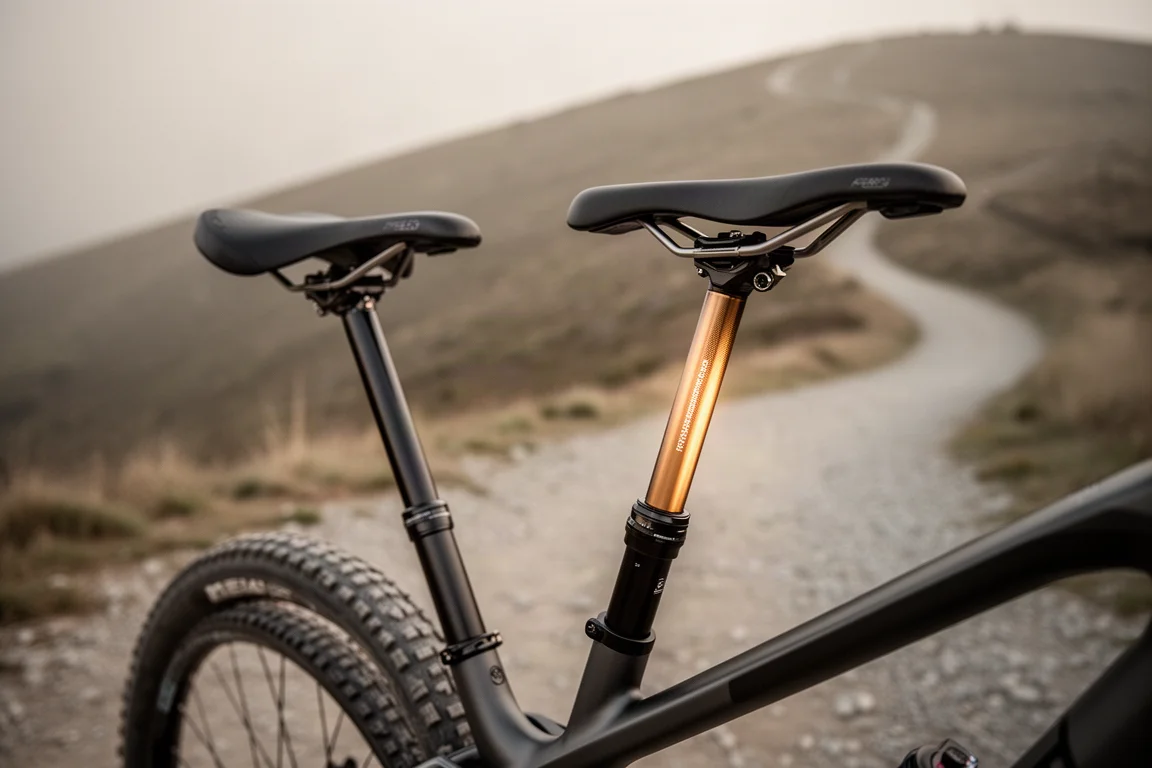
On flowy trails with berms, rollers and jumps, the difference between having a dropper and doing without was immediately clear. The build without one felt sketchy from the very first turns, while the bike with a dropper felt far more confident. For anyone riding trails with meaningful descending, a dropper post is arguably the first upgrade to consider.
SRAM GX: Drivetrain Components That Move Between Builds
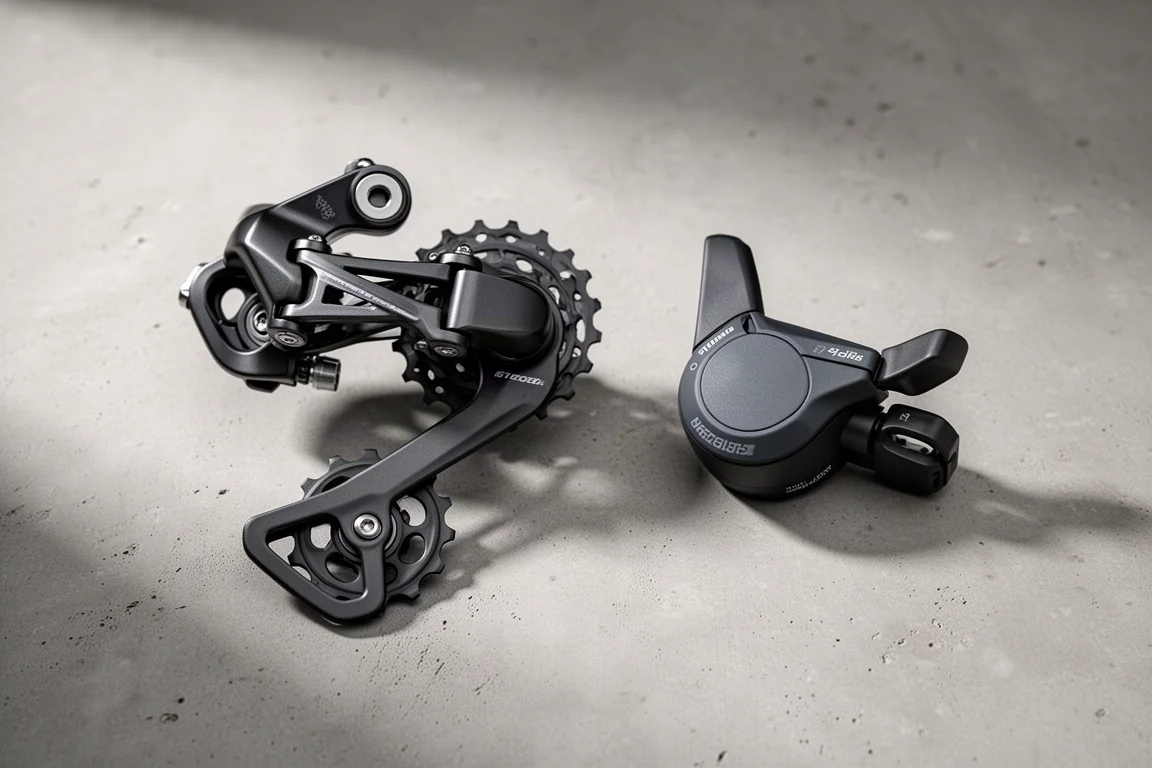
Drivetrain choices on these two builds went in opposite directions. The cross-country bike gave up its SRAM GX cassette in favour of a much lighter option, trimming rotating weight from the rear wheel. The SRAM GX derailleur and shifter were then fitted to the aluminium trail build.
SRAM GX sits in the middle of the mountain bike drivetrain range, which makes it a practical match for a trail-oriented bike that sees regular use. Components at this level are also easy to carry over between builds, which is exactly how they ended up on the aluminium frame here.
SRAM Level Ultimate: Brakes for Technical Trails
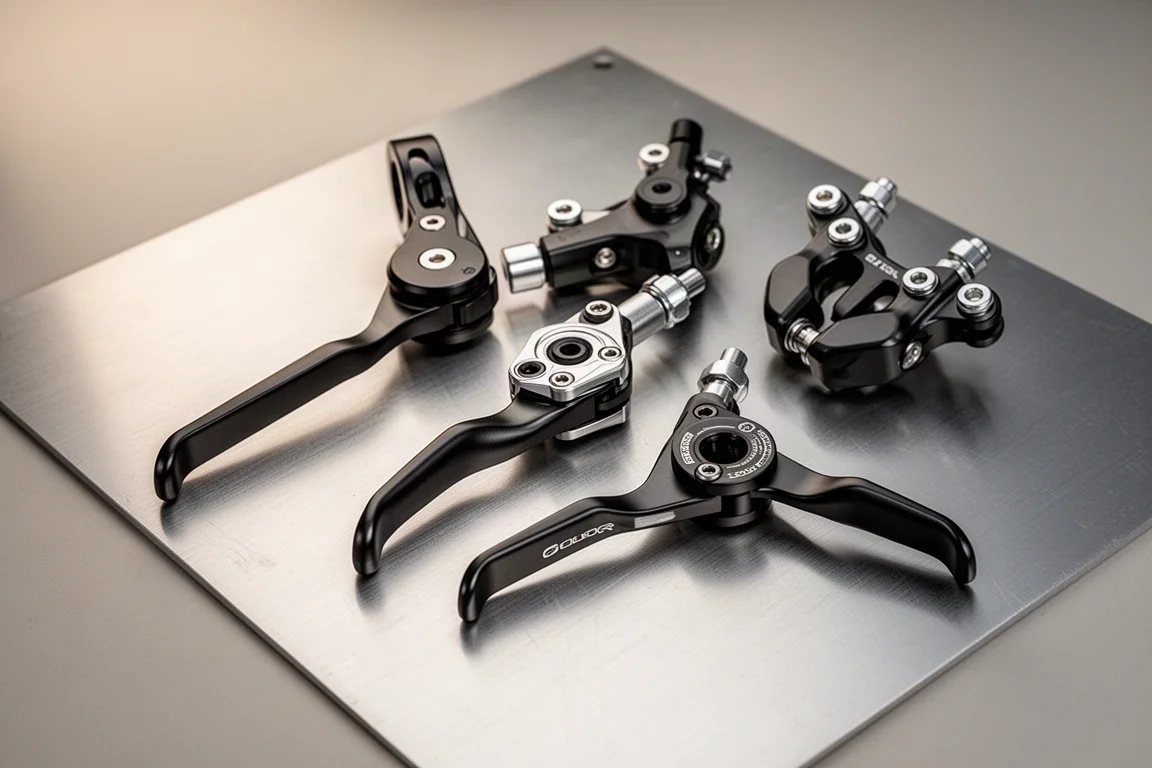
The SRAM Level Ultimate brakes on the trail build are part of the same cockpit package that includes the wider handlebar and the shorter stem. Braking control matters on the steep and rocky sections where this bike is meant to be ridden, and the upgraded brakes round out a control-focused build.
Riders who spend their time on smooth, flowing trails may not feel the need to go this far. For anyone pointing a hardtail down technical terrain, though, strong and predictable stopping power is one of the components that most directly affects how confident the bike feels.
RockShox Judy: The Stock Fork on the AL Build
The RockShox Judy is the fork that comes as standard on the aluminium Two-Stroke AL. It is a basic unit, and on a build aimed at harder trail riding it was the first part to be replaced, since a lighter fork with slightly more travel made more sense for the finished bike.
That does not make the Judy a poor fork. For riders who stick to smoother trails, or who are building up a hardtail on a tighter budget, it provides working suspension travel without adding much cost to the build, and it leaves room to upgrade later. It is a sensible starting point rather than a long-term answer for aggressive riding.
Buying Advice
The two builds answer different questions. If your riding is built around climbing speed, fire road efforts and smoother singletrack, the lightweight cross-country approach is the faster and more rewarding choice. Light wheels and faster rolling tyres are what make the difference, and the bike accelerates and holds speed in a way that feels almost road-like on smooth ground.
If you want one hardtail that covers a wider range of terrain, the trail build is the more versatile option. Wider, grippier tyres, a stouter fork with a little more travel, a dropper post and a wider bar all add up to a bike that is far more confidence inspiring when the trail points down, at the cost of some climbing pace and a bit more effort on the flats.
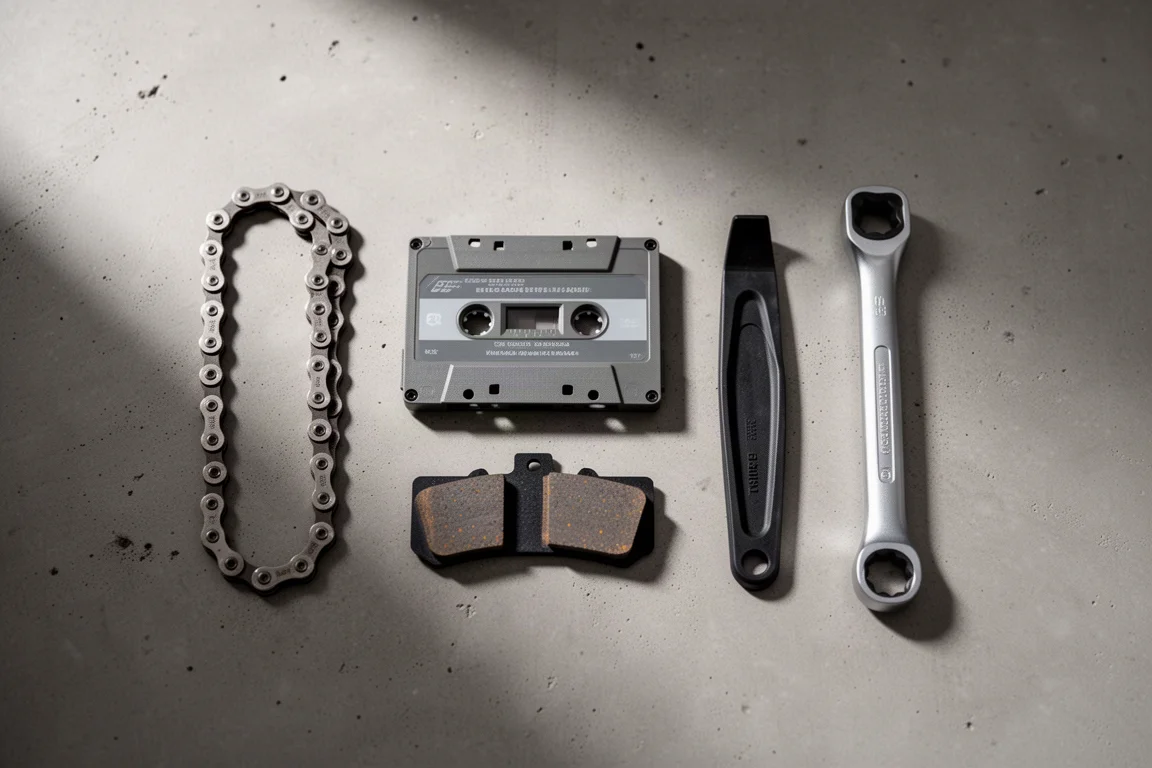
It is worth being honest about that trade-off. The timing gap between the two builds was consistent across every climb, and the trail build clawed back time on the descents without matching the climbing pace of the lighter bike. If the descents you ride are genuinely gnarly, a bigger bike would still be the better tool. For riders who want one hardtail to handle everything from gravel-style riding to technical singletrack, the trail-oriented build is the more complete answer.
Conclusion
Hardtails remain a smart choice for riders who value low weight, direct trail feel and simplicity. The cross-country build shows how far a light carbon platform and a set of carbon wheels can take that idea, delivering climbing speed that would embarrass plenty of more expensive bikes. The trail build shows the opposite approach, using a stouter fork, a dropper post, wider tyres and stronger brakes to turn an aluminium frame into a machine that is happy on rough descents and still quick enough on the way back up.
If you are choosing between the two, start with the terrain you actually ride most often. Climbing speed and efficiency point to the cross-country setup. Confidence on technical descents and the freedom to ride a wider range of trails point to the trail build. Either way, the hardtail format still makes a strong case for itself.
Further reading
Related Reviews
Mountain Bikes
Atherton AM.130 Review: 3D-Printed Titanium Lugs and a 130mm Trail Bike That Descends Like a Bigger Machine
The Atherton AM.130 pairs 3D-printed titanium lugs with carbon tubes and a DW6 suspension platform. Here is how it rides, what the build delivers, and who it suits.
Mountain Bikes
Beginner Mountain Bike Buying Guide: What to Look For in a Trailworthy Hardtail
A practical framework for evaluating beginner mountain bikes, whether new or used, by examining key components that indicate real trail capability.
Mountain Bikes
Best Aluminum Mountain Bikes 2026: Five Alloy Bikes Worth Your Attention
Five aluminum mountain bikes that show how far alloy has come, from a 120mm trail bike and a versatile machined frame to a 180mm freeride machine.