Reef Aquarium Testing
Hanna Phosphate Checkers Compared: Low Range vs Ultra Low Range vs Phosphorous
A practical guide to choosing between Hanna's low range, ultra low range phosphate, and ultra low range phosphorous checkers, plus eight testing habits that make results more consistent.
Introduction
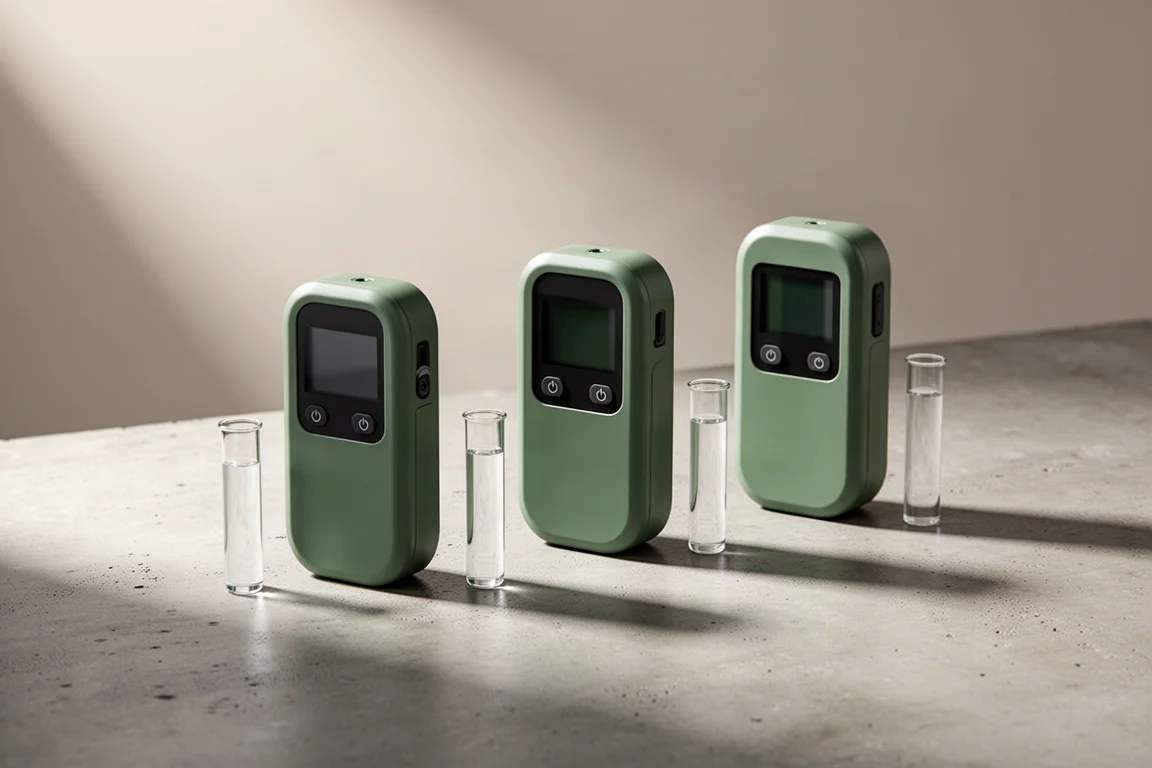
Phosphate is one of the numbers reef keepers check most often, and Hanna’s green phosphate checkers have become one of the most widely used ways to measure it at home. The lineup is small, but the differences between the models matter more than the shared green housing suggests.
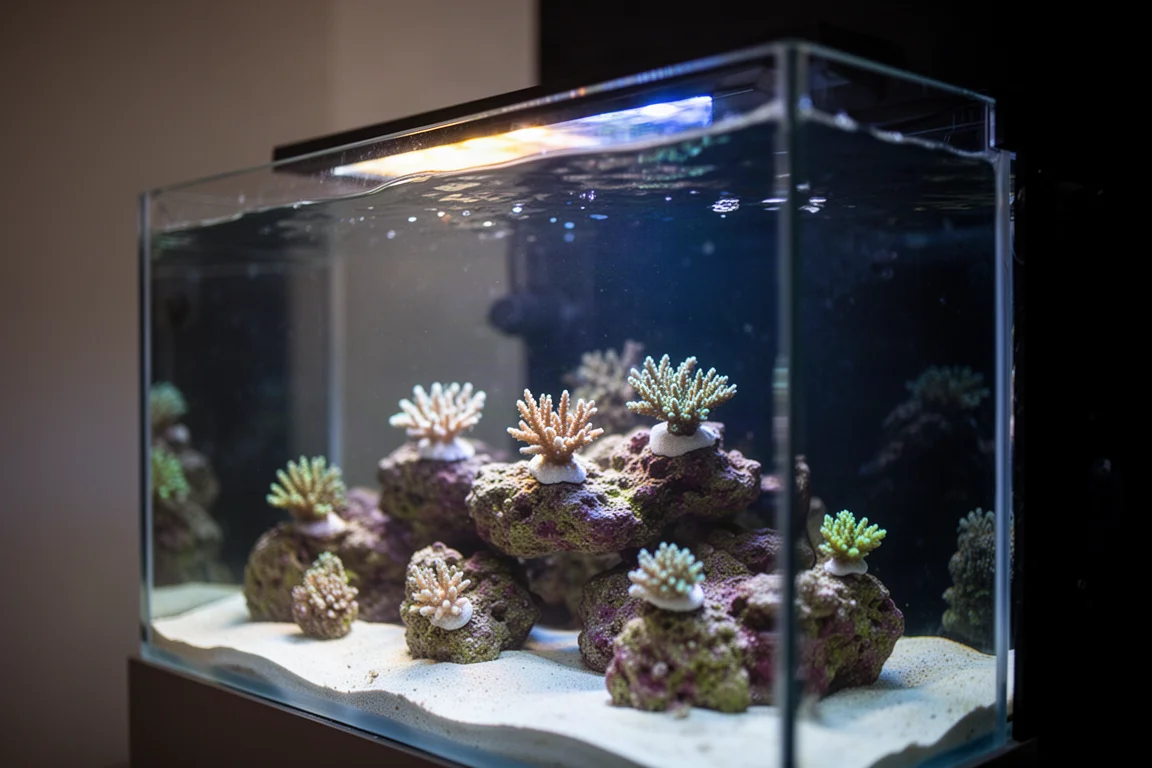
Three models cover almost every situation a hobbyist will run into: the Hanna Low Range Phosphate Checker, the Hanna Ultra Low Range Phosphate Checker, and the Hanna Ultra Low Range Phosphorous Checker. Each one exists for a specific stage of the hobby, and choosing the wrong one usually means either readings that are too coarse for your goals or a meter that stops giving useful numbers once phosphate climbs higher than expected.
This guide walks through who each checker is built for, what measuring range it covers, and the eight testing habits that make the biggest difference to consistency over time.
How to Choose the Right Hanna Phosphate Checker
The first question is not which checker is best in the abstract, but what you are trying to hold your tank at. A practical phosphate goal range for most reef tanks sits between 0.03 and 0.10 parts per million, with the exact target depending on your stage in the hobby, from beginner through to advanced. What changes as you gain experience is not so much the number as how stable your tank is around it.
The three green checkers differ mainly in measuring range. Hanna also makes a high range phosphate checker, but for the vast majority of reefing situations the three models below cover what you need, which is why the high range version is commonly skipped.
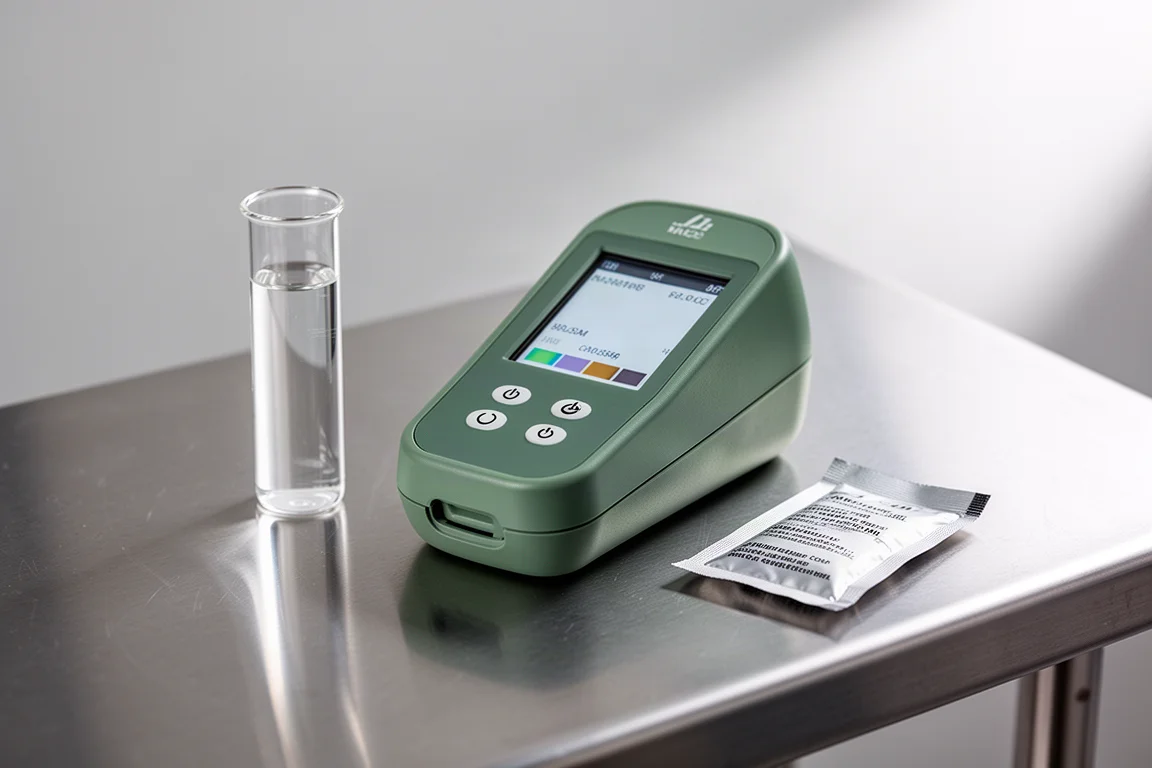
The other thing that separates them is workflow. All three run on the same basic idea of a reagent packet, a sample vial and a timed countdown, so the practical choice comes down to which range matches your tank and how much resolution your routine actually benefits from.
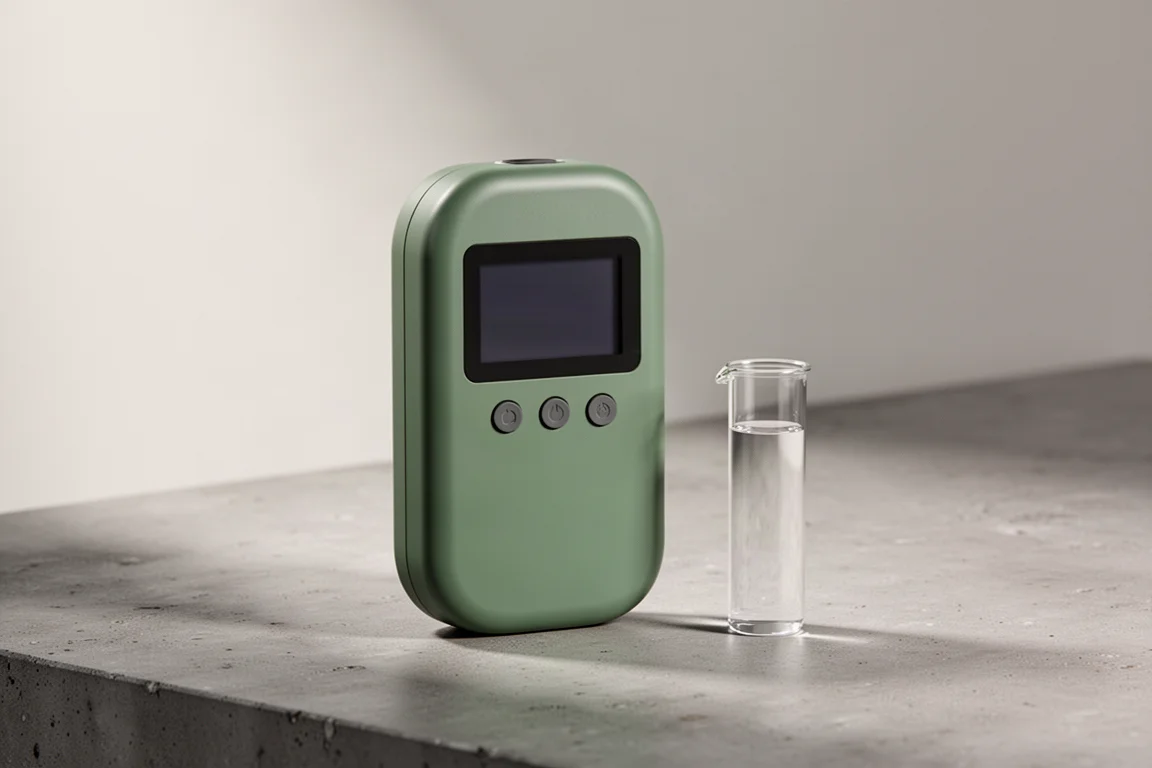
Hanna Low Range Phosphate Checker
The low range model is aimed at first-year hobbyists. Most new reef keepers spend that first year still figuring out their system: adjustments, feeding schedules and filtration needs are all in flux, and the balance between nutrient input and export keeps shifting while the tank works toward stability. Phosphate levels and algae growth tend to swing the most during this period, and a checker that can follow those swings is more useful than one built for precision at the very bottom of the scale.
That is where the low range checker earns its place. It offers the highest testing range of the three, measuring phosphate from zero all the way to 2.5 ppm. A reading that high is not something anyone wants to see, but the ability to measure that far means the checker keeps giving you a real number during a spike instead of topping out at the edge of its range.

For a new tank, that headroom is the feature that matters. You get a clear picture of how far phosphate has moved after a feeding change or a filtration adjustment, and you can watch it come back down over the following weeks without needing a second meter.
Hanna Ultra Low Range Phosphate Checker
After the first year or so, phosphate levels usually settle as feeding habits and filtration practices improve. Once the tank is stable, keeping phosphate inside the 0.03 to 0.10 ppm window becomes far easier to manage, and the checker can be matched to that window rather than to a wide range.
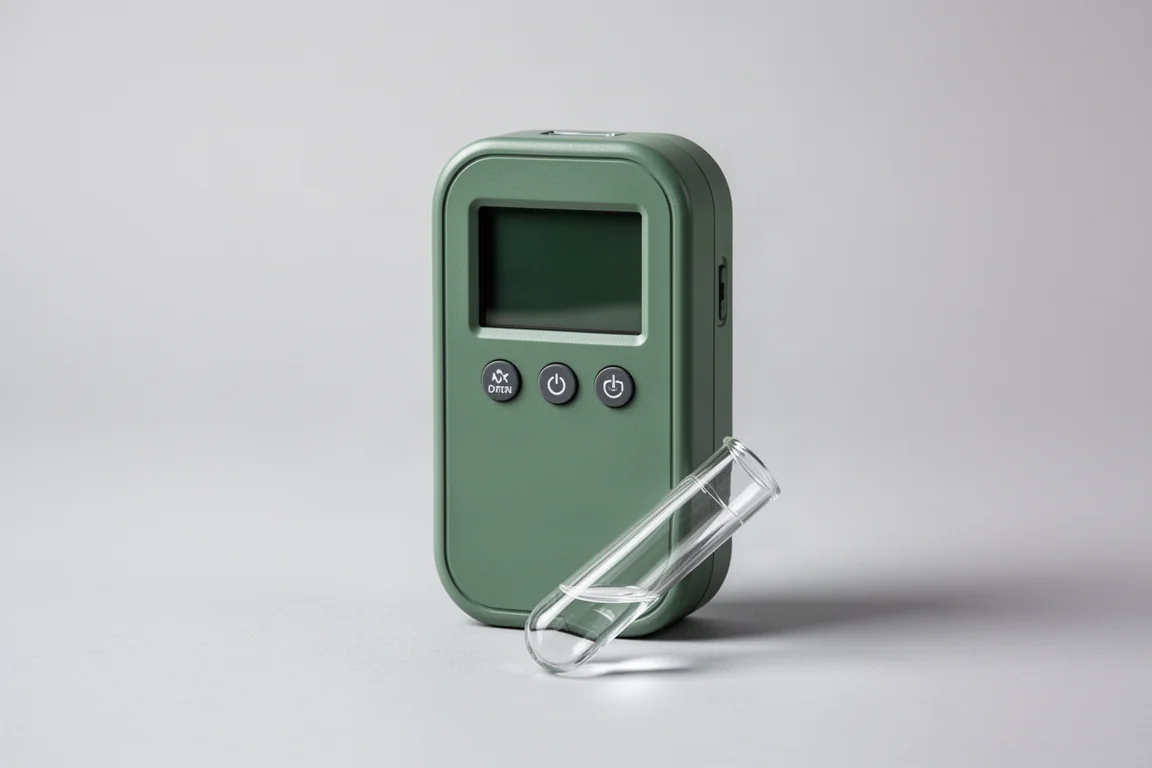
The ultra low range phosphate checker measures from zero to 0.09 ppm, which sits right on that target band. It is the model most reefers end up choosing, and it is the natural step up once you have some phosphate management experience behind you.
The trade-off is the top of the range. If phosphate in your tank climbs past 0.09 ppm, this checker will not be able to quantify it, so it suits systems that are already under reasonable control. For most established tanks that is exactly the situation, and the tighter resolution in the low range is the reason it is so widely used.
Hanna Ultra Low Range Phosphorous Checker
The phosphorous checker is the specialist of the group. It is intended for experienced reef keepers who need an advanced tool for fine-tuning nutrient inputs, deliberately controlling phosphate, and in some cases dosing phosphate on purpose. Where the other two checkers are about keeping phosphate inside a target band, this one is about monitoring it in detail, down to parts per billion.
That level of resolution makes sense for a particular kind of reefer: someone running a controlled system who wants to see how a specific change in feeding or dosing moves the number. It is not the first checker to buy, and it is not designed to replace the wide range coverage of the low range model.
If your phosphate is still moving around by large amounts, the extra sensitivity here will not tell you anything the other two models cannot. It becomes valuable once the tank is predictable and you are tuning rather than correcting.
Eight Testing Tips for More Consistent Results
The checkers themselves are only part of the story. Consistency is what makes Hanna’s phosphate checkers one of the most trusted options in the hobby, and most of that consistency comes from how you test rather than which model you own. These eight habits are worth building into every test.
- Buy the right reagent refill. Each checker uses its own reagent, so match the refill to the exact model you own instead of assuming they are interchangeable. If you are unsure, look up the specific reagent listed for your checker.
- Keep vials clean. Rinse and store your sample vials with purified RO/DI water so nothing from a previous test carries over into the next reading.
- Wear gloves. Oils from your hands can end up on the vial, and a film on the glass can interfere with the light the checker uses, skewing the result.
- Open the reagent properly. Cut the packet with scissors along the dotted line, form a channel, and add all of the powder to the vial. Powder left behind means a weaker reaction than the test expects.
- Follow the timing exactly. If the instructions say to shake for two minutes, set a timer for two minutes. What feels like two minutes usually is not.
- Use the built-in timer. Press and hold the center button until three minutes appears on the display, then let the checker run its countdown.
- Do not walk away from the test. Once the three-minute timer finishes and the reading appears, you have two minutes to view the result. If the display shuts off before you read it, the test has to be repeated.
- Follow every direction, every time. The whole point is repeatability. Running the same steps in the same order is what makes readings comparable from one week to the next.
Overall Buying Advice
Match the checker to the stage of the tank rather than to the promise of greater precision. A first-year system with moving phosphate levels is better served by the wide measuring range of the low range checker, which keeps reading through spikes up to 2.5 ppm.
Once the tank has settled and you are holding phosphate somewhere in the 0.03 to 0.10 ppm band, the ultra low range phosphate checker is the natural fit, and it is the model most reefers settle on. It covers that window directly and is the simplest way to track day to day stability.
The ultra low range phosphorous checker is a deliberate step up for reef keepers who already control and dose phosphate and want parts per billion visibility. Buying it before the tank is stable tends to add cost and complexity without adding useful information.
Whichever model you choose, plan for reagent refills as an ongoing part of the cost and treat the testing routine as part of the equipment. The eight habits above matter as much as the meter itself.
Conclusion
Hanna’s three green phosphate checkers are not competing versions of the same product. They are three tools for three stages of the hobby. Start with the low range model while the tank is still settling, move to the ultra low range phosphate checker once you can hold a stable target, and consider the ultra low range phosphorous checker when phosphate control becomes something you actively manage rather than simply monitor. Choose the model that matches where your tank is now, and pair it with a disciplined testing routine for readings you can actually trust.
Further reading
Related Reviews
Reef Aquarium Testing
Best Reef Tank Test Kits: Practical Picks for Alkalinity, Calcium, Magnesium, Nitrate and Phosphate
A practical set of reef aquarium test kits for the five parameters keepers check most often, chosen for speed, readability and results you can trust when dosing.
Reef Aquarium Testing
Best Reef Test Kits 2026: Magnesium, Calcium, Alkalinity, Phosphate and Nitrate Picks
A parameter-by-parameter guide to the reef test kits reef keepers buy most, from magnesium and calcium through to alkalinity, phosphate and nitrate, plus the stirrer that makes titration testing easier.

Backpacking Gear
Building a 10 lb Base Weight: An Ultralight Backpacking Gear List
A practical walkthrough of the ultralight pieces behind a 10 lb base weight, from a 765 g pack and a roomy one-person tent to a full camp chair and a dependable water filter.