Reef Aquarium Testing
Best Reef Test Kits 2026: Magnesium, Calcium, Alkalinity, Phosphate and Nitrate Picks
A parameter-by-parameter guide to the reef test kits reef keepers buy most, from magnesium and calcium through to alkalinity, phosphate and nitrate, plus the stirrer that makes titration testing easier.
Introduction
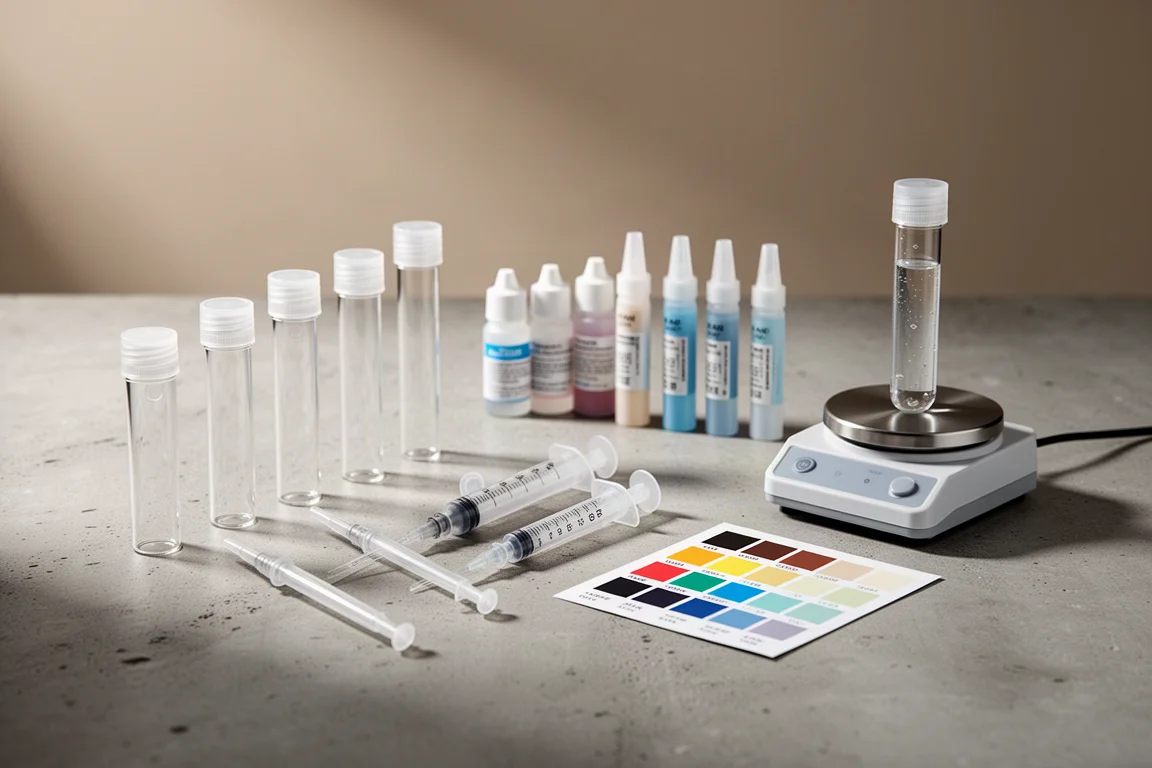
A reef tank is only as stable as the numbers you can actually read. Magnesium, calcium, alkalinity, phosphate and nitrate shape how corals build skeleton, how quickly algae takes hold, and whether the dosing you add each week does what you expect it to.
The kit market has settled into a fairly clear pattern. One brand dominates titration testing across several parameters, a handful of others win on specific strengths, and digital checkers have taken over exactly the parameters where colour matching is hardest.
This guide walks through the kits reef keepers buy most, parameter by parameter, and the low-cost accessory that changes how titration testing feels.
What to Look For in a Reef Test Kit
Three qualities matter more than brand loyalty.
Consistency. A kit that returns the same result regardless of who performs the test is more useful than one that demands perfect technique. Chemistry that tolerates a slightly long shake or a fractionally heavy drop is worth more in daily use than a specification sheet.
Readability. Colour comparison is the weak point of titration testing. Blue and pink shades are hard to separate under aquarium lighting, and a reading you cannot trust is a reading you will gradually stop taking.
Speed. The tests you run most often, alkalinity for two-part dosing and nitrate on a monthly check, have to be quick, or they quietly drop out of your routine.
The Accessory Worth Buying First: Smart Stir Magnetic Stirrer
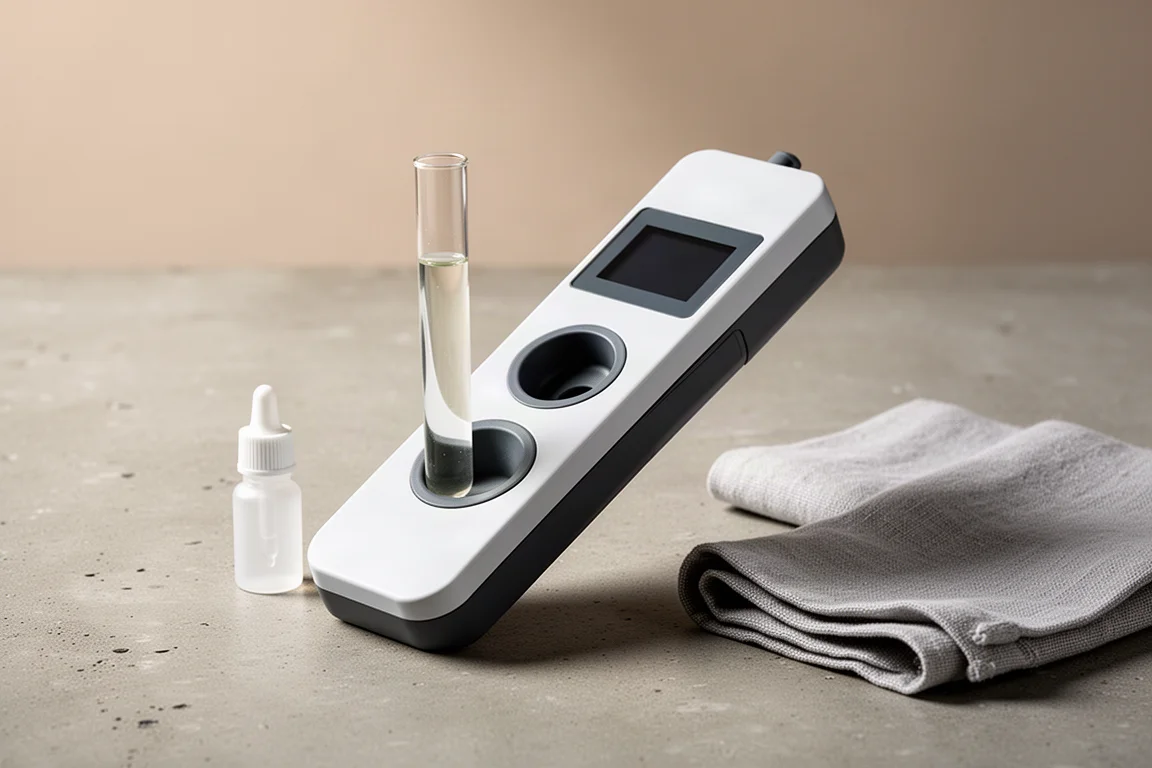
The Smart Stir is not a test kit, but it is the single most useful addition to a titration-based routine. It is a magnetic stirrer sized for the small cuvettes that most kits use, and it keeps the sample moving continuously while you work the syringe, so you are not trying to swirl a vial and press a plunger at the same time.
The reason it helps comes down to how titration kits detect an endpoint. The reagent carries a pH dye, and the colour flips once enough has been added to shift the sample’s pH. A partly mixed sample flashes pink and then reverts, because only the outer volume changed while the centre stayed where it was.
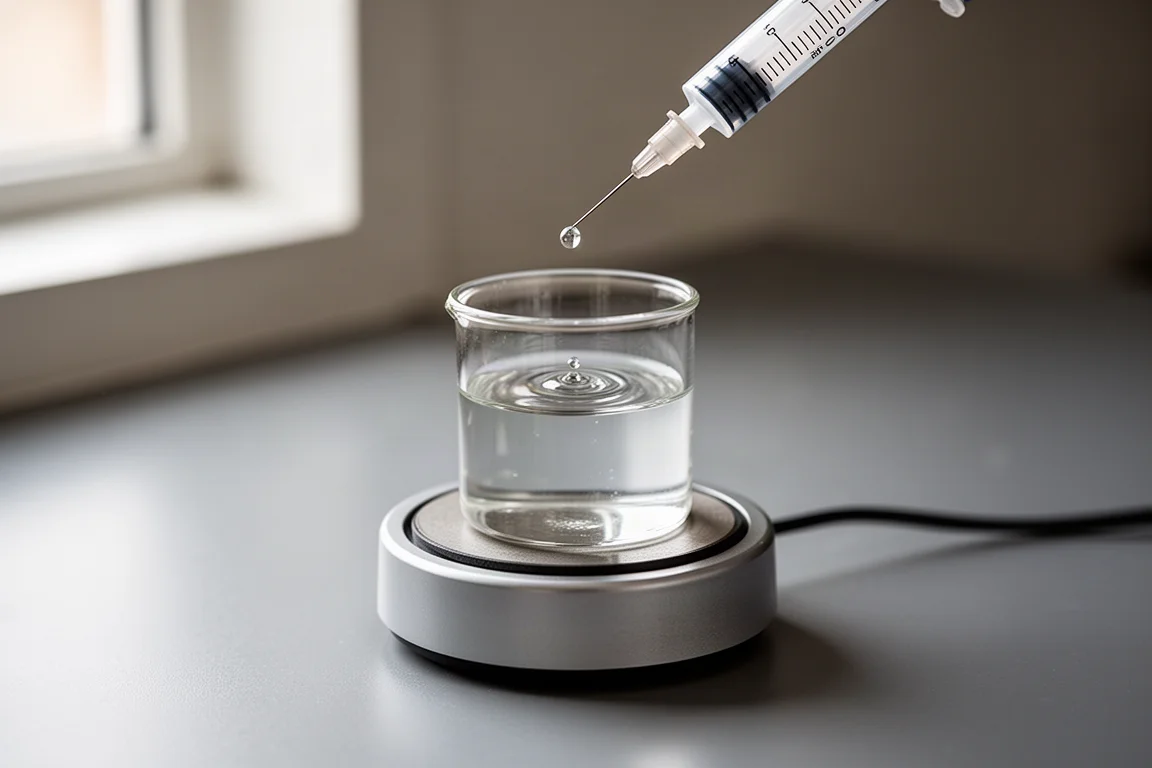
Continuous stirring mixes every drop through the full volume, so the colour change sticks the moment the endpoint is reached. The practical result is faster tests, fewer overshot drops, and a titration you can run with one hand. It also fits cuvettes from a range of kits, so it is not locked to a single brand.
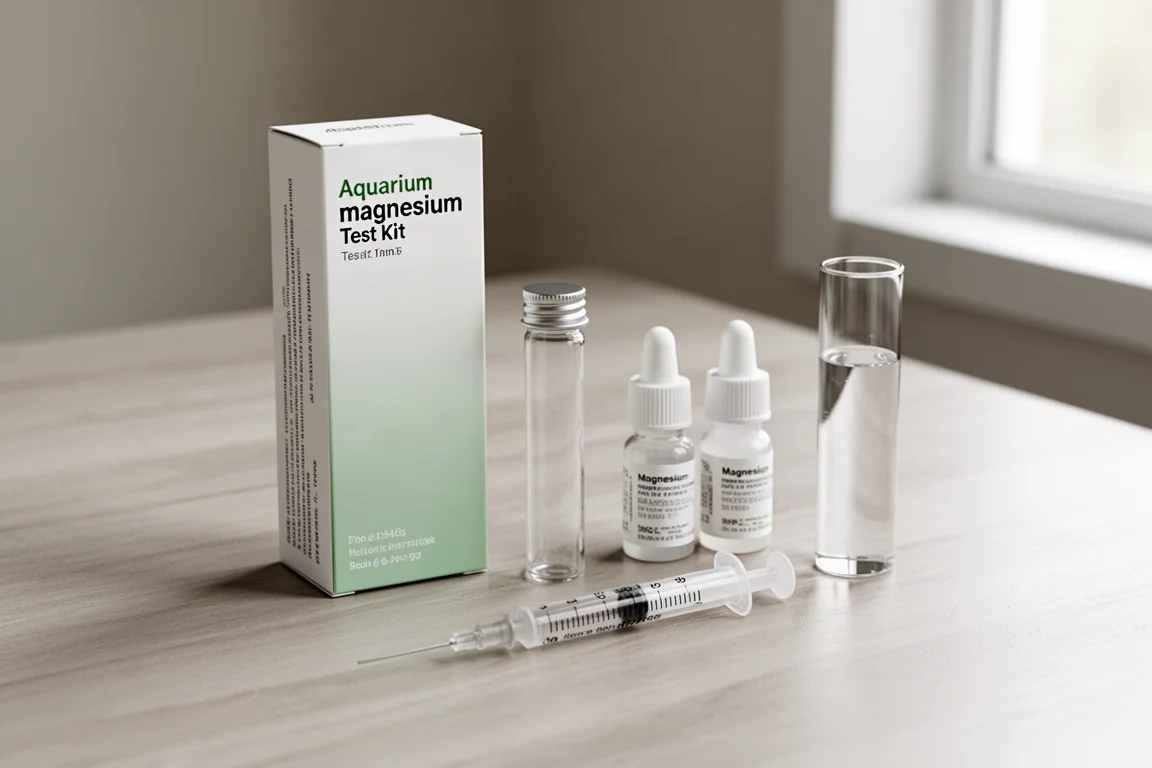
Best Magnesium Test Kit: Salifert Magnesium
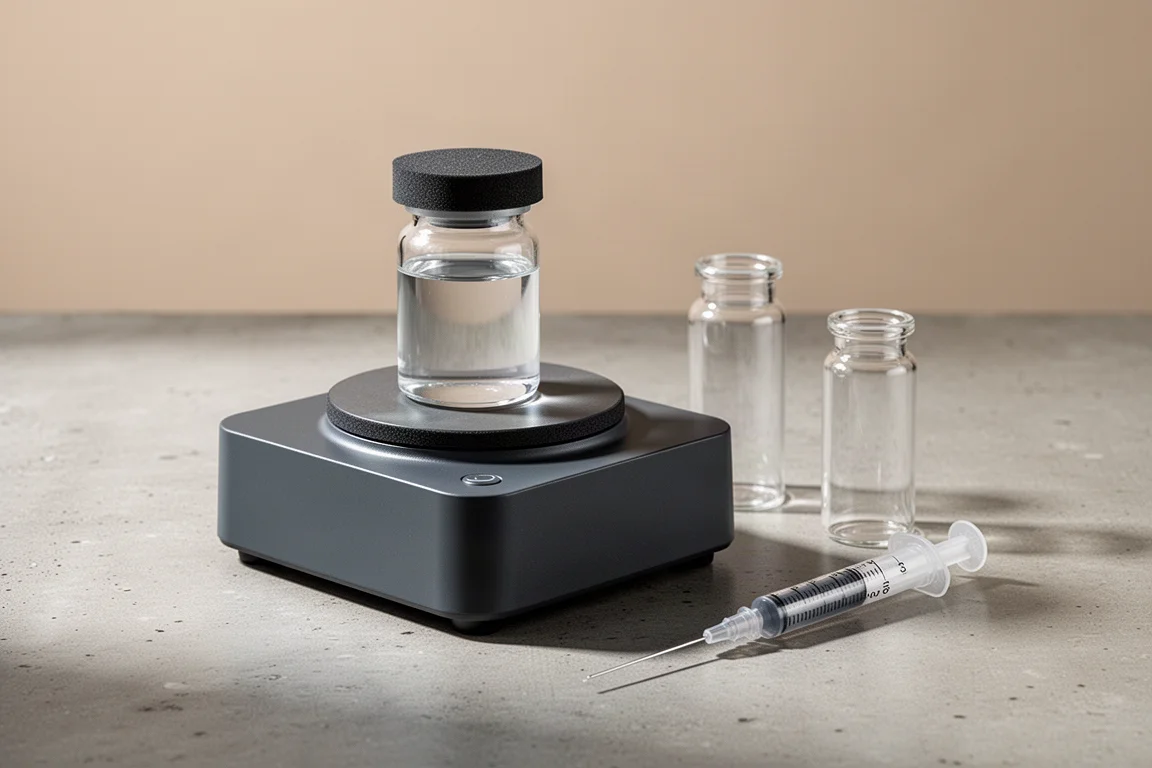
Salifert’s magnesium kit is the default in the hobby, and it is not close. It outsells every other magnesium kit combined by a wide margin, and two decades on the market mean most reef keepers already know the procedure by heart.
For magnesium, a stable baseline matters more than a perfect one. A reading that sits a little off will not change what you do next week, but a reading that wanders between tests will hide a real trend.
The Most Consistent Magnesium Alternative: Aquaforest Magnesium
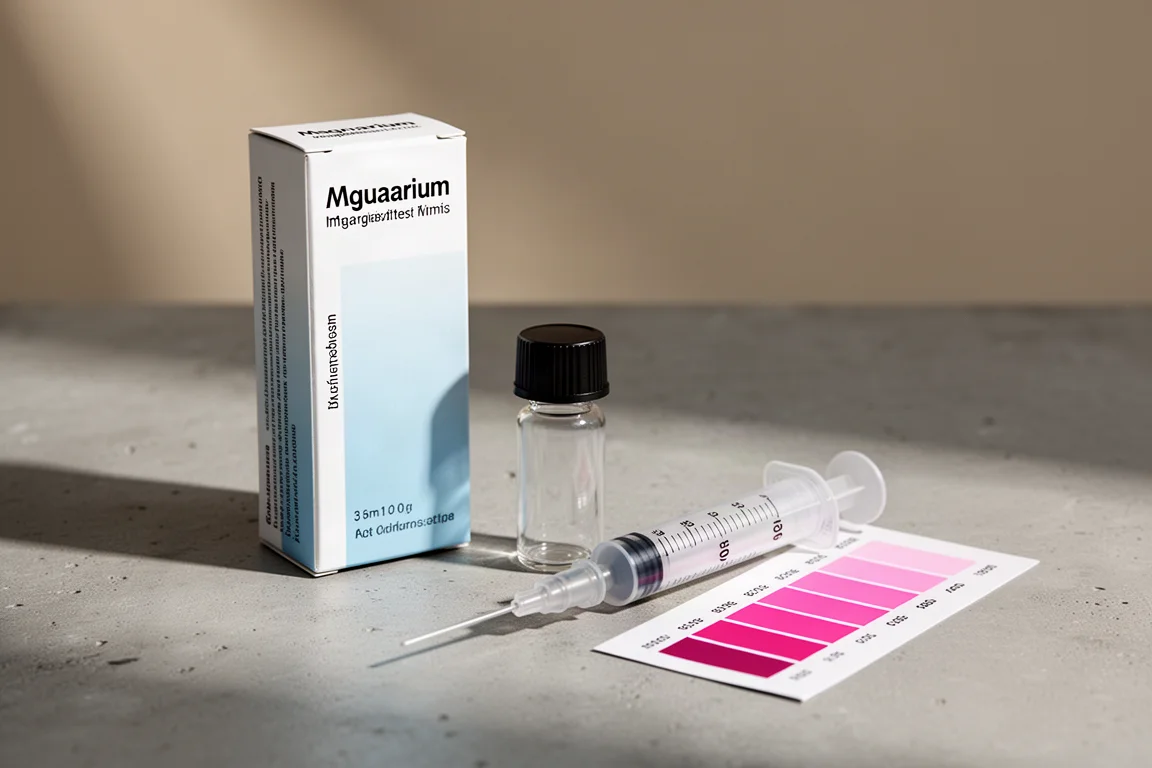
Aquaforest’s magnesium kit is the pick when repeatability is the priority. It returns consistent results across different users and different experience levels, which is the quality that makes a titration kit genuinely dependable: the chemistry is forgiving enough that an imprecise swirl or an extra drop does not distort the endpoint.
It also includes a reference sample you can test against to confirm your technique, and its price point is a real advantage for anyone building out a full testing lineup.
Best Calcium Test Kit: Salifert Calcium
Salifert takes calcium as well, and it is the most widely bought calcium kit among reef keepers. Like the magnesium kit, it is a familiar titration procedure with the same practical strengths: easy to source, easy to replace, and easy to learn. Pairing the two keeps both tests on one procedure, which makes your log far easier to compare month to month.
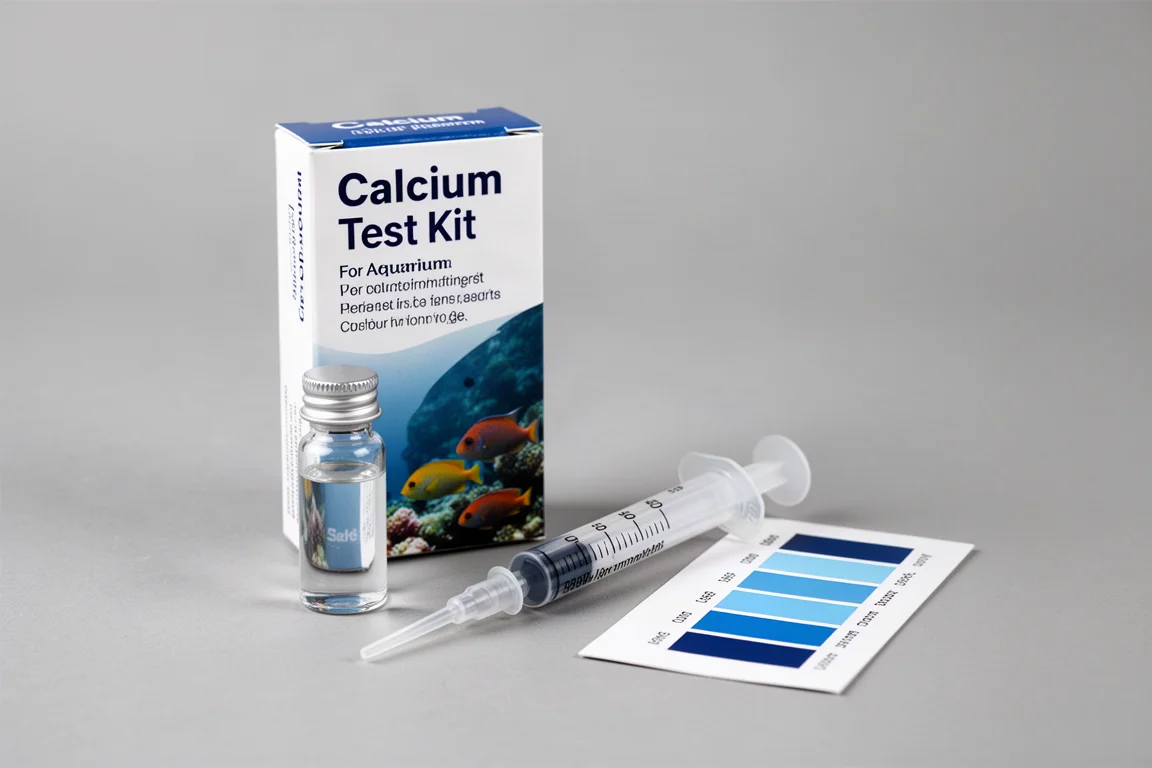
Easiest Calcium Titration: Red Sea Calcium
Red Sea’s calcium kit is the one to choose when ease of use and consistent results matter most. The test itself is straightforward to perform, and the components do a lot of the work for you.
The titrator is built to be used one-handed, which keeps your other hand free, and the cuvettes are a precise fit for the Smart Stir. If you already run a magnetic stirrer, this is the kit that slots into it with no workaround.
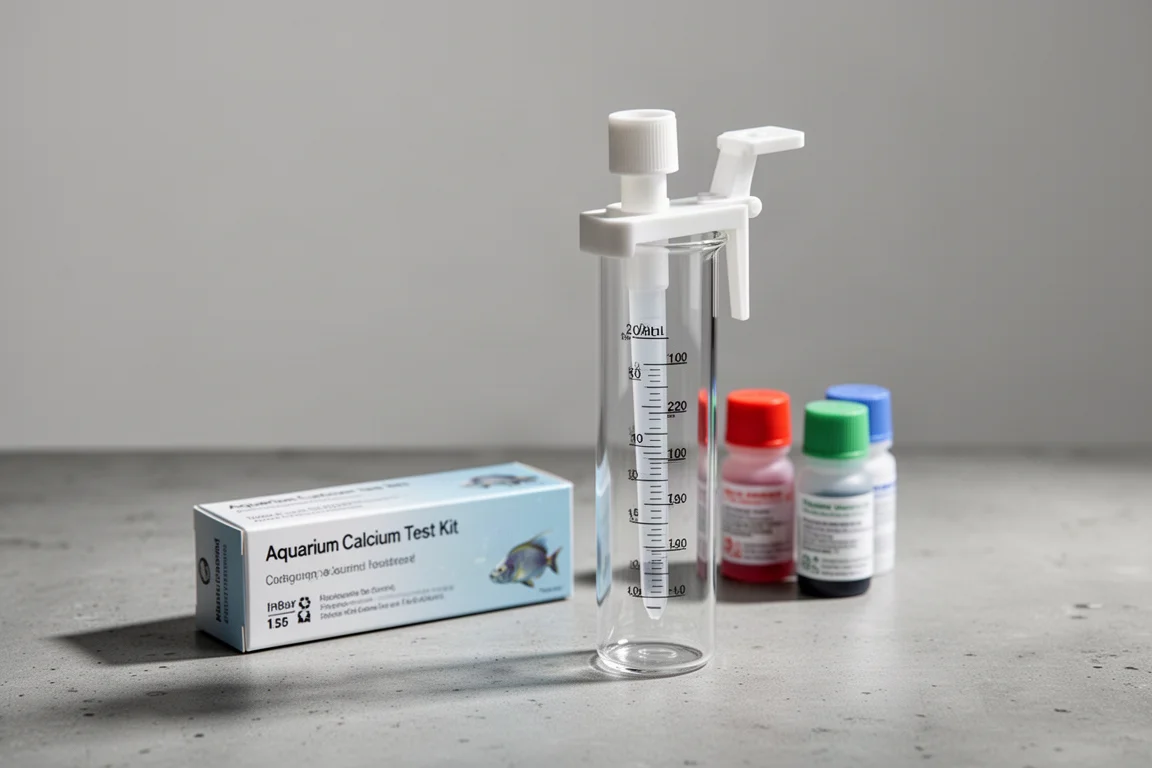
Best Alkalinity Test Kit: Salifert Alkalinity
Among titration kits, Salifert’s alkalinity test is the one reef keepers buy most often, outselling every other alkalinity kit combined. Alkalinity is the measurement you repeat more than any other, particularly if you dose two-part, so a procedure that is already second nature is a genuine advantage.
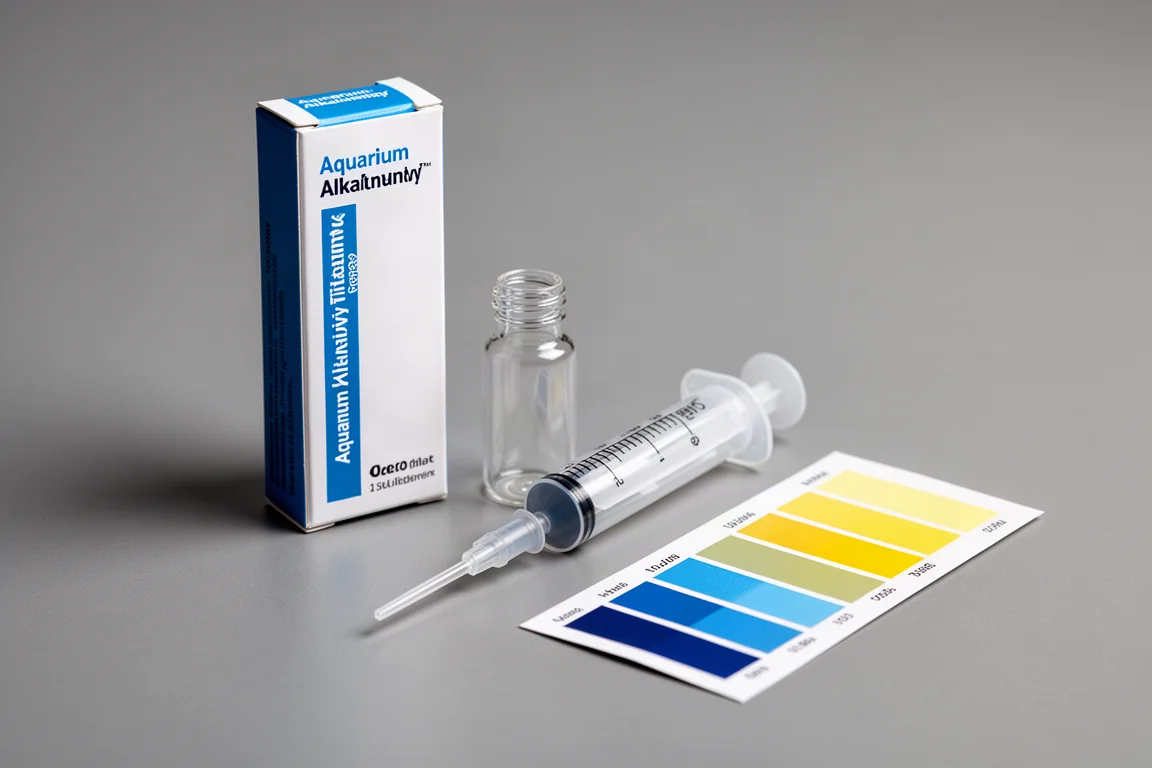
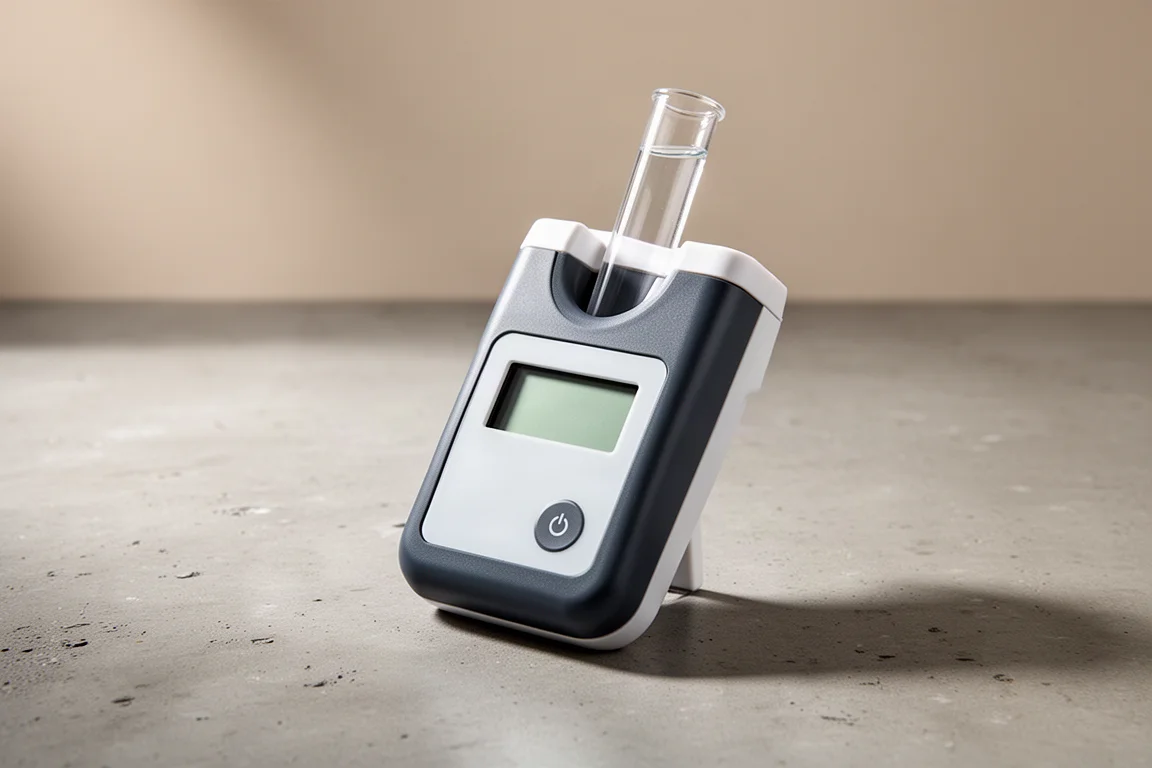
Best Digital Alkalinity Checker: Hanna Alkalinity Checker
The Hanna alkalinity checker is the most widely used alkalinity test in the hobby, and the gap is dramatic. There is no colour interpretation and no arithmetic: you fill the cuvette, add the reagent, press the button, and read a dKH value in under a minute. It is also the most consistent option across every skill level.
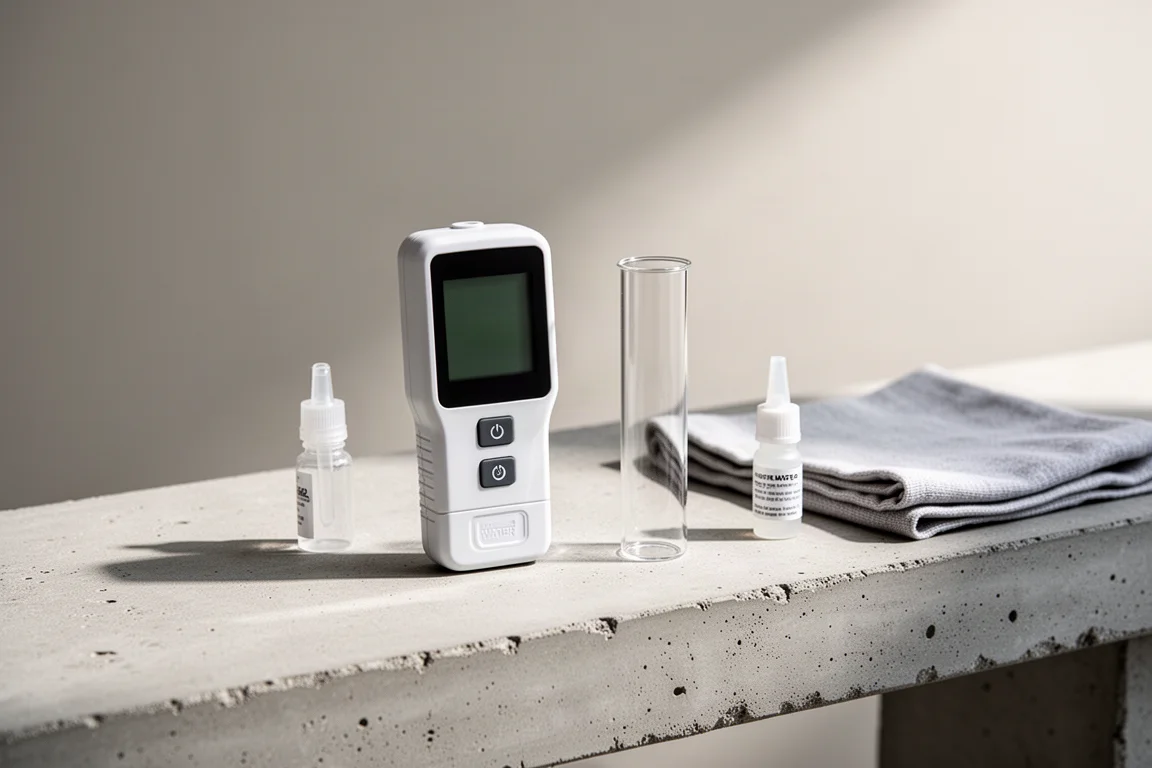
The trade-off is cost. Between the reagent kit and the reagents themselves, running the checker works out to roughly five times the price of a Salifert alkalinity kit. For a test you may run several times a week while dialling in two-part dosing, plenty of reef keepers decide the speed and the unambiguous number are worth it.
Best Phosphate Test Kit: Salifert Phosphate
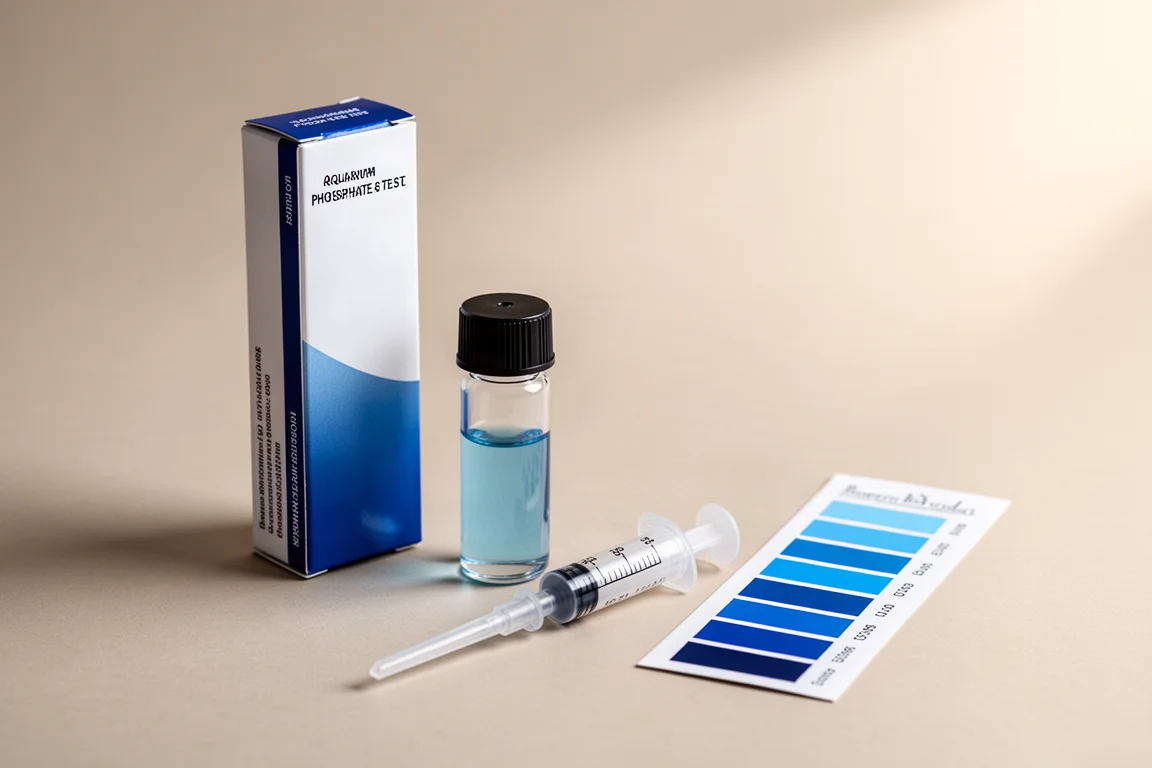
Salifert’s phosphate kit is the most popular titration option for the parameter, and it comes with one honest drawback: the blue colour scale is difficult to read. The difference between adjacent shades is subtle, and reading them against aquarium lighting or through the side of a vial rarely produces a number you can defend.
The Easiest Phosphate Reading: Hanna Phosphate Checker
A digital readout removes that problem entirely. The Hanna phosphate checker uses a single reagent and a simple procedure, and it returns a number rather than a shade of blue.
That number is worth having, because phosphate is a window into accumulating pollution. Most reef keepers aim for somewhere between 0.03 and 0.1 ppm; above that range calcification can slow and algae gets an easier foothold. Even if you do not chase an exact figure, the trend is what matters: a value that climbs month after month points to organics building up from food and additives, with other unused compounds rising alongside them.
Best Nitrate Test Kit: Salifert Nitrate
Salifert’s nitrate kit is the most widely used titration option here too, and it is a dependable choice for a once-a-month check. The caveat is the endpoint: the pink shade is the hardest of the Salifert colour scales to read confidently, especially at low levels.
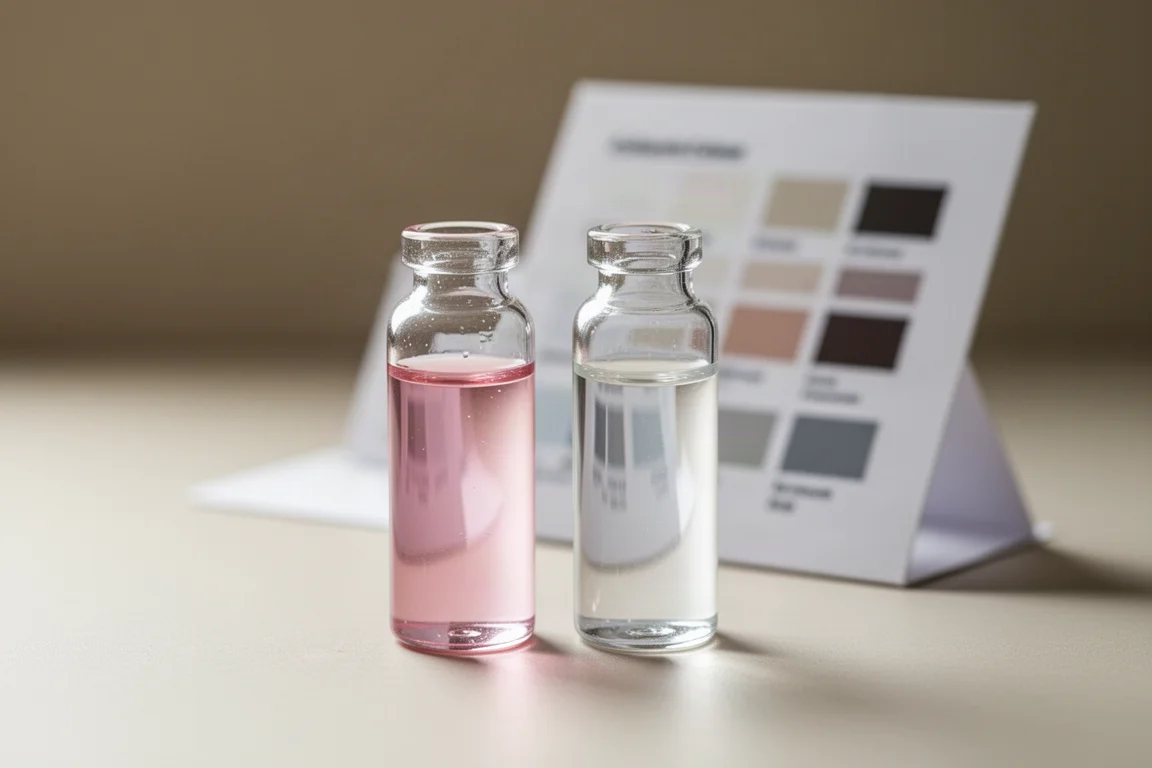
Nitrate is a trend measurement rather than a precision one for most tanks. What you want to know is whether the number is drifting upward over time, holding steady, or falling to zero.
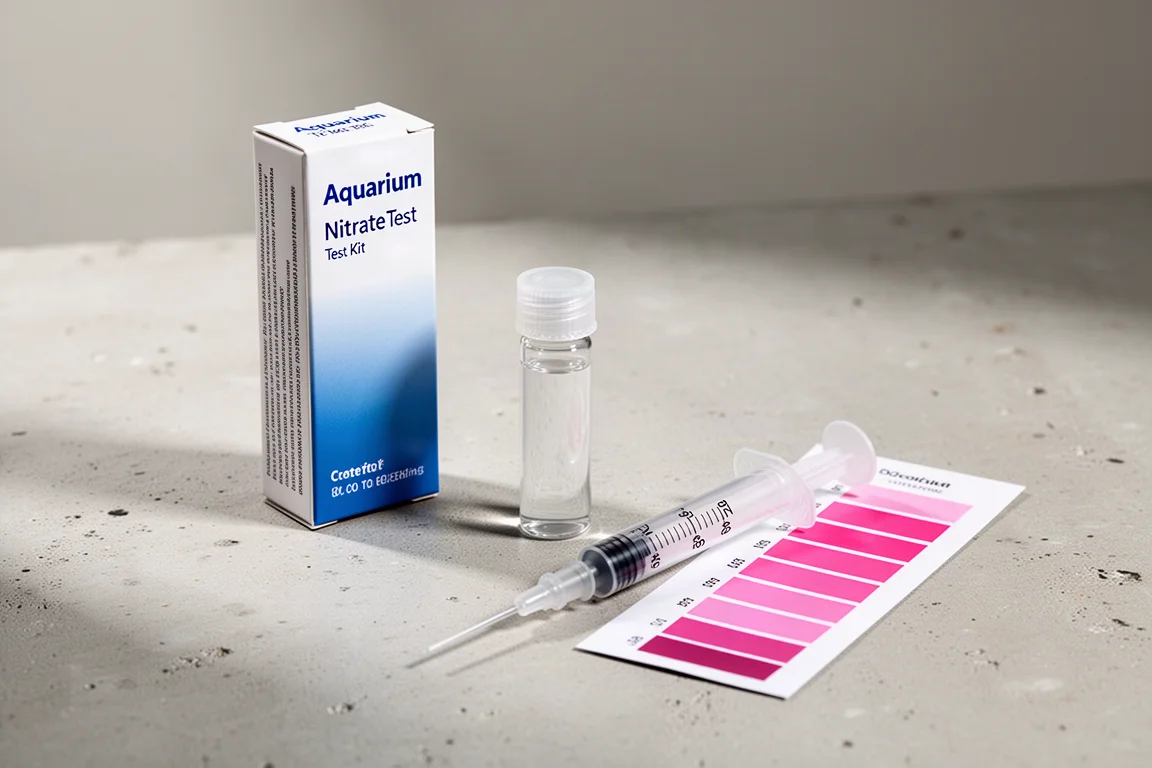
The Easiest Nitrate Colour to Read: Nyos Nitrate
Nyos takes a different approach by ending on orange rather than pink or blue. The colour is far easier to read, even at fairly low nitrate, and the increments are spaced widely enough that the reading stays accurate rather than approximate. The procedure itself is simple.
It also lasts. Kept for monthly testing, a single kit covers a long stretch before its expiry date, which keeps the cost per test low.
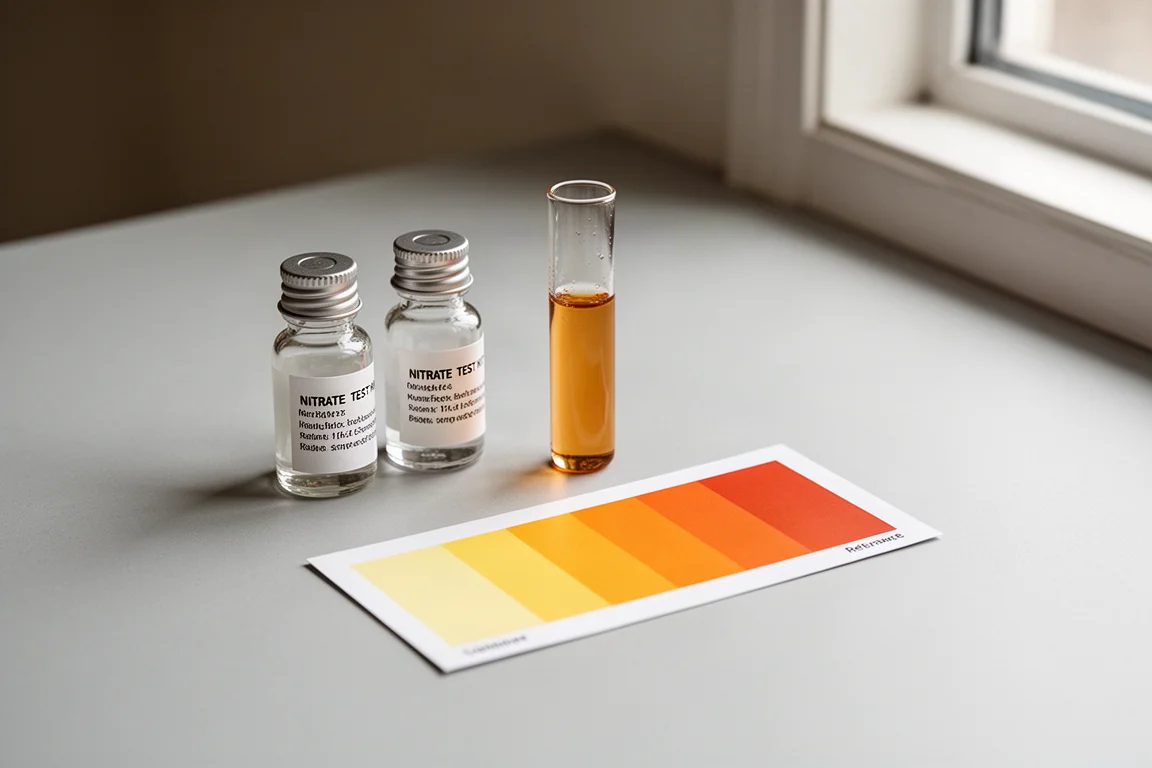
Best Accuracy at Low Nitrate: Red Sea Nitrate
If your goal is to push nitrate down to a genuinely low level, Red Sea’s nitrate kit is the accuracy pick. In direct comparisons against a lab-grade benchtop photometer running its own nitrate chemistry, the Red Sea reagents produced better results. That is an unusual outcome for a hobby kit, and it is why this is the choice for anyone who cares about pinning a low number rather than staying in the ballpark.
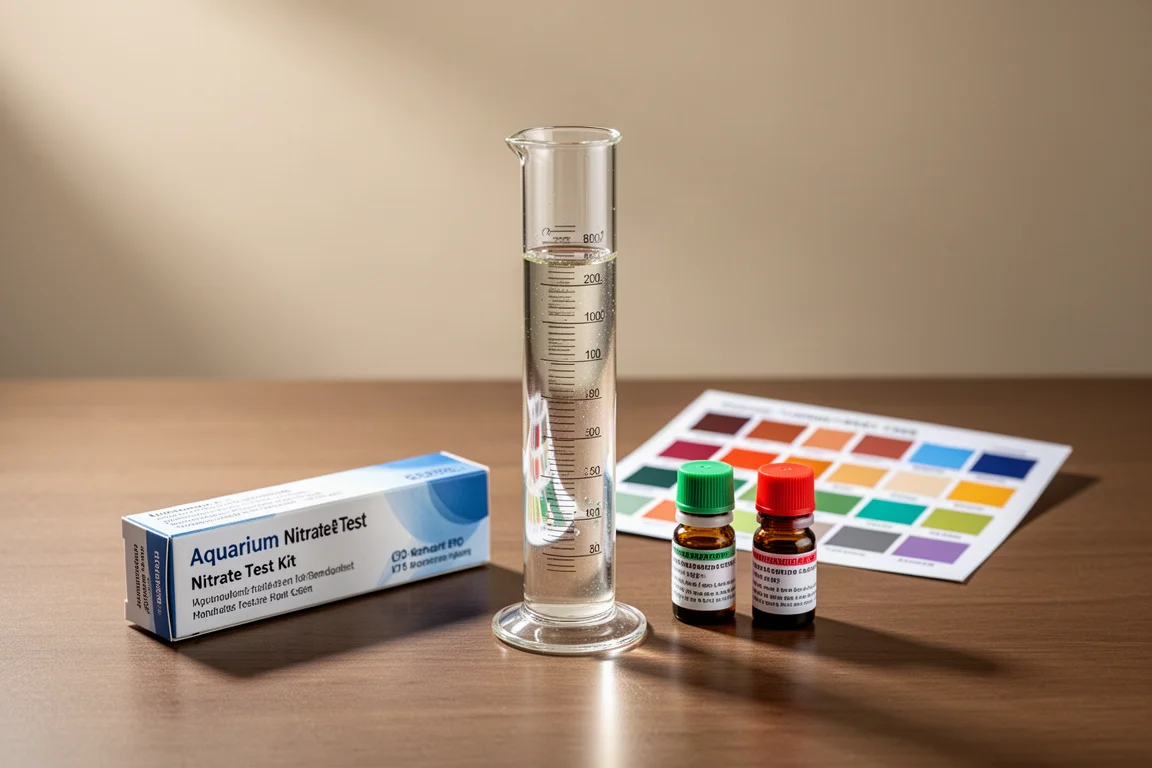
The Quickest Nitrate Reading: Hanna High Range Nitrate Checker
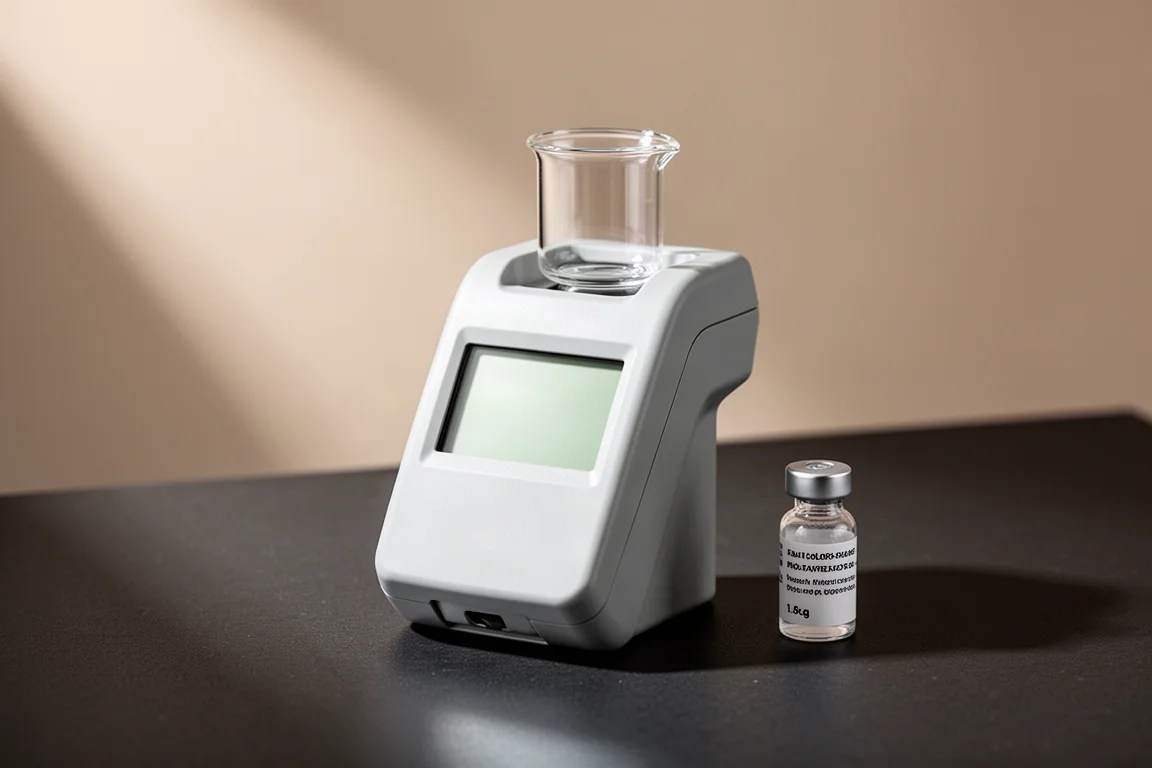
The high range Hanna nitrate checker follows the same pattern as the alkalinity and phosphate checkers: sample in, reagent in, button pressed, number out. There is no colour interpretation and no waiting.
If you only test nitrate once a month to confirm that your routine is not letting it creep upward, that is all the resolution you need. A low range version exists for tighter measurement, but it adds steps to a test that is usually about confirming a trend.
Buying Advice
Start with the accessory, not the kit. If you run any titration-based test, the Smart Stir removes the awkward half of the procedure, and it works with cuvettes from several brands. It is the cheapest way to make every test you already own faster and easier to read.
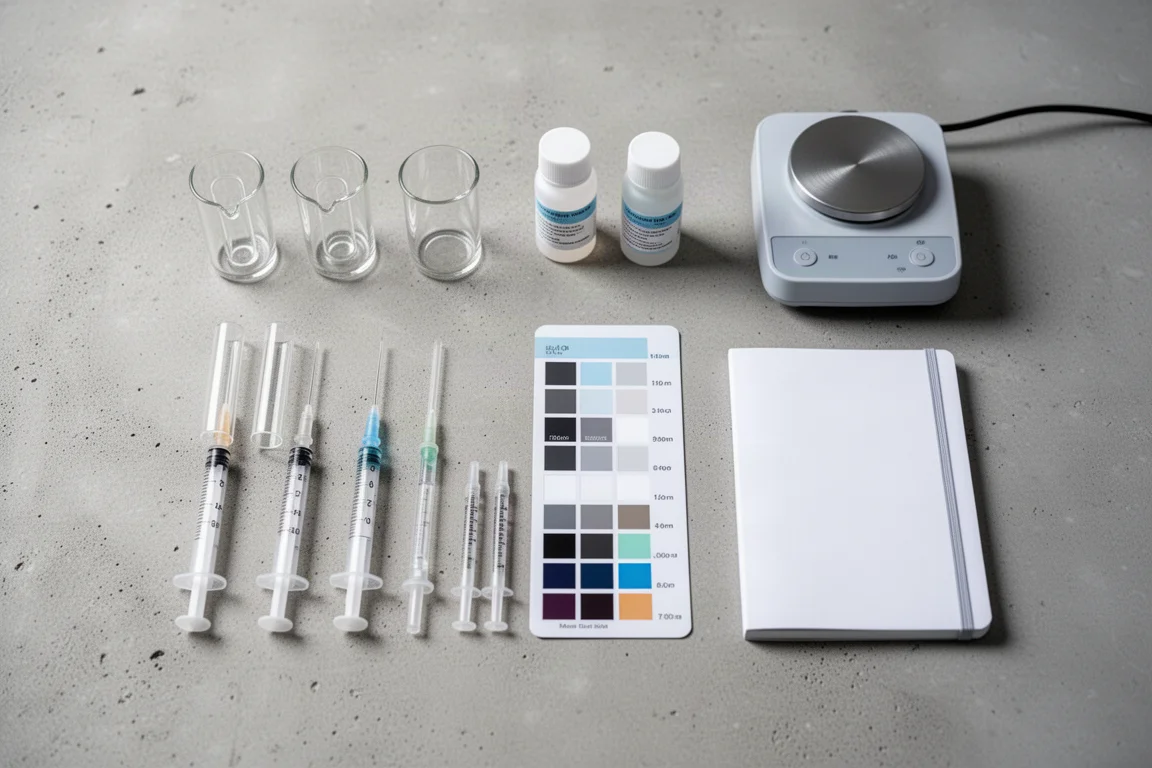
After that, match the kit to the decision it supports. Alkalinity and phosphate are the parameters where colour matching fails most often, which is exactly why digital checkers have become the default there. For nitrate, the choice is about temperament: Nyos if you want the easiest colour to read, Red Sea if you want the best low-range accuracy, and the high range Hanna checker if you simply want a number in under a minute. For magnesium and calcium, Salifert covers both parameters at low cost, Aquaforest’s magnesium kit adds a reference sample and steady results across users, and Red Sea’s calcium kit is the most comfortable to perform if you already own a magnetic stirrer.
Conclusion
The safe route through this list is shorter than it looks. Salifert remains the value backbone of a testing lineup, with magnesium, calcium, alkalinity and nitrate kits that are familiar, widely available and inexpensive to replace.
Where colour becomes the bottleneck, digital checkers take over: alkalinity and phosphate first, then nitrate if speed matters more than the last fraction of precision. Magnesium is where Aquaforest earns a place beside the market leader, and calcium is where Red Sea’s one-handed titrator and stirrer-friendly cuvettes make the test noticeably less fiddly.
Buy the stirrer, then buy the kits that fit the way you actually test.
Further reading
Related Reviews
Reef Aquarium Testing
Best Reef Tank Test Kits: Practical Picks for Alkalinity, Calcium, Magnesium, Nitrate and Phosphate
A practical set of reef aquarium test kits for the five parameters keepers check most often, chosen for speed, readability and results you can trust when dosing.
Reef Aquarium Testing
Hanna Phosphate Checkers Compared: Low Range vs Ultra Low Range vs Phosphorous
A practical guide to choosing between Hanna's low range, ultra low range phosphate, and ultra low range phosphorous checkers, plus eight testing habits that make results more consistent.

Backpacking Gear
Building a 10 lb Base Weight: An Ultralight Backpacking Gear List
A practical walkthrough of the ultralight pieces behind a 10 lb base weight, from a 765 g pack and a roomy one-person tent to a full camp chair and a dependable water filter.